Which Students Does University Life Really Cater To?

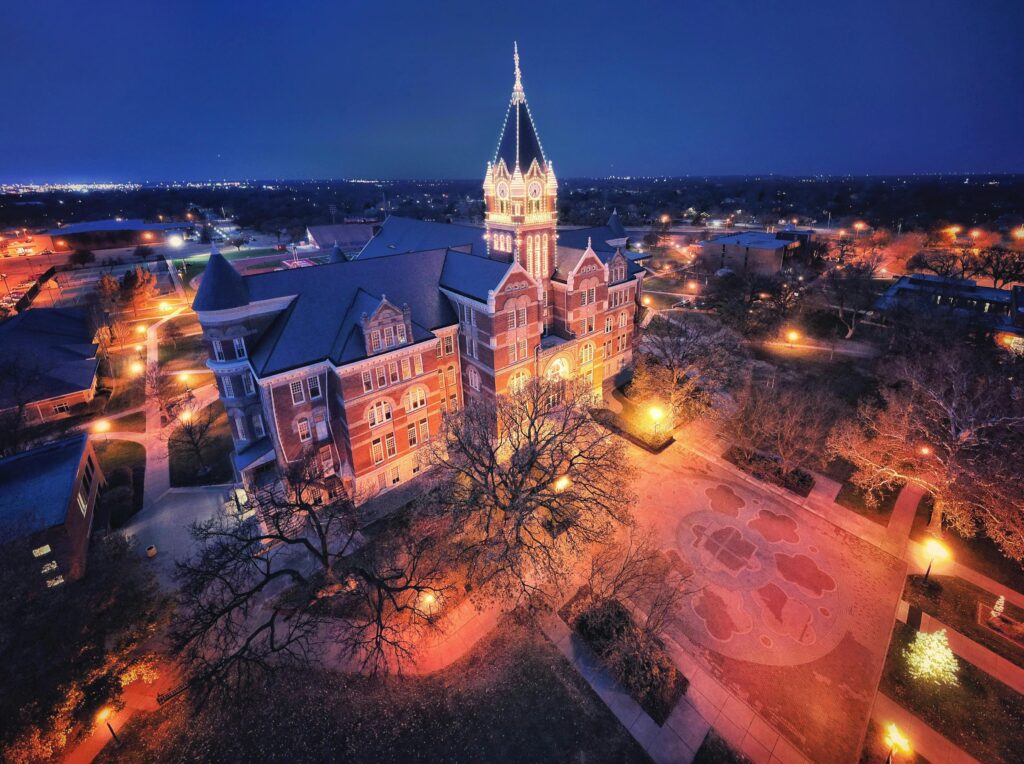
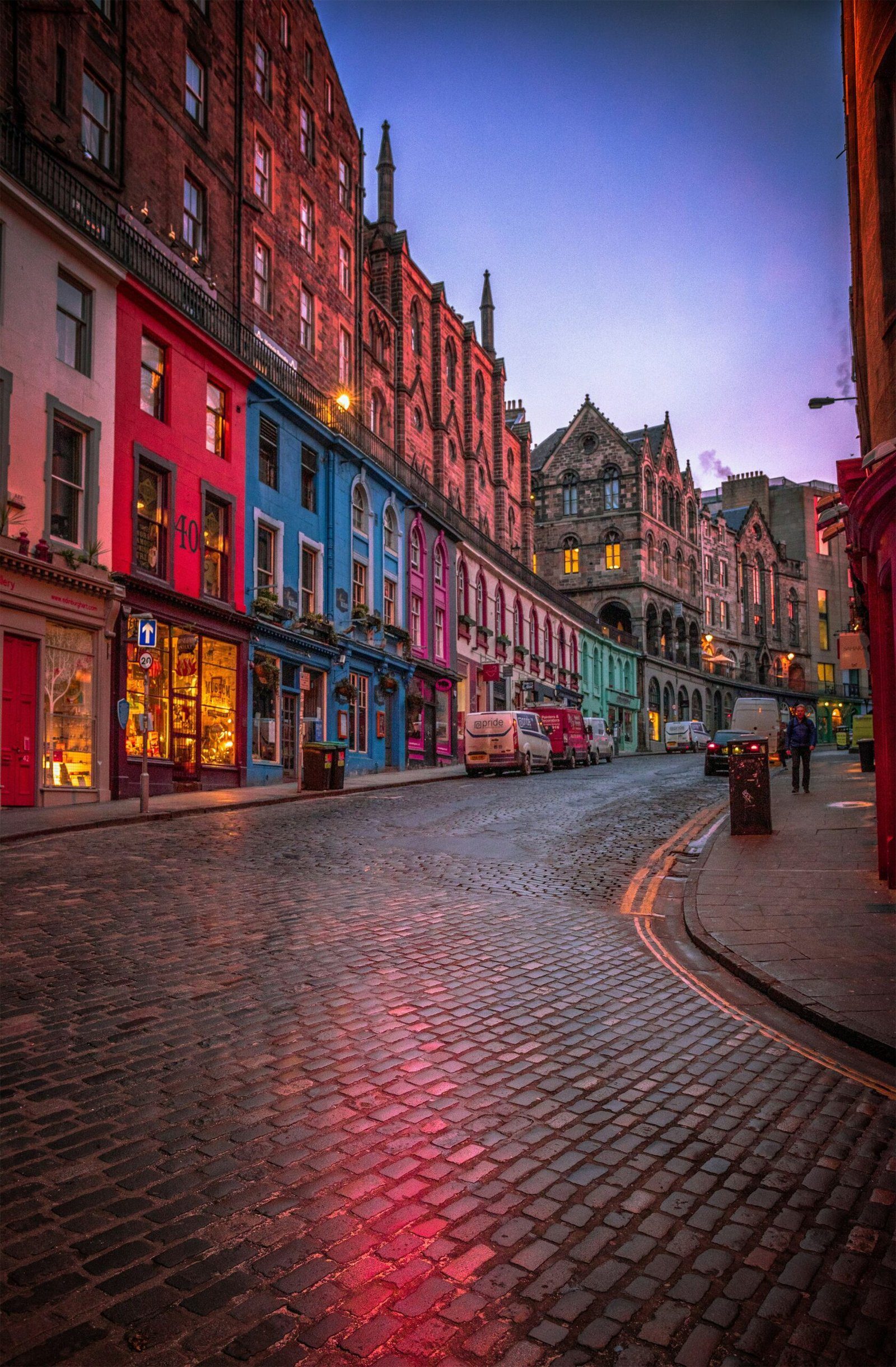
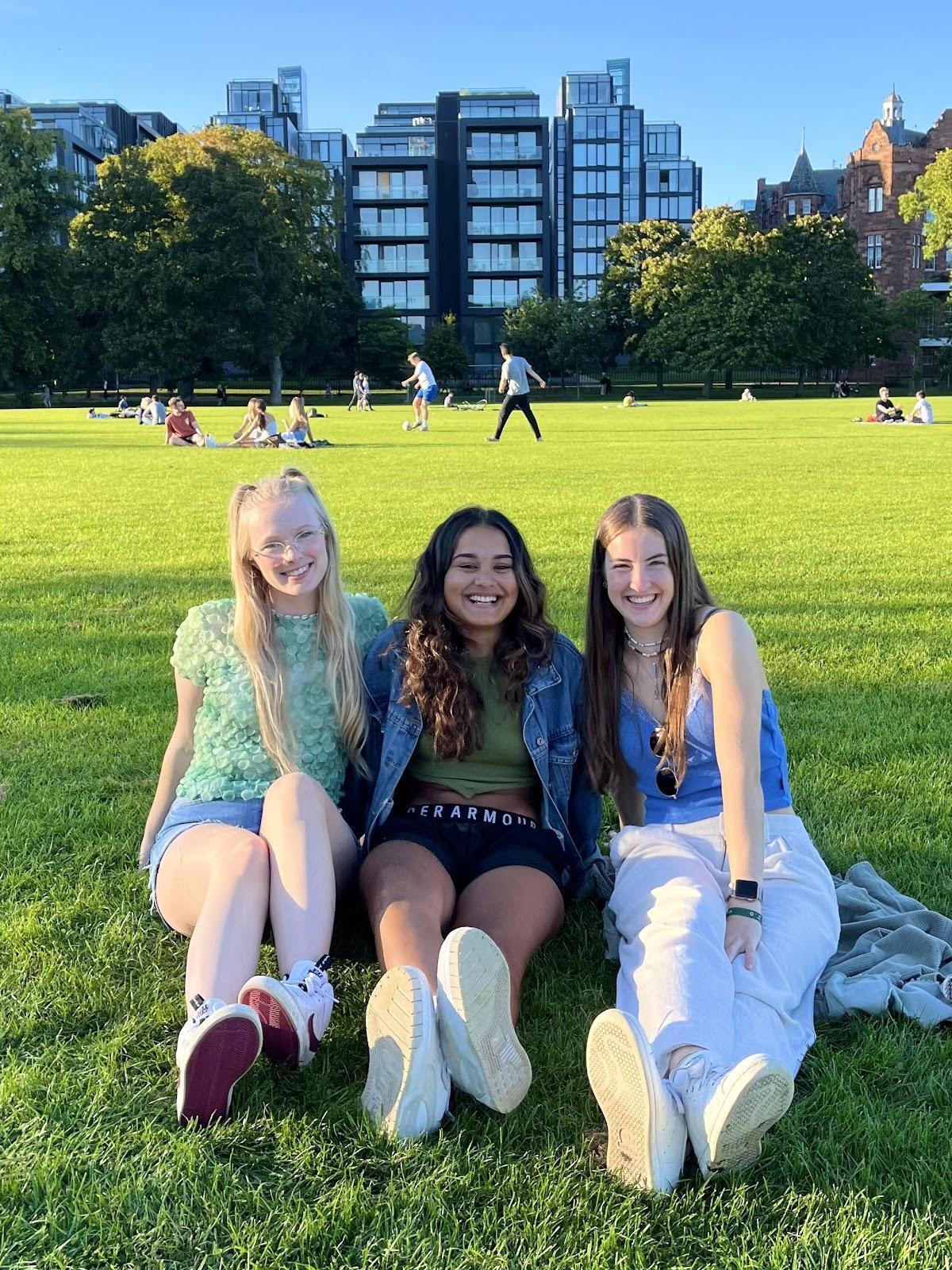
When I received my offer to study at a prestigious institution, The University of Edinburgh, I was overjoyed. Still am. I am incredibly lucky to study in the same place as brilliant academics, in a city immersed in culture and history, and to be able to live with my best friends. I will be eternally grateful for the opportunities I have come across here. However, I am almost equally aware that my journey within this university is starkly different from the majority of students — I have a part-time job, I do not have any contact in any large industry, and I cannot afford to financially juggle my food, shop, and additional fees. A phrase that often comes to mind is a well-known one: “It’s not what you know, it’s who you know”.


(Photo courtesy of the author)

From state school to uni

I grew up in a small town in North East England and attended state schools my entire life. I did not realize how defining this would be to my identity until I began to attend university. I am not claiming to have an “underprivileged” background or lifestyle: I have a happy family with a lovely home, pets, and yearly family holidays. Yet there’s no doubt that the school I attended has wholly defined my friendship circles, social activities, where I live, the societies I’ve joined, and, essentially, every aspect of university life. 

The varsity’s expenses — a paradox

The first reason for this is arguably the most obvious one: money. Rent prices in Edinburgh are notoriously high, and so the location and size of your flat — as well as who your flatmates are — are, of course, defined by what you can afford. Although notable, I suppose this is more of a universal issue rather than intrinsically linked to university life. What is more significant to the university is the extracurricular activities that are available to students. On paper, every student is entitled to join whichever societies or sports clubs they wish. Practically, this is not the case. 

To join most sports, students are required to pay for sports union membership, gym membership, club membership, kit or uniform, race or game fees, travel fees, and so on. But ultimately, this is not accessible to students of all economic backgrounds. I hear you ask, “But surely the university has done something to help with this?” My answer: “sort of.” I heard from my flatmate of something called the “Learning Opportunity Fund,” where the university would pay up to £350 to any student impacted by recent strike action. This money would provide financial aid to go towards certain opportunities, such as joining university sports clubs or unpaid internships. I thought to myself, “Fantastic! What a step in the right direction!” However, when I went to apply for this aid, I found that it was already closed, surprisingly the funds exhausted, meaning it was not made available even for a full semester. Here, I began to question how the funds could be exhausted when Sir Peter Mathieson, the Principal of The University of Edinburgh, has recently had his expenses for 2022/2023 published under Freedom of Information laws, exposing the fact that the university has increased their payments by £26,000 more than the sum of the previous academic year. This is meant for a range of different expenses, but arguably the most notable is spending £1,089  towards landscaping for Mathieson’s eucalyptus tree upkeep and some painting work. So how is it that the most elite members of the university receive five-figure sums in funding, but I am unable to join a sports club?

Loud whisper of stereotyping

The second experience that has stuck with me as a state school student is certain acts of discrimination. I recall, during my first year of university, a conversation I had with some fellow students. We were discussing topics such as which degree we’re studying, our A-Level subjects, and, by association, the school we attended. Upon revealing that I was state-educated, those students turned around and muttered, “She must have got into this uni on the inclusivity program,” and walked away. 

Based on this experience, I can see why so many students at prestigious, traditional universities experience imposter syndrome. Every day it becomes clearer that getting the same grades and attending the same university does not mend the strikingly obvious class divide in the UK, and that if you went to a state school your work ethic and academic ability are likely to be sneered at. Attending a lecture, tutorial, university event, or social occasion and feeling welcomed should be the norm rather than a privilege reserved for society’s elite. Why is it standard for my peers to be shocked when they have never heard of my school? Or to gasp upon learning that I did not pay for my primary and secondary education, but ended up in the same room as them, nevertheless? To clarify, I do not speak for all private school students here: I have many privately educated friends who aren’t bothered where I went to school. I also have no idea about the schools attended by other friends because it’s simply not on my agenda! But things like scholarly confidence and social engagement should not be conditioned by my education or social class; they should be influenced by my ability to dedicate myself to my studies and who I am as a person.

(Photo Courtesy of K. Mitch Hodge via Unsplash)

Need a little help here

My time at university has always treated me remarkably well, and I’m sure it will continue to do so. I’ll always be grateful for how lucky I am to attend such an elite institution, and I have, indeed, been presented with a range of opportunities, both academic and extracurricular. However, it is my inability to access these opportunities that separates me from a lot of the students here. I feel I speak for many students when I say it is remarkably frustrating to be denied opportunities due to the high cost of living and the university’s lack of financial aid. It must be noted that I truly love Edinburgh and that everyone at this university has worked hard to be here and to achieve their goals. 

However, when discussing students’ pasts and futures, it is clear that university culture embodies the UK’s class divide remarkably well. 

(Photo courtesy of the author)

Misery Loves Company

“People who are hurting tend to hurt other people,” my mom says while holding me close and listening to me cry about the day’s events.

“Why?” I ask in between sobs.

“Because they are just unhappy with their own lives and feel miserable, they choose to make other people feel bad about themselves. It’s a vicious cycle, and misery loves company.”

It took me many years to fully understand what my mom was saying in those moments of desperation and utter sadness when I was a teenager. I fully understood the impact of her words and the lesson she was trying to teach me only in my late twenties while living alone. 

The takeaway is to take everything people say with a grain of salt because their opinions will not matter in ten years. They are irrelevant.

Misery does, in fact, love company, and due to the ever-changing economy, rising cost of living, unemployment, the pandemic, and advancements in technology, it has become so much easier to spread hate worldwide. 

How I respond to haters

Most people don’t even bat an eyelash when throwing insults at strangers on the internet. I have noticed that many are angry, hateful, and very ignorant of their own biases. They often judge people without a second thought, based on their profile picture and the content on their page.

Whenever people insult me on Instagram for commenting and leaving an opinion on a post, I try to tackle their hate, judgment, and ignorance with kindness and compassion. I raise awareness of why some people are overweight or prefer to surround themselves with cats rather than people.

People don’t care to understand the struggles of other people. I have noticed supervisors do the same thing and discriminate against an employee when it is illegal to do so in the working environment, but that doesn’t stop them from finding ways to make an employee feel crappy.

So when these types of situations and circumstances occur, I try to reframe the negativity by pointing out how cruel they are by saying, “God bless your hateful, ignorant, and miserable soul.” Then, I proceed by letting them know about how certain health conditions can impact a person’s looks by affecting their weight and skin in a variety of different ways, such as taking mental health medications,  having a vitamin deficiency,  an autoimmune disorder, or a hormone imbalance such as a thyroid condition. 

I ask them to educate themselves further on this topic before automatically spewing their hate toward people they don’t know on the internet. Usually, when I respond to these types of offensive comments with kindness and awareness, many people end up not responding, which leads me to think that, perhaps, they will think twice before choosing violence and responding to someone’s opinion with mean comments the next time.

Our responsibility

Everyone we meet in life is fighting an unknown battle, one we know nothing about. We must do better as a society if we wish to have any hope for future generations. We must consider what type of example we are setting for our children by exhibiting bullying behavior towards strangers. 

It all starts at home, with the example set by the children’s family members

They come into this world already knowing how to love, and unfortunately, it is ultimately the people we surround ourselves with who choose to teach us how to hate, based on how the world treats us as individuals.

Swimming Out and Changing Careers

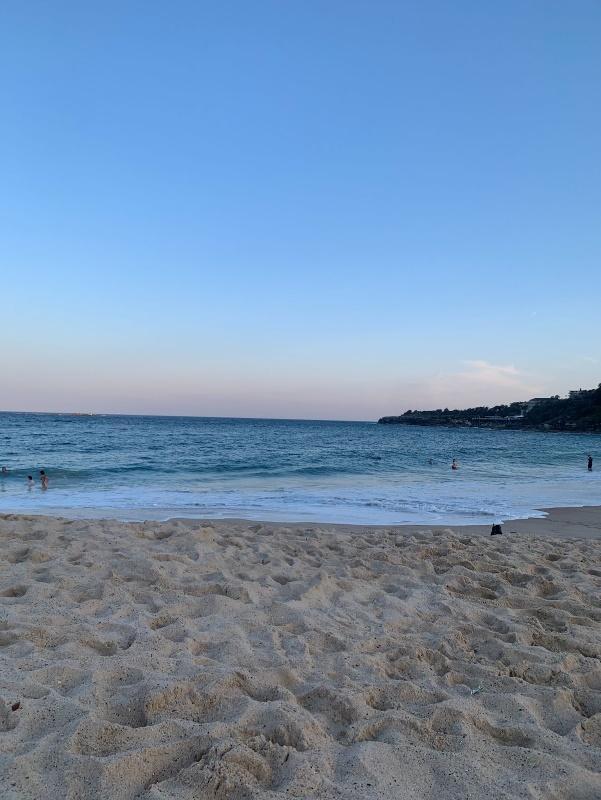
Let me set a scene for you. I’m at gorgeous Coogee Beach in Sydney, on the Pacific — just had a really nice swim  — and the sun is about to set on my twenties. 

As I watched the sunset, I thought a lot about what I want my thirties to look like. And it hit me like the waves that struck me during my swim. I thought to myself, “I do not want to be in the office anymore.”

This is not to say the media agency I was at, or the people I worked with were bad. The work is achievable, and ideally, by my age, I would need a stable career. The people I was working with were all fantastic people, and the office and location beautiful. But the one question I kept asking myself was — is this something I want to do for the rest of my life? Simply put, NO! By the time I was at Coogee, I was burnt out at work. The very same day I made a vow to pursue things that give me happiness and peace; that energize me every day. Writing, photography, and teaching are some of those. I wanted to chase them all. 


Fast forward one month, and I handed in my resignation. 

After working for five years in the media industry, where I was involved in successful campaign implementations and met so many amazing people, I stepped away from the comforts and into the unknown. My passion drove me away from the comforts.

(Photo courtesy of the author)
I headed toward a destination more peaceful and fulfilling  — life as a writer, a photographer, or a teacher overseas was my dream. A lot of people in my work circle thought it was a ballsy thing to do and results will not come overnight. So in the meantime,  I’m looking for something temporary or part-time to cover my expenses …

I keep myself busy 

Volunteering for a community center, staying in the gym, learning a new language, and practicing in language exchanges are the ways I kept myself busy. All these activities helped me stay busy and sane through the long rut of finding a job two years ago. With volunteering, I may not get paid, but along with gaining experience and honing my skills, there was an inner joy I got by teaching the elderly English or about using phones. The gym gave me a sense of accomplishment — completing heavy lifts. And learning a new language shows a dedication to learning new things.

That dedication has extended to my pursued career


(Photo courtesy of the author)
Before I handed in my resignation, I started writing a blog about my journey from office worker to potential freelancer. I’ve also been refreshing my knowledge about freelance writing and immersing myself back into a master’s course in writing. Language exchanges have allowed me to learn and get better at a language whilst also helping those who are struggling with English. 

After I resigned, the first thing I did was go back to Coogee where it all started. I then went on the Coogee-to-Bronte walk and took photos from that even more scenic beach. Since then I’ve been on photography trips, heading to different beaches and some areas I have never been to before. There is a lot of testing out of lighting and shutter speeds to help me develop a style of photography that is truly mine; which is actually what this journey has been about — developing a me best suited to writing, teaching, or photography.

Still, I haven’t 100% said goodbye to the media 

You can never be sure in life, so I can’t be certain I’m done with the media industry forever. There have been publishers and people from other agencies that I’ve met that I would go as far as to say are my friends. One good thing about the media industry is that the people in it are quite laid back, so , it was easy to make connections there as I’m the same kind of person. Plus, I’ve always been told to never burn bridges. If this career change doesn’t work out, those connections I made through just being my outgoing self at many media parties will bode well if I  return to the media industry. Never say never.

Career changes are never easy. I can say with certainty that it is still scary stepping away from somewhere that gave me comfort and security to delve into the unknown. But when those doubts start to creep in…

I remind myself of the why


(Photo courtesy of the author)
At the end of “The Last Dance” documentary, Michael Jordan said it was maddening that not only did he retire at his peak, but he and the Bulls didn’t get the chance to go for seven NBA championships. There are so many could haves or what ifs to this day that bothered Jordan, and I wonder if I might feel the same if I didn’t at least try. And it isn’t just because I want the comfort in saying I tried my best, it’s because I want to chase things that’ll give me happiness. I want to break out of the 9 to 5 routine and be my own man. If I do end up back in the media industry, I want to at least proudly say I gave it my best. Working at a desk, I can sit back at peace, knowing that I tried. 

We all have different circumstances in life that make career changes less than  ideal. If an opportunity knocks where you can pursue your passion in life, can we take that leap forward? Life is short and can end in an instant — this year has shown me how to take those leaps instead of sitting by and waiting for those leaps to happen.

Donkey Voting Down Under

Donkey voting with a ‘democracy sausage’

Voting is a fundamental democratic right, allowing citizens to have a say in how their country is governed. But what if it’s mandatory? 

In Australia, as I discovered when I moved there, the voting process is compulsory, aiming to ensure that every eligible voter has the opportunity to cast their ballot and the opportunity to enjoy hot dogs at the polling booth. Normally called a sausage sizzle in Aussie slang, it becomes democracy sausage come election time. 

Within the great Aussie democratic system, I realized, lies the phenomenon of “donkey voting,” a term that might be unfamiliar to many, especially to first-time voters and outsiders like me. 

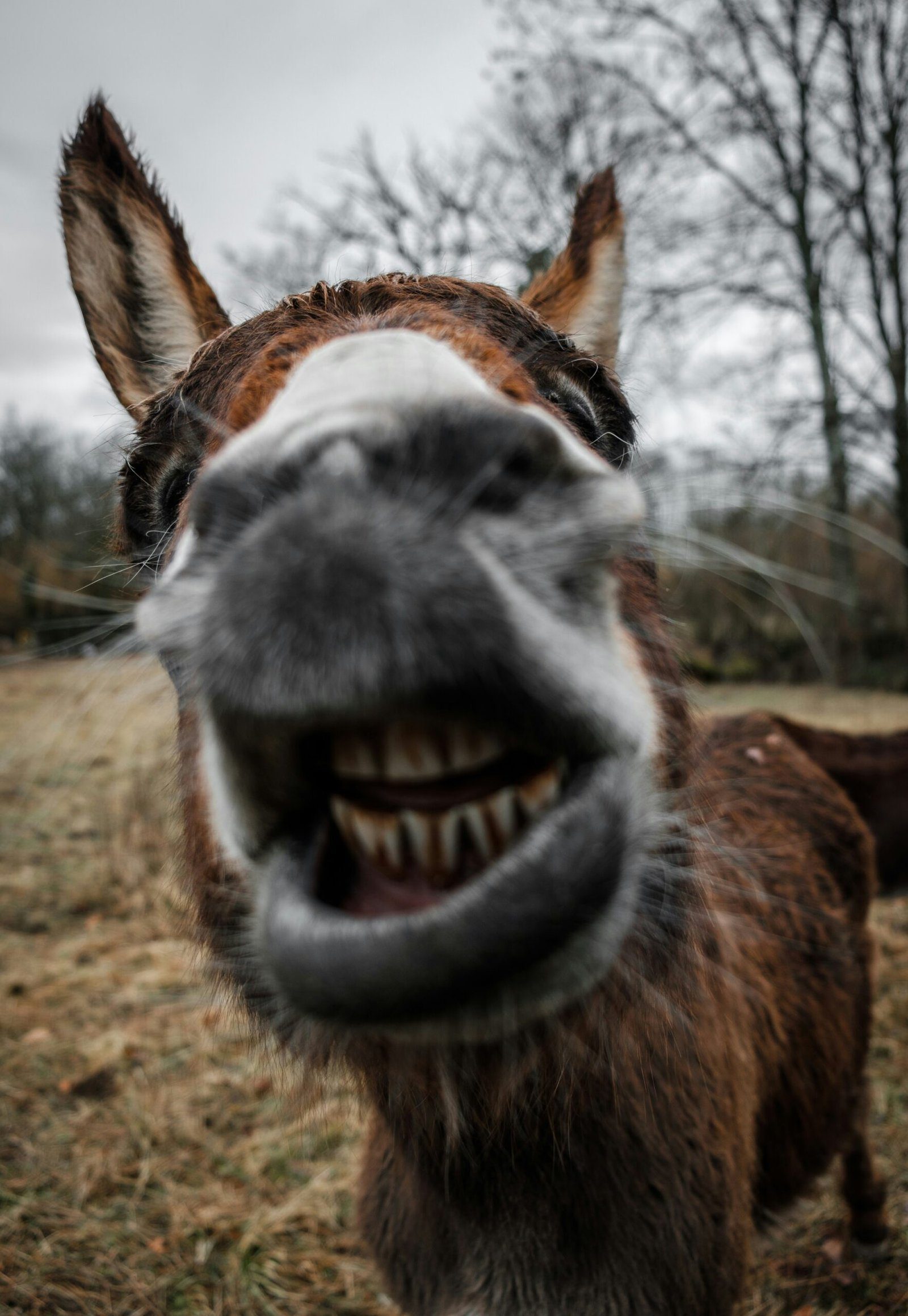
First of all, let me explain the hee-haw. Numbered voting is required in preferential voting, where voters rank candidates in order of preference or priority. A donkey vote occurs when a voter marks their ballot paper in numerical order from top to bottom without considering the candidates’ policies or merits. 

For example, if the candidates are listed as A, B, C, D, and E, a donkey voter would spitefully mark them 1, 2, 3, 4, and 5 respectively. It is also a donkey vote if it goes the other way around. This type of voting shows up in preferential voting systems, like the one used in Australia,.

It doesn’t count as a sincere vote though, and is more of an act of protest. Voting like this also shows that you have not used any intellectual horsepower to think through your ballot choices. This stubborn act is called donkey voting for a few reasons. 

Number crunching

Now here is why this type of mischief might happen at the polls Down Under for you numbers people: 

1. Lack of interest or knowledge: Some voters might not have enough information about the candidates or might be indifferent to the outcome of the election. As a result, they simply mark the ballot in the order the names appear. Make voting compulsory and people will find a way to half-ass it. Hence it’s dissed as a donkey vote.

2. Protest vote: A donkey vote can be a form of silent, but black and white protest against the political system or the available candidates. It’s a way for voters to show their dissatisfaction with the checklist or the choices without spoiling their ballot. The vote counts, and this one hurts. 

3. In a country where 26 million people reside, having 111,015 people vote sequentially may not seem high enough for concern. Just read this article for more numbers: 

Grazing on democracy’s green grass

As someone who has never voted before, as I am not from much of a democracy, the concept of donkey voting is both intriguing and concerning. I am from an absolute monarchy where brain drain is common and people want to go somewhere more developed where they have freedom. The grass is always greener, somewhere, but do we really have to share it with jackasses? 

I think personally, not voting properly is subverting democracy, turning it assways. There is more to it than that though sometimes. 

While donkey voting is not illegal in Australia, it raises ethical questions about the integrity of the voting process. Critics argue that it undermines the principle of informed voting, where each vote should reflect a considered choice. 

I had always assumed that every vote cast in an election was a deliberate and thoughtful choice. The idea that some people might vote in numerical order instead of preference raises questions about the true representation of the electorate’s will. Who is in the electorate though, I wonder? 

If I was a voter, I would feel a sense of responsibility to ensure that my vote counts in a meaningful way. This means taking the time to research the candidates and their policies, understanding the issues at stake, and making informed voting choices. Donkey voting, in contrast, seems to invalidate this important civic duty. Or could you use it as a form of effective protest? Not as a student during student union elections, I don’t think. 

I remember hearing about it between 2012-2016 in my formative university years as a first time ever voter of any kind. Students do not need to vote during their student union elections although it is a wasted opportunity if one does not learn the basics of the democratic process then. Oh come on now, don’t be such a neigh-sayer and tell me you scoff at the idea. Why I chose to even engage leads me to think that better voter engagement, at the personal or relational level, can improve voter confidence. 

Furthermore, the prevalence of donkey votes underscores the need for better voter engagement. First-time voters, in particular, could benefit from resources that explain the voting process, the significance of preferential voting, and how to make an informed choice. 

Additionally, efforts to increase voter engagement, such as candidate forums and accessible information about political platforms, could help reduce the incidence of donkey voting where mandatory voting means you can’t vote with your feet and protest by not voting at all. 

Passive-aggressive, maybe just aggressive?

I sometimes think that voting this way in protest is probably valid when no one wants to give you a voice in the first place. In case no one represents you, why not express your disagreement and mock the process in a passive-aggressive way? 

In compulsory voting, you need to vote or pay a fine. If you do not want to vote but also want to avoid paying a fine, you can just cast your ballot but not indicate a clear preference in protest. 

In the case of the indigenous Australian population, that might turn out to be a full-on silent treatment.

No wonder, since 60 percent of Australians have recently voted to not give Indigenous Australians their voice. Imagine not letting your host speak at all during a party you crashed;. where is the propriety in that? Reconciliation may indeed be dead, as the 2023 Australian Indigenous Voice referendum showed, and only time will tell if donkey or linear voting will increase along with informal votes. Compulsory voting has its flaws after all. Who can convince 

people to vote democratically in a system they wouldn’t design as the rules of the representational game don’t let them play and win? Not given a voice? Then they won’t give their voice. 

Can the great Australian experiment be saved from going further south? That’s an article for another day so I don’t have to half-ass it. Or maybe ask the original custodians of the land.

9 AM Discovery

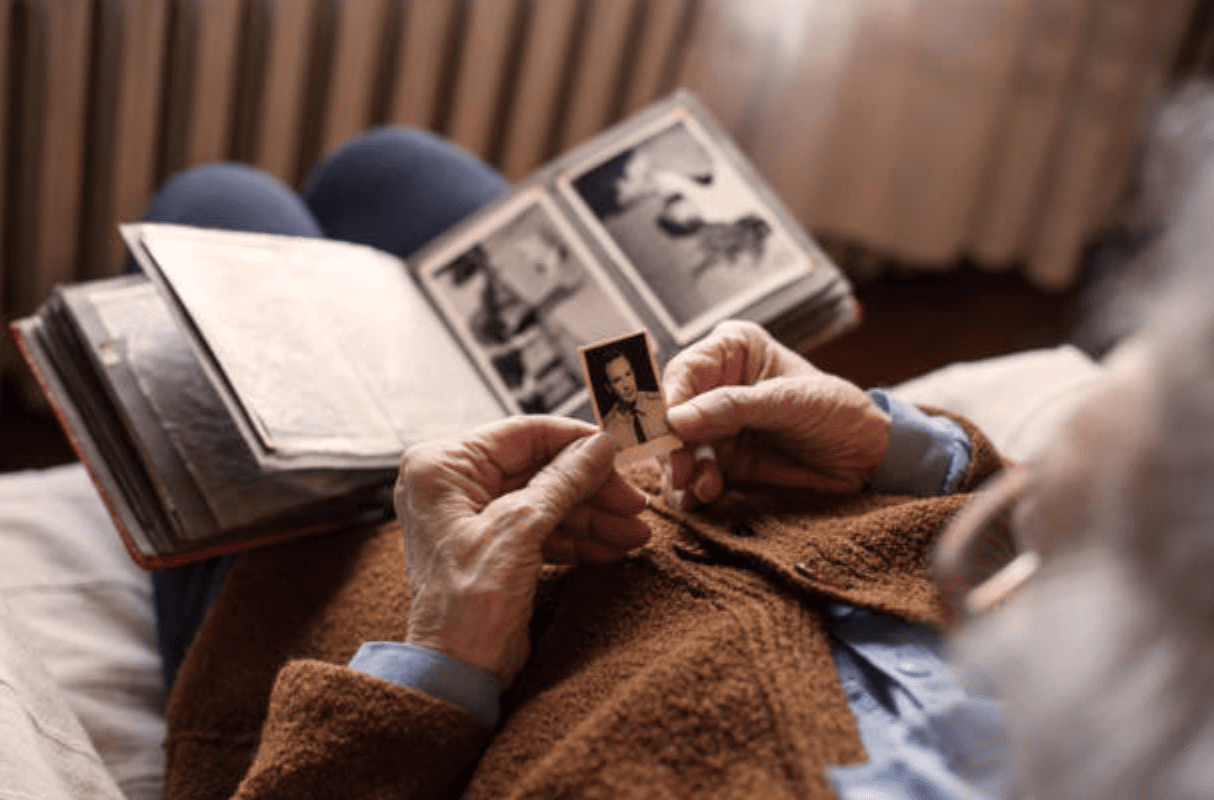
Open the album to see

your roots. Hover your petite fingers across
the beige page with the woman’s
face you inherited.

From full skirt
of exaggerated hips in black
and white, to shorts
with ultra-bright pink, red, purple

spiral. An itch for her
aura strengthens. Once,
you saw her softest smile. How

eerie is it to miss a stranger?

Madhu Duniya is Creating a Buzz

It is early in the morning. The sky is purplish over the treetops. The forest is still asleep. 

Yet, she is no stranger to this moment. 

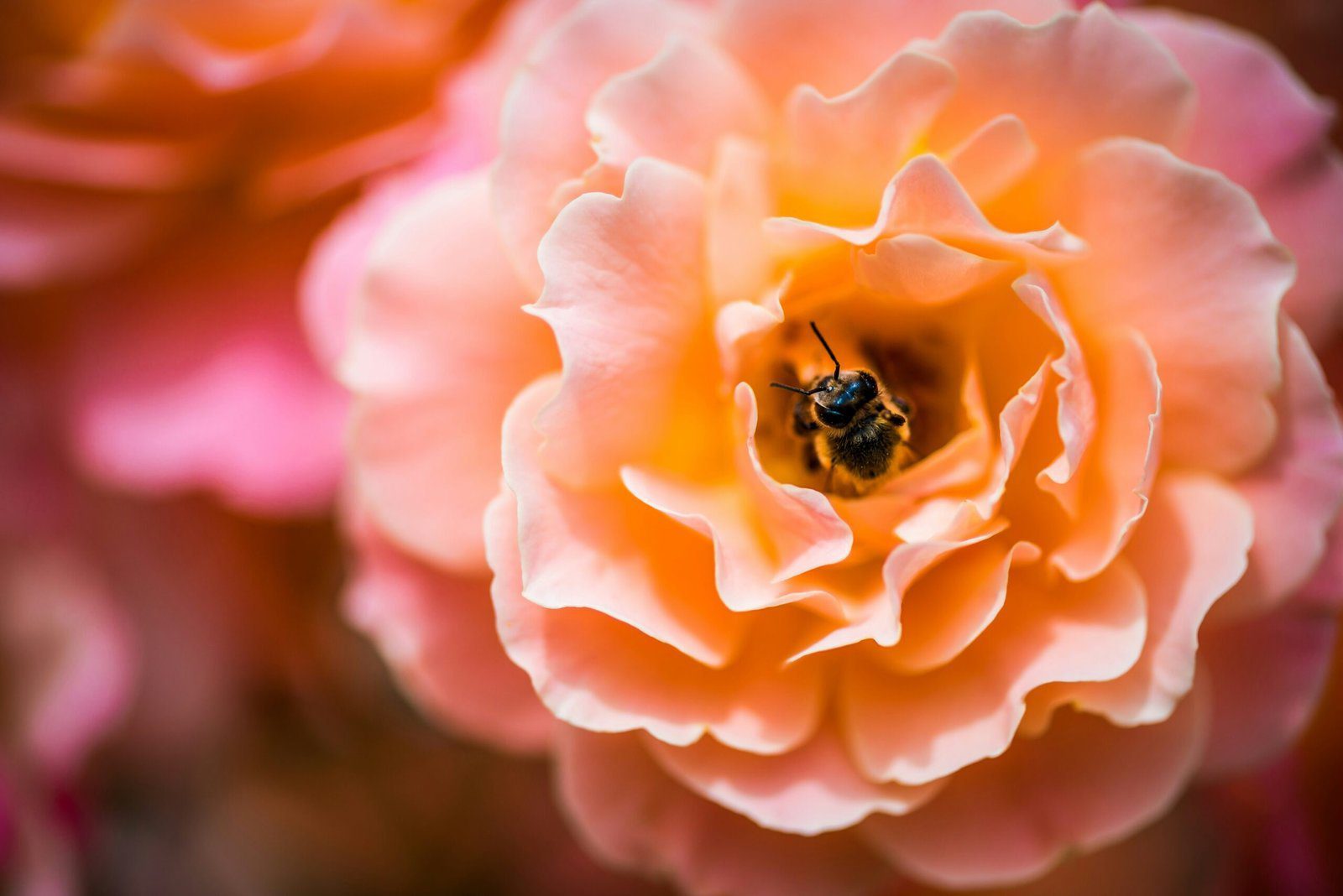
Like clockwork, she readies herself. Her day begins to hum right before sunrise. It has been like this for as long as she can remember. Fellow workers are abuzz as they too prepare for the day. They know they must get a move on. Everyone prepares for the long day ahead. They all know what they must do. They all know they play a crucial role in the survival of their community.

Worker 786 is but one of the many in her colony. Thousands from her hive work together to prepare for the morning. Worker 786 and the others in her colony are unique to the Southeast Asian region.  According to the Haribon Organization “Among the stingless bee species, the most important one is Tetragonula biroi (or ‘kiwot’). It shares a similar morphology to honeybees, with the major differences being that the kiwot is the size of an ant and lacks a sting.”

A spokesperson for precious colonies

Like many of her kind, worker 786 is just one of the millions of indigenous Southeast Asian bees under threat. Their plight resulting from pesticides and deforestation does not make the global headlines. She is just one of millions whose voices remain unheard. 

A group of men standing around a sign
Description automatically generated

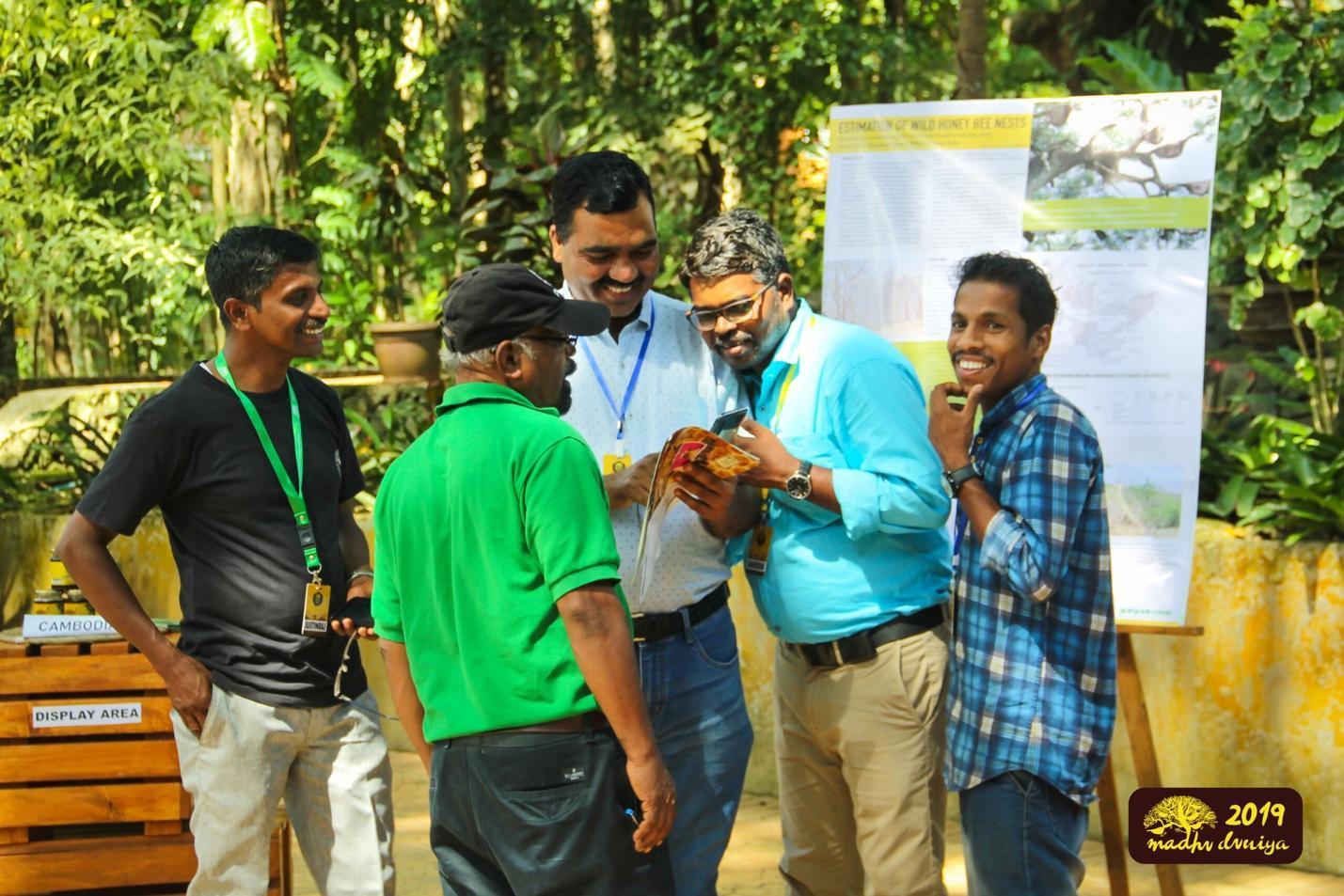
(Image Courtesy of Madhu Duniya)

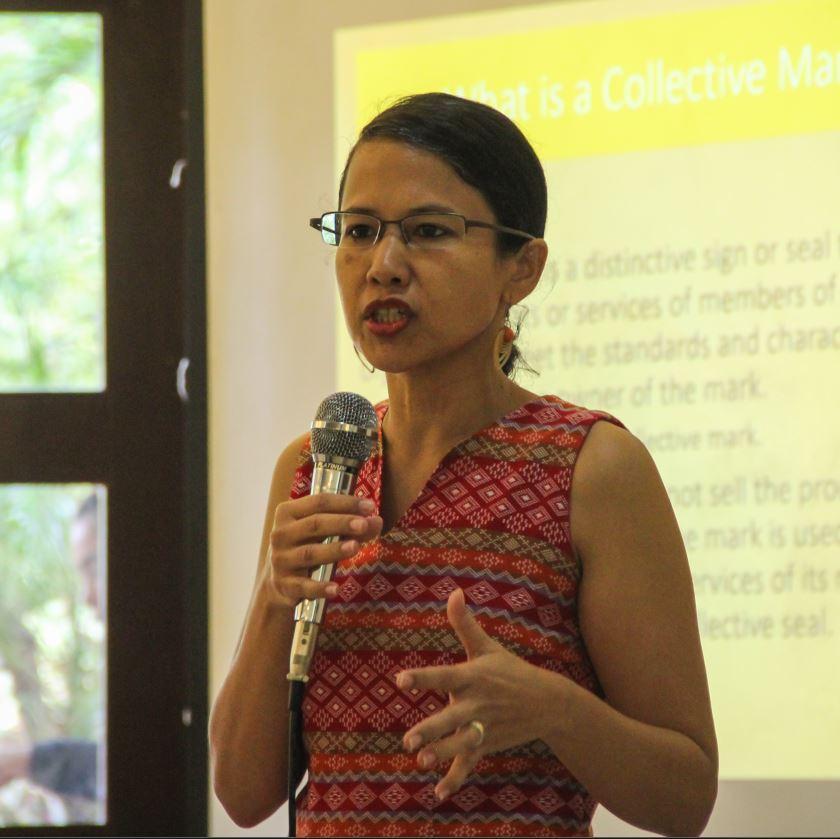
Here is where Madhu Duniya comes in. While the Honey World gathering is based in Indonesia, Madhu Duniya works to be the spokesperson for the many bees inhabiting all of Southeast Asia. It hosts conferences and provides educational campaigns geared toward raising international awareness on the regional bees. It particularly strives to gain attention in the West. 

By doing so, the organization also helps local beekeepers develop their livelihoods. It contends that when the local bee population is threatened, so are the lives of the people who make a living from collecting honey and bee by-products. Bees are a crucial component in the local agricultural ecosystem. And globally, a third of all food production depends on them. 

In the organization’s own words, “Since its establishment in 2007, Madhu Duniya has served as a platform for various stakeholders to discuss growing trends, challenges and opportunities around the subject of forest honey and native Asian bees. Madhu Duniya highlights the knowledge and wisdom of community harvesters and supports the participation of community experts from a broad base of indigenous and local honey groups.”

Forest honey networking

In addition, the organization shares that “Throughout the years, Madhu Duniya has been instrumental in facilitating the formation of forest honey networks in at least five Asian countries, as well as providing assistance in securing government permits for forest honey hunters. It has inspired research on honey’s health and medical benefits and has helped raise awareness on (sic) the latest studies and concerns about Asian forest honey and bees. Moreover, the network has been active in creating and promoting proper harvesting and processing protocols, and has successfully linked private sector partners and producers towards the vision of sustainable and enabling community livelihoods.”

Madhu Duniya promotes  “forest honey as crucial for rural incomes, key for forest conservation, and important for human health, not just in Asia but also around the world.” 

These activities are what Madhu Duniya has been working on for a few decades now. While it had officially started in 2007, according to our interviewee, Crissy Guerrero (more formally known as Maria Cristina Guerrero), the initial plans for the group had started in the early 2000s.

(Image Courtesy of Madhu Duniya)

As Worker 786 prepares for flight, she scans the throngs of bees at the launch area. The mouth of the hive is alive. She has known many of the younger bees since they were just larvae. Across the buzz and flutter of wings, she is unable to find her friend, 662. 

Worker 786 shrugs it off and assumes 662 has already left.

Each bee then takes off in search of the much-needed resources to keep its colony going. The sky fills with a small cloud of black. Compared with the western honey bee, 786 and her colony are smaller and black in color.

Gaining altitude, the workers spread out to various areas within their sphere of operation. Some head north, others south. They have a flight range of 500 meters, so they work in synchronicity to cover the most ground without doubling up. They are efficient that way.

While in flight, 786 approaches her intended patch of flowers. She cannot help but notice a bee she has never seen before. It is visibly bigger, yellow and black, and it was just emerging from one of her own assigned flowers.

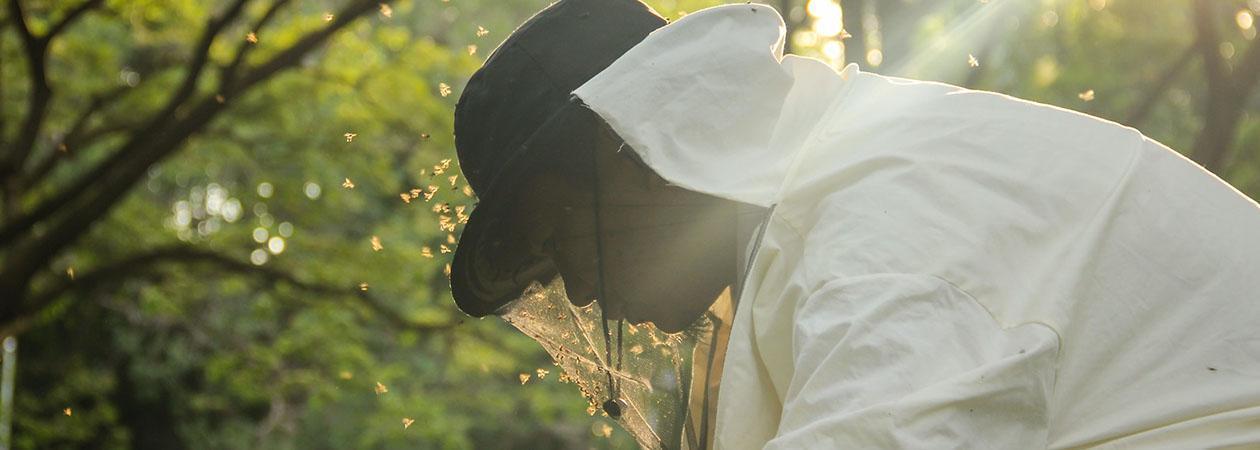
Based on extensive research by a Vietnamese expert invited by Madhu Duniya to their events, there is a concern with the introduction of Apis Mellifera, or the western bee, to the Asian environment. The local Apis Cerana and Apis Dorsata, both native to the region, coexist without harvesting the same flowers at the same time. Working the same territory, they do not compete, as if they have a mutual understanding.

A person wearing a hat and a white shirt
Description automatically generated

(Image Courtesy of Madhu Duniya)

However, Crissy Guerrero pointed out that the research suggests the introduction of Mellifera into the environment disrupted the existing pattern. This led to competition for resources with the local bees.

Surprisingly, commercial honey makers have integrated the non-indigenous Apis Mellifera into the local Asian ecosystems.

Swarming to tackle the challenges

Flying her way back to the colony, 786 cannot help but notice that today she has a lighter load. While looking down at the ground, she sees a familiar bee lying on the ground, struggling. It is 1003, and ants swarm her dying body. 

Commercial pesticides used by agricultural groups have been killing off bee populations. Concurrent with that threat, Madhu Duniya contends that habitat destruction is one of the main factors leading to a dwindling bee population.

Crissy Guerrero adds, “A lot of these bees are based in the forests. If you keep converting these forests into agriculture plantations, you will have a loss in bees.”

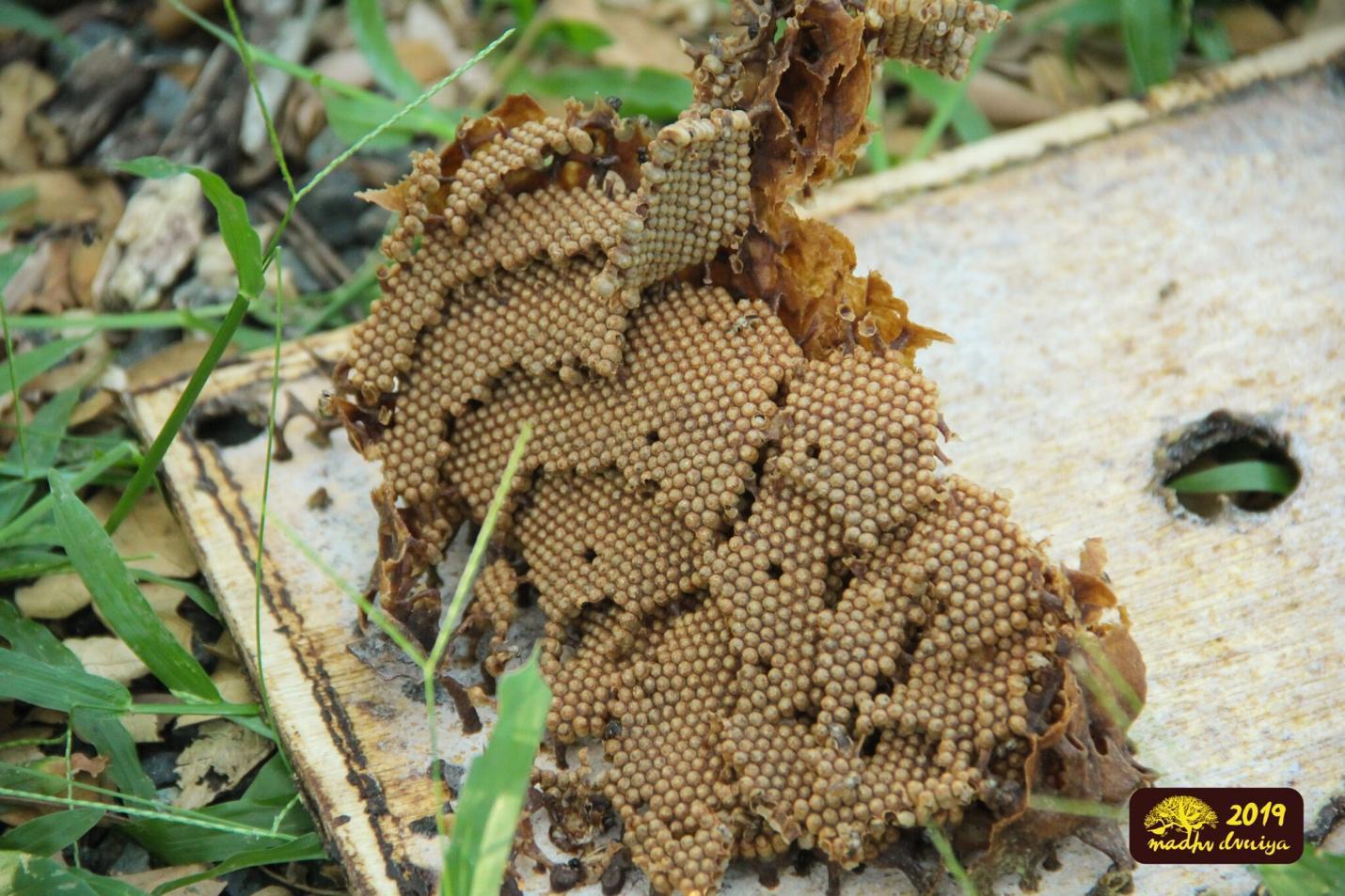
Having reached the colony, 786 works her way back to the nursery to deposit her precious cargo. She is a gatherer, and what she gathers becomes the nourishment of the colony. Hungry larvae require sustenance that she helps provide.

From what appears to be a small effort, 786 plays a big role in plant pollination. Her efforts and those of her compatriots are crucial to the environment. Without her aid, plants will not flourish. That is why they are essential not just to growing food crops but to harvesting medicinal plants as well. 

A close-up of a beehive
Description automatically generated

(Image Courtesy of Madhu Duniya)

Back in the hive, 786 is startled by a loud thunderclap. Thunder is unusual for her since it is not expected this time of the year. So 786 hopes the rains will not come early this year. Bees cannot fly out and gather their resources at all in the rain. (Climate change alert—heavy flooding also means lower pollination.)

During November 6-10, 2023, Madhu Duniya conferenced with other global stakeholders in Vietnam. Its goal is to raise awareness for Asian bees which, though numerous, remain deprioritized on a global scale. Madhu Duniya continues to spread the word that bee populations are crucial to the propagation of fruits and vegetables, nuts and flowers, to keep the human food system stable. And in Asia they are under threat.

Many may still not realize it, but Bee Lives Matter Too. We are dependent on them as much as they are on us.

But 786 sat quietly as raindrops fell on top of her hive. Leaks through the insufficient propolis seals meant to protect them slowly let water seep in. She prayed they would make it through the night.

Congratulations to Madhu Duniya for its impactful regenerative work in Southeast Asia. The project was honored with the Yuvoice Brighter Tomorrow award on January 25, 2024, for its efforts in promoting Asian bees by consolidating its findings and spreading the word among members of the international community. On behalf of our Brighter Tomorrow team, thank you for taking the time to be interviewed.

The Inside Story of a Renegade — What’s It To Ya?

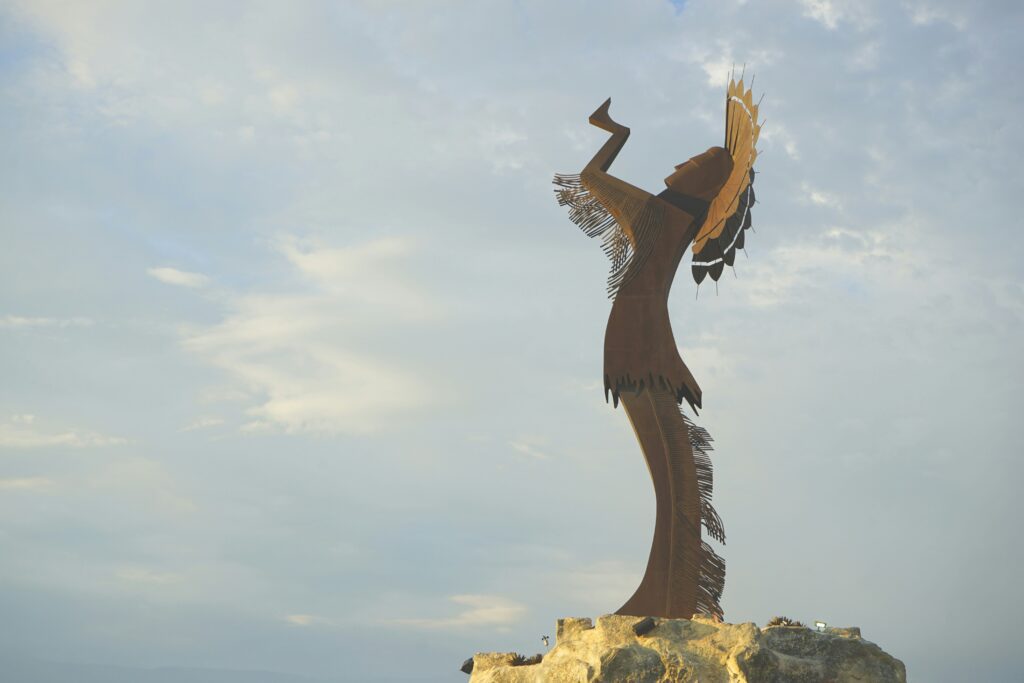
It all started in Wichita, the largest city in Kansas, bustling with the aircraft of Cessna, Learjet, and Boeing. Founded in 1861 as a free state, Wichita was Native American land named after the Wichita and Kanza tribes. This land had a rich, deep cultural heritage predating colonization. Filled with dewy, mystic plains and sunflowers that dance in the wind, Wichita is my birthplace. 

(Photo courtesy of Andrew Cruz via Unsplash)

A few Wiccan friends 

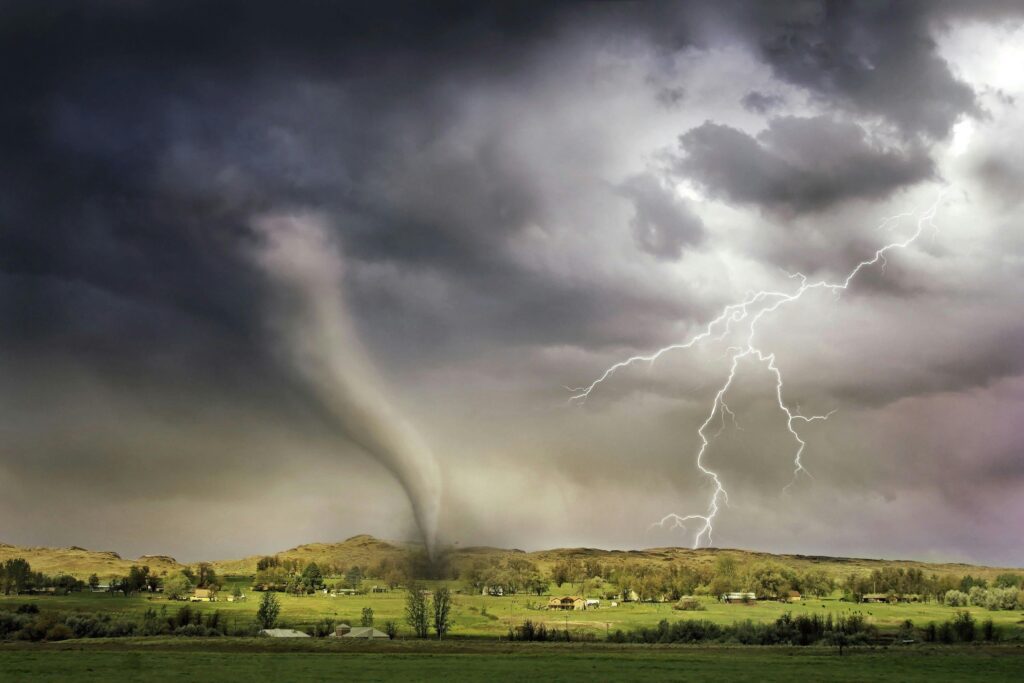
Such a safe and liberal place to grow up, nestled in a place in America called the Bible Belt and Tornado Alley, Wichita had some challenges, too. For those who grew up there and were different in the 1990s and 2000s—life was lived in the tradition of “The nail that sticks out gets hammered down.” It was a very heavily Christian town, and most other belief systems were suspect and not embraced. But I would notice a new kid sitting alone during lunch and instantly befriended them, so they weren’t alone. Renegade. 

I had a few Wiccan friends who were social pariahs. Excommunicated from the popular crowd, they still were my friends. We would walk home from school together and meet their cats. The agnostics, the atheists, the grunge and emo people, the cosplayers; all my friends. Couple them with the Roman Catholics and devout Christians, and you have a full index book of my school associations. No one was left out. I was a friend to the friendless and a bully to the bullies. I still have friends who remind me of times I stuck up for them. Renegade. 

In the spring and early summer, our memories are imprinted with drills. We had to go to the school basement, a musty and dank gym locker room with rusted shower heads and cement walls. We could hear the blaring sirens for miles. Sometimes, we would just line ourselves along the classroom hallways with our heads bent towards the lockers and our hands clasped over the back of our heads. The screaming sound of the sirens would put chills down my spine and create an immediate visceral reaction. Friends’ homes were often destroyed on the outskirts of Wichita due to the tornadoes. But this was home, and we were all used to it. 

(Photo courtesy of Ralph W. lambrecht via Pexels)

Emerging from innocence and charm

My friends and I, and many others in Wichita, were part of a desegregation bussing system. Buses went near and far to take us to Park City in grades K-12. Later to be known as the home of the BTK Killer, it still had its innocence and charm then. I sometimes saw horses, cows, chickens, even llamas on the way to my elementary school, Chisholm Trail—after Jesse Chisholm, a Cherokee merchant. Black Beaver, a Lenape trail guide and cattle rancher, and his friend Chisholm used this trail for cattle driving and trading. 

(Photo courtesy of Phill Brown via Unsplash)

Chisholm Trail was a school breaking barriers. We had a female African-American Principal, Mrs. Saundra Kaye Lyons, and other people of color as our guidance counselors and instructors. We were on the cutting edge of school programs for Wichita and quite diverse.

But in middle school, there was a “magnet school” near my house. The magnet program is another system to attract a diverse student body, a continuation of the desegregation bussing from elementary school. This is where I started to come into myself and learn who I really was.

The facts of Iife crew!

I had a core friend group with three other girls,  the “Facts of Life” crew. I was Tootie, Stephanie was Joe, Leticia was Natalie, and Julia was Blair. When we were together, no one could mess with us. Stephanie was Filipino, sporty, and played soccer. Lucita was black and Panamanian, my best friend from violin class. Julia was a ginger girl who loved animals, spunky, and the first to fight if someone insulted us. When I met Lucita, I was impressed by her basketweave pattern of tightly cornrowed braids. They were immaculate like a work of art. My sister was a hair braider so I found a way to inch into a conversation. Before our conversation, when I complimented her, I had never seen her speak a word to anyone. We became inseparable. I remember one of our teachers comedically telling us to “cut the umbilical cord!” as we laughed feverishly about a picture in our textbook. 

I started to have complex feelings I didn’t understand for our other friend, Jennifer. I kept them in my diary and didn’t tell a soul until a couple of years later. I confessed my true feelings for Jennifer to my bestie, Lucita. She suggested that I write her a letter. I wrote it and put it in her locker, not sure what to expect. Maybe I thought she would be a renegade like me, we’d walk down the hallways holding hands, daring anyone to say anything. Maybe I thought we would stay the same with our flirty yet platonic relationship, but just with an understanding. I did not expect to break up our friends group. 

(Photo courtesy of Marcos Paulo Prado via Unsplash)

And that’s exactly what I was doing, far too much to ask really in small-minded, bible-belted Kansas in the 8th grade. Jennifer was Roman Catholic. She couldn’t publicly associate with me anymore, and I accepted the death of our friendship. 

My secret-laden diary goes AWOL

But fast forward a few months. I left my purse in a class — absent-minded teenager — where I kept my diary. The school jock decided to retrieve my diary and pass it to everyone. A fluffy, zebra-printed, fur-covered little time capsule. I somehow missed it that Friday. On Monday, a girl walked up to me with her jaw open and demanded, “Are you gay?!” I said no……? “Well, your diary is all over school now,” and she walked away as if I was the one who insulted her. I turned the corner, heart beating fast, and wondering about my next move. Then there was a group of people. “Are you gay?!” There wasn’t much I could do to fight it. “Yes, I’m gay.”

But I wasn’t free. People did not leave me alone after my confession. Mobs of people approached me at recess, lunch, and every class. Prodding at me like a science experiment gone wrong. Even some teachers were looking at me like I had the plague. Ultimately, when I retrieved the diary, it was on a teacher’s desk, as if it had been brought in for Show and Tell. Without a word, I grabbed my journal and walked back out. I accepted my new fate as an outsider, like those I had befriended. Thankfully, they were a non-judgmental group of friends. Plenty of the religious ones could no longer associate with me, however. 

My grannie challenge

Being adopted by my grandmother, I had a wisdom most kids my age didn’t yet have. I knew I needed to tell her before anyone else could. I was a little woman in my own right.  We were born and raised in the Baptist church so talking was going to be a huge undertaking. Grannie was the superintendent of Sunday School and an Evangelist. I was the junior secretary there. Her husband had the keys to the church, and we were the first to arrive every Sunday to unlock it. Not going to be easy. 

(Photo courtesy of William Krause via Unsplash)

I was nervous about this confession, but it was too late. I couldn’t put the milk back into the carton, and I didn’t have time to cry over the spill. I eventually confessed to my sisters and Grannie before the gossip. They told me they loved me no matter what. My middle sister told me she was just glad I wasn’t pregnant. My oldest sister said that she already knew. With Grannie, I became emotional. I didn’t want to be a failure in her eyes. She assured me being a lesbian didn’t preclude me from success. She told me to get myself together, and we would talk about it later. One day, I think she just couldn’t hold it anymore and exploded “I’d rather you had been pregnant than gay!” But she eventually came around and even introduced me to an older married lesbian mentor from her workplace. I am to this day grateful for my family’s acceptance, which many LGBT people never received. 

Graduation howling

The last week of school, academic awards were presented in the auditorium before the entire student body. I had joined the cross-country team as a favor to one teacher. I competed in one race and didn’t even finish, but received an award. The entire student body burst into laughter at my name. 

Maybe mild, it felt like outlandish howling. Hey, how would you expect Kansas teenagers to react in 2002?

It stained me. It also built character. Officially out, still working on being proud. 

Manifesting what I really wanted 

The next semester was high school. There were other lesbians in my school, but I still never quite fitted in anywhere. I graduated a year early and wanted to put school as far behind me as possible. 

I went on to attend college to pursue a degree in Psychology. I married my wife, whom I met online in 2002, and we have been married for ten years. She is an Iraqi war Veteran turned teacher and quite amazing. We live in beautiful and accepting Oahu, Hawaii, and happy with our three chihuahua-yorkies. We are currently trying to conceive. Renegade. 

(Photo courtesy of Taylor Hunt via Pexels)

I’m sure Kansas has grown by leaps and bounds since I left years ago, but this was an important snapshot of a time when things were not so easy for the LGBTQIA+ community. It may seem long ago that we were so openly discriminated against, but it was actually very recent and still sometimes happens today. I have also seen many improvements in schools regarding anti-bullying and support for the fostering of strong personalities within very different individuals. Live and let live, and always be yourself. There is a huge payout in the end, and you will manifest yourself exactly where you would have wanted to be in your teenage dreams.

A Diagnosis

There was something off; I knew it. I couldn’t quite name it. But it was deeper, darker than what had previously bothered me. 

I was diagnosed with depression at fifteen and generalized anxiety disorder at seventeen. Depression, being familiar to me, seemed like a well-worn jacket weighing me down. Anxiety seemed like a scarf, too tight, wrapped around my throat, restricting my breathing. 

I learned how to manage and to wear them. But this… this was different.

The story behind my diagnosis

For several months, at the end of my freshman year of college and into my sophomore year, I was plagued by misery. I was nineteen and in an abusive relationship that was making me question everything; who I was, my place in the world, my purpose, and my destiny. I started exhibiting troubling symptoms — symptoms that were more extreme than I had experienced before. 

I wasn’t sleeping. I was like a zombie, wandering through the days and nights, lost in the fog of my mind. I was losing my sense of time; hours would pass in a blink, and I could not remember how I had moved from point A to point B. I felt an overwhelming sense of hopelessness. 

I was numb, frozen. 

Some days, I was agitated, jittery, and unable to stop myself from moving. I needed to act, to jump headfirst into whatever I could — projects, games, or adventures. I needed distractions. I needed action. I desired constant motion, my mind racing along with my heart. It was like I was running a marathon and couldn’t stop. 

My depression was unlike anything I had experienced in my young life. It overshadowed my every waking thought, leaving me helpless and weak, lost and confused. I would vacillate wildly from barely moving, eating, and breathing, to being so wired and alert that I couldn’t focus. Either way, I wasn’t functioning. 

It was obvious to anyone who saw or talked to me that something was wrong. I was so unlike myself; it was shocking. I was transforming into some other-worldly version of myself, the opposite of the person I was, a photo negative of the girl I once knew. It was frightening, unsettling, and frustrating. 

(Image courtesy of Ron Lach via Pexels)

The revelation 

It all ended in a burning, blistering, ugly way one night. 

It was late at night and dark. We were somewhere in Boston, outside a liquor store. The boy I was seeing revealed his hand: he had been cheating. All my suffering, all the back and forth, all the mind games, it was all in vain. I started to implode. I cried, I screamed, I fought. I was shattered. 

All I could think about was death. I had been teetering on the brink of suicide for the better part of six months at that point, but now it had become all-consuming. I was ready to end it all. I wanted the suffering to stop, hard, fast, and cold. 

I had a vague notion of a plan, but he stopped me. He wrestled me into the car, drove me back to the college campus, and left me alone to lick my wounds. 

The next morning I was still reeling from the aftershocks, still contemplating ending it all.

But I had survived the night, and that had to count for something. So, instead, I chose to take a leave of absence and headed home. 

I found comfort in the embrace of my family and sought answers from my medical providers to understand what was wrong with me. 

During a session with my provider, she asked direct and unusual questions. Then, she had me fill out a questionnaire. I was as honest as I could, even though I wasn’t entirely sure what I was filling out. I handed it to her; she examined it briefly and then revealed what was on her mind.

The new diagnosis 

A diagnosis that we had somehow missed during my years in talk therapy with her. It took exacerbated circumstances to reveal the more extreme symptoms, but it was clear that I didn’t just have depression. 

I had bipolar disorder. 

Specifically, bipolar II. It is characterized by a severe depressive episode, feelings of hopelessness or intense sadness, coupled with a period of mania and elevated or irritable mood. 

A pendulum of emotions. 

At first, I felt empty. Bipolar was a scary word, a word that felt foreign, unfamiliar. I knew nothing about it. It was bitter in my mouth. The weight of it seemed overwhelming. I tried to wear it on and understood how it fit. It was a little too big, too cumbersome, too heavy. 

But then I tried to sit with it. I considered it. There was comfort in at least having a term for what I had been experiencing. 

Power is in knowing and in having a treatment path. We were going to change my medicine, reach out to my therapist, and work on bipolar-focused treatment instead of just depression. I wasn’t going to be left in the dark with the weight of this new diagnosis. I had a way forward. 

Though the treatment took some time, I did notice improvements. My moods didn’t swing so wildly; my sadness was not as deep, and my mania was not as high. I was becoming more even-keeled and returning to my old self, the self I could recognize in the mirror, the one I loved. 

I kept my diagnosis a secret for a long time. I knew that there was a stigma around being bipolar; I feared people would just assume I was “crazy”. But, as I understood my own experience with it and what living with bipolar actually looked like, I found myself shedding my shame. 

It’s been ten years now of living with this diagnosis. Ten years of treatment. Ten years of understanding how to manage emotions that sometimes feel unmanageable. 

I have accepted my diagnosis with love and understanding, and now I treat myself gently

Having better knowledge of my mind is a blessing. I do not shy away from it and don’t use it as an excuse. It is a part of me, and I have learned to live with it, wear it, move with it, and embrace it. 

(Image courtesy of  Julia Kuzenkov via Pexels)

What a Difference! I Voted In India and the USA

My experience voting in these two countries seems so similar. Electronic voting machines and ballot boxes — covered enough to make it a perfect secret ballot, all set up on school premises. There are similarities in election propaganda, the campaigns, the rallies, and the voters have to be 18 years or older. Yet they are so different. India elects every five years, and the US every four.

Indian elections have a unique flavor, a sort of tanginess


(Photo courtesy of Shreshth Gupta via Unsplash)

Indian elections bring with them more movement than others; they are like carnivals: processions and massive campaign rallies with loud music and rhyming party slogans in Bollywood mashups. Overloaded vehicles of all kinds — bicycles, autorickshaws, cars, and bikes zoom in now and then through the streets — all calling loudly for votes. Life-size campaign banners used to influence voters are what bring in election fervor. Everything is a campaign board — the electric poles, tree trunks, public vehicles, walls, and roads decorated with posters and banners are everywhere. The door-to-door campaigns extend a personal touch. Talking to the candidates made me feel special, stirring in me, the 18-year-old first-time voter, a sense of responsibility— a feeling of “I should vote” and “I am old enough to make decisions.”

It was election day, and I was finally at the polling booth at a school, ready to cast my vote. 7:00 am to 6:00 pm is generally the polling window in India. I thought it would be a simple process, but my confidence shattered once I saw the voting machine in front of me. Where? Who?  I had done my homework, but the long list of symbols with just the candidate’s names beside it made me nervous. After a few seconds of blank, I gathered myself up and voted (thankfully for the right candidate). Voting in the largest democracy with some seven recognized national parties, around 57 recognized state parties, and numerous other notable registered unrecognized parties — the ballot pages sometimes get long and puzzling. 


(Photo courtesy of Tripti Mund)

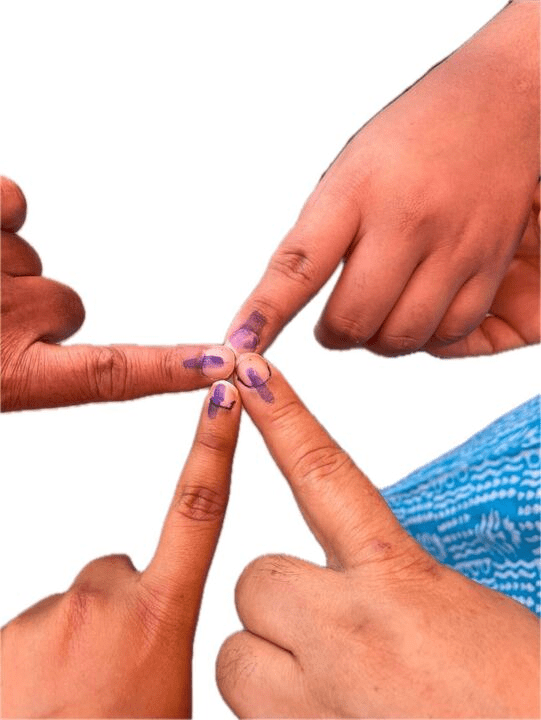
Post-voting indelible ink is used to prevent duplication and fraud in voting. That little drop on the left index finger is a statement of pride, of doing the democratic duty.  It is not mandatory to vote in India, but I take pride in the fact that I voted in all the elections that took place when I was there. 

The year I moved to the US, presidential debates had already begun. For me, it was, with other things, an acculturation of the election process.  I felt the US elections were so calm, which made me miss the volume of Indian elections.  

In the race for 543 seats, the Netajis (male politicians) and the Netrijis (female politicians) campaign standing in an open-top vehicle. Always with a namaskar (folded hands for greeting) and their head almost buried in marigold garlands. Close to elections, dresses in ethnic undertones stand out. Men dressed in kurtas and women in sarees. Heated-up speeches in open grounds from over-decorated stages, almost as tall as a house — visibility to the public is key. Screaming voices, high pitch with long pauses, and stress on every word, I could not find that in the US. 

Lunchbreak voting!

Here, candidates’ speeches and rallies are mostly town halls or debates between just two parties, the Democrats and the Republicans, which are interesting and decent, like TED talks.  

It was election Tuesday, and my US-citizen husband left home a little early. I thought it would take not more than an hour or two for him to be back home. At almost noon, I called him to find he was in the office. Working? This never happens in India! Election day is a holiday to vote or not. Yes, this is how it is in the US: manage time and your civic duties between work. 

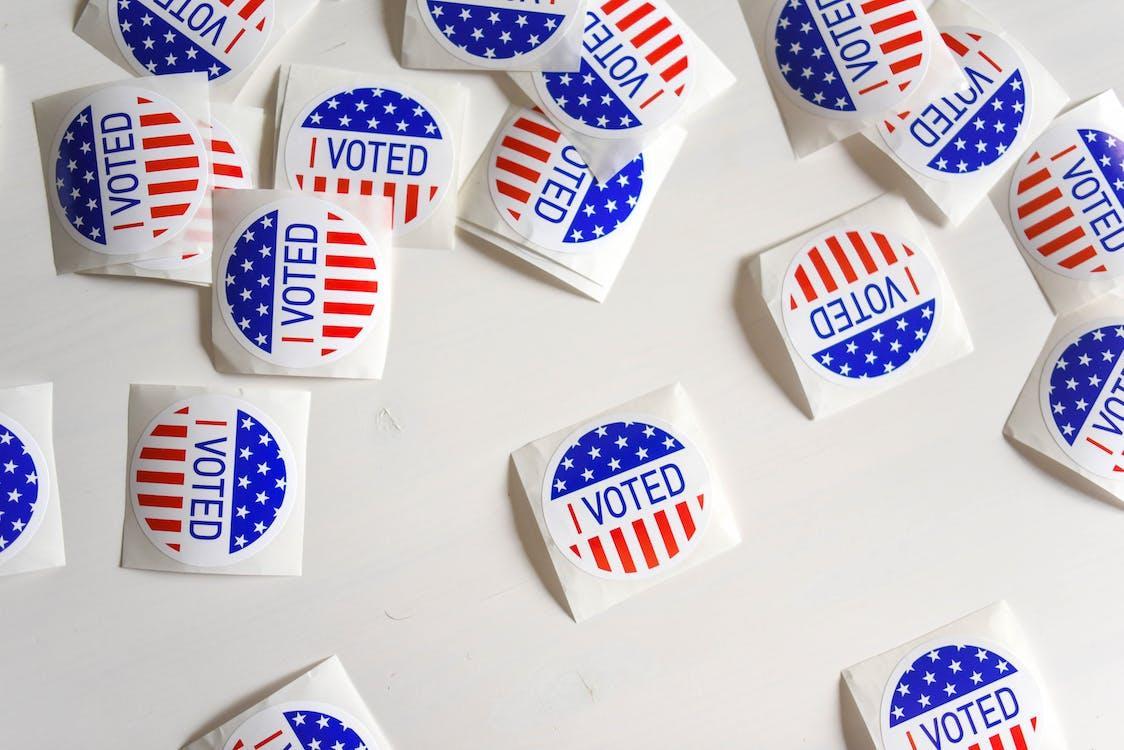
Free Stickers with I voted inscription and flag of USA Stock Photo

(Photo Courtesy of Element5 Digital via Pexels)

The Tuesday after the first Monday in November is designated  US election day. This was a culture shock for me. I came from a land where election dates are released two to three months before elections, from a democracy that never votes on one fixed day. Voting dates vary from state to state, even district to district. 

No voter ID card, just your driving license for proof of identity. No indelible ink, just an “I Voted” sticker. Once, we took our first-grader to see the voting process, and it is so different from India. 

Protests close to the elections are very common in both countries. While in the US, they start after office hours and end before 9:00 or 10:00 pm, India crawls to a standstill, with protests impacting daily life from dawn to dusk. I called them holiday perks. 

Flowers, scented flyers, crowds, and traffic jams surround elections. In my teens, I collected the scented flyers and carefully placed them between the pages of my books. They made my bag smell good. When a party wins you can see Holi and Diwali in the streets. What an extravaganza! 

As a citizen of the USA now, I always vote. Here, Tuesday night’s 9:00 pm election debates bring the election fun — both primary and presidential, followed by the television analysis. The debates stir the election mood. I find the primary debates more interesting: candidates of the same party trying to claim their candidature on national television, wow, so much energy! Indian parties hold their primary debates behind closed doors. We just get to know the contesting candidate. The post-debate analysis is animated. At my home, too, we hold parties where we hotly debate election topics.2024 is all elections and elections, and both democracies are out again, fastening their belts. India for its Lok Sabha polls and the USA for its presidential elections. While my family dinner table hosts discussions on Indian bhashans (speeches) and American debates…

Starting an Online Business: My Steps to Achieving Success

Have you ever sighed deeply after a mistake or mishap and said to yourself, “If only I knew,” or “I wish someone could have told me…”?

Well, I did. As mindful as we can try to be, I don’t think anyone likes making mistakes. We all wish we could prevent mishaps and unpleasantness.

Predicting the future is impossible, but I eventually understood that I can learn from others’ mistakes and lessons. 

I got ahead on taxes and legal stuff

Starting an online business isn’t easy, but it’s worth it. I scaled my coaching business in less than two years, and it was no walk in the park. I did things right, and I did things wrong, but the lessons learned are invaluable.

Tax and legal bits — definitely the least exciting aspect of starting a business — are super important, and I wished someone had guided me through it all. Especially for a digital nomad, it can be hard to handle the gray areas of the lifestyle that come with it and to keep up with taxes while traveling. Where do I pay taxes? Where should I receive my income? Will my home country have a problem with this? These are some of the questions that filled my head.

Taxes are much more than just tracking your monthly expenses and income. It’s the things no one tells you about, like organizing your invoices, getting your forms, saving your receipts, and setting up a legal structure. 

(Photo Courtesy of Michael Walter via Unsplash)

Since my business took off so quickly, I needed more legal support, tax advice, and help to get my ducks in a row. I consulted with international tax lawyers because only they could shed light on my very particular situation—double nationality, double residency, etc. My instincts were right; I needed to start sorting my legal aspects early on.

Luckily, I’ve always been good at managing money. I always know how much cash I have and how much to spend today after saving for tomorrow. Being aware and on top of all your finances is a gratifying feeling.

Managing my time and energy has been the most important skill I could master

As a new entrepreneur, I was alone trying to do it all. And as my business started picking up, I soon found myself managing strategy, marketing, funnels, and all that good stuff. 


(Photo Courtesy of eduardo199o9 via Pexels)

I learned the hard way how to prioritize my time and energy at every level. As my business grew, it became more and more challenging to balance everything. Just because you master something at one level does not mean you’ve mastered it for eternity.

Business will evolve as we do; shift your priorities as you go. 

Investing in myself is a must-do

When a business starts, it is okay to rely on free advice and resources, thinking that’s enough. Luckily, I realized soon enough that nothing compares to tailored and proper groundwork. You are unique! And so is your business. So why conform to free generic stuff if what you’re trying to put together is something extraordinary?

(Photo Courtesy of Krakenimages via Unsplash)

I did use freebies on and off, but I certainly also invested in coaches, programs, new team members and different ways to support myself. Even outside of my coaching business, I looked for support where I needed it, whether that was mental health, business courses, or outdoor activities — if those things contribute to your time, energy, and momentum, they’re all worth it.

You will only be able to grow a business if you invest in yourself. Period. It’s not if; it’s just when. It will make your business journey much smoother, saving time and money in the long run.

I created a support system by my side

In 2022, I joined a misfit mastermind group. Without a supportive community, I was facing endless headaches and decision fatigue, and this well-suited community was the missing piece that would have made my business journey so much smoother from the start. Let’s just say…a lot of mistakes could have been avoided. 

(Photo Courtesy of Wade Austin Ellis via Unsplash)

Having support also means you have someone to discuss things with and bounce ideas off. Making decisions alone can be overwhelming, and all biz owners out there know how many choices you have to make as an entrepreneur. 

I learned that money is important, but it isn’t everything 

Money doesn’t change everything. I learned to keep in mind my health, the health of my business, and the passion that drives us both. These elements are ultimately more important than how much I bring in each month.

Money is just a byproduct of all your other things: marketing, working with clients, and building your biz.

Money means nothing unless you assign it a value. What does money mean to you? Honestly. 

Energy is the most important thing at every stage of business

Your audience can feel your energy, I promise you. And I am a real example of it.

The #1 reason clients hire me is my energy during workshops, interviews, posts, launches, and meetings. My energy draws people to me, and it’s everything when turning potential clients into real clients. 

(Photo Courtesy of Anna Tarazevich via Pexels)

But there’s a flip side: I gave so much energy away in 2021 that I had nothing left. I burned myself out. This happens to a lot of entrepreneurs. We love what we do so much, and we love to hustle. I need to constantly go, go, go

While it’s good to have drive and ambition, you cannot forget to take care of yourself. Aiming for balance, not burnout.

I learned how to make hard decisions

And making them fast and with confidence. 

When you’re starting an online business, decisive action is crucial; indecision, any prolonged deliberation and agonizing over small things will only stall progress.


(Image courtesy of the writer)

I didn’t fully realize how many hard decisions I had to make as a business owner until this year. I’ve learned that the best way to handle it is to plan and commit, then move forward. The last part is the hardest but most important — make a plan, then lean fully into it.

If you’re having trouble making decisions, get support from a coach or another business owner. Self-trust decision-making is a muscle — the more you practice it, the more natural it becomes.

Starting an online business isn’t just a career decision — it’s a personal one

Becoming an entrepreneur challenges you to grow as both a person and a business owner, so inevitably, you’ll start noticing how much you start discovering about yourself. This is because entrepreneurship is fundamentally different from employment, where everything is set in stone and more predictable, with little room for self-discovery. All of a sudden, you’re in charge of everything, and everything is new: setting up a legal entity, creating a website, brainstorming, and strategy; it’s all new, and it all triggers new emotions and ideas that are rarely felt under the regular employment mode. 

If you want to succeed in business, you must take your personal development seriously. The most important thing is mastering your mindset. You can only make it in this industry with a rock-solid mindset. Mindset is everything in business.

Every day challenges you in new ways, and you have to choose a growth mindset to believe you are capable of more. 

If you’re struggling with this, make sure you’re only managing what you can handle. Take a step back and evaluate how much you’ve taken on, discard what’s too much, and readjust. And make working on your mindset a daily focus. Last but not least, I stopped trying to make everything happen all at once. Being realistic and self-kind should also be a daily focus.

(Photo Courtesy of RDNE Stock project via Unsplash)

Accountability gets things done

Part of why starting an online business appealed to me is the freedom it creates. I don’t have to report to a boss or commute to the office. No one will care if I blow off work to go to the beach. 

(Photo Courtesy of Aditya Saxena via Unsplash)

On the other hand, working only 1-2 hours per day and spending most of my time at the beach isn’t realistic for my business or my bank account. Some people claim to work only 2-3 hours a day — not true. At least not in their first year of business. I learned I needed to look at my goals and craft a feasible plan. If I want to build a million-dollar empire, most likely, it will take more than a few hours of work to get that business off the ground in the beginning.

People also claim you need discipline. Overrated. Do you know what really worked well for me? Accountability. I feel responsible for something I created myself, which is truly precious. That is the true and most reliable engine. I have never worked 24/7, but I have learned to work smart, not hard. 

I know I will be okay

Everyone goes through hard times in their business, so just know you are not alone. 

If you want to quit or can’t handle it, remind yourself that you’ll be okay. I’ve been there, and I can promise it will all work out if you keep moving forward, as every mistake is a learning opportunity. 

(Photo Courtesy of Key Notiz via Pexels)

You have to have persistence, determination, and trust that the process will unfold how it’s meant to. If you believe it can happen, it will. I believed in my success before anyone else did. And I didn’t play small! While dreaming big, I learned to also be patient. 

Everything takes time. Everyone has their own journey. Everyone has their path.