My Unlikely Ally Against Doomscrolling

Whenever I think the world can’t get any worse, it proves me wrong in spectacular fashion.

The world has long been unstable, but the last few years have felt especially untenable. Between COVID, ongoing global conflicts, the rise of fascism, and the ongoing effects of climate change, the 2020s have easily become the most stressful years of my life.

During this time, I’ve been unable to stop constantly checking social media. Doomscrolling has been a known phenomenon for many years now, and I’ve been imprisoned since signing up to Twitter more than a decade ago. I initially joined to follow the news as part of my Journalism degree, and while it definitely had its uses it was all too easy to find accounts dedicated to spreading negativity. Since then, it’s been almost impossible to stop myself engaging with these kinds of accounts, which I can now see was my then-undiagnosed OCD forcing me into a repetitive loop.

Doomscrolling is a common problem for many people, especially as the world has become increasingly perilous in the last few years. The term came to prominence during the COVID-19 pandemic, with digital news and social media use increasing significantly during the early days of lockdown. Doomscrolling pulls us in through negativity bias, which refers to our brain’s tendency to focus more on bad news. Once exposed to bad news, I wanted to search more, either to understand the full picture or to find something hopeful.

News and social media sites know full well how addictive doomscrolling can be, which is why you’ll often find dramatic headlines and posts designed to get engagement, good or bad.

I hoped that leaving Twitter (now X) in 2024 and migrating to BlueSky would help me overcome this habit, but while BlueSky is less toxic, the never-ending 24-hour news cycle means that it’s still easy to be trapped online.

Doomscrolling is ruining my mental health, so why can’t I stop?

Unsurprisingly, the constant stream of bad news has had a damaging effect on my mental health. While I hoped that endlessly scrolling would eventually bring some relief, the reality is that doomscrolling only increased my anxiety and trapped me in a cycle of worrying.

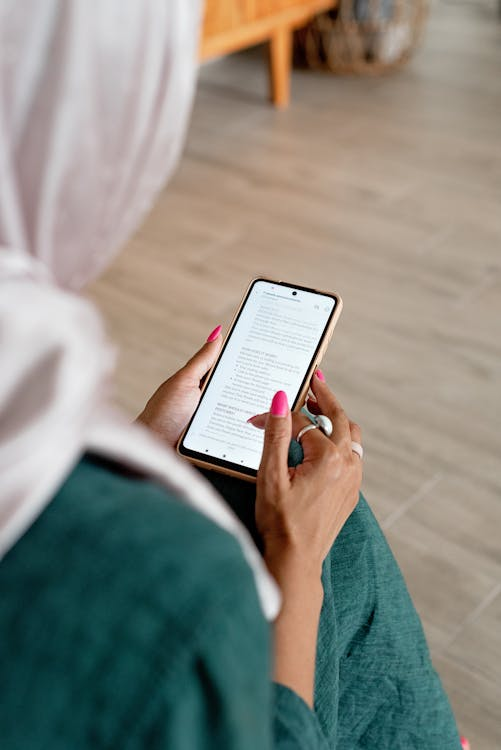
As I’ve become more aware of the damaging effects of doomscrolling, I’ve tried many different ways to break this habit: installing time management apps, forcefully blocking social media on my phone, making the process of checking my phone as tedious and time-consuming as possible. Despite those, I still find myself unable to stop the habit, so I’ve been forced to do something drastic: go without my phone, a constant in my life for more than a decade. 

To force myself to go back to a time when I didn’t have the entirety of human knowledge at my fingertips.

This is much more difficult than it sounds. So much of modern life revolves around smartphones. I buy my bus and train tickets through my phone. I regularly send and receive important messages. I make liberal use of Google Maps whenever I’m lost.

For all the damage that smartphones can do, the annoying truth is that they’re essential for modern life. I’ll likely never be able to stop using my phone completely, but I have started to avoid it wherever possible.

The biggest problem is that I travel a lot, and am so used to whiling away the hours on my phone that suddenly going without it has been difficult. That is until I found the unlikely answer.

How a 20-year-old gaming console is helping me beat doomscrolling

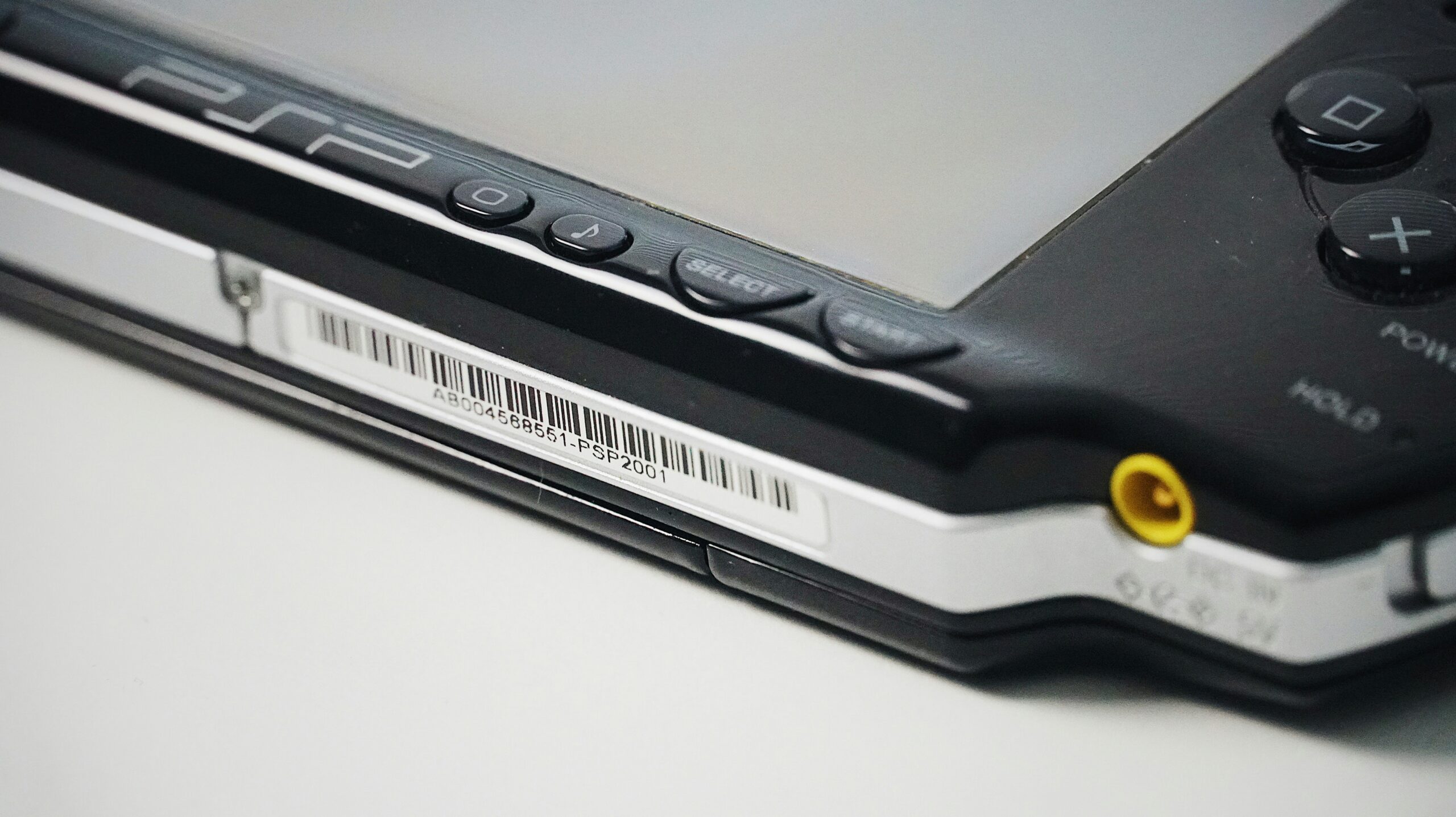
During one of my regular visits to CeX, a second-hand tech shop in the UK, I found a PlayStation Portable, or PSP.

PSP was released by Sony in 2005 as a handheld version of the PlayStation. It apparently sold well, but while I was aware of it growing up, I never had one myself.

Seeing one in the wild got me thinking: would an internet-free handheld games console keep my attention when I’m without my phone? I decided to take a chance, buying the console and a handful of games.

I wasn’t expecting much, but the PSP has been revolutionary for my day-to-day life. There are times when I need to keep my phone on me, but alongside it, I’ve started taking my PSP. Instead of checking the news when on the train, I’ll fire up a quick game of FIFA. In the evenings, instead of mindlessly scrolling through Netflix, I’ll spend hours in an old Star Wars game.

The effect this 20-year-old bit of tech has had on my mental health has been incredible. Alongside the nostalgia inherent in a retro games console, the ability to unplug from the 24/7 news cycle, even just for a little time, has been a massive help. The PSP has no internet; the built-in browser hasn’t been updated in a long time, making it almost unusable for anything besides games. 

Deciding to use an offline device has helped me reshape my online habits. Whenever I feel the urge to waste hours on social media, I’ll pick up the PSP for a short while. 

Forcing myself to spend time away from my phone has also helped me manage unhealthy smartphone habits. No longer am I checking the news every five seconds; I only use my phone when I need to, happy to put it away when done. The more time you spend away from the internet, the easier your relationship with it gets.

It doesn’t have to be a games console. I’m just as happy to replace my phone with a book when I’m out and about, but the result is the same. My smartphone is an important tool in my everyday life and I’ll likely never be able to get rid of it entirely, but taking time away from an always-connected world has had an immediate impact on my mental health and helped me rework my mind to hopefully make doomscrolling a thing of the past.

Offboarding

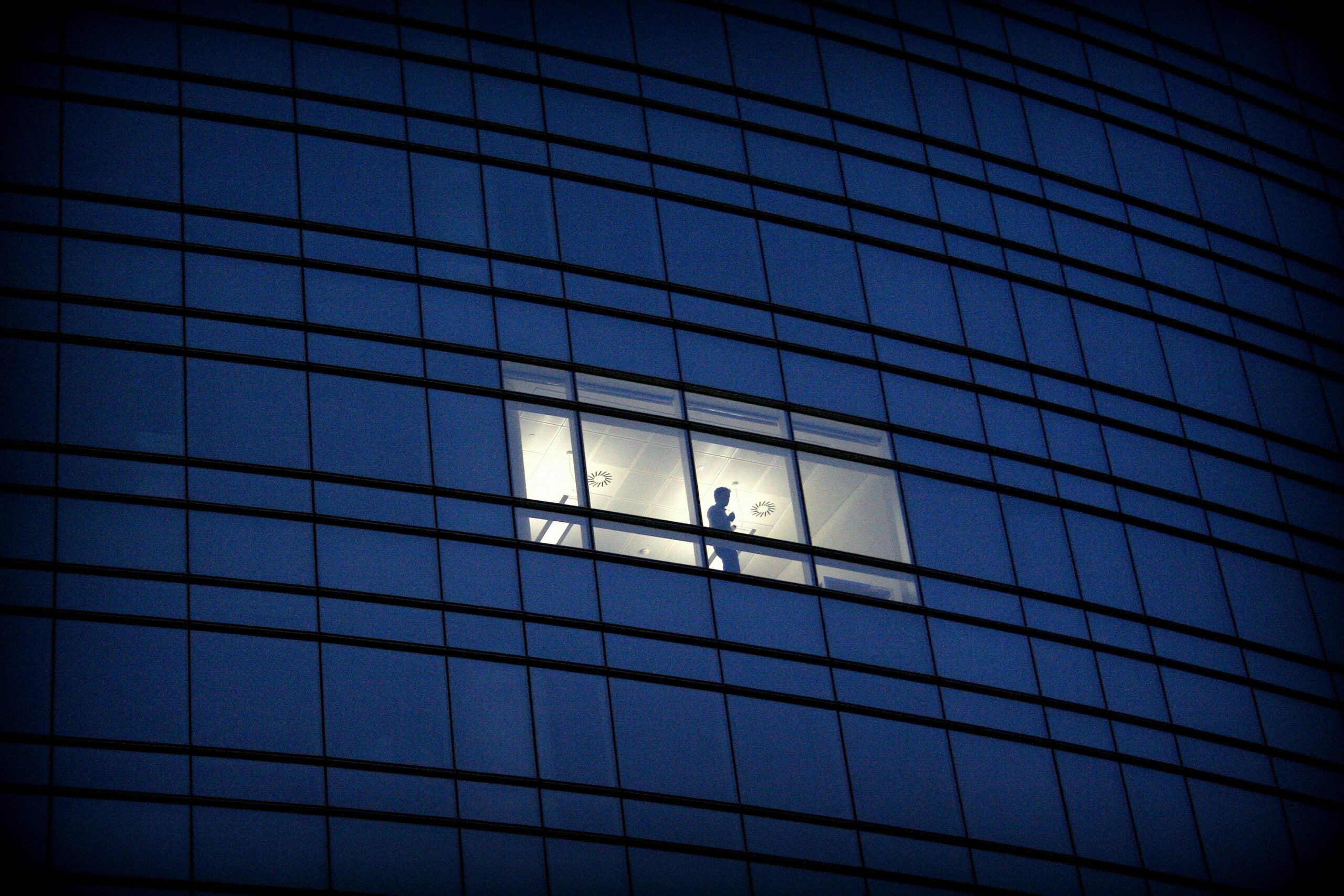
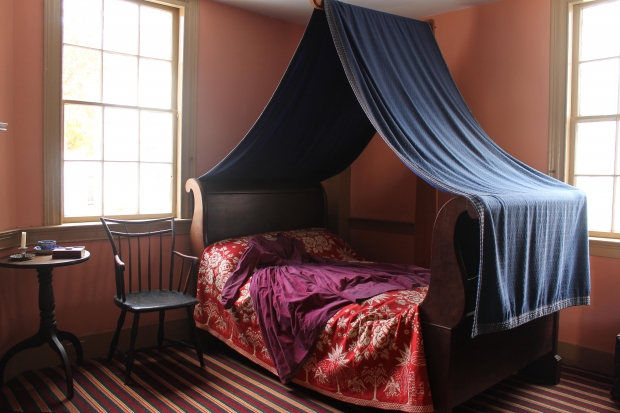
Jasmine’s heart was working a rhythm. It wasn’t quite pounding, but she could feel the flush in her face, the warmth flooding her body. It was all so cool in her mind’s eye. The delivery of the information, the breakdown of the facts, her clinical assessment of matters, all coming off like a Swiss watch. Her rucksack sat up against the table leg to her left. She found herself adjusting its position three times before the HR manager arrived. What exactly she was adjusting she couldn’t say.

Jasmine was keenly aware of her presence and perception in the workplace: quiet, in the corner, coder, unnoticeable. She wasn’t even a coder but a junior developer. As a techie in a department of a big bank, she accepted and understood her furniture-level importance to the grand operation she found herself in. She liked the job. It didn’t set her heart on fire, but the scale of it, the money and the prestige of working for an internationally recognized bank wasn’t something she took lightly. Looking round the glossy, clean off-white interview room, a bubble of anxiety rose within her.

Her mum’s face came to mind. Mum, prouder than proud the day she told her she got this job. Rarely one to openly express a beaming warmth and celebration on Jasmine’s success, she was clearly quite chuffed with this one. It was the name, it was the status of the bank. It was being able to tell her friends at the hairdresser “My daughter works for…” Yet this was her exit interview. Just some 8 months in. She didn’t really have a story to tell her Mum. She doubted she’d understand. Neither did she have a cogent plan of what would come next. Jasmine sucked in her cheeks and pursed her lips. What was just moments away scared her.

The doubt was porous. Forget being hot and uncomfortable, she felt foolish. Had she watched too many movies? This was the right thing to do… but was it the right decision for her? Jasmine looked up at the analogue clock on the wall ahead, just a minute till the appointment, when she heard a middle-aged brogue on the other side of the door. A dull clink signaled the lowering of the door handle. Malcolm Graves entered.

***

It was a breezy work day for Malcolm, sans kerfuffle or boondoggles. The weekend was just round the corner, and he had his weekly squash game planned for 7 p.m. Margaret had booked a trip to the Lake District for the weekend, and he’d merrily scheduled annual leave for the second half of Friday and the whole of Monday. Coffee in hand and paperwork under his arm, Malcolm was enjoying the pleasant frequency of not feeling too high or too low; he remained somewhere in the middle, trouble free.

The HR department had been gifted a lighter load in recent months. There were the usual unpleasant incidents involving abusive customers from the ground floors but nothing out of the ordinary. The email inbox was not inundated, and the implementation (and creation) of new policy had slowed compared to the heady days of some 5-6 years ago. Malcolm, in truth, had never met Jasmine. He had the name on file but didn’t recall it upon being assigned the exit interview. When he looked at the job description, he couldn’t tell you exactly what Jasmine did and well, with her being a techie, he entered the room with no qualms.

“Jasmine,” Malcolm briskly stated on entrance.

“Hel—“

In a flurry of nerves, Jasmine nearly tipped the interview table upon standing to greet him.

“Oh, careful there. That desperate to leave us, are you?” Malcolm gently ribbed, reaching a hand out to shake Jasmine’s.

Jasmine let out a nervous chuckle before gripping Malcolm’s hand, only making the briefest of eye contact. Malcolm could feel the anxiety radiating off of Jasmine, and he had to resist the impulse to wipe his own hand down; Jasmine’s was wet with sweat.

“Dear God,” he heard his inner monologue proclaim.

“These IT guys really do struggle with human interaction.”

He maintained his warm, off-handed, yet smiley demeanor. He guessed Jasmine was, at most, in her early 30s. Large glassy eyes were exaggerated in rimless glasses, and she was soft-voiced and quite clearly nervous. Malcolm was endeared at the thought of this young woman being deeply engrossed by a small, flickering laptop on a desk in front of her somewhere. Once they were both seated, Malcolm leapt into the standard procedural rhythm.

“Name?”

“Jasmine Thompson.”

“Position?”

“Junior Developer.”

“Department?”

“IT & Digital.”

“Manager?”

“Sharon Coates.”

“Start date?”

“It was err… I think, yeah, um, February 17th.”

“And leave date… is… today.” Malcolm reeled off mechanically, as he filled in the form. He looked up at Jasmine. Her face was beginning to glisten and seemed stuck in uneasy blankness.

“So Jasmine, would you like to tell me what your reasons for leaving are?” Malcolm asked, attempting the friendliest tone he could muster.

Jasmine looked down to her left and didn’t answer. Malcolm sat in silence for all of 10 seconds before it became untenable. He implored as delicately as possible.

“Look. Jasmine. If there’s something you feel HR ought to know, then now is the time to say something.”

Jasmine heaved in a large breath and gave Malcolm a brief pocket of eye contact before returning to looking at the floor. Malcolm hadn’t encountered this kind of shutdown before; he was beginning to feel an uneasy sense of gravity. He probed further, conducting his voice in a near whisper,

“… if this has anything to do with why you’re leaving, it is important that we know.”

Jasmine gave an uneasy look. She then reluctantly reached into her rucksack and pulled out a beige folder of printouts. She put them on the table silently. Malcolm glanced at the folder, then at Jasmine before picking it up to examine. Inside, he saw a log of some sort, a spreadsheet.

“Can you help me out here Jasmine? What am I looking at? Outside of what looks like some sizable transactions…”

“It’s um, it’s, from a system I’ve been working on in my pipeline.”

“… go on.”

“This is a log of the cache for AML.”

“In plain English, please, Jasmine.”

“On the left are the client numbers from the identification portal. The middle is the transaction names, and then the dates, then the transaction type, sums.”

“Right.”

“Then the column on the far right is whether transactions have been flagged.”

“Flagged? In regards to anti-money laundering?”

Jasmine nodded and leaned forward.

“Turn to page 12 and after.”

Malcolm did so. He scanned it up and down, then the next page, then the next and the one after. Jasmine cleared her throat and stated,

“It’s the same clients, same transactions, same types, but they’re no longer getting flagged.”

Malcolm sat back and studied the papers, line by line, taking his time. He glanced up at Jasmine. In return, Jasmine looked everywhere but at Malcolm. She took a deep gulp of air and told Malcolm the truth,

“That warning system is mine, under my access, exclusively; I’m the only person in tech who could remove or alter a transaction’s flagged status.”

“And you didn’t do this?” Malcolm asked unblinking.

Jasmine shook her head. The burst of silence between them was heavy. Malcolm continued to look down at the paper.

“… then… who could?”

Jasmine’s eyes held Malcolm’s. She raised her right hand from the table and from chest height made a gesture pointing up.

Malcolm looked at the paper again. He found himself in the very well of discomfort Jasmine was stewing in. Malcolm paused. He skimmed through the last pages once more. He looked at the sums and how many. These were huge amounts of money.

“Jasmine, how much of this have you—“

A dull thud hit the table, rupturing the stilted atmosphere. A huge pile of folders lay between them, spilling across the table, covering its entire surface. Jasmine zipped up her rucksack. Her voice shaking, eyes wide, she pleaded,

“You can’t tell anyone this came from me. Please– I just wanna get out of here.”

Ode To The Bed

How do I love thee? Let me count the sheep.

  • My bed is my lieder, I shall not want for song or horizontally for sleep. Thank you. Really.
  • The Lord maketh me lie down in the imaginary pastures of cotton fields at the end of every long day for complete recovery of my heart. Thus, my bed leadeth me beside the stillness of freshly laundered matchy-matchy linens. As fresh as when I changed the bed last. Every two days, no doubt.
  • My bed restores not my soul alone, but my head and body, walking me towards the path of peace and quiet, sometimes well-deserved, always well-needed and luxuriating. 
  • Even though I sleep through the depth of stream-of-consciousness dreams, I fear not, because I so value that respite as restorative above all.
  • Your pillow, blankets and comforter — they comfort me. As I make my bed, so shall I lie in it, to drift off and abandon the day. And you prepare a supportive mattress beneath me in the presence of my bedroom and my cat, who often rests with me, yet not too close.
  • I anoint my hands with lotion, sitting soothed undisturbed for eight hours. Just a light layer so that nought runneth over.
  • Surely goodness and mercy shall follow me all night long for the days of my life and the life of my days. And so I will dwell as well-rested in a bedroom of my own forever.

But when the king’s sleep wanders, waylaid by intrusive thoughts, the bed becomes the prison. Hate it. Hate it. Hate it. After turning and tossing, tossing and turning, he makes a break from the bedchamber and into reruns — anything — for a shift.

To sleep, perchance to dream what dreams may come sweetly when I return afresh to my favorite bedroom and bed fit for a king.

With immense gratitude to the muses of Psalm 23, The Book of Esther, and Hamlet. Plus Elizabeth Barrett Browning and Virginia Woolf. 

Is There a Library in Your Future?

I’ll be honest. My attention span has dwindled drastically since my voracious reading days of high school.

I can’t blame social media and short-form content completely for my lack of attention, however. College demanded me to read prose, sonnets, and anthologies for my English major. Then my various career paths had me read training manuals, handbooks, student writings, peer-written pieces, legal documents, press releases, reports, and interviews. Finally, life became broader and more open in terms of entertainment. New dramas and shows were released regularly — across all the streaming platforms — captivating games always popping up on my never-ending wishlist, and casual mobile apps take up my attention more so than a clunky physical book. I already have enough to carry in my ever-increasingly heavy bag, and the thought of carrying around another item I don’t heavily need makes any e-reader unappealing.

So, what do I do?

I may not be able to read literature like I used to back in my school years, but that doesn’t mean I don’t enjoy reading. From novels to manuscripts to how-tos, digital information allows anyone to discover anything. 

A big reason I don’t read physical books anymore is my phone — and not just because of the games. I’m an avid web comic reader. I’ve always been interested in manga growing up, and with many artists and creators releasing their content on Instagram and WEBTOONS, it’s easier for me to keep up with easy-to-digest updates such as slice-of-life, comedy, drama, and even epics. The artists aren’t the only ones working hard to bring their passion projects to life; writers and support staff work hard too to ensure a well-made experience is consistently being put out there for their dedicated readers.

Reading has always been a passion of mine. Growing up, I have attempted to remedy my lack of motivation to read novels. I got a library card to access their e-book library. It took some hoop jumping to finally get to the site I needed to re-read the series I used to enjoy as a high school student, but having a literal library of titles to choose from right on my phone has been a major help. I’m already on the third novel; I may not read through it as quickly as I used to, but when I get in the zone, I really get re-invested in reading again.

This one might be a cheat, but one major reason I don’t read physical books again is because of my work. I copyedit light novels, and I often read the chapters multiple times to ensure I’m consistent and thorough. After staring at words on my screen for multiple hours at a time, though, it’s nice to take a break and go back to my comics.

Are libraries dead? A little bit dead?

Absolutely not. Libraries are essential to any and every community. I respect libraries and what libraries do to help their patrons find what they need. Additionally, they’re adapting to the times. Broadening their services to e-books, video game rentals, and 3D printers is a bonus to the workshops, story times, crafternoons, and computer services they already provide.

One of the reasons I became an English major was that I used to read a lot. Growing up, I had a lot of downtime after school while my parents worked all day and night. One place they would always make time to take me to was the local library near their workplaces. There, I would grab heaps of books to occupy myself for two weeks before I had to return them — I think my record was twelve books. I was an avid reader; one teacher told me that I was reading above my level and questioned whether I did read as much as I reported on my read-a-thon sheets. I was immersed and rapt by the world found within a stack of books

My mom had to explain that I did indeed just read that much.

A woman lying on the couch reading, surrounded by books.
(Image courtesy of cottonbro studio on Pexels)

It was because of libraries that my world opened up to new ways of thinking, to how sad a book could really become, to far-off places with in-depth lore.

And it’s because of libraries that I believe writers still have a major audience. In this digital age, I’ve become more frugal in where I spend my money. Being able to rent a book and not having to pay $20-$40 is a major steal if I’m only going to read it once. If you still want a physical copy and the location you go to doesn’t have it in stock, the library’s borrowing system can get a copy from another location for pickup.

Of course, let’s not forget the e-library. Signing up for a library card is fast and easy, and it allows you to browse an immense catalog of titles that you can easily rent and re-checkout without having to deal with in-person interactions. And sometimes, you just don’t want to leave the house to grab a book.

But what if I don’t read books?

A rack filled with newspapers.
(Image courtesy of Efrem Efre on Pexels)

Printed text is a sure-fire way to spread information for people in a hurry and in need of a break from their phones. Articles, newspapers, and collections of works are fantastic ways of spreading and recording information. Consumers will always have a need to access the written word, whether it be fiction or nonfiction. 

Libraries can help with that too. Some places, such as universities or metropolitan locations, will house records to preserve history or help with research. Instantaneous consumerism and clickbait articles may be rampant, but in-depth journalism takes time, money, and resources. If you’re looking to wind down with something that’s more factual, I’m willing to bet you’ll find at least a few things to pique your interest if you talk with your local librarian.

Let me know what you end up checking out when you do go. I just may be interested in it myself.

Moonscalding

Moonscalding

When you stare at the moon

Through a screen door long enough,

Everything fades into stars and the seaside;

You’re watching bats,

Hair reflecting the moonlight,

A spilt milk mess of cosmos, crabclaws,

Paper dolls and prose;

Your eyelashes catch your sweat–

No tears present– just water

And the warmth you did not used to

Need on those stolid nights;

Ozone eaves settle, woven above you,

While spiders crawl towards nightlights,

Dreams in tow…

You are so afraid of being forgotten,

In that silver light you hoped,

With all of your heart,

Would preserve you like seafoam,

Seatbelts, and the note you left on

The table saying, “I’m sorry for everything.”

Moonlighting as an Extrovert

When I was younger, I had difficulty making friends because I lacked many skills, such as communication and confidence when approaching new people. It got a little easier in high school when I started developing more hobbies and had classes with a more consistent group of individuals. By college, I had more confidence in myself, so I was able to engage in more small talk and exchange contact information much more quickly, whether it was for classes or extracurricular activities. However, as an adult, the only way I could meet new people was gradually limited mainly to the workplace, where each new company brought a fresh group of faces for me to bumble my way through into friendships.

As much as I seemed to be friendly and engaging, I was actually an introvert, and going out all the time turned out to be exhausting.

Starting a new career: extrovert

Whether online or in person, having some sort of confidence to initiate a conversation always seemed to be a necessity, no matter where I went. 

Do I have my Rolodex of formal niceties and social platitudes ready? How do I know when to talk to them? What should my energy level be? Are there any mutual topics or hobbies we can talk about? Where and when should we talk in case I need an escape route if the conversation starts to peter out? Why does it seem like my conversation partner is an interviewer? Or maybe even vice versa, that I’m vetting them to see if we are a good match?

That’s because it actually kind of was. We’re interviewing each other to see if we were a good match. Or, you know, sometimes if they had any malicious intent. Your girl was not in the mood to get into any trouble at any time or wherever I went.

So we’re a fit, now what?

It might not be an issue most people want to acknowledge, but there is that slight fear or anxiety when you start a new friendship and want to solidify it. What task should you take on? When should you voice your opinions? How do you continue to climb the ranks from acquaintance to friend? Maybe even a good or best friend? 

A natural progression of many friendships is going out together, or spending time in more intimate settings or group hangs. That’s when the next challenge comes through: what activity should you do? Do you play it safe or adventurous? Stay local or explore? Is it a food outing or a physical activity?

When I moved to Japan, I had to force myself to be social and interact in order to make friends. Luckily, my company had a great, engaging volunteer community that hosted many events and activities to help everyone get to know each other. Whether it was going to a restaurant as a big group, exploring nature, or experiencing culture, I signed up for as many things as I could financially to meet a variety of people to befriend. Luckily, the people I gravitated toward started standing out to me, and I began seeing them more often at activities I had signed up for. At least we had similar interests that we could riff off of.

A work in process, but in smaller spurts

My social battery was working overtime, and I had a dossier of friendship applicants I could sift through to find my new group. For about two years, my weekends and holidays were spent going on multiple trips, stayed out many nights exploring bars and restaurants, and attended a ton of gatherings and parties. However, during the work week, I stayed home and binged Netflix with either leftovers or store-bought dinners. I like to think these moments alone helped me be a better social butterfly.

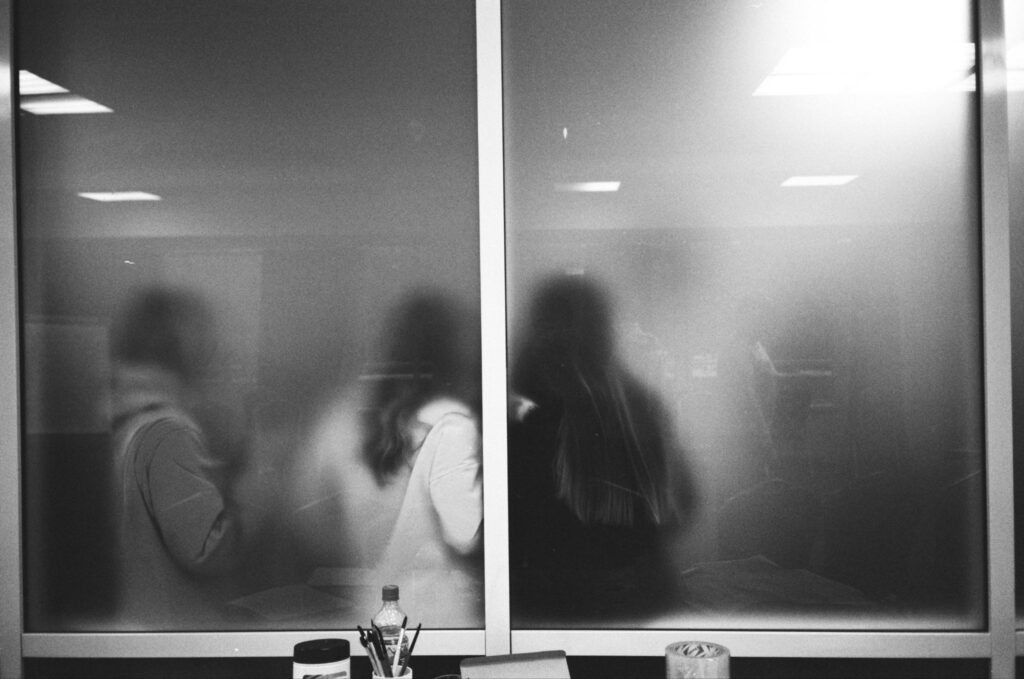
Multiple individuals, behind frosted glass, stand together chatting. They are on the other side of the pane from an office desk with pencils, paper, and other tools sitting on it.
(Image courtesy of Maria Varshavskaya via Pexels)

Eventually, I started aligning with people I would call good friends. Better yet, many of them were introverts like me. So, I would go to the bars less and to each other’s places more. We would go shopping together or plan our own trips outside the company-oriented ones. Sometimes we would meet up just to gripe about work or watch mindless media together — I feel like these moments were essential to keeping me, us all maybe, sane while living away from home. 

Before I knew it, I became a volunteer myself to help my community enjoy their time in a foreign country. I had to stretch my comfort zone here and there to make the most of my time in Japan, and I felt a sense of accomplishment helping others make connections, just like how my predecessors helped me when I first arrived.

Leaving the company, now not in each other’s company

I eventually left Japan and moved back home, and the distance really affected the relationships I made. I’ve kept in touch with some, touched base with others, but have largely grown distant from many of them. The distance and time differences really didn’t help the situation.

Looking back, we were in relationships of convenience; we were thrown together in a foreign country and had to make a few friends to mitigate the loneliness in a sea of unfamiliar faces. Not to mention the language barrier, that was another struggle. I was able to communicate with some of my Japanese coworkers and friends, but I had to switch between English and Japanese often because my proficiency wasn’t that high — and I had a better grasp of the language than many who moved to my area.

Luckily for me though, some of the friendships I made have survived until now. I may not be talking to as many people as I did when I lived in Japan, but it’s been a real blessing to still be in touch with those who wanted to stay connected, whether it’s a trip to see one another or an invitation to a wedding or occasion.

A group of friends, embracing one another, stare out a window together at green trees. They are thinking of other friends, who live far and wide, across the world.
(Image courtesy of cottonbro studio via Pexels)

The exit interview

For me, I wholeheartedly recommend that people move away to a new place. Not only to experience a shock to your system, but to force you out of your comfort zone and make lasting memories. I had a blast meeting new people, going on solo adventures, and making mistakes that I learned from along the way. Would I have preferred to stay holed up on my bed, binging House while eating a cold bento and a slice of melon I bought from a convenience store on my way home? Absolutely. But would I have regretted doing that every single weekend? One hundred percent.

A dear friend of mine is now in Australia, and I do my best to check in once in a while, but I know she’s living her best life right now. At first, I was concerned about her mental well-being while in a new country, but, after persistent encouragement and a nudge to explore here and there, I eased off and let her do her own thing. Now, I’m just waiting for her latest tales of adventure to get me itching for another one of my own.

Recidivist Phantoms

It was some 18 months into the AI overhaul, and a pattern began to emerge.

It started with just instances, here or there. There was no great wave. There were just punctuated happenings, miles apart, entirely without relation. Though, over enough time, droplets made up an ocean.

Prison releases in any iteration of society had always been a complicated matter. The statistics were seldom positive on the side of rehabilitation. Worldwide, recidivism was a reality – between 18% and 55% of released prisoners could return within two years. Even in a day and age where western penal systems found themselves creaking with overpopulation, there was no immediate remedy for the complications of life after release.

Irrespective of their sentences, fundamental issues of housing and having any kind of reliable support or income stood in the way for a significant proportion of released individuals. That’s not to say many couldn’t go on to form a stable life, but this was, of course, entirely conditional. Public support was high for businesses hiring ex-offenders, but promising outcomes remained low. Those who could rejoin the workforce knew the barriers they were heading towards.

Barely 15% found themselves back at work within six weeks of release, while a little over 20% received employment after six months. These were the fortunate few, typically with support systems in place for them, and low-wage, low-security work their means of money. Ultimately, the broadest of barriers to life after prison were stigma, mental health complexities and homelessness. Yet, something began to change, to show up, bit by bit, across international probation reports.

***

Jobs were being vacuumed up at light speed as juries became a thing of the past. AI became the replacement for judges and every last piece of visual media’s origins and intentions were entirely unknowable. The most affluent of areas segued into universal basic utopia, while the most deprived areas became enclaves of isolated desperation. The world had become a fully automated riddle. Few roles remained for human beings, yet low-wage, low-security work, deemed befitting of released prisoners, was still available.
Probation officers were also among the remaining jobs, relying on some last human faces to reintegrate other human faces into society upon their release. Curiously, the ex-offenders who managed to gain interviews and employment started to display peculiar trends across their probation reports. Ad-hoc, instantaneous compiling of information meant AI noticed these patterns first. This notice was soon passed on to their human counterparts. Abby Nelson received hers via email the night before her 9:45 am appointment with a Mr. Derek Rogers.

Some months ago, Abby weathered the initial shock of being reposted to the role of a Probation Officer. She did though, with enough experience, acclimate and soon counted herself lucky. Firstly, she had a job. Secondly, she had a job that was solely based around people with acute needs; her role was necessary and desired, and it most certainly should have been carried out by a human being. Abby found herself as much an agony aunt as a useful resource to many of her clients. They were simply trying to get through, consistently trying and applying in hope that a stable job would materialize soon.

She often ruminated on the fact that poor literacy is one the most profound themes of prison populations, and, while it stands as an obstacle to employment prospects, this can also result in remarkably expressive, poetic, and connected speakers. Without the rigidity and constriction of schooled literacy, individuals often found themselves adept as perceptive talkers and listeners. They might not be able to recall the pedantic insides of a peer-reviewed academic textbook, but they could distinguish a lie from the tone of a voice. They knew the threat of manipulation from a pressed syllable. They also recognized a good soul from a bad one, all from the choice of words and their delivery. Abby relied on this fact, and respected it, as she approached any client conversation.

Derek was a success story. Abby had always found him polite and straightforward. His sentence had been four years for, in his own words, “getting up in business that was none of my business.” He didn’t reek of self-loathing or wanton mental health crises as so many releases did. Abby saw his story straight; Derek had fallen for an offer to make quick money in a moment of weakness, and he’d been caught in the act. He accepted his sentence and made no bones about his crime, following a quiet, drama-free sentence: he was released.

Derek’s life story was one of a self-made man, and his life after release continued that motif. Within two months he’d secured a single room flat and began to make a modicum of regular income as a plasterer and plumber. He also kept himself well clear of anything nefarious. With an ex-wife “somewhere out there” and “few friends worth talking to,” Derek was a fifty-something in the process of reintegration and, ultimately, doing incredibly well.

***

Abby and he had been seated for some ten or so minutes before she realized something was off. Derek always sat to face her and was somewhat chatty. He had the slightly grating, chauvinistic habit of calling her “Abby girl.” However, Abby weighed this endearment against every other name prison releases had called her in the past months and decided to recognize its warmth. Today, though, Derek wasn’t chatty. He gazed out and away from Abby and… he looked tired.

“Is everything okay, Derek?” Abby implored, genuinely hoping bad news was not afoot.

Derek shuffled a bit in his chair. He half-muttered under his breath, interrupting himself from responding more than once. He briefly glanced back at Abby and let out a little chuckle before setting himself. His eyes shifted to another corner of the room while he said,

“What is it? This… AI? This, this new world. Photographs, now videos. Vehicles with nobody driving. None of it real. You know, even when you walk down a street full of people – it feels empty. Nobody… talks anymore. Don’t even acknowledge your walking on the same street. It’s quiet but the cars. My last three jobs; I get sent the job on my email, I go to the door, I’m answered by the door bell… I didn’t even see the last three people whose homes I was in. There were no photos on the walls, either. It doesn’t matter where I take a job, it’s the same everywhere I go.”

Derek looked up and out, ruefully, mournfully.

“Is… is… this it? Dead streets. Nobody behind the counter. Talking to a computer. Everything’s a computer program. It feels cold. The whole thing, it’s… it’s… not like people live here anymore. It’s like everybody is scared. Too scared for a greeting. Too scared for even a ‘hello’.”

Derek looked pained. His voice softened. Abby’s throat felt dry.

“A child spat at me.”

His gaze set upon Abby once more. His face stopped moving; his eyes felt hollow. 

“Just a little thing. 5, maybe 7 years old… he – it, didn’t hit me. But… the mother… she moved her kid away from me. Didn’t confront or discipline him. Didn’t make an apology. She grabbed him and moved away… like I was the problem.”

Derek paused.

“That’s not about me. I have no sign on my head. People don’t know I’ve been to prison. They can’t read minds… this is people. People are just scared.”

Derek briefly brought himself back from his thoughts, back to Abby, back to the present. He began with an exhale,

“Abby girl, I may be talking crazy, but… and don’t misunderstand me when I say this… I don’t ever want to… do something stupid again. That’s not what I’m talking about. Don’t misunderstand me. But can you believe me when I say this; I had a dream the other night of being back inside. Do you hear that? This… out here… there’s no society. I can’t believe I’m saying this, but I think something in me wants to go back.”

Abby sat in silence, looking at the glassy wetness filling Derek’s eyes. This was as honest and intimate an exchange as she’d ever had with a released prisoner. Abby didn’t know where to begin.

The email memo she’d received the night before was as if prophecy:

En masse, successfully reintegrating prison releases were longing to be back in prison.

Brazilian football club Flamengo advances UN partnership and calls for symbolic recognition of its global fanbase

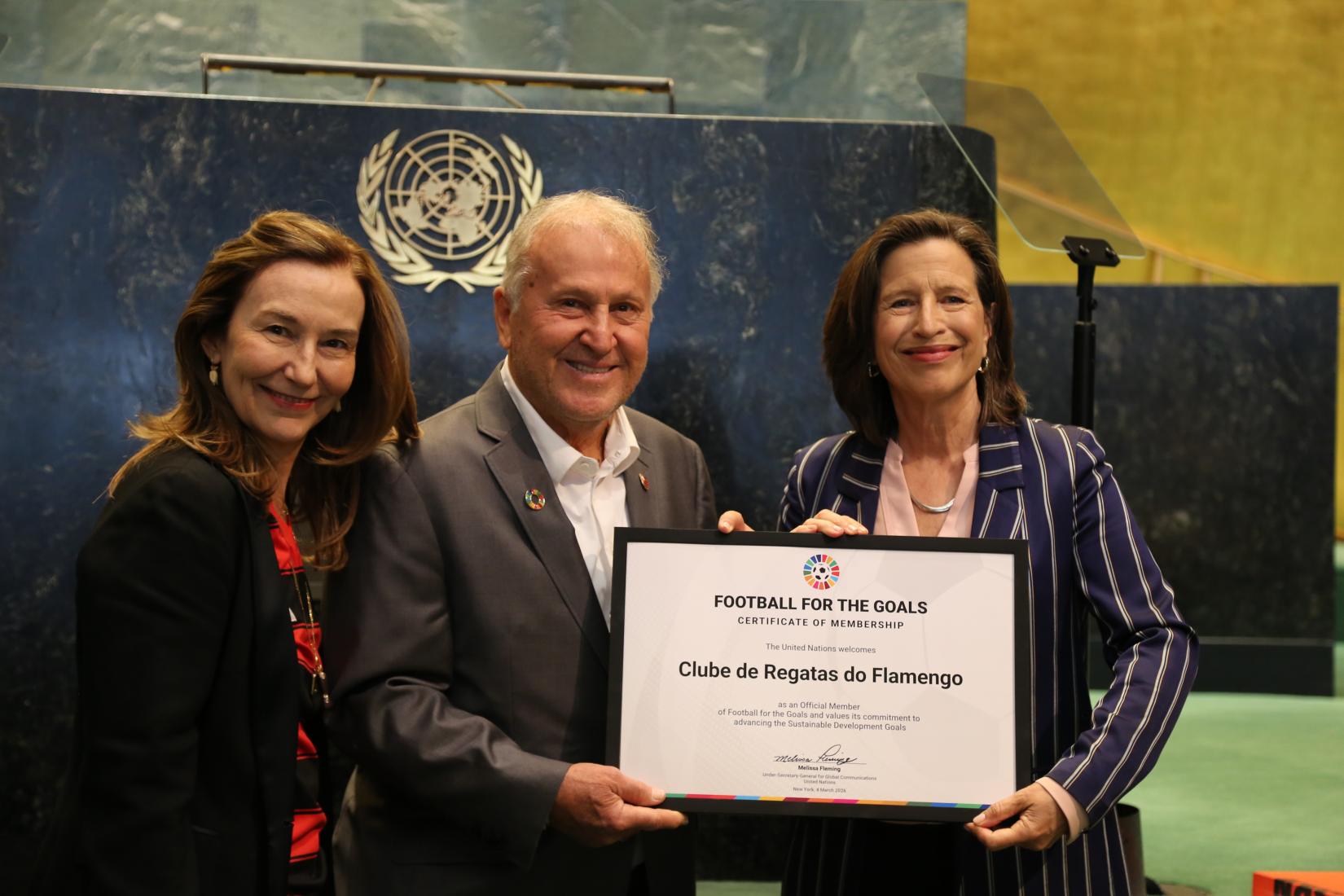
On Tuesday, April 13, the United Nations met with Brazilian football club Clube de Regatas do Flamengo, based in Rio de Janeiro and one of the country’s most widely supported teams. The meeting took place to formalize the club’s participation in the “Football for the Goals” program, a United Nations initiative that seeks to use the reach of sport to promote human rights, environmental issues, and social transformation in alignment with the Sustainable Development Goals (SDGs).

Representing the club and its supporters, Flamengo legend Zico, a former Brazilian international widely regarded as one of the country’s greatest players, was received by the UN Under-Secretary-General for Global Communications, Melissa Fleming. 

During the meeting, the former player presented the organization’s headquarters in New York with a publication highlighting the club’s social initiatives and reinforcing its commitment as a cultural force in Brazil, as well as its support for the UN’s Sustainable Development Goals (SDGs).

“Flamengo’s participation reinforces the potential of football as a powerful platform for social mobilization. By bringing in one of the world’s most influential clubs, we strengthen a movement that connects the passion for the game with the need to build a more just and sustainable world,” Fleming said during the occasion.

The Brazilian club presented projects aligned with the global agenda, including initiatives focused on addressing social inequality, promoting health, and combating racism. The club reaffirmed that its participation in the program seeks to expand the use of its cultural impact as a tool for social mobilization capable of generating tangible change in society.

Almir Silva, a Flamengo supporter for more than fifty years, told The Sentinel that the team’s international recognition marks a significant shift for its fanbase. “We have always been a massive group, and seeing the strength of our supporters extend to other countries and causes beyond football is remarkable.”

Campaign for recognition as a “Symbolic Cultural Nation”

The club’s participation in the “Football for the Goals” program comes amid a campaign led by Flamengo seeking symbolic recognition of its supporters as a “transnational cultural nation.” The concept refers to a group that shares culture, traditions, identity, and values, but is not limited by geographic territory or state sovereignty.

Such recognition has not previously been granted to a sports-related fanbase. If approved by relevant international bodies, the proposal would represent an unprecedented step, marking the first time a football fan community would receive this type of symbolic recognition.

In September 2025, Clube de Regatas do Flamengo launched an international initiative presenting a document to the United Nations advocating for the symbolic recognition of the so-called “Rubro-Negro Nation,” a reference to the club’s red-and-black colors. The proposal aims to highlight the sociocultural phenomenon represented by one of the largest sports communities in the world, with its own traditions, chants, history, and values.

The resolution would not aim to confer political status or territorial sovereignty, but rather to formally recognize the sociocultural phenomenon represented by Flamengo’s supporters. The club emphasizes that its fans are present not only throughout Brazil but also in several countries around the world.

“If we were a country, we would have the 36th largest population in the world. We are more than 45 million people united by the same flag, the same culture, and the same feeling that spans generations. Flamengo is not just a club—it is a nation,” said Zico during the 2025 campaign.

If accepted, the club argues that the resolution could set a precedent for other global communities formed around sports fanbases or cultural movements to be considered in international forums.

Global impact

The scale of Clube de Regatas do Flamengo’s fanbase helps explain why the club has drawn the attention of the United Nations for initiatives such as “Football for the Goals,” which seek to use sport as a tool for social mobilization.

In recent years, the club’s influence has expanded far beyond Rio de Janeiro, reaching audiences in other countries. International broadcasts and major sporting events have further increased Flamengo’s visibility.

One example is the club’s participation in the FIFA Club World Cup in 2025, which brought together teams from around the world, including Chelsea FC and FC Bayern Munich.

Founded in 1895, Clube de Regatas do Flamengo began as a rowing club before becoming one of the most prominent forces in South American football. Over the years, it has won national and international titles alongside legends such as Zico, Júnior, Romário, and more recently Gabriel Barbosa.

Today, it stands as one of the most successful clubs in South American football, having won three Copa Libertadores titles over its history.

The club’s participation in the “Football for the Goals” program is expected to expand the reach of social initiatives linked to sport, generating positive impacts for communities in Brazil and around the world.

Travel Slow

For the past month, my wife and I have been traveling through New Zealand. The reason being we plan to move here because America, where we’re from and live, is so great again. I won’t subject you to a political rant about why we’re leaving; our brains have been beaten enough as it is. Instead, I thought it would be a better use of time to share my traveling philosophies on how to get from place to place, how to eat and drink, and how I did it on a single-ply budget. 

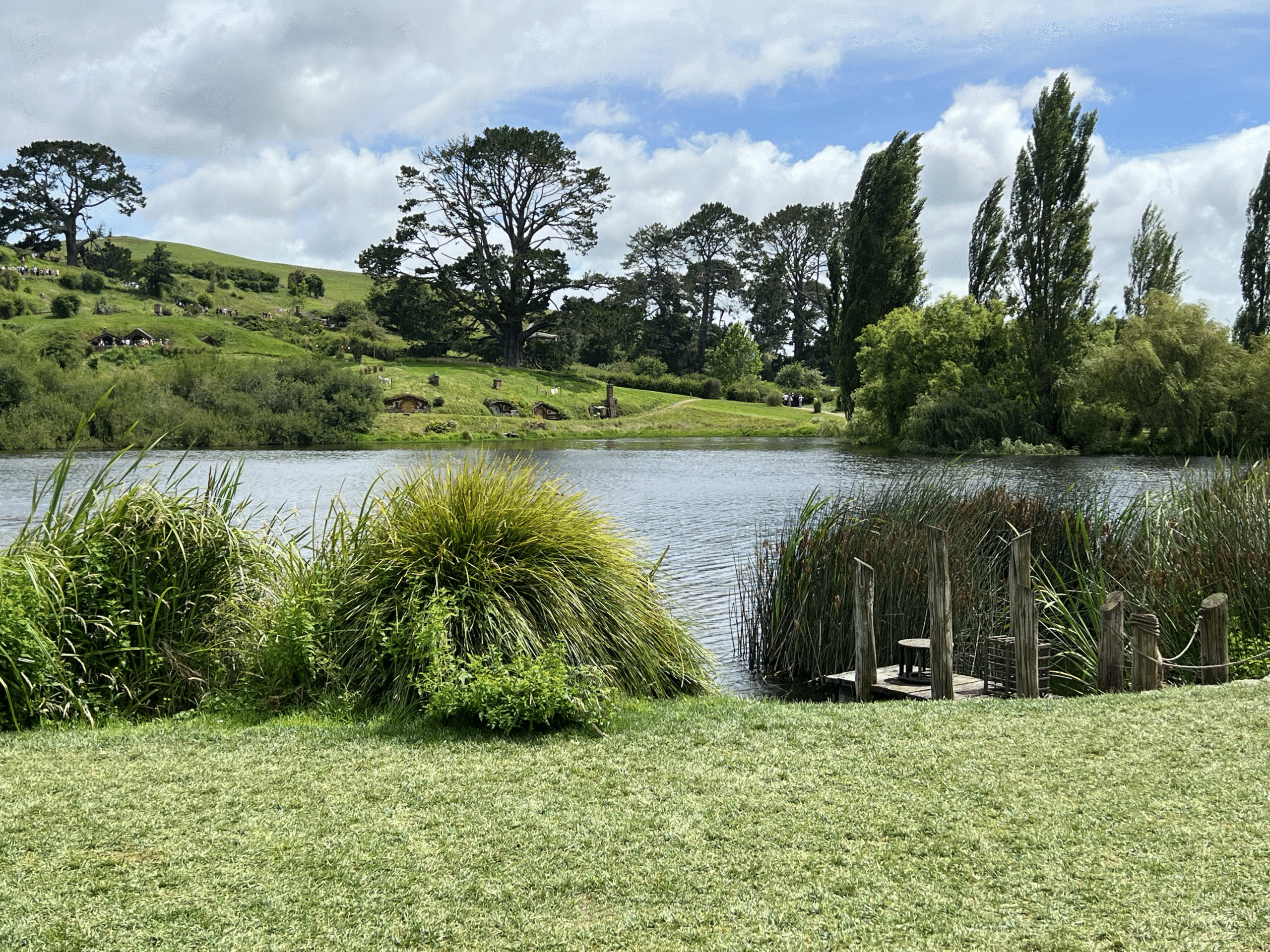
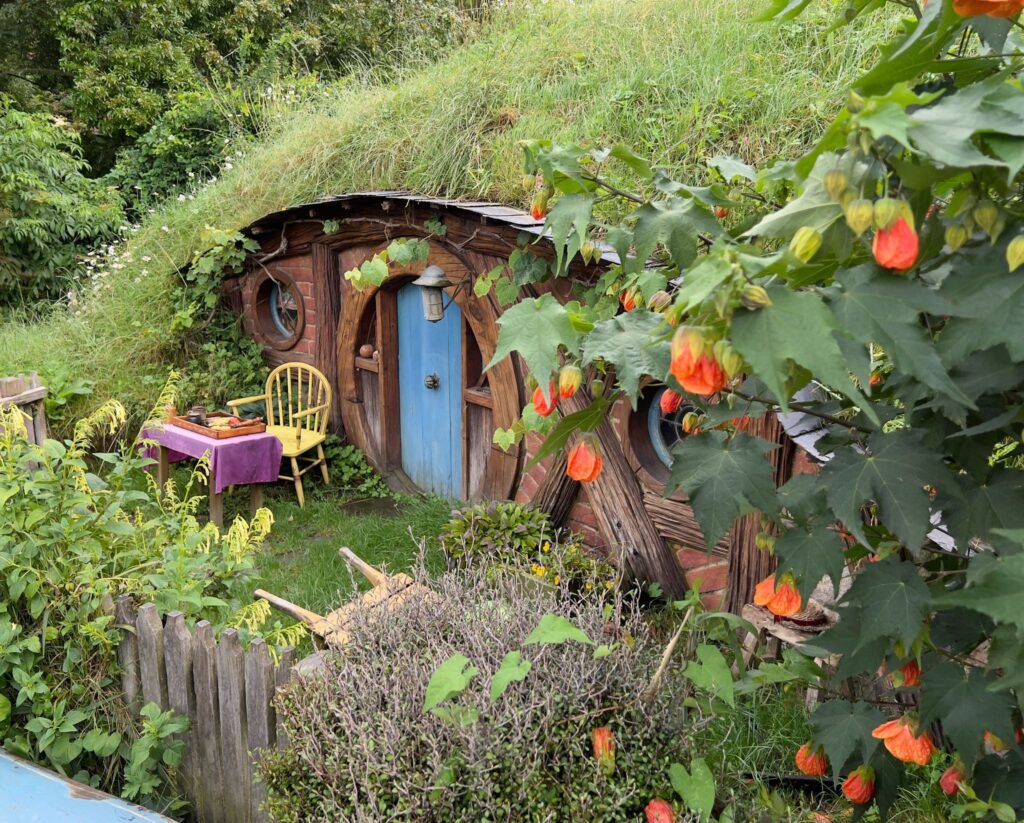
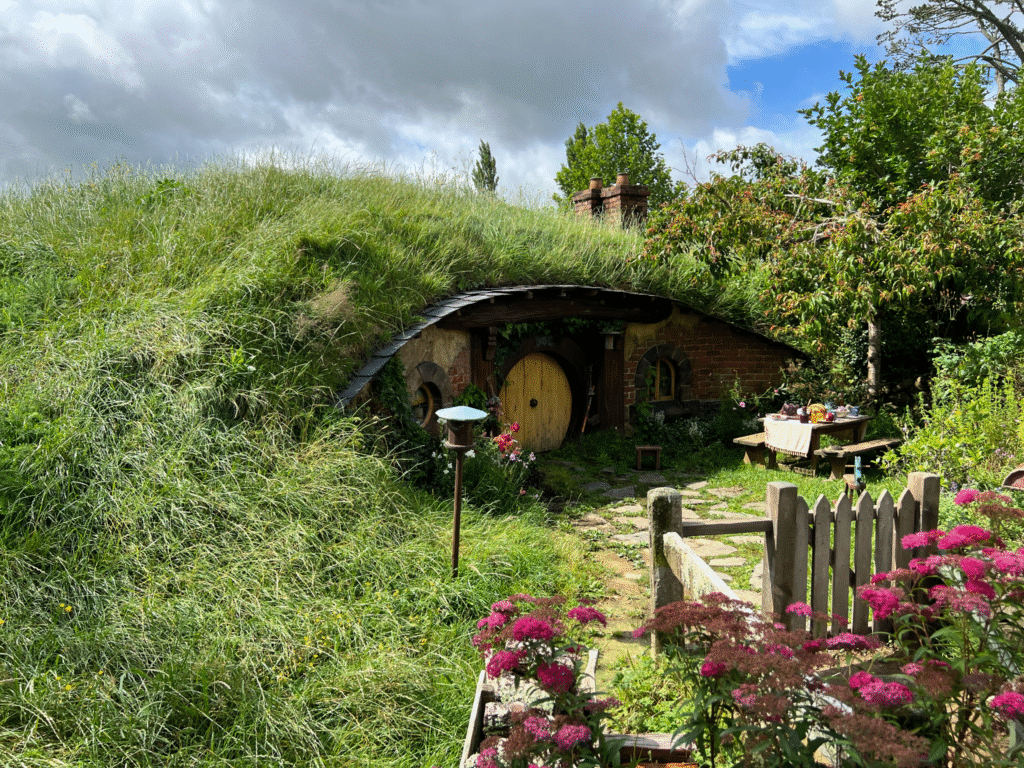
Every time I tried to put into words just how to explain and describe my unforgettable experiences in Hobbiton, I always found myself coming up short. Soon, I concluded that there just simply was no way for me to convey through words just what my experience was like. So instead of words, I decided to use the pictures I took throughout my trip. Here is another picture of what my dream home looks like.

A blue door Hobbit hole with a small chair in front and garden.

We started in Auckland, the northernmost city on the north island, then made our way south to Wellington, New Zealand’s capital, stopping at a few places in between. The long journey from north to south took around 10 hours in total by train, and although a plane would have cut this time in half, the extra time it took was well worth it. After all, flying might be a convenience, but taking a train allows you to see more of the country. It allows you to enjoy and appreciate not just the incredible landscapes – otherwise missed skipping to airports – but also the factories and farms that keep the country running behind the scenes. I believe in travelling slow when in foreign places and I do so in any way I can, even when I’m only staying in one city.

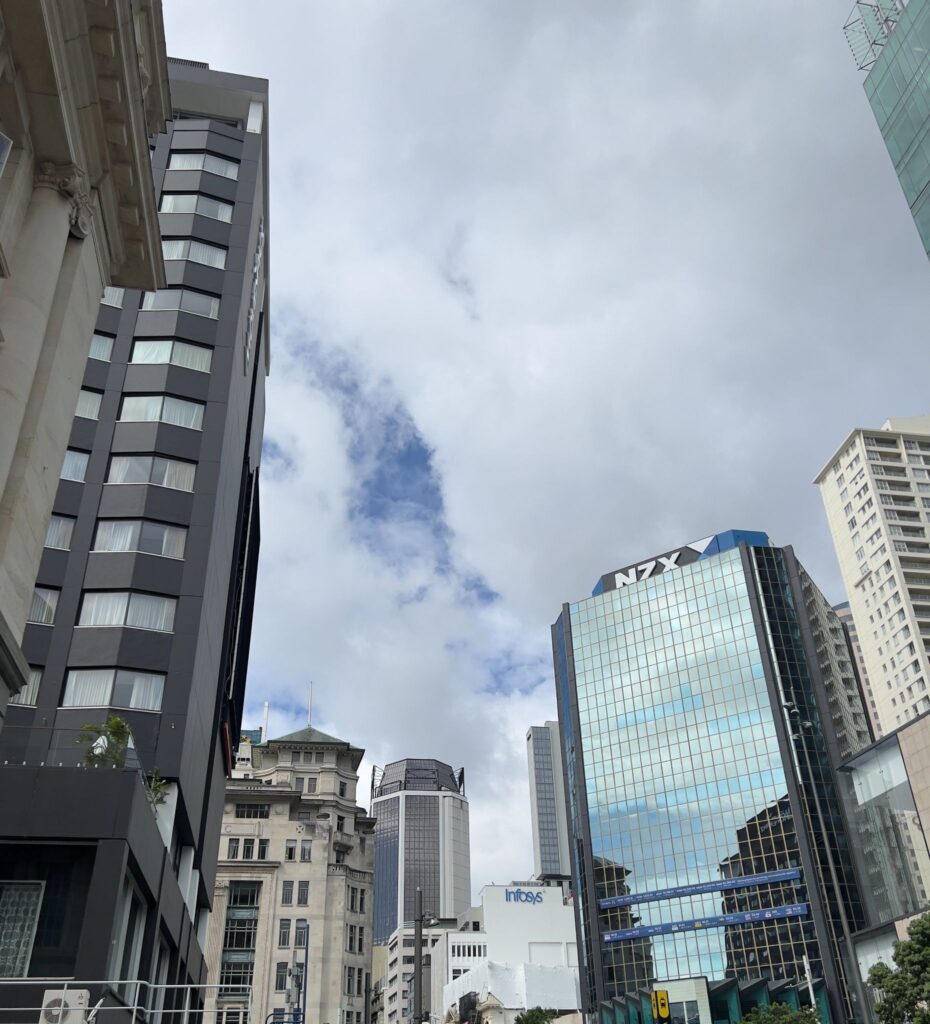
Downtown Auckland skyline

Although we had the option to rent a car while we were here – since our California driver’s licenses are accepted – I had no interest in doing so. Since I don’t plan on having a car once we make the move, I wanted to get a sense of what living life without a car would be like. Besides, walking through a downtown street in the city center is the best way to find what you aren’t looking for. The buses in Auckland were clean, ran on a frequent schedule, and paying the fare was as easy as tapping on and off. However, the bus system was still unfamiliar to us and we definitely got lost more than once. I prefer getting lost though, especially in a city where safety is a priority. Plus, you never know what you’ll stumble across after you miss your stop, misread the map, or take a wrong turn in the wrong direction. One time, when this happened to my wife and I, we even found an area called Newmarket just outside of Auckland’s city center, a place we ended up having a serious interest in living in. During our wander, we also came across an outdoor food market complete with its own bar – perfect for someone like me who’s a huge fan of outside beers. All of the experiences I had in Auckland have thus taught me that I shouldn’t just be focused on sightseeing, but should also get in where the people are.

When it comes to eating, my process is simple: try a little bit of everything. Part of the fun is getting out there and learning the subtle differences in what things are called. Take lemonade for instance – back in the states, it’s a mix of lemon juice, sugar, and water. In New Zealand, however, lemonade is referring to lemon/lime soda instead, making it more akin to Sprite. My wife was shocked when that came to the table. Did we stay in and order Dominos one night because we were exhausted? Of course we did. I’m not saying you have to run yourself ragged, and in fact I completely stand against it. All I’m saying is that you should just step out of your comfort zone a little. Food is unlikely to be the thing that kills you, especially in New Zealand, so you really shouldn’t fear that thing on a stick that was cooked outside. Because when all was said and done, I can assure you that it was delicious.

Cooked squid on a skewer.

Drinking. I am a drinker. If beer was a religion I’d be a zealot. I do not believe in drinking moderately. In fact, I believe it would be irresponsible to my constitution to do so. For the record, though, I don’t drink beer exclusively either; I’ll try any fermented beverage at least once. That’s because, to me, alcohol – same as food – is culture. Every corner of the world has an alcoholic beverage associated with it. The United States is known for moonshiners and whiskey distilleries. Mexico has tequila, while South America and the Caribbean have rum. Western Europe is synonymous with pubs, Oktoberfest, and beer in general. Russia and vodka go hand in hand. Japan has sake, and Korea has soju. Mankind has a collective habit of figuring out how to ferment the plants that grow where we live into delicious beverages. It is another one of the many things we have in common. There are parts of the world where alcohol is absent, but in those places religion is the dominant aspect of their culture. I’m not encouraging you to try every beer on the menu twice, as I did on the train from Auckland to Wellington. But if you’re not sober, for the sake of living try living a little extra. If I hadn’t, I wouldn’t have learned there are unique hops that grow in New Zealand. I didn’t learn the science, nor do I even remember what they were called. But I remember the taste. Because of my proclivity to beer I have a wider appreciation for New Zealand’s agriculture. So my take is, if you do plan on having a drink, forget moderation, if for only this one time.

Traveling is hard financially. Especially these days where most of us are scrounging our spare change together just to make rent. This is how I’m currently living as well, but my wife and I still decided to make the trip. We didn’t concoct some grand plan on spending while we were here. We decided it would be something we never looked back on in regret. The fact of the matter is that we live in uncertain times, and the places you want to go may soon not be so easily accessible; the time is now. I’m coming home with pennies in my bank account and not one regret about taking this trip. I got to see how simple living can be, how truly nice people are, and how much I needed a change in scenery from the current state of my country.

A yellow door Hobbit hole with a picnic table out front.

Of What Then Could Become

Of What Then Could Become

Faux brown siding lined the one-level home,
predating my existence. My parents
were newlyweds when they moved in.

Once I was born,
the good plates were hidden from
my butter fingers– too short to reach.
The kitchen, where I slipped;
a near concussion.

Dining room blinds
shielded the sun’s rays;
the living room magnified
the television’s speech.

Down the narrow hallway,
I heard the shriek
of my mother’s hairdryer.
The walls were a museum–
baby pictures,
“old-timey” photos.

The carpet, that brown-blue shag,
was where my grandparents
witnessed my first steps.
Look at you!
Oh, sweetie pie.

I was too young
to remember.

My bedroom’s visage was everchanging;
growing like my own,
reflecting my interests,
the changes within me.

The closet door, half-open,
was where my best friend and I
kissed boyband posters,
vandalizing them with autographs, fan mail.

At one point, the door was plastered
with calligraphy,
cranes chased by cats,
when I tried to
teach myself hieroglyphics.

A young girl wears a blonde wig and sings into a microphone. Her room is themed after Hannah Montana.
(Image courtesy of the writer)

I watched my
mother’s rituals of femininity
in the bathroom.
I saw her practice
shaving her legs;
my father gave himself haircuts
over the sink.

Downstairs,
the smells of
dust and vintage motor oil–
mechanical equipment was stored
with deer heads on the wall;
the wood stove;
the basement door that never fully closed.

Outside, dogs broke the silence,
Barking in the distance at street lights, stars.

The gravel driveway,
pebbles always in my shoes.
Grit against tires,
The grey clouds from rock dust.
A long country road that stretched towards the dogs.

The pine tree where piñatas were hung;
The creaking metal porch swing.

My swing set and the dug path
where my house met with my
neighbors; my best friend
just beyond.

A 6-year-old girl smiles at the camera; she is ecstatic to take a turn at hitting a piñata at her birthday party.
(Image courtesy of the writer)

When I wasn’t launching snowballs at
The windows, the wooden deck was my stage–
my realm where
I could play pretend.
The lead roles were chosen
without auditions;
It made sense to us.

Spell books, born of computer paper and staples,
Tree branches, our magic wands–
We repeated lines from Wizards of Waverly Place.

Imaginary games continued
when I was alone.
I was convinced that
I lived in a log cabin
after noticing one on a local trail.

I enjoyed imagining
what it would be like to exist
in the days when light bulbs
were only above people’s heads.

Before I knew it, the lights went out;
it was time to move.
She said it was
to be closer to work.

A new beginning;
a chance
to make new friends.
At a new school
where I barely knew anyone.

I didn’t have a chance to tell
my friend goodbye.
She practically jumped off
of the bus
when she saw
the moving van.
She refused to
get off the back of it,
telling my dad that I couldn’t move away.

I cried,
feeling ripped apart
from everything.
Terrified,
unsure of what
my life would be now.
Of what
it would become.
Of the people
I would meet.
The friends
I would have to lose.

Deep-seeded, like the pines
I watched grow smaller,
As we drove away,

Anxiety manifested, festered…

It was the opposite of a new beginning.

An old-fashioned log cabin sits, out-of-focus, in the background. The ground is covered in snow and pine trees.
(Image courtesy of SpencerGurleyFilms via Pexels)