The 11th Commandment – Don’t Rush Childhood

What is that one thing you wanted as a child? 

I bet you eagerly wanted to be an adult. Being an adult meant doing whatever you wanted to do. Why can’t you do the things adults do? Why is the answer always “no” whenever you ask for a cool toy, snack, or game? This question I often asked myself, and finally when I was six years old, I was able to come up with an answer. 

It involved alcohol, peppermints, and command mints, as I heard them called. 

***

Give me that beer

During the Christmas season of 1999, my parents threw a big party at our place. Many adults and kids showed up. When it was time to eat and drink, I noticed something that would bother me. My parents would serve adults beer and kids sodas. As a child, this is what I observed at all our parties. Finally, I had enough and decided that I would also drink beer with the adults.
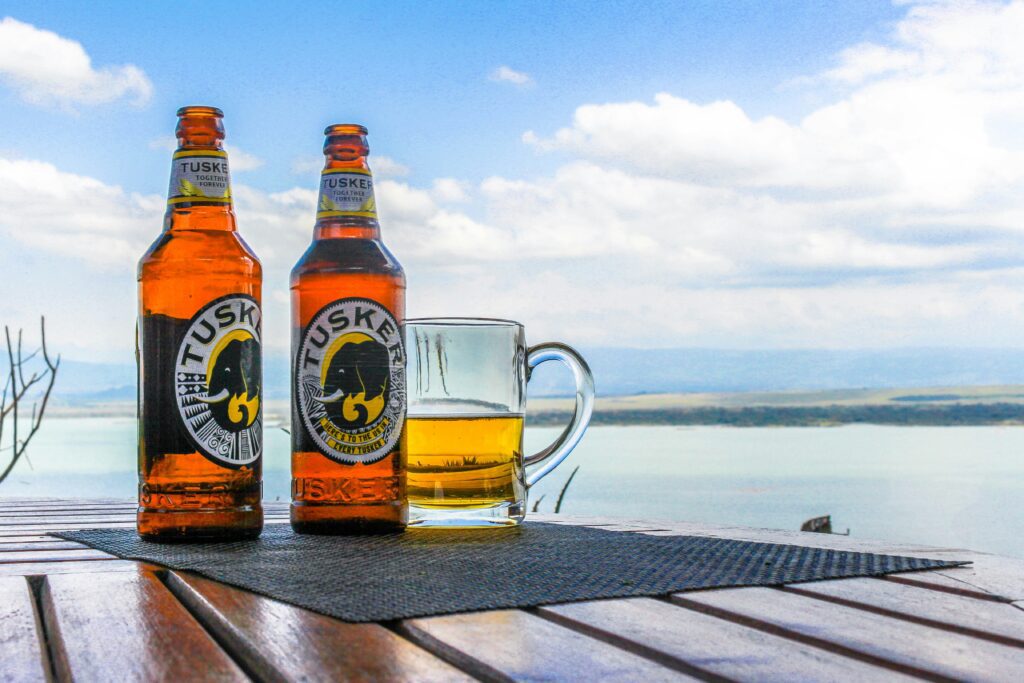
(Image courtesy of Daniel Kandie via Unsplash)

This commandment continued at all our parties we threw as the months and years passed. 

Finally, I had enough and decided that I would also drink beer with the adults. Of course, I knew my parents wouldn’t allow it, so I needed to do it without them noticing. I hatched a plan. 

Once another event gathered everyone and my parents went into the kitchen, I seized my chance. I approached a man drinking beer and asked him for a sip. I couldn’t believe it, he agreed. 

I regretted it almost immediately. The beer was so bitter that I ran out of the living room and locked myself in the room; I think I may have cried, too. 

Lessons from the beer

For kids:

Generally, adults are better equipped to handle tough issues. Maturity and life experience aside, adults have different preferences and tolerance from kids. 

I. Do honor the differences of age and respect them. 

Generally, adults are better equipped to handle tough issues. A good example is how they are able to willingly drink beer despite its bitterness. You would think they would stop at the first sip but yet they keep going. 

I took one sip myself and couldn’t handle the taste at all. 

II. Do not take the name adult in vain by rushing to be just like adults, even with something simple like alcohol. 

You can’t handle the tough things that adults do in the first place. Your brains just aren’t developed enough to shoulder the hardships of life any more than a foal is developed enough to carry a human rider. Did you notice you don’t usually work, pay taxes, or drive?

For adults:

Can you imagine what would have happened if I drank a bottle instead of taking only a sip? It wouldn’t have taken long for me at all to become inebriated, considering my small size and that I was underweight. My parents would have punished me either by scolding me or … the belt. 

III. Do not allow kids to consume beer, for reasons besides its bitter taste. 

It could have even affected my future as well if my parents weren’t strict, and ignored me instead.  

IV. Do not enable kids in bad habits. 

If I ignored the taste in my desperation to be like the adults, I could develop an addiction at that age and would constantly do whatever I could to get a beer.

***

Give me those sweets

Drinking wasn’t the only adult thing I wanted to do when I was a child. 

(Image courtesy of Eric Prouzet via Unsplash)

I wanted to be a shopkeeper for one reason only: the sweets. As a kid, I was always fascinated by how those workers could be surrounded by so many sweets and not eat them. At the time, I didn’t realize that the reason was that shopkeepers needed to make money by selling their sweets, not eating their profits.

Since I was excited about this career path, I told my mother that I wanted to be a shopkeeper when I grew up. Mind you, I previously told her I wanted to be a lecturer. Understandably, she was confused and irritated. Why would I want to be a shopkeeper anyway? She didn’t ask me in words. 

V. Do honor the shopkeeper and all career choices.

Of course, there is nothing wrong with being a shopkeeper, considering we need their services. However, my mother thought that this dream was not allowing me to realize my full potential. I met this reaction with frustration. Why couldn’t she accept that I wanted to be a shopkeeper? 

However, as an adult, I have since realized I don’t want to run a shop due to how challenging the role is. It was not as simple as it appeared to me in the past. Shopkeepers must have strong inventory management skills to strike a balance between overstocking or understocking their shelves, controlling expenses, and monitoring cash flow. A huge part of their job is customer service. Their stock is dependent on their customers and supply and demand, not just candy they can snack on themselves. I still wonder. 

Lessons from the sweets

For adults:

Sometimes kids can be shallow as they simply don’t know any better. When asking them what they want to be when they grow up, listen carefully. 

VI. Do not kill their imagination. Be sure to ask about their preferred career path in easy terms of things they enjoy doing and what could help make them a good living. Typically, kids don’t understand the challenges that are prevalent in that job and instead focus only on the advantages. 

Imposing a career on your child, it is a mistake to say, “You want to be a shopkeeper? Why can’t you be a doctor instead?” By framing it this way, you are already pressuring your child down a specific career path, a path they may have no interest in. Instead, find out why your child loves the career they want to pursue. 

VII. Do explain exactly what chores that job actually does. 

If their reasons seem shallow or ridiculous, work to redirect their dreams. 

For kids:

At the end of the day, growing up is inevitable. You might want to rush into adulthood because it appears fun, but adulthood comes also with many expenses and responsibilities. 

VIII. Do, as a kid, keep the privilege of not having to think about paying for anything. Overall, you may be desperate to grow up. 

Right now, I struggle to pay rent every month. 

***

This is now a single pic: 
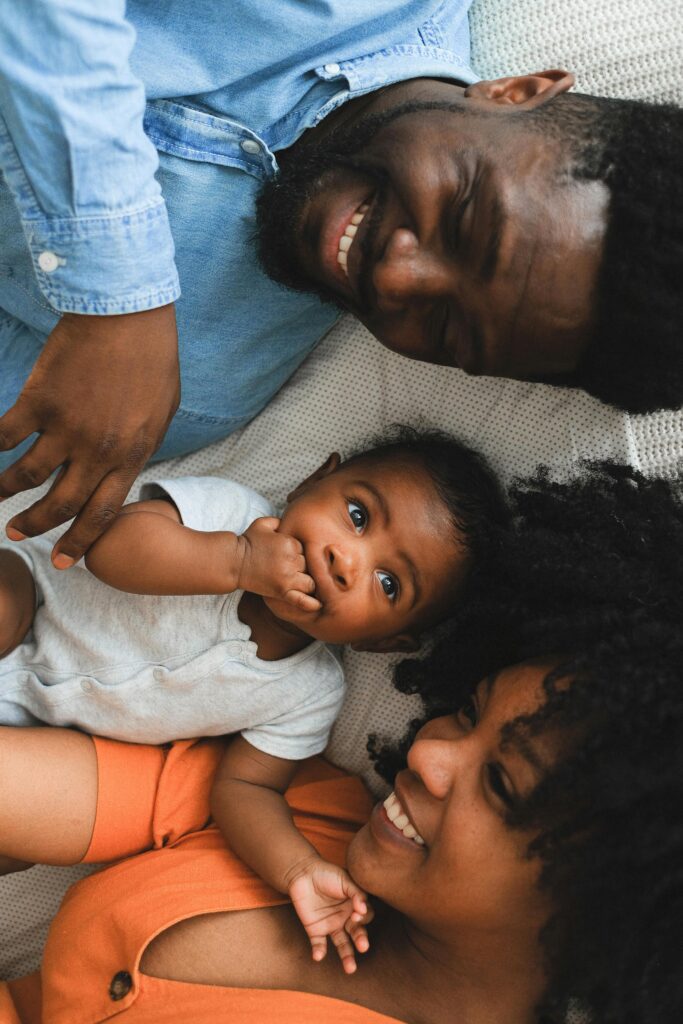
(Image courtesy of Anna Shvets via Pexels)

Give me the car keys

IX. Do describe the challenges of adulthood along with all the advantages of childhood. 

However, also be careful to convey life in a way that doesn’t demonize adulthood to the extent that discourages them from wanting to grow older at all. 

X. Do let your child enjoy their youth without coveting adulthood. Teach them lessons big and small as they grow.  Let them learn to handle adult responsibilities with confidence.  
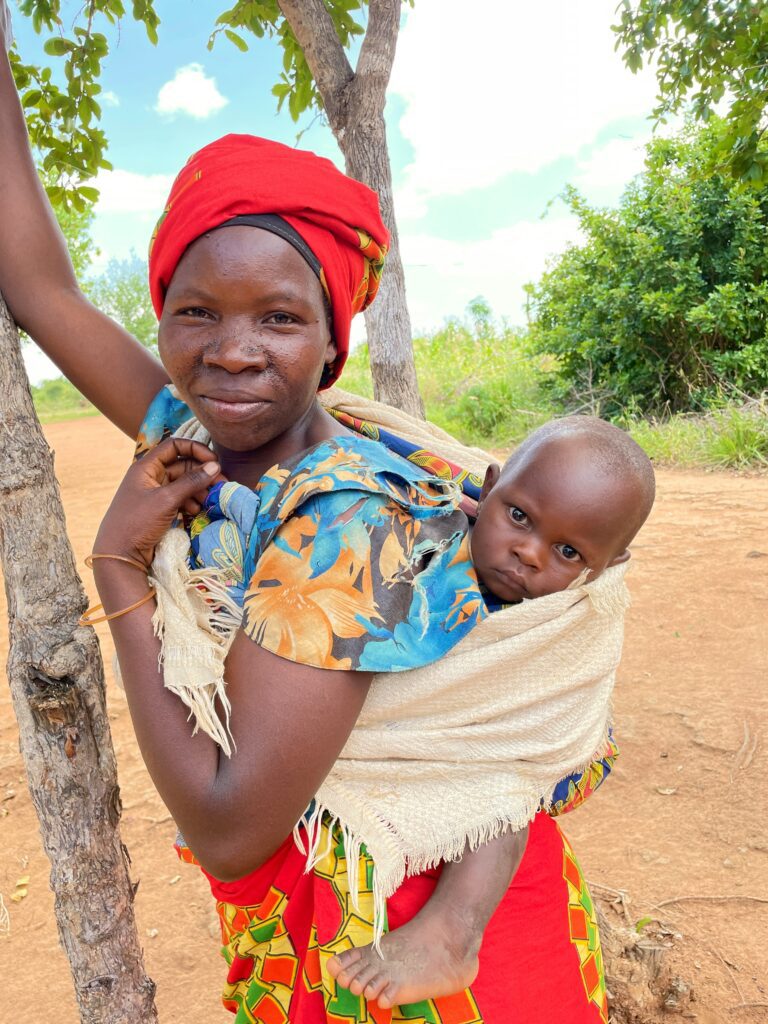
(Image courtesy of Jon Haley via Unsplash)

Procrastinate Enough? Let Me Help — Tomorrow

A signature feature of my own lifestyle is Procrastination with a capital P. That is how much influence the word holds in my life. 

I can now help others. 

Procrastinate by honoring distractions — Instead of reading on, for example, you may want to daydream on the sleepy head of a unicorn implicit in the pools of color in the nearby photo.

Then let me show you other ways you, too, can introduce this complex, lay-back, and artful element in your life.

Procrastinate by replacing alarm clocks and structure with hopeI often go to sleep hoping to wake up early and finish my tasks. And the early morning never appears. 

The clock strikes 8: a.m. and I am left to mope in sorrow. Because my work meeting will start right at 8:30 a.m. 

Procrastinate by overstating your goalsOn the work front, I have been constantly thinking about finishing my brand plan. It’s a grand plan. Still thinking. 

Most of the day of some damsel in distress is spent idly waiting for her Prince Charming. 

Procrastinate by freezing up in idleness, chaos or both — Damsel or prince, most of my day goes about dreading work. The problem is, more work piles up before the pending gets taken care of. And the chaos intensifies.

Anyways, the influence of the moon also brings some much-needed clarity. Numerology says I am an excellent creator. And so I believe myself to be a creator of finesse much more than an analyst of facts and figures. Right brain versus left brain. Sounds counterintuitive, right?

Procrastinate by collecting worries — It all stems from my habit of overthinkingwhat ifs and what nots. And this peculiar habit has landed me in trouble time and again, with unnecessary bouts of anxiety and tension.

In the end, will it be all worth it if I lay everything on the line to make this one task a success?

Not really. The universe does not operate per the whims and fancies of an individual. It is us, we assign notional importance to events and elevate them to grandiosely to earth-shaking. What is gold for one is pebbles for another. 

(Photo courtesy of Nico Smit via Unsplash)

So the gist of my take is not to over-credit the importance of any single task you have on your agenda. 

Procrastinate by overrating each detail, or your own importance — Well yes, your presentation might save the company. The single dot you put at the end of the sentence might protect an orator from years of public shame. And the one step you did not take by the pavement changed the course of history for a homeless man. It might have.

But, it is also okay to enjoy the triviality of our endeavors. Saves us the pain.

This brings me to the end of this short, sweet homily about the many trials and tribulations of distilling my personal skills in procrastinating, all captured and crafted to tutor my readers.

(Photo courtesy of Anni Roenkae via Pexels.com)

Slowly and steadily, I am mending my ways, isolating work and life, and learning the art of letting go. Tomorrow. 

Wandering, Wondering

Yuvoice Duet: Read another inspiring story about rediscovering life with Autism here.

Imagine being lost in a large bookstore when you were little. You are surrounded by pictures, puzzles, book covers, and other unfamiliar things. It’s a strange place, where so many stories live, including magic, mystery, and science. This array was what caught your attention when your parents were only there to buy some paper. After a while, you lose sight of your parents or they lose sight of you. You think for a moment, about what to do and run around; the place seems so significant to you. After thinking for a while you give up the fight and wait by the entrance.

You weren’t afraid. Not really. The colorful and beautiful things around you were fighting for your attention. You didn’t think then — how could you? — about how long it’s been since you’d been lost and how your parents must be worried. You stood calmly by the guard, thinking about which dinosaurs you would draw when you got home.

You knew they’d find you. 

This moment meant little to me then but it was very near and dear to my mother. It was one of the earliest moments when she was astonished at what I could do and what was going on in my head. But, now, I wonder what it really is.

Then & now

Years ago, when I was young, I was diagnosed with Autism Spectrum Disorder, a condition I barely understood then. 

It is the early 2010s, and things are very different now. I’m more confident and appreciate what it means to myself and others around me. The world I see out there isn’t much clearer than the world of the bookstore. I’m still caught up in the wonder of it all with all the same questions in mind. When I first found out about my diagnosis, I felt like it was a superpower that made me special and set me apart from the crowd. I had a name for what made me better at school and different from the other kids. I had the luxury of looking at it with fondness.

(Image courtesy of Mikhail Nilov via Pexels)

But things are different now

The closer I get to the real world, the more distinct it becomes. I have been living in the Philippines with my superpower, aka Autism Spectrum Disorder (ASD), and have realized that my life was supported by a privilege that protected me from the real world. 

I grew up wealthy. My parents supported me when I acted up at school. They kept me away from the harshness meant for the little miscreant that others might have seen me as. Now, much of that wealth is gone. As I grew up and went to college, my superpower started to feel different in my hands. I met some people who were more successful and popular, and great with studies, and a few who were not. These people showed me more of the truth. I had never met anyone who revealed their struggles with bullying, society, and familial issues before, and that enlightened me to just how much my parents had protected me since I was little.

Now, I also understand how much my mother struggled to get the required care for my condition and how scarce therapy centers are. I’m a grown-up, and don’t need as much care anymore; I have an excellent social life with my classmates, and can easily make friends. But when I do need it, I hear stories repeated in various places, and all of them remind me of how hard it is to get care for ASD in general in my country.

Revisiting the bookstore

When I visited that bookstore as an adult, my mother did not mind. Why would she? Of course, she remembered the story I shared above; it was just that the present was more important. The interiors were changed. The bookstore had been remodeled; the shelves were shorter and the place was more spacious, so it was much harder for a child to get lost now. It was bigger, certainly. The colors and wonders were still there for the adults looking around. All the stories and adventures promised on those beautiful covers were still there. If I had more money, perhaps I could buy one someday. If I had more time, I could have browsed and looked at them all.

This place was the same as I remembered it, even after the changes. I walked past the guard at the entrance and into the aisles with my family to pick up some stationery. My mother knew we could finish this and make time for the trip home. I wanted to spend some more time there, but I knew I couldn’t. With our finances and changing schedules in flux, I knew better than that. I am a grown-up now and no longer have the luxury of getting lost here.

Finding Community in Identity: Discovering My Autism in Adulthood

I’ve spent my whole life feeling like I didn’t truly fit in with anyone around me. I’ve always felt there was something “off” about me. It was as though everyone except me received a user manual for how to be human.

It took me 25 years to realize that the reason I felt different from most people is that I’m autistic. But due to my lack of education on the subject, I went that long without even knowing.

Unraveling the signs

Most of my behaviors and a large part of my personality are a result of my autism. But only late in my life did I realize there were names for how I navigated and experienced the world. 

Sensory issues

Growing up, many of the clothes I had bothered me so intensely to the point where the seams or even the type of fabric were all I could focus on all day. Sounds that were too loud to me but not to others led me to cover my ears and want to leave the room. These are only two examples of the many sensory processing issues that I’ve experienced my whole life.

(Unsplash/Majestic Lukas)

Special interests

Whenever I find something I enjoy, whether a hobby, show, book, or topic, I go all in. I want to know everything about that thing, so I spend many of my waking moments thinking about it. For months or years now, much of my life has revolved around my current special interest or hyperfixation. The intensity of my interest in a particular topic goes beyond what most people enjoy.

Shutdowns and meltdowns

I can also get overwhelmed by emotions or sensory input. As a kid, this presented as wanting to withdraw from the world, and usually speaking became difficult and energy-consuming. I still get periods like this, and they can last as long as a few hours to some days. Now I know these are called autistic shutdowns. I also experience autistic meltdowns, where I get so overstimulated or upset that I sob uncontrollably and find it difficult to calm myself down.

Social communication problems

I’ve always found it difficult to express and read people’s emotions, facial expressions, and intentions. For a long time, I called myself “socially awkward.” I often take others’ words out of context and struggle with social cues. While I’ve gotten considerably better at socializing with others, it’s still like speaking a foreign language, and the native speakers can tell it’s not my first language. 

My hardships with social skills have led to many misunderstandings and miscommunications. Since I was a toddler, keeping up with conversations and coping with social situations has been difficult.

Structure and routine needs

I thought I’d eventually grow out of my “weirdness” as I called it. But that didn’t happen. As I grew into adulthood, my problems only seemed to exacerbate. At 18 years old, I got my first job in retail. After that, I held positions in journalism and teaching. These jobs required a lot of spontaneity and lacked routine. Because of this, I struggled. I found myself hopping from one job to another to avoid what I now know are shutdowns, meltdowns, and burnout.

(Unsplash/Christ Montgomery)

A sense of belonging

In my mid-twenties, I came across autistic people’s stories and videos on my social media feeds. I related to most of what they said about their experiences with autism. After months of listening to this community and doing my research, I began to identify as autistic. It felt like I had finally found other people like me and I wasn’t alone in the world.

In late 2022, I pursued an official diagnosis. I found a local psychologist who offered autism diagnostic services. For several hours, he interviewed my mom and me about my entire life—from birth till now. Afterward, I received a six-page report that confirmed that I was, indeed, autistic.

Knowing I’m autistic has helped me realize I’m not the only one who feels this way. I now know I’m not “weird” or alone. I’m just autistic.

Since my diagnosis, I have found a community of people who understand me. I feel like I’ve discovered “my people.” I have made friends with other autistic individuals online who share similar special interests, communication styles, and ways of existing in the world. My allistic, or non-autistic, friends and family are lovely. Nonetheless, it’s been a breath of fresh air to forge relationships with people who process the world like me.

Finding community

This newfound sense of belonging has inspired me to share some tips for anyone who might be feeling different–autistic or otherwise.

  1. Don’t do it alone

Find online groups, forums, hashtags, or even in-person meetings related to a particular interest, feeling, or experience. Hearing about other peoples’ experiences and, even better, interacting in these communities can help build connections with like-minded people. This can foster relationships with dozens, hundreds, and even thousands of others with similar experiences.

  1. Keep an open mind

Be open, honest, and vulnerable. This can be challenging, especially when feeling like an outcast for certain traits, behaviors, or hobbies. But by sharing stories, you will find others with similar experiences. Speaking from experience, authenticity leads to a more profound sense of belonging.

  1. Embrace support

Get support from people who have had those experiences. Getting advice from those who have already walked that path is helpful in getting a headstart in understanding. Other people can offer valuable insight and new perspectives to help with growth and adaptation.

  1. Give yourself time

Don’t rush the journey. It can take a while to find the kinds of people with similar traits and interests. But even if it takes time, those people are still out there. Building relationships with new people can be difficult and time-consuming, but it’s worth it.

Embracing my difference

Since finding a community of like-minded people, I’ve grown a lot. I’ve forgiven myself for many of my social shortcomings and emotional outbursts that have stemmed from my autism.

I didn’t need to hold myself to such high standards anyway, but knowing that I have a disability that hinders me from navigating this world in the same ways as others has helped to understand why I feel the way I’ve felt my whole life. I no longer feel the need to meet the expectations of a society that is not optimized for autistic people.

(Pexels/Min An)

I’ve also been accommodating myself more. I bought noise-canceling headphones to help with sensory overload. I set boundaries with others when I’m not feeling like socializing. I avoid situations where I know I’ll get overstimulated. I’ve started “unmasking” my autistic traits, which means I’m not hiding them as much as I used to.

I have also found beauty in what I have realized are autistic traits. A few of these include my strong sense of social justice, intense passion for my special interests, and great attention to detail. I cherish these aspects (and more) of who I am now more than ever.

There’s nothing wrong with being different. But it’s great to know that my difference has a name and a community. I hope everyone can find their community filled with people that understand them because it’s a beautiful discovery. For me, it has brought me a sense of belonging and self-acceptance that I didn’t know was possible.

From Academia to a Gompa and Back: How Retreats Brought Me Full Circle

Enmeshed in a busy year working at my academic office at my university, I thought about attending a retreat. I wanted some relief from the tiresome routine.  As a postgraduate student, I was embroiled in a substantial project of completing a research dissertation. The subject I was working on was philosophy/theology and ecology, and I enjoyed it. This was the year before the arrival of Covid-19, and there was still a bustle around the corridors and offices of the School of Humanities. 

Added to my research paper,  my academic duties included reading and grading assignments, attending lectures, and giving an occasional lecture to students enrolled in the Genre Studies unit. These were fairly light duties for any casual academic. For me, the burden of resolving the complicated subject matter of my research was most challenging. Sitting long hours working on it, I sometimes found it hard to concentrate, and I would try to find a way to clear my mind, mostly by strolling in the university gardens. 

In the garden, there were trees, lawns, and walking tracks. Refreshment corners with coffee and snacks were also available in various locations on the campus — a campus good enough to refresh and recharge oneself. But I realized these moments were not refreshing enough. I needed more than these small havens on the campus, and a fuller break from the responsibilities of my work. Perhaps it was time for a course in contemplation.

I could usually recover by retreating into my quiet office space, writing, researching, and listening to classical music. This still works well for me, but the internet remains a constant distraction. When I was offered the opportunity to go on a retreat, I decided to go for it, so I booked a spot for the mid-term break.

Most retreat centers are located in bushland — remote woods away from town and the internet — areas of complete solitude. They are close to nature and use solar power and tank water. It could be rough to keep the tablets, pads, laptops, and phones always charged.

The silence here was so exciting
My first retreat was a combination of daily meditation “sits” in the gompa  (silent sessions in the meditation hall), sleeping in a caravan, and engaging in the crack-of-dawn writing bouts lit by battery-operated lamplight.

(Photo Courtesy of Maria Orlova via Pexels)

On my first flush of morning in the retreat, the bush was quiet. I knew that soon, the birds would begin to stir in the sky.  I was writing a paper to present at a conference on theology, while also working on completing my thesis. My computer, with its e-book library, was my essential equipment, and that early morning quiet time alone was inspiring. 

Well before daylight each morning, I would walk up to the kitchen to fill a thermos with coffee. On the way, I might encounter kangaroos pausing watchfully in their paths, waiting to discover my intentions. I would practice a kind of gentle meditative walking, hoping they would not be disturbed by my presence. Soon, they would bound off, either down the valley towards the dam or into the bush, and I would continue walking, but now, I had a deepened connection with my surroundings. In the retreat center in a mountain range in northern New South Wales north of Sydney, the early spring air was crisp and clear.

The air

What a joy to have access to such clean air in the tranquil bushland!

Each morning during the break, I would sit near a small pond at the edge of a stand of gum trees, where spring wildflowers were blooming. Sometimes, the teacher would come and sit with me, and we would discuss a Zen verse or the Heart Sutra.

(Photo Courtesy of Pat Whelen via Unsplash)

Then, we would return to meditate in the gompa. Here, a statue of Buddha sat before the window on an altar with smaller statues and photos around him and lovely flowers and incense offered to him. It was a serene space at the top of a hill, surrounded by native bushland and flat sandstone rocks from which a view extended across the valley to the south. Inside the gompa, it was silent, apart from the occasional rustle when other meditators adjusted their posture. A stillness descended over the space as participants focused on their breath, beginning to release thoughts of the outside world and various day-to-day activities. 

(Photo Courtesy of Jared Rice via Unsplash)

At night, after the last meditation, the constellations of the Southern Cross and the Pointers were brilliant among the bright star fields beyond Earth. 

One thing I learned was that no matter what might appear to be going on within my fellow attendees and myself or in the memories that arose during meditation, it would always be our own personal “stuff” that would come up, simply so we could become aware of it. It was only after several uncomfortable sessions with a busy mind that I found the best way to do that. It was to alternate a sitting meditation session with one in which I walked outside or stood among the wildflowers, attending to the birds while, as earlier in the day, emptying my mind of thoughts. 

(Photo Courtesy of Adana Durso via Pexels)

Silence would sometimes pervade my awareness of those airy heights, at least for a while.

When the last day arrived, we cleaned the gompa, the kitchen, and the caravans and left the Retreat Centre around lunchtime. The next day, I returned to the university, and my mind calmed as I settled back into my office. The world seemed brighter, and my random thoughts only came occasionally and more quietly. I knew I would be able to return to academic work, but now with a peaceful mind. 

Soon, the paper was finished and ready to be presented. It was time I made some real progress in writing my dissertation. 

The Inside Story of a Renegade — What’s It To Ya?

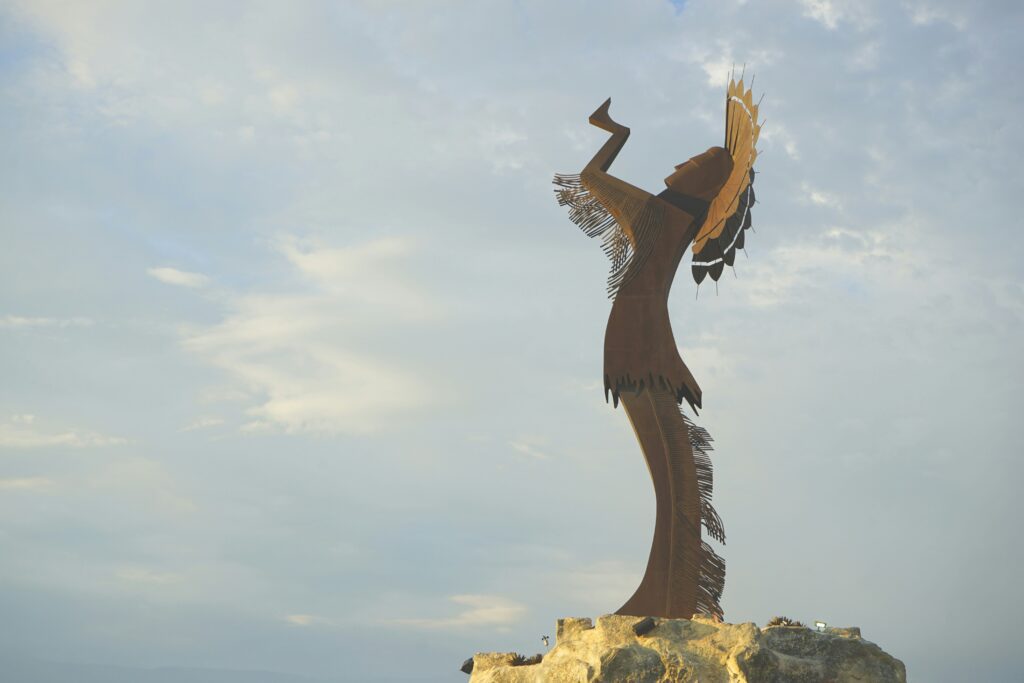
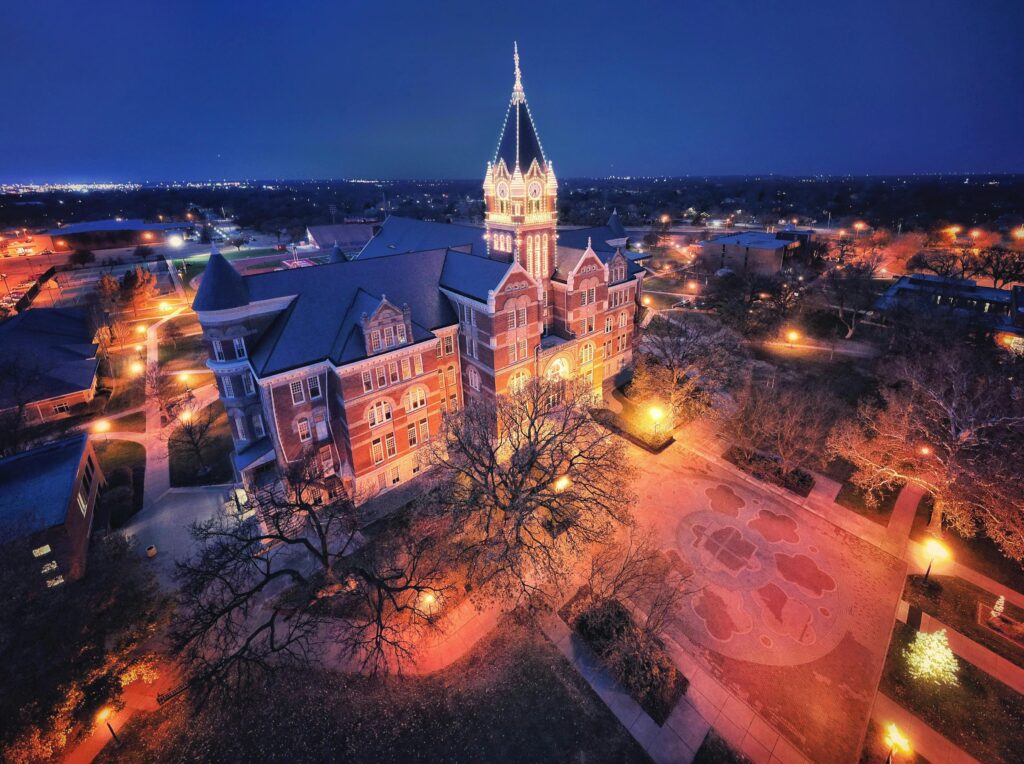
It all started in Wichita, the largest city in Kansas, bustling with the aircraft of Cessna, Learjet, and Boeing. Founded in 1861 as a free state, Wichita was Native American land named after the Wichita and Kanza tribes. This land had a rich, deep cultural heritage predating colonization. Filled with dewy, mystic plains and sunflowers that dance in the wind, Wichita is my birthplace. 

(Photo courtesy of Andrew Cruz via Unsplash)

A few Wiccan friends 

Such a safe and liberal place to grow up, nestled in a place in America called the Bible Belt and Tornado Alley, Wichita had some challenges, too. For those who grew up there and were different in the 1990s and 2000s—life was lived in the tradition of “The nail that sticks out gets hammered down.” It was a very heavily Christian town, and most other belief systems were suspect and not embraced. But I would notice a new kid sitting alone during lunch and instantly befriended them, so they weren’t alone. Renegade. 

I had a few Wiccan friends who were social pariahs. Excommunicated from the popular crowd, they still were my friends. We would walk home from school together and meet their cats. The agnostics, the atheists, the grunge and emo people, the cosplayers; all my friends. Couple them with the Roman Catholics and devout Christians, and you have a full index book of my school associations. No one was left out. I was a friend to the friendless and a bully to the bullies. I still have friends who remind me of times I stuck up for them. Renegade. 

In the spring and early summer, our memories are imprinted with drills. We had to go to the school basement, a musty and dank gym locker room with rusted shower heads and cement walls. We could hear the blaring sirens for miles. Sometimes, we would just line ourselves along the classroom hallways with our heads bent towards the lockers and our hands clasped over the back of our heads. The screaming sound of the sirens would put chills down my spine and create an immediate visceral reaction. Friends’ homes were often destroyed on the outskirts of Wichita due to the tornadoes. But this was home, and we were all used to it. 

(Photo courtesy of Ralph W. lambrecht via Pexels)

Emerging from innocence and charm

My friends and I, and many others in Wichita, were part of a desegregation bussing system. Buses went near and far to take us to Park City in grades K-12. Later to be known as the home of the BTK Killer, it still had its innocence and charm then. I sometimes saw horses, cows, chickens, even llamas on the way to my elementary school, Chisholm Trail—after Jesse Chisholm, a Cherokee merchant. Black Beaver, a Lenape trail guide and cattle rancher, and his friend Chisholm used this trail for cattle driving and trading. 

(Photo courtesy of Phill Brown via Unsplash)

Chisholm Trail was a school breaking barriers. We had a female African-American Principal, Mrs. Saundra Kaye Lyons, and other people of color as our guidance counselors and instructors. We were on the cutting edge of school programs for Wichita and quite diverse.

But in middle school, there was a “magnet school” near my house. The magnet program is another system to attract a diverse student body, a continuation of the desegregation bussing from elementary school. This is where I started to come into myself and learn who I really was.

The facts of Iife crew!

I had a core friend group with three other girls,  the “Facts of Life” crew. I was Tootie, Stephanie was Joe, Leticia was Natalie, and Julia was Blair. When we were together, no one could mess with us. Stephanie was Filipino, sporty, and played soccer. Lucita was black and Panamanian, my best friend from violin class. Julia was a ginger girl who loved animals, spunky, and the first to fight if someone insulted us. When I met Lucita, I was impressed by her basketweave pattern of tightly cornrowed braids. They were immaculate like a work of art. My sister was a hair braider so I found a way to inch into a conversation. Before our conversation, when I complimented her, I had never seen her speak a word to anyone. We became inseparable. I remember one of our teachers comedically telling us to “cut the umbilical cord!” as we laughed feverishly about a picture in our textbook. 

I started to have complex feelings I didn’t understand for our other friend, Jennifer. I kept them in my diary and didn’t tell a soul until a couple of years later. I confessed my true feelings for Jennifer to my bestie, Lucita. She suggested that I write her a letter. I wrote it and put it in her locker, not sure what to expect. Maybe I thought she would be a renegade like me, we’d walk down the hallways holding hands, daring anyone to say anything. Maybe I thought we would stay the same with our flirty yet platonic relationship, but just with an understanding. I did not expect to break up our friends group. 

(Photo courtesy of Marcos Paulo Prado via Unsplash)

And that’s exactly what I was doing, far too much to ask really in small-minded, bible-belted Kansas in the 8th grade. Jennifer was Roman Catholic. She couldn’t publicly associate with me anymore, and I accepted the death of our friendship. 

My secret-laden diary goes AWOL

But fast forward a few months. I left my purse in a class — absent-minded teenager — where I kept my diary. The school jock decided to retrieve my diary and pass it to everyone. A fluffy, zebra-printed, fur-covered little time capsule. I somehow missed it that Friday. On Monday, a girl walked up to me with her jaw open and demanded, “Are you gay?!” I said no……? “Well, your diary is all over school now,” and she walked away as if I was the one who insulted her. I turned the corner, heart beating fast, and wondering about my next move. Then there was a group of people. “Are you gay?!” There wasn’t much I could do to fight it. “Yes, I’m gay.”

But I wasn’t free. People did not leave me alone after my confession. Mobs of people approached me at recess, lunch, and every class. Prodding at me like a science experiment gone wrong. Even some teachers were looking at me like I had the plague. Ultimately, when I retrieved the diary, it was on a teacher’s desk, as if it had been brought in for Show and Tell. Without a word, I grabbed my journal and walked back out. I accepted my new fate as an outsider, like those I had befriended. Thankfully, they were a non-judgmental group of friends. Plenty of the religious ones could no longer associate with me, however. 

My grannie challenge

Being adopted by my grandmother, I had a wisdom most kids my age didn’t yet have. I knew I needed to tell her before anyone else could. I was a little woman in my own right.  We were born and raised in the Baptist church so talking was going to be a huge undertaking. Grannie was the superintendent of Sunday School and an Evangelist. I was the junior secretary there. Her husband had the keys to the church, and we were the first to arrive every Sunday to unlock it. Not going to be easy. 

(Photo courtesy of William Krause via Unsplash)

I was nervous about this confession, but it was too late. I couldn’t put the milk back into the carton, and I didn’t have time to cry over the spill. I eventually confessed to my sisters and Grannie before the gossip. They told me they loved me no matter what. My middle sister told me she was just glad I wasn’t pregnant. My oldest sister said that she already knew. With Grannie, I became emotional. I didn’t want to be a failure in her eyes. She assured me being a lesbian didn’t preclude me from success. She told me to get myself together, and we would talk about it later. One day, I think she just couldn’t hold it anymore and exploded “I’d rather you had been pregnant than gay!” But she eventually came around and even introduced me to an older married lesbian mentor from her workplace. I am to this day grateful for my family’s acceptance, which many LGBT people never received. 

Graduation howling

The last week of school, academic awards were presented in the auditorium before the entire student body. I had joined the cross-country team as a favor to one teacher. I competed in one race and didn’t even finish, but received an award. The entire student body burst into laughter at my name. 

Maybe mild, it felt like outlandish howling. Hey, how would you expect Kansas teenagers to react in 2002?

It stained me. It also built character. Officially out, still working on being proud. 

Manifesting what I really wanted 

The next semester was high school. There were other lesbians in my school, but I still never quite fitted in anywhere. I graduated a year early and wanted to put school as far behind me as possible. 

I went on to attend college to pursue a degree in Psychology. I married my wife, whom I met online in 2002, and we have been married for ten years. She is an Iraqi war Veteran turned teacher and quite amazing. We live in beautiful and accepting Oahu, Hawaii, and happy with our three chihuahua-yorkies. We are currently trying to conceive. Renegade. 

(Photo courtesy of Taylor Hunt via Pexels)

I’m sure Kansas has grown by leaps and bounds since I left years ago, but this was an important snapshot of a time when things were not so easy for the LGBTQIA+ community. It may seem long ago that we were so openly discriminated against, but it was actually very recent and still sometimes happens today. I have also seen many improvements in schools regarding anti-bullying and support for the fostering of strong personalities within very different individuals. Live and let live, and always be yourself. There is a huge payout in the end, and you will manifest yourself exactly where you would have wanted to be in your teenage dreams.

Sole Searching

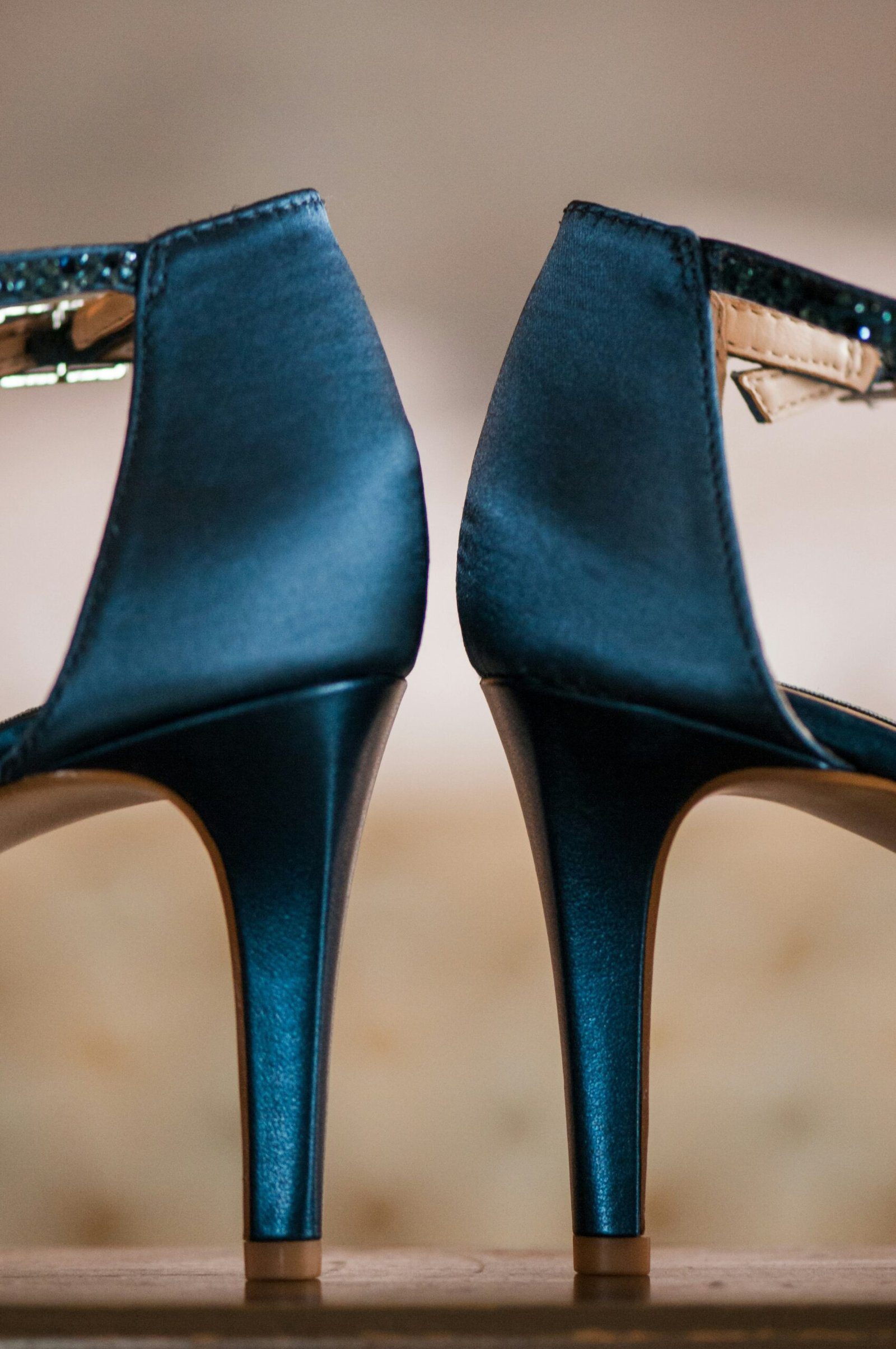
I took a deep breath and gave away my dance shoes. It was a bittersweet moment. It felt like admitting defeat and releasing pressure on myself at the same time. They were these super chic black leather heels, complete with a suede patch (for easy turns) and padded insoles; Gorgeous, really. A birthday gift from two years ago, I kept them for this long but only occasionally put them on. I always clung to the hope that my feet would magically adjust to them, but that never happened. I could barely stand in those shoes, let alone dance. They were excruciatingly painful. 

I once heard someone say, “The prettier the shoe, the more it hurts”. The problem wasn’t about this specific pair of heels; it was all of them. Wedges, pumps, kitten heels — you name it, I tried them all. My feet just never cooperated. 

The high cost of heels

I’ve been suffering from full-body chronic pain since childhood. I didn’t know that term back then; I thought that I was just out of shape. However, while in college, my desire to be a stylish “cool girl” was so strong that I was willing to do whatever I could. Besides, I wanted to fit in with the other girls and, being a girly girl, heels absolutely fit my aesthetic. 

“Short girls look great in heels,” they said. “Heels will fix your posture, boost your confidence, and complete your outfit.” My 150cm (4”11) self readily agreed with them. 

They insisted that all I needed to do was practice and I did just that. I bought a few pairs, walked around in my room, and went out dancing in them. I bought extra suede strips to secure the shoes to my ankles. However, my feet always threw a full-on rebellion. I was always getting injuries from twisted ankles, I experienced frequent spikes of pain in my knees and legs, on top of the chronic pain. To make matters worse, my sensitive skin was also prone to sores and blisters. 

Over the years, I faced numerous comments from well-meaning women on the virtues of heels. Like me, they were sold the idea of “il faut souffrir pour être belle” or “beauty is pain.” Despite agreeing with them, I couldn’t deny the discomfort and instability heels brought me. 

At 22, I remember cat-walking the runway at a fashion show. My biggest anxiety wasn’t stage fright but walking in five-inch wedges instead. It was twisting my ankle, falling on my face, injuring myself, and ruining my fabulous clothes in the process. Luckily, I didn’t fall. I walked the runway fairly well, but I still remember that fear too well. No wonder my modeling career was short-lived. 

Eventually, I gave up on heels, opting for flat shoes with ankle support. Sure, I faced some teasing, but I refused to endure such pain for the sake of appearances.

Fast forward to two years ago, I discovered Latin dance. I watched in awe as beautiful women danced salsa and bachata in stilettos gracefully and effortlessly. They seemed to glide on their tippy toes as if defying gravity itself. I felt completely out of place in my flat-soled shoes, and the other women looked at me with a mix of mild pity and sympathy. I joked with them that I’m just a potato in sneakers. Talk about self-deprecating!

The women gave me well-meaning advice: go for a chunky heel, invest in custom-made pairs, do these specific exercises, train yourself to balance on the balls of your feet, etc. It felt like déjà vu from my young adult years — feeling left out, inadequate, and like I was not trying hard enough. I wondered… Am I still giving in to peer pressure? At this age? It was a bit embarrassing, to be honest. 

Finding my footing

And then, a massive shift happened. A few months ago, I discovered the term “hypermobility.” For years I had been chasing a diagnosis, hopping from one specialist to another. Even countless physical therapy, acupuncture, and chiropractic sessions could not give me the answers and pain relief I needed. A woman on Instagram reels, however, described the condition with such profound accuracy, I was blown away. Yes, I’m gonna say it. The reel had me reeling. 

Suddenly, everything made sense! Not just for my feet but my entire body. Putting a name to the pain was cathartic. The word felt like a key unlocking a door to a room full of answers. It explained why my body behaved the way it did, why I was in so much pain, and even why I breathed the way I did.

Hypermobility is this peculiar trait where your joints move beyond the normal range. This discovery explained the aches and other peculiarities of my body that had long been dismissed as quirks or weaknesses. It was strange, yet somewhat comforting, to finally have a name for why I kept getting injuries, and why my body sometimes feels like it’s rebelling against me. 

I am now working on my posture and strength in a way that honors my body’s reality instead of fighting it. I accept my feet, ankles, and the whole package. I released myself from self-torture. I accept that I’m short and no longer feel the need to appear tall. So what if I’m three owls in a salsa dress? Peer pressure? I don’t know her. 

So, I’m happy my dance shoes found a new home. Their super chic black leather elegance is now adorning someone else’s feet, a young woman on the cusp of adulthood. Before relinquishing the shoes, I made sure to ask her, “Do they hurt?” She assured me they didn’t with a wide, giddy grin. I sighed, relieved that I didn’t have to worry about peer-pressuring her into wearing something that hurt her. 

I admire and support other women who enjoy heels. I acknowledge the confidence-boosting power of heels and the way they complete an outfit. However, my choice is clear — I prioritize being pain-free over fitting in with the crowd. Today, I dance in pink flat-soled shoes, complete with a suede patch for easy spinning. 

In the end, it’s not about the shoes; it’s about accepting and honoring my body. Feet first. 

 Growing up Wasian in Australia

Sentinel Duet: Check out Eric Mabry’s story here for a complementary perspective and a different experience of being biracial from another corner of our world!

After my first Chinese lesson as an adult, I called my Grandma to tell her what I had learned. I speak my mother’s language — the language of the country I was born in and the language of the country I live in now — but I have never been able to properly learn Chinese, despite being half Chinese myself.

My inability to speak Chinese has made me feel like I’m bad at being Asian. My dad didn’t raise me with Chinese traditions or send me to Saturday language school — though this is not his fault. Not only did he face the pressure of bringing up a child in a country that he himself was not raised in, but he also faced the influence of my mum’s Polish culture. I couldn’t go to Chinese school because that was when I had Polish school and I couldn’t study it in high school because we could only choose one language and I chose German. It was the easier choice since I was born there and it was my first language until I moved to Australia, so it made the most logical sense at the time.

In many ways it feels like I’m not just trying to balance being Asian and European, but Asian and European and Australian. Although I hate to admit it, the Australian side almost always wins. I’ve had family members ask me if I feel more Asian or Caucasian multiple times, which just makes me feel like they don’t fully accept me as part of their culture. 

When I was younger, I thought Caucasian meant mixed race because the word ‘Asian’ was part of the word. I’ve always seen it as a scale where every decision or ability adds weight to one culture. It shocks me that people who don’t see themselves this way exist. As I grow older, I try harder to equalise the sides.

My Chinese side, I noticed, seems to relate a lot to food. I’m learning how to cook basic Chinese dishes like fried rice with Chinese sausage or wonton noodle soup. When I was a teenager, my grandma taught me how to make spring rolls and curry puffs, which I tell myself I’ll make but never seem to get around to doing. An easy way out for me is adding bok choy and choy sum to a lot of my meals and we always have snacks from the Asian grocer at home. In a way, this is how I compensate for not knowing how to say these dishes in Chinese. 

I’ve only been to China and Hong Kong once, with my family, and although it was a lovely trip, it didn’t feel like a trip “home.” I didn’t learn about my family history or my roots, and the only Chinese I picked up was the symbol for exit 出 which my dad taught me to look out for.

I learned Polish until my final year of high school and it ended up being my best subject. I don’t know how to cook the food, but I speak the language with my mum every day and am fluent enough to be able to talk to my grandparents and family members without embarrassing myself. I’ve learned about the traditions and history, and I have also worn traditional Polish clothing and visited many times, especially while we still lived in Europe. While my knowledge of the language and traditions helps me feel more like I am actually a part of this culture, it’s still quite obvious that I don’t look the same as my family members and I still have an accent when I speak. 

This is why I decided to attend a beginner’s Mandarin lesson at university. It was comforting to meet other Chinese-Australians who didn’t speak the language, even if I was the only half-white one and even if I didn’t retain much. It doesn’t help that Mandarin and pretty much all Chinese dialects are notoriously difficult for native English speakers. When we were learning how to say which hobbies we enjoyed, I found the word for reading too difficult and only remembered the word that my partner used, ‘pēng rèn’. So, when someone asks me what I like to do, I don’t know how to answer honestly but I can say “Wǒ xǐhuān pēng rèn.” 

Other incredibly useful phrases I’ve learned over some lessons in primary school are “Qǐng gěi wǒ yī bēi kā fēi” and “Wǒ bù zhīdào” (‘please give me a cup of coffee’ and ‘I don’t know’) and I can count up to 100. I guess no one that I speak Chinese to has to know that I feel pretty ambivalent towards cooking and that I don’t even drink coffee, but I find it strange how parts of yourself change or get lost in translation when you speak a different language. 

I notice this when I speak Polish and German, too. Although I’m becoming more fluent in both these languages and currently studying German at university, I feel like part of me will still never be as articulate, witty, or fast as I am in English. Different versions of myself appear depending on the language that I speak, each version varying in complexity depending on how competent my language skills are. 

I eventually want to move back to Germany, but the idea that I will never be able to accurately express my thoughts, emotions, and nuanced opinions to people the same way I can in English scares me. I know being bilingual or trilingual is common and that many people who live in Australia speak English as their second language, but I feel like not enough people are talking about the power that language holds and how it impacts you daily. It’s a privilege to speak English as my first language and I’m grateful that my parents moved here and grateful for my upbringing here, but it does mean my identity has always been, and always will be, split between different places.

I feel as though I’ve read many essays about being Asian-Australian. I belong in the club, but once everyone sees that I look white — even if my last name is indisputably Chinese — they will kick me out. What scares me is that I can try my hardest to be Chinese, I can learn Mandarin and Cantonese and listen to Lan Ge and watch Wong Kar-Wai films and eat as much siu mai and har gao (two different kinds of Chinese steamed dumplings) as I can want, but they will still hear my Western accent and see my face and not view me as one of them. The experience of being othered is so ingrained in my existence that I find it so strange that not everyone like me feels split in half.

I Am Just As Confused As You Are

You are not alone, I am just as confused as you are. 

My life hasn’t always been the way I wanted it to be. I hated business studies in my junior secondary school, but surprisingly, I had the highest score on the “termly assessment” test. I wanted to be a science student, but I got randomly selected for a commercial class and ended up loving it. As a student of commerce, I graduated as the best in my set. 

Discovering what I wanted to do with my life and career was even more challenging. 

At 16, I started blogging on blogger.com, and I got so good at it that I began editing the HTML of blogger templates. Later, I got bored, dropped blogging, and moved on to writing poetry and short stories. I had a lot of readers, wow — random people spoke about how they loved my writing — I stopped again. Because I was confused! I really didn’t know what I wanted to do. 

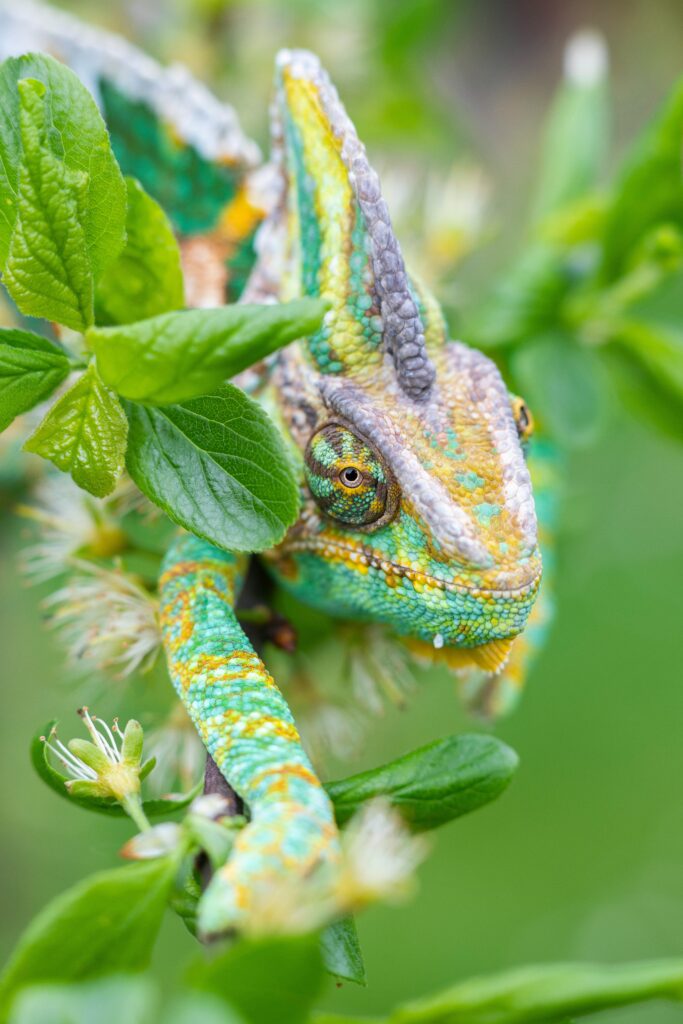
A chameleon amongst leaves.
(Image courtesy of Michael Held via Unsplash)

I transitioned back to tech and began learning to code and write programs. I started from the basics by mastering HTML and CSS. I stopped again! All this, while I was a student of insurance at Ahmadu Bello University in Nigeria. 

Funny enough, I never wanted to study insurance. I wanted to study accounting, but studying accounting was so competitive, I opted for the more guaranteed employment provider — Insurance. I didn’t want to spend an additional year at home and I knew that becoming an accountant only required that you have the knowledge and pass the professional exams.

My grades were good, so I picked up my finance ambition again and dusted it off. I started my journey into investment banking and landed in some internships. I was doing well, yet my interest drifted to product management. I took a course on digital product management. My interest remained, but that was it. Nothing more. I didn’t feel the need to chase a career in product management. I came back to finance.

While juggling my passion for finance with product management, I launched a podcast series on discovering Africa. Unfortunately, after the first two episodes, I stopped. My problem is that I prefer actions to idle thoughts, and I love learning from my failures. I really can’t remember how many times I have edited my LinkedIn profile to suit my dynamic ideas and ambitions.

I can’t say whether I was really confused or not – I was that confused! All I knew was that I wanted to make a difference. Yes, I am crazy. But trust me, I am not the only crazy dude out there. If being crazy is the only way to break out of my comfort zone, then I want to remain crazy.

Why did I write all this? There are thousands of other crazy intellectuals and creatives out there who have yet to discover their passion. They have been on an never-ending journey of discovering their passion, and finding their niche has become their passion. 

If there is one thing I have learned during my journey, it is that no one has it all figured out. It is okay to keep evaluating your potential. It is okay to keep trying new options and exploring new opportunities. The world is limitless to those who know no boundaries.

Your Body, Your Choice

Men questioning women today is the norm. Why? Because less freedom means less opportunities to make the ‘wrong choice,’ I guess. The freedom we have today presses their buttons because they are losing power. There is no question there. In light of the Roe vs Wade verdict (when the Supreme Court of the United States overturned the right to abortion, upheld for decades), there is an obvious and cowardly attempt to wrest this power back. 

How are they doing it? 

By going backwards into the past. 

Not only are old rules being brought back and new rules being written to restrict women, but the archaic argument of a “perfect summer body” is making its way to the forefront again. This ridiculous physical expectation is yet another way to control women. 

Men put women under a microscope when they walk down the street. If it’s not a dress that is too short, it’s your cleavage that is too revealing. If you’re not too skinny, then you’re too fat. If you’re not an “easy woman”, then you’re a prude. So, there is no way to please them. Stop trying and meet your own expectations and your expectations only.

An example from the past

Take the 1920s, for instance, an era engulfed by the Great Depression. Jobs were scarce and the economy was failing, and yet men found time to implement body ideals for women. After the First World War, the population dropped significantly. 

Imagine what it was like being a woman at that time. 

Eating three meals a day would be the last thing on your mind. Let alone having the time to think what a healthy fulfilling diet was supposed to look like. So, being thin with no curves whatsoever was the norm. 

But do we really have to imagine it? 

The reality

Today, the National Eating Disorders Association in the United States attests to these harsh realities reporting an alarming surge of up to 80% in calls around anorexia and numerous binge-eating disorders, which they liken to another pandemic.

Young women today make themselves endure a strict routine to satisfy the standards seen in popular media or the “male gaze” — wake up early but get enough sleep, go to the gym, eat healthy, socialise, and so on. It’s easier said than done. Every time a woman walks by you, she’s probably wondering what you’re thinking. Do you think she’s too short? Has too much belly fat? Isn’t pretty enough? 

Like all women today, I know what it’s like to walk down the street and hear random guys catcalling following me around. Even when they’re mere strangers, their expectations subconsciously influence my every decision. A constant fear when being alone is all-consuming. It’s no party for girls to be alone at night. 

How did I teach myself to stay safe? I learned to dress in baggy clothing, walk fast, and talk to someone on the phone. It’s funny that guys don’t have a care in the world. They can fight back. They have no fear of what saying “No” could mean. And as much as we make ourselves believe that we can fight back, the greater likelihood of sexual harassment for women, compared to men, is appalling. 

The NSVRC (a nonprofit offering information and tools to prevent and respond to sexual violence) turns these victims into a statistic on paper rather than just a another woman in the crowd: 81% of women and the drastically lower 43% of men face sexual harrassment in their lifetime.

Through the Ages

History paved the way for objectification of the female body, but let’s not forget the progressive steps taken during the 1940s. It was a decade of celebration and cultural rebirth after the Second World War accelerated freedom for women. The perception of the ideal female physique shifted from a slender, childlike figure to a fuller, more rounded shape, during a time when women were proud to show off their curves. This ideal meant you were comfortable, wealthy, and relaxed, or at least, seemed relaxed. Men still wanted their wives to wear a knee-length skirt and a top showing some but not too much cleavage. Women were taught to strive for an elegant and classy appearance, not to be called sluts “asking for it” if too much skin is showing. 

Consider the play written by Tennessee Williams in 1947, “A Streetcar Named Desire.” Blanche was exiled from society simply for being too flirtatious and for “sleeping around” despite her unmarried status. Her exemplar sister — although praised for meeting social expectations — became miserable in a home that was the site of domestic abuse. The expectations stayed the same, restricting women to the household under their oh-so protective and loving husbands. The female body was merely a spectacle for the male viewer to approve of. 

These male-made creations of the female identity make you wonder. One sister dimmed down her identity to a patriarchal norm that made her miserable; the other walked away from these restrictions; a free yet scapegoated woman. 

Sounds familiar? It does to me. But which is the better option for women today? Either way we are bound to fall into a depressive spell from not being enough, not meeting the pattern and not ticking every box to become “the perfect woman”. As hard as it may be, find the courage to reject the pressure to fit into a mould. Be your own independent self. 

From my own perspective

Walking into school every morning, I still remember female teachers sending girls back home, asking them to change if their skirt was too short, if they wore makeup, or if their uniform was too tight. When asked for an explanation, we all simply got the typical “it’s too distracting for boys” repetitive broken record excuse. We are letting men decide what we can or cannot wear, just as banning abortions was a male-dominated decision in the end. What right does a man have to tell me, or any other woman, what we can or cannot do with our body and health? 

At the end of the day, everyone has to realise that criminalising abortion does not put a stop to it, but rather it forces desperate women to find unsafe, unregulated places to terminate an unwanted pregnancy instead. Men can and will run away from such responsibilities. It is hypocritical to not give women an escape route from unwanted pregnancies, still today. 

Another glimpse of history

The 1950s and 1960s were a period of rebellion, where the Beatles took their rightful place with a new kind of music and reflected social liberation. Women embraced their sexuality as a form of newfound empowerment. The ‘60s also brought the Baby Boom generation and more attentiveness to the submissive housewife, but the Second Wave of Feminism was in full swing. 

When it came to the female image, Western Culture represented it through polar opposites. 

For one, there was Marilyn Monroe. Her body type would easily be considered “plus size” today yet she was, and still is, an icon. She took up space and kept it. Her hips were wide. She didn’t have a toned abdomen. She had larger boobs. She had the hourglass silhouette that women strive to achieve. Her modelling and acting career will forever paint Monroe as a blonde girl with bloodshot lipstick and a white dress on the red carpet. 

At the other extreme, Twiggy. Her real name is Lesley Hornby, a British model, who was quickly reduced to a nickname to sum up her identity just based on the way she looked, or to be more exact, the way she was encouraged to look. Being thin came back into fashion, and men weren’t bothered that these expectations were unhealthy. The concept of “attractiveness” is quite funny when you think about it. People have different likes and dislikes, so you will inevitably be deemed attractive by some and ugly by others. The only opinion that matters is yours. So, screw them and their obsession with controlling the female body. 

The pressure of social media

The 1990s and the 2000s are easier to recall. We live in a society influenced by the late ‘90s and its revered “‘thin body” image. It’s not as extreme as it used to be in the early 2000s, but social media has made it ten times harder for women to see themselves as beautiful when looking in the mirror. Having an Instagram page and feeling obligated to post bikini pictures or at least somewhat revealing photos online equals being watched and judged by girls who are just as insecure as you. 

Promise! 

At least before the internet, escaping a patriarchal reality was somewhat achievable: stay inside and don’t be tempted to watch models on TV or in magazines. Now, experiencing a pandemic — so basically locking yourself indoors — was a girl’s worst nightmare. 

The motivation to do anything active whatsoever was crushed. To cope with the isolation, many found comfort in binge-eating and watching Netflix in their bedrooms before going crazy. 

They also found new physical goals to obsess over, can’t forget those. Women become controlled by the idea that not having a thigh gap is shameful. The “hip dips” are another phenomenon. Something that has to do with a human’s bone structure and genes is turned into a flaw, so unacceptable to show in public. But the blame should not be placed on women. In reality, we are embracing female independence but still live under a mantle of male control. 

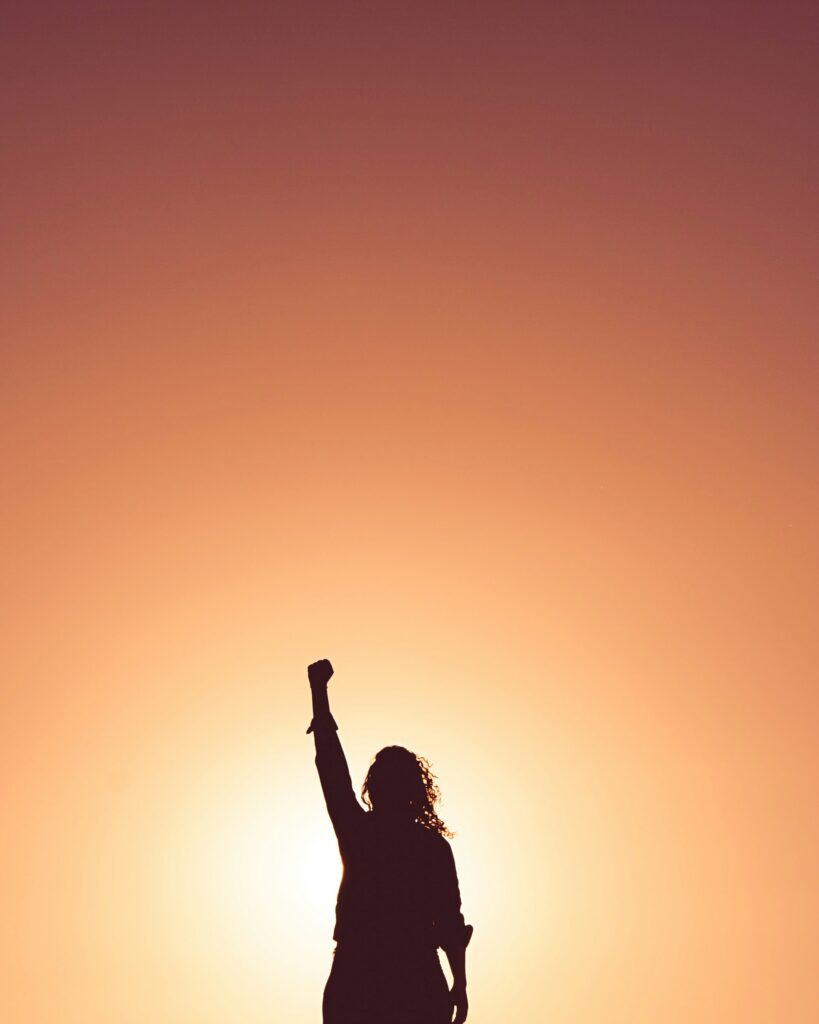
A person holding a fist up in the air, the sun rising behind them.
(Image courtesy of Miguel Bruna via Unsplash)

Don’t let the past control you

Look at the time frame of past and present expectations. Women have been bombarded with ideas of what the perfect body should look like and, ironically enough, all those absurd standards stem from a man’s archaic view. Don’t be either too thin or too fat. Or too feminine or too masculine either. Be independent, though we won’t let you be too independent. 

Screw all of it! Don’t give a damn! 

Just as women protested and won their independence in the past, women will have to protest once again. It is ridiculous that women are forced to take a step back in time in a so-called free land after the Roe vs Wade verdict. The female body and how it should look is entirely up to the woman herself. Don’t be fooled. A lioness attacks its prey in packs, increasing the chances of killing it. A lion is too proud to ask for help and so often fails.

Like gaining the right to vote, being allowed to have an education and finding equality in pay, women will unite again to stop the Roe vs Wade ruling. Protests are happening every day, showcasing the drive women today have to fight back. As such, a fourth wave of feminism is necessary and undoubtedly happening.