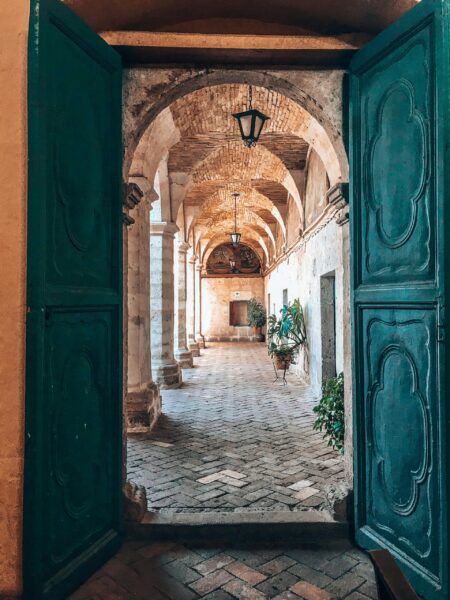
The Color Of Far, Far Away That I Found In Peru

I had never traveled internationally or spoken any language other than English. Yet somehow, something so seemingly impossible became real. I was about to step out of my comfort zone and personally experience a giant leap of a trip outside of just pictures or videos on the internet. 

Last September, I left my five children for twenty days, crossing the 2,800 miles from North America into South America, but I found myself in Peru. My friend Ana, a native Spanish speaker from Mexico, grabbed my hand before we exited Lima airport, telling me, “Don’t talk to anybody, and stay right behind me.” Her take, not mine, but she was Latina, so I didn’t argue. 

The doors slid open and a sea of faces — clustered close together and vying for attention — called out, voice upon voice, begging to take someone, anyone, any place they could possibly want to go. Ana already had a taxi driver waiting for us, her name written on a board he was holding, standing just outside the swarm. She held me close behind her until we were loading our bags in the trunk.

I sat silently in the back while Ana and our driver chatted. Apparently, the driver asked where I was from. Upon hearing the States, he responded with “Oh, so that’s why your friend doesn’t talk?” 

Rules of the road

The road had no rules. Lanes meant nothing. Other vehicles meant nothing. Horns meant nothing unless you were the one honking, which meant you were serious. 

Our ride and every Peruvian ride we took from then on was a series of “We’re not gonna make it” action movie scenes. The cars maneuvered the way motorbikes do, weaving through the small in-betweens. The bikes, and there were many, carried up to three people at times.

Doorways to other worlds

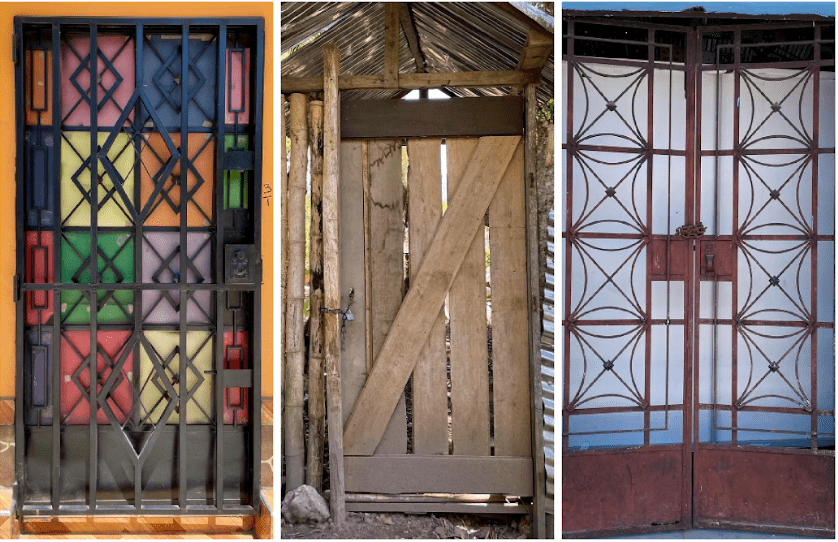
Our hotel entrance was a doorway stuck between all the other buildings and so simple that I glossed over it every time we returned to lay our heads down. That could have been because a doorway does not speak the same way that a door does. 

(Image courtesy of the writer)

A doorway is but a hole, a near emptiness, a thing which may be crossed. But the Peruvian doors are entryways, mystical, unknown, and bursting with the knowledge that an entire life unlike your own exists just beyond. 

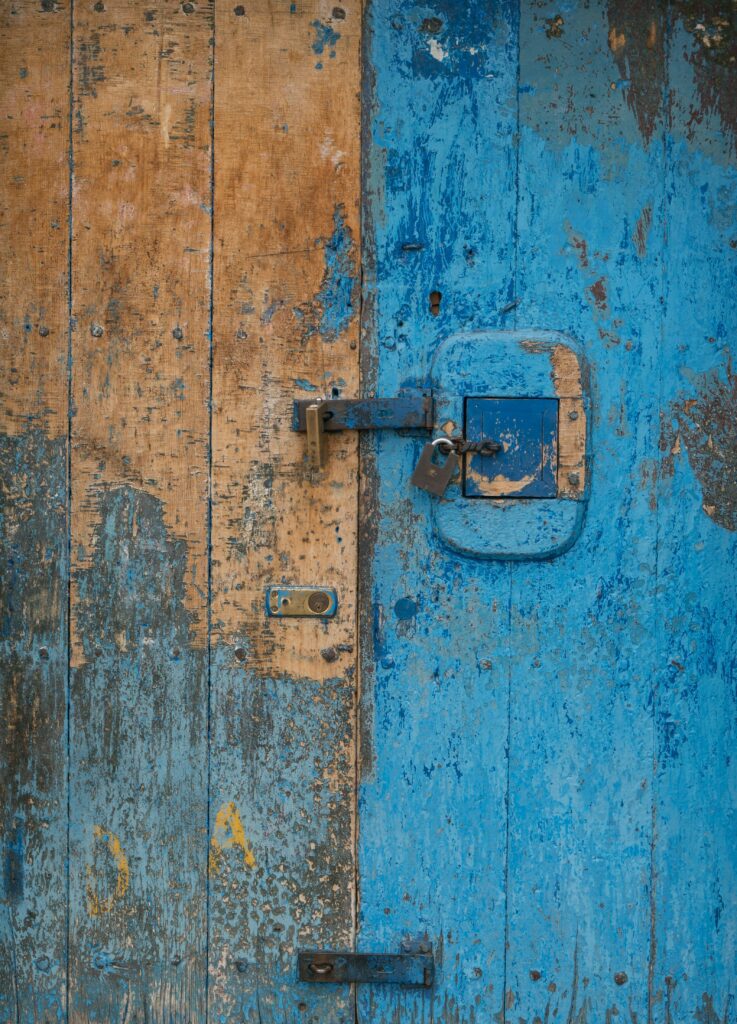
They are made of color, of gated iron, of broken down wood, of stories. Doors became my obsession. If the drivers of Peru were number one on our “ways to die” list, the act of getting a photograph of a specific door was a close second with how dangerous getting to some of them ending up becoming. 
(Image courtesy of Rod Long via Unsplash)

Cathedrals, shanties, museums, and houses had elaborate doors kept safe behind bars whereas some others were left open and easily accessible. Bikes were left to lean around everywhere we looked. One open door, the one to church, required payment to enter. The closed ones — with their lion heads forever keeping their iron rings prisoner — were the most telling.

Closed doors and grated windows were sometimes guarded by the police, all of whom were more than welcoming when I asked to get a picture of them. They said I could join them, or sent me across the street to go beyond a gate there to get a picture with their other police officer friend. The doors told stories. 

Transported to the beautiful unfamiliar

The people told stories, too. The architecture. The murals. The mist that forever kept the city of Lima the same gray as the inside of a cloud: light and dreamy. 

Ana and I walked and walked our first three days, before we moved deeper into the city. Among the people, it was easy to feel like the distance from home wasn’t quite so great. It was a crowded city like any other, where people had little dogs wearing sweaters and booties. We were by the ocean, which felt foreign enough for gleeful excitement, but not enough to feel transported. 

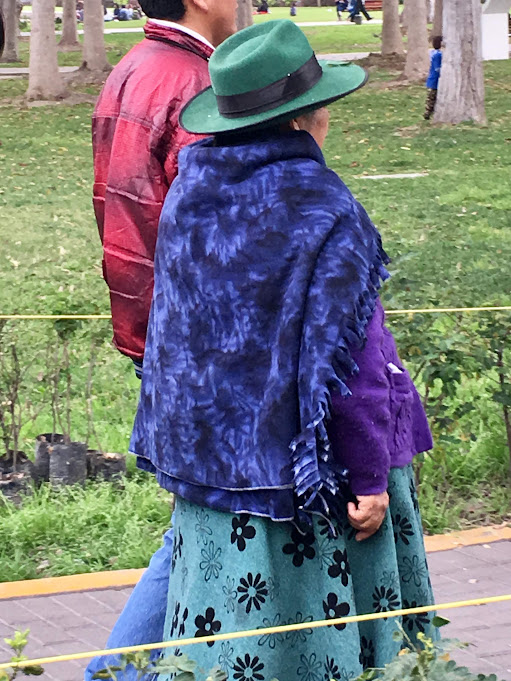
That enchantment happened when we came across the first woman dressed in traditional Peruvian layered Inca clothing. Rich jewel-toned colors and knit patterns wrapped her, and a baby was swaddled against her chest as she walked while selling homemade chocolates. She was petite and beautiful. Gentle like a doe.
(Image courtesy of Yosef Baskin)

Ana spoke with her while I looked on admiringly. Her woven basket of chocolates was just a bit too large for her to reach across its diameter. The chocolates were wrapped in paper with bright stripes of blue and orange. Their tops were cut into strips, erupting from them like a little carnival.

Ana, who is allergic to chocolate, gave her some small change. A blue bundle left the basket as she turned and asked if I wanted the peanut butter chocolate. I gave her my coins. An orange carnival tent came in exchange. I gestured and asked in English if I could see her baby. Shyly, she pulled part of her colorful wrap aside. 

I was stunned by the baby’s beauty — its unknown power that all babies possess — but even more so by his sheer size: to think that he came from his mother’s small frame, and that he was still only seven months old!

That was the moment. The moment that felt like thousands of miles away. The moment when a stranger became a life and a place became a home. The moment that even my best imagination could not come close to comparing to. Peru was just a few thousands of miles away from home, different but similar, and knowing that made it feel surreal. The ground we walked upon, the air we walked through, and the mist-covered mountains that seemed to float in the sky, were always there, yet always out of reach.

So many wonders we will never forget

We ate plenty of food – mostly good, some not. We had a spontaneous paragliding adventure, but that wasn’t nearly as terrifying as the drive to the beach without a seat belt. We were overwhelmed by the marketplace on our “gift getting” day. We spent a day in the plaza and burned our tongues on the best churros ever. During all of these experiences, every single person was kind.

We spent three days in Lima, every second of them filled, and each one with a story of its own. After those three days, we next made our way across the Andes by plane and up the next mountain by car. We traveled deep into the jungle towards Moyobamba – a place where we would train to become certified yoga teachers. 
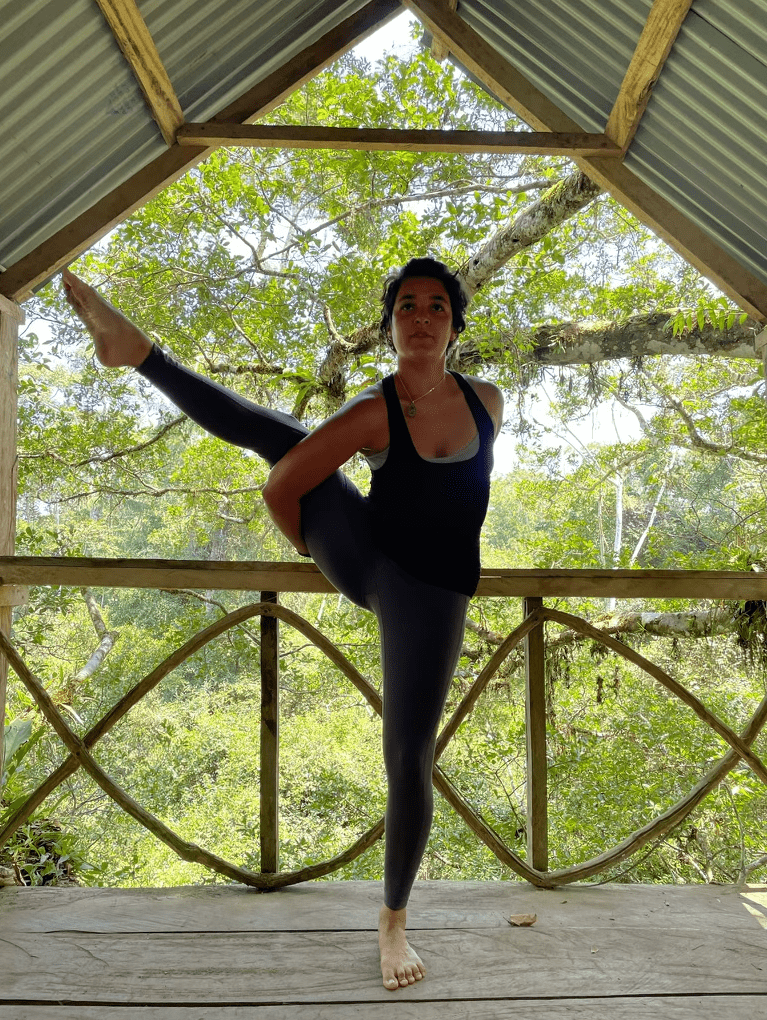

(Image courtesy of the writer)

In Moyobamba, we spent fourteen days nestled alongside the river at the Kantu Lodge. Thirteen people – nine students and four teachers – got together every day from 5:45 am to 10:00 pm. 

There were also the adorable black spider monkeys with tails as long as their bodies that swung from the trees just outside the shala (a shaded, open pavilion, from the Sanskrit term for adobe) where we practiced. The local butterflies were the size of both my hands together and flew lazily about, their sky-blue iridescence unreal in their authenticity. 

We hand-washed clothes in the bathroom sink and hung them out to dry with the hope it wouldn’t rain. Except for the single day of a continuous 12-hour downpour, our clothes stayed relatively clean. We shooed tarantulas, huntsman, and every other spider from our bedrooms, the shala, and the girls who screamed at every insect that came near them. 
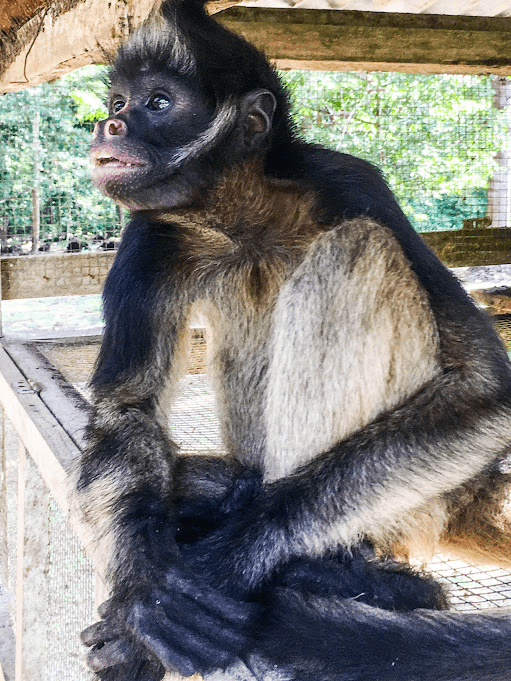

(Image of Amazonian Spider Monkey orphan courtesy of Yosef Baskin)

We did yoga with the children on the streets who happily ran around barefoot —

some no older than four, asking us “Yoga? Yoga!” 
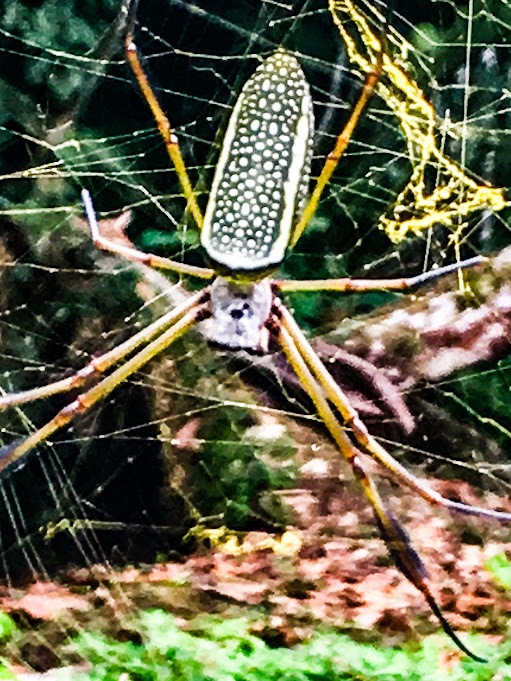

(Image of Peruvian Golden Spider courtesy of Yosef Baskin)

We traveled misty rivers, drank cacao, and visited a remote region filled with medicinal plants run by indigenous women, and to swim in the waters there. We saw hummingbirds and huge, ruddy brown birds with reddish eyes, looking in as they watched us from behind glass. We feasted on 42 total different vegetarian dishes served at every meal. We danced while thunderclouds rolled above us or while a fire crackled between us. We sang loudly from the balcony and along the paths. 

But most importantly, we laughed. We laughed with hearts who knew what it was to really laugh. We left as certified yoga teachers, but that piece of paper holds within it stories of adventures I never thought possible and that were truer than ink can describe. It holds a piece of the world that really does exist, so far, far away from home. 
We Built La Familia

Maybe it was the traveling we always used to do. 

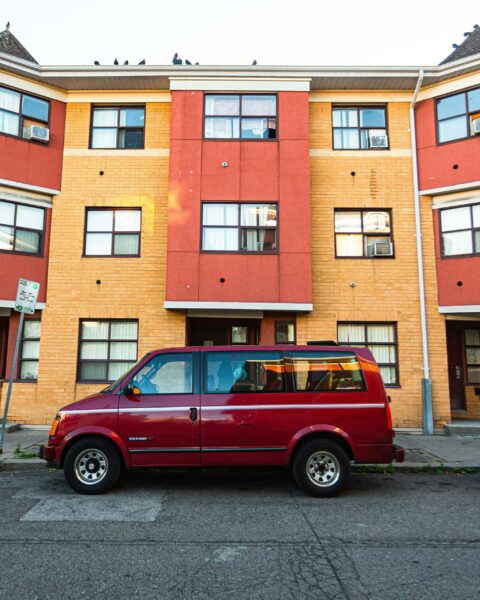
A family of six that would pile into a fire-engine red 1985 Chevy van, a vehicle that could easily hold a family of six. However, we would always load the van with all kinds of toys and goodies, so I imagined it looked like Santa’s sleigh, filled with as much joy and happiness as he delivered on Christmas Eve. 

This is something that my family would do every December for as long as I can remember. A strong family, with beliefs our parents would instill in us and to one day show our future family.

Meet the crew

Our crew of four kids was made up of serious, silly, and sometimes not-so-well-behaved kids. There was my youngest brother, who could not have been older than eight years at the time. He was a chubby child with curly hair that had more waves than the ocean. I remember all my aunts would comment how it was the look their hairdresser should mimic. 

Next was me, a doe-eyed kid with thin, long wavy hair and glasses to finish off my innocent look. Then there was my older brother, a lanky child who would constantly be outgrowing his clothes because of how tall he was getting at that time. The oldest among us was my sister, who stood at 5 foot nothing, with the longest black, spiral shaped hair of anyone we knew except for my mother. While she looked like a little girl that wouldn’t hurt a fly, to us, she was the guardian of the bunch. She was like a second mother to us boys. 

My mother was no taller than my sister, but the respect she demanded from us kids was that of French wrestler Andre the Giant . My father was the tallest man I had ever seen back then, towering over us like Dwayne Johson does to Kevin Hart (compare heights of 6’5”/196cm with 5’2”/157cm). He looked like a Mexican version of Mufi Hannemann, former Mayor of Honolulu, if Mufi had a thick black mustache. 

This is the family that would show me what it means to be la familia

Memories of our journeys

Family trips were some of the fondest memories I could remember. While it felt like we  would travel for what seemed like days, it was only about 12 hours. The long hours were not the reason for the fond memories, but how we came together as a family to make the trip the most memorable. 

We would laugh at each other telling jokes, play card games, and make lonches de aguacate. These avocado sandwiches were not some mediocre meal that anyone could prepare. No, this was left to mi madre, who could make a simple aguacate y jamon con queso lonche (adding ham with sliced cheese) look like the best meal you would have ever had in your entire life. 

My mother would tell us how much of her heart was in making meals for us on the road. It was so important to us that our mother would make the lonches, that when my father wanted to stop at a restaurant to eat, we all would object, “No. Just buy what mom needs.” 

Some of the best jokes told on this trip were, in the opinion of my older brother, “So funny you could laugh so hard that you may laugh your head off.” He would say knock, knock and everyone in the van would have to respond, because if we did not, all anyone would hear for the next century was him nonstop saying, “Knock! Knock! Knock, knock!” Do you see how annoying this was? Nails on a chalkboard. The joke would finally end with, “Well, you made me so mad that I forgot what it was.” 

My older sister was the one who, in her mind, had shuffled the deck of the cards in a manner that would put a Vegas dealer to shame. She would grasp half the cards in the right hand and the other half in the left, then she would bring the cards together to shuffle them and mix the two decks into one. She would finish off her shuffle with a tap of the deck on the cooler that we were all treating as a luxurious green table from the MGM. I never thought it was weird that, as a child, I knew how to play poker. The stakes were high back then, where we all had our one sock that was filled with marbles to place a bet with. 

The scenery would change so much as we traveled south. As we traveled, we would see mighty chunks of rock rise all over the land. To be able to witness mountains that stood with such firm, vertical, gravity-defying peaks was always something to admire.

So many times we would have to travel on a road that hugged the mountain and our van would hug the road just as tight as a child hugs their mom after the first day of school. Just as the mountains came, so did the landscape of the desert. The desert was full of sand, flat, crumbing rock, sandstone, and cacti that looked like it was leaning over searching for water. 

The family reunion

(Image courtesy of Andrik Langfield via Unsplash)

Many of these trips would take us to our family in a little village on the outskirts of Durango, Mexico.

Our arrival at the village my parents grew up in was always something that brought a smile to me and my siblings. The entrance to the village was not very noticeable, but we knew that we had arrived when we had passed the only building that everyone got their hielo (ice) from. This building from the outside looked like it was built with adobe clay. It was as long as my little eyes could see. There was always a line of gente (people) to get their hielo

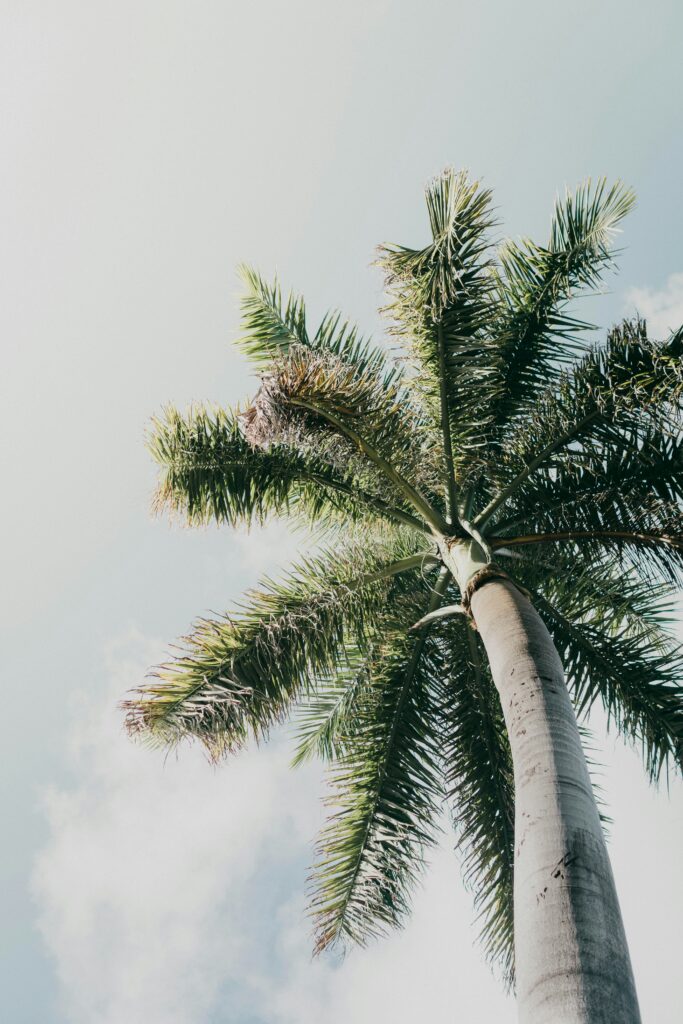
Next would be the road to my grandparents’ house. Believe it or not, there was a La Palma landmark very well known to us. That palm tree was as tall as the Eiffel Tower and would tower over all the houses on that block. My grandparents’ house was in sight from there and we could see the metal french-style door, which changed colors according to which color my abuelita  (granny) felt like at the time. It was a fun guessing game to see what it would be every time we visited. 

The nights in the village were actually brisk and always made the senses feel so much better, as it was the season of Christmas. Coming from a desert-like environment to a colder environment made us embrace the jackets our parents would make us wear, running around with our Parka jackets with our breath visible in the air and our noses as red as a reindeer. All this did not matter to anyone, as we would spend all day and all night in the courtyard of my abuelo’s house. 

My abuelita’s is a 5-bedroom home that at max capacity could hold maybe four families, but we squeezed in and made room where we could lay down. Being able to enjoy this time with our extended family was the greatest time in our life. Our family was as large as could be, with 20 primos y primas (cousins), not including my family and 10 tíos y tías (uncles and aunts). 

Family festivities

Every year was a family reunion with a party that would top the last, with the slaughtering of a goat so that we could enjoy a feast. The party was an epic scene, as it would start in the morning with Abuelita making breakfast for everyone. The adults would be having their cafecito con pan dulce (espresso with sweet buns) and us kids would be eating pan dulce with abuelita’s hot chocolate. 

(Image courtesy of David Guerrero via Unsplash)

Mariachi con la familia

With festivities comes music, of course. Since my father’s family is extremely musical, there would always be music playing in the background so everyone could sing along. My father’s brothers and sister would start singing like a Mariachi concert. It did not matter that the adults were singing ‘til the roosters crowed. It was always a delight to hear so much music coming from the courtyard. 

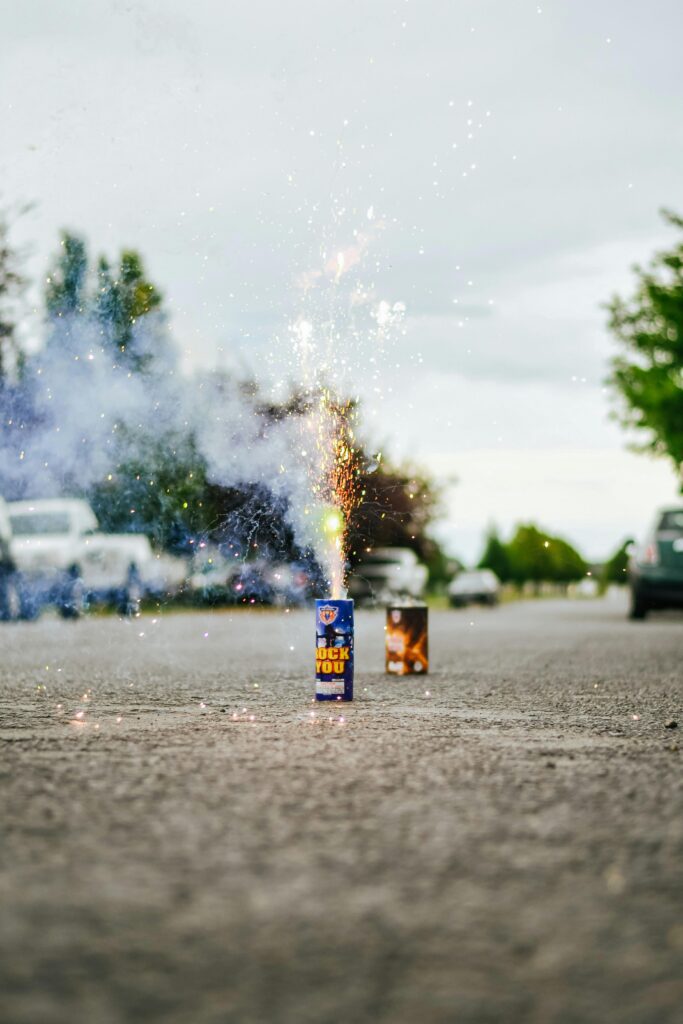
The laughter would continue with the younger siblings. My cousins and I had spent all day buying up all the fireworks we could gather from the corner stores. Each firework had a distinct shape and size. There was one we called La Palomita, it was the size of a pigeon. Not only was the size something to marvel at but, when La Palomita would go off, the paper that was holding what we believed to be gunpowder would fly everywhere like if a bird had just been struck. 

These times ensured great bonds were created and treasured. There was so much to enjoy, so much time — and so little time. These memories are the building blocks for what my belief in family is. La Familia is something that you have to work on. Not only with your immediate family, but with all your distant relatives. This will always be the strongest value that anyone can instill in their children.

(Image courtesy of Nubia Navarro via Pexels)

In Experience: Reflections of a Settler

It’s all in the reflections. This account is one of my fondly revisited ones, a space for self-discovery and conscience.

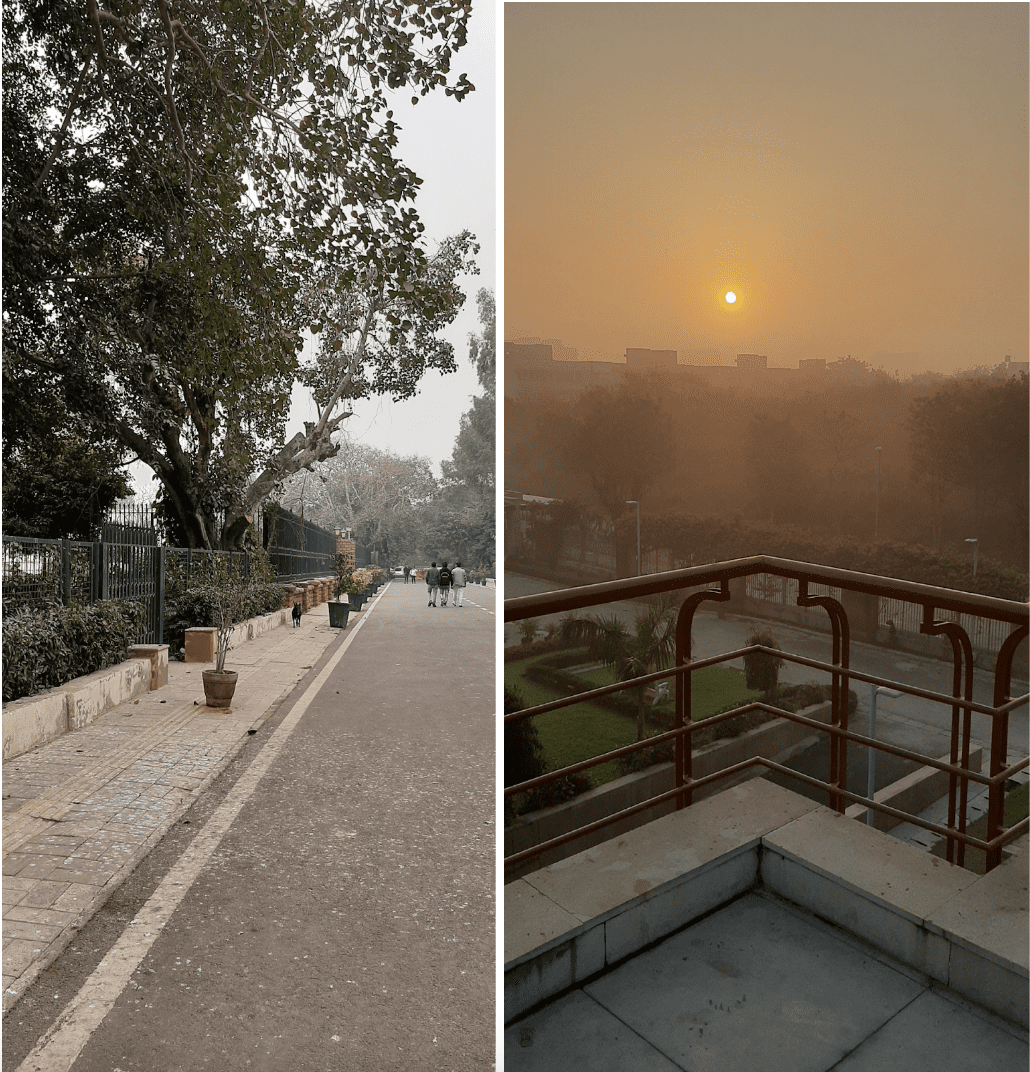
Aah, I’m exhausted! It was half past two on a Delhi late August summer afternoon in 2021 when I was attending one of my tutorial classes at my college. These sessions were calming ones where we would think about life and sort of relax through such reflections. In the hustle and bustle of assignments and deadlines, I sometimes lost the excitement of these sessions as a result.

So, this circle of informal questions quickly shifted to me, and I, at that moment, was completely baffled by the line of questioning. Seeing this, the teacher asked, “What’s the most striking difference between your place and here?” 

Without even thinking, I quickly answered, “Infrastructure and maybe nothing else.” It might have been the most absurd answer she’d ever heard, but it was thankfully enough as the class dispersed, and I was left with a question. 

It was probably regret that crawled up on me, so much that I could hardly think of anything else beyond that question whenever I would travel through my place and Delhi. Like a sense of being lost in observation. Being someone who always loved to observe the uncanniness in their surroundings, it made me more aware of the circumstances, the nuances of communication, gestures and the degree of proximity. 

Okay, so let me quickly peel away the layers of silence and say it out loud that there indeed is an array of differences in the regions. To begin with, Assam, the eastern state, is a rainbow of warm-hearted people belonging to distinctive ethnicities; some of them have inhabited these lands and some have flocked in during the past two centuries. Now, they are coming to Delhi, the land that kindled hopes in millions of aspirants to finally hit a milestone in their career. It’s also ethnically diverse and inhabited by the majority of these aspiring populations. 

How can I not express the most striking reason for my discontent, which is that the food of the Eastern States, this palace of rice, undoubtedly has my heart? Well, Delhi has its own variance in serving comfort foods, but what made me kinda sick within the two months of my initial stay in Delhi was the resilient roti culture. Still, I countered it over time and developed a fondness for some traditional North Indian dishes like “kadhi chawal” and the very tender thin “rumali roti.”

On the streets, I see an abundance of greenery and, hiding in it, stories of penance and sometimes grief. This landscape sustains tales of livelihoods where every day is a struggle to make ends meet. Still, the lands do not align with the competition to tread upon the lives of one another. It is implicitly integrated into the idea of being that, in every way, there is a placid display of diversity. 

The settlers of my eastern homeland preserve a simple but magnificent culture where one can find fresh vegetable markets and brightly blue skies. One that caters for its people in “kaah” (the bell metal used to make utensils), “muga” (muga silk), and that greets one with the “gamusa,” (a woven scarf with distinct embroidery patterns.). Enchanting wall carvings and fantastically lit elaborate markets make Delhi in itself the most vibrant capital of the world to experience life and people in. The street corners are animated with students and doorways to the metro are full of hawkers and a brigade of auto drivers who are ready to even take one “to the moon.”

It is only in the humanities and liberal arts that we capitalise on the idea of learning and thinking, cultivating skills for empathetic understanding. It is in exploring these phases of my journey that I started considering things that are seldom asked. But as I should say, they do hold relevance as they become significant throughout the experiences, and give more context to someone’s story.

All in all, it was a contrasting vision that was important to help me touch the nodes of reality, somewhere where there was not only a beginning but also closure. Feeling at home, reclining to all the familiar essence of it, needs imagination. And this is one that has now become very intricately intertwined with the idea of both places. Maybe the shared idea of belongingness rents this “liking” space in my heart. Now, even though I have no permanent residence to establish here, I trust that the familiarity of the region keeps home in a close embrace.

Now that my experiences have handed me a platter full of unique exposures, I regard this as an invaluable archive of memories. These memories will stay and colour new horizons of thought and provide me with a deeper contrasting tapestry of insights. In retrospect, to my response, our professor, I would say, “Ah how embarrassing!”

Donkey Voting Down Under

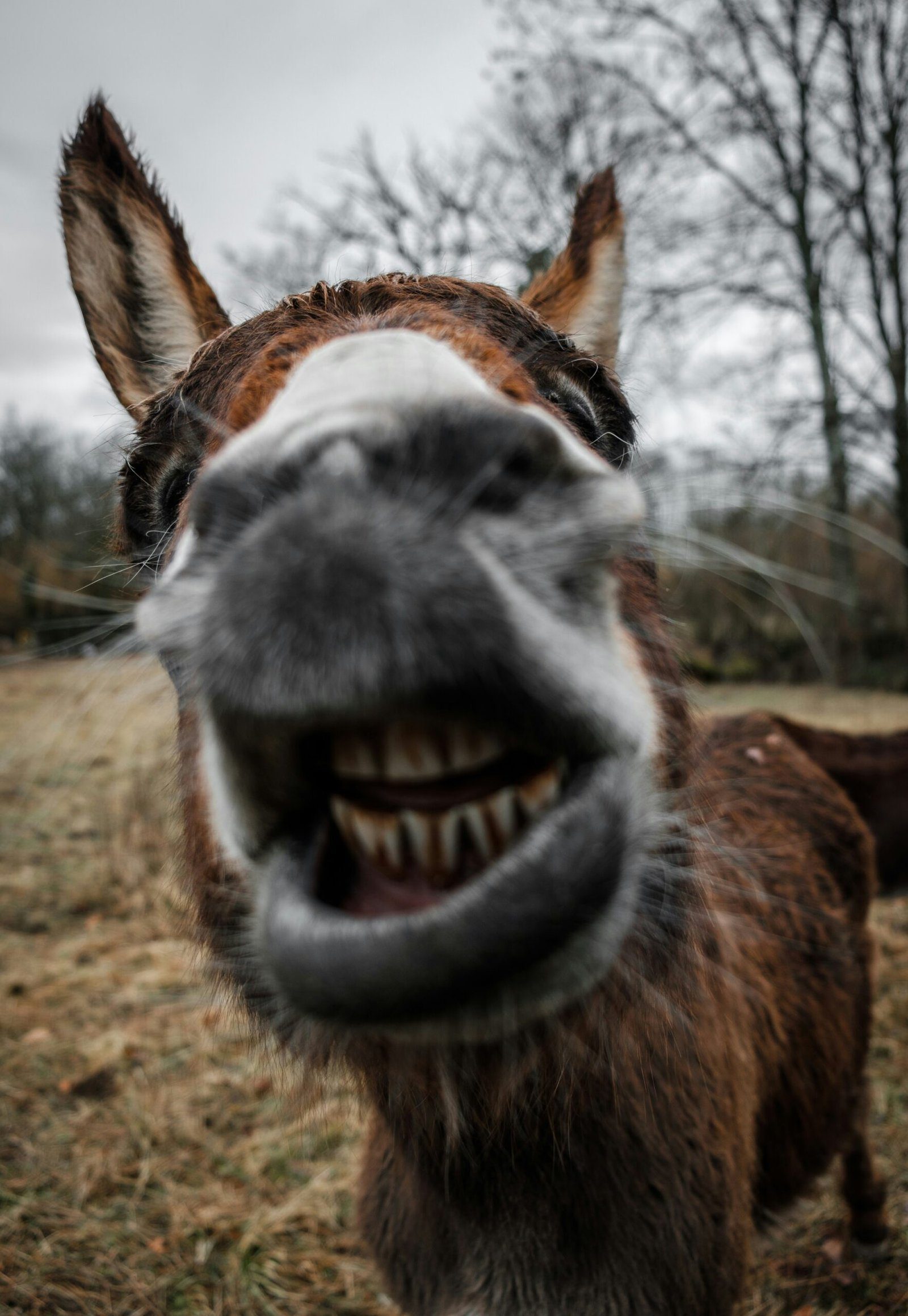
Donkey voting with a ‘democracy sausage’

Voting is a fundamental democratic right, allowing citizens to have a say in how their country is governed. But what if it’s mandatory? 

In Australia, as I discovered when I moved there, the voting process is compulsory, aiming to ensure that every eligible voter has the opportunity to cast their ballot and the opportunity to enjoy hot dogs at the polling booth. Normally called a sausage sizzle in Aussie slang, it becomes democracy sausage come election time. 

Within the great Aussie democratic system, I realized, lies the phenomenon of “donkey voting,” a term that might be unfamiliar to many, especially to first-time voters and outsiders like me. 

First of all, let me explain the hee-haw. Numbered voting is required in preferential voting, where voters rank candidates in order of preference or priority. A donkey vote occurs when a voter marks their ballot paper in numerical order from top to bottom without considering the candidates’ policies or merits. 

For example, if the candidates are listed as A, B, C, D, and E, a donkey voter would spitefully mark them 1, 2, 3, 4, and 5 respectively. It is also a donkey vote if it goes the other way around. This type of voting shows up in preferential voting systems, like the one used in Australia,.

It doesn’t count as a sincere vote though, and is more of an act of protest. Voting like this also shows that you have not used any intellectual horsepower to think through your ballot choices. This stubborn act is called donkey voting for a few reasons. 

Number crunching

Now here is why this type of mischief might happen at the polls Down Under for you numbers people: 

1. Lack of interest or knowledge: Some voters might not have enough information about the candidates or might be indifferent to the outcome of the election. As a result, they simply mark the ballot in the order the names appear. Make voting compulsory and people will find a way to half-ass it. Hence it’s dissed as a donkey vote.

2. Protest vote: A donkey vote can be a form of silent, but black and white protest against the political system or the available candidates. It’s a way for voters to show their dissatisfaction with the checklist or the choices without spoiling their ballot. The vote counts, and this one hurts. 

3. In a country where 26 million people reside, having 111,015 people vote sequentially may not seem high enough for concern. Just read this article for more numbers: 

Grazing on democracy’s green grass

As someone who has never voted before, as I am not from much of a democracy, the concept of donkey voting is both intriguing and concerning. I am from an absolute monarchy where brain drain is common and people want to go somewhere more developed where they have freedom. The grass is always greener, somewhere, but do we really have to share it with jackasses? 

I think personally, not voting properly is subverting democracy, turning it assways. There is more to it than that though sometimes. 

While donkey voting is not illegal in Australia, it raises ethical questions about the integrity of the voting process. Critics argue that it undermines the principle of informed voting, where each vote should reflect a considered choice. 

I had always assumed that every vote cast in an election was a deliberate and thoughtful choice. The idea that some people might vote in numerical order instead of preference raises questions about the true representation of the electorate’s will. Who is in the electorate though, I wonder? 

If I was a voter, I would feel a sense of responsibility to ensure that my vote counts in a meaningful way. This means taking the time to research the candidates and their policies, understanding the issues at stake, and making informed voting choices. Donkey voting, in contrast, seems to invalidate this important civic duty. Or could you use it as a form of effective protest? Not as a student during student union elections, I don’t think. 

I remember hearing about it between 2012-2016 in my formative university years as a first time ever voter of any kind. Students do not need to vote during their student union elections although it is a wasted opportunity if one does not learn the basics of the democratic process then. Oh come on now, don’t be such a neigh-sayer and tell me you scoff at the idea. Why I chose to even engage leads me to think that better voter engagement, at the personal or relational level, can improve voter confidence. 

Furthermore, the prevalence of donkey votes underscores the need for better voter engagement. First-time voters, in particular, could benefit from resources that explain the voting process, the significance of preferential voting, and how to make an informed choice. 

Additionally, efforts to increase voter engagement, such as candidate forums and accessible information about political platforms, could help reduce the incidence of donkey voting where mandatory voting means you can’t vote with your feet and protest by not voting at all. 

Passive-aggressive, maybe just aggressive?

I sometimes think that voting this way in protest is probably valid when no one wants to give you a voice in the first place. In case no one represents you, why not express your disagreement and mock the process in a passive-aggressive way? 

In compulsory voting, you need to vote or pay a fine. If you do not want to vote but also want to avoid paying a fine, you can just cast your ballot but not indicate a clear preference in protest. 

In the case of the indigenous Australian population, that might turn out to be a full-on silent treatment.

No wonder, since 60 percent of Australians have recently voted to not give Indigenous Australians their voice. Imagine not letting your host speak at all during a party you crashed;. where is the propriety in that? Reconciliation may indeed be dead, as the 2023 Australian Indigenous Voice referendum showed, and only time will tell if donkey or linear voting will increase along with informal votes. Compulsory voting has its flaws after all. Who can convince 

people to vote democratically in a system they wouldn’t design as the rules of the representational game don’t let them play and win? Not given a voice? Then they won’t give their voice. 

Can the great Australian experiment be saved from going further south? That’s an article for another day so I don’t have to half-ass it. Or maybe ask the original custodians of the land.

What a Difference! I Voted In India and the USA

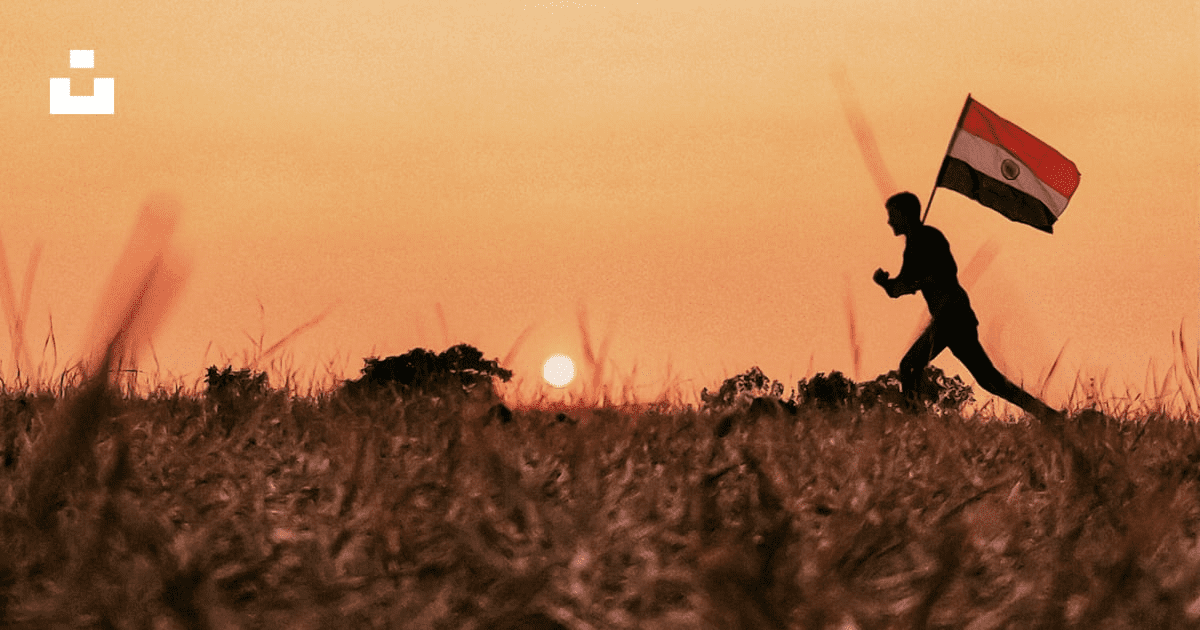
My experience voting in these two countries seems so similar. Electronic voting machines and ballot boxes — covered enough to make it a perfect secret ballot, all set up on school premises. There are similarities in election propaganda, the campaigns, the rallies, and the voters have to be 18 years or older. Yet they are so different. India elects every five years, and the US every four.

Indian elections have a unique flavor, a sort of tanginess


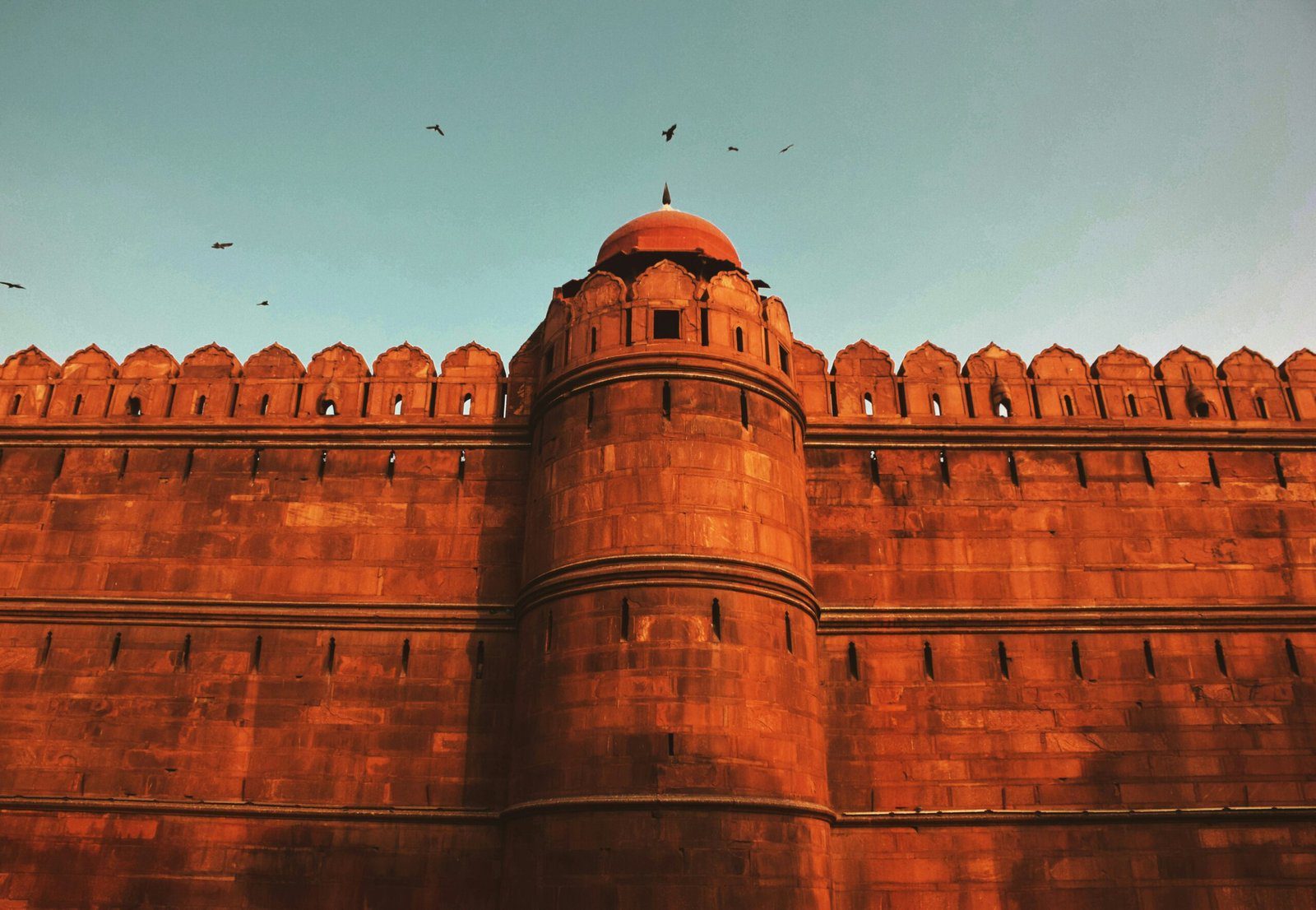
(Photo courtesy of Shreshth Gupta via Unsplash)

Indian elections bring with them more movement than others; they are like carnivals: processions and massive campaign rallies with loud music and rhyming party slogans in Bollywood mashups. Overloaded vehicles of all kinds — bicycles, autorickshaws, cars, and bikes zoom in now and then through the streets — all calling loudly for votes. Life-size campaign banners used to influence voters are what bring in election fervor. Everything is a campaign board — the electric poles, tree trunks, public vehicles, walls, and roads decorated with posters and banners are everywhere. The door-to-door campaigns extend a personal touch. Talking to the candidates made me feel special, stirring in me, the 18-year-old first-time voter, a sense of responsibility— a feeling of “I should vote” and “I am old enough to make decisions.”

It was election day, and I was finally at the polling booth at a school, ready to cast my vote. 7:00 am to 6:00 pm is generally the polling window in India. I thought it would be a simple process, but my confidence shattered once I saw the voting machine in front of me. Where? Who?  I had done my homework, but the long list of symbols with just the candidate’s names beside it made me nervous. After a few seconds of blank, I gathered myself up and voted (thankfully for the right candidate). Voting in the largest democracy with some seven recognized national parties, around 57 recognized state parties, and numerous other notable registered unrecognized parties — the ballot pages sometimes get long and puzzling. 


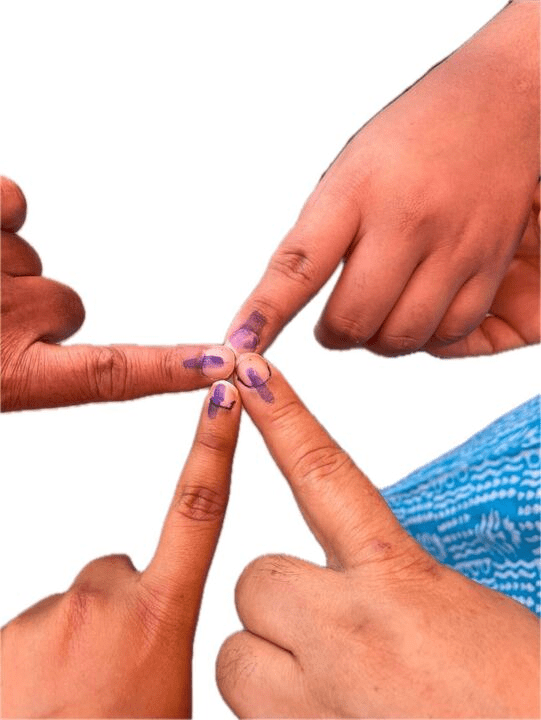
(Photo courtesy of Tripti Mund)

Post-voting indelible ink is used to prevent duplication and fraud in voting. That little drop on the left index finger is a statement of pride, of doing the democratic duty.  It is not mandatory to vote in India, but I take pride in the fact that I voted in all the elections that took place when I was there. 

The year I moved to the US, presidential debates had already begun. For me, it was, with other things, an acculturation of the election process.  I felt the US elections were so calm, which made me miss the volume of Indian elections.  

In the race for 543 seats, the Netajis (male politicians) and the Netrijis (female politicians) campaign standing in an open-top vehicle. Always with a namaskar (folded hands for greeting) and their head almost buried in marigold garlands. Close to elections, dresses in ethnic undertones stand out. Men dressed in kurtas and women in sarees. Heated-up speeches in open grounds from over-decorated stages, almost as tall as a house — visibility to the public is key. Screaming voices, high pitch with long pauses, and stress on every word, I could not find that in the US. 

Lunchbreak voting!

Here, candidates’ speeches and rallies are mostly town halls or debates between just two parties, the Democrats and the Republicans, which are interesting and decent, like TED talks.  

It was election Tuesday, and my US-citizen husband left home a little early. I thought it would take not more than an hour or two for him to be back home. At almost noon, I called him to find he was in the office. Working? This never happens in India! Election day is a holiday to vote or not. Yes, this is how it is in the US: manage time and your civic duties between work. 

Free Stickers with I voted inscription and flag of USA Stock Photo

(Photo Courtesy of Element5 Digital via Pexels)

The Tuesday after the first Monday in November is designated  US election day. This was a culture shock for me. I came from a land where election dates are released two to three months before elections, from a democracy that never votes on one fixed day. Voting dates vary from state to state, even district to district. 

No voter ID card, just your driving license for proof of identity. No indelible ink, just an “I Voted” sticker. Once, we took our first-grader to see the voting process, and it is so different from India. 

Protests close to the elections are very common in both countries. While in the US, they start after office hours and end before 9:00 or 10:00 pm, India crawls to a standstill, with protests impacting daily life from dawn to dusk. I called them holiday perks. 

Flowers, scented flyers, crowds, and traffic jams surround elections. In my teens, I collected the scented flyers and carefully placed them between the pages of my books. They made my bag smell good. When a party wins you can see Holi and Diwali in the streets. What an extravaganza! 

As a citizen of the USA now, I always vote. Here, Tuesday night’s 9:00 pm election debates bring the election fun — both primary and presidential, followed by the television analysis. The debates stir the election mood. I find the primary debates more interesting: candidates of the same party trying to claim their candidature on national television, wow, so much energy! Indian parties hold their primary debates behind closed doors. We just get to know the contesting candidate. The post-debate analysis is animated. At my home, too, we hold parties where we hotly debate election topics.2024 is all elections and elections, and both democracies are out again, fastening their belts. India for its Lok Sabha polls and the USA for its presidential elections. While my family dinner table hosts discussions on Indian bhashans (speeches) and American debates…