
Dubai is Perfection for Princes

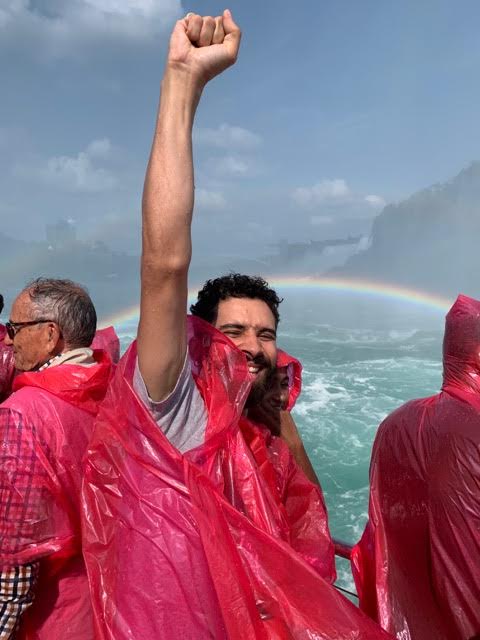
I have always dreamed of visiting Dubai, the city of skyscrapers, luxury, and opportunity. I heard stories of how people from different countries and backgrounds found success and happiness in this cosmopolitan hub, and I found myself wanting to be one of them. That’s why, in November of 2016, I decided to take a bold step and travel to Dubai from Kenya, where I was living, in search of a job.

I was both excited and nervous as I boarded the plane. I had saved enough money to cover my expenses for two months, but I hoped to find a job sooner than that. I had a certificate in computer science and some experience in sales, marketing, and office administration. With these credentials, I thought I had a good chance of landing a decent job in Dubai’s booming economy.

The hunt

I arrived in Dubai on a sunny morning. No surprise there. As I took a taxi to my hotel, I was amazed by the sight of the city’s skyline, glittering with tall buildings and modern architecture. I truly felt like I had entered a different world. My room was a modest space, but perfectly clean and comfortable. After I checked in and unpacked my bags, I decided to rest for a while and then explore the city.

The next day, I woke up early and got ready for my job hunt. With my resume ready and several copies printed, I began my search, starting with a list of potential employers that I had researched online. I planned to visit their offices first and drop off my resume, ultimately hoping to get an interview. I also registered on some online job portals and applied for various positions that matched my qualifications and interests.

I spent the next few weeks in a cycle of repetition: visiting offices, applying online, and waiting for responses. I also tried to network with some people I met at the hotel, the mall, and the mosque. I hoped to at least get some referrals or job leads from them. Throughout this process, I remained optimistic and confident that I would find a job soon.

However, as the days passed, I realized that finding a job in Dubai was not as easy as I had imagined. I faced many challenges and disappointments along the way, such as the competition, the cost of living, the culture shock, and issues with my visa.

Dirhams and dilemmas

Dubai is a popular destination for job seekers from all over the world, with thousands of people competing for the same jobs. The plethora of candidates allows employees to be extremely selective. Unsurprisingly, they often preferred candidates with more experience, higher education levels, and better connections than mine.

To put it bluntly, Dubai is an expensive city to live in. Everything from rent, food, transportation, and entertainment costs more than I had initially expected. I had to budget very carefully and limit my spending. Unfortunately, this meant that I simply could not afford to go out and enjoy the city’s attractions or nightlife. I had to save every dirham I had for my basic needs and in case of an emergency.

Being a hub for job seekers and people from all around the world, Dubai is naturally a diverse and multicultural city with its own culture and traditions. I had to quickly adapt to the local customs and etiquette, such as avoiding public displays of affection. I also had to learn some Arabic words and phrases to communicate with the locals — unrelated to my native Luganda. All of this combined to cause me to at times be acutely aware of a sensation of culture shock, out of place and lonely in this foreign land.

I had entered Dubai on a tourist visa, only valid for 30 days. I had to renew it at the end of this period, which cost me 500 dirhams. I also had to exit and re-enter the country every time I renewed my visa, which cost me an additional 300 dirhams for the air ticket to Kuwait. With all these issues, I ended up being very worried that I would run out of time and money before I found a job and got a work visa.

Despite all these challenges I faced, I did not give up on my dream. I kept looking for a job, hoping for a breakthrough. I made the best of my situation, choosing to focus on the pros of Dubai rather than the cons. I visited some of the famous landmarks, such as the Burj Khalifa, the Palm Jumeirah, and the Dubai Mall, all the while marveling at the city’s beauty and innovation. I also met some friendly and helpful people who gave me advice, support, and encouragement. I made some friends from different countries and cultures, who shared their stories and experiences with me. I learned a lot from them and appreciated their friendship.

However, at the end of December, the coolest month, it finally dawned on me that I had failed to make any meaningful progress. I had not received any job offers or interviews, only rejections or even no response at all. Eventually, I had to accept that I had exhausted all my options and resources. I had no more money to pay for my rent, visa, or food. I had no choice but to return to Kenya.

Beyond sour grapes

I felt sad and disappointed as I packed my bags and checked out of the hotel. I felt like I had failed and wasted my time and money. I wondered what I would do when I got back home. I had no job, no savings, and no idea what I was going to do next. I felt like I had nothing to look forward to.

I took a taxi to the airport and boarded the plane. I looked out of the window and saw the city fading away. I said goodbye to Dubai and thanked it for the experience. I also thanked God for keeping me safe and healthy. I prayed for a better future and hoped that one day I would return to Dubai, not as a job seeker, but as a successful and happier person.

The Magic Of Never Giving Up

I didn’t plan to write this article. 

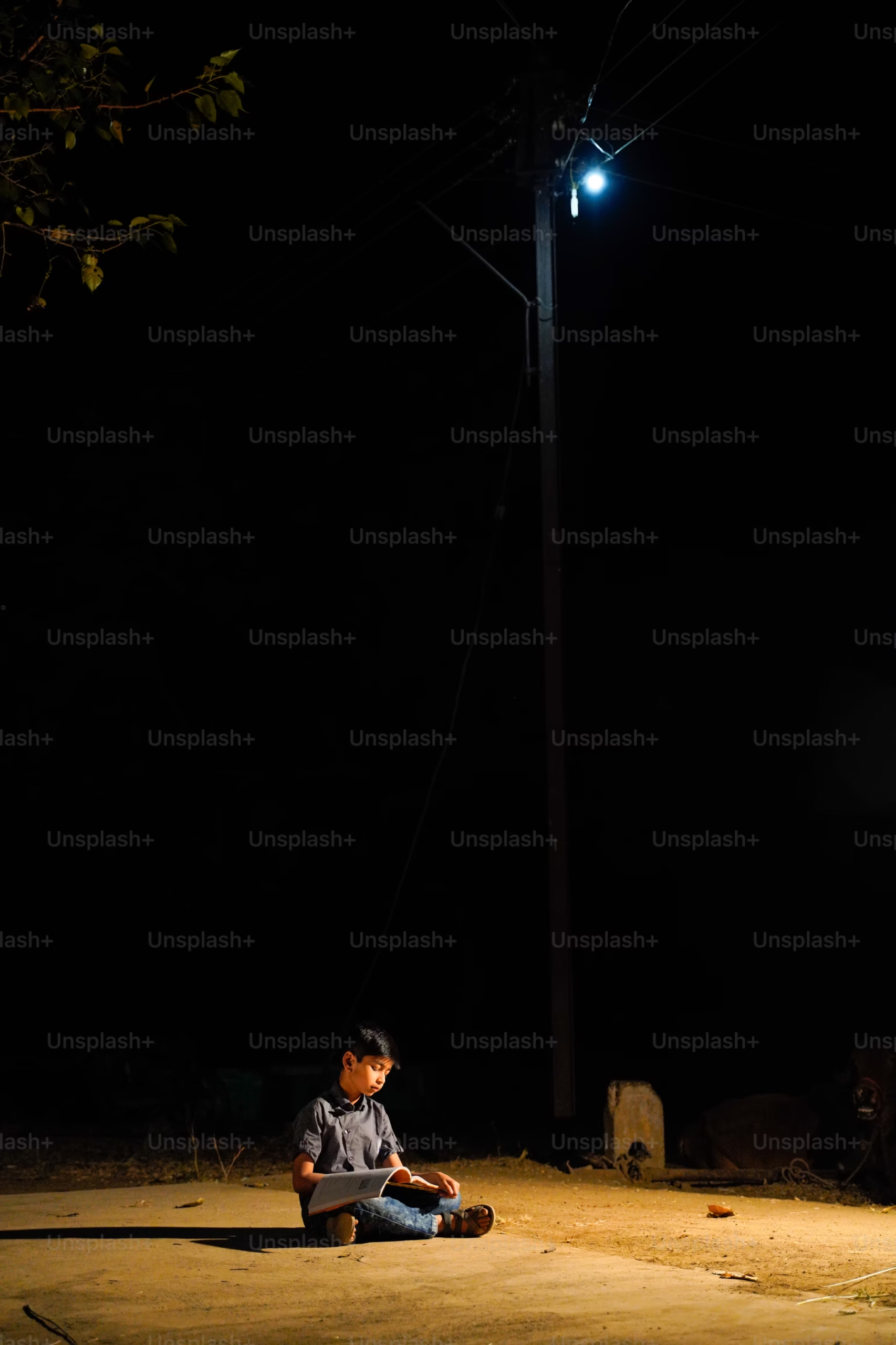
But the young man I am today is a reflection of all my insecurities from when I was growing up. Reflecting on my primary and secondary school days, many people thought I was weird because I was silent and shy. Losing my mum at a young age and coping with my aggressive stepmom was no less than an adventure I never dreamed of. 

My childhood was full of nightmarish times. I experienced more forms of shame and abuse that you can imagine. You don’t have to be ill or poor to live in hell.

(Photo courtesy of Patrick Tomasso via Unsplash)

Schooldays

My days in primary school played a significant role in shaping who I am today. I struggled — my uniform was among the most ragged in the class, torn and dirty. Each day, I was also the last student to reach school, carrying an unbeatable record for tardiness. I didn’t have the prescribed textbooks, as nobody cared to buy them for me. I was growing up on my own. I managed to photocopy my peers’ exercises for the class tests and exams. Taunts did not just come within my family, my classmates also bullied me, calling out a “food beggar.” 

Despite going through traumatic experiences both at home and school, I didn’t give up and held myself strong and determined. 

My focus was my studies. My rank at school was always among the top four students in my class, mostly ranked first, second, or third. 

At a young age, I knew what I wanted, I had set my goal, so I read and read every book I could find. I was among the teachers’ favorites, always obedient and sincere, building good relationships with them. I didn’t get the warmth of family love and the comforts that most of my classmates had, but I barely cared about it and never let it sour me.

While my childhood taught me the importance of humility, it also taught me what it’s like to experience hunger and abandonment. This went a long way in shaping me, and how I interact with others. My troubled childhood made me a more tolerant adult.

Secondary school was better, financially, as I could make some money by copying notes for less serious students. I also became more consistent in taking first positions and that helped me garner free textbooks. After finishing junior secondary (middle school),  I was transferred to a state government public school for my senior secondary education (high school). My class had over 494 students, and I was the youngest or at least one of them. I loved topping the class, but with over 50% of the students being continuing students, it was almost an impossible nut to crack. They understood the syllabus and exam pattern better than I did as an outsider. I was scared but I had to do it, or else get back to my gloomy home and I never wanted that. 

I started my senior secondary first term as the eleventh out of 494 students and then climbed up to seventh position by the second term. Although I topped in my class, that was only among a quarter of the 494 students I aimed to beat. 

(Photo courtesy of Himal Rana via Unsplash)

It was almost a tradition in the school that “ladies always graduated as the best overall” — a girl would always be the topper, and that remained unbeaten for a long time. After attending the graduation ceremony of my senior batch, my determination to top my graduation knew no  boundaries. I did it — I graduated as the best overall and the best-behaved student of my batch. Thus, the tradition changed — a major self-boosting change for me. How did I do it? I ignored the obstacles I faced and went for what I wanted. Was it easy? No. I had to work very hard and be super determined.

Attending my higher institution is another phase of my story, but not much different from my previous stories. Given my finances, I couldn’t get a university admission after graduation. Disheartened but not crushed, I settled for a vocational course, National Diploma. I joined the institution two months into the semester and still managed to top the class in all the semesters.

Respect regardless of status

I sometimes asked myself, am I a guru or a super exceptional student? And the answer was always No. I knew what I wanted and was going to chase it. I’m basically an introvert by nature, but my own nature helped me build good relationships along the way. I helped others whenever I could and respected everyone regardless of status.

Most importantly, I never gave up. There were times when I failed, but instead of dwelling on them, I corrected my mistakes. 

In addition to never giving up, there are certain key lessons that I learned through my experiences …

Sincerity

In a popular saying, “It is better to be trusted than to be loved.” Always keep to your word and be truthful. My sincerity with my words and actions helped me build trust all through my way. 

Humility 

Many people have underrated this very valuable virtue. No matter how independent you are, you still need others, perhaps even the most ‘irrelevant person‘ in the room. One thing I have realized during my journey is that everyone has something to offer. If you neglect anyone because of their status, you neglect the good they come with. 

Emotional intelligence 

You don’t need to take a course to understand emotional intelligence. Listen to your conscience and never rejoice when others are in pain. Then try not to frown when others are rejoicing. Distinguish between your emotions and your work or academics. Don’t let  problems interfere with  progress or else additional problems will pave its way. 

Stand up for yourself and start your engine

You don’t have to be perfect to be great. The president of any country, like my Nigeria, reached greatness in their realm without always being a saintly genius. Sorry. But here they are. Successful people are not necessarily the most hardworking. 

You lose 100% of the chance to succeed on every opportunity you fail to take. No one will penalize you for trying. 

(Photo courtesy of Alexander Grey via Unsplash)

Take advantage of opportunities

There is never a perfect time to get things done. The fact that you are where you are today doesn’t mean you can’t get to where you want to be. No opportunity is bigger than you if you are the driver of your destiny


Concluding thoughts

I remember saying to my younger self that one day I will write about my life experience, and I feel elated anytime I pick up my pen to do so. I know I haven’t gotten to my destination yet, but it doesn’t hurt to get a feel for what the future looks like. 

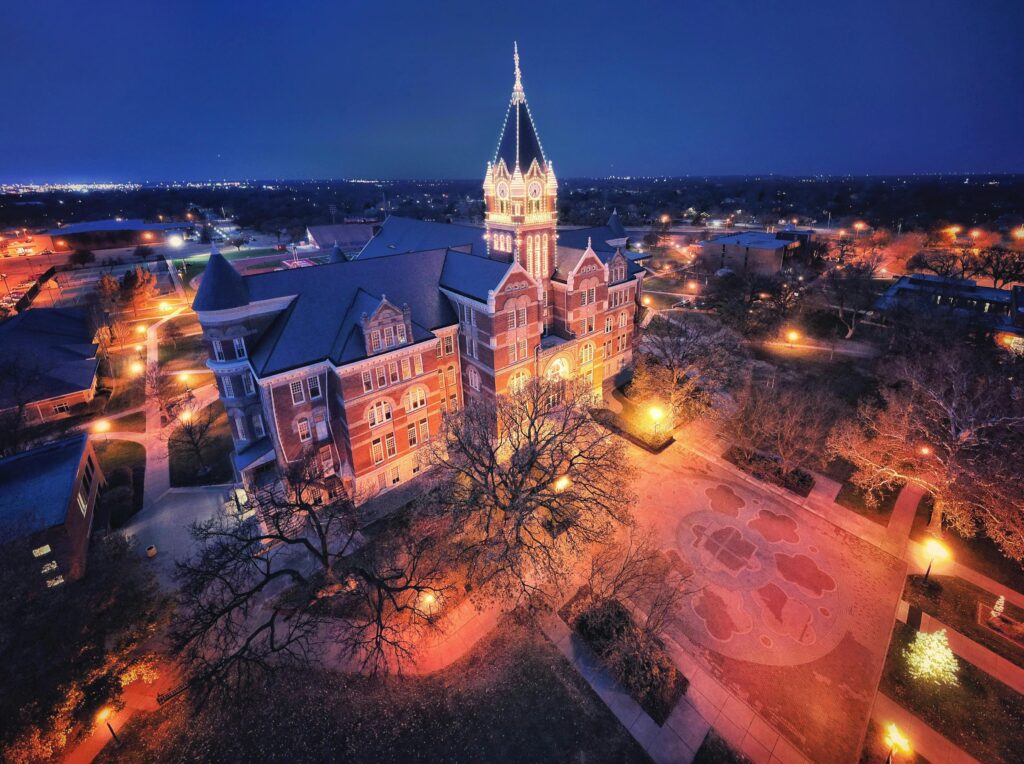
Which Students Does University Life Really Cater To?

When I received my offer to study at a prestigious institution, The University of Edinburgh, I was overjoyed. Still am. I am incredibly lucky to study in the same place as brilliant academics, in a city immersed in culture and history, and to be able to live with my best friends. I will be eternally grateful for the opportunities I have come across here. However, I am almost equally aware that my journey within this university is starkly different from the majority of students — I have a part-time job, I do not have any contact in any large industry, and I cannot afford to financially juggle my food, shop, and additional fees. A phrase that often comes to mind is a well-known one: “It’s not what you know, it’s who you know”.


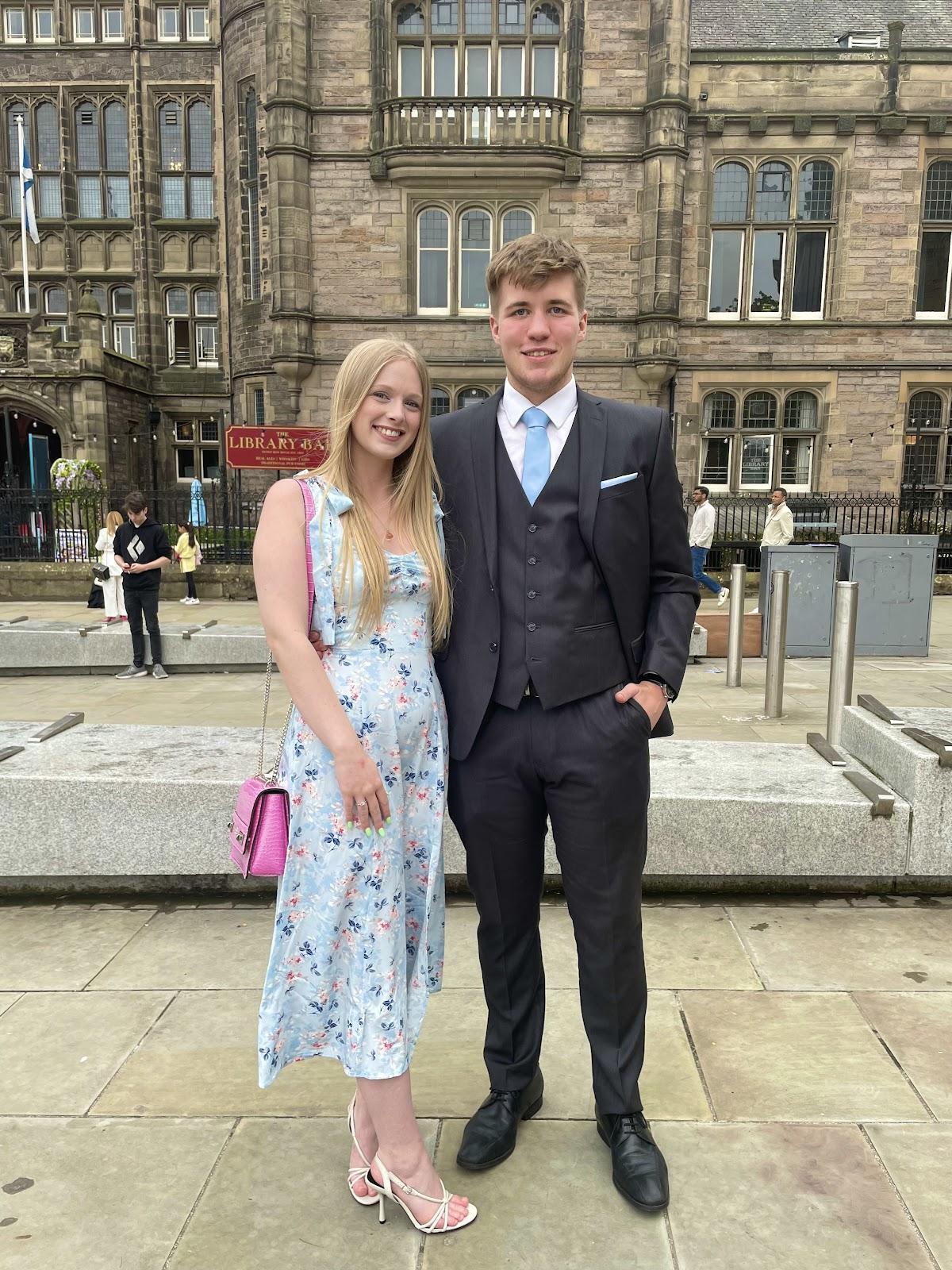
(Photo courtesy of the author)

From state school to uni

I grew up in a small town in North East England and attended state schools my entire life. I did not realize how defining this would be to my identity until I began to attend university. I am not claiming to have an “underprivileged” background or lifestyle: I have a happy family with a lovely home, pets, and yearly family holidays. Yet there’s no doubt that the school I attended has wholly defined my friendship circles, social activities, where I live, the societies I’ve joined, and, essentially, every aspect of university life. 

The varsity’s expenses — a paradox

The first reason for this is arguably the most obvious one: money. Rent prices in Edinburgh are notoriously high, and so the location and size of your flat — as well as who your flatmates are — are, of course, defined by what you can afford. Although notable, I suppose this is more of a universal issue rather than intrinsically linked to university life. What is more significant to the university is the extracurricular activities that are available to students. On paper, every student is entitled to join whichever societies or sports clubs they wish. Practically, this is not the case. 

To join most sports, students are required to pay for sports union membership, gym membership, club membership, kit or uniform, race or game fees, travel fees, and so on. But ultimately, this is not accessible to students of all economic backgrounds. I hear you ask, “But surely the university has done something to help with this?” My answer: “sort of.” I heard from my flatmate of something called the “Learning Opportunity Fund,” where the university would pay up to £350 to any student impacted by recent strike action. This money would provide financial aid to go towards certain opportunities, such as joining university sports clubs or unpaid internships. I thought to myself, “Fantastic! What a step in the right direction!” However, when I went to apply for this aid, I found that it was already closed, surprisingly the funds exhausted, meaning it was not made available even for a full semester. Here, I began to question how the funds could be exhausted when Sir Peter Mathieson, the Principal of The University of Edinburgh, has recently had his expenses for 2022/2023 published under Freedom of Information laws, exposing the fact that the university has increased their payments by £26,000 more than the sum of the previous academic year. This is meant for a range of different expenses, but arguably the most notable is spending £1,089  towards landscaping for Mathieson’s eucalyptus tree upkeep and some painting work. So how is it that the most elite members of the university receive five-figure sums in funding, but I am unable to join a sports club?

Loud whisper of stereotyping

The second experience that has stuck with me as a state school student is certain acts of discrimination. I recall, during my first year of university, a conversation I had with some fellow students. We were discussing topics such as which degree we’re studying, our A-Level subjects, and, by association, the school we attended. Upon revealing that I was state-educated, those students turned around and muttered, “She must have got into this uni on the inclusivity program,” and walked away. 

Based on this experience, I can see why so many students at prestigious, traditional universities experience imposter syndrome. Every day it becomes clearer that getting the same grades and attending the same university does not mend the strikingly obvious class divide in the UK, and that if you went to a state school your work ethic and academic ability are likely to be sneered at. Attending a lecture, tutorial, university event, or social occasion and feeling welcomed should be the norm rather than a privilege reserved for society’s elite. Why is it standard for my peers to be shocked when they have never heard of my school? Or to gasp upon learning that I did not pay for my primary and secondary education, but ended up in the same room as them, nevertheless? To clarify, I do not speak for all private school students here: I have many privately educated friends who aren’t bothered where I went to school. I also have no idea about the schools attended by other friends because it’s simply not on my agenda! But things like scholarly confidence and social engagement should not be conditioned by my education or social class; they should be influenced by my ability to dedicate myself to my studies and who I am as a person.

(Photo Courtesy of K. Mitch Hodge via Unsplash)

Need a little help here

My time at university has always treated me remarkably well, and I’m sure it will continue to do so. I’ll always be grateful for how lucky I am to attend such an elite institution, and I have, indeed, been presented with a range of opportunities, both academic and extracurricular. However, it is my inability to access these opportunities that separates me from a lot of the students here. I feel I speak for many students when I say it is remarkably frustrating to be denied opportunities due to the high cost of living and the university’s lack of financial aid. It must be noted that I truly love Edinburgh and that everyone at this university has worked hard to be here and to achieve their goals. 

However, when discussing students’ pasts and futures, it is clear that university culture embodies the UK’s class divide remarkably well. 


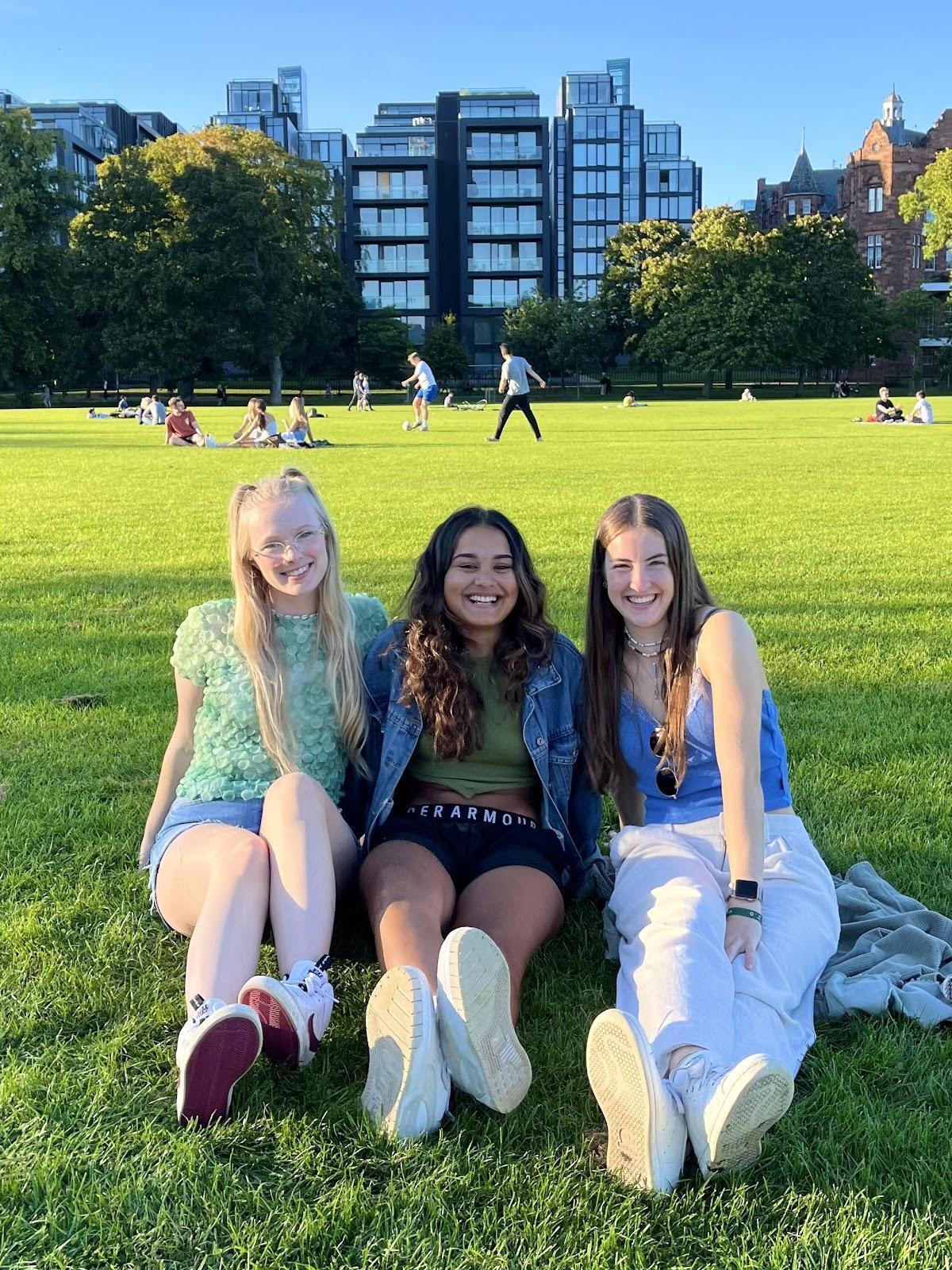
(Photo courtesy of the author)

The Inside Story of a Renegade — What’s It To Ya?

It all started in Wichita, the largest city in Kansas, bustling with the aircraft of Cessna, Learjet, and Boeing. Founded in 1861 as a free state, Wichita was Native American land named after the Wichita and Kanza tribes. This land had a rich, deep cultural heritage predating colonization. Filled with dewy, mystic plains and sunflowers that dance in the wind, Wichita is my birthplace. 

(Photo courtesy of Andrew Cruz via Unsplash)

A few Wiccan friends 

Such a safe and liberal place to grow up, nestled in a place in America called the Bible Belt and Tornado Alley, Wichita had some challenges, too. For those who grew up there and were different in the 1990s and 2000s—life was lived in the tradition of “The nail that sticks out gets hammered down.” It was a very heavily Christian town, and most other belief systems were suspect and not embraced. But I would notice a new kid sitting alone during lunch and instantly befriended them, so they weren’t alone. Renegade. 

I had a few Wiccan friends who were social pariahs. Excommunicated from the popular crowd, they still were my friends. We would walk home from school together and meet their cats. The agnostics, the atheists, the grunge and emo people, the cosplayers; all my friends. Couple them with the Roman Catholics and devout Christians, and you have a full index book of my school associations. No one was left out. I was a friend to the friendless and a bully to the bullies. I still have friends who remind me of times I stuck up for them. Renegade. 

In the spring and early summer, our memories are imprinted with drills. We had to go to the school basement, a musty and dank gym locker room with rusted shower heads and cement walls. We could hear the blaring sirens for miles. Sometimes, we would just line ourselves along the classroom hallways with our heads bent towards the lockers and our hands clasped over the back of our heads. The screaming sound of the sirens would put chills down my spine and create an immediate visceral reaction. Friends’ homes were often destroyed on the outskirts of Wichita due to the tornadoes. But this was home, and we were all used to it. 

(Photo courtesy of Ralph W. lambrecht via Pexels)

Emerging from innocence and charm

My friends and I, and many others in Wichita, were part of a desegregation bussing system. Buses went near and far to take us to Park City in grades K-12. Later to be known as the home of the BTK Killer, it still had its innocence and charm then. I sometimes saw horses, cows, chickens, even llamas on the way to my elementary school, Chisholm Trail—after Jesse Chisholm, a Cherokee merchant. Black Beaver, a Lenape trail guide and cattle rancher, and his friend Chisholm used this trail for cattle driving and trading. 

(Photo courtesy of Phill Brown via Unsplash)

Chisholm Trail was a school breaking barriers. We had a female African-American Principal, Mrs. Saundra Kaye Lyons, and other people of color as our guidance counselors and instructors. We were on the cutting edge of school programs for Wichita and quite diverse.

But in middle school, there was a “magnet school” near my house. The magnet program is another system to attract a diverse student body, a continuation of the desegregation bussing from elementary school. This is where I started to come into myself and learn who I really was.

The facts of Iife crew!

I had a core friend group with three other girls,  the “Facts of Life” crew. I was Tootie, Stephanie was Joe, Leticia was Natalie, and Julia was Blair. When we were together, no one could mess with us. Stephanie was Filipino, sporty, and played soccer. Lucita was black and Panamanian, my best friend from violin class. Julia was a ginger girl who loved animals, spunky, and the first to fight if someone insulted us. When I met Lucita, I was impressed by her basketweave pattern of tightly cornrowed braids. They were immaculate like a work of art. My sister was a hair braider so I found a way to inch into a conversation. Before our conversation, when I complimented her, I had never seen her speak a word to anyone. We became inseparable. I remember one of our teachers comedically telling us to “cut the umbilical cord!” as we laughed feverishly about a picture in our textbook. 

I started to have complex feelings I didn’t understand for our other friend, Jennifer. I kept them in my diary and didn’t tell a soul until a couple of years later. I confessed my true feelings for Jennifer to my bestie, Lucita. She suggested that I write her a letter. I wrote it and put it in her locker, not sure what to expect. Maybe I thought she would be a renegade like me, we’d walk down the hallways holding hands, daring anyone to say anything. Maybe I thought we would stay the same with our flirty yet platonic relationship, but just with an understanding. I did not expect to break up our friends group. 

(Photo courtesy of Marcos Paulo Prado via Unsplash)

And that’s exactly what I was doing, far too much to ask really in small-minded, bible-belted Kansas in the 8th grade. Jennifer was Roman Catholic. She couldn’t publicly associate with me anymore, and I accepted the death of our friendship. 

My secret-laden diary goes AWOL

But fast forward a few months. I left my purse in a class — absent-minded teenager — where I kept my diary. The school jock decided to retrieve my diary and pass it to everyone. A fluffy, zebra-printed, fur-covered little time capsule. I somehow missed it that Friday. On Monday, a girl walked up to me with her jaw open and demanded, “Are you gay?!” I said no……? “Well, your diary is all over school now,” and she walked away as if I was the one who insulted her. I turned the corner, heart beating fast, and wondering about my next move. Then there was a group of people. “Are you gay?!” There wasn’t much I could do to fight it. “Yes, I’m gay.”

But I wasn’t free. People did not leave me alone after my confession. Mobs of people approached me at recess, lunch, and every class. Prodding at me like a science experiment gone wrong. Even some teachers were looking at me like I had the plague. Ultimately, when I retrieved the diary, it was on a teacher’s desk, as if it had been brought in for Show and Tell. Without a word, I grabbed my journal and walked back out. I accepted my new fate as an outsider, like those I had befriended. Thankfully, they were a non-judgmental group of friends. Plenty of the religious ones could no longer associate with me, however. 

My grannie challenge

Being adopted by my grandmother, I had a wisdom most kids my age didn’t yet have. I knew I needed to tell her before anyone else could. I was a little woman in my own right.  We were born and raised in the Baptist church so talking was going to be a huge undertaking. Grannie was the superintendent of Sunday School and an Evangelist. I was the junior secretary there. Her husband had the keys to the church, and we were the first to arrive every Sunday to unlock it. Not going to be easy. 

(Photo courtesy of William Krause via Unsplash)

I was nervous about this confession, but it was too late. I couldn’t put the milk back into the carton, and I didn’t have time to cry over the spill. I eventually confessed to my sisters and Grannie before the gossip. They told me they loved me no matter what. My middle sister told me she was just glad I wasn’t pregnant. My oldest sister said that she already knew. With Grannie, I became emotional. I didn’t want to be a failure in her eyes. She assured me being a lesbian didn’t preclude me from success. She told me to get myself together, and we would talk about it later. One day, I think she just couldn’t hold it anymore and exploded “I’d rather you had been pregnant than gay!” But she eventually came around and even introduced me to an older married lesbian mentor from her workplace. I am to this day grateful for my family’s acceptance, which many LGBT people never received. 

Graduation howling

The last week of school, academic awards were presented in the auditorium before the entire student body. I had joined the cross-country team as a favor to one teacher. I competed in one race and didn’t even finish, but received an award. The entire student body burst into laughter at my name. 

Maybe mild, it felt like outlandish howling. Hey, how would you expect Kansas teenagers to react in 2002?

It stained me. It also built character. Officially out, still working on being proud. 

Manifesting what I really wanted 

The next semester was high school. There were other lesbians in my school, but I still never quite fitted in anywhere. I graduated a year early and wanted to put school as far behind me as possible. 

I went on to attend college to pursue a degree in Psychology. I married my wife, whom I met online in 2002, and we have been married for ten years. She is an Iraqi war Veteran turned teacher and quite amazing. We live in beautiful and accepting Oahu, Hawaii, and happy with our three chihuahua-yorkies. We are currently trying to conceive. Renegade. 

(Photo courtesy of Taylor Hunt via Pexels)

I’m sure Kansas has grown by leaps and bounds since I left years ago, but this was an important snapshot of a time when things were not so easy for the LGBTQIA+ community. It may seem long ago that we were so openly discriminated against, but it was actually very recent and still sometimes happens today. I have also seen many improvements in schools regarding anti-bullying and support for the fostering of strong personalities within very different individuals. Live and let live, and always be yourself. There is a huge payout in the end, and you will manifest yourself exactly where you would have wanted to be in your teenage dreams.

My Immigration Story: From France to Canada

I was born in eastern France near the German border, into a large family of modest origin, all raised by a single mother working as a cleaning lady. We are Algerian, Berber and Muslim, and have been educated in this double French-Algerian culture, which was so unique because of its history.

Despite a socially-valued job, my day-to-day life was sorely lacking in meaning. I was no longer interested in it. I had achieved a dream and I was aware of it and grateful for it, but boredom was getting to me more and more. I kept asking myself: what would the next step in my life be? What new chapter could I write?

Following my dismissal and a romantic breakup, I had the opportunity to travel for a few months, which allowed me to think about what I really wanted to do. 

Back in Paris, I tried to apply for jobs, but to no avail. I was mostly turned down or didn’t get any response. The frustrating thing about France is that you never know if the rejections or lack of a response is due to you, your profile not matching the criteria, mistakes in your application, the availability of another more suitable candidate, or due to the discrimination faced by non-white people.

According to a 2021 study conducted by DARES (i.e. Research, Studies and Statistics Institute – “Direction de l’Animation, de la Recherche, des Études et Statistiques”): “On average, for comparable quality, applications whose identity suggests a North African origin are 31.5% less likely to be contacted by recruiters than those with a first and last name of French origin.”

Frustrated and losing confidence because of these rejections and the lack of responses, I continued my applications to resume my studies. I was convinced that this would give me an extra asset to distinguish my profile and get a job.

After many ups and downs, I got an offer from a prestigious American university, UC Berkeley. However, I couldn’t accept it because I couldn’t afford the tuition fees and cost of living in the San Francisco region, which was crazy expensive, nor did I have solid guarantees to apply for a loan. But looking back, I think that deep down, I didn’t want to do it then. I wasn’t ready. I had more personal things to accomplish, other adventures to live, and all things considered, I told myself that I would probably do it later. I decided not to because I preferred to defer the pursuit of my studies for when I will be ready personally and financially.

“To my great surprise, although I no longer expected it (…) I was randomly selected to apply for a visa to Canada.”

When I was no longer expecting it and had resigned myself to continuing my fruitless search for a job I wouldn’t like, I was drawn to apply for a visa to Canada.

Hope surfaced again when I saw a goal ahead of me. It was as if an angel was guiding me towards another path, my path, the one on which I would finally find myself and experience fulfillment.

I was deeply happy to move towards a purpose, to have a new challenge, to seek and renew myself elsewhere, despite the many worries about the distance from my friends, the precariousness of my situation, and the uncertainty of such a project.

What was I looking for in Canada? What would I find there? Would I find anything? Would I be happy? I asked myself countless questions, but those questions didn’t stop me from smiling broadly when I talked about it.

The application process went well as there are tutorials for french applicants. As French citizens, we have a specific advantage: the working holiday visa is a two-year visa, unlike for other Europeans.

I wanted to live in a North American and English speaking environment, and Canada was a good compromise between European and North American cultures. I heard that Canada was a more open society in terms of gender and identity, unlike France, which follows a logic of assimilation. 

“Despite the odds, all these people continue to move forward, to dream, to dare, to live.”

Overlapping skyscrapers
(Image courtesy of Malik)

A few months later, I arrived in Canada. Everything is different here; the buildings, the people, the language, even the air I breathe. I feel full of energy, overflowing with enthusiasm, surfing on a wave that brings a radical change to my person. The excitement is immense, I want to try many things, to meet people, to experiment, to enjoy life even more. I have real curiosity that needs to be quenched. 

However, I must admit that the pressure is strong. The imperative to find a job and a place to live in order to integrate quickly and to be autonomous is not easy when you arrive in a new country where you don’t know anyone and where you haven’t yet mastered the culture. 

I was in Toronto for two months, planning to move to Montreal in the future, and I felt that it was very hard to connect with people here. I noticed that everyone seemed to be in their bubble and I noticed the lack of interaction between people. 

Toronto is a career-driven city where people seem to pursue personal goals whatever they are without connecting with others, which is really different from Paris and France in general, where things are going on in the streets and where people interact with each other. Although even that seems to be mostly arguments! The most I could get from others was small talk without learning their opinions and perspectives on things, whereas French people have an opinion on everything which I admit can be exhausting sometimes.

The thing I love here is the openness of people and that they care about mental health. They won’t judge you based on your identity or your appearance which is very freeing. The work culture is different and seems to care about people’s well-being, or at least more than in France.

Then I met a group of French people who also recently immigrated along with others who have been in my adopted country for longer. Many of the stories I have collected are inspiring. 

Some of them made a real impression on me, like the account of a 30-year-old young man who was selected to immigrate here last spring and had left everything, even sold his house, in order to come and live in Canada. He told me about his dream of becoming a pilot, which was simply born after taking an airplane flight course that his relatives had given him for his birthday. Today, he is going to Alberta to work at a ski resort for a while and wants to train to soar in his chosen field.

Then, there are two girls who left Montreal to move to Toronto to pursue their Canadian dream and improve their English. I also met a girl from Liège in Belgium who came to be a teacher in Canada and had to change her plans because of the pandemic. She is now an au pair and seems happy.

As I continue to live in Canada and explore more, I aim to discover more about myself and who I want to be, and this doesn’t go without the career pursuit which will come later. I will also keep in contact with the people I meet. As I am moving to Montreal soon and will be meeting a lot of other immigrants and locals, I will nurture and inspire myself with their stories to create mine. In the meantime, even if I do connect with others, I want to write my own story and I need to reflect on all of that to pursue my quest of self accomplishment.

It is all these stories of immigration experiences that are different from mine, and which may seem more classic, that sustain my hope. Behind each person is a story. Despite the odds, all these people continue to move forward, to dream, to dare, to live. They have a thirst for life and experiences that make me say to myself that everything will be fine, and that despite the setbacks, I will land on my feet. Because of them, I now feel that I don’t need to stress myself out trying to achieve an ideal immigration experience, or accomplish a specific ambition, but that I can just live this new adventure more humbly and simply.

I’d like to conclude by sharing that I wrote a list of 30 things to do before and during the year of my 30th birthday, when I had written that I wished to live abroad and especially in North America. I don’t know if it’s a manifestation or a twist of fate, but I think I’m about to realize a dream!