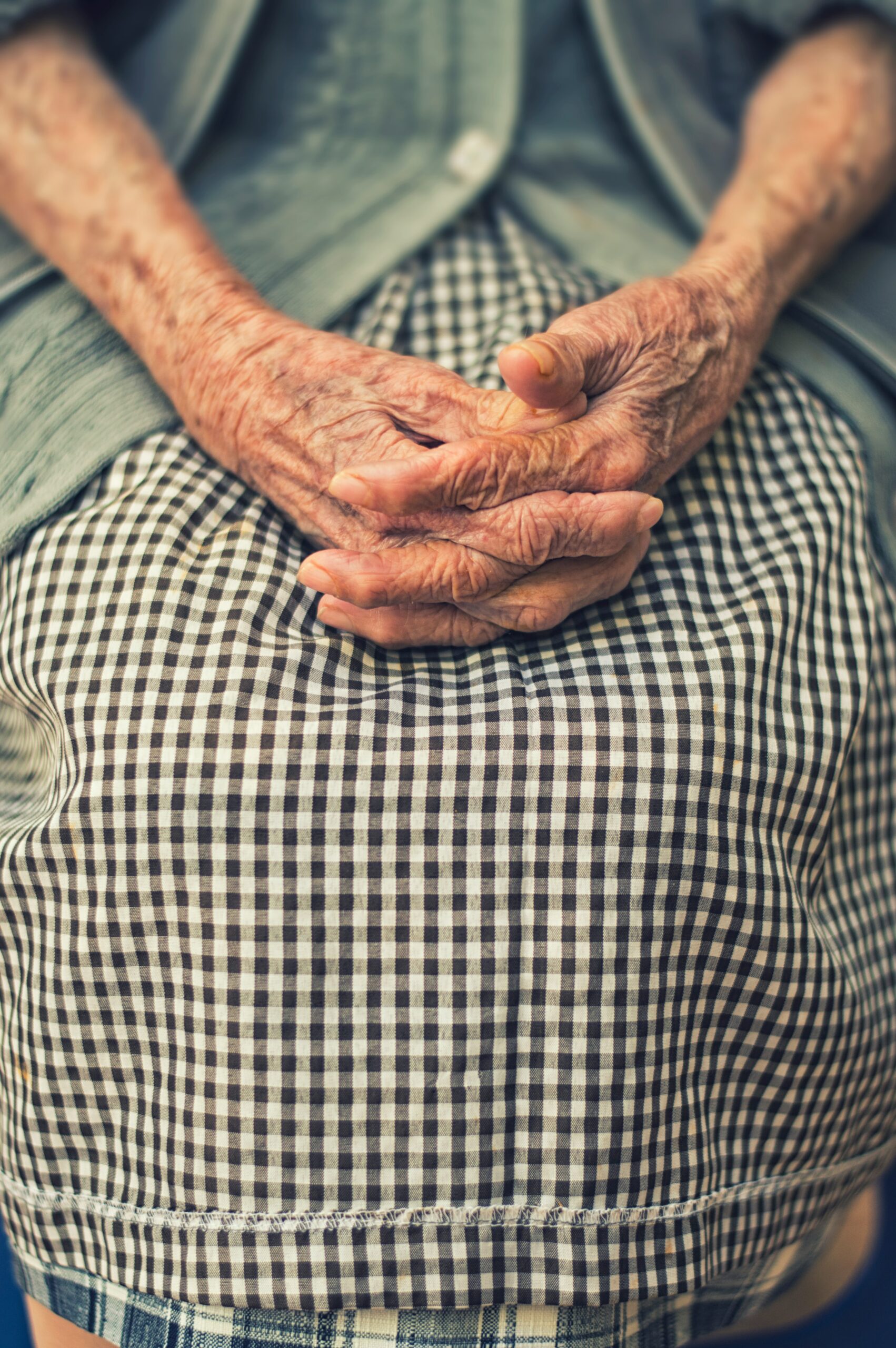
Heavy are the crowns we wear, Invisible, but not silent, Bendable, but not fragile, Loving, self-sacrificing, Unable to be forgotten,
A laurel of desperation, Seeking safety, warmth, and control– Small, but sturdy in novice hands, Arches, possibilities within reach, Fitting loosely on an ambitious head,
An anadem of Renaissance, Provoked by imagination and intellect, Eager, encompassing, One that births revelations, A statement to those who offer their gaze,
A garland of frugality, Dulled and scratched in the face of war, Marred by gruff, firm hands, Witness to crimson, bone, and coal; Treasured even in the new era,
A chaplet of enduring strength, Waterlogged with the weight of grief, Ashes, dense as streams, Polished to a shine with regrets, Dinged, dimpled from the buffeting of obligations,
A coronet of shining radiance Filled with the adoration of her subjects, Jewels, not of decadence, But those that still shine with opulence, Valued beyond her last days, Hidden away between painful breaths,
A diadem of bittersweet ties, Reflecting a lifetime of servitude, Unearthing the value after a dynasty dies, Buffed to a mirror reflection, The lines tracing the story of ghosts,
Heavy are the crowns we wear, Passed onto us from predecessors, Our fingers trace a mottled ancestry to times unknown, But the love and sacrifice are not forgotten.
Growing up, I always thought I would get an apartment near the city. Something bigger but cozy, and not a pain to clean. It would ideally be on the cheaper side, so I could leave it every so often to go traveling, embark on big adventures, and create amazing memories.
That opportunity came soon after I finished college when I got to move to Japan as part of a cultural exchange program and live on my own for the very first time. I was excited to start my new life somewhere so far away — in a land that created the media that shaped my childhood to adulthood, abundant with delicious food, and home to so many cultural sites. I had been studying Japanese in college, so I was extra excited to interact with people and really surround myself within a new environment.
A three-year arc
Living abroad allowed me to immerse myself in the language and culture. My Japanese proficiency improved the more I applied my studies, and my confidence grew as I continued to interact and make Japanese friends. I think what really helped me become more comfortable in a foreign country were the friends I made who were also immigrants with whom I could talk and reminisce.
There were some things I missed about being in the U.S., and some more things that irked me while living in a foreign country, but all in all, I loved my life in Japan. Three years was plenty of time for me to get a feel for living on my own, become my own person, and amass a load of amazing travel experiences to think fondly of. So, when my visa expired, I decided it was time to close that chapter of my life and return to where I left my American story.
So, do I really need to be responsible?
As soon as I moved back home, I immediately moved out to live with my friend. I missed my family, don’t get me wrong, but my learned independence was too hard to give up, and I wanted to continue that lifestyle.
After having worked consistently for about eight years by then, I wanted to take my time finding a job again. At first, I wanted a break for a few months. But who knew it would take ten months to find another stable job?
Not only that, but I had to get new legal documents: my driver’s license had expired, my physical address had changed, my bank accounts had to be updated, and my passport and Global Entry also needed to be renewed.
(Image Courtesy of Nico Indii via Unsplash)
And let’s not forget: getting a phone plus a new number, a car now that I can’t rely on trains or my trusty bike anymore, another laptop now that my faithful one of six years was on its last legs, and a slew of furniture to go into my new abode. Mostly everything had to be used, of course, because I was quickly racking up credit card debt to enjoy my new solo living.
Health insurance, dental insurance, an optometrist, and new medications didn’t exactly make reintegrating back into American life any easier, either.
On top of everything else, I had to figure out my tax situation now that I was back on American soil. While living in Japan, I was also part of the mandatory pension program, so working out how to get my money transferred over, how much the fees were to take care of it in Japan, and how much taxes were going to be in California made me seriously contemplate leaving the $2,000-ish amount with the Japanese government.
My social life
Setting my life back up was an overwhelming challenge. There were so many things that needed to be accomplished in order for me to enjoy myself again. But once I was back on my own two feet, I was excited to go back out and meet up with familiar faces. I had made a couple of trips back home throughout the years, but it was never enough time to do everything I had wanted to do before I had to get back on that 12-hour flight.
It was great to be able to talk face-to-face, in real time, and to physically hold my friends and family. Re-visiting my old haunts and finding new restaurants was also an exciting adventure as I re-familiarized myself with the area.
The sad thing was that some of the friends that I thought I had close relationships with ended up fizzling out. I did my best to keep in touch with the friends I made abroad, but much of our conversations were hard to maintain due to the different countries, let alone the time zone differences. So, when I realized that some of my friends had either moved on or moved away, it felt like I missed out on the opportunity to keep our relationship intact. Not to mention finding my favorite places either closed down or changed beyond familiarity — I’ll never be able to enjoy fro-yo on my way back home from a jog ever again.
(Image Courtesy of engin akyurt via Unsplash)
But on the brighter side
Life happens. Even if I did stay in my hometown, friends would’ve moved away, I would’ve changed careers, and that corner restaurant I went to every month would’ve closed its doors eventually. The “fear of missing out” makes one try to take life on and tackle new challenges. But it can also be applied to not wanting to change, too.
What if I leave, and I end up missing these life events? I was just here last month, how is it gone already? Why should I move to somewhere I don’t know anybody?
I’ve dealt with some hard life events while in the States and living abroad in Japan. However, I don’t regret starting that new journey because it consisted of multiple smaller trips and adventures that I feel truly helped establish my character and outlook. Re-integrating myself back into my old life was challenging, but it wasn’t impossible. The experiences I gained helped me cultivate new relationships, which then led to even more exciting adventures.
Rolling with the punches is a life skill I try to maintain, and I wholeheartedly encourage anybody to try taking that leap of faith. Because more often than not, you can go back to that starting point and try again.
“No, I don’t want to. I don’t need to have a reason.”
If she doesn’t want to go, then forcing a meeting isn’t going to change her mind.
“I’m hanging up.”
I watched as the young customer made her way to my front desk, carrying a few volumes from that new series currently popular on social media. The promotional artwork around the display table sure was eye-catching.
“Find everything okay?” I asked cheerfully.
“Yeah, do you know when the next volume will be out?” she asked as she rummaged through her shoulder bag.
“The company said I should expect it in a few months. There’s been a delay in printing, it seems.”
“I heard the same thing. That gives me time to catch up, then.”
“I’ll let you know if I hear otherwise next time. Anything else?”
“No, no, that’s it.”
“That’ll be $64.92. Need a receipt today?”
“No, thank you.”
I bagged her books with trained speed as I watched another customer amble through the door, setting off the bell hanging in the corner. I bade her goodbye as she scrambled out into the breezy fall afternoon, and wondered if the series was worth reading. The premise of a romantic comedy about a zombie didn’t really appeal to me, but manga is a lot easier to read, so maybe it wouldn’t be too bad.
Will she go see him? Telling a young girl like her to do something out of adult obligation never works out.
(Image courtesy of Nathalie Stimpfl via Unsplash)
My thoughts were soon filled with far-fetched imaginings as I pushed my cart of books to re-shelve. Awkward childhood, familial spat, the parents wanting something in return?
“Excuse me,” an elderly man perusing the autobiography section flagged me down. “Where do I find ‘The Tell’ by Amy Griffin?”
“Right here, sir,” I answered, showing him the shelf further down the aisle. I watched him pick up the book and start reading the jacket.
Huh, I wonder if it’s any good? I wonder how he got to know about it?
I spied Oprah’s Book Club symbol as I continued to re-shelve and made a mental note to look it up later.
“No, your family is condescending, doesn’t have any basic civil manners, and they all chew with their mouths open. I am not going to go just to have them make snide remarks about me and my ‘middle management’ job.”
I paused as I heard a whispered, and very heated, conversation from the end of the row.
“Listen here, Lisa, if I have to go, then I will tell them about our divorce myself the minute I walk through that door.”
If my eyes could have opened any wider, they would have. I looked around me to see if any other customers were in earshot, and then realized what section he was in.
Heh, Self-Help.
I spun on my heels to go the long way around, sneakily catching a glimpse at Lisa’s ex-husband, and started humming to myself. My phone chimed, alerting me to a calendar reminder to start ordering the spring reading list for the local high school. My store doesn’t get many students coming through for mandatory reading materials, but classics and Shakespearean titles will occasionally sell if the covers are visually appealing enough. The Used Books section also gains traction if I update the prices online early enough.
The profit margins aren’t too big, but my cozy shop has seen steady business and moderate success since I opened a few years ago. I can’t compete with warehouse prices, but I’ve tried to make my corner of the book world appealing.
Oh, Jeremy stopped by. Wonder if he’ll like any of these.
I gave a cheery greeting to one of my regulars as I dropped off my haul, made small talk, and started pushing my book cart back to the other side of the store. I glanced slowly back and watched as Jeremy made his way to the pile of tomes like a dragon eyeing a new treasure. He sure didn’t hide his love of used books.
I’m sure half his library is from here. Oh, wait, does he shop at other bookstores? What a cheater!
(Image courtesy of COPPERTIST WU via Pexels)
I chuckled inwardly before spotting Marge shuffling toward my desk. Pushing my half-emptied cart to the side, I briskly walked to the front and called out to her. I asked how her new grandchild was doing and learned he just got let out of the NICU and would be able to go home with Cathy and Erik soon. When I asked about all the cookbooks she had picked up, she said her best friend was flying in to visit for the weekend, and they were going to try out some recipes.
“If I don’t get through them all, I’m sure Erik would take them from me. Cathy sure does love his cooking.”
“Oh, I bet. A new mom doesn’t have the energy to be standing in the kitchen, right?”
“Quite so! Oh, that reminds me, maybe Betty and I should make some dishes to bring over to the hospital. It’s been a while since everyone has seen each other, probably not since the wedding. Oh, I should tell Betty. We’ll go shopping for some additional goodies when she lands.”
“Maybe for diapers? Can never have enough, I hear.”
“Oh, that’s too practical. No, it needs to be more fun.”
“A framed picture of diapers, then.”
“Now that’s the ticket, dear!”
I wave Marge off and internally hope Cathy is up for company this weekend.
Well, if Betty can cook, I’m sure she’ll be welcomed with open arms.
(Image courtesy of Ivan Samkov via Pexels)
My attention snaps to the next customer, another regular who works across the street at the coffee shop. We chit-chat about how slow things have been this weekend, theorize how the weather must be making everybody stay in, and gossip about the new flower shop closing down in the next plaza because they were caught working as a front.
I watched him hold the door open as two teen girls giggled their way in and made a beeline to the romantic zombie table. Their squeals and hushed conversation were just barely audible from my post. I positioned my stool under me as I went through my purchase orders, inquiries, and updates on the computer. The bell brought my eyes up to another teen girl. She saw me first, but instantly looked away as her friends called her attention. I watched as she half-jogged her way over to them, turning the squeals from a duo to a trio, when Lisa’s ex-husband suddenly came into view, plopping a basket half-filled with self-help books and various manga in front of me.
What did Lisa do? What did you do?
More wild imaginings ran through my mind as I rang him up, my customer service routine on autopilot. “Find everything okay?” “Fine.” “Are any of these gifts?” “No.” “Would you like your receipt?” “No, thanks.” “Here’re your bags. Thanks for coming in.” “Bye.”
Hmm, what did you see in him, Lisa?
Out of the corner of my eyes, I watched the girls perform a rousing game of “Rock, Paper, Scissors” as I turned back to my computer.
It’s almost closing time.
I pushed the intercom button, alerted my customers that the shop would close in thirty minutes, and resumed my work.
Let’s finish this quickly.
I quickly clicked through my orders, jotted down the titles I would need to find later, and closed out my windows as a line started to form. The end-of-the-day rush doesn’t last long, but the quicker I can shoo people out, the sooner I can resume my librarian duties and pick up food on the way home.
The elderly man left holding a few books that Oprah had recommended.
Jeremy took about a third of the books that I returned.
A few customers walked out empty-handed.
The girls chittered excitedly about who got to read volume one first, how unfair it was, and that they called dibs on the next volume release. I interjected that it would only be a few more months, which prompted loud exclamations that the first girl needs to read “super-duper fast, or else!”
I walked Lenny, another regular, out, gossiping about the latest celebrity news until they turned a corner, and closed and locked the door. I groaned out loud at my checklist before placing my to-go order.
Twenty minutes to close up.
I zoomed through the now-empty aisles to grab any books that looked out of place, wrote down tasks to take care of in the morning, and shoved the list into my bag. Finishing the closing procedure quickly, I grabbed a book on my way out the door, and locked up the shop.
I need to finish this before Jenny comes in tomorrow. I can’t have her spoiling the ending for me, not again.
Making my way to my car, I gave one last look at my darkened windows before waving goodbye to the coffee shop worker across the street. He stopped bussing the table to smile and wave back.
Today, in the stillness of winter, I realized how brilliant my twin brother is. I have always thought of him as highly intelligent. More than that, though, he is a force of good in my life, a being who encompasses constancy, sincere honesty, and all of those facets of society that I wish I beheld more often in other human beings.
Truthfully, I have been struggling with maintaining the same vibrancy I see within him these past months; I find myself looking for the broken pieces of our world upon which to cut my fingers. And there he is: always ready to mend my hands. I cherish him.
One afternoon, while we were walking through the brisk and battling winds of snowfields, we talked. We shared how we were feeling, how we viewed humanity’s tangible vicissitude, and my twin gently reminded me of the triumphs our world continues to nurture in defiance of the tragedies we are living through. However, what I found so powerful was that, unlike my prevailing bias in placing human beings at the center of all achievement, my brother discussed the success of plants, of things that grow simply because they must.
He described the delicacy of peonies, how they flourished, what they symbolized, their perfect mutualism with the ants that could spoil a picnic and also cause sweet florescence. He spewed metaphors and similes as verdant as the plants whose names he recited, relaying how much we can learn from “those whose speech we rarely stop to listen to, let alone attempt to understand.” I found myself staring at the snow, imagining boughs and buds bursting forth with a vigor I could only hope to emulate.
My brother’s willingness to casually gift me the knowledge that would allow me to engage with nature in such intimate ways was akin to anything I have felt with someone I truly cared about, through reading poetry, tasting the best meal of my life, or landing a new job. It was euphoric, and all he did was describe to me how other living things continue onward despite global atrocities. I felt changed, and welcomed once more, by the living lyceum surrounding me, bestowing silent revelations. There were a few brief moments of envy when I desperately wished that I had arrived in this proverbial place of quietude on my own, but I was comforted by the fact that I have far more conversations, with both my twin and the plants whose languages I have yet to comprehend, to learn from and savor.
***
My brother’s generosity in welcoming me into the sanctity of nature felt healing, potentially from some hurt that had not yet been inflicted, and would now be wholly prevented. It felt rapturous, and so I asked him of other marvels that he leaned on in times of misery. He then spoke of “moon trees.”
For anyone who is unfamiliar, NASA launched Apollo 14 to orbit Earth’s moon in 1971. Aboard the vessel were astronauts, provisions and equipment, and tree seeds that Stu Roosa (the command module pilot of the mission) had stowed away. These seeds traveled through the void and the stars with the crew, and, upon returning to Earth, they germinated and were distributed across the world to national parks and historic locations. The saplings were strong, and, in some aspects, considered to be imbued with an abstruse vitality. They were fondly referred to as “moon trees,” and many continue to prosper today despite everything.
In 2023, more seeds were ferried to space upon the Orion spacecraft. These precious beginnings traveled thousands of miles for over a month before returning to Earth and being cultivated. This time, however, the moon trees were granted to schools, children’s camps, town halls, and community parks. In fact, organizations from across the globe were encouraged to write to NASA and illustrate why these precious trees would be beneficial to their communities, garnering over one-thousand submissions. Students, teachers, construction workers, hair stylists, and other changemakers wrote about the nearly ineffable hope that the moon trees represented and how they would remedy the increasing apathy of our celestial sphere by bringing everyone together.
My brother then described his own adventure locating a precious moon tree at the botanical garden where he once worked, and how he had made a point to map the location of the tree, a sturdy sycamore, so that everyone in the area could marvel at it.
“It is magnificent,” he said as we walked, our warm breath misting in front of us. “And it is important for others to see that.”
I found myself getting emotional, recognizing the goodness within my twin, and understanding that he himself is, in more ways than one, a moon tree of sorts. He is someone who, like the powder-pink peonies, provides a sweetness that I crave in this bitter reality. He is a being, like the moon trees, who grants his own energy to lift others around him, all while harboring that same spirit that can only be born of stardust and moonlight.
I am proud of my brother for the numerous achievements that punctuate the years of his young life, but I, as his twin, feel fortunate beyond words that I, being half of something that also created him, could potentially be a moon tree to someone someday. I could become the peonies, in early spring, that don crowns of blushing heads, gilded in ants and glistening sugar.
I can choose to grow, whether it is in my ability to say that I was wrong, or to seek to understand when someone else fails to admit that they need help. I should prune my pride so that it does not become hubris, and I can nourish my everyday with humility and gratitude. Most importantly, I must decide to love without condition or expectation. For then, I may be pleasantly surprised when someone reaches out, bouquet in hand, to love me in return.
Yes, I believe that my twin brother has a brilliance that I rarely observe in other souls, but that is precisely why I am so grateful to discover it all over again, on our walks together, during these wintry days. He, along with Mother Nature, generously remind me that I may yet bloom in the snow and ash that surround me.
(Image courtesy Photo by Anastasia Sineokaya via Pexels)
I’m all too familiar with that clench in my stomach when I first enter a room, knowing it’s full of strangers and not a familiar face in sight. From childhood and well into adulthood, most of us worry about relationships or connections to alleviate loneliness, myself included. Making friends is part of our nature, forming packs or groups to make it easier to survive.
There are a myriad of reasons for me to make friends. Sometimes, though, there’s even more to let them go.
Can I? Should I?
Relationships serve a purpose, whether they are short-lived or long-term. Many times, though, the acquaintances I’ve made are just that: acquaintances. Often, I think to myself, “I really should reach out to that person and see how they’re doing. I should get around to seeing if they want to hang out with me.”
But do they even like me? Am I coming across as annoying?
I would send a text or message to ask how their life is, and I would get either one or two responses back — sometimes no responses at all, and that’s where it hurts. Our half-hearted exchanges show that we’re not in each other’s lives anymore, despite our once-lengthy conversations into the night. I sometimes feel like I’m the only one carrying the discussion. The group chat where memes and jokes were constantly thrown around has been quiet for years now. The childhood friend I’ve known literally my entire school life from kindergarten through all of college is no longer there. We’ve all moved on to pursue different careers or relationships, and we can’t go back. Our roads have diverged.
But that’s okay.
It has to be. And it will be — eventually.
Distance is hard, but also helpful
I’ve gone through my fair share of relationships. We swear to keep in touch, to not be a stranger, to reach out and keep each other in our thoughts. But it’s hard. Proximity keeps them in sight, making it easier to engage, to laugh, to share memories. To overlook irks, red flags, or disappointments. When they’re not right in front of me, how do I maintain that level of closeness? Is it yet possible for us to maintain the connection?
Or is it time to move on?
In other situations, our personalities just didn’t jive, or they felt like a negative influence in my life. I shouldn’t have to validate their happiness with my unhappiness, should I? It hurts when others think I’m being childish or insensitive, but I don’t want to have to justify their negative behavior to make them feel good about their life choices. Toxic relationships can be detrimental to our happiness, whether it’s family or friends — and it hurts more the closer we are to them. I want to stay by their side because they’ve known me the longest, so how can I accept that they don’t need to be in my life anymore?
I’ve found myself at the teetering point of a few relationships recently. They were great work friends, and we’ve spent a lot of time together laughing, eating, and enjoying life. So when it came time to quietly let them go, it was neither easy nor sudden. I had to come to terms that I couldn’t reach out to them quite as easily or look forward to seeing them in person again. We weren’t working together anymore by that point, and we lived in different parts of the area. We didn’t particularly share any recreational activities or hobbies, and our tastes in music and movies were vastly different. It was one of those situational relationships where it worked until the situation changed.
(Image courtesy of Duy Pham via Unsplash)
Relationships serve a purpose
Biologically, we look for others to be with because there’s safety in numbers. It helps alleviate the burden and stress, both physically and mentally. It makes it easier to tolerate loneliness because we have precious memories to think of fondly.
I have many lifelong relationships that I’m thankful for. Some I’ve found late in life, and some after much heartache — some even after we’ve diverged and forced our way back into each other’s way. I’m grateful for the friends I have now, and also to the ones I’ve had to let go. For the sake of my happiness and well-being, it’s healthy to reevaluate relationships once in a while to gauge just how much better my life is with them. But I also know I need to focus on learning to love myself; only then can healthy friendships grow because I know exactly what I should be looking for, what I need in a friend.
I like to believe my past relationships were mutual understandings. We needed each other at that moment, and we’ve served our purposes. Could I have put in more effort? Yes. Could they have as well? Also yes. Finger pointing and victim blaming is impractical because there’s always going to be another chance to be better, and I’m grateful for that opportunity — to be an even better friend to those I’ll meet in the future. As a millennial, I’ve often lamented that it’s hard making friends my age, but it’s not impossible. I know that now.
Sometimes when we’re young, or even as adults, we want to play that childhood game of imagining “What superpowers would you like to have if you could have anything?” The first things that come to mind are usually invisibility, flying, reading minds, teleporting, the ability to see into the future. What about forgetting all the bad experiences we’ve had throughout our lives? That’s a superpower as well. Why not!
But what if that superpower grew out of control? What if that game slowly became your reality? What if no one noticed at first, but your forgetting superpower ceased to remain silent and crept like the shadow you and the people around you could no longer avoid.
If your superhero forgets, are you ready to be forgotten? Is anyone? Of course not!
Not only is being forgotten by someone whose life you are a part of not easy to accept, but it feels like the loss of their memory robs a little part of you as well. Because our existence depends on the memory of others. A little part of you is lost as someone’s memory of you fades. I don’t know if you agree with me, but look, it’s true. I have seen what happens to our lives if our loved ones don’t remember us.
The experience…
It all started with her losing her keys, leaving the stove on, forgetting to return home, forgetting how to cook her favorite dishes, consuming toxic products like kitchen products or ant poison, forgetting who she was and who we were, forgetting her own face in the mirror, being surprised to be told she was a mother and grandmother, and forgetting that she exists even while knowing she’s alive.
Little by little, she lost the ability to speak, although she makes herself understood. Her Catholicism remains intact, and every person she meets receives a blessing from her. Que mi Dios la guarde y la proteja. Amén (“May my God keep her and protect her. Amen.”)
The irony is that in the rush of losing her memories, she is returning to a past that is still present in her mind. She doesn’t know what time she’s in. She completely lost track of time more than 15 years ago. Since that cloud descended, it has hung constantly over her memory, her life, and withered the trunk of a tree that sustained the strength of the family… because yes, I write about Abuelita, an illiterate woman whose intelligence always allowed her to embrace life. Today she could be a master of time, of the eternal moment, and of all existence without needing to know tomorrow. Now she is a stranger to the immediate moment, a slave to time, and someone whose existence forgets yesterday.
Silently, she began to suffer without anyone noticing. As she tried to recall why she couldn’t remember things, her routine dwindled to one day at a time.
Today, the monster in her head has nothing left to eat. Even as she is forgetting how to walk, I am still following in her footsteps, and the Earth still feels the weight of her bones that refuse to surrender. She just enjoys one day at a time. I don’t know what kind of thoughts she has; she only talks to herself. Understanding her is like trying to understand a smile. I don’t know what time it is to her; we only enjoy her existence to keep her presence in our memory; and I often don’t know what time it is either; we simply forget time when we are by her side.
The Monster…
Alzheimer’s has distorted the challenge of understanding the eternal farewell, hidden the awareness of a time that has expired, faded the reflection in a mirror that will soon break, and stopped the hourglass at the instant when all meaning in life fades. Sand grains frozen in free fall.
The Monster affects neuronal tissue, which adults have on average close to 100 billion of. Even
a newborn has around 223 million. Neurons create, and recall memories, then protect them. However, when they begin to disappear, a person’s behavior changes. Some become similar to a three-year-old child. I’m not sure how many neurons my grandmother has today.
She began to suffer in silence, without anyone noticing. As she tried to process why she couldn’t remember, her routine gradually became a puzzle where she constantly had to find the pieces to put her mind back together, until one day she gave up. The pieces didn’t fit together, they were lost and disappeared, leaving a half-finished, meaningless game that was eventually swept off the table and onto the floor. Today I wonder what her last thought was before Monster took charge.
***
When today leads to goodbye…
Today she is 92 years old, and this all started when she was about 60. She used to tell me I was her favorite person—she’d told me that since I was a child—and now that I’m an adult, those words live on in my memory. Today she smiles with a lost gaze, trying to identify the person in front of her, but she can’t.
I struggle to understand her struggles, and to calm her anger.
She goes where her steps want to go, because memory doesn’t reach any corner or space.
Memory is a treasure we should all cherish. It’s a magic box where time should be itself and nothing changes. A lockbox where we can keep control and no one can steal any of it. A transparent box where we are the eternal instant that allows us to be alive and no one suspects it. And where experience is captured and refuge teaches us — a permanent storage box where we keep the life in a body and a body in time.
Yet, I don’t know how many secrets we keep, how many stories no one knows, and even… how much time we have to preserve our lives before an outsider tries to invite us on a journey into oblivion.
I haven’t said goodbye to her yet. Maybe I’m not ready, because when I am, she suddenly remembers my name, suddenly my time and hers stop for a microsecond, and suddenly the call of hope makes sense… but nothing happens. They are just shooting stars that cross our path to remind us that everything built in life also dies in life, and with it, a hundred stars I’ve seen.
I’d never questioned it, but Alzheimer’s is the answer to understanding that memory has its time, it has a limit, it has an expiration date, it has an end, and it has its own cycle, but all within our own reality.
That game of “What superpowers would you like to have if you could have anything?” is not, for many, an imaginary world, but a reality in which the life of Alzheimer’s itself is silenced behind those who live it.
Faced with the refusal to accept that death also lives within us once, time is no longer the obstacle many fear.
With the ever-increasing population comes a decrease in resources. Or will the next baby be the genius who solves hunger, poverty, cancer, pollution, dry skin, and loneliness?
This confusion is but one area that gives people difficulty in choosing their careers, while others seem to fall into a pot of gold.
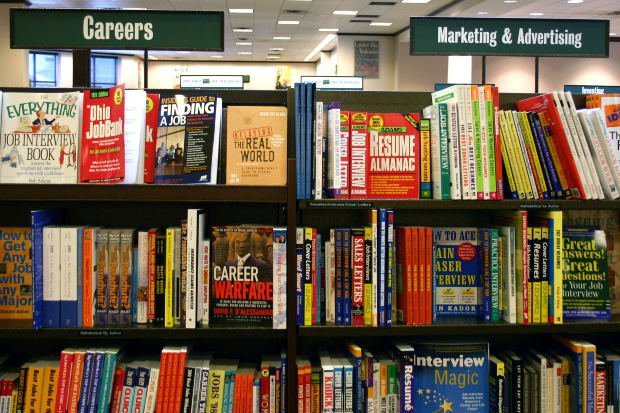
There is always pressure when it comes to one’s future in terms of work and source of livelihood. Have you ever been in a position where the career you adored suddenly became an out-of-choice nothing? Maybe it is overcrowded or not looking as lucrative as it did. Many times, people find themselves in career paths they never had a passion for. Then the passion rises later or never at all.
Having witnessed these questions, you might wonder how you will know what your career will be in the long run? Who doesn’t want the job/career that is the match made in heaven?
Career choice is indeed different from the actual career itself. For many people, there is the bitterness with their job. For instance, you might think teaching is just tutoring and lecturing in front of students, but there is much more: the commitment and all the professional documents you need to become the ideal teacher.
Now, for someone falling into the dilemma of what his/her career will be, here are some points that I found will keep you at peace when you are ready.
Look at yourself, look at your options
These bits worked for me, and I am sure they will help you too: Self-observation and considering many options. Recognize and evaluate your skills, interests, values, and career objectives, but don’t forget to find out about the job market, to project salaries and scrutinize educational requirements.
Who am I, and what skills do I have now or need soon?
Employers are all looking for skilled employees. Someone who they are sure will bring value to their place of work. You need to understand what set of skills you have that you can execute for top results — productive and unique.
For instance, when I was about to apply for the post of Student Outsourcing Coordinator at Biomed Laboratory Limited, I was obliged to read and evaluate my experience and honestly scrutinize myself if I had what it took to take up this role.
Although the job requirements stressed knowledge of microbiology, histopathology, and neuropathology I had trained on during my studies, I was still not certain if I had the skills right and went back to my notebooks. I even called my former facilitator to help me understand what the job demanded. Having done all this, I realized that indeed I had the right skills, and so I applied for the job with courage. Through my field experience, I developed skills with real applications, not just theory.
How would I recognize my true interests?
Most people have fallen into the trap of getting into careers that they never wanted or had a love for. This is the point where the CVor resume is convincing, but is full of uncertainties. I was almost becoming a victim of this frustration when I was applying for the Outsourcing Coordinator position for Biomed Lab. I saw it was important to follow what resonates well with me, working with students and assisting them in getting lab training. The fact that I was the bridge between what they learned in theory and actualizing that material in real world situations is what motivated me.
Surely, my interest was not in working in the lab only, but also in helping others get a chance to create an experience. So first understand what your passion and interests are — things that when you do them, you feel motivated, and not because you have no other option.
Do the company values match my own?
You need to make sure that the career you yearn for holds the matching set of values and principles that will set the ground for an easy time while at the job, and not those that will conflict with your standards. When I joined Biomed Lab as their employee, the work environment was in harmony with my values of cooperating instead of competing, with good communication and a genuine urge to help every student achieve their goals.
Yet I was afraid that the experience I had during my internships would recur in this new work environment, where nobody cared about the feelings of an individual, only what they gave to the company. But I am happy to say that at Biomed, we share values, making my job enjoyable — fertile for growth —and therefore more meaningful than the internship.
(Image courtesy of name_ gravity via Unsplash)
Which career objectives will make my career bloom?
Objectives are very important to sift through when it comes to knowing how your career will grow. Before you choose that career, plot out the goals you want that field to achieve clearly and understand how you will achieve them within that career. With this landscape in mind, you are sure your future career will bloom with the harvest you envision.
Having clearly defined objectives made me courageous when new opportunities poked up. Before I applied to Biomed, I reviewed whether the position I applied for matched what I wanted to ultimately reap.
I have always yearned for a working domain where science, education, and people meet. But how would it actually turn out when I finally accepted a job with my feet on the ground? Fortunately, I got a role that connected students to lab practices, which to me was the right path towards achieving my career goals. At least it was a start. I gained experience in communication, organization, and leadership, the experience I was expecting to achieve in the long run of promoting public health research and training.
Don’t worry, setting goals does not mean you limit yourself to that scope alone, but rather helps you work purposefully. Focusing.
How is my job market operating right now?
Another way of determining what your future job will look like is through the job market. Conduct some research on easy websites to identify the trends of how the career you want is now absorbing employees. Review various careers and assess which ones best fit your expectations based on the market.
For example, I never considered knowing how my own job market would relate to me getting real opportunities. I later faced how important it is to understand the market when I was looking for career options during my final year of school.
I was shocked to learn that my intended field of lab positions was overcrowded and at the same time offered limited job titles. This constraint compelled me to research other flexible but related roles where my skills would still count. Luckily, I came across Biomed actively hiring at that time and even offering a position related to what I wanted — not exactly, but at least in the same area of interest. So, stay updated on the jobs that are actually in demand and highly competitive in terms of the salary offered.
Which salary should I expect?
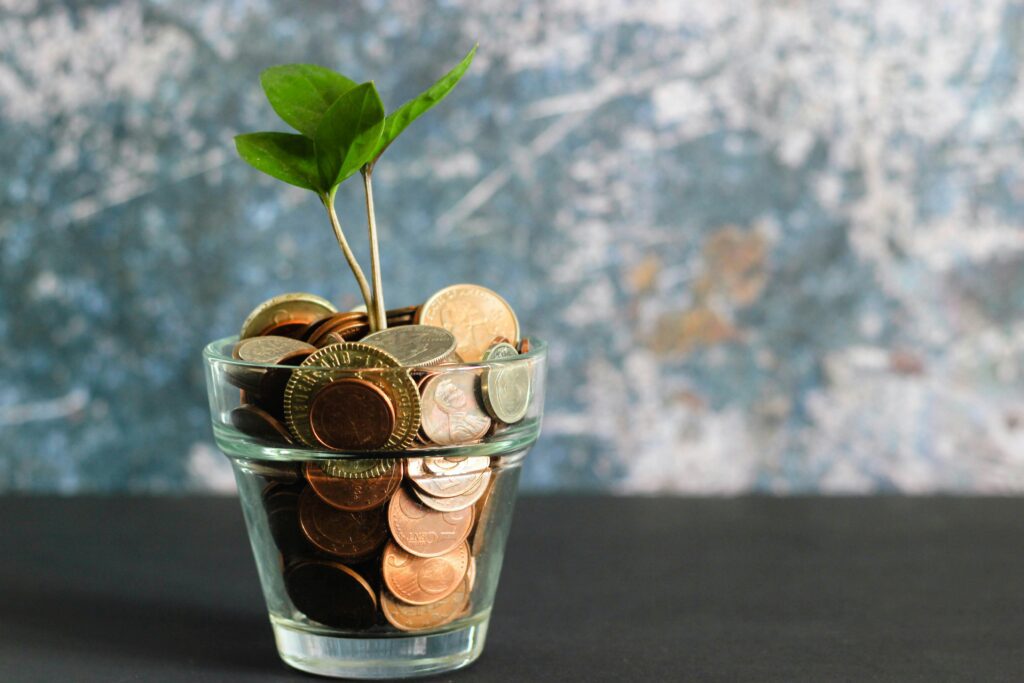
Pay is another important factor to consider when thinking about taking on a given career. You need to predict the wages you are likely to be paid for some balance between the labor given and the salary you get in return. This range will save you from exploitation by your employer.
(Image courtesy of micheile henderson via Unsplash)
Before I applied for the Coordinator role, I took some time to research salary expectations in similar roles. I did not just focus on the immediate salary, but also on the likely future salary, should I secure a higher rank. You don’t owe interviewers your idea of your salary expectations, but you need to know what the market will bear as you react to their offers.
This “digging” would help ensure that my salary grew relative to the work I put in, with room for advancement. As much as salary should not be the center of focus for an employee, having an idea of what to expect financially helps prepare a balance between input and output, to avoid overextending yourself or being used.
Which education (or paper proof) do I need?
Once you have identified a career that you want to pursue, how will you get there? Figure out which educational and then professional goals you should aim for,
Personally, I looked for whatever would enable me to work seamlessly in the lab training field, thus identifying shortfalls in my knowledge of biological science. When I first decided to apply for the position in student outsourcing, I understood that having overall knowledge about science would be of great help. Still, I needed to be sure what the employers were specifically searching for. I conducted research mostly to know what qualifications and degrees were in demand in my line of work. With this knowledge I was driven to consider positions that could offer promotions — space for growth and continuous improvement.
You must familiarize yourself with the various levels of programs-training-certificates you can take to enable you to rise in your career path and attain achievements easily. In other words, choose a career trajectory that will see you get promoted easily, and not a career that will stunt you.
Taking it all in for me
Taking the above factors into consideration from evaluating skills to understanding salary expectations, I applied for the role at Biomed easily, since they helped me match my personal goals, values, and interests with the opportunities that were available there.
The primary aspect is knowing that my career was not about predicting my future, but plowing in to learn more about my career without guessing wildly. Through self-evaluation of my skills, weighing my interests and personal values, having clear goals, knowing about the job market, and making sure that my salary balanced with my labor, I was able to come up with good strategies to navigate my way into and through my career.
As I continue to develop new skills in this position, the same factors guide me confidently in getting new opportunities, whether I will consider advancing in this field of work or looking for new career directions entirely.
Who knows, maybe you are the baby who next solves the world’s challenges, starting with your own almost-perfect career that at least matches you.
Sometimes, superheroes aren’t our friends, siblings, or even our parents.
Sometimes, they are a complete stranger — someone who appears out of nowhere and changes everything, and I mean every single thing.
My graduation day had finally come — the long awaited day. Excitement kept me awake the night before as I imagined being called a senior student. I couldn’t wait to wear the beautiful dress my grandma had gifted me and step into my senior student era.
That morning, I woke up before everyone else, so happy and eager to get ready. But when I checked the reservoir, I realized that there was no water left for my bath.
If I wanted to prepare for my big day, I had to fetch some water.
It was too early to wake our neighbor who had a water pump, so I had only one option: the nearby river.
Without thinking twice about it, I grabbed my bucket, slipped on my clothes and the slippers my mother had recently bought for me, and walked to the river.
On my way, I was so excited that I swung my arms and played with the beads in my braids, already picturing how I’d style my very cute hair.
From stranger to superhero
When I reached the river, I rolled up my trousers so they wouldn’t get wet and stepped into the cool water. In a few seconds, I carefully filled my bucket and turned to leave. However, just as I took two steps forward, my right slipper slipped off and floated away.
Oh my God, I was so scared and panicked.
My mother had warned me not to lose or destroy my slippers because she wouldn’t buy me a new pair anytime soon. Without thinking twice about it, I dropped my bucket and rushed to grab my floating slipper.
That was a mistake.
Before I realized it, the water had already swept me off my feet. Gosh, it was not funny.
I kicked, struggled and struggled, reaching for anything to hold onto, but nothing was within my grasp, and I didn’t know how to swim at that time.
(Incidentally, I am now an expert swimmer, and I’m sure I could compete in the Olympics if I wanted to).
The harder I fought, the deeper the river pulled me. Water rushed into my lungs. My legs became weak. I couldn’t fight anymore.
Just as I was about to give up, a man — a stranger, my superhero — jumped into the river.
I barely saw him before his strong hands grabbed mine. I was too weak to hold on, so he pulled me out of the water and carried me to the shore.
I sat there, shaking, confused, and scared. Tears filled my eyes, not just because I had almost drowned, but also because my slipper was gone.
My mother would be upset because she had already warned me not to go to the river alone, but I never listened. There was nothing left to do but return home and prepare for the day.
My superhero walked me back. Our house was only a short distance from the river. When we arrived, my mother was angry, but also filled with gratitude.
I was alive and not dead. She thanked my superhero repeatedly in Yoruba (a major language in Nigeria), saying, “Ese gan ni.” She invited him to dinner that same day, but he never showed up.
As soon as he left, she turned to me, and let’s just say that I received the beating of my life.
After that, she sent my older brother back to the same river to fetch water so I could finally bathe and prepare for my graduation.
I tried, tried really hard, but no matter how much I tried, I couldn’t feel the excitement anymore. The long-awaited day had turned out to be one of the saddest of my life at the time.
(Image courtesy of Gabriel Bassino on Unsplash)
A stranger’s kindness can change everything
Looking back to that day, I realize that sometimes, the people who save us aren’t the ones we expect. It’s not always family or friends. Sometimes, it’s a complete stranger.
And just like how my superhero saved me, we, too, can be someone else’s superhero.
While my graduation day did not go as planned, and I felt sadness from it all, I am still grateful for the man who saved my life. He taught me that we should care for each other and be kind to each other, even when we are strangers.
Because kindness isn’t limited to those we know, and these acts of kindness can make the world a better place.
Some people would say teaching is in my blood and that I am destined for the job. I strongly disagree with this for many reasons.
In my family, there are many teachers. My mom is a special education teacher, and so is my grandma. One of my aunts teaches 4th grade and another takes health classes for nursing students. However, when I graduated high school in 2012, I knew that teaching as a profession was not for me. I knew, once I left high school, that I would never want to step foot in any other public school classroom ever again. At the time I graduated high school, I didn’t even want to attend college. I felt forced into the decision by my family who all flew in from out of town to attend my graduation and started handing me cash for college expenses.
People don’t realize that they have such power in the words they say and in how they choose to communicate with their peers, whether that be through kind and thoughtful words or hateful and judgmental insults. The never-ending bullying that I endured throughout my childhood in the public education system turned me away from continuing my education in college, and it was the deciding factor for not wanting to be a teacher myself. A real shame, because I later learned I have the potential to be a straight-A student and actually enjoy learning new things.
I go back to school
Unfortunately in 2017, at the age of 23, I was forced back into school — this time, working as a special education paraprofessional. I was a lost soul who was severely lacking purpose and direction in life. It was simply a job that paid money, and that it was all anyone cared about.
To be a teacher, you have to have the right personality to deal with all the bureaucracy in the schools and among the staff. But you also have to have a real passion for the job to deal with the many challenging behaviors from the children; I severely lacked both qualities. Added to that, there’s the lack of proper compensation for all the hard work and effort you put into doing the job. It became evident to everyone involved that I did not want to do it.
(Image courtesy of Mick Haupt via Unsplash)
In July 2020, I decided to go back to school, because I did not want to spend the rest of my life working jobs I hated just for a paycheck. I didn’t want to be just another number at a job who was reminded every day that I was easily replaceable. I wanted to do something meaningful with my life and be properly compensated for it. So, I enrolled in an online degree in an elementary teaching program. Yes, teaching!
(Image courtesy of Cole Townsend via New Old Stock)
However, it was for a very short time. Later in December of 2021, I decided to change my major after being screwed over by yet another school district.
Working in the schools was a lot like being stuck back in school — a feeling of being forced into school, just like in my childhood.
There are also cliques of employees at every single school and district, and for someone who never fitted in properly in school, even as a child, work easily became a monumental disaster. Not only were the students at these schools now name-calling me. Yes, hurling pet names at a fully-grown adult! The staff, and my colleagues, started calling me into meetings and pointing out everything I was doing wrong to bully and harass me.
Many of these districts got rid of me for stupid reasons that weren’t even justifiable. The nerve. They simply didn’t like me and so chose not to invest their time in helping me become a better employee. It was a no-win situation and I eventually felt like an epic failure.
I saw admin staff send us educators running for the hills
People are saying that there is a teacher shortage, but from what I am seeing, the shortage is of teachers. The shortfall lies in the way these districts are run and run down by staff and administrations. That is, sending many teachers running for the hills and fleeing the profession in outrage.
As teachers, we want to be appreciated for our work and to be properly compensated for the immense effort we put into the work, especially with the rising cost of living. We want to feel safe at our place of employment and not fear for our safety every day. We also want to be rewarded for our efforts with respect, and not to be belittled and bullied by supervisors on a rampage.
The public education system is severely broken. I say that instead of trying to force change within the students, educators should first look in the mirror and ask what they can do to help create a better working environment for their employees.
Because when employees don’t care, students can’t. The teachers burn out, they don’t love the material, they don’t love the interaction with the students, and they don’t address or maybe punish — okay, guide — students who misbehave. Isn’t that enough for you to give up the art of being a teacher?
Enmeshed in a busy year working at my academic office at my university, I thought about attending a retreat. I wanted some relief from the tiresome routine. As a postgraduate student, I was embroiled in a substantial project of completing a research dissertation. The subject I was working on was philosophy/theology and ecology, and I enjoyed it. This was the year before the arrival of Covid-19, and there was still a bustle around the corridors and offices of the School of Humanities.
Added to my research paper, my academic duties included reading and grading assignments, attending lectures, and giving an occasional lecture to students enrolled in the Genre Studies unit. These were fairly light duties for any casual academic. For me, the burden of resolving the complicated subject matter of my research was most challenging. Sitting long hours working on it, I sometimes found it hard to concentrate, and I would try to find a way to clear my mind, mostly by strolling in the university gardens.
In the garden, there were trees, lawns, and walking tracks. Refreshment corners with coffee and snacks were also available in various locations on the campus — a campus good enough to refresh and recharge oneself. But I realized these moments were not refreshing enough. I needed more than these small havens on the campus, and a fuller break from the responsibilities of my work. Perhaps it was time for a course in contemplation.
I could usually recover by retreating into my quiet office space, writing, researching, and listening to classical music. This still works well for me, but the internet remains a constant distraction. When I was offered the opportunity to go on a retreat, I decided to go for it, so I booked a spot for the mid-term break.
Most retreat centers are located in bushland — remote woods away from town and the internet — areas of complete solitude. They are close to nature and use solar power and tank water. It could be rough to keep the tablets, pads, laptops, and phones always charged.
The silence here was so exciting My first retreat was a combination of daily meditation “sits” in the gompa (silent sessions in the meditation hall), sleeping in a caravan, and engaging in the crack-of-dawn writing bouts lit by battery-operated lamplight.
(Photo Courtesy of Maria Orlova via Pexels)
On my first flush of morning in the retreat, the bush was quiet. I knew that soon, the birds would begin to stir in the sky. I was writing a paper to present at a conference on theology, while also working on completing my thesis. My computer, with its e-book library, was my essential equipment, and that early morning quiet time alone was inspiring.
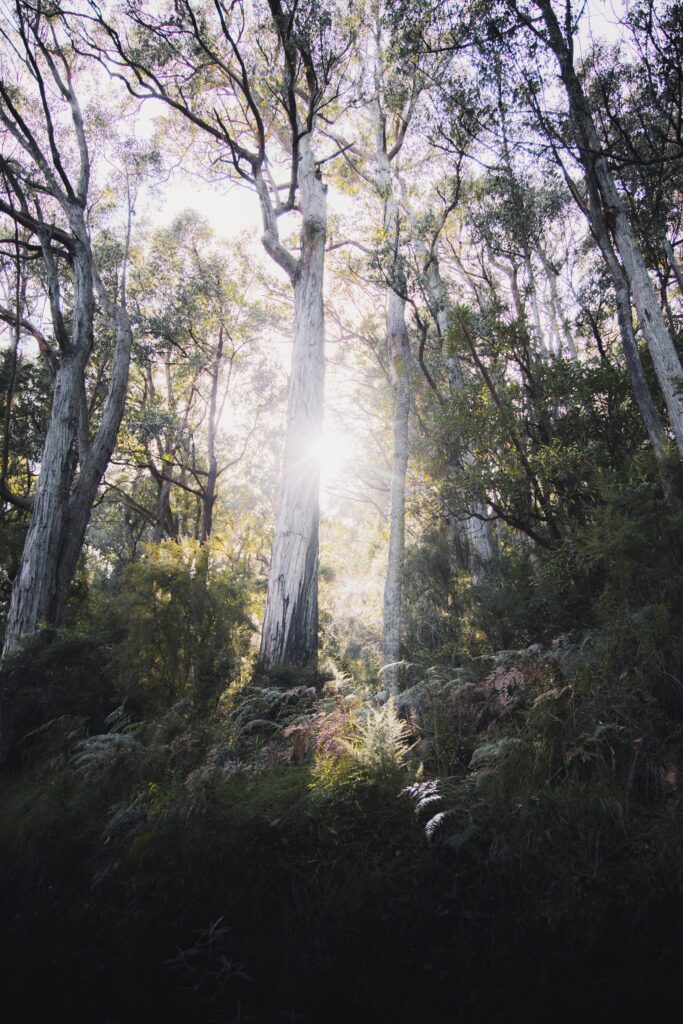
Well before daylight each morning, I would walk up to the kitchen to fill a thermos with coffee. On the way, I might encounter kangaroos pausing watchfully in their paths, waiting to discover my intentions. I would practice a kind of gentle meditative walking, hoping they would not be disturbed by my presence. Soon, they would bound off, either down the valley towards the dam or into the bush, and I would continue walking, but now, I had a deepened connection with my surroundings. In the retreat center in a mountain range in northern New South Wales north of Sydney, the early spring air was crisp and clear.
The air
What a joy to have access to such clean air in the tranquil bushland!
Each morning during the break, I would sit near a small pond at the edge of a stand of gum trees, where spring wildflowers were blooming. Sometimes, the teacher would come and sit with me, and we would discuss a Zen verse or the Heart Sutra.
(Photo Courtesy of Pat Whelen via Unsplash)
Then, we would return to meditate in the gompa. Here, a statue of Buddha sat before the window on an altar with smaller statues and photos around him and lovely flowers and incense offered to him. It was a serene space at the top of a hill, surrounded by native bushland and flat sandstone rocks from which a view extended across the valley to the south. Inside the gompa, it was silent, apart from the occasional rustle when other meditators adjusted their posture. A stillness descended over the space as participants focused on their breath, beginning to release thoughts of the outside world and various day-to-day activities.
(Photo Courtesy of Jared Rice via Unsplash)
At night, after the last meditation, the constellations of the Southern Cross and the Pointers were brilliant among the bright star fields beyond Earth.
One thing I learned was that no matter what might appear to be going on within my fellow attendees and myself or in the memories that arose during meditation, it would always be our own personal “stuff” that would come up, simply so we could become aware of it. It was only after several uncomfortable sessions with a busy mind that I found the best way to do that. It was to alternate a sitting meditation session with one in which I walked outside or stood among the wildflowers, attending to the birds while, as earlier in the day, emptying my mind of thoughts.
(Photo Courtesy of Adana Durso via Pexels)
Silence would sometimes pervade my awareness of those airy heights, at least for a while.
When the last day arrived, we cleaned the gompa, the kitchen, and the caravans and left the Retreat Centre around lunchtime. The next day, I returned to the university, and my mind calmed as I settled back into my office. The world seemed brighter, and my random thoughts only came occasionally and more quietly. I knew I would be able to return to academic work, but now with a peaceful mind.
Soon, the paper was finished and ready to be presented. It was time I made some real progress in writing my dissertation.