Road to Dendron

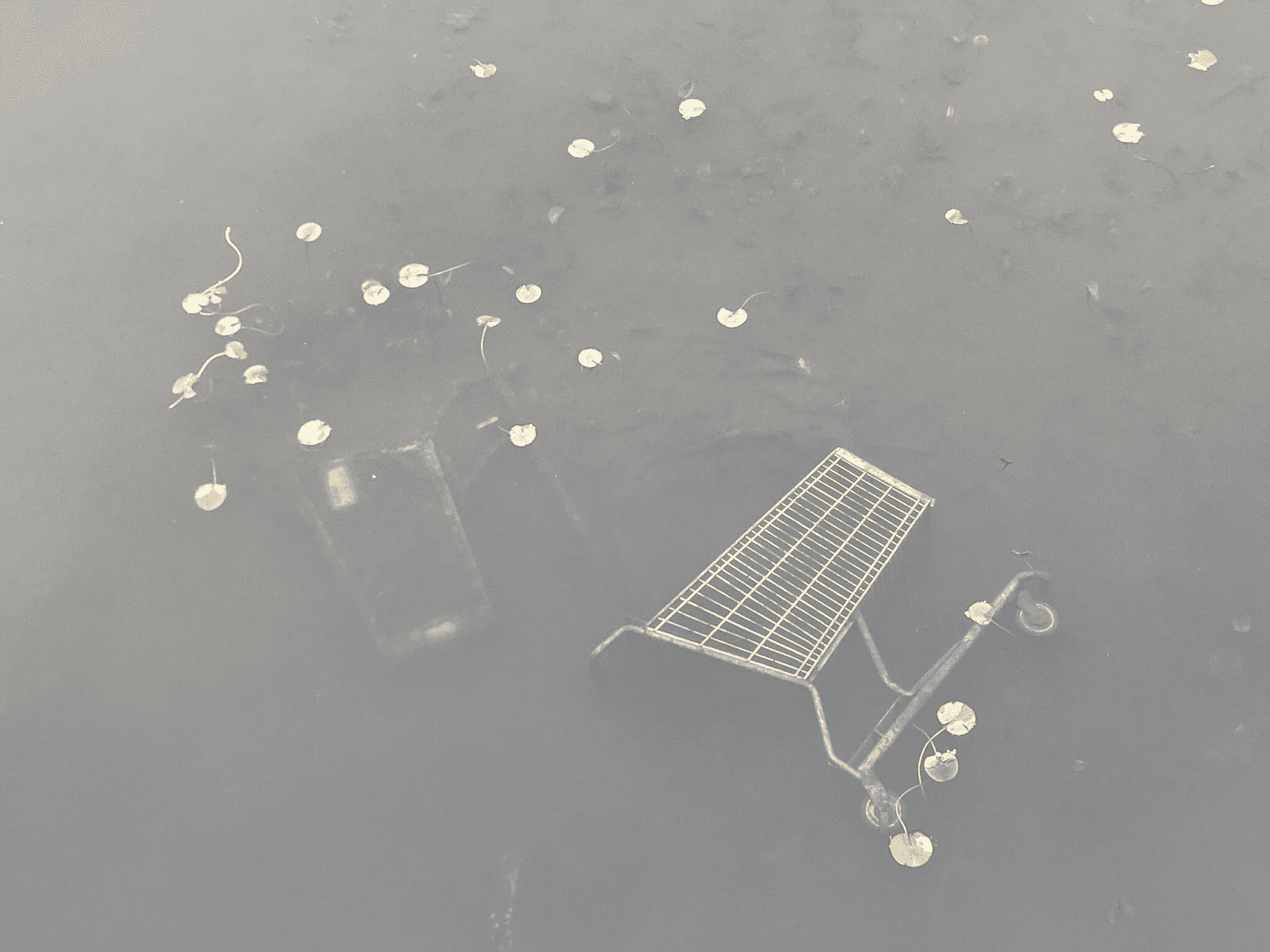
A shopping cart,
On its side, curled up,
Sunken in the river;
Lily pads gilded
Its edges, softening
Lines and loops that
Watched a child grow
In the grocery store,
While her father did the best he could;

Swans preen,
Curled up, among
Tulips, crocuses,
While a crone
Smokes cigarettes
Outside the bodega
With glass bottles– 
Green, blue, bountiful
As hyacinth;
The sun kisses her face,
With freckles, laugh lines,
Rouge; she did the best she could.

Ana, Miguel and Life on Hard Mode

Ana met her husband in an infamous Brazilian chatroom, exactly the kind of meet-cute that defines the best love tales of the 21st century.

She was bored. His nickname was DJ_German. The conversation lasted just a few minutes. She was about to log off when he dropped his phone number. No drama, no pushiness.

“I thought… there’s no way I’m calling a stranger! But the next day, I had nothing better to do and thought… why not?” she recalls. So, on a random Sunday in the early 2000s, she called.

They talked for two hours. By Wednesday, they were meeting up at a mall in Curitiba, Paraná, Brazil. “It was love at first sight,” she says, and it doesn’t sound like an exaggeration. Twenty-one years have gone by. They got married. Had a child. They’ve been together ever since.

Their son’s name is Miguel. It’s for him, and for herself, that Ana, with the courage of someone who has broken down in public before, is now trying to find her place in the world again.

***

Her connection to gaming began long before motherhood. Even before her husband, Leandro. Ana used to play with her sister, her parents, and the whole family together.

“The whole family was addicted. Games brought us together in the living room. When it got late, my sister and I would go to bed, and my parents would stay up all night playing,” she remembers.

Back in the ’90s, her dad – an illustrator – was in charge of drawing maps for Phantasy Star (Sega, 1987), level by level, forest by forest, maze by maze. That memory is still vivid in her mind.

During the interview, Ana gets emotional and tears up just trying to remember the name of a long-lost Master System 3 cartridge.

“I missed it so much! I spent years trying to remember the name of that game. I looked everywhere and never found it. The memory is still so alive. The next day, my parents would tell us everything they had unlocked or achieved.”

Now approaching 40, Ana admits she still loves games but hardly plays. “My dream is to have a decent computer so I can play again,” she confesses.

Her favorite genre? “Silly games,” she says. “I like to relax, you know? Nothing stressful. My Steam profile makes it very clear.” The bio of her steam profile reads: “Yes, I play children’s games!”

Maybe it’s her way of resisting a world that demands too much.

She still treasures her second Game Boy (the first was stolen). She also owned an Atari and a Nintendo 64, alongside the Master System 3. She remembers clearly which titles she had for each console: “I couldn’t afford many games, so I lost count of how many times I replayed the ones I had.”

“Back in the 64 days, I loved Super Mario and Legend of Zelda. On Master System, I played Prince of Persia, Sonic, Super Monaco. Atari was easy… River Raid, Enduro, Pac-Man.”

Leandro’s Super Nintendo is still safely stored away. Every now and then, they still play a match or two. When asked if the vintage console could be sold for a high price, Ana is firm, “Whether it’s worth money or not, we’re not selling it.” The sentimental value means more.

Super Miguel World

The only game Leandro has ever liked and still does is Super Mario World. That’s where the idea came from: Miguel’s first birthday party would be themed after the world’s most famous plumber.

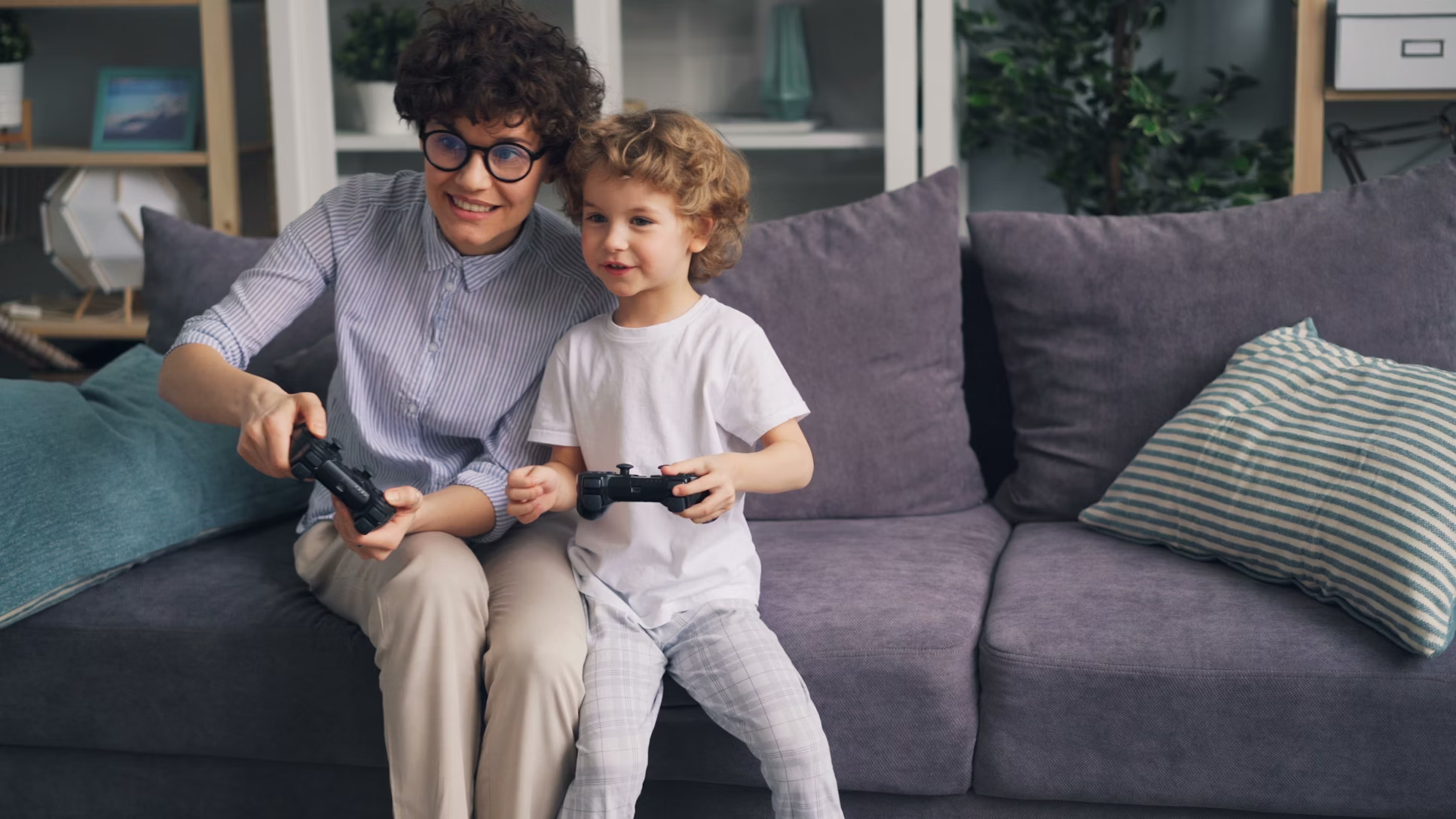
Not a coincidence at all: the boy fell in love with games even before he could speak, around age 3, starting with educational titles. Slowly, without any pressure, games became shelter, language, connection. With the world. With his parents. With himself.

***

“When I stopped the treatment, I got pregnant. My little one was born in 2017,” she says.

When she got pregnant with Miguel, Ana was working at a major telecom company. But just imagining someone else witnessing her son’s first steps while she was away made everything lose its meaning. She asked to quit. And she did.

“I was doing really well there. My pregnancy went smoothly… but during my seven years at the company, I saw many colleagues have babies, go on maternity leave, and return to work. Everything as it’s ‘supposed to be’. When my turn came, I couldn’t get used to the idea of my long-awaited baby spending all day with ‘strangers’ who’d then give me a report at the end of the day: ‘Oh, today he took a step, discovered something new, learned a game … while I was out chasing professional success’,” she explains.

“To me, it just wasn’t a fair trade. So when I came back from maternity leave, I said I wanted to quit. Quit to take care of myself, of him, and to chase my dreams.”

Contrary to what society often preaches, the postpartum period was far from a fairytale. After Miguel was born, he cried nonstop for three months, refusing to be held, and showing no clear signs of what was wrong. His mother ended up submerged in a sea of postpartum depression, resistance to help, and overwhelming guilt.

“I wasn’t sleeping. No one knew why he cried so much… he wouldn’t let anyone hold him. As he got a bit older, he became very selective with food, had intense crying fits… he’d have a meltdown anytime we went somewhere with unfamiliar people. He took a long time to start walking, and he didn’t accept physical contact,” she recalls.

It was a shock. Pure exhaustion. A desperate attempt to understand. No answers. The official diagnosis came only when he was two, after a frustrating journey through doctors’ offices unwilling to confirm what she already knew deep down: “my son is autistic.”

The Autism Spectrum Disorder (ASD) diagnosis finally came from the most expensive child neurologist in town. With it, a strange sense of relief. Relief in being able to name the chaos. To look back and think: “it wasn’t just in my head. It wasn’t my fault. It wasn’t a failure”.

Even so, Ana still feels guilty for how she handled the early years of motherhood.

“For me, the postpartum period was the worst time of my life. I felt like the worst mother in the world and not just that, I felt like the worst person. That’s why I’m completely against romanticizing motherhood.”

“Picture me, deep in postpartum depression, wanting to disappear off the face of the Earth, going through all of that. I did one of the worst things I could’ve done just to get a little peace… I’d leave him watching cartoons on TV, because it kept him distracted. That’s how he started saying random English words before even learning to speak Portuguese,” Ana explains.

Today, Miguel is 8 years old. He’s a sweet, well-mannered, brilliant child. He talks about astronomy with the vocabulary of a scientist and loves logic games. Among his favorite titles, a pattern emerges: puzzles.

“He’s an absolute sweetheart, polite and super smart. He loves studying English and has a hyperfocus¹ on games and astronomy. He used to be obsessed with human anatomy and physiology too, but that’s faded a bit. His dream is to work at NASA,” says his doting mom.

Like almost every kid his age in 2025, Miguel is also obsessed with the ever-polarizing Roblox. “That’s where he says he has ‘friends’,” Ana points out.

“He also loves Minecraft. He plays on his super tablet. And whenever he gets access to a computer, he enjoys games like Human Fall Flat, Portal… total little nerd. He dreams of having a Nintendo Switch.”

Of course, not everything has to be educational. Miguel also adores games with darker themes: Poppy Playtime, Garten of Banban, Five Nights at Freddy’s, and Bendy and the Ink Machine.

That fascination might just be in his genes. “I’m also drawn to darker themes, and some of my favorite games are Little Nightmares, Rain World, Cult of the Lamb, Limbo, Inside… I love them, love them, love them!” Ana confesses.

They’re dark yet safe worlds, almost like playable metaphors for the restlessness she struggles to say out loud.

Miguel doesn’t have regular access to video games, but that doesn’t stop him from playing. He watches YouTube videos. Lots of them. He knows where to find hidden items, the bugs, the shortcuts, the alternate endings. He watches so much that, when he finally gets a chance to play, it’s like he’s already beaten the game three times.

“He kills it, just from watching other people play so much. It’s fun to watch,” she says, laughing. It’s like he’s been training all along, just waiting for someone to hit Start.

When Ana mentions her son’s love for logic games, there’s a quiet pride in her voice. The same kind of awe she feels remembering the maps her father used to draw during the Phantasy Star days.

Only now, it’s Miguel who draws the maps. And the world – even if digital – finally starts to make sense. For him, games aren’t just entertainment, they’re a language. They’re a safe ground.

“We can see there’s a very positive side to it, too. He learns a lot, his English is great, he has quick thinking and strong logical reasoning.”

***

In the family’s daily life, games have become a shared language. A point of contact. An improvised form of therapy. Miguel plays, and his mother observes. She sees so much of her son in her husband, who also received an “unofficial diagnosis” of autism after being observed by a psychologist who simply said, “I have no doubts.”

“I had my suspicions, because he was very different from everyone else. When the psychologist said it, we just accepted it, it was so clear. But since we don’t have the ‘paperwork,’ he doesn’t present himself as autistic. Especially because, after so many years adapting and trying to be ‘normal,’ it doesn’t really impact his life or come across to others.”

Ana also started looking at herself differently and began to wonder a while ago. A preliminary test showed a “very high likelihood of being on the spectrum.” She wants to investigate further, but money is tight at the moment.

“After that test, I started to question a lot of things, but the cheapest evaluation costs around R$ 1,500. My father has high abilities², and I’m pretty much a copy of him,” she shares.

In fact, “there is an undeniable genetic component in autism,” explains pediatric neurologist José Salomão Schwartzman in an interview with the renowned Brazilian Dr. Drauzio Varella.

Scientific research has increasingly focused on genetic predisposition, and evidence suggests that genetic factors may explain up to 90% of autism spectrum development.

Reset

Ana speaks with passion. And at length. She describes herself as “chatty, all over the place, chaos.” But the moment the conversation shifts to voice (when she has to get on a call instead of typing), her body freezes. Anxiety kicks in. Panic. The fear of crying. The fear of shutting down.

The fear of being seen as “too fragile” for the job market as she searches for a way back into the corporate world after nearly 10 years away. When, in reality, she’s just tired of trying to fit into expectations that never once tried to fit her.

“I keep thinking: how am I supposed to get a job like this? I feel like some kind of wild animal. I go for an interview, a call… I’ll probably start crying halfway through. They’ll just say, ‘please leave’.”

“I don’t even know what weighs more, the gap in my résumé, which I’ve tried to fill every possible way just to be seen, my age, or the outdated experience. There’s no certificate that can cover that hole,” she confides. The hole of having stepped away. Of choosing to care. Of doing what so many romanticize in captions but reject in real life.

With a degree in Marketing and a postgraduate diploma in Business Management, Ana dreams of working in areas related to diversity, inclusion, ESG, and purpose-driven projects. She loves to create, to think about branding and identity, to build presentations, to make things meaningful and colorful.

“I’ve done a bit of everything in this life. I’ve run my own business, had a tattoo studio, sold Swiss chocolate, and worked as a tattoo artist. I had a family-owned semi-jewelry business, where I handled all the marketing. I worked for over 10 years at a multinational as a marketing analyst and project analyst,” she lists, showing the richness of her experience.

She even has her own version of hyperfocus: a dream of working at O Boticário (one of Brazil’s largest beauty conglomerates). “I really admire how they focus on people. It makes your eyes light up, you know? Makes you want to be a part of it.”

Deep down, Ana just wants to be seen. To be heard. “I even told a girl who works there, ‘If I could just talk to someone, just get an interview, I think they’d hire me.’ Because, honestly, if people knew how much love I pour into my work, the passion I have for what I do, the way I go all in… you know?”

Despite her résumé, experience, and drive, still hasn’t been called, not even for an interview.

“I don’t think my résumé is bad, or weak, even with the career gap, which I think I explained really well. But, still, I can’t land an interview. I just don’t know what’s wrong with my résumé,” she admits, “I feel pretty lost.”

***

Today, Ana barely plays video games, but laughs as she admits there’s “a dormant gamer inside me, just waiting for the right moment to wake up.”

“Since I’m not a big fan of mobile games, I don’t spend too much time playing. And the few that run on the computer I have right now are more for distraction, so it ends up being a positive thing,” she explains.

For now, she plays what she can. It helps her unwind. Distracts. Relaxes. Disconnects. But she knows that, with the right adventure, she wouldn’t sleep just to beat the game. “If I had the right hardware, I know I’d push past all limits.”

Sometimes, that’s what care looks like too: care for herself, for her time, for whatever energy is left after taking care of the whole world.

The story of Ana, Leandro and Miguel is a starting point, but it also opens space for us to reflect on the role of video games in contemporary childhood, especially when it comes to neurodivergent kids.

Autism at play

Ana doesn’t play much these days. Miguel plays a lot. But between them, there’s a kind of invisible thread, made of pixels, building blocks, and mental maps. If you pay close attention, you’ll notice: even without a controller in her hands, she’s still playing.

For children on the autism spectrum, like Miguel, the structured and rule-based environment of video games can be particularly beneficial. Games offer a safe space for social interaction, where expectations are explicit and communication can be more direct, reducing social anxiety.

The reward system reinforces positive behavior, and the visual and interactive nature of games can be a powerful channel for learning, adapting to different cognitive styles.

Yes, video games offer a field of possibility for autistic individuals. This isn’t naive optimism, it’s a growing consensus among professionals in health, education, and technology. Games bring joy, expand knowledge, contribute to emotional well-being, and create alternative paths for socialization, especially for children and teens who often experience isolation in the physical world.

Many end up learning English without realizing it. They practice reading, logic, motor skills, and problem-solving. Some games even function as natural blockers for intrusive thoughts. Others help develop cognitive and even physical skills, like the so-called exergames.

Immersion has its value too. Hyperfocus – a common trait among people on the spectrum – finds fertile ground in games, where the overstimulation of real life gives way to predictable rules, clear objectives, and immediate rewards. Some kids literally grow up between stages and quests.

That said, the very element that enchants can also disconnect. Excessive use raises concerns and, in some cases, leads to further isolation. It’s important to set boundaries and ensure screen time doesn’t replace essential experiences, like physical play, in-person connection, or body movement.

Miguel, for instance, sometimes goes overboard. He falls asleep thinking about games. Wakes up talking about them. Ana and Leandro, always attentive, notice when it’s time to gently pull the thread back into the real world.

“We’re very aware of this and try to involve him in other activities. The downside is that when he exceeds his limit and spends too much time on screens, he starts to live inside the game. He dreams he’s in the games, and all his conversations revolve around that. That’s when the alarm goes off for us,” Ana says.

The key lies in balance and, most importantly, in guidance. With the right support, games can be therapeutic tools, educational resources, and even starting points for real friendships.

Ana’s experience, seeing games as a bridge of connection with her autistic son, is far from unique. When played with purpose, ethics, and care, they are more than entertainment, they are opportunity, inclusion, and future.

Ana still dreams of a “decent computer,” of getting a job at O Boticário, and of reentering the professional world. Miguel dreams of working for NASA and getting a Switch. Somewhere in between – between drawings, maps, and difficult levels – they keep playing in their own way.

The console may still be missing. The job. The opening. But it doesn’t matter. Ana and Miguel already know how to play as a team.

The Art of Isolation

My relationship with isolation

I’m an introverted person. I can preserve myself quite solitarily, recharging with personal hobbies and quietude. There are often days when my recovery from a social event ends up being the comforting main course of an evening routine, replacing parties with pyjamas after an experimental aperitif. Introversion, however, should never be confused with a lack of social needs. I’m not so crippled by shyness as I once was, and I find myself craving the company of people more often.

Studying drama and theatre for three years, I was constantly surrounded by activity. Seminars, workshops, group projects, society sessions, shows… not to mention living with two amazing, intuitive housemates. During this time, a small university town can feel like your whole world, especially for drama students. God, that frenetic, boundless energy… When you’re sucked into its vortex, your mind and body start to crave it. The pull of creation, catharsis, and community — the push of careening from one show to another. These periods can get intense. Consequently, the small pockets of private time I was able to scavenge were sanctified.

Then, when I moved south to London to pursue a Master’s degree in scriptwriting, everything was flipped on its head. Suddenly, I was buried in work that required disciplined, insular focus. My accommodation turned into a studio. The characters in my brain became my family. Leaving all those fantastic, local connections behind, I found those rushes of interaction harder to replicate. 

Change is scary!

Let’s face it. That being said, there was a knack to my routine, once I screwed my head back on. How to accommodate isolation… and cherish it. I wanted to share a couple of tricks that really helped me in moments of loneliness to self-discipline, protect my mental health and maintain relationships. It’s my hope that anyone facing this level of change — whether it’s a new home, a breakup, or something else — can put their adjustment first. It’s an integral process.

Picture your comfort

One of my biggest regrets was leaving my flat undecorated for months, telling myself it was only a temporary stay. What was the point of moving in? In truth, a room is a reflection of your mental state, and you should tend to it with the same level of respect. Find ways to imbue your intimate surroundings with positive thoughts.

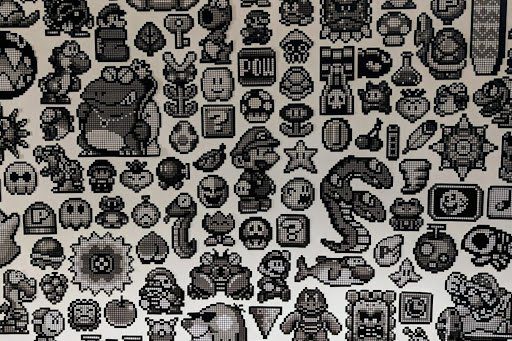
Back in my first family home, I started fostering an obsession with pixel artwork. I spent long afternoons creating greyscale reproductions of characters and objects from the Super Mario Bros. series. I had a whole collage of them set up above the mantelpiece, which looked pretty awesome if I do say so myself. 

So upon moving to London, I spent one long night reinstalling this collage in my new room. Even this simple, childlike action transformed the space, spurring a newfound motivation to decorate and fill my surroundings with home comforts.

Becoming settled in a space is one of the first steps to feeling comfortable in your own skin. Don’t ignore this task.

Adjust your scenery

This suggestion’s been advocated to death, but seriously, touch grass as much as you can. Fresh air is a surefire solution to boost dopamine levels and dispel the malaise of isolation. Surrounding yourself with people, even complete strangers, allows you to feel connected to a larger unit — suddenly, the weight of the world doesn’t solely rest on your shoulders.

After a certain point, it became impossible for me to enforce creativity in my room, so I started taking trips to the local library – there, I was able to hold myself accountable against others, relishing in the purpose of leaving my house. Provided you work remotely, separating relaxation and productivity spaces is integral to building focus and routine; if you can’t work in public, try at least to delineate these places within your home. Spending too long in one confined location is a breeding ground for procrastination.

Never underestimate the healing power of a long walk in nature. I myself have taken an obscene amount of those.

Book your relaxation

One of the greatest pieces of advice I have ever read was that rest is a right and not a reward. As a writer, it’s easy to grind myself into burnout, and I’m also a stickler for last-minute panic and how it turns me into a sleepless superhuman when I’ve got a deadline approaching.

Living in isolation, I find it more difficult to balance work and recreation. I’ve tried a bunch of time blocking-and-tracking methods over the years. More recently, I’ve attempted scheduling hours in the day for my personal hobbies: gaming, composing, novel-writing, watching TV, whatever I may need. I’ve realised that these moments are essential in preserving my productivity, and dedicating my time makes them feel systematic and automatic. As a result, I know I’m working towards something I can look forward to.

Everyone’s work schedule will vary, but it’s essential to create pockets of time throughout the day to do the things we love.

Dose your interactions

Something as simple as seeing an old friend for a day can satisfy your social gauge for a surprisingly long time (travel permitting, of course). On those days when nostalgic trips may not be possible, it’s still important to periodically engage with the local community.

I had a problem with interactions when I moved to London. Having developed friendships over three years in my undergraduate degree, I maintained that I should cherish and bolster these connections above others. Anything I built over a single year of study could never be as robust, right? Realistically, that was only an excuse for my insidious nostalgia, so I continued acting in shows, enjoying a new community in this once-unfamiliar terrain. Some of my greatest confidants arose from my Master’s year, and with many, I’ve remained in regular contact.

Don’t doubt your ability to be appealing to others and make friends in foreign environments. If you are the only obstacle standing in your way… get out of the way.

Starting over

Ultimately, I believe a large part of feeling isolated stems from internal unease. Self-caring for your body and soul before anything else will aid you in building confidence, taking new steps, forging new connections, and engaging with the shifting network of life.

Starting over is never a sign of weakness; sometimes, it is the most prominent indication of strength. 

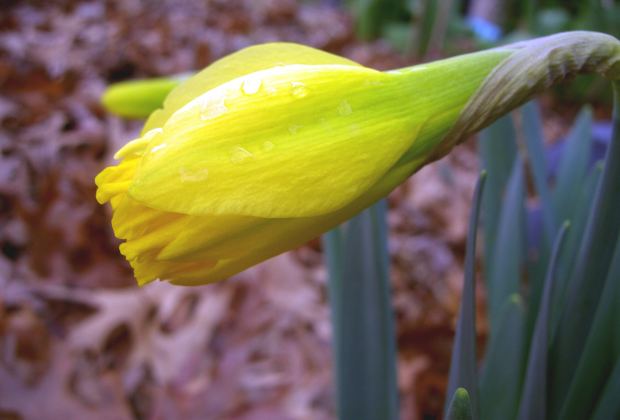
Image of a thriving daffodil flower bud with drops of dew.
(Image courtesy of Jdurham via Morguefile)

By the Light of the Moon

A night owl by trade

The whole thing was surreal and dreamlike. Sitting in a worn leather armchair, observation minutes in hand, keeping as quiet as possible, I was working nights and felt subterranean, or was it subterfuge? The whole world’s fast asleep while I was in a private, secured facility with a duty to be wide-eyed and, in a sense, on guard. 

The work itself was seldom eventful. The bulk of the challenge was the reset to the long nocturnal hours.

As lone residential staff

I experienced working nights in the UK at two distinct engagements. 

One was working a month-on, month-off cycle of days and nights of 12-hour shifts. As you can imagine, sleep cycle hell. It would be about two and a half to three weeks in when I’d finally feel acclimated, and then it was over. That was a lone engagement. I was a one-man night staff for a two-story residential building. A sky-high caffeine intake and riding out one’s sense of exhaustion were non-negotiable to start with. Yet past the opening initiation rites, I had an office to myself, bright lighting, a kitchen, and writing to get on with. Undisturbed, alone, and in continued quiet, this was a safe haven to let the imagination run wild. Frankly, I’d be sullen and half-depressed when returning to daylight was next on the rotation. 

Never have I had such a raw sense of discovering golden, secret pockets of time and stealing those hours.

On the adolescent ward

The second was an entirely different deal tonally. I was working nights for about two and a half months at a time as a Senior Healthcare Assistant in an acute adolescent mental health ward. Duties, multifaceted, could include guarding safety and boundaries,  self-care and dignity within distress.

The drama was low, barring a rambunctious start and end to some shifts. Right when the staff changeover would take place, the whole ward could be spirited to test boundaries, literally and otherwise. But it was mainly being awake and alert for issues when the young people slept. Just that dynamic alone gave a parental vibe to it. Particularly when a circadian kick of tired would bloom to life: I’m awake so you can sleep. There felt some kind of undercurrent, an unspoken sacrifice to the work. All right … maybe coffee-drenched sleep deprivation colors your thinking and feeling, I’ll give you that. 

On returning from the fjords

After the UK nights, I worked my third and last night shift job in Norway, as land staff for cruises. I served as an Embarking/Disembarking Agent for retirees making trips in and out of the Oslo fjords. Suited and booted, I was the all-smiling, polite signpost on legs, working in hotels around Oslo. This was a job whose only drama hit when it came to hotel room sizes, since some guests were close to apoplectic about their demands. The shifts themselves were otherwise slow-burn and simple.

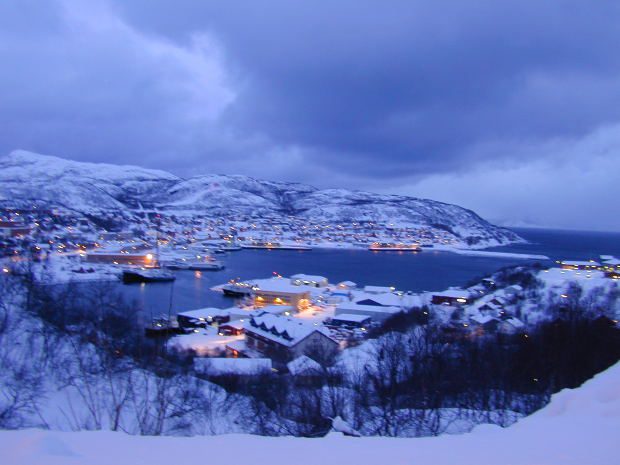
A Norwegian town, built upon a sea channel and surrounded by mountains, is dusted in fresh snow.
(Image courtesy of hyperlux via Morguefile)

I’d be in charge of the early risers, to get people on a coach to catch flights back home. The logistics were straightforward, as the concierge was always helpful, kind, and polite.

It was more the invisible, sleuth-like status that waiting in hotel lobbies in the dead of night gave. The night itself lent an air of film noir mystery. Soft light caressed golden and felt surfaces with spotless floors. The morning staff arriving, the night staff taking off, and revelers of the night returning to rest or collapse. I felt witness to a part of life I kinda shouldn’t be privy to. Dressed up and available in the lobby, my own desk, but not part of the hotel staff really. Needed when necessary, but otherwise not exactly there. As cars passed by in the cold darkness, I walked around a warm glowing foyer, a footnote to the surrounding world. Then again, wouldn’t you know it, I might just have got a little bit of writing done…

A mythical groove where creativity flows freely

I was always a night owl as a younger man, just a part of trying to steal more of the day. The hours between midnight and 3 AM could feel like a mythical groove for creative freedom seldom found. 

Yes, across nightwork and prior insomnia, writing has typically come alive for me. In years since, I’ve come to learn this could well be absolute guff, and there may be nothing better for creativity than a good night’s sleep. However, I can miss those hours. I can miss that sense I was up when the world fell fast asleep. That among all the quiet, in anonymity, I was carving out and discovering something I didn’t even know was there

I can’t advise being a night owl for creativity or otherwise. It might just leave you with a rather contemptuous relationship with the early morning. Yet there was some indescribable romantic glow of the deep of night with eyes wide open. An anesthetic contentment in isolation? An accidental high from screwing up a circadian rhythm? A little false power trip from having something others didn’t? 

I don’t know, but there’s nothing quite like being a night owl by trade. For better or for worse, I’m yet to find anything that compares. 

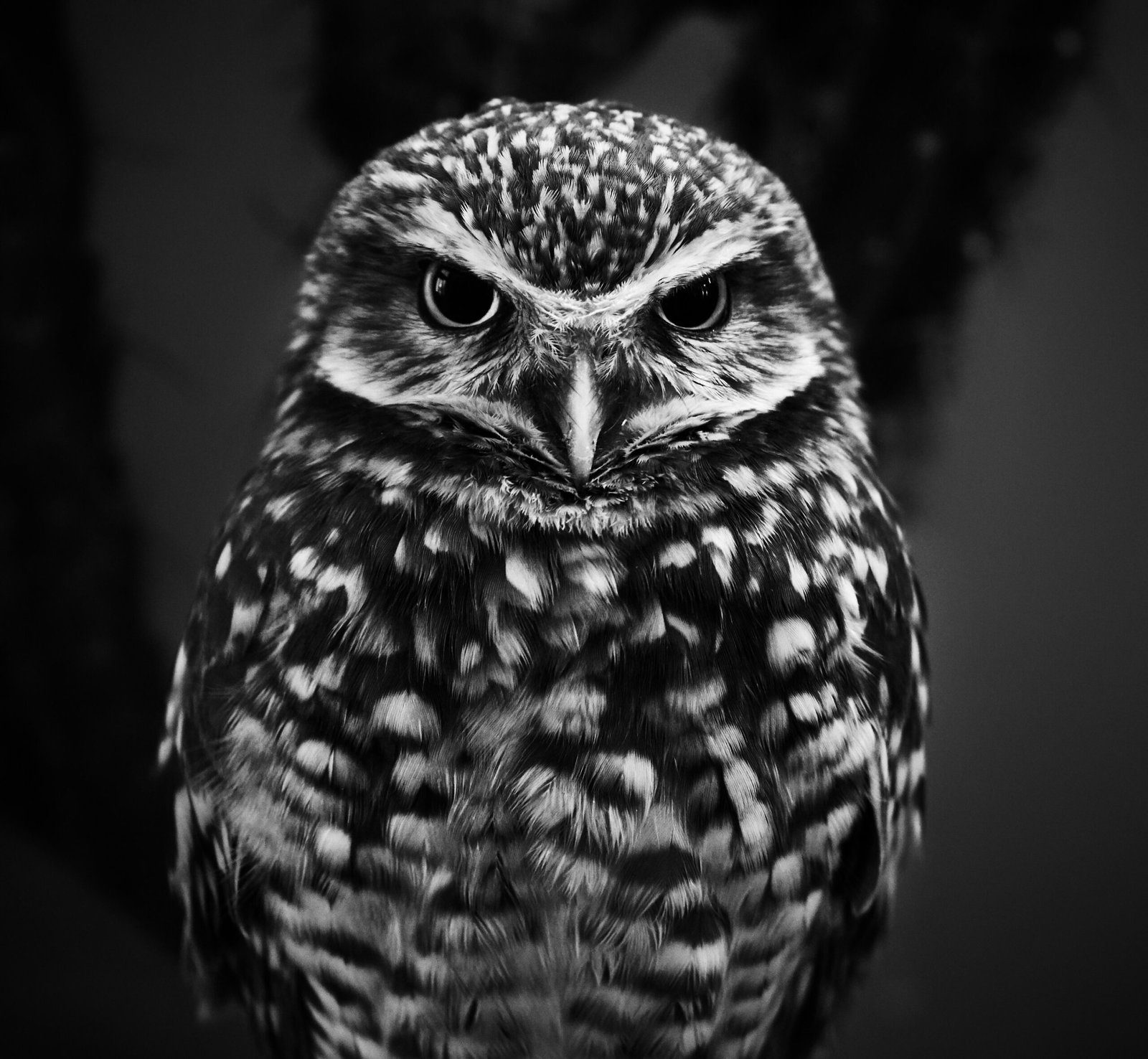
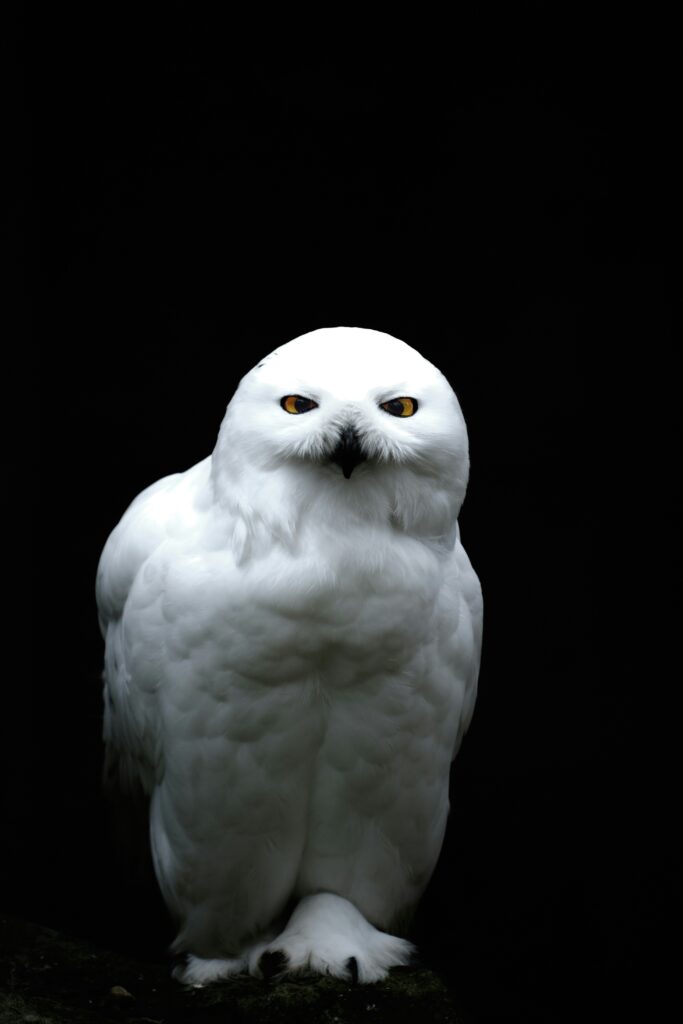
A snowy owl stares into the camera and hoots.
(Image courtesy of Alfred Kenneally via Unsplash)

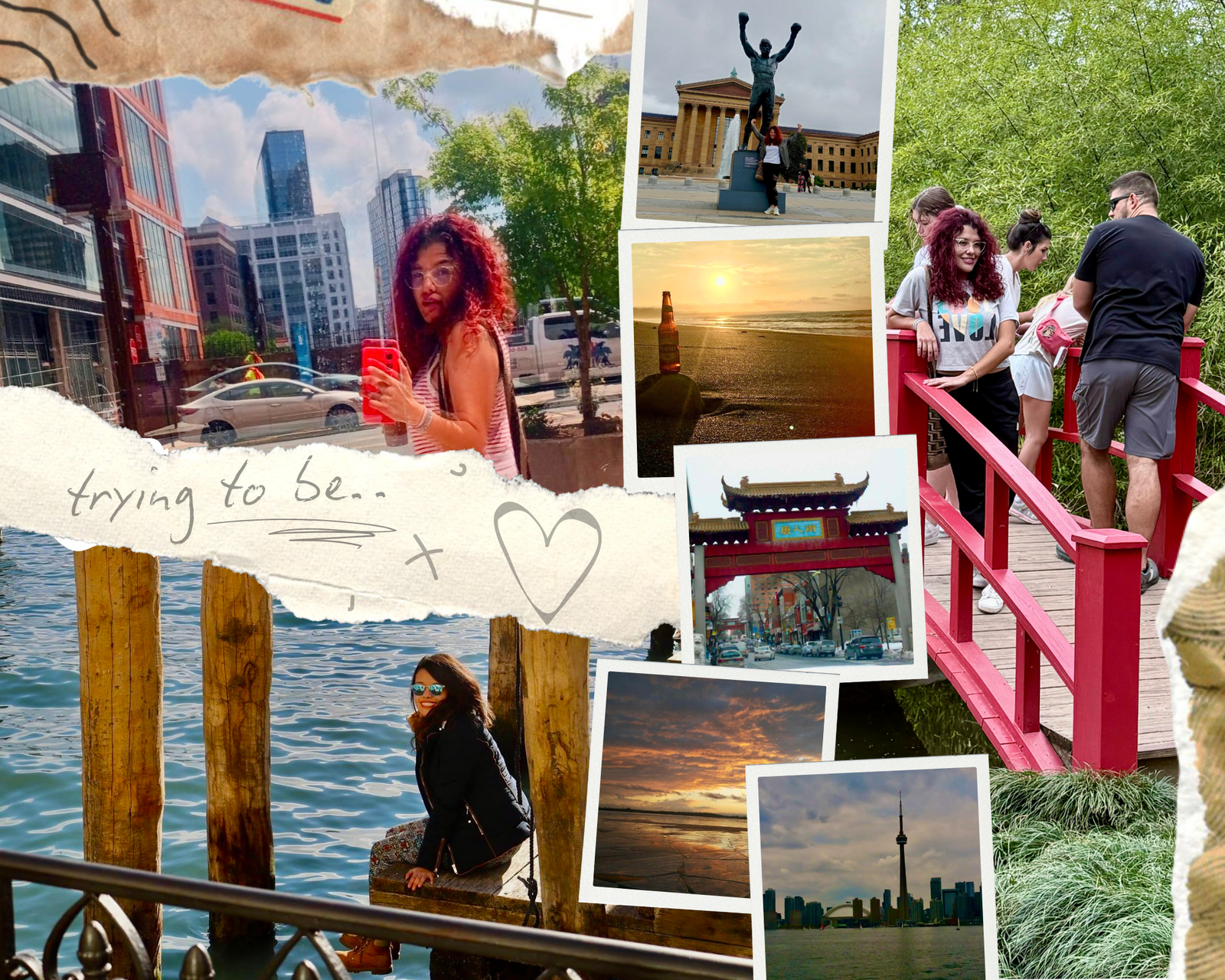
Trying To Be

The search for answers

Sometimes, when we have time to reflect on ourselves, questions arise that make us reflect on life itself. Questions like: What is my purpose in this world? What is my mission here in the land of my birth? If my country is my home, what do I want to be? Countless, endless questions become a labyrinth in our minds, struggling to find a way to discover answers to things we don’t know, but that we hope to find throughout life.

I’ve had countless nightmares throughout my life. I’m not kidding… Being 31 doesn’t mean my life is already figured out. In fact, nightmares have visited me every night to remind me that I haven’t yet found where I want to be. The truth is, I don’t know where I deserve to be. 

In Colombia, for example, our culture is so rigid and planned that if you don’t follow social norms, you’ve wasted your life. These invisible rules actually reflect the discontent, frustration, and insecurity that prevent us from getting what we invest in our lives. 

Colombian culture impresses upon the youth that the only possible lifestyle consists of ​​”being born, growing up, choosing a career that will make me rich in the future, buying a house, and starting a family,” only to then be told — sincerely or hypocritically — “How lucky you are!” or “You deserve it.”

What do we deserve? And, what kind of luck should we hope for?

In my case, when it all comes down to money, choosing a career in art without a good salary hasn’t allowed me to fully become the independent woman I want to be. Is happiness found in money? I know it isn’t, but social norms make you think so. 

I am a woman who, given my sexual orientation and unmarried status, does not fit in with the Colombian status quo. Because of this, I have taken refuge, like others from minoritized groups before me, in art as a profession, gaining approval of my skills in universities by way of a diploma. I’ve received, in return, a qualitative gain that can be characterized as: “Pao, you write very well!” And I hope that I do. 

So what can we say about artists? We celebrate our wisdom in the worlds we create for ourselves, because in the real world, we are in the lion’s den that darkens our existence.

A place to belong in

Canada, on the other hand, being my first English-speaking destination, was my first home away from home, allowing me to open my mind and understand that life is more than the place you occupy. Europe, being a quick tourist trip, showed me, between its history and avant-garde style, that the possibility of an existence of a body in a space doesn’t require rules to exist. Now, the United States, the unexpected destination I chose next, is the country where I’ve been learning how to unlearn the supposed truths that I grew up with.

Those countries were just a window to see that we have another way of life, a window to reflect and say that it’s not too late to find yourself and be who you want to be. Do I regret not having the courage to decide what I want to be earlier in life? Of course I do!

But, at that time, I wasn’t mature enough to decide what I really wanted. I was simply a girl exploring the world and reaffirming that there is a life beyond the one you have in your native country. 

Why the United States?

I’m not quite sure myself. As of now, I’m writing to you from Alabama. Yes, the quiet state of Alabama! My first impression here was of a calming routine of a busy life, where you see more countryside than industry and more landscape than cement. It is welcome after feeling like I was on fire from the constant search to exist in the same land that saw my birth. 

How ironic, right? If decades ago there were Martin Luther King, Rosa Parks, and other leaders who left their trace today in every street, museum, and sculpture – so as not to lose the battle against oblivion and be forgotten – today, a Latina woman from a developing country has found herself in this land to silence any voice that stirs the weeds of her mind, preventing her from seeing the peace she seeks within to flourish.

Through my eyes

One day, for example, while driving aimlessly down an unfamiliar street, I found myself surrounded by abandoned, but not defeated, houses. The old framework still stands, refusing to disappear, leaving – in the eyes of tourists – the sense of a silenced but resilient history that refuses to be left in the past. When the rubble of the house still stands intact in its soil and foundation, it is unhindered by the thick layer of roots that tries to undermine it.

This is a description that may seem boring to many, but it has been the motivation and inspiration for my resilience in trying to discover who I want to be. I am still in the process of making sense of what I have discovered. I have found confidence in the knowledge that the calm hidden in the foundations of things will show me how the steady rhythm of the present can work.

The unknown path

Despite writing so harmoniously about what I see of Alabama, my mind is restless because I am experiencing the unknown in my country: peace. A peace that is forgotten when I am dominated by emptiness, the uncertainty of tomorrow, fear, anxiety, frustration in the face of the unknown, the passivity of time, the absence of answers, regret over decisions, the pressure of not having yet raised the diploma of “I am who I want to be,” and other emotions that I carry like a burden. These feelings don’t hinder anyone’s path except my own.

I don’t know how long I’ll be here. I only know that we are seeds seeking soil to flourish, bodies occupying a borrowed space to exist, and minds trying to understand the paths we build to travel on. As I write to you and you read my words, even without knowing each other, we are building bilateral relationships. Here, I am trying to find myself through my own writing while you are possibly reading these words to silence your nightmares or to reach out for a moment of connection. It is ultimately the same immense path we try to travel in this encompassing world, in the time and space that each of us has managed to be.

But who do I want to be?

This is the question that my eternal and inaudible voice asks, as it will accompany me until the day I stop searching for a path, stop fighting my nightmares, and cease to exist. For now, I know it is my compass in time to never forget that, on Earth, our existence is labeled with a first and last name and that our life impacts those around us.

Rougarou

The cypress boughs reached out above her, curlin’ tightly, like his fingers had around that damned bottle. The woods were darker than Nadine had ever seen them. She knew the forest had a way of sucking all the light of the world into it, like ether through a straw, and, yet, she still felt safer there, among the thickets, than with Pa when he had been drinkin’ and yellin’. Before Mama had died, they would walk through those woods together, catchin’ fireflies at the creek. For Nadine’s thirteenth birthday, she had received a small silver brooch from her mama, a gris-gris, inscribed with the glowing insects she loved so much, and she was told to never take it off, especially in them woods. Nadine recalled how her mama would laugh loud enough to drown out the distant shouts of Pa when he was in one of his huffs, and she remembered watching the sides of Mama’s eyes wrinkle like the peach trees in August when she howled.

For a long while after she had left them, Nadine had wondered how Mama could laugh so hard, even when Pa was so angry all the time. “Yer Pa is tryin’, but dere are some tings we just keep tryin’ widout tinkin’ if de tryin’s doin’ any good,” she would say before laughing again like the foxes did hunting rabbits. Nadine remembered that Mama had told her that laughing real hard brought the fireflies out, and “nuttin’ bad could happ’n” while they danced in the air. But somethin’ bad had happened; she lost Mama.

Nadine learned to avoid her father’s wrath simply by watching how his eyes looked when he’d come round from the docks. If they were puffy, like the great gray goujon he’d hook for market, bloated, staring in different directions but not seein’ anything, then it was time to skip out the back and take the path she knew soundly, even after the sun had set behind the tupelo trees.

Nadine knew every bog, bank, and branch of the bayou, and she had learned how to stay safe there, too. Boiling some black willow bark would ease Pa’s sore back and Mama’s headaches. With a good fire and some patience, she could stew nettles to make soup that would keep her going for days. If she was careless and got stung by the nettles or a bald-faced hornet, a little jewelweed sap could soothe the stings. Nadine’s mama had taught her everything she had ever known about them woods, and they protected her even now. 

“Chil’, WHERE Y’AT!?” Pa yelled from near the house. Nadine instinctively held her breath– he was awfully bad tonight. He had never been this bad when Mama was alive.

Nadine remembered how Mama’s headaches had progressively worsened, to the point where her own remedies from the woods worked about as well as a screen door would in Pa’s pirogue. Then, Mama’s nose started bleeding, and she fell on the front porch. She slumped next to the cardinal flowers poking through the railing, the same crimson color that ran down her face and onto Nadine’s hands as she tried rousing her. She shook her mama violently, desperately, as tears burned her face like the July sun. There was so much blood, then Mama lay still. 

Pa had found Nadine holding Mama, wrapping her arms around her like honeysuckle as she had every day of her life. Nadine stopped crying, but she still shuddered and squeezed her mama’s arms, hoping they would warm up again. Pa had not looked his daughter in her eyes again since that day, and they never did have a proper funeral for Mama.

***

“WHEN I FIND YUH!” her Pa roared. The panicked prick of reality buried those painful memories among the ferns surrounding her. Pa sounded real close, and she knew that that meant trouble. Nadine was careful to step only on the dry or mossy patches of the trail so as not to give her Pa any undue lagniappe. She traveled away from the furious voice, although she knew that, like lost light, sound also became garbled in those woods. A human voice could wander for what seemed like miles after its owner had stopped talkin’, with the tree hollows and tides echoing and taunting any listeners within earshot. 

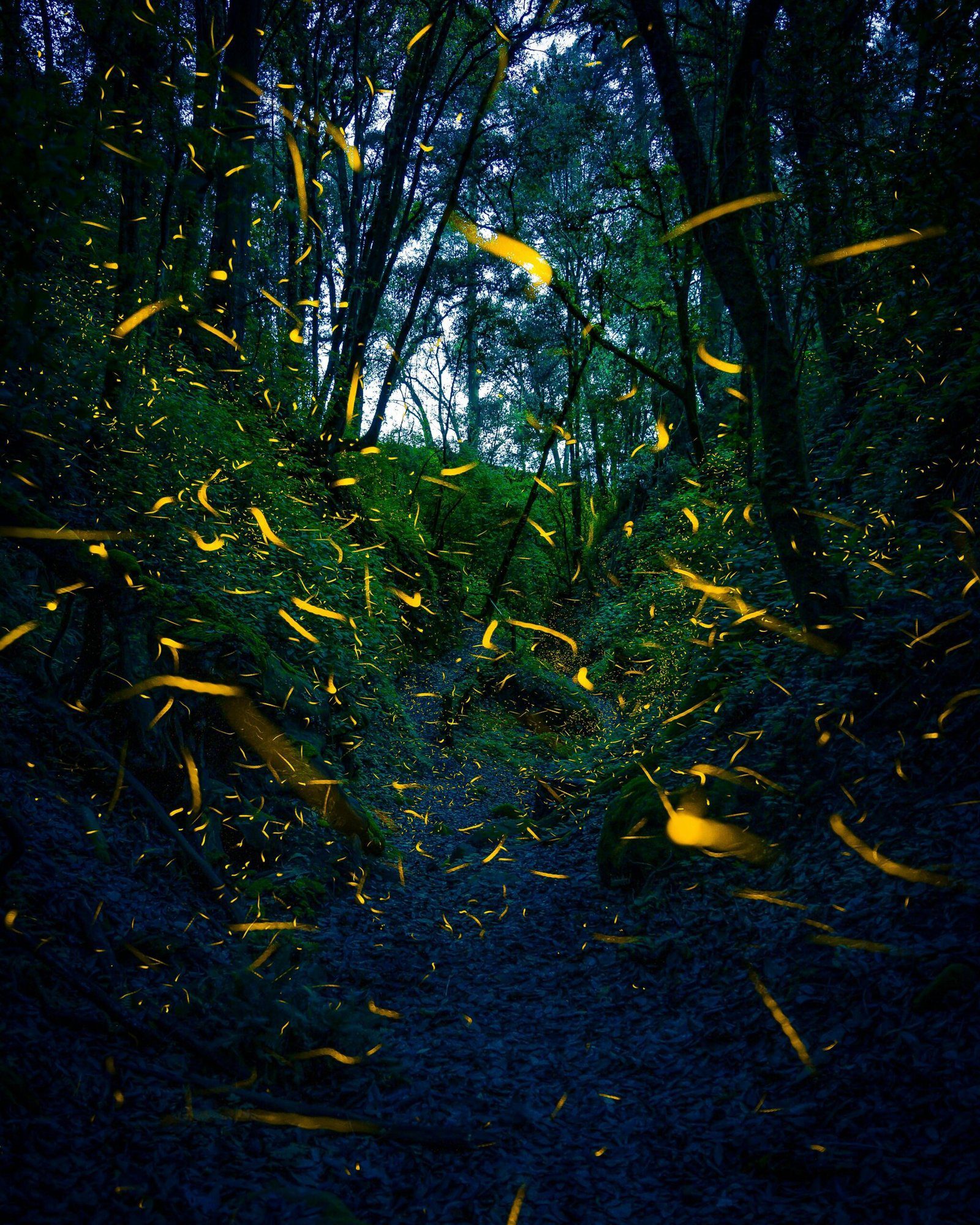
Nadine grew quieter still, and sought cover in the dampened groove under a toppled cypress near Firefly Creek, briefly making sure there were no hornets’ nests in the exposed roots. She heard something moving, quick as a cocodrie, through the woods. It was large and heavy, but still moved swiftly– much faster than her pa could in his stupor. He was angry about somethin’, but, even pie-eyed drunk, the couyon wouldn’t rush into the bayou unprepared. No, whoever was closing distance on Nadine could not be Pa. Then she heard it, like the sharp crack when her mama had collapsed on the warped wooden steps of their porch. 

There were two gunshots, and wiry red flashes to her right, much closer than she had expected, where the gunpowder had ignited. Birds scattered from their roosts, and a boar squealed in surprise. Then, Pa screamed, a wet, dark scream that matched the inky blackness of the woods. Silence settled across the bayou, as brief as the fire flashes, before Nadine heard something else entirely.

A rasping breath followed, and she swore she could hear something inhaling deeply through its nose. Nadine thought she almost felt the searching stare of someone she could not see, and she gravely hoped they could not spy her ‘neath the clammy roots where she hid. Her own breath caught as a figure emerged from the grove. She grasped her brooch with one hand and covered her mouth with the other.

The figure was hulking and matted in dry muck. They stood tall on two sinewy legs that seemed nearly as thick as the tree trunk that concealed Nadine, and their face was far too long. Their aquiline snout and teeth shone sharp, even in the dark, and, yet, the figure’s yellow eyes reminded the girl of the fireflies she so deeply admired. She dug her palm into her mama’s brooch and lost herself to terror. Nadine’s other hand fell away as she gasped, and the creature turned, hearing her, and staring with open maw. Nadine noticed somethin’ slick painting the figure’s mouth, red as the blackbird’s wings, when they approached her hollow with ferocious speed. 

Without thinking, she laughed desperately, wildly as her mama had in life. She squeezed the brooch as hard as she could, until the silver was warm like her. As she laughed, the figure bounded towards her, filling her vision as they grew nearer still. All she saw were their two swollen, yellow eyes, staring unblinking into her own. This was the end, her end. She felt it, had felt it for a while, ever since Mama had died.

***

The rumble was soft, even, and gradual. It sounded as if the ground were shakin’, but her hands and stomach rested upon the damp, still earth. The echo filled her ears and the space behind her eyes, and she suddenly heard her mama’s laughter. The trees creaked, while the sky seemed to be brightening, awash with a luminous luster. With a glow as full and warm as her mama’s embrace, a cloud of fireflies flickered, turning the bayou into a crystalline scene. Wisps of yellow, green, and gold transformed the cypress trees into inverted chandeliers, while the water was wet peridot. 

The sky gleamed with swarms of fireflies, multitudes like she had never seen. Swaths of insects landed anywhere they could, including all over Nadine’s chilled body. The figure inhaled deeply again, but the laughter continued, stronger still, and the fireflies swarmed them, unrelenting. The figure reached out to bat at their luminescent assailants. The insects overwhelmed them, pulsing with their living light, until, yet again, all Nadine saw was the figure’s gaze, full as the moon would be in a fortnight. 

As the figure swayed, gilded in wings and the thunderous thrum they made, the laughter now came from Nadine’s own throat. And, as she stared back, the figure’s eyes were, all at once, a much more familiar color. “Mama?”

To Sleep — Perchance to Get Some Rest

“When you lie down, you will not be afraid; yes, you will lie down, and your sleep will be sweet,” Proverbs 3:24. 

This Bible verse never rang true in my mind, nor did I ever understand it that well until I started noticing a change in my sleep resulting in insomnia. You see, these are such verses that must arrive at the moment you don’t know what is happening around you in your life. Maybe they are verses sent from God after all. 

College days and freelancing nights

Well, I have been a very busy person, placing value on my external wellness at the expense of my internal health. It all started back when I arrived at the campus of the University of Nairobi, Kenya. Those were the days when survival on campus was an essential matter. It was as if this was the place where the theory of natural selection, or the survival of the fittest, intensified.

In my freshman year, I eventually got used  to the new environment. You know how difficult it is to adapt. This is a point where people are most easily swayed into attempting activities they have never done before. I was not left out in all this. I found myself occupied with activities that were supposed to help me survive on campus. Around this time, there were quite a good number of online jobs, and so I got myself into the freelancing industry.

Luckily most of these jobs were mainly done at night. During the day, I would focus on my academics, and then at night I would turn to my freelancing job. Survival is one phenomenon of life that, to me, is still a mystery. The pressure that comes with surviving is just overwhelming. This is the point where phrases like “Let the sleeping dog lie” or “The rich never sleep” hit hard. The dilemma where you do not know whether to do something or not may lead to the fear of the unknown . For me, this was what could happen if I prioritized sleep over my survival, where survival translated into making money.

If you were in my shoes, you would eventually prioritize survival first and then everything else much later. I could wake up, attend my lectures, run a few errands around school, hang out with my friends around town, and at dusk, I would take my supper, which always came early, before getting ready for nighttime activities. I would work almost the whole night from 8:00 pm past 3:30 am, then I would do some of my coursework, and a short rest between the hours of 4:30 and 6:00. 

Basically I slept for an hour and a half. Yes, and on a daily basis. 

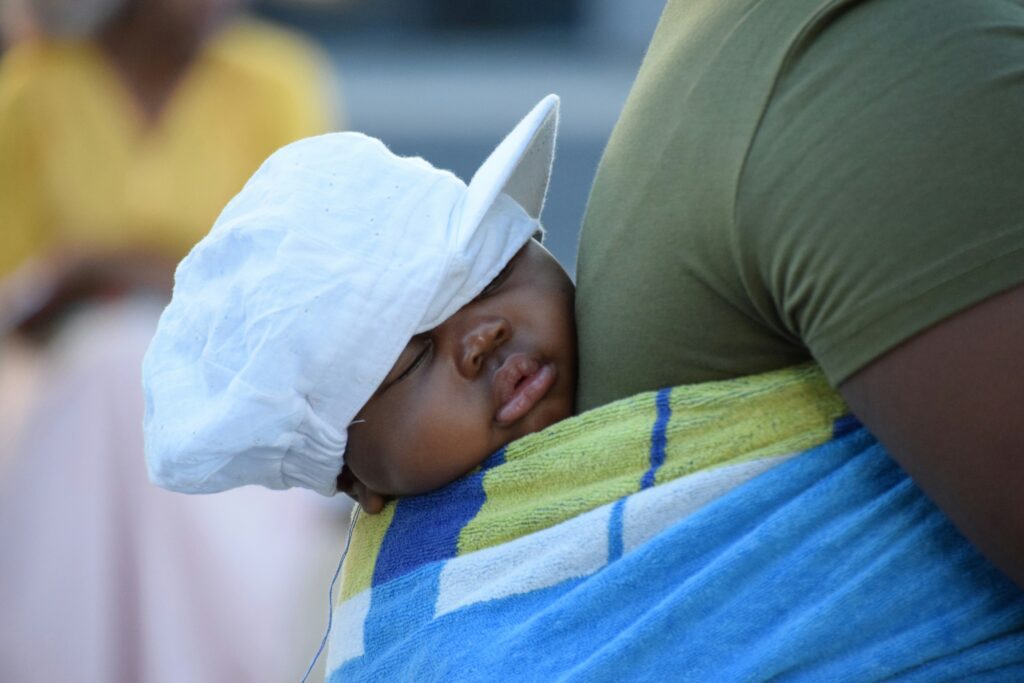
A young child with a white hat sleeps while cradled on their parent.
(Image courtesy of Jack van Belzen via Unsplash)

No complaints, at first

My body surprisingly never complained of fatigue or anything of that sort. Little did I know that my body’s engine was running out of oil and depending on the small reserves meant for emergencies. I never felt any alarm or an indicator that my body was soon leading me down the road to a breakdown. Sure, even a machine needs adequate time to rest its components to perform better. But was I a machine or a human being who needed to survive on campus? I continued this habit for the next three years, and everything was moving along well enough.

Then came the fourth and final year in my studies at the university to complete my degree. Suddenly, the online tasks began to diminish. I could find only one job to work on, unlike previously when I could find several tasks to take on. This meant that I would now be working shorter hours during the night, for instance, from 8 pm to 10:30 pm, and then I was done. That’s when I realized I was doing a great injustice to my own health.

Indeed, choices have consequences. It dawned on me that all this while I have been trying to turn a deaf ear to all the signs my body was sending me with the frequent loss of appetite and the frequent feeling of boredom. It turns out even the intense feeling of fearing the unknown was my body trying to show me the signs that I was depriving it of a very essential activity, sleep. 

I could get to bed at 11:00 pm, but instead of sleeping, I would turn over and over in my bed in an attempt to get to sleep without success. The tossing and turning could take the better part of the night, accompanied by overthinking and a buildup of stress until around 4:00 am, when sleep would finally find me. 

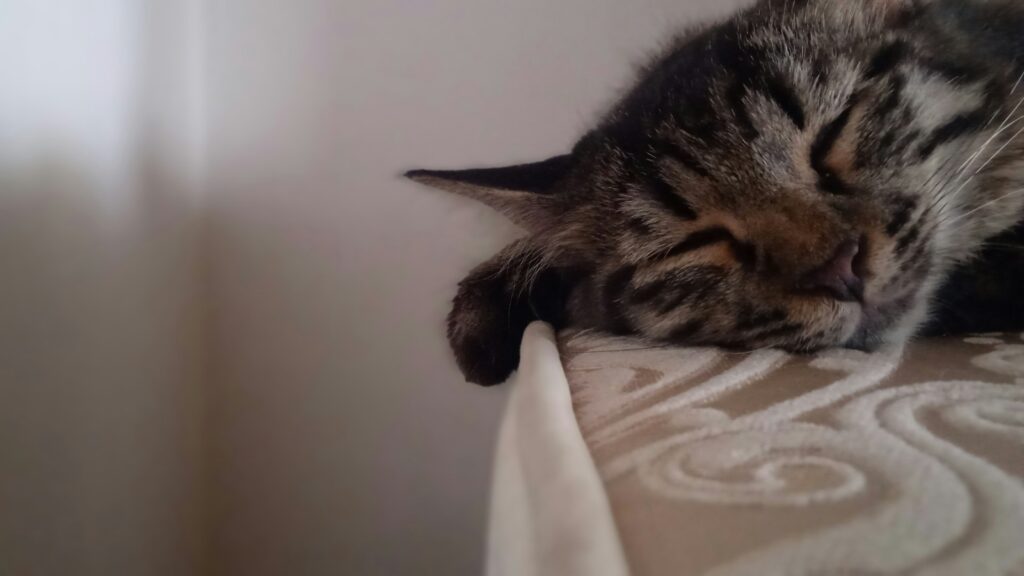
A striped tabby cat sleeps soundly on their bed.
(Image courtesy of Maryam Rad via Unsplash)

Is sleep a priority?

I suffered the results of my activities. Sleep had never crossed my mind as something of great importance to my general well-being. It was more or less the least of my priorities. 

I was now forced to bring my day and night back to those of a normal person. It was difficult, for sure, to reset my sleeping routine, but I had no other option. I started reading about the importance of sleep and how it can affect someone’s mental health, and I was shocked by what I read. Each time I read an article, it resonated with me, and I felt guilty for having been so mean to myself by not prioritizing sleep.

I even came across another verse in the Bible that says, “It is in vain that you rise early and go late to rest, eating the bread of anxious toil; for he gives to his beloved sleep,” Psalm 127:2. 

A good night’s sleep is a godsend

From this point on, I realized that sleep was not just a mere occurrence in the body of animals, but rather a divine thing, one of the best that God gave us. All this while I was harming my body by overworking it rather than giving it a little time to recuperate

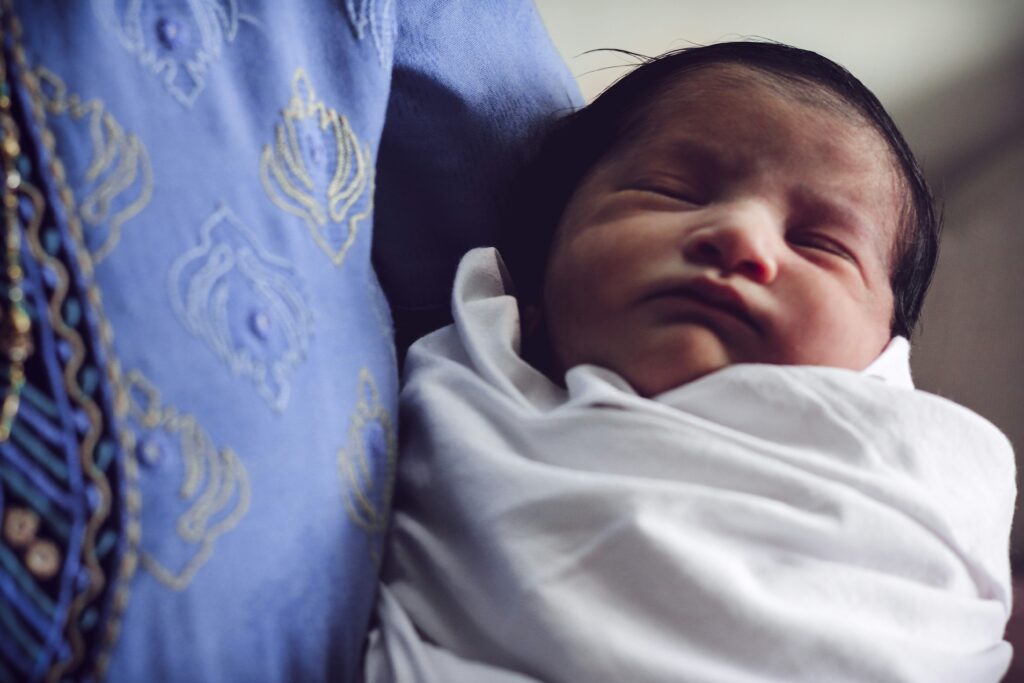
An infant in swaddle sleeps while held in their loved one’s arms.
(Image courtesy of Aakash Gupta via Unsplash)

While God grants us sleep freely to help our bodies and give our mind rest, this is the time I felt of drawing us close and revealing most plans towards us through our dreams. Doubtless, when you wake up in the morning, you feel more energetic and rejuvenated after a long, tiresome day.

According to the National Institute of Neurological Disorders and Stroke (Brain basics: Understanding sleep), a normal sleep stretch should be between 7 – 9 hours, at specific times when the brain releases hormones responsible for sleep. God or nature created the night so that we might set aside our duties and take that time to sleep and trust that we can release the burden of control of our lives all night.

Finally, I appreciated the fact that quality sleep is not directly in my power. Beyond the refreshment that comes from sleep is the great power of a restart that manifests during the time we are asleep. This is the time frame when healing arrives, and afterwards comes the feeling of renewed health on waking up. 

What by day and what by night

What is our way? What is our purpose? 

How different is each day upon waking? I shall always remember that I can perform much more by day when I sleep well night by night. 

I make it a priority. 

A stone statue of a lion dozing.
(Image courtesy of Beglib via Morguefile)

Migrant

Note: A profound thank you to Daniel at DS Productions for his impassioned background music which is featured in the audio recording of this piece.

Our land is on fire, regardless of the soil that sustains us,
Our soul is burning, regardless of the lava that cloaks us;
Our body dances the ballet that embraces us.

We are naked and unprotected bodies,
Like migrants born to conquer
The land of the unknown,
The land of the unheard,
The land of absence.

You and I are migrants,
Migrants like the sin of being.

We are nothing more than displaced bodies that seek, amid prayers,
To silence the hunger, arrogance, and abuse of those
Who inhibit our being.
We are nothing more than souls trying to give substance to the ashes that have Blossomed from our being.

We are nothing else than rejected bodies in a land we did not choose to be,
When our life, lost in the mist, searches for the light
To reach praise of the gods,
Once, our tears went unheard.

I’d Get on the Offline

We appear to have hit some event horizon about the state of young men and boys coming of age. This commentary has been running for a few years in the States and now appears to be hitting the UK as a greater cultural conversation. This topic is something of a biased one for me — my beginnings were calamitous at best. It’s taken the other side of 30 to build a genuine identity and a feeling that I’m not just another lost male in a sea of them.

As a millennial, I had a half-and-half childhood. Born in 1991, I had a near clear split between an analogue world of legacy media and phones on walls before the rise of all things wireless and the internet. Someone 10 years my junior has grown up in a profoundly screen-based childhood where most interaction and information are found online. Being online is very much their norm, and suggesting that young people stay clear of what’s “in” might not exactly win me any listeners.

The major concern about our youngest men is a listlessness that easily falls into isolation, gaming, porn, and gambling. Being directionless as a young man is far from easy or fun. We tend to be prone to cover this with a willful, jet-propelled narcissism or overcompensation to make up for a lack of self-image, worth, or direction. Finding one’s feet in a world quick to judge men on their competency when one is still developing is uncomfortable at best. However, I can’t deny that the incredible, godlike tool called the internet is the root cause of this current generational malady. Not for a second am I suggesting young people don’t use the internet, but their relationship with it may well be in need of adjustment.

There is consistent commentary that young men are in need of role models. This is a traditional approach to an entirely novel time. I’d argue that models for the analogue world may not work so well digitally. Role models are great, but counting on them to be present in a society of new-thing-next-thing, throwaway consumerism may be unwise. Young men don’t need father figures; they need to find out who they are. This is often a years-long process, but in my observation working with men younger than myself, there are some simple ways for starting this process.

Time to play the game?

I’m a ‘90s kid. I grew up on Streets of Rage 2, Sonic the Hedgehog, Goldeneye, and other gems. The ‘00s was something of a golden age for video games, and I was a teenager; I won’t deny this was close to bliss. I barely have time for video games now, but I know I don’t want them out of my life altogether. Video games can be a part of any young man’s life, as they have been mine, but there is a difference between my younger years and the lives of young men now. During my youth, video games meant inviting friends round and playing together in the same room. What young men have access to now are headsets and playing online with others who are often miles apart. It’s worth considering either deprioritizing or fighting the tide of an innately singular activity — game less to make time for other interests or commit and develop the interest externally. This would mean attending events, expos, competitions, and online communities to make an isolated interest more sociable.

Porn

There is not a single feted or worthwhile piece of self-help or dating literature for men that doesn’t tell them to give up pornography yesterday. There’s no net win in the usage of porn. If the material is from professionals, we’re possibly witnessing the outcomes of social outcasts, tearaways, and neglect and abuse victims. If the material is from amateurs, none of the above may be true, but you’re still a peeping tom by definition! I’ve read that consistent porn use over time is prone to emotionally numbing the user, the exact opposite of what a young person finding themselves needs. I’m of the firm belief that young men should claim and take responsibility for their own pleasure, not lean on virtual externals to uphold it in some sleazy crutch. I can confirm that it is 100% normal for a young man at the turn of his twenties to have a sky-high sex drive. 

But can the same thing be said about someone taking a laptop to bed every night?

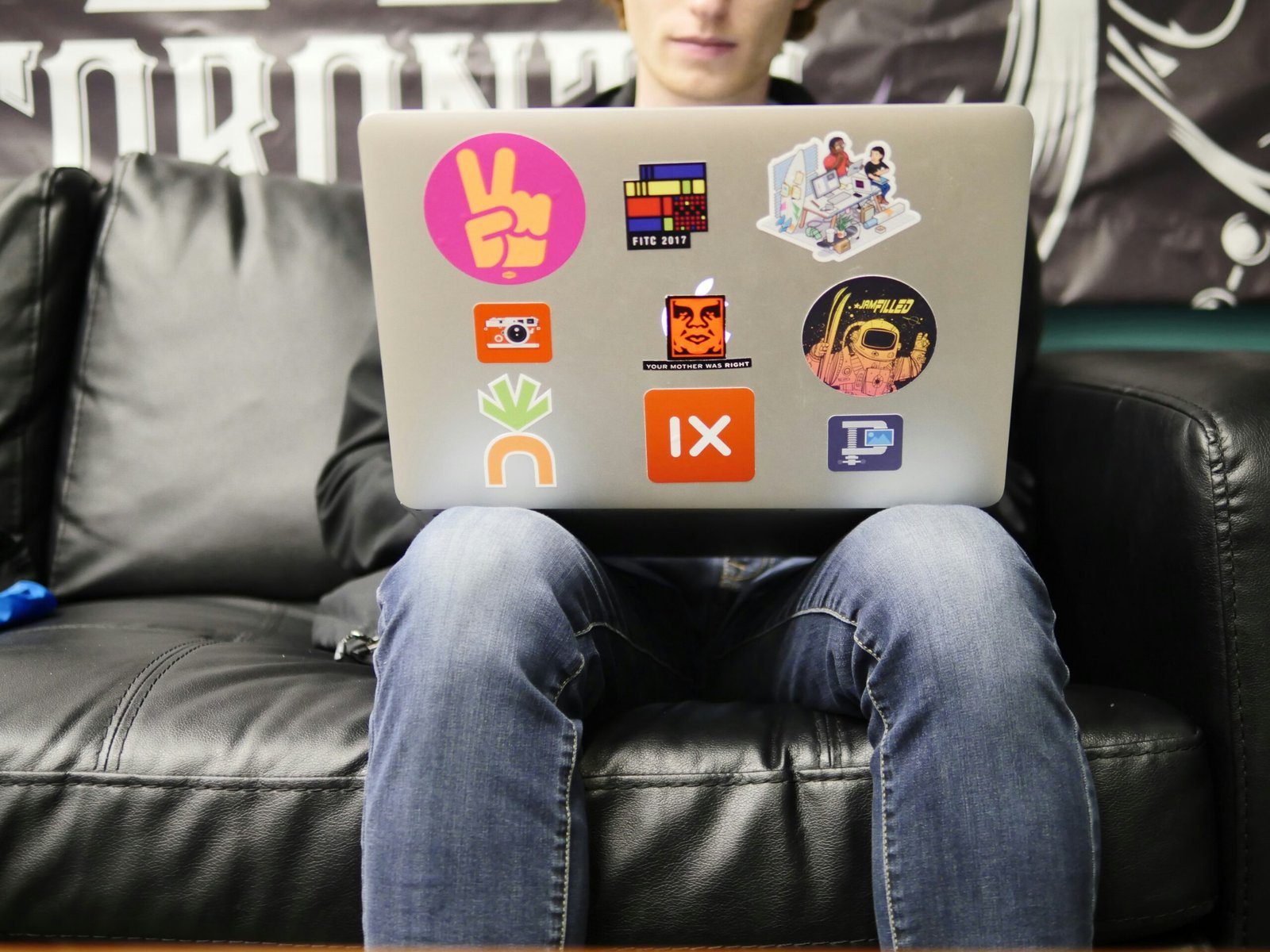
A person using a laptop.
(Image courtesy of duncan karanja on Unsplash)

Address isolation

Coming from a dysfunctional home, isolation and its patterns were the norm. It’s jarring to me that my formative circumstances can hold matters relatable on a mass scale. We were a house of closed doors; we seldom connected or shared a space beyond mealtimes and family holidays. I’ve come to realize in the years since that that experience has impacted how I’ve gone about life. I’m always seeking a place for myself, and despite a clear need for it like anybody else, I can easily find social engagements draining. I have had to be quite proactive and push myself to stave off isolating patterns and habits I inherited and never asked for. My fear is that many young men could find themselves fighting the tide I did, which leads me to…

Apps aren’t the way forward

At the time of writing this, apps geared toward dating, hooking up, and socializing appear to be hitting a saturation point; people are increasingly losing interest in them. I’d argue not a moment too soon. Apps are highly functional, but maybe they’re too much so for what they are supposed to be contending. What should be a boon for technology, a remarkable attempt at providing opportunities for connection, is not so in reality. Apps are more akin to human meat markets, dissolving valuable connection into an impersonal validation frenzy. I don’t know anyone who hasn’t experienced app fatigue sooner or later, and I include myself in that. If you want to meet a woman or new people in general, put yourself out there. There are numerous online platforms that advertise  in-person social events, so it’s easy to find something to do. 

In my experience, they’re well worth it.

Where do we go from here?

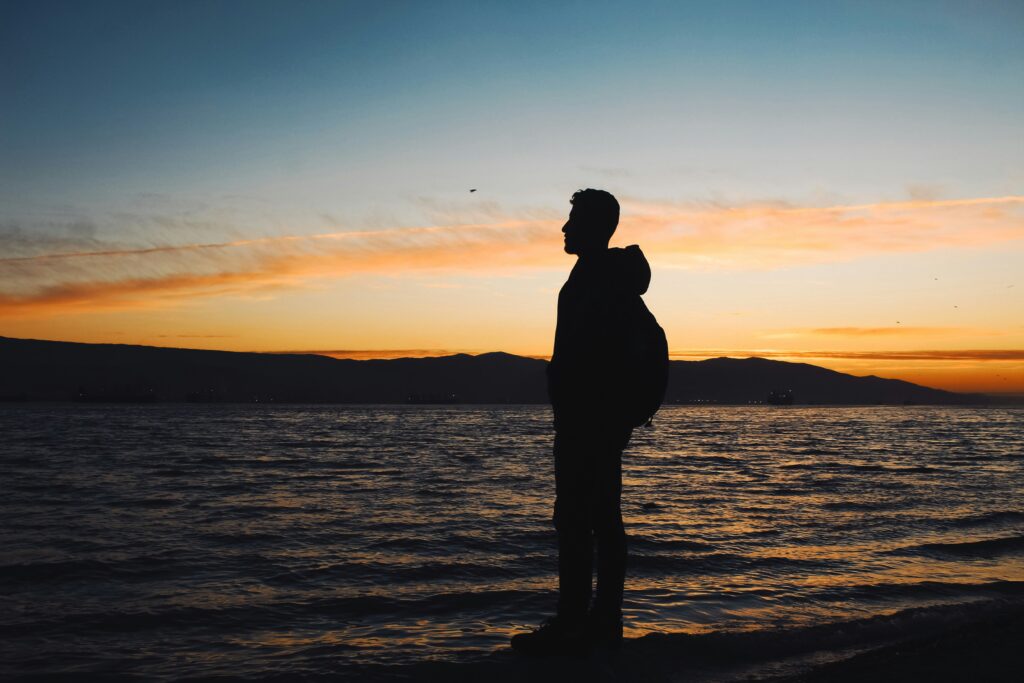
Profile of a man standing on a beach, with a sunset behind him.
(Image courtesy of Zeki Okur on Unsplash)

The primary theme I keep returning to seems to be this: get offline. This is not quite true. What the steps above outline is to not rely on the internet to fill one’s needs and to carefully use it to find opportunities in the real world. Be online to find social events, not socialize. Follow your interests to find your calling; don’t fix a job path to define your identity. Focus on building yourself to attract the right people; don’t desperately chase in the hope of finding someone. This is the advice I’d give my younger self. 

Yes, men are judged on competency. Yes, it’s important that a man is competent, but perhaps not in the way we uphold it as a culture. What makes a competent, valuable man? Amor fati. Or, the acceptance of one’s self, life, and fate. Someone who can embrace all of life. He sees the good and the bad, success and suffering, and responsibilities and hardships as all having value and necessity. A competent, valuable man isn’t about his paycheck, lifestyle, or status; it’s about him going after what he wants in life and having a hell of a time getting there. Come rain or shine, upheaval or mastery, any day of the week. 

The struggle is where growth happens, and that growth might be what gives life a sense of unfolding, progressive adventure. In my experience, it’s worth the fight.

My Voice? It Was Right There on the Page

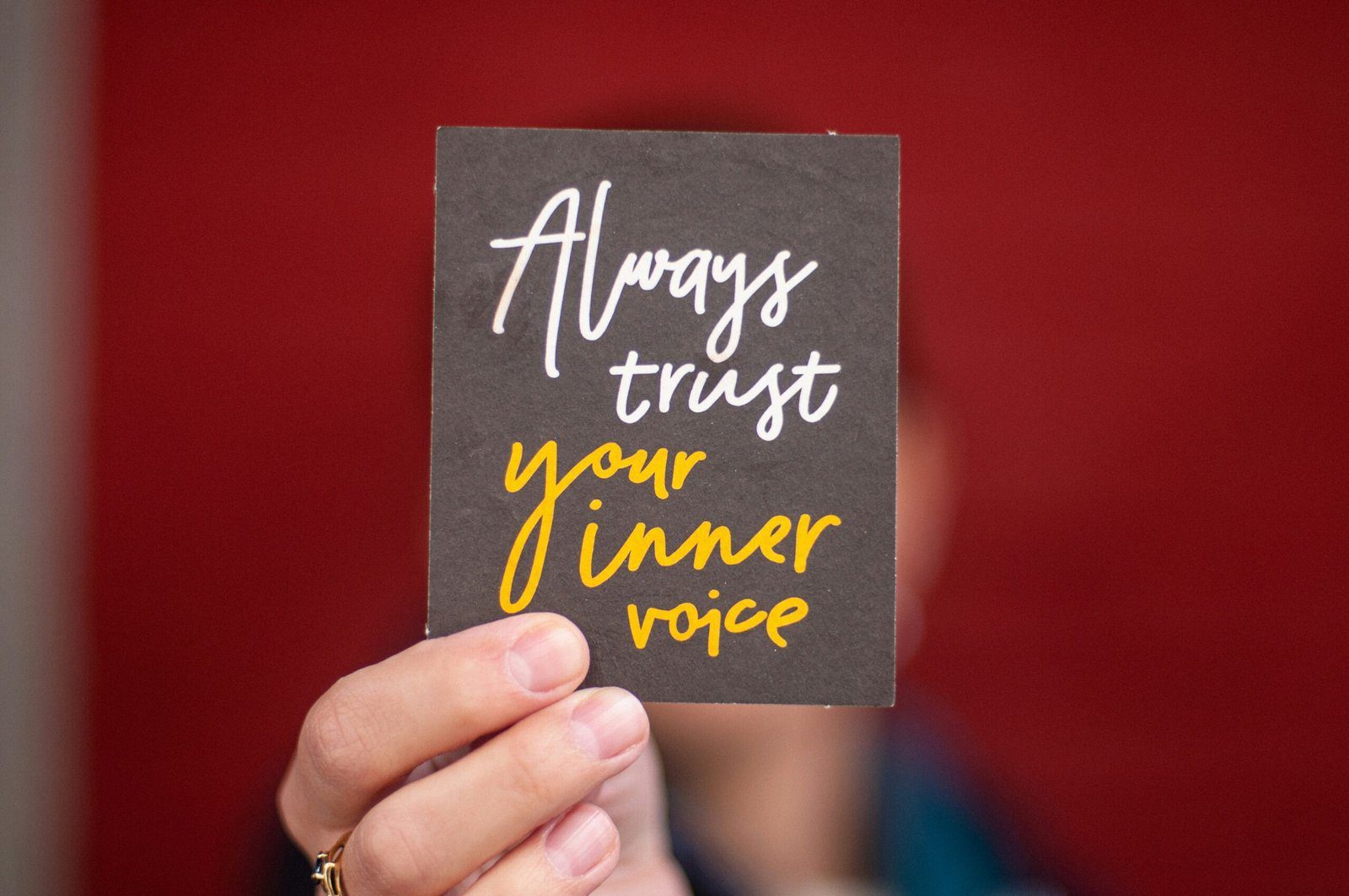
Discovering my voice through writing was surprisingly found in the silence of the process itself. 

Since childhood, I have always had a natural connection with people, and talking to others came naturally to me. So, it took me some time to realize that my true calling was in writing.

Journaling away my stuttering

Yet dealing with difficulties in speaking fluently and experiencing stuttering during my childhood made it hard to express myself verbally. This challenge drove me to begin using journals as a way of communicating when speaking felt overwhelming. With each passing day, I made gradual improvements, and unexpectedly I developed a passion for writing, finding solace and peace in it. 

I turned what appeared to be a weakness into a motivator for self-improvement. 

As I got older, writing became more than just an escape. It emerged as a potent tool for self-expression. Despite having strong opinions, I was challenged by verbal expression. Writing provided me with the bravery to advocate for myself and express my thoughts fervently. For instance, working on articles for my university publication allowed me to explore those topics deeply. For example, how can an individual bridge continents?

This year has been a time of great change for me. Through my work in storytelling and content creation, I encountered a wide range of voices and narratives, highlighting the role of writing in engaging with others. By analyzing and writing compelling stories for my university’s website, I have learned how to present complex ideas engagingly. This work was not only about writing, it involved skillfully combining information and emotion to make a significant impact. 

The experience strengthened my belief in the ability of written words to influence, motivate, and express without fear.

Writing as retaliation

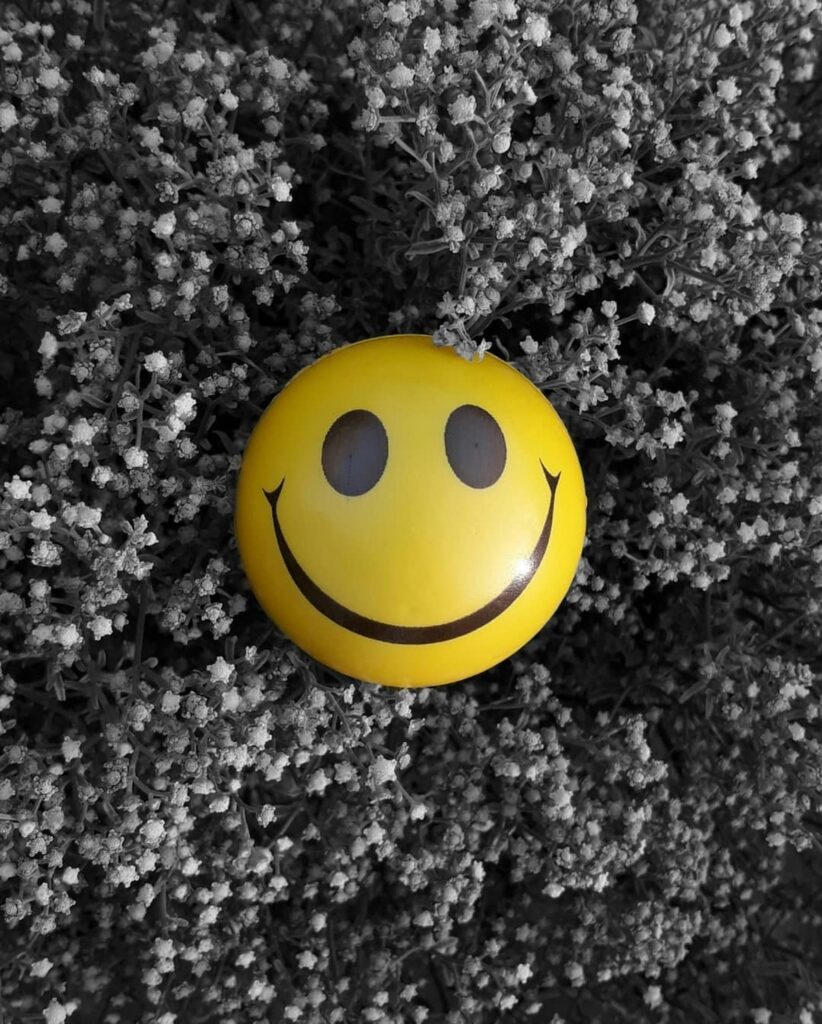
A yellow smiley face resting on a bed of black and white flowers.
(Image courtesy of Prince Patel via Unsplash)

Now that I have a clear sense of purpose, I yearn to be in an environment where I can share my ideas and use my skills to make a positive difference. I crave continuous growth and self-improvement and want to shine, gain confidence, and master my craft. Most importantly, I want to feel proud and have others recognize my abilities. 

The recent projects I’ve undertaken have only deepened my commitment to this path, showing me that writing is not just a passion but a vocation that can drive real change outside and fulfillment inside. My writing is the free voice I always deserved, right there.

Say the word, one word

My writing journey has transformed me from struggling with a stutter to discovering my truest, fluid voice. 

In my journey, I overcame obstacles to genuinely express myself. I am determined to find an environment where I can thrive, grow continually, and make a meaningful impact. Writing is not merely a passion, but a fundamental part of who I am. Through my writing, I aim to inspire and forge connections with others, contributing to a better world. One word at a time.

Ultimately, my deep connections with people throughout my life, combined with my speaking challenges, made me recognize the significance of writing. It brought comfort and a means of self-expression, turning my weaknesses into strengths and feeding my drive for personal growth and positive change. 

Writing didn’t just grant me a voice — it helped shape the person I am today, and with each word, I evolve unencumbered. 

A picture of a faceless person in a blue sweater sitting at a desk, preparing to write in a notebook.
(Image courtesy of Pixabay via pexels)