Maggie’s Invitation

The village of Oakhaven was very inviting, like a panoramic postcard. The streets were swept to the point of polish, and the windows of tea shops were draped in lace as delicate as a spider’s web. But, if you listened closely, you would notice a preternatural silence. There was no birdsong or local chatter giving life to the streets, as a visitor would expect.

There were no children playing in the squares, no dogs to amble alongside nonexistent horses. Instead, the elderly sat on benches with their hands folded, watching the road. Anticipating something perhaps, anything that would bring back some cheerful bustle to the dreary cobblestone lanes of the country hamlet.

In the center of the square stood the Gilded Ledger. It was a massive, golden pedestal where the “tax” was recorded.

Margaret stood in front of it, holding a single copper coin. “Maggie” was the name she preferred, and her tithe to the Ledger was due. Her register entry was under Lidsfarne, and her family members’ names were all scratched away, leaving her the sole heir of their responsibility to the golden pillar.

It was a hard run for her this year, being a washerwoman. She imagined a better life as a girl, being married to a young trader from the city, where the merchants lived and sold their glittering wares. She could have lived a comfortable life, but the will of Heaven had other plans.

The ones who collected the tithes were known as “Sovereigns;” they kept the “sanctuaries” running and devotedly obeyed the will of Heaven. Every able-bodied man, woman, or child was meant to contribute to the Gilded Ledger to help the Sovereigns run the spires, which kept the sun from dying since the last Sundering.

But Maggie Lidsfarne, last of her kin, was the only healthy young woman left in the village.

She was twenty-two, and for the past six months, she had been the only tenant of her house. Her mother had died in the winter, and her brother had been taken to the sanctuaries a year before.

“Penny for your thoughts, child?”

The voice was soft, like the silken dressing robes she would often wash for some of the Sovereigns. Maggie turned to see a Deacon of the order. He wore a mantle of cream and gold, holding a basket of warm bread. The smell of baked goods, fresh from the oven, warmed Maggie with welcome nostalgia. She remembered how well her mother had baked, and the cakes she made for her brother and her every birthday.

The Deacon didn’t seem like a monster. He reminded her of the father she had lost.

“I’m just… I’m behind on the heating costs,” Maggie whispered. “And the Ledger says my ‘tithe’ is due.” The Deacon sighed with sympathy.

“The tax is a heavy burden for those who walk alone. The Sovereigns need the gold to keep the sun shining and the borders safe. But the Ledger doesn’t just take metal, Maggie. It takes weight.”

He stepped closer, offering her a piece of bread and glancing at the scrawled list of names in the register briefly. “You haven’t spoken to anyone in six months, have you?”

Maggie gazed down at her shoes. The isolation caused a physical ache in her chest. “There’s no one left to talk to.”

“That is the heaviest weight of all,” the Deacon said, his voice dropping to a comforting murmur. “Why keep it? If you come to the sanctuary, we can take that heaviness from you. We can turn the cold silence of your empty house into something beautiful… something that can pay the debt for the whole village.”

He reached out and touched her hand. His skin was unnaturally warm — the heat of a furnace, like when her mother was still around and baking loaves of bannock such as those the Deacon held close.

“Imagine,” he continued, “no more cold nights. No more wondering if anyone remembers your name. In the sanctuary, you shall become part of the very gold that saves us all.”

Maggie looked at the bread, then at the sanctuary shimmering, garishly, upon the hill.

It was an impressive building, with whitewashed walls of plaster and ivory glazed terracotta, crowned by gilded bell-shaped canopies pointing heavenwards. The long spires protruding from their peaks were said to direct the focus of thousands in prayer, preventing the sun from dying.

It was beautiful, glowing with a cold, amber light. Maggie didn’t see the laboratories beneath it. She couldn’t fathom the “unrefined” — those hulking, silent beastmen who moved the heavy machinery in the dark, their eyes filled with the fading memories of their mothers’ faces.

In those spires that pricked the sky, gleaming above her, she saw a way to stop feeling like a ghost.

“Will my brother be there? And my mother, too? Are they praying with everyone else?” she asked.

The Deacon smiled, an expression that didn’t quite reach his eyes. “He is part of the foundation now. He is very important to us. Your mother is, too.”

Maggie took his hand. As they walked toward the hill, the copper coin she had been holding fell to the cobblestones. Its thud was dull, and cold like the sanctuary’s light. The air around them began to thicken, turning slightly grey, as if the world was selling its color to pay for the glow of the Oakhaven Temple above.

Nearby, an old woman on a bench watched them go. She didn’t call out. She didn’t stop them. She simply adjusted her shawl and waited for her own turn to be “noticed” by the men in gold, to be granted a piece of the warm bread, which they baked in their resplendent furnaces. 
The Art of Isolation

My relationship with isolation

I’m an introverted person. I can preserve myself quite solitarily, recharging with personal hobbies and quietude. There are often days when my recovery from a social event ends up being the comforting main course of an evening routine, replacing parties with pyjamas after an experimental aperitif. Introversion, however, should never be confused with a lack of social needs. I’m not so crippled by shyness as I once was, and I find myself craving the company of people more often.

Studying drama and theatre for three years, I was constantly surrounded by activity. Seminars, workshops, group projects, society sessions, shows… not to mention living with two amazing, intuitive housemates. During this time, a small university town can feel like your whole world, especially for drama students. God, that frenetic, boundless energy… When you’re sucked into its vortex, your mind and body start to crave it. The pull of creation, catharsis, and community — the push of careening from one show to another. These periods can get intense. Consequently, the small pockets of private time I was able to scavenge were sanctified.

Then, when I moved south to London to pursue a Master’s degree in scriptwriting, everything was flipped on its head. Suddenly, I was buried in work that required disciplined, insular focus. My accommodation turned into a studio. The characters in my brain became my family. Leaving all those fantastic, local connections behind, I found those rushes of interaction harder to replicate. 

Change is scary!

Let’s face it. That being said, there was a knack to my routine, once I screwed my head back on. How to accommodate isolation… and cherish it. I wanted to share a couple of tricks that really helped me in moments of loneliness to self-discipline, protect my mental health and maintain relationships. It’s my hope that anyone facing this level of change — whether it’s a new home, a breakup, or something else — can put their adjustment first. It’s an integral process.

Picture your comfort

One of my biggest regrets was leaving my flat undecorated for months, telling myself it was only a temporary stay. What was the point of moving in? In truth, a room is a reflection of your mental state, and you should tend to it with the same level of respect. Find ways to imbue your intimate surroundings with positive thoughts.

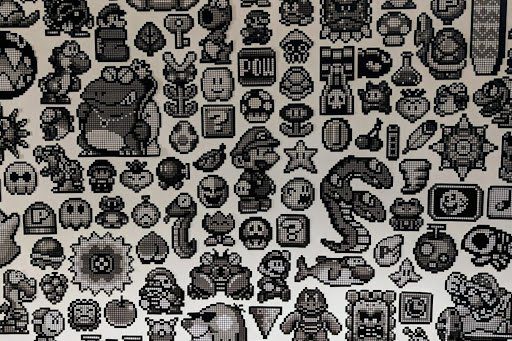
Back in my first family home, I started fostering an obsession with pixel artwork. I spent long afternoons creating greyscale reproductions of characters and objects from the Super Mario Bros. series. I had a whole collage of them set up above the mantelpiece, which looked pretty awesome if I do say so myself. 

So upon moving to London, I spent one long night reinstalling this collage in my new room. Even this simple, childlike action transformed the space, spurring a newfound motivation to decorate and fill my surroundings with home comforts.

Becoming settled in a space is one of the first steps to feeling comfortable in your own skin. Don’t ignore this task.

Adjust your scenery

This suggestion’s been advocated to death, but seriously, touch grass as much as you can. Fresh air is a surefire solution to boost dopamine levels and dispel the malaise of isolation. Surrounding yourself with people, even complete strangers, allows you to feel connected to a larger unit — suddenly, the weight of the world doesn’t solely rest on your shoulders.

After a certain point, it became impossible for me to enforce creativity in my room, so I started taking trips to the local library – there, I was able to hold myself accountable against others, relishing in the purpose of leaving my house. Provided you work remotely, separating relaxation and productivity spaces is integral to building focus and routine; if you can’t work in public, try at least to delineate these places within your home. Spending too long in one confined location is a breeding ground for procrastination.

Never underestimate the healing power of a long walk in nature. I myself have taken an obscene amount of those.

Book your relaxation

One of the greatest pieces of advice I have ever read was that rest is a right and not a reward. As a writer, it’s easy to grind myself into burnout, and I’m also a stickler for last-minute panic and how it turns me into a sleepless superhuman when I’ve got a deadline approaching.

Living in isolation, I find it more difficult to balance work and recreation. I’ve tried a bunch of time blocking-and-tracking methods over the years. More recently, I’ve attempted scheduling hours in the day for my personal hobbies: gaming, composing, novel-writing, watching TV, whatever I may need. I’ve realised that these moments are essential in preserving my productivity, and dedicating my time makes them feel systematic and automatic. As a result, I know I’m working towards something I can look forward to.

Everyone’s work schedule will vary, but it’s essential to create pockets of time throughout the day to do the things we love.

Dose your interactions

Something as simple as seeing an old friend for a day can satisfy your social gauge for a surprisingly long time (travel permitting, of course). On those days when nostalgic trips may not be possible, it’s still important to periodically engage with the local community.

I had a problem with interactions when I moved to London. Having developed friendships over three years in my undergraduate degree, I maintained that I should cherish and bolster these connections above others. Anything I built over a single year of study could never be as robust, right? Realistically, that was only an excuse for my insidious nostalgia, so I continued acting in shows, enjoying a new community in this once-unfamiliar terrain. Some of my greatest confidants arose from my Master’s year, and with many, I’ve remained in regular contact.

Don’t doubt your ability to be appealing to others and make friends in foreign environments. If you are the only obstacle standing in your way… get out of the way.

Starting over

Ultimately, I believe a large part of feeling isolated stems from internal unease. Self-caring for your body and soul before anything else will aid you in building confidence, taking new steps, forging new connections, and engaging with the shifting network of life.

Starting over is never a sign of weakness; sometimes, it is the most prominent indication of strength. 

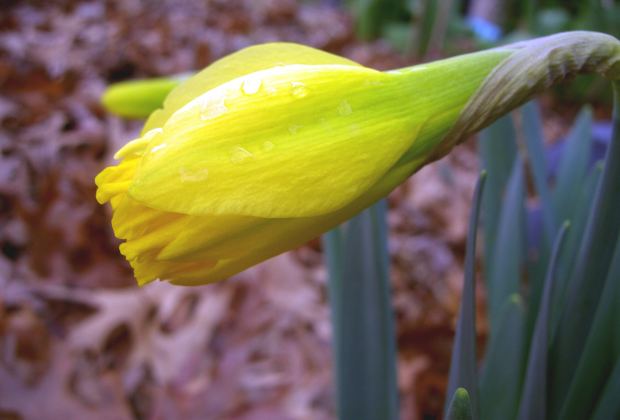
Image of a thriving daffodil flower bud with drops of dew.
(Image courtesy of Jdurham via Morguefile)

A Song to the Sculptor

Oh, stone carver, listen to me for a moment, that your skills be blessed.

Shatter my ignorance so my heart, hardened, may begin to beat. 
Remove the pain from my heart and take away my sorrow. 
Find a way to perfect my desires, so that even in pain, I can smile. 
Fill me with patience and remove the darkness surrounding me, and destroy all fear. 
Sometimes, I yearn to meet you,  but there is no one else besides you to talk to. 
Shape me so my creation makes others proud, and remove pride and arrogance from me. 
Give me humility and craft me as you wish. 
You are the creator of my life; I need no riches, just bless me with my desires. 
I am lost somewhere within myself; 
Take me out of the darkness  and give peace to my heart and soul. 

You know everything about 

my life.

اے سنگ تراش ذرا بات سن تیرے مہارتوں کی خیر ہو مجھے ایسی ضرب لگا ذرا جو میری غفلتوں کو توڑ دے سینہ سنگ دل بھی تڑپ اٹھے دل میں قید درد نکال دے میرے درد کو مجھ سے چھین کر میرے چہرے کی رونقیں بہال کر کوئی ایسا رستہ تالش کر مجھ پر چاہتوں کا کمال کر ٹھیں کہ ہم درد میں بھی مسکرا اُ صبر سے مجھے ماال مال کر میرے ِگردوپیش کی ظلمتیں پوشیدہ سب وحشتوں کو زوال کر بیٹھا لے کبھی اپنے ُروب ُرو تجھ سے ملنے کی ہو جستجو نہ ہو دوسرا کوئی سامنے فقط تجھ ہی سے ہو گفتگو مجھے ایسا تراش دے میری نسلیں سنوار دے غرور و تکبر مجھ سے دور ہو مجھے عاجزی ادھار دے تو مجھے جیسا چاہے تراش ُ تو میری زندگی کا کارساز ُ مجھے دولتوں کی چاہ نہیں تو مجھے اپنی چاہتوں سے نواز ُ موجود ہوں میں خود میں کہیں تو مجھے تاریکیوں سے نکال ُ ے د ن سکو کو ح و ر و ل د ے میر ُتو ل حا سب کا گی ند ز ی میر ہے نتا جا ہ شا عراُصیب ش:

Music Strange the Dreamer courtesy of Savfk, via Audio Library Free Music: https://www.youtube.com/channel/UCHae4C99XJORB7Iog62wqvw

Heaven Simple

the wind did not howl
but the door frame is loose
vibrated and swayed
like the unhinged rusting tin roof
and her anxious heart
like the approach of the wind
the visitors seemed to arrive
to test the breach in the  weakness
what was giving way in her situation
their shadows eerily long
threadbare the last of her hopes
their steps determined and firm
calling her out, voices loud
out in light to accost
treasure ships of riffraff ghosts
any other day
not when she is down with decay
her nerves are far from calm
the visitors as the wind
each raindrop
ceaseless till it stops
want to prevail 
leave her unveiled
that her pillar was gone
that she knew not how strong
uprooted he was
cut down in the sweetest hour 
then she heard am yet to be gone
not until you let me fall
yes I reverberate
in each step from here now you take