England’s toddlers looking for a home

Fertility in England and Wales is at record low levels of 1.41 births per woman. It’s a trend replicated across Europe, including in countries traditionally seen as family-friendly like Spain and Italy. Meanwhile, the average age of parents has risen. People are waiting longer to have children and are sometimes finding it harder to have them. So finding adoptive parents for young children in need of a family should be getting easier, right? Wrong, according to Dame Carol Homden, chief executive of children’s charity Coram, a major voluntary adoption agency in England.

“Adoption matches and placements are down, but that is not because of a fall in the number of children,” Homden told The Sentinel in an interview, adding that in Britain:

“What is of profound concern is that we have more than 3,000 children waiting and we only have half the number of adopters.”

There are several reasons for a lack of potential adopters, according to Homden, starting with an ageing population.

“We have a demographic time bomb. We have a change in the demographics of the UK, a change in our population which means that the population is older. There are many people post-retirement playing a key role in the lives of their grandchildren. But for the parent age group, or what we normally think of as the parent age group, there are fewer of them.”

Brexit, inflation and war shocks are also taking their toll.

“It is ordinary people who do this extraordinary thing of adopting children, and the cost of living crisis has been a great concern,” Homden said.

“It’s increasingly difficult for young people to leave home and to have the housing that they need to form a family, combined with the cost of childcare, as a great many more women are in the workforce.”

Homden said that parents were “a squeezed middle that’s facing very high childcare costs and increasing burdens for their elderly relatives.”

In addition, scientific advances in IVF have reduced demand for adoption from would-be parents who have had difficulties in bearing their own children, Homden said.

Adoption also faces a barrage of negative publicity, with tales of adoptions which fall apart, Homden added:

“Good news is never news. There is a negative discourse that is drowning out the voice of the many, many children who say they love their adopters, and of the vast majority of adopters who say that it can be tough, but that they would do it again.”

Homden said it may be time to consider different ways of looking after children.

“We are going to need to adapt our ways of thinking about how people can help, even if they are not able to help us full time.”

With divorce high in Britain, one group of people who could be a natural fit for adoption are “second time arounders, where one of the partners has teenagers,” according to Homden.

There is no upper age limit on adoption in Britain, though Homden said Coram took into account the physical toll of looking after young children. “There is a sense check. Health conditions are considered quite carefully.”

There are also no restrictions on adoption by same-sex parents or single parents in Britain.  Joint adoption by same-sex partners is permitted in only 36 countries worldwide, according to the United Nations Population Fund.

“Coram has been welcoming people of all backgrounds for a very long time,” Homden said.”

Established as The Foundling Hospital in London by Thomas Coram in 1739 as a home for babies whose mothers were unable to care for them, Coram operates adoption services in London and the southeast of England.

Homden said that the vast majority of children who are adopted are under the age of five, with most between two and four.

Former primary school teacher Anne, a single woman of Black Caribbean descent, adopted her two daughters, birth siblings Emily and Rachel, through Coram in 2021 and 2022. Her network of family and friends were supportive of her decision, she said in comments provided to The Sentinel by Coram.

I knew it was going to be really tough to adopt as a single parent. But I had faith that this was the right thing for me to do, she said.

“I remember just always having a heart for those children who kind of didn’t fit into the mainstream in different ways. Being around children who were maybe looked-after, or they were known to social care, it really made me think this was something I wanted to do.” 

“Adopting children who are birth siblings I think is really important for their life story and having that connection. I am getting used to taking care of someone else’s needs, we are having new experiences and getting to know each other.” 

Same-sex parents Ben and Adam adopted siblings Lydia and Spencer, and later another child, Jamie, through Coram, according to comments provided to The Sentinel. Ben is a former mental health nurse and a qualified social worker, with experience of working with vulnerable children.

Lydia and Spencer, aged two and one at that time, were the first children Ben and Adam were put in touch with.  “I remember the night before the confirmation on whether we would be their adoptive parents,” Ben said. “The waiting then was the hardest part of everything, we couldn’t sleep because of excitement and nerves. But it was a wonderful process and exciting. 

Ben added that: adoption is a very different form of parenting to biological parenting and I think it’s quite hard to understand that before you do it, so we try to explain the realities to anyone considering it. Adopting our children is absolutely, one hundred per cent the best thing we ever did, no doubt about that.”

Editorial note: Names have been changed to protect the identities of the families.

 Lifetime Haikus

Editor’s Note: This piece is an example of the Japanese “rensaku” poetic form, a collection of haiku poems that connect with one another to create an overarching narrative.

Lifetime Haikus

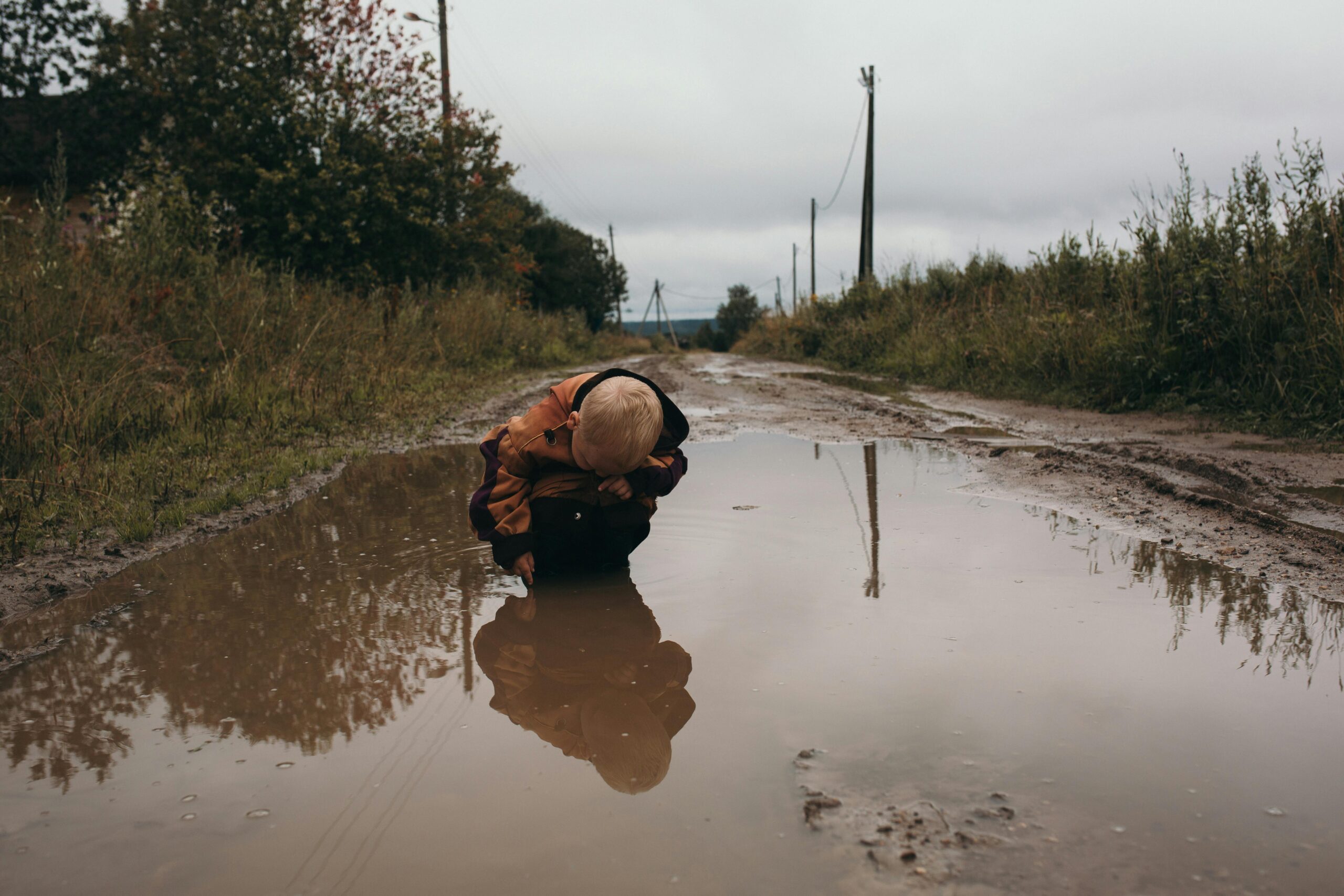
A shimmer, shadow
Wrapped in swaddle, to blossom
In a mud puddle.

One learns to love the
Days lost to scraped knees, teary
Eyes, hugs that mend all.

Then the legs grow, the
Arms reach out, fingers spread,
The heart finds color.

You love her, lost the
Fears you had handing her bruised
Daisies, wrapped with bows.

She found you, held the
Bouquet close, and you closer,
Even after dawn.

Her hand is on your
Chest, warm, serene, securely
Yours– you breathe her in.

Your daughter is born,
Her eyes still closed, she is safe
Against your bare chest.

Everything is hard,
Harder than you ever thought
It would be to love.

A part of you shrinks as
She grows, no mud to muddle,
You love her. You lose.

She scrapes her knees as
Yours feel heavier, all
Steps forward for her.

You lost her mother,
You lose yourself, but see her
Still, as your heart breathes.

Your lass lingers less
At home, begins her own way.
“It’s alright, sweetie.”

She left today. You’re
So happy to see her eyes
Closed again; you hug.

Everything mending,
She shimmers, the car drives east,
Casting more shadows.

You lose you, again…
Sit there, reading her letters,
As your hair thins, grays.

She visits, her wife
And son– the image of you–
Hug you, eyes open,

As hers crinkle closed,
Like her mother’s; you miss them
Both, brutally now.

On your knees, at the
Cemetery, your eyes mist,
In the fog. You loved.

The photographs blur,
Just a bit, and your daughter’s
Voice sounds less like home.

“It’s alright–,” colors
Paint your heart in antique grays,
Blue, bruised arms that grasp,

That cling on, fingers
Spread wide, on your chest, as you
Still remember them.

You thank the world,
Watch the rain, the mud puddles,
Hold the daisies, bruise them.

The darkness grows, as
Your crinkled eyes close, nothing
To lose. You were loved.

Ana, Miguel and Life on Hard Mode

Ana met her husband in an infamous Brazilian chatroom, exactly the kind of meet-cute that defines the best love tales of the 21st century.

She was bored. His nickname was DJ_German. The conversation lasted just a few minutes. She was about to log off when he dropped his phone number. No drama, no pushiness.

“I thought… there’s no way I’m calling a stranger! But the next day, I had nothing better to do and thought… why not?” she recalls. So, on a random Sunday in the early 2000s, she called.

They talked for two hours. By Wednesday, they were meeting up at a mall in Curitiba, Paraná, Brazil. “It was love at first sight,” she says, and it doesn’t sound like an exaggeration. Twenty-one years have gone by. They got married. Had a child. They’ve been together ever since.

Their son’s name is Miguel. It’s for him, and for herself, that Ana, with the courage of someone who has broken down in public before, is now trying to find her place in the world again.

***

Her connection to gaming began long before motherhood. Even before her husband, Leandro. Ana used to play with her sister, her parents, and the whole family together.

“The whole family was addicted. Games brought us together in the living room. When it got late, my sister and I would go to bed, and my parents would stay up all night playing,” she remembers.

Back in the ’90s, her dad – an illustrator – was in charge of drawing maps for Phantasy Star (Sega, 1987), level by level, forest by forest, maze by maze. That memory is still vivid in her mind.

During the interview, Ana gets emotional and tears up just trying to remember the name of a long-lost Master System 3 cartridge.

“I missed it so much! I spent years trying to remember the name of that game. I looked everywhere and never found it. The memory is still so alive. The next day, my parents would tell us everything they had unlocked or achieved.”

Now approaching 40, Ana admits she still loves games but hardly plays. “My dream is to have a decent computer so I can play again,” she confesses.

Her favorite genre? “Silly games,” she says. “I like to relax, you know? Nothing stressful. My Steam profile makes it very clear.” The bio of her steam profile reads: “Yes, I play children’s games!”

Maybe it’s her way of resisting a world that demands too much.

She still treasures her second Game Boy (the first was stolen). She also owned an Atari and a Nintendo 64, alongside the Master System 3. She remembers clearly which titles she had for each console: “I couldn’t afford many games, so I lost count of how many times I replayed the ones I had.”

“Back in the 64 days, I loved Super Mario and Legend of Zelda. On Master System, I played Prince of Persia, Sonic, Super Monaco. Atari was easy… River Raid, Enduro, Pac-Man.”

Leandro’s Super Nintendo is still safely stored away. Every now and then, they still play a match or two. When asked if the vintage console could be sold for a high price, Ana is firm, “Whether it’s worth money or not, we’re not selling it.” The sentimental value means more.

Super Miguel World

The only game Leandro has ever liked and still does is Super Mario World. That’s where the idea came from: Miguel’s first birthday party would be themed after the world’s most famous plumber.

Not a coincidence at all: the boy fell in love with games even before he could speak, around age 3, starting with educational titles. Slowly, without any pressure, games became shelter, language, connection. With the world. With his parents. With himself.

***

“When I stopped the treatment, I got pregnant. My little one was born in 2017,” she says.

When she got pregnant with Miguel, Ana was working at a major telecom company. But just imagining someone else witnessing her son’s first steps while she was away made everything lose its meaning. She asked to quit. And she did.

“I was doing really well there. My pregnancy went smoothly… but during my seven years at the company, I saw many colleagues have babies, go on maternity leave, and return to work. Everything as it’s ‘supposed to be’. When my turn came, I couldn’t get used to the idea of my long-awaited baby spending all day with ‘strangers’ who’d then give me a report at the end of the day: ‘Oh, today he took a step, discovered something new, learned a game … while I was out chasing professional success’,” she explains.

“To me, it just wasn’t a fair trade. So when I came back from maternity leave, I said I wanted to quit. Quit to take care of myself, of him, and to chase my dreams.”

Contrary to what society often preaches, the postpartum period was far from a fairytale. After Miguel was born, he cried nonstop for three months, refusing to be held, and showing no clear signs of what was wrong. His mother ended up submerged in a sea of postpartum depression, resistance to help, and overwhelming guilt.

“I wasn’t sleeping. No one knew why he cried so much… he wouldn’t let anyone hold him. As he got a bit older, he became very selective with food, had intense crying fits… he’d have a meltdown anytime we went somewhere with unfamiliar people. He took a long time to start walking, and he didn’t accept physical contact,” she recalls.

It was a shock. Pure exhaustion. A desperate attempt to understand. No answers. The official diagnosis came only when he was two, after a frustrating journey through doctors’ offices unwilling to confirm what she already knew deep down: “my son is autistic.”

The Autism Spectrum Disorder (ASD) diagnosis finally came from the most expensive child neurologist in town. With it, a strange sense of relief. Relief in being able to name the chaos. To look back and think: “it wasn’t just in my head. It wasn’t my fault. It wasn’t a failure”.

Even so, Ana still feels guilty for how she handled the early years of motherhood.

“For me, the postpartum period was the worst time of my life. I felt like the worst mother in the world and not just that, I felt like the worst person. That’s why I’m completely against romanticizing motherhood.”

“Picture me, deep in postpartum depression, wanting to disappear off the face of the Earth, going through all of that. I did one of the worst things I could’ve done just to get a little peace… I’d leave him watching cartoons on TV, because it kept him distracted. That’s how he started saying random English words before even learning to speak Portuguese,” Ana explains.

Today, Miguel is 8 years old. He’s a sweet, well-mannered, brilliant child. He talks about astronomy with the vocabulary of a scientist and loves logic games. Among his favorite titles, a pattern emerges: puzzles.

“He’s an absolute sweetheart, polite and super smart. He loves studying English and has a hyperfocus¹ on games and astronomy. He used to be obsessed with human anatomy and physiology too, but that’s faded a bit. His dream is to work at NASA,” says his doting mom.

Like almost every kid his age in 2025, Miguel is also obsessed with the ever-polarizing Roblox. “That’s where he says he has ‘friends’,” Ana points out.

“He also loves Minecraft. He plays on his super tablet. And whenever he gets access to a computer, he enjoys games like Human Fall Flat, Portal… total little nerd. He dreams of having a Nintendo Switch.”

Of course, not everything has to be educational. Miguel also adores games with darker themes: Poppy Playtime, Garten of Banban, Five Nights at Freddy’s, and Bendy and the Ink Machine.

That fascination might just be in his genes. “I’m also drawn to darker themes, and some of my favorite games are Little Nightmares, Rain World, Cult of the Lamb, Limbo, Inside… I love them, love them, love them!” Ana confesses.

They’re dark yet safe worlds, almost like playable metaphors for the restlessness she struggles to say out loud.

Miguel doesn’t have regular access to video games, but that doesn’t stop him from playing. He watches YouTube videos. Lots of them. He knows where to find hidden items, the bugs, the shortcuts, the alternate endings. He watches so much that, when he finally gets a chance to play, it’s like he’s already beaten the game three times.

“He kills it, just from watching other people play so much. It’s fun to watch,” she says, laughing. It’s like he’s been training all along, just waiting for someone to hit Start.

When Ana mentions her son’s love for logic games, there’s a quiet pride in her voice. The same kind of awe she feels remembering the maps her father used to draw during the Phantasy Star days.

Only now, it’s Miguel who draws the maps. And the world – even if digital – finally starts to make sense. For him, games aren’t just entertainment, they’re a language. They’re a safe ground.

“We can see there’s a very positive side to it, too. He learns a lot, his English is great, he has quick thinking and strong logical reasoning.”

***

In the family’s daily life, games have become a shared language. A point of contact. An improvised form of therapy. Miguel plays, and his mother observes. She sees so much of her son in her husband, who also received an “unofficial diagnosis” of autism after being observed by a psychologist who simply said, “I have no doubts.”

“I had my suspicions, because he was very different from everyone else. When the psychologist said it, we just accepted it, it was so clear. But since we don’t have the ‘paperwork,’ he doesn’t present himself as autistic. Especially because, after so many years adapting and trying to be ‘normal,’ it doesn’t really impact his life or come across to others.”

Ana also started looking at herself differently and began to wonder a while ago. A preliminary test showed a “very high likelihood of being on the spectrum.” She wants to investigate further, but money is tight at the moment.

“After that test, I started to question a lot of things, but the cheapest evaluation costs around R$ 1,500. My father has high abilities², and I’m pretty much a copy of him,” she shares.

In fact, “there is an undeniable genetic component in autism,” explains pediatric neurologist José Salomão Schwartzman in an interview with the renowned Brazilian Dr. Drauzio Varella.

Scientific research has increasingly focused on genetic predisposition, and evidence suggests that genetic factors may explain up to 90% of autism spectrum development.

Reset

Ana speaks with passion. And at length. She describes herself as “chatty, all over the place, chaos.” But the moment the conversation shifts to voice (when she has to get on a call instead of typing), her body freezes. Anxiety kicks in. Panic. The fear of crying. The fear of shutting down.

The fear of being seen as “too fragile” for the job market as she searches for a way back into the corporate world after nearly 10 years away. When, in reality, she’s just tired of trying to fit into expectations that never once tried to fit her.

“I keep thinking: how am I supposed to get a job like this? I feel like some kind of wild animal. I go for an interview, a call… I’ll probably start crying halfway through. They’ll just say, ‘please leave’.”

“I don’t even know what weighs more, the gap in my résumé, which I’ve tried to fill every possible way just to be seen, my age, or the outdated experience. There’s no certificate that can cover that hole,” she confides. The hole of having stepped away. Of choosing to care. Of doing what so many romanticize in captions but reject in real life.

With a degree in Marketing and a postgraduate diploma in Business Management, Ana dreams of working in areas related to diversity, inclusion, ESG, and purpose-driven projects. She loves to create, to think about branding and identity, to build presentations, to make things meaningful and colorful.

“I’ve done a bit of everything in this life. I’ve run my own business, had a tattoo studio, sold Swiss chocolate, and worked as a tattoo artist. I had a family-owned semi-jewelry business, where I handled all the marketing. I worked for over 10 years at a multinational as a marketing analyst and project analyst,” she lists, showing the richness of her experience.

She even has her own version of hyperfocus: a dream of working at O Boticário (one of Brazil’s largest beauty conglomerates). “I really admire how they focus on people. It makes your eyes light up, you know? Makes you want to be a part of it.”

Deep down, Ana just wants to be seen. To be heard. “I even told a girl who works there, ‘If I could just talk to someone, just get an interview, I think they’d hire me.’ Because, honestly, if people knew how much love I pour into my work, the passion I have for what I do, the way I go all in… you know?”

Despite her résumé, experience, and drive, still hasn’t been called, not even for an interview.

“I don’t think my résumé is bad, or weak, even with the career gap, which I think I explained really well. But, still, I can’t land an interview. I just don’t know what’s wrong with my résumé,” she admits, “I feel pretty lost.”

***

Today, Ana barely plays video games, but laughs as she admits there’s “a dormant gamer inside me, just waiting for the right moment to wake up.”

“Since I’m not a big fan of mobile games, I don’t spend too much time playing. And the few that run on the computer I have right now are more for distraction, so it ends up being a positive thing,” she explains.

For now, she plays what she can. It helps her unwind. Distracts. Relaxes. Disconnects. But she knows that, with the right adventure, she wouldn’t sleep just to beat the game. “If I had the right hardware, I know I’d push past all limits.”

Sometimes, that’s what care looks like too: care for herself, for her time, for whatever energy is left after taking care of the whole world.

The story of Ana, Leandro and Miguel is a starting point, but it also opens space for us to reflect on the role of video games in contemporary childhood, especially when it comes to neurodivergent kids.

Autism at play

Ana doesn’t play much these days. Miguel plays a lot. But between them, there’s a kind of invisible thread, made of pixels, building blocks, and mental maps. If you pay close attention, you’ll notice: even without a controller in her hands, she’s still playing.

For children on the autism spectrum, like Miguel, the structured and rule-based environment of video games can be particularly beneficial. Games offer a safe space for social interaction, where expectations are explicit and communication can be more direct, reducing social anxiety.

The reward system reinforces positive behavior, and the visual and interactive nature of games can be a powerful channel for learning, adapting to different cognitive styles.

Yes, video games offer a field of possibility for autistic individuals. This isn’t naive optimism, it’s a growing consensus among professionals in health, education, and technology. Games bring joy, expand knowledge, contribute to emotional well-being, and create alternative paths for socialization, especially for children and teens who often experience isolation in the physical world.

Many end up learning English without realizing it. They practice reading, logic, motor skills, and problem-solving. Some games even function as natural blockers for intrusive thoughts. Others help develop cognitive and even physical skills, like the so-called exergames.

Immersion has its value too. Hyperfocus – a common trait among people on the spectrum – finds fertile ground in games, where the overstimulation of real life gives way to predictable rules, clear objectives, and immediate rewards. Some kids literally grow up between stages and quests.

That said, the very element that enchants can also disconnect. Excessive use raises concerns and, in some cases, leads to further isolation. It’s important to set boundaries and ensure screen time doesn’t replace essential experiences, like physical play, in-person connection, or body movement.

Miguel, for instance, sometimes goes overboard. He falls asleep thinking about games. Wakes up talking about them. Ana and Leandro, always attentive, notice when it’s time to gently pull the thread back into the real world.

“We’re very aware of this and try to involve him in other activities. The downside is that when he exceeds his limit and spends too much time on screens, he starts to live inside the game. He dreams he’s in the games, and all his conversations revolve around that. That’s when the alarm goes off for us,” Ana says.

The key lies in balance and, most importantly, in guidance. With the right support, games can be therapeutic tools, educational resources, and even starting points for real friendships.

Ana’s experience, seeing games as a bridge of connection with her autistic son, is far from unique. When played with purpose, ethics, and care, they are more than entertainment, they are opportunity, inclusion, and future.

Ana still dreams of a “decent computer,” of getting a job at O Boticário, and of reentering the professional world. Miguel dreams of working for NASA and getting a Switch. Somewhere in between – between drawings, maps, and difficult levels – they keep playing in their own way.

The console may still be missing. The job. The opening. But it doesn’t matter. Ana and Miguel already know how to play as a team.

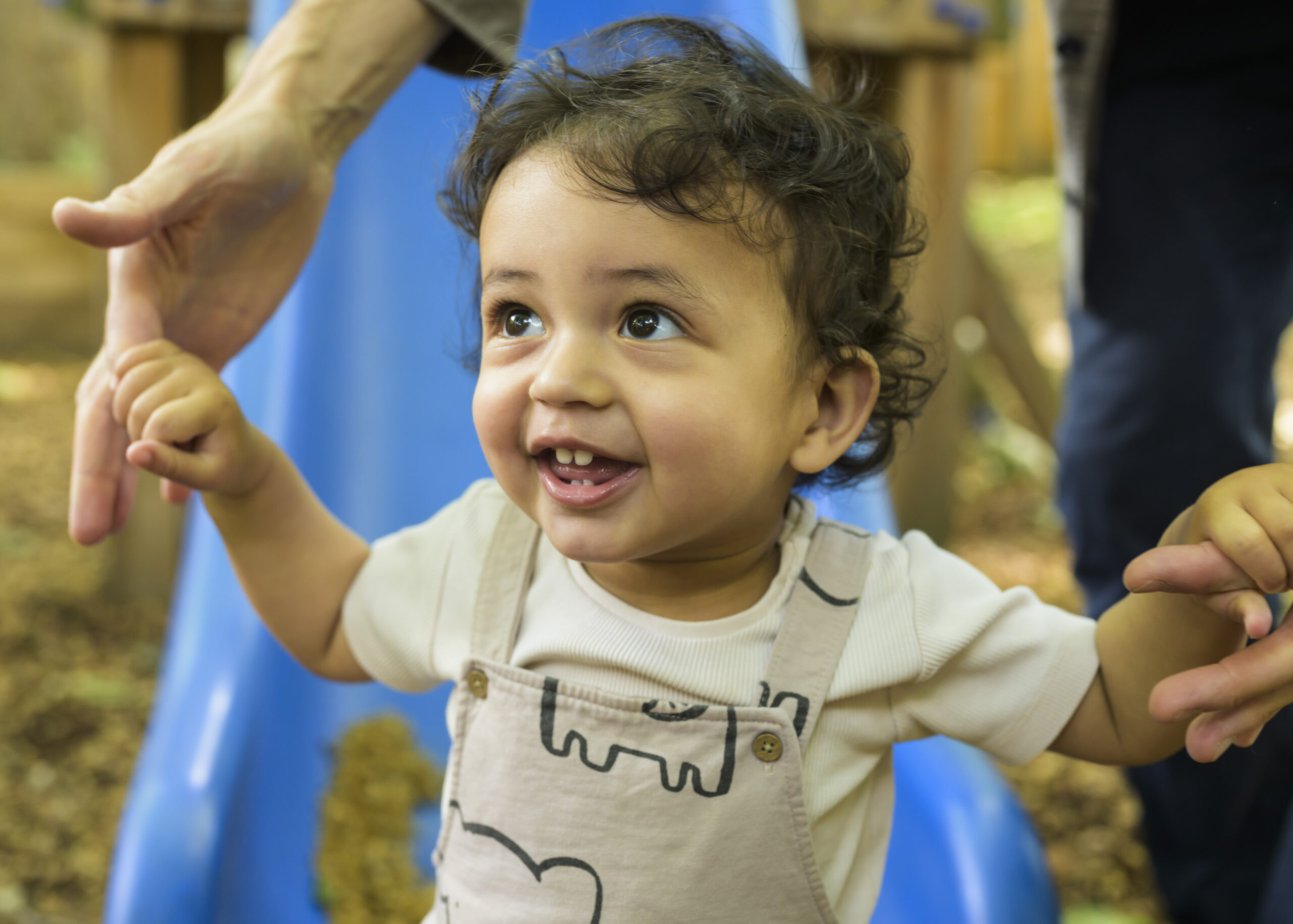
Playtime! Bringing Fun and Joy to Displaced Children at the French Border

When thinking about services for refugees and displaced people, we often consider food, clothing, shelter, and medical aid. Rarely do we think about play. Yet, “Play is essential for children’s development,” says Rachel Sykes, director of Project Play. Even children caught in the throes of migration need the opportunity to play — something that Project Play provides. 

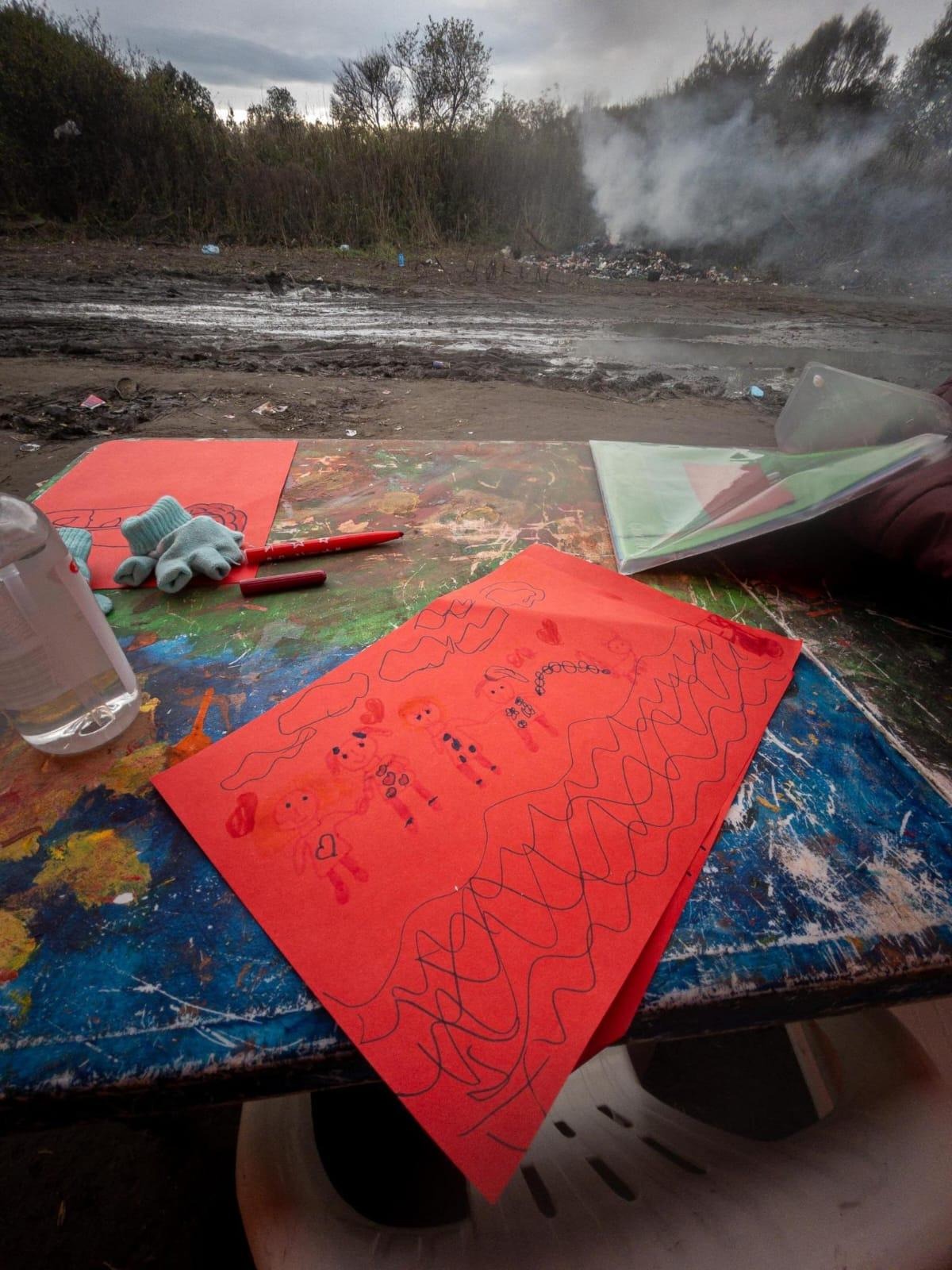
A grassroots NGO based in northern France a short hop across the sea from Britain, Project Play offers displaced children the chance to participate in one of the most fundamental aspects of childhood: playing. As Sykes describes, “Many of the children we work with have not had access to formal education for some time, and they may also be experiencing toxic stress due to the conditions they live in. Our sessions hope to offer them a safe space in which they can relax, develop skills and feel a sense of autonomy.”

When founders Claire and Cole first came to the migrant camps at Dunkirk as students in 2018, they were helping with food distribution for the community near the French border. However, they noticed that the children, often disruptive, were simply bored, needing enrichment and engagement. In response, Cole shaved their own head to raise money, and they and Claire dropped out of university to found Project Play. 

Play is serious business

So, why play? When Project Play first began, it attempted to focus on both play and formal education, but quickly realized the difficulty of trying to provide education to children, many of whom had never had formal education, in the midst of a crisis. After consulting with psychologists, they decided to narrow their focus to play only as a means of developing important skills such as, “…fine and gross motor skills… exploring the world around them, health and self-care, listening and concentration, being creative, emotional awareness and regulation, participation and collaboration and self-confidence and self-esteem,” Sykes informs.

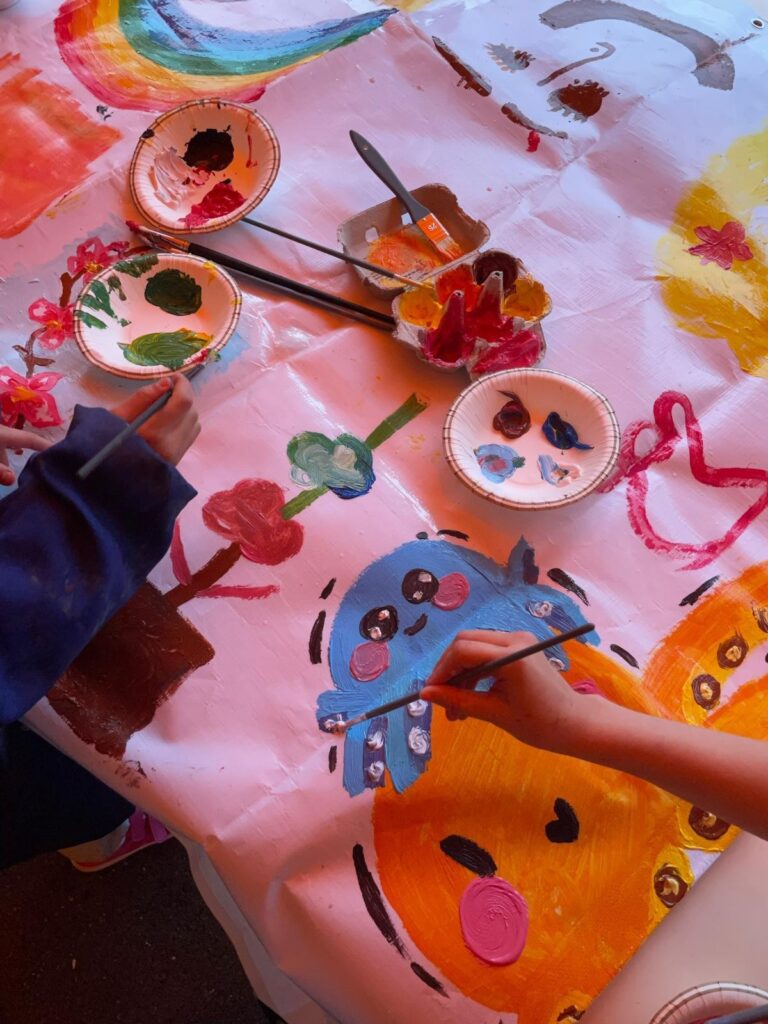
The hands of children paint colorful figures.
Photo courtesy of Project Play

Play can also provide a meaningful avenue for processing trauma, a common experience of children in the middle of being displaced from their homes. Furthermore, play lets kids develop social skills and make positive memories, especially important in the face of such hardship. 

Go, Team Go!

Five years on from its launch, Project Play continues to provide support to displaced children in Calais and Dunkirk through the power of play. They have collaborated with child psychologists and a network of professionals to bring meaningful sessions of play to migrant youth at the French border. Their team has grown to include a board of trustees and volunteers. 

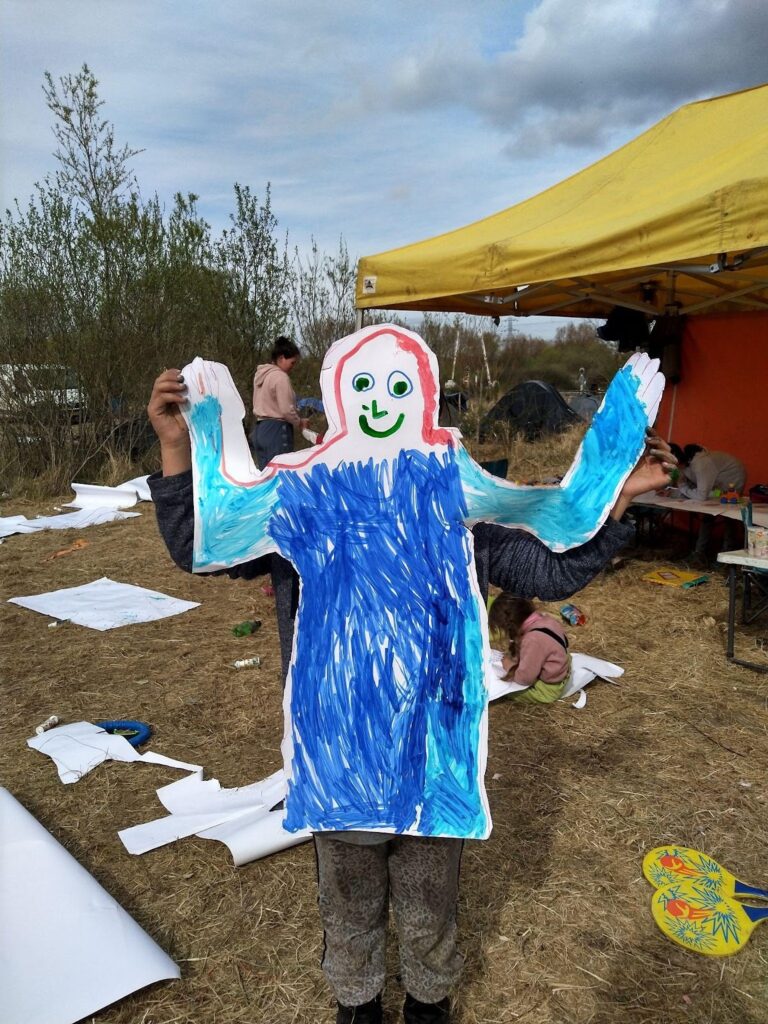
A colored cut out created thanks to Project Play.
Photo courtesy of Project Play

Volunteers contribute to sessions, bringing their interests and talents to the table. “We have the most amazing team of volunteers who have come up with some truly engaging ideas,” Sykes enthuses. “Puppet theaters, giant xylophones, treasure hunts and a dragon’s cave have all featured!”

Understanding how valuable volunteers are to this work, Project Play also prioritizes the care of its volunteers, offering accommodation, nutritious meals, and access to mental health services. “Some team members may have a check-in or a call with a mental health professional as we have different avenues for volunteers to look after their wellbeing,” Sykes states. 

Additionally, volunteers are offered opportunities for their own development. Project Play provides “really high-quality training carefully designed so that they can have a good understanding of the context, our work and the risks alongside skilling them up to be effective playworkers,” Sykes expresses. They are also encouraged to “follow their interest, think about how Project Play could develop their career or other areas of our work they would like to get involved in.” 

Days of play

A typical day begins with waking up in the volunteer house, where up to 10 volunteers live at a time. The team heads into Calais to the warehouse/office they share with other organizations. Here, Project Play prepares for a session with the children. After a good meal, volunteers load up the van and spend the afternoons in session with the kids. 

Gathering in a circle, a session begins with games and songs, often a favorite among the children. As Skyes shares, “It brings everyone together and is a great opportunity to be really silly!” This is a chance to build friendships and learn activities the children can do even when Project Play volunteers are not present. “Often we turn up to the session to hear the children leading their own circle time and singing the songs we sing together.”

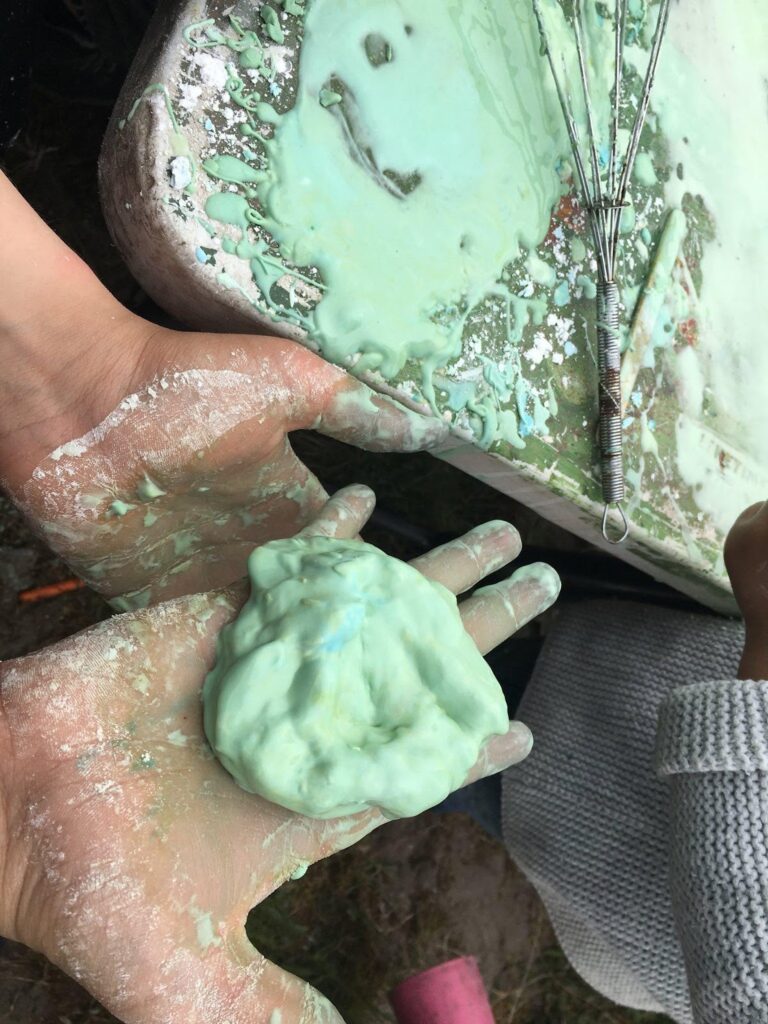
A hand holds some sort of green slime or putty.
Photo courtesy of Project Play

After circle time, the main activity begins. According to Sykes, “t​​his is planned according to the group considering their likes, ages and any additional needs — think sport, craft, drama and art.” A brief scroll on Project Play’s Instagram page reveals the different activities and themes it offers the children, including making edible “wands” for a magic week to playing ‘pin the nose on the clown’ during a circus-themed session. “We want sessions to be memorable and for the children to know how much we value them and their experience with us.”

Finally, the session concludes with free play, an important time for the children to practice autonomy and choice, which they often lack in their current circumstances. “We work closely with the children on this one and always try to incorporate their requests,” Sykes reports. Once the session is over, the volunteers hold a time of debrief and reflection before heading home to rest and recharge for another day of play. 

Bringing play to migrant children

Project Play takes its services to various locations, including “day centers, safe houses and out in the informal living sites,” which are often “collections of tents in a rural area.” Finding the right space for a session can be challenging. Sykes admits, “Recently, there have been increased police evictions alongside worsening hostility towards organizations; we are now denied a space to carry out sessions and risk being fined.” Nevertheless, the team persists and generally tries to set up an enclosed space for play just a small distance away from the migrant camps in order to minimize distractions and interruptions. 

Project Play is also highly committed to anti-racism in its work. “We acknowledge that we must examine our biases and explore our motivators and dynamics.” Since the beginning, Sykes informs, Project Play has discussed counteracting racial biases and systemic issues possible in humanitarian work and volunteering. 

As part of its anti-racist practice, Project Play critically considers the ethnic and racial background of its volunteers during recruitment. Sykes notes, “We actively seek to recruit varied volunteers who can help diversify our view and approach.” Recognizing anti-racism is an ongoing process, the team members engage in educating themselves and drawing on available resources to improve their work continually. 

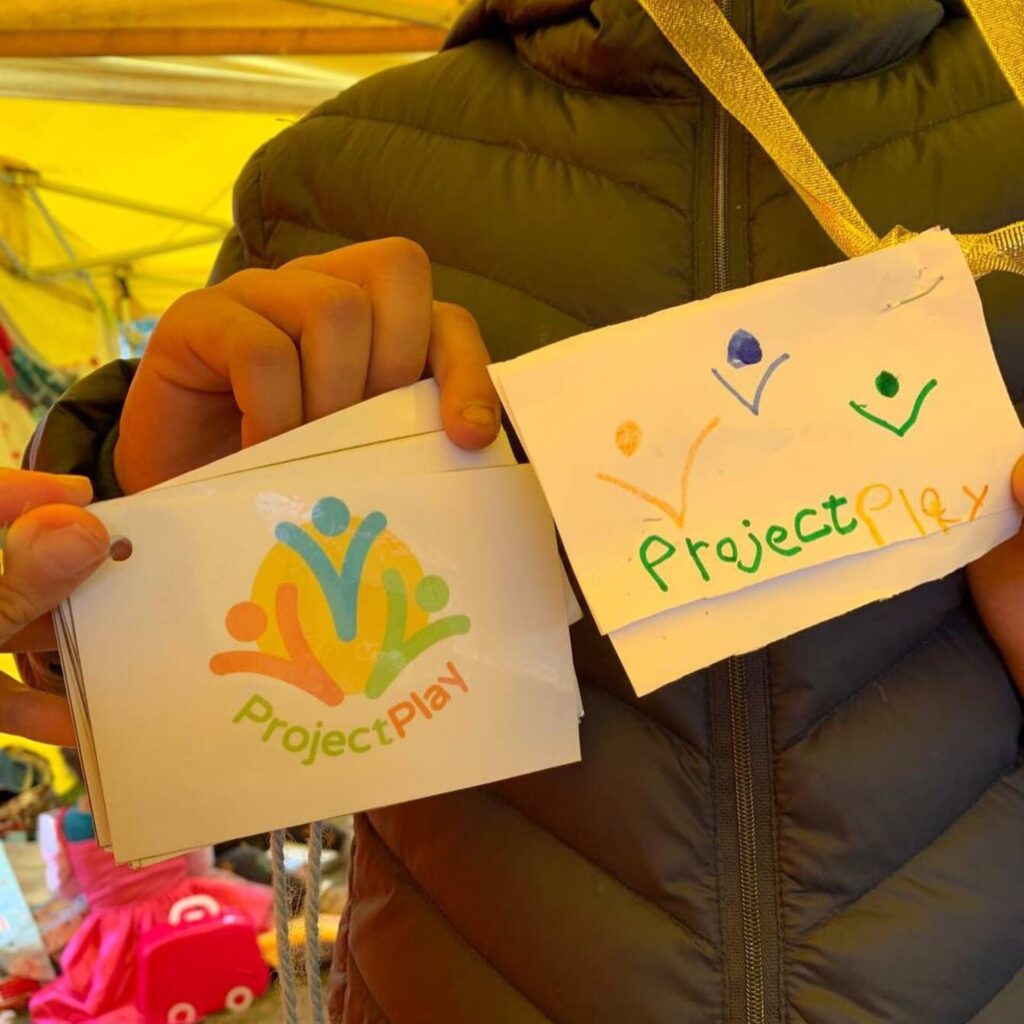
The Project Play logo, with a child’s reproduction.
Photo courtesy of Project Play

Making an impact

Project Play is unique in its specialized focus on children. As Skyes describes, it is “the only service in the area targeting younger children.” Measuring the impact of Project Play through statistical reports and quantitative research is especially challenging considering the extreme vulnerability of migrant children. Still, the difference Project Play makes in the lives of displaced children in Calais and Dunkirk is tangible enough to touch. 

Every Project Play volunteer leaves with a success story. The impact is visible in the smiles and giggles of the young participants, finding joy amid difficult circumstances. Shy children who are initially hesitant find confidence as they play. They make noticeable progress in regulating their emotions, working with others, and learning about themselves. 

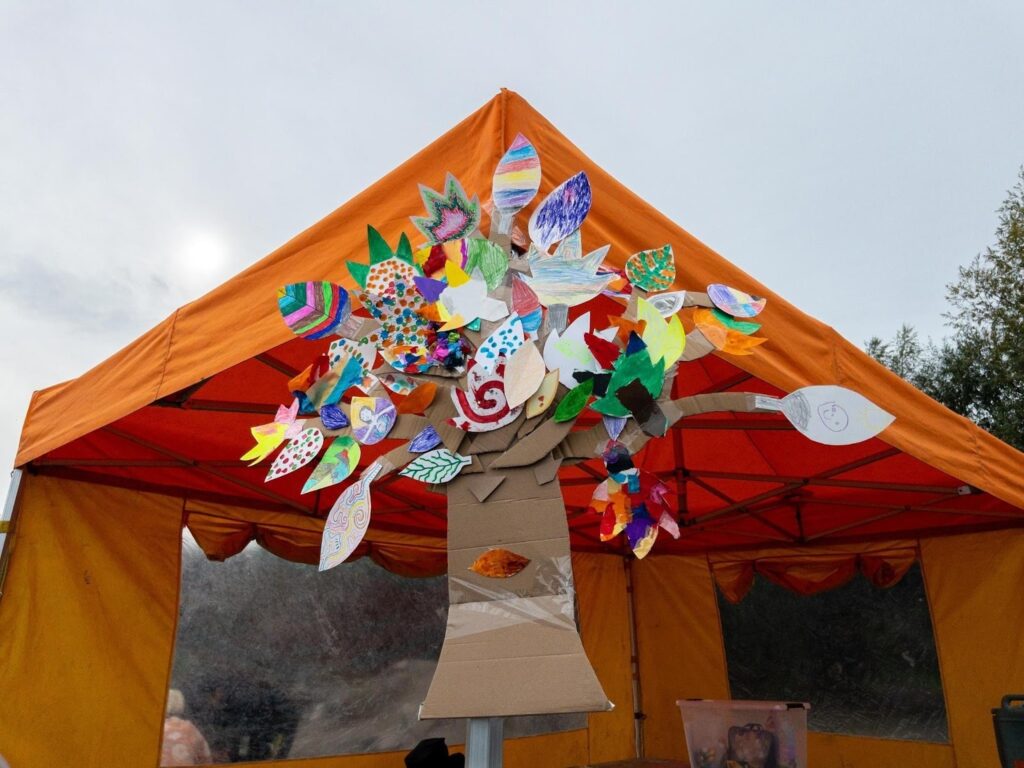
A tent covered with colorful and jeweled decorations.
Photo courtesy of Project Play

Countless children have enjoyed memorable experiences due to Project Play’s sessions, which Skyes credits as the most rewarding part of their work. Knowing that displaced youth can still make positive memories amid unfavorable conditions drives the passion behind Project Play. 

Notably, Sykes asserts that the work of Project Play does not fully meet the needs of displaced children. “Our service is not enough — all children should have access to formal education in a warm, dry building. But, as long as the state refuses to meet this right, we hope to continue to spread some joy.” 

The future of Project Play

The team remains committed to growing awareness of the situation at the UK/French border and providing even better services to migrant children and their families. “We want the British and French states to provide safe routes for asylum and ensure that all children are provided with a quality education. This is a right,” Sykes passionately resolves. Therefore, “we want to grow our advocacy capacity to better champion the amazing children we work with and push for change.” 

The dream for Project Play? “Project Play doesn’t want to have to exist,” Sykes declares. Until then, Project Play continues its mission to ensure displaced children can do what they are meant to do: play. 

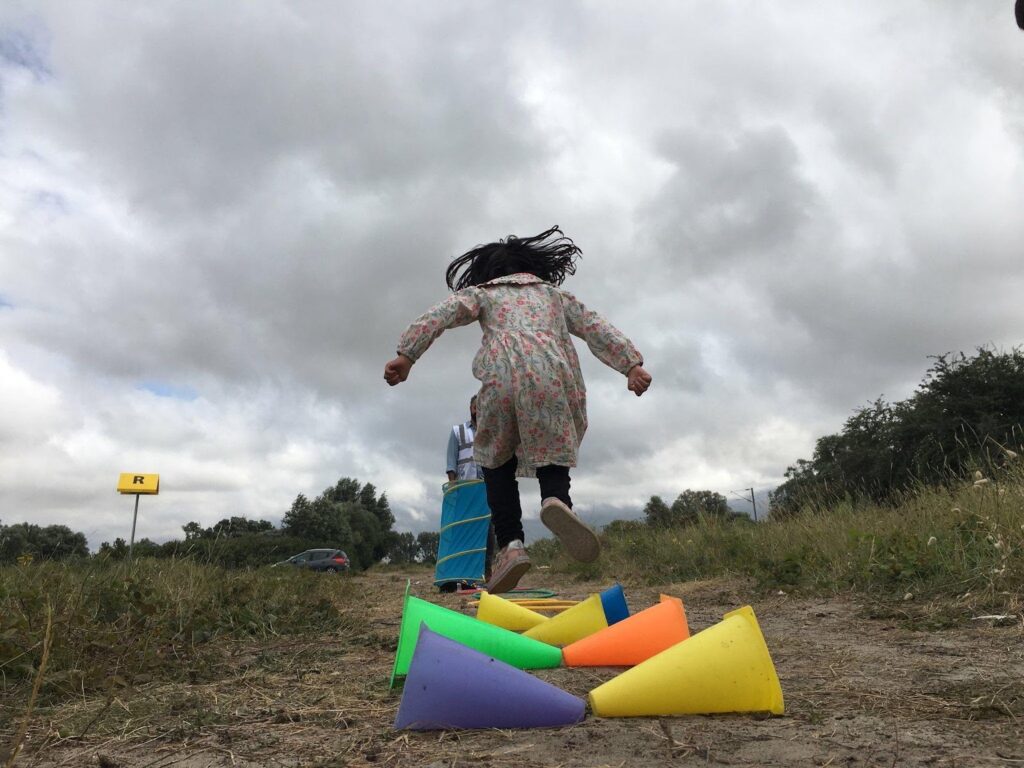
A girl jumps over colorful cones.
Photo courtesy of Project Play

Being a Depressed Mom

It’s hard feeling depressed. And it’s really hard to be a depressed mother. 

It takes a lot of effort to get up in the morning and much more effort to take care of others.

Depression is thought to be one of the fiercest mental illnesses, one that nearly paralyzes its patients. Nothing is ever easy. Waking up, eating, going to work or school, even going out with friends is difficult.  

When my older kids reached the age when they could grab a sandwich or a cookie on their own meaning they had a bit of independence and were past the breastfeeding stage and I was hit by one of those overwhelming attacks, I’d often keep them in front of the TV all the time. For how many hours? I could never tell. However, I could only blame myself for the careless mother I was, while sleeping and suffering from nightmares. 

Feeling guilt is, at least for me, the core of depression. Most of the time, I feel guilty about everything for no reason at all. It might be about something I forgot, whenever my kids fall ill, if they’re not eating well, or even when they’re simply annoyed with each other. It was always my fault. 

I am always there to be blamed.

My mind often bombards me with questions like, “Shouldn’t you have put out some veggies for the kids?” or “Couldn’t you at least have spent some time telling them a story first instead of simply just tucking them into bed?” or “How often do you play with your little ones? Do you really believe that once in a while is enough?”

The questions never end.

And the answers are always backed up deep in my mind, with the voice of a very perfect mother, chastising me with remarks like, “You’re always fucked up,” “You’re a loser,” and the ever so sarcastic, “What a perfect mom!” 

And this internal struggle goes on daily, from the moment I wake up. “Have I woken them up nicely today?” or “Why the hell did I yell at them when they drove me crazy?!” And it continues throughout the day with lunch, homework, time to bathe or sleep, screen time, and so on. 

Of course, sometimes, when everything seems to flow smoothly, I dare to think “Perhaps I’m not a bad mommy after all.” But those feelings never stick around for more than a few hours.

I know all mothers have a hard time taking care of their kids, with raising them and the challenges that come with that. But if you add depression to the complicated equation of motherhood, it’s hard to see anything but misery out there. 

There were a lot of nights that I spent wishing I had never been gifted my beautiful little ones. There were days when I thought I ruined their mental or psychological lives, perhaps just due to a word. A lot of my time is spent thinking about the harm I have caused them by living in the same house as a psycho mom who sometimes flees to her room just to cry out or yell or sleep. 

Depressed mothers suffer the most because they are part of the vicious circle that holds them responsible for everything related to their children. However, sometimes, I feel like I’ve learned and taught them something of benefit. I give them most of the time freedom to feel bad, to appreciate the tiny everyday good things and to empathize with me and themselves. Sometimes when I would sink into a depressive episode, my eldest kid would come and hug me saying, “It’s ok, mom.” 

A couple of hours ago, I was really feeling stressed. I was yelling at all of them to get dressed quickly and prepare themselves. I even yelled at my 4-year-old girl as she continued playing. After she surrendered and let me dress her, she kept saying, “I don’t want you to be sad. I didn’t mean that.” 

Although, as a matter of fact, I feel guilty after such words, I also realize that maybe there is a positive side to all this. 

When I was a little girl, I never learned that someone could be mentally ill. I only thought of pain in terms of bleeding or broken bones. If there are no physical symptoms, they are completely fine; they’ve no reason to miss school or postpone an errand. 

I remember crying silently under my blanket at night for so many reasons. I remember trying to make myself sick to skip school. 

Years later, when I was old enough to work, I was still fragile on the inside. I was harassed at work. I still couldn’t speak up at home and say that I was stressed or that I was psychologically down. I came up with a different mature idea to skip both home and work. I said I was going to work as usual but headed for a big park and spent that day there.

I cannot say that I was always depressed. There were times when I was happy. 

Maybe my childhood was hard. I was a quiet kid. I was always clever at school and I was always the model child; the example my parents encouraged my siblings to imitate, but that same pride they showed was always a heavy load to me. Somehow I was prohibited from being who I really am.

Now that I’ve learned the meaning of depression, I can say that maybe I did have early episodes that I wasn’t aware of. When I first went to a psychiatrist and started taking medications, I couldn’t tell my mother and my family what was going on with me. I couldn’t face them with the idea of psychological illness, which we never recognized as being real. I couldn’t cope with their feelings of pity for me and their trials to get me cured. 

After a couple of years, they saw me struggling during one of my episodes. And again, I was always the reason for what’s going on with me. Sometimes the reason I suffered was that I wasn’t close enough to God. At other times, I was accused of not appreciating the blessings I have. And at a different time, my family believed that Satan had control over me. 

My suffering had a different route, a fiercer one, when I became pregnant with my first baby. I started pitying myself and my kid. I started having nightmares about the future of my kid. I couldn’t continue my regular medication being pregnant. I had to endure the whole thing while suffering from the normal hormonal disturbances that all mothers experience. 

And since then, the little seedling of guilt started to grow in me. I started getting anxious about the future of my kids and how my mood would affect them. I started to believe that I was the only reason for everything bad that would happen to them. 

I’m still struggling with these ideas today. My oldest kid is now twelve, a lovely, sensitive, and kind girl. Sometimes I still think that it was wrong to bring my kids into this life. And because I know that I do have depression, I try saying that life is not as cruel as I think it is.

But most of the time I don’t believe it.

Today, I try to mention three good things every day. I’ve done it for three years. For a person with depression, mentioning three good things every day is really hard. 

 Of course, there were many days when I dropped the whole thing. There were weeks that passed me by as I lay in bed thinking about the blessing of death and hoping that the so-called God would just stop my suffering; days when I thought it’s useless, that existence has no meaning and that life itself is such a curse.

However, there were times when my husband took my hands and hugged me while I just cried. There were times when I could overcome my dark ideas bravely and start over again, even though not all the time. There were times when I went to the cinema, watched a movie with my partner and died laughing. 

And so, I’m sharing my struggle publicly. I wanted others to support me, to see that I am struggling and to encourage me to continue. I want to help other mothers grappling with depression just like me. Maybe they’ll find something to help them stand up and keep facing life. I also wanted to create a backup memory that I can check anytime to acknowledge my strengths: to see that I’m a good person, a good mother, a good lover. 

To see that I am a warrior. 

Damned If You Do

As a teacher, a member of a large family, and a feminist, I have always had crystal-clear notions about nurturing kids. For most of my teaching career, I’ve taught children ages 10 and under. I also have nephews and nieces that I’m very fond of. So far, children are the only humans who speak not only honestly but also kindly. 

Everywhere I go, I play with every kid I see. But I don’t want to have my own kids. Not now, maybe not ever.

As a firm believer in freedom of speech and the right to express one’s ideas, I have always been open about my desire to get married or stay single without having children. I’d have pets, of course, but not kids.

I don’t keep count, but I’m sure that tons of people are ready with a stock reply about God’s wrath and how women like me risk missing the boat to motherhood. 

“You say you’re not ready, or you don’t want children, but you’ll change your mind one day. However, it will be too late because God will punish you by taking them away from you.” 

Gasp! I’ve heard this statement over and over for several years, but it’s still shocking.

The facts don’t lie

The number of divorces has increased rapidly over the years. The biggest divorce victims are the kids. The Department of Statistics in Jordan tracked this in 2018. According to the study, out of 70,734 marriages, 4,690 ended in divorce. Four of the married women that got divorced were less than 18 years old, divorce lawsuits in the same year hit 4,445, and 2018 divorces were over 50 percent more than those in 2017. 

Numbers and statistics might not be everything, but to me, these numbers offer evidence that is just too strong to argue against. Besides, personal stories of nurturing families and my actual encounters with such families make me want to believe otherwise.

Facts like how many poor families with kids are living through struggles, how many parents are unemployed, or how many kids live through emotional distress resulting from divorce or separation aren’t widely publicized, but these are all part of the picture.

Stories of children I know

During my teaching career, I have witnessed the impact of such broken relationships and how negatively they have affected the children involved, which is why I don’t dare to have kids.

For example, I had a student who had to wait hours with the doorman until his father picked him up only to drop him off at his mother’s in the evening. The kid, 10 years old at the time, was so disconcerted and confused that it was hard to watch. 

Another student had to watch his father beat up his mother and throw her out with a newborn in the street in the middle of the night. The boy, who had just turned 11, found comfort in pornography and was a victim of familial sexual abuse. 

Another student broke my heart as she narrated her cousins’ exploits with her body. 

One last example among scores of kids that I taught was a mother who disappeared in the middle of the night with three of her kids, leaving the other three with their father, never to be heard from again.

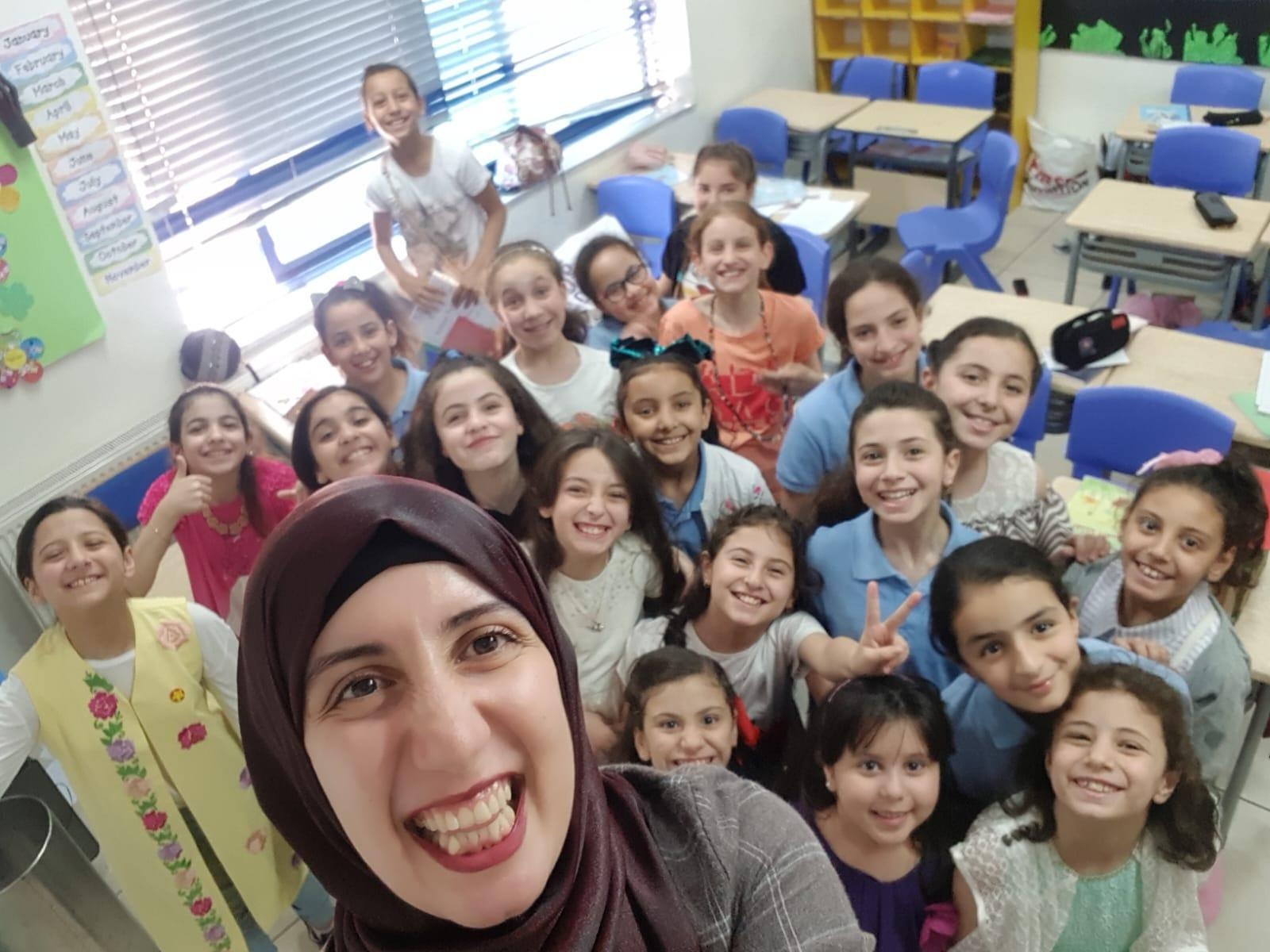
Wiam Najjar and students
(Image courtesy of Wiam Najjar)

Never giving in

When I met my husband, the first and most persistent topic of discussion between us was not wanting children. It was scary to speak about. It was unfathomable to him.

The only reasons I should have kids were to please my in-laws, to make society shut up, to prove I was “woman enough,” and to fit in. 

My husband is not a citizen of my country and, therefore, has no rights. Any child we bring into this world will accordingly have no rights. I can’t list my husband or child on the family register. I’m referred to as the foreigner’s wife. In my country, women are way behind men in terms of human rights, while men are under so much pressure to achieve it all. Having a boy or a girl does not look hopeful. 

Arguing with facts and statistics, expressing one’s fear of bringing a child into an unstable world, or simply stating that not wanting kids is never enough for society. 

God won’t punish me for considering the many possible scenarios and dreary stats. God won’t take anything away from me because I’ve made a choice. Kids are a huge responsibility that cannot be easily handled. It’s not simply instinct or custom. It’s bringing a human into this world and taking care of every aspect of their life until they grow up. 

Yeah, I’m scared of that responsibility. And I must admit that it isn’t an easy decision to make.

So whenever someone decides to ask me when I’ll have kids, I will let them read this piece, even before they ask!