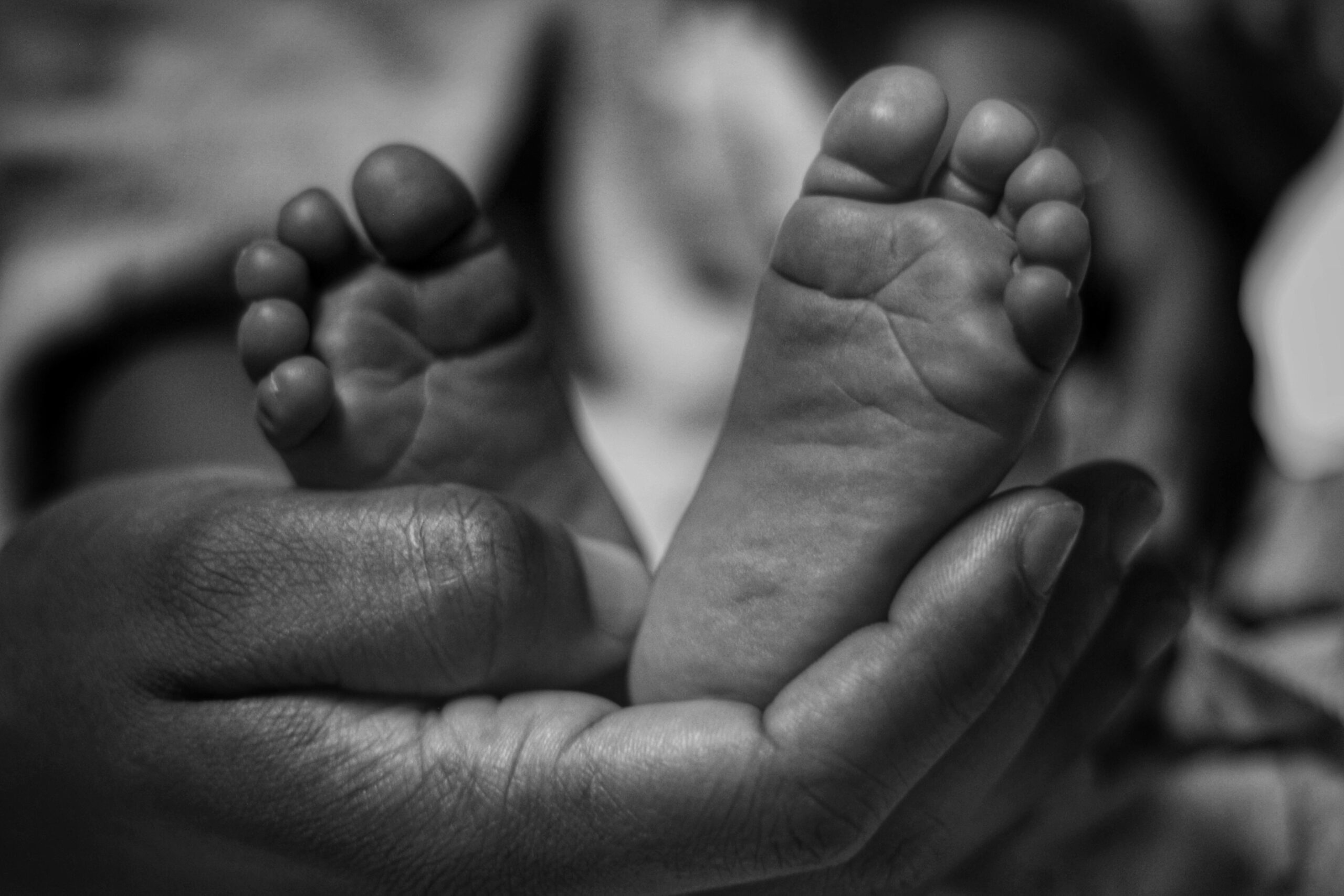
Grieving, I believe, Is so delicate, and fragmenting, Because it is The understanding that We are bound to love, All ways… Deeply, Profoundly, To wear a widow’s wedding band As its tourmaline dulls, To walk those rooms in which a widower Could not stop crying, pressing his palms Into the floor And loathing the linoleum Because it reminds him that His love and body Are real, Wracked with the sorrow That we only withstand because We are forced To continue Cherishing, Remembering.
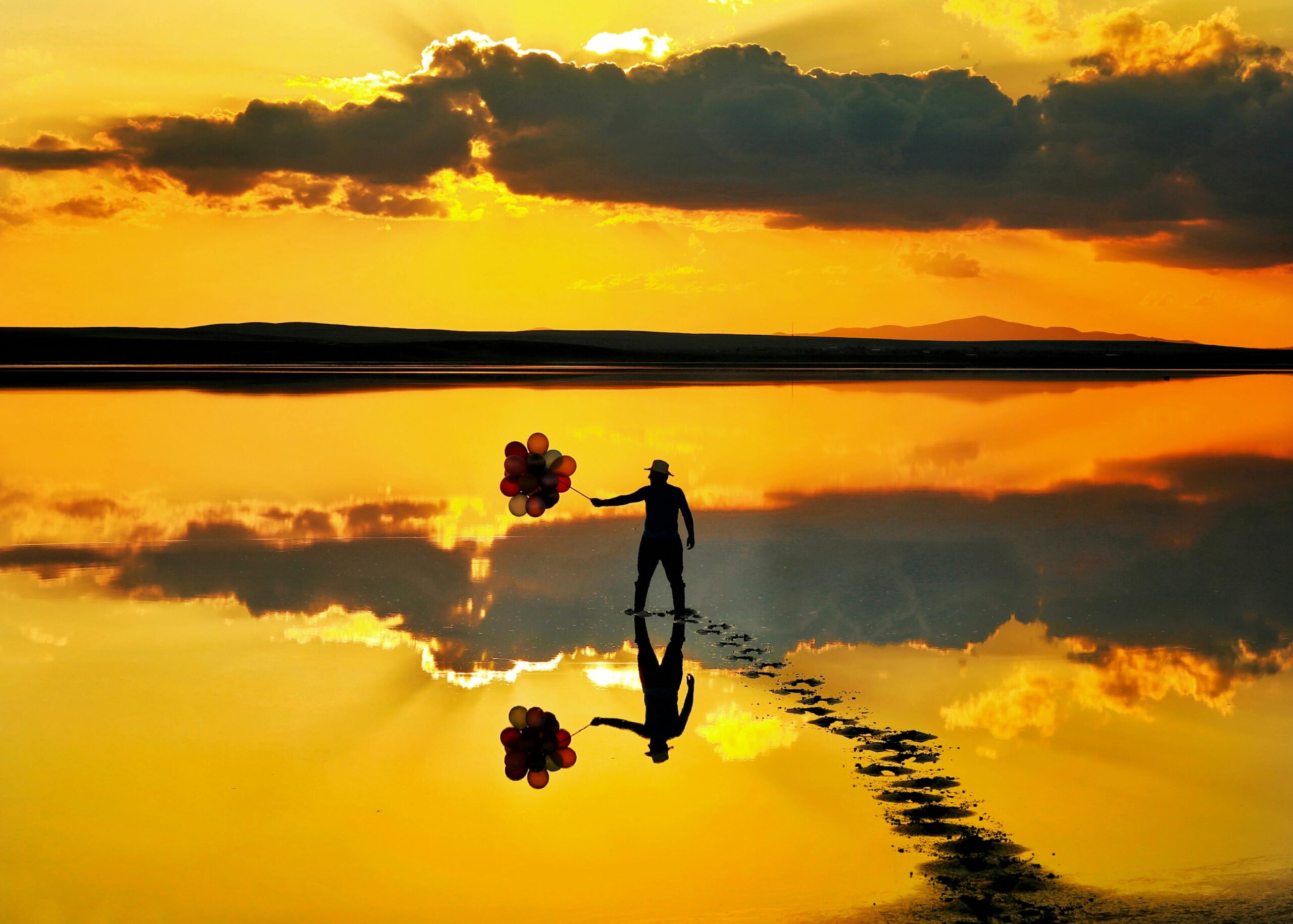
Children send letters, On balloons, Into persimmon twilights, Watching the words They dare not say– But write instead– Drift towards the heavens That look so cold to them… To heal the hurt That crusts over Like marmalade on the jar’s rim; They love ruefully, Bungling with the buttons On their shirts Because a parent Used to dress them;
We feel grief because We are saying goodbye To the moments we live, The seconds, Third glances, Final embraces, The feelings, thoughts, Farewells we’ve yet to accept, That dawdle alongside us, With untied shoes, Long before Loss picks up her child In a minivan; And then, The heaving of a broken heart ebbs, Tarnishing, Like a silver teapot, Until Longing polishes it alone, When a dog loves unconditionally, Or a paramour plants praise like Crocuses in snow;
The orchestra swells in tragedy… The conductor weeps, too, Knowing the song must, inevitably, end, So she loves Until the final note’s echo Joins the balloons, Letters, And every airy and feeble hope That our hearts Would hold less.
Today, in the stillness of winter, I realized how brilliant my twin brother is. I have always thought of him as highly intelligent. More than that, though, he is a force of good in my life, a being who encompasses constancy, sincere honesty, and all of those facets of society that I wish I beheld more often in other human beings.
Truthfully, I have been struggling with maintaining the same vibrancy I see within him these past months; I find myself looking for the broken pieces of our world upon which to cut my fingers. And there he is: always ready to mend my hands. I cherish him.
One afternoon, while we were walking through the brisk and battling winds of snowfields, we talked. We shared how we were feeling, how we viewed humanity’s tangible vicissitude, and my twin gently reminded me of the triumphs our world continues to nurture in defiance of the tragedies we are living through. However, what I found so powerful was that, unlike my prevailing bias in placing human beings at the center of all achievement, my brother discussed the success of plants, of things that grow simply because they must.
He described the delicacy of peonies, how they flourished, what they symbolized, their perfect mutualism with the ants that could spoil a picnic and also cause sweet florescence. He spewed metaphors and similes as verdant as the plants whose names he recited, relaying how much we can learn from “those whose speech we rarely stop to listen to, let alone attempt to understand.” I found myself staring at the snow, imagining boughs and buds bursting forth with a vigor I could only hope to emulate.
My brother’s willingness to casually gift me the knowledge that would allow me to engage with nature in such intimate ways was akin to anything I have felt with someone I truly cared about, through reading poetry, tasting the best meal of my life, or landing a new job. It was euphoric, and all he did was describe to me how other living things continue onward despite global atrocities. I felt changed, and welcomed once more, by the living lyceum surrounding me, bestowing silent revelations. There were a few brief moments of envy when I desperately wished that I had arrived in this proverbial place of quietude on my own, but I was comforted by the fact that I have far more conversations, with both my twin and the plants whose languages I have yet to comprehend, to learn from and savor.
***
My brother’s generosity in welcoming me into the sanctity of nature felt healing, potentially from some hurt that had not yet been inflicted, and would now be wholly prevented. It felt rapturous, and so I asked him of other marvels that he leaned on in times of misery. He then spoke of “moon trees.”
For anyone who is unfamiliar, NASA launched Apollo 14 to orbit Earth’s moon in 1971. Aboard the vessel were astronauts, provisions and equipment, and tree seeds that Stu Roosa (the command module pilot of the mission) had stowed away. These seeds traveled through the void and the stars with the crew, and, upon returning to Earth, they germinated and were distributed across the world to national parks and historic locations. The saplings were strong, and, in some aspects, considered to be imbued with an abstruse vitality. They were fondly referred to as “moon trees,” and many continue to prosper today despite everything.
In 2023, more seeds were ferried to space upon the Orion spacecraft. These precious beginnings traveled thousands of miles for over a month before returning to Earth and being cultivated. This time, however, the moon trees were granted to schools, children’s camps, town halls, and community parks. In fact, organizations from across the globe were encouraged to write to NASA and illustrate why these precious trees would be beneficial to their communities, garnering over one-thousand submissions. Students, teachers, construction workers, hair stylists, and other changemakers wrote about the nearly ineffable hope that the moon trees represented and how they would remedy the increasing apathy of our celestial sphere by bringing everyone together.
My brother then described his own adventure locating a precious moon tree at the botanical garden where he once worked, and how he had made a point to map the location of the tree, a sturdy sycamore, so that everyone in the area could marvel at it.
“It is magnificent,” he said as we walked, our warm breath misting in front of us. “And it is important for others to see that.”
I found myself getting emotional, recognizing the goodness within my twin, and understanding that he himself is, in more ways than one, a moon tree of sorts. He is someone who, like the powder-pink peonies, provides a sweetness that I crave in this bitter reality. He is a being, like the moon trees, who grants his own energy to lift others around him, all while harboring that same spirit that can only be born of stardust and moonlight.
I am proud of my brother for the numerous achievements that punctuate the years of his young life, but I, as his twin, feel fortunate beyond words that I, being half of something that also created him, could potentially be a moon tree to someone someday. I could become the peonies, in early spring, that don crowns of blushing heads, gilded in ants and glistening sugar.
I can choose to grow, whether it is in my ability to say that I was wrong, or to seek to understand when someone else fails to admit that they need help. I should prune my pride so that it does not become hubris, and I can nourish my everyday with humility and gratitude. Most importantly, I must decide to love without condition or expectation. For then, I may be pleasantly surprised when someone reaches out, bouquet in hand, to love me in return.
Yes, I believe that my twin brother has a brilliance that I rarely observe in other souls, but that is precisely why I am so grateful to discover it all over again, on our walks together, during these wintry days. He, along with Mother Nature, generously remind me that I may yet bloom in the snow and ash that surround me.
(Image courtesy Photo by Anastasia Sineokaya via Pexels)
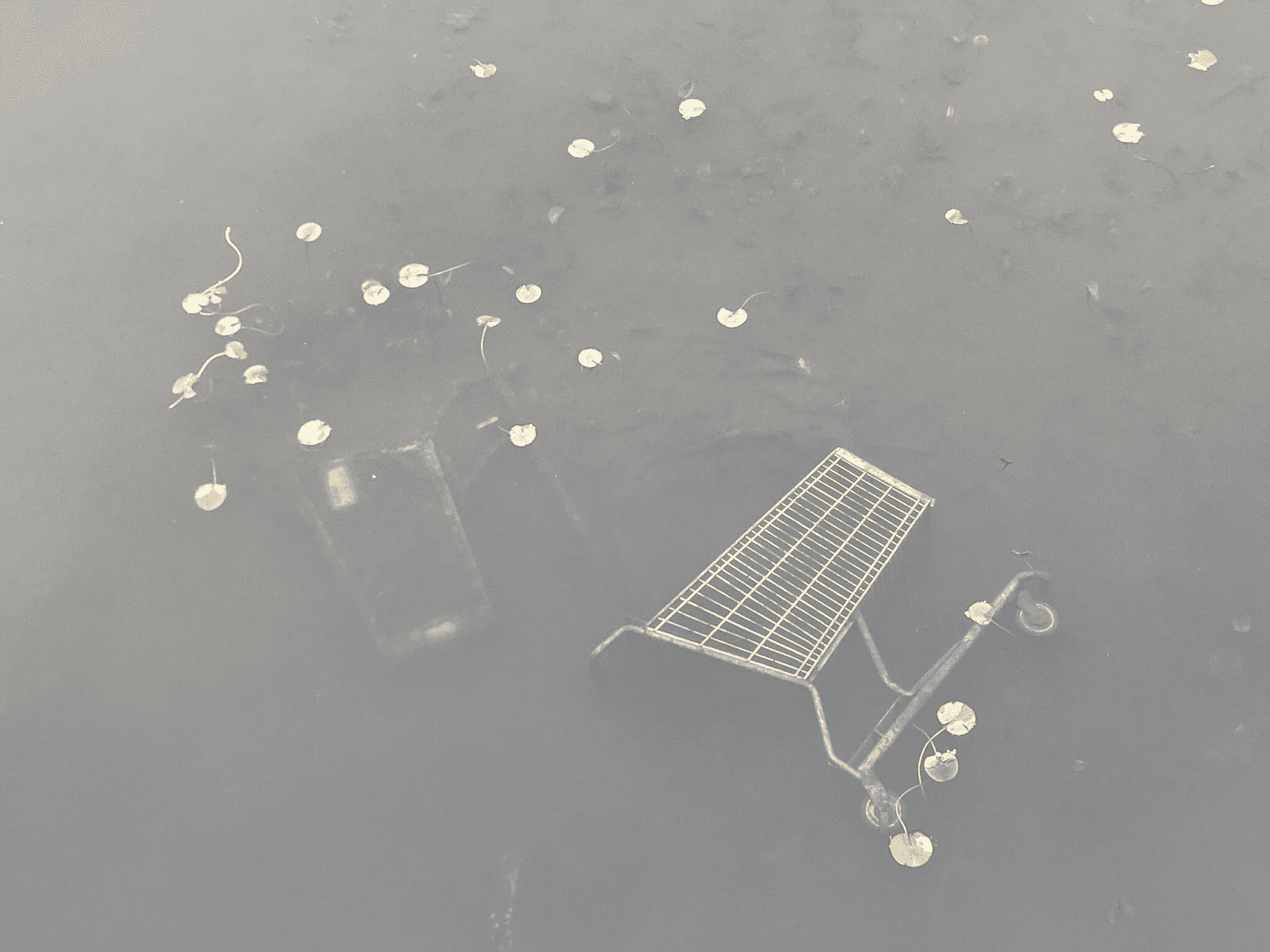
A shopping cart, On its side, curled up, Sunken in the river; Lily pads gilded Its edges, softening Lines and loops that Watched a child grow In the grocery store, While her father did the best he could;
Swans preen, Curled up, among Tulips, crocuses, While a crone Smokes cigarettes Outside the bodega With glass bottles– Green, blue, bountiful As hyacinth; The sun kisses her face, With freckles, laugh lines, Rouge; she did the best she could.
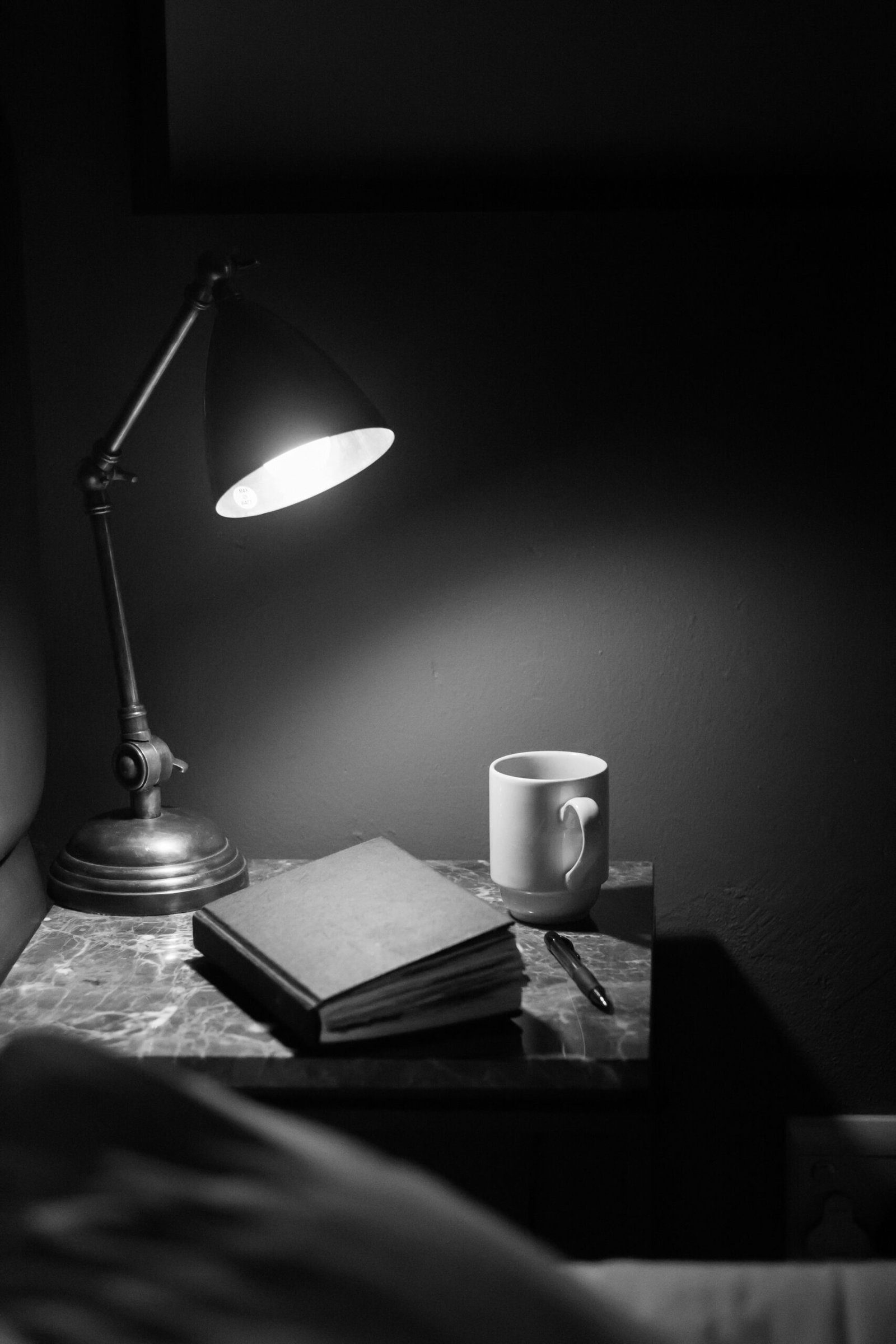
I forgot to have a big dream Now that I think about it I never even found my passion The easy solution would be to claim that I’m a writer But that doesn’t feel true most days The words I write are not my own Rather the physical manifestation of my pain Of something within me that is beyond my control And removing them is a process that exhausts me
I never planned for my future I simply took it day by day Leaving me to feel lost and unprepared Unwilling to accept that this is it I am missing the feeling that used to drive me That gave me hope for what was to come Because I am in a future now Once again filled with words that hurt me And worried that this is all I will ever amount to
As I find myself in a very difficult time in Israel, where I live, this is a deliberately slow-paced ode to my journey to Ithaka.
I like
how light dances through fluted glass drowsy streets at dawn my tall son’s sudden smiles the doves dozing on our balcony older folks in redeemed finery my daughter’s excited curls the pond toads, sometimes frozen still, sometimes flying over swimming water irises untranslatable words drizzle on a hot day movies in the afternoon fresh mint 22 years of their father’s playful intuition unlike another’s vision, once suspending this array beyond reach in our Mediterranean maelstrom.
I like that flying away eastwards, across the waves and years to now, they have all bloomed mine.
To be more alive, you have to be less shy, For, stigma and inhibition are like chains. They keep us indoors, away from our dreams! A wheelchair or a walker is no shocker! Live, dream, fly, grab what you must. Go and knock down your fears. Spread the joy and wipe tears. Go dear go, sky opens if you win your fears!