There’s no time I can imagine myself not thinking, Of the “New Girl” euphoria theme song not ringing. Every time I close my eyes I’m daydreaming, ‘Cause I would never be the person I was without Your human being.
Pinky promise, don’t disappear? I know I might be your biggest fear, I know I don’t make things kind of clear, But I would hate to admit, I shall be a lover to volunteer.
Funny how sometimes you just find things And I didn’t even need to find our invisible string, You steal my words from my mouth like I’d never exist, As soon as I fall into, my heart won’t resist.
The fact that you were born in the same constancy, same instancy, Makes me want to have my fingers crossed- for me to be one who is hurt, And you know that my eyes aren’t able to not flirt.
I sound a little bit exaggerated, It’s because you make me sound so overrated,
My laughs just float when I’m around you, Making me nervous to imagine- You were the person I was Looking through.
It sounds clingy, However, can you be my sweet nothing? My hands never lie, Like I would never be by your side, be aside.
I have always dreamed of visiting Dubai, the city of skyscrapers, luxury, and opportunity. I heard stories of how people from different countries and backgrounds found success and happiness in this cosmopolitan hub, and I found myself wanting to be one of them. That’s why, in November of 2016, I decided to take a bold step and travel to Dubai from Kenya, where I was living, in search of a job.
I was both excited and nervous as I boarded the plane. I had saved enough money to cover my expenses for two months, but I hoped to find a job sooner than that. I had a certificate in computer science and some experience in sales, marketing, and office administration. With these credentials, I thought I had a good chance of landing a decent job in Dubai’s booming economy.
The hunt
I arrived in Dubai on a sunny morning. No surprise there. As I took a taxi to my hotel, I was amazed by the sight of the city’s skyline, glittering with tall buildings and modern architecture. I truly felt like I had entered a different world. My room was a modest space, but perfectly clean and comfortable. After I checked in and unpacked my bags, I decided to rest for a while and then explore the city.
The next day, I woke up early and got ready for my job hunt. With my resume ready and several copies printed, I began my search, starting with a list of potential employers that I had researched online. I planned to visit their offices first and drop off my resume, ultimately hoping to get an interview. I also registered on some online job portals and applied for various positions that matched my qualifications and interests.
I spent the next few weeks in a cycle of repetition: visiting offices, applying online, and waiting for responses. I also tried to network with some people I met at the hotel, the mall, and the mosque. I hoped to at least get some referrals or job leads from them. Throughout this process, I remained optimistic and confident that I would find a job soon.
However, as the days passed, I realized that finding a job in Dubai was not as easy as I had imagined. I faced many challenges and disappointments along the way, such as the competition, the cost of living, the culture shock, and issues with my visa.
Dirhams and dilemmas
Dubai is a popular destination for job seekers from all over the world, with thousands of people competing for the same jobs. The plethora of candidates allows employees to be extremely selective. Unsurprisingly, they often preferred candidates with more experience, higher education levels, and better connections than mine.
To put it bluntly, Dubai is an expensive city to live in. Everything from rent, food, transportation, and entertainment costs more than I had initially expected. I had to budget very carefully and limit my spending. Unfortunately, this meant that I simply could not afford to go out and enjoy the city’s attractions or nightlife. I had to save every dirham I had for my basic needs and in case of an emergency.
Being a hub for job seekers and people from all around the world, Dubai is naturally a diverse and multicultural city with its own culture and traditions. I had to quickly adapt to the local customs and etiquette, such as avoiding public displays of affection. I also had to learn some Arabic words and phrases to communicate with the locals — unrelated to my native Luganda. All of this combined to cause me to at times be acutely aware of a sensation of culture shock, out of place and lonely in this foreign land.
I had entered Dubai on a tourist visa, only valid for 30 days. I had to renew it at the end of this period, which cost me 500 dirhams. I also had to exit and re-enter the country every time I renewed my visa, which cost me an additional 300 dirhams for the air ticket to Kuwait. With all these issues, I ended up being very worried that I would run out of time and money before I found a job and got a work visa.
Despite all these challenges I faced, I did not give up on my dream. I kept looking for a job, hoping for a breakthrough. I made the best of my situation, choosing to focus on the pros of Dubai rather than the cons. I visited some of the famous landmarks, such as the Burj Khalifa, the Palm Jumeirah, and the Dubai Mall, all the while marveling at the city’s beauty and innovation. I also met some friendly and helpful people who gave me advice, support, and encouragement. I made some friends from different countries and cultures, who shared their stories and experiences with me. I learned a lot from them and appreciated their friendship.
However, at the end of December, the coolest month, it finally dawned on me that I had failed to make any meaningful progress. I had not received any job offers or interviews, only rejections or even no response at all. Eventually, I had to accept that I had exhausted all my options and resources. I had no more money to pay for my rent, visa, or food. I had no choice but to return to Kenya.
Beyond sour grapes
I felt sad and disappointed as I packed my bags and checked out of the hotel. I felt like I had failed and wasted my time and money. I wondered what I would do when I got back home. I had no job, no savings, and no idea what I was going to do next. I felt like I had nothing to look forward to.
I took a taxi to the airport and boarded the plane. I looked out of the window and saw the city fading away. I said goodbye to Dubai and thanked it for the experience. I also thanked God for keeping me safe and healthy. I prayed for a better future and hoped that one day I would return to Dubai, not as a job seeker, but as a successful and happier person.
I believe in the power of education and self-education.
Buckle up, for this journey isn’t just about SEO; it’s about defying limitations, embracing the unknown, and proving that, with unwavering will, anything is within reach.
My journey started in a small village called Mbita Point. I grew up in this little Kenyan hamlet that sits on the eastern shore of Lake Victoria.
(Image courtesy of Evan Dims via Unsplash)
It is a remote fishing village where computers did not exist, let alone the internet. I knew nothing about them, but I was always curious and eager to learn new things.
My first steps
This is how it all began.When I was 18, I moved to our Kenyan capital, Nairobi, to attend college. I was majoring in business and was interested in learning more about marketing and advertising. One day, while browsing the internet, I came across the term “SEO.” I had never heard of SEO before, but I was intrigued by the idea of being able to help businesses grow their audience by ranking higher in website search results.
I started doing some research on this fascinating topic. I read books, articles, and blog posts, and also watched online tutorials. I quickly realized that SEO was a complex and ever-changing field, but I was determined to learn as much as possible.
I began playing around with what I was learning on a friend’s website. I optimized the website by including relevant keywords and wrote blog posts that were informative and engaging. Within a few months, I began to see results. This website started to rank higher in search engine results, and more people were visiting it.
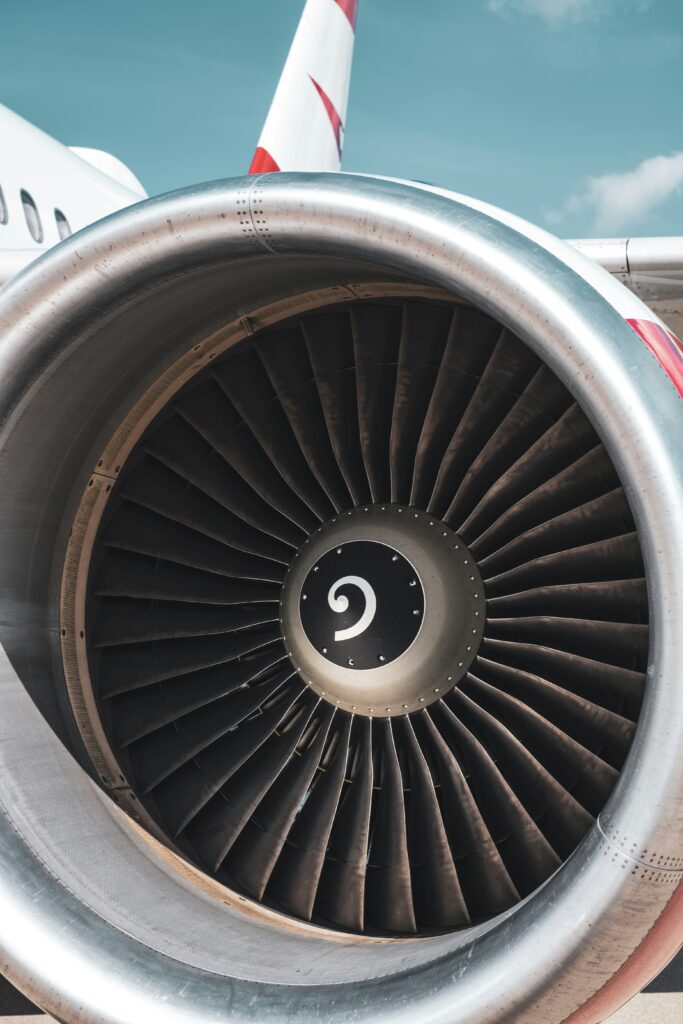
I dared launch my own turbine I was so motivated and excited by my success that I launched my own SEO consulting business. I started by helping my friends and family with their businesses. I also offered my services to local businesses and owners who needed traffic on their websites.
(Image Courtesy of Jacek Dylag via Unsplash)
Quickly, word spread about the new magician in town, someone who could make potential buyers “walk” into your website and make purchases. My clientele list grew rapidly. I helped businesses of all sizes improve their online visibility. I also started writing articles and blog posts about SEO. I evolved into a well-known expert in the field.
Today, I am a successful SEO consultant. I have helped dozens of businesses boost their online visibility and I am now a regular speaker at industry events. I am passionate about helping businesses succeed online, and I am always looking for new ways to improve my skills.
My takeaways for you
How did I overcome the challenges of self-education? I will share that self-educating is not easy. It requires a lot of motivation, discipline, and perseverance. Along the way, I faced many difficulties and pitfalls that tested my resolve and my confidence.
Take the inevitable challenges in stride. One big challenge was finding reliable and up-to-date sources of information. SEO is a dynamic and competitive field, and the best practices and strategies change frequently. I had to constantly update my knowledge and skills to keep up with the latest trends and developments. I also had to be careful about the quality and credibility of the information that I found online. There are many sources of misinformation and outdated advice that can harm your SEO efforts.
To overcome this, I used a mix of tools and methods to find and verify the information that I needed. I used Bing to search for relevant and authoritative websites, blogs, and articles. I used Google Scholar to find academic and scientific papers on SEO. I subscribed to newsletters and podcasts from reputable SEO experts and SEO agencies. I also joined online communities and forums where I could ask questions and learn from other SEO professionals and enthusiasts.
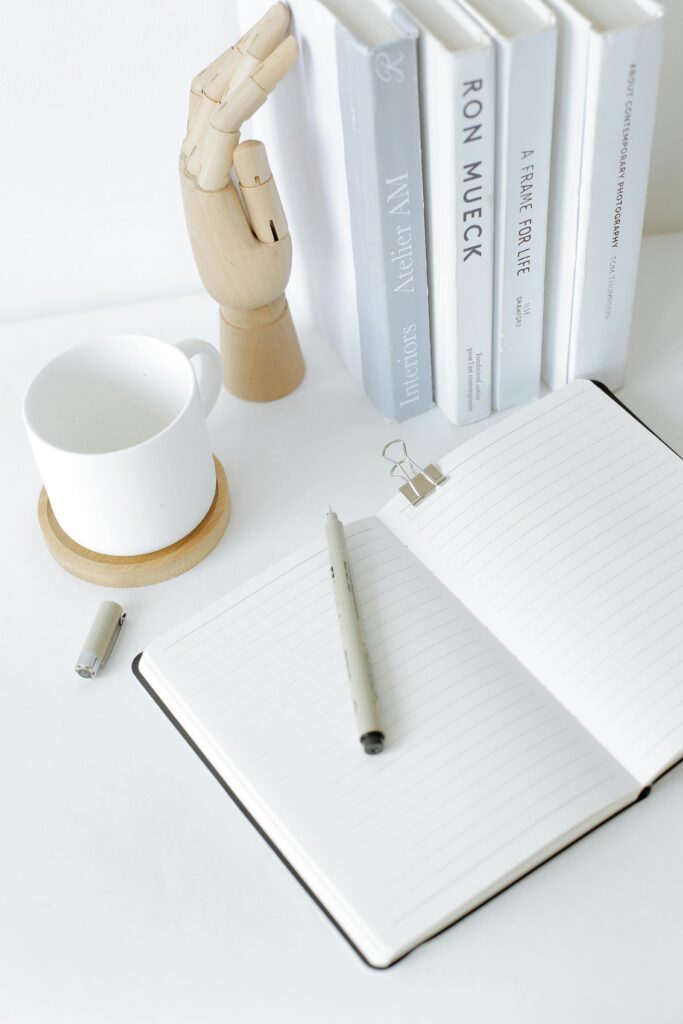
Another challenge for me was balancing my time and energy between self-education and other aspects of my life. Self-education can be exhausting, especially when you must juggle it with work, family, and social obligations. I often felt overwhelmed and stressed by the amount of work that I had to do and the deadlines that I had to meet.
(Image courtesy of Ann Poan via pexels)
With time, I learned to prioritize and manage my time and energy more effectively. I used a calendar and a to-do list to plan and schedule my tasks. I set realistic and specific goals and deadlines for myself. I also used a time-management app to break down my work into manageable chunks and intervals.
I made sure to take breaks and reward myself for completing my tasks. I also outsourced some of the work that I could not do or did not enjoy doing.
Who wants to learn? Anyone who wants to learn needs to have a passion for learning. I started with no knowledge of computers or the internet, but I learned the nuts and bolts of SEO and turned my understanding of it into a successful business. I believe that if I can do it, probably anyone can.
To all those interested in embarking on their educational journey, you could stop worrying about where to start. Multiple resources are available: books, articles, blog posts, and online tutorials. You can also find more knowledge through workshops and seminars. The most important things are to start learning and never give up. Education is a complex but rewarding journey. Once you start traveling on its roadway you will achieve your goals. For this, you must be willing to harness and sustain your relentless effort.
I had never traveled internationally or spoken any language other than English. Yet somehow, something so seemingly impossible became real. I was about to step out of my comfort zone and personally experience a giant leap of a trip outside of just pictures or videos on the internet.
Last September, I left my five children for twenty days, crossing the 2,800 miles from North America into South America, but I found myself in Peru. My friend Ana, a native Spanish speaker from Mexico, grabbed my hand before we exited Lima airport, telling me, “Don’t talk to anybody, and stay right behind me.” Her take, not mine, but she was Latina, so I didn’t argue.
The doors slid open and a sea of faces — clustered close together and vying for attention — called out, voice upon voice, begging to take someone, anyone, any place they could possibly want to go. Ana already had a taxi driver waiting for us, her name written on a board he was holding, standing just outside the swarm. She held me close behind her until we were loading our bags in the trunk.
I sat silently in the back while Ana and our driver chatted. Apparently, the driver asked where I was from. Upon hearing the States, he responded with “Oh, so that’s why your friend doesn’t talk?”
Rules of the road
The road had no rules. Lanes meant nothing. Other vehicles meant nothing. Horns meant nothing unless you were the one honking, which meant you were serious.
Our ride and every Peruvian ride we took from then on was a series of “We’re not gonna make it” action movie scenes. The cars maneuvered the way motorbikes do, weaving through the small in-betweens. The bikes, and there were many, carried up to three people at times.
Doorways to other worlds
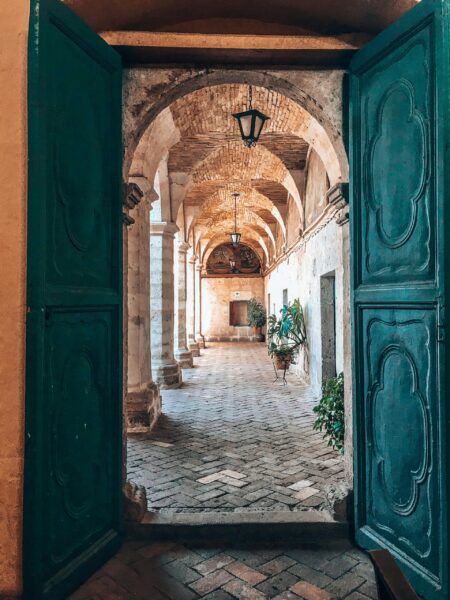
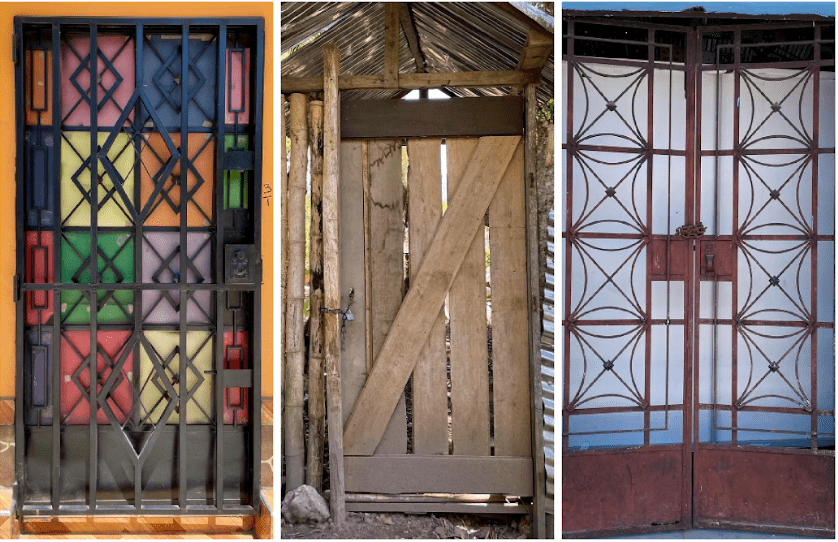
Our hotel entrance was a doorway stuck between all the other buildings and so simple that I glossed over it every time we returned to lay our heads down. That could have been because a doorway does not speak the same way that a door does.
(Image courtesy of the writer)
A doorway is but a hole, a near emptiness, a thing which may be crossed. But the Peruvian doors are entryways, mystical, unknown, and bursting with the knowledge that an entire life unlike your own exists just beyond.
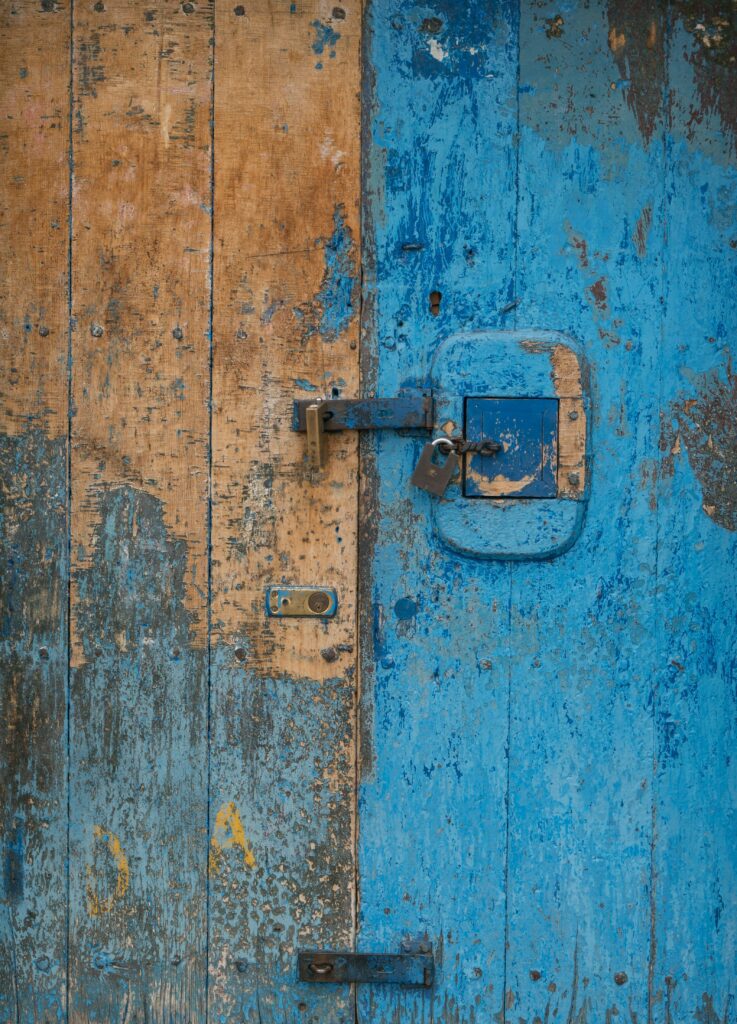
They are made of color, of gated iron, of broken down wood, of stories. Doors became my obsession. If the drivers of Peru were number one on our “ways to die” list, the act of getting a photograph of a specific door was a close second with how dangerous getting to some of them ending up becoming.
(Image courtesy of Rod Long via Unsplash)
Cathedrals, shanties, museums, and houses had elaborate doors kept safe behind bars whereas some others were left open and easily accessible. Bikes were left to lean around everywhere we looked. One open door, the one to church, required payment to enter. The closed ones — with their lion heads forever keeping their iron rings prisoner — were the most telling.
Closed doors and grated windows were sometimes guarded by the police, all of whom were more than welcoming when I asked to get a picture of them. They said I could join them, or sent me across the street to go beyond a gate there to get a picture with their other police officer friend. The doors told stories.
Transported to the beautiful unfamiliar
The people told stories, too. The architecture. The murals. The mist that forever kept the city of Lima the same gray as the inside of a cloud: light and dreamy.
Ana and I walked and walked our first three days, before we moved deeper into the city. Among the people, it was easy to feel like the distance from home wasn’t quite so great. It was a crowded city like any other, where people had little dogs wearing sweaters and booties. We were by the ocean, which felt foreign enough for gleeful excitement, but not enough to feel transported.
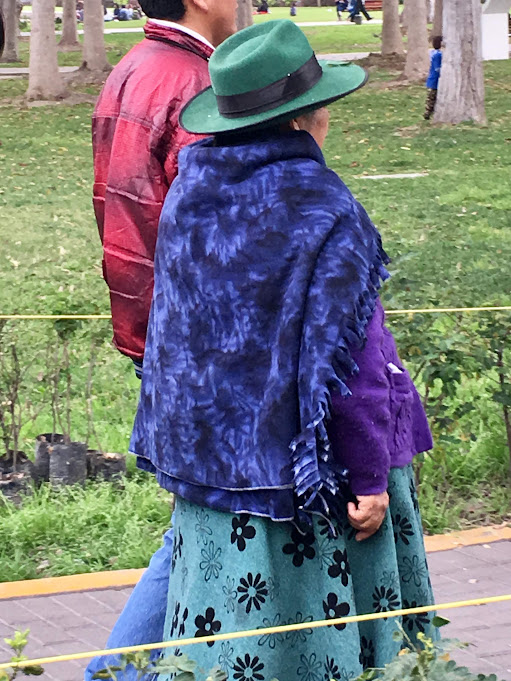
That enchantment happened when we came across the first woman dressed in traditional Peruvian layered Inca clothing. Rich jewel-toned colors and knit patterns wrapped her, and a baby was swaddled against her chest as she walked while selling homemade chocolates. She was petite and beautiful. Gentle like a doe.
(Image courtesy of Yosef Baskin)
Ana spoke with her while I looked on admiringly. Her woven basket of chocolates was just a bit too large for her to reach across its diameter. The chocolates were wrapped in paper with bright stripes of blue and orange. Their tops were cut into strips, erupting from them like a little carnival.
Ana, who is allergic to chocolate, gave her some small change. A blue bundle left the basket as she turned and asked if I wanted the peanut butter chocolate. I gave her my coins. An orange carnival tent came in exchange. I gestured and asked in English if I could see her baby. Shyly, she pulled part of her colorful wrap aside.
I was stunned by the baby’s beauty — its unknown power that all babies possess — but even more so by his sheer size: to think that he came from his mother’s small frame, and that he was still only seven months old!
That was the moment. The moment that felt like thousands of miles away. The moment when a stranger became a life and a place became a home. The moment that even my best imagination could not come close to comparing to. Peru was just a few thousands of miles away from home, different but similar, and knowing that made it feel surreal. The ground we walked upon, the air we walked through, and the mist-covered mountains that seemed to float in the sky, were always there, yet always out of reach.
So many wonders we will never forget
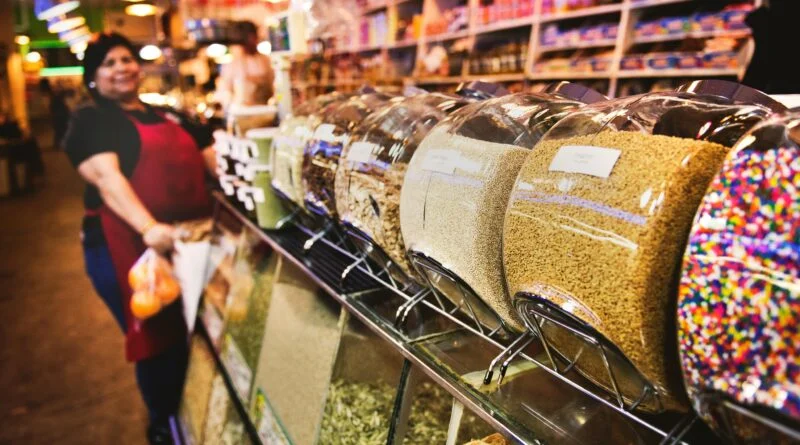
We ate plenty of food – mostly good, some not. We had a spontaneous paragliding adventure, but that wasn’t nearly as terrifying as the drive to the beach without a seat belt. We were overwhelmed by the marketplace on our “gift getting” day. We spent a day in the plaza and burned our tongues on the best churros ever. During all of these experiences, every single person was kind.
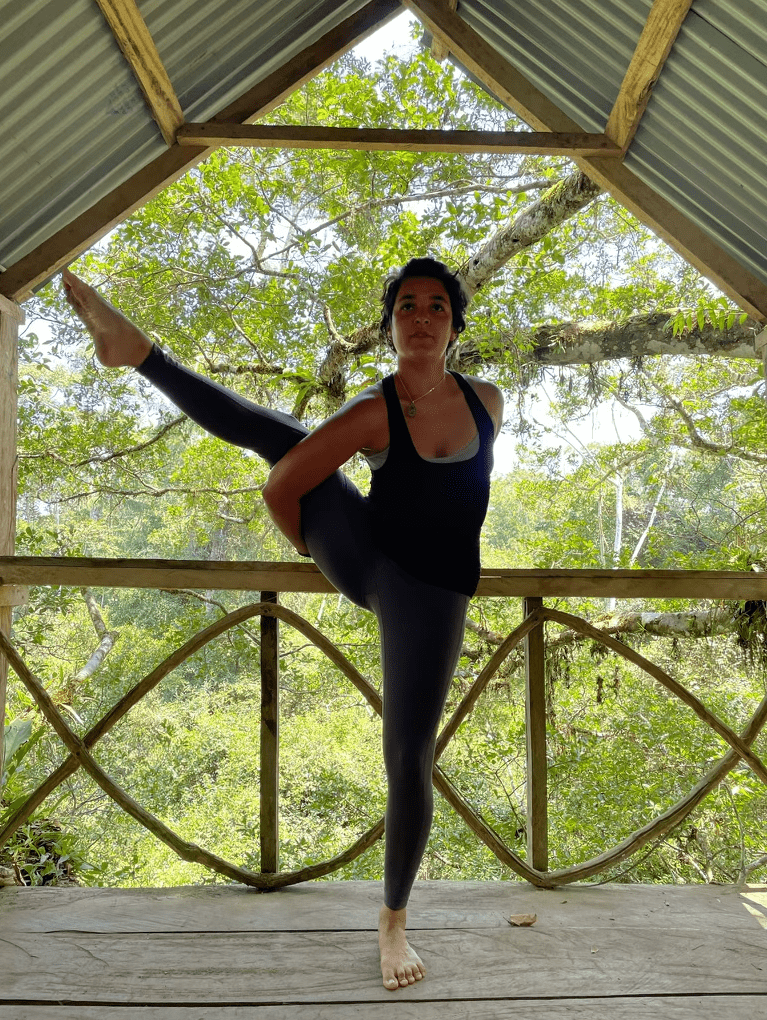
We spent three days in Lima, every second of them filled, and each one with a story of its own. After those three days, we next made our way across the Andes by plane and up the next mountain by car. We traveled deep into the jungle towards Moyobamba – a place where we would train to become certified yoga teachers.
(Image courtesy of the writer)
In Moyobamba, we spent fourteen days nestled alongside the river at the Kantu Lodge. Thirteen people – nine students and four teachers – got together every day from 5:45 am to 10:00 pm.
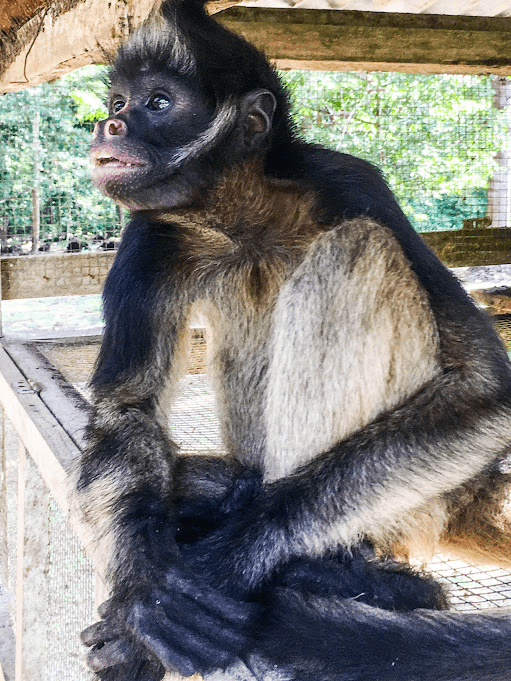
There were also the adorable black spider monkeys with tails as long as their bodies that swung from the trees just outside the shala (a shaded, open pavilion, from the Sanskrit term for adobe) where we practiced. The local butterflies were the size of both my hands together and flew lazily about, their sky-blue iridescence unreal in their authenticity.
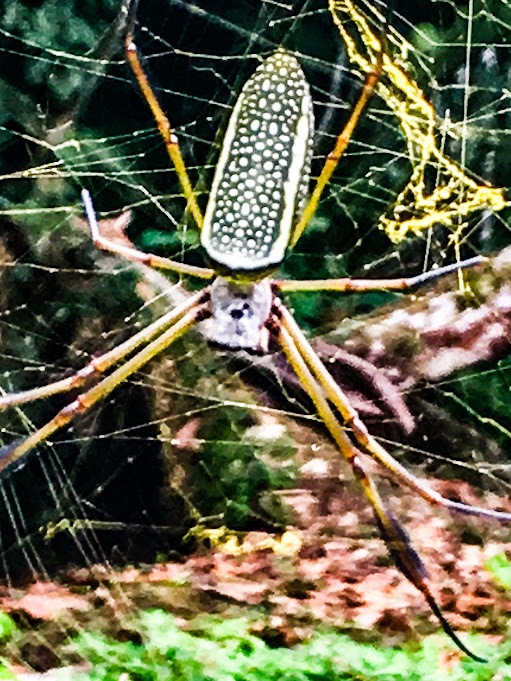
We hand-washed clothes in the bathroom sink and hung them out to dry with the hope it wouldn’t rain. Except for the single day of a continuous 12-hour downpour, our clothes stayed relatively clean. We shooed tarantulas, huntsman, and every other spider from our bedrooms, the shala, and the girls who screamed at every insect that came near them.
(Image of Amazonian Spider Monkey orphan courtesy of Yosef Baskin)
We did yoga with the children on the streets who happily ran around barefoot —
some no older than four, asking us “Yoga? Yoga!”
(Image of Peruvian Golden Spider courtesy of Yosef Baskin)
We traveled misty rivers, drank cacao, and visited a remote region filled with medicinal plants run by indigenous women, and to swim in the waters there. We saw hummingbirds and huge, ruddy brown birds with reddish eyes, looking in as they watched us from behind glass. We feasted on 42 total different vegetarian dishes served at every meal. We danced while thunderclouds rolled above us or while a fire crackled between us. We sang loudly from the balcony and along the paths.
But most importantly, we laughed. We laughed with hearts who knew what it was to really laugh. We left as certified yoga teachers, but that piece of paper holds within it stories of adventures I never thought possible and that were truer than ink can describe. It holds a piece of the world that really does exist, so far, far away from home.
Careers in the rough terrain of the automobile industry frequently scale amazing heights. In this dynamic industry, my journey encapsulates the spirit of growth and success – from a machine operator to an office administrator in new product development.
(Image courtesy of Lenny Kuhne via Unsplash)
Stuck on the shop floor
My story begins in 2002 when I joined the shop floor of an automobile company as a machine operator. Back then, the automobile sector in India was undergoing substantial technical advances. Working hands-on with machinery and production processes allowed me to gain a thorough understanding of the industry’s operations, sharpening my skills and boosting my industry knowledge. This experience provided me with a comprehensive view of our company’s cohesive functions.
As the years went by, I became more interested in the subtleties of office administration, and in heading away from the greasy shop floor and on towards a more interesting challenge. That was when I knew I had to pursue a Masters of Business Administration (MBA).
My metamorphosis
Fast forward to 2015 when armed with a newly-minted MBA, I embraced the opportunity to go up from the shop floor to the office; a dynamic shift just like I wanted.
My journey from a machine operator to earning an MBA degree had required a remarkable combination of energy and psychological strengths. My energy levels were fueled by my determination to pursue higher education while working in an altogether different field. My self-motivation strengthened my resilience, adaptability, and aspiration for going up the corporate ladder. It also played a pivotal role in overcoming challenges and staying focused on my goals throughout my MBA journey. This transformation paved the way for growth and success. It also demonstrated my ability to recognize and capitalize on opportunities for expansion, critical in an industry constantly disrupted by innovation.
Pursuing an MBA alongside a full-time job, came with the significant stress of balancing my time effectively. During my self-actualization process, I experienced a mix of emotions ranging from excitement and pride to moments of doubt and anxiety. Juggling professional responsibilities with academic demands tested my time management skills and flexibility too. I believe that my commitment to self-improvement and career advancement fueled my determination to push myself through the pressures. I thus became who I wanted to be through the struggle of work and study.
(Image courtesy of Kanhaiya Sharma via Unsplash)
Unsurprisingly, I faced opposition, jibes, and taunts from both previous shopfloor and new colleagues in the office. It was not easy. Building resilience in the face of such challenges required me to have an unshakable inner strength and determination. Despite these demotivating reactions to my promotion, I chose not to engage in or get distracted by any discussions about it. Rather I decided to remain focused on my professional growth. I put it down to my inner strength of character, and real commitment to my career advancement.
The transition from machine operator to office administrator represented more than just a change in jobs; it also represented a skill metamorphosis; a process in which I drew on strengths that I probably already had within me.
My transition wasn’t just oiled by my linguistic abilities, though these were vital. My attention to detail, honed as a machine operator, schooled me, and then established me as a crusader for precision. Furthermore, my time management abilities, which I had cultivated over the years, guaranteed that assignments were completed swiftly, without sacrificing quality.
After my MBA, I felt like my transition to office administration could have been worse if I had not had a knack for languages. It was my saving grace and allowed me to rise above the taunts from the shop floor colleagues I left behind. As an innovative company, we are expected to excel at international liaison, so I took it upon myself to learn multiple languages earlier. In new product development, this was definitely an asset to me.
I was pleased that my skills in proofreading, article writing, and foreign language translation were recognized. My fluency in English, Japanese, German, Korean, and Chinese helped me to easily overcome linguistic divides for cross-cultural collaboration and global relationships.
I’ve managed to communicate industry ideas, addressed varied audiences, and contributed to knowledge dissemination through my writing. This skill has not only expanded my professional career, it has also established me as a trustworthy creator of quality material.
In essence, my skill set bridged the gap between the technical complexities of the automotive sector and the need to communicate information adequately to stakeholders.
I grasped that adaptability is essential in a field as dynamic as the automotive industry. I worked on shaping myself as a professional who accepted but also flourished in periods of change. My professional progression highlights the potential inherent in skill development, education, and seizing chances — from the spinning machinery of the shop floor to the edginess of developing new products — an all-new world.
Finally, my diverse abilities have been crucial in paving my career and the projects I’ve handled. I have been involved in developing new automotive products and this role has demanded all my creative strengths.
It has been challenging to move up from the greasy shop floor to the comfortably air-conditioned office. But from language translation to time management, my commitment to quality remains unwavering as the industry evolves. I eagerly await the opportunities and challenges of the road ahead on this high-gear journey.
It all started in October 2022.Our peaceful lives were disrupted by a devastating diagnosis, like a riptide at the beach.
My sister-in-law took Alberto, my father-in-law, to a cardiologist. Multiple tests revealed that he suffered from heart problems, and they recommended open heart surgery as soon as possible.
Scary for Dad, and for all of us too.
More tests brought more bad news: aggressive stage 3 lung cancer.
From that day onward, everything changed; not just for him, but for all of us. And so began all the countless appointments with countless doctors. There were so many of them that my partner and his sister rearranged their lives to ensure he made them all. They used lunch breaks or left work early.
Heart surgery, a stent and a port, chemotherapy, radiation treatments. Physical, mental. He went through it, we went through it.
Seven months to the all-clear. He still had to see a doctor every three months, but everyone was so relieved to hear the good news.
Dad, our salt of the earth icon
Alberto Dela Cruz Jr. was a humble, loving, and hardworking man.
He would wear aloha shirts no matter the weather, loved sweatpants because he always complained of being cold, and wore Crocs because he said they were comfy to just slip on. Though he had turned 75 just before his diagnosis, he looked younger because he always colored his hair brown whenever gray hairs started to show.
Alberto raised five of his children by himself after losing his wife to cancer when she was just 43.
He missed her every day.
He brought three of his kids to Hawaii, including my other half, for a better life. His two eldest stayed in the Philippines. They were already married and too old to petition to come to America.
An agriculturalist back in the Philippines, he put his head down in Hawaii and labored as a security guard to provide for his grown kids back home, and those that he brought over to his adopted homeland.
With Dad, everything was better
(Unsplash/Nikola Duza)
Two things I loved doing with Dad were traveling with him and cooking up family barbecues.
He adored heading back to the Philippines to visit family. Going with him was the best. We stayed for three weeks the first time I went there with him. The experience was ten times better because we were with family and, in particular, Dad. We laughed together, told stories, and ate rich and mouthwatering food.
Dad sure did love singing karaoke both there and in Las Vegas. His favorite song was Sinatra’s My Way. Every lyric of that song matched him so perfectly. He owned it. Whenever I hear that song, I think of him.
Keeping close through the wipeout
Sadly, Dad’s health crises were not behind us.
My partner got a call from his aunty saying that Dad felt like he couldn’t breathe. In the hospital, they couldn’t keep his oxygen levels up, and they admitted him. It wasn’t cancer, but Alberto would never return home.
I actually worked at the hospital he was staying in, so I visited him daily before work, on my lunch break, and after work. I made sure to make the most out of every day because I knew that it wasn’t looking good.
He would always greet me with, “Hello, Shannel! Oh, you work today? Thanks for coming to see me.” We would trade stories, and he would always tell me about his day, and how he struggled with his treatments.
He even shared that he knew he was not going to make it. He urged me to tell my partner and his siblings to forgive each other and be there for each other when he no longer could be. I tried to stay strong and hold back my tears in front of him. I prayed day and night that he would recover to see my daughter grow.
He would always hold my hand so tight, and introduce me to the medics caring for him: “This is my daughter-in-law. She works here. I really appreciate her coming to see me all the time,” he would tell them with a big smile on his face.
Towards the end, a diagnosis of fibrosis, when the lungs cannot produce enough oxygen on their own, saw doctors summon the family to break the news to us together. Dad had two choices. One was to have a tube inserted into his throat to boost his oxygen levels, but which would likely prove fatal due to his underlying health conditions. The other option was comfort care, delivering morphine via IV, that would allow him to pass away comfortably.
Dad chose comfort care, so he could end his life peacefully with our crew by his side. We all surrounded him in his final hours and held his hand until the end. It hurt even though, or maybe because, he had the chance to say goodbye before he took his last breath on May 12, 2023, when he left us.
We couldn’t believe he was gone. And so we cried, and cried, and cried…
I vividly remember my other half yelling and trying to wake his dad up.
I have never experienced a death that hurt so much. The fear in Dad’s eyes made me so sad. They were the eyes of a man who didn’t want to go yet; who wanted to fight to live and to be here for his grandchildren. It was heartbreaking. At least we know that he is no longer suffering, and feel that he is now in a better place, watching over us all.
We’re mourning, but buoyed by his strength
I will forever hold onto the memory of his strength. He was steadfast in everything he endured, from losing his wife and having to take care of his five kids by himself, to losing his son to suicide and having to bury him. Then, after all that, facing his serious health problems, he was still a fighter, and he never ever gave up.
Seeing my other half grieve also pains me. He talks about his father and reminds me how long it’s been since he left us. He still can’t believe that he’s gone, and he wishes he could see him or hear his voice again. I remind both of us that it’s okay to mourn Alberto.
Now, when we miss him, we clean his grave and bring him beautiful flowers, but it will never be the same. When a person passes, it is their spirit that you will forever be longing for. I can no longer hear his voice, his laughter, or see his smile.
We will always miss Dad. All the memories we shared with him will live on through pictures, the retelling of stories, and the little things in life that remind us of our departed hero.
In my 20 plus years of existence, I have learned two important lessons: (1) if you want to succeed, you have to play the game. (2) I am not good at playing the game.
My life started out in the usual way, for a boy from a lower-middle class family in a Pakistani village. I grew up going to the village school and dreaming of joining the army. I never gave too much thought about the purpose of school or an education — I, like many of my classmates, never planned to study past the fifth or sixth grade.
But fate stepped in when I was accepted to the school run by my father’s employer. This company school was an entirely different world: there were large classrooms and playgrounds — and the language of study was English. For me, that was a major hurdle since I had only been taught in Urdu.
I was a good student, though. I worked hard, mastered English, and kept progressing in my studies. It wasn’t until I entered fifth grade that I started to question what I was being taught. In Pakistan, students in the fifth and sixth grades already have a firm understanding of politics and the country’s political parties. My loyalty lay with former Prime Minister Imran Khan, who was gaining ground against Pakistan’s two-party system.
He mostly talked about changing the corrupt system and motivating youngsters to join his struggle. I was very much fascinated by his battle and political moves. This fascination strengthened the rebellious feeling that was taking root inside me.
I started to adopt a policy of applying the knowledge learned from theories and books. When I began this implementation of the knowledge I had learned from books in my practical life, I started to question my teachers for being very different in how they teach and what they do. I was criticized and disciplined. Often that meant I missed classes.
These punishments didn’t demoralize me; instead they made me stand firmer in my beliefs and committed to raising my voice against the education system in Pakistan. I started to ask teachers questions when their words contradicted their acts.
By this time, I was in eighth grade — a pivotal moment in the Pakistani system — as schooling changes from general education to specialized tracks.
I was not interested in my choices: computer science or biology. I wanted to study the arts but that was not allowed, in part because private schools in Pakistan compete for students. Children’s scores in popular and challenging subjects, like the sciences, are a critical part of attracting parents and new pupils.
(Image courtesy of Roman Mager via Unsplash)
I opted for biology, even though I was not interested in it, and passed my eighth grade exams with flying colors. I was poised for success! Except I didn’t agree with the way the school system divided ninth graders according to their exam scores. Basically, the system divides children into two groups: the “average” group — kids who can pass the national exam but are unlikely to get top scores without a lot of tutoring and support — and the “strong” group: the chosen ones the school believes can achieve national ranking scores with enough attention and guidance.
I protested this division. Even at that age, I understood it was fundamentally unfair to give one group of children more resources when all the kids would benefit from more education. Why should a child’s future be sacrificed so a school can pour its resources into a chosen few?
I refused to follow the rules for exam preparations: I firmly believed — and still believe — scores should be given based on the value of your response, not the formatting or tricks you use to present your answers. As the exam date grew closer, the school coordinator even called my father to plead with him to convince me to follow their rules and get a good score. The message was, in short, the answers don’t matter: exam graders want to see how you format your responses, not the value of your words.
I was shocked to hear that, and instead of acting upon my coordinator’s advice, I continued my rebellious policy of just writing the answers without proper presentation. I used to say I never studied for marks; I studied to learn and use the knowledge I have learned daily. That was the point of being educated. My teachers, however, believed you can only succeed by being a part of this system. Admissions to prestigious universities and jobs in Pakistan are always given to those who have good grades.
In short, I could not get good grades in 9th and 10th classes and was strictly criticized for not following my teacher’s instructions and for not bribing the exam monitor. So, I could not secure admission to top colleges like my other classmates, who also acted upon their teacher’s advice and compensated the exam monitor.
Once I finished 10th grade, however, I realized I could still shift from the biological sciences to engineering or computer sciences for 11th and 12th grade, known as college or higher secondary education in Pakistan. So, with no additional preparation, I jumped to engineering. But, unfortunately, my experience there was the same: if I didn’t play the game, I couldn’t get the grades I needed to succeed.
(Image courtesy of Nathan Dumlao via Unsplash)
I still dreamed of joining the army, so after I graduated, I went to an academy in Lahore to prepare for the military exam. There, retired army personnel coached us on how to behave in interviews and tests. There was a Catch-22, however: I needed to prepare for the exams, but the military would not accept anyone who prepared because the point of the exams was to assess a potential soldier’s natural abilities and talents. My instructors told me directly to lie to the interviewer and say, when asked, that I had not received any coaching.
But I thought, why should I start my new career by lying? In short, due to my decision to tell the truth, I was shut out of the military and my lifelong dream was crushed.
Instead, I was admitted to the food science and technology department at university and decided to get my bachelor’s degree in this field so I could continue my education. I did not like the field and did not fully understand which jobs I could get with this specialty. With little guidance and my usual critical eye toward the education system, I struggled to do well and ended up graduating with average grades.
Now, I am sitting in my bedroom writing this story, thinking about my mistakes. I don’t want a master’s degree in my field and, after almost 24 years of life, I finally understand my true calling was not engineering, the military, or biology. My passion is literature and the social sciences: international relations, regional studies, and other similar subjects best fit me. I realized this after every opportunity has gone, and now there are limited chances that I can find a master’s program in any of those fields with my current degree.
Today, I realize that if I had followed the flow and kept all these rebellious thoughts to myself until the day when I would have had some power to change the typical education process in Pakistan, it would have been a much better way to make amendments and improvements in the society and system.
Instead, however, I just kept resisting, and my resistance as a child and young adult was useless. It deprived me of every opportunity, like attending an excellent, reputable college and studying the subject of my interest and choice. I could not analyze my interests and chose only the fields that were not my cup of tea.
So, in the end, Pakistani schools taught me an important lesson: resistance at the wrong time and age is useless. If you have to change the system, just be a part of the system until the day you reach the stage when your decisions or resistance will matter. We resist at the wrong time, and this ill-timed resistance has wasted many of the talented voices that were intentionally interested in bringing a positive change in the system. Instead, it is too late when we finally realize we have resisted at the wrong moments.
It is my hope that, by reading this, other young people will learn from my mistakes and understand that there is a time for every expression of resistance and every voice to be raised. If you want to change the system, work hard to obtain a position where your words may have some power to bring about the change you desire.
A family of six that would pile into a fire-engine red 1985 Chevy van, a vehicle that could easily hold a family of six. However, we would always load the van with all kinds of toys and goodies, so I imagined it looked like Santa’s sleigh, filled with as much joy and happiness as he delivered on Christmas Eve.
This is something that my family would do every December for as long as I can remember. A strong family, with beliefs our parents would instill in us and to one day show our future family.
Meet the crew
Our crew of four kids was made up of serious, silly, and sometimes not-so-well-behaved kids. There was my youngest brother, who could not have been older than eight years at the time. He was a chubby child with curly hair that had more waves than the ocean. I remember all my aunts would comment how it was the look their hairdresser should mimic.
Next was me, a doe-eyed kid with thin, long wavy hair and glasses to finish off my innocent look. Then there was my older brother, a lanky child who would constantly be outgrowing his clothes because of how tall he was getting at that time. The oldest among us was my sister, who stood at 5 foot nothing, with the longest black, spiral shaped hair of anyone we knew except for my mother. While she looked like a little girl that wouldn’t hurt a fly, to us, she was the guardian of the bunch. She was like a second mother to us boys.
My mother was no taller than my sister, but the respect she demanded from us kids was that of French wrestler Andre the Giant . My father was the tallest man I had ever seen back then, towering over us like Dwayne Johson does to Kevin Hart (compare heights of 6’5”/196cm with 5’2”/157cm). He looked like a Mexican version of Mufi Hannemann, former Mayor of Honolulu, if Mufi had a thick black mustache.
This is the family that would show me what it means to be la familia.
Memories of our journeys
Family trips were some of the fondest memories I could remember. While it felt like we would travel for what seemed like days, it was only about 12 hours. The long hours were not the reason for the fond memories, but how we came together as a family to make the trip the most memorable.
We would laugh at each other telling jokes, play card games, and make lonches de aguacate. These avocado sandwicheswere not some mediocre meal that anyone could prepare. No, this was left to mi madre, who could make a simple aguacate y jamon con queso lonche (adding ham with sliced cheese) look like the best meal you would have ever had in your entire life.
My mother would tell us how much of her heart was in making meals for us on the road. It was so important to us that our mother would make the lonches,that when my father wanted to stop at a restaurant to eat, we all would object, “No. Just buy what mom needs.”
Some of the best jokes told on this trip were, in the opinion of my older brother, “So funny you could laugh so hard that you may laugh your head off.” He would say knock, knock and everyone in the van would have to respond, because if we did not, all anyone would hear for the next century was him nonstop saying, “Knock! Knock! Knock, knock!” Do you see how annoying this was? Nails on a chalkboard. The joke would finally end with, “Well, you made me so mad that I forgot what it was.”
My older sister was the one who, in her mind, had shuffled the deck of the cards in a manner that would put a Vegas dealer to shame. She would grasp half the cards in the right hand and the other half in the left, then she would bring the cards together to shuffle them and mix the two decks into one. She would finish off her shuffle with a tap of the deck on the cooler that we were all treating as a luxurious green table from the MGM. I never thought it was weird that, as a child, I knew how to play poker. The stakes were high back then, where we all had our one sock that was filled with marbles to place a bet with.
The scenery would change so much as we traveled south. As we traveled, we would see mighty chunks of rock rise all over the land. To be able to witness mountains that stood with such firm, vertical, gravity-defying peaks was always something to admire.
So many times we would have to travel on a road that hugged the mountain and our van would hug the road just as tight as a child hugs their mom after the first day of school. Just as the mountains came, so did the landscape of the desert. The desert was full of sand, flat, crumbing rock, sandstone, and cacti that looked like it was leaning over searching for water.
The family reunion
(Image courtesy of Andrik Langfield via Unsplash)
Many of these trips would take us to our family in a little village on the outskirts of Durango, Mexico.
Our arrival at the village my parents grew up in was always something that brought a smile to me and my siblings. The entrance to the village was not very noticeable, but we knew that we had arrived when we had passed the only building that everyone got their hielo (ice) from. This building from the outside looked like it was built with adobe clay. It was as long as my little eyes could see. There was always a line of gente (people) to get their hielo.
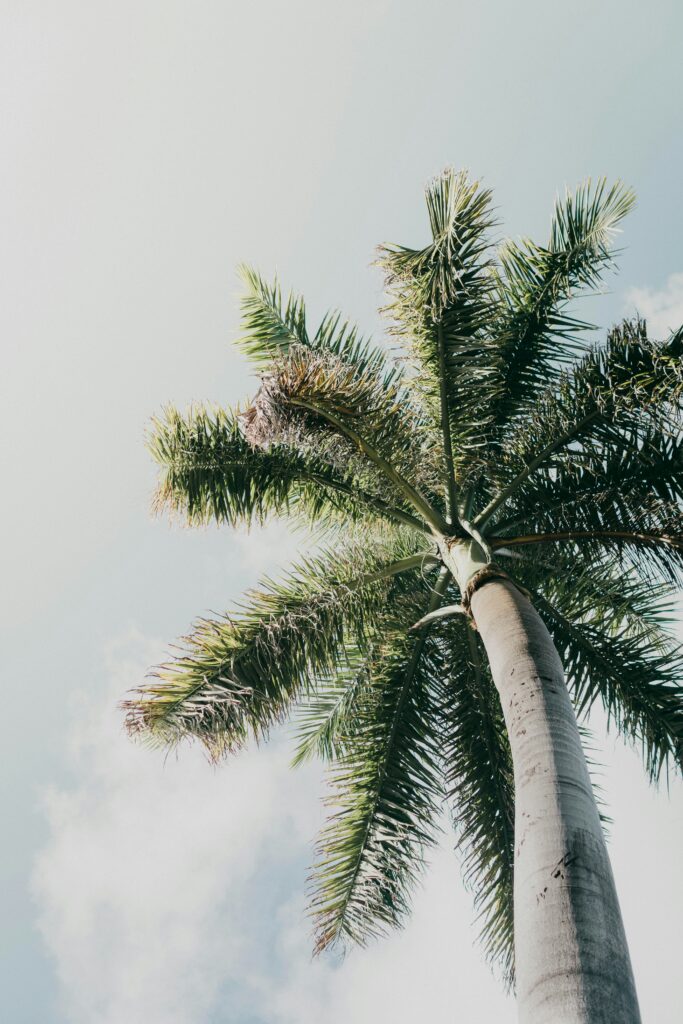
Next would be the road to my grandparents’ house. Believe it or not, there was a La Palma landmark very well known to us. That palm tree was as tall as the Eiffel Tower and would tower over all the houses on that block. My grandparents’ house was in sight from there and we could see the metal french-style door, which changed colors according to which color my abuelita (granny) felt like at the time. It was a fun guessing game to see what it would be every time we visited.
The nights in the village were actually brisk and always made the senses feel so much better, as it was the season of Christmas. Coming from a desert-like environment to a colder environment made us embrace the jackets our parents would make us wear, running around with our Parka jackets with our breath visible in the air and our noses as red as a reindeer. All this did not matter to anyone, as we would spend all day and all night in the courtyard of my abuelo’s house.
My abuelita’s is a 5-bedroom home that at max capacity could hold maybe four families, but we squeezed in and made room where we could lay down. Being able to enjoy this time with our extended family was the greatest time in our life. Our family was as large as could be, with 20 primos y primas (cousins), not including my family and 10 tíos y tías (uncles and aunts).
Family festivities
Every year was a family reunion with a party that would top the last, with the slaughtering of a goat so that we could enjoy a feast. The party was an epic scene, as it would start in the morning with Abuelita making breakfast for everyone. The adults would be having their cafecito con pan dulce (espresso with sweet buns) and us kids would be eating pan dulce with abuelita’s hot chocolate.
(Image courtesy of David Guerrero via Unsplash)
Mariachi con la familia
With festivities comes music, of course. Since my father’s family is extremely musical, there would always be music playing in the background so everyone could sing along. My father’s brothers and sister would start singing like a Mariachi concert. It did not matter that the adults were singing ‘til the roosters crowed. It was always a delight to hear so much music coming from the courtyard.
The laughter would continue with the younger siblings. My cousins and I had spent all day buying up all the fireworks we could gather from the corner stores. Each firework had a distinct shape and size. There was one we called La Palomita, it was the size of a pigeon. Not only was the size something to marvel at but, when La Palomita would go off, the paper that was holding what we believed to be gunpowder would fly everywhere like if a bird had just been struck.
These times ensured great bonds were created and treasured. There was so much to enjoy, so much time — and so little time. These memories are the building blocks for what my belief in family is. La Familia is something that you have to work on. Not only with your immediate family, but with all your distant relatives. This will always be the strongest value that anyone can instill in their children.
I have spent 38 years in the business of owning and running operations.
Since 1987, I have seen people of all shapes and sizes coming to buy from all walks of life. I have experienced people’s tastes rise and fall, change and change again. I have seen people’s attitudes change and reshape themselves both positively, negatively and emotionally. As a businessperson, I either had to adapt to the changing environment or fade into obscurity. I chose to adapt. It is an essential part of business.
In the small business world, I have few or no employees, so my experience in an ever-changing environment stems directly from dealing with customers — experience in how to deal with them during each and every sale of the day.
(Image Courtesy of Monstera Production via Pexels)
Customers were courteous
In the early part of my business venture, customers exhibited a welcoming social grace. Customers were courteous, they used words like please and thank you. A customer would hand me the money and thank me for serving their needs and being there for them. Customers then knew what they wanted when they shopped, and they were grateful for the experience — appreciative that you were providing a service. They would hold a light or humorous conversation and give you a laugh, a smile, a wave when they left. No agenda, political hatred, or need to voice opinions in spite. They dressed with style, enjoyed the community experience around them, and cared that others experienced shopping as a joy, alongside them.
Then.
(Image Courtesy of Ludvig Hedenborg via Pexels)
In 2016, the customer atmosphere changed. It became stormy. The change came in the customers’ attitudes. This generation of customers was no longer interested in the community experience or in savoring the experience of shopping. They now shopped with a “me” mentality.
It’s not all about me, but it is about me
Open for me, serve me, order this item for me, serve me the quantity I want. The unwritten rules and social graces were no longer honored or followed. Customers felt entitled to be entitled and to bluntly let you know.
If I want my stuff at 6:30 AM, who cares if you open at 8 AM, serve me!
Customers now dressed in slippers and pajamas. Bras were suddenly not socially awkward. Shirts with the words “One, Two, F^^% You” and “If You Stomp on My Flag, I’ll Stomp on Your Face” are okay for children to see. Arrogance and outrageousness are badges of patriotism. Now, when I wish them a nice day, they grunt or spit out, “Who the hell do you think you are!” As a business owner, this is a shock to the system, both emotionally and physically.
(Image Courtesy of Rachel Claire via Pexels)
The customer is always right, even when wrong
These days, a business owner must adapt to the mentality and attitude of every customer. I held my tongue and did just that. I have adapted to the ever-changing attitude of what is “important” to every single customer. I have applied my knowledge of conflict resolution, psychology, and psychoanalysis to customer service. One customer is happy and enjoying their shopping experience, the very next customer tells you you’re an asshole and to f^^% off. The question of “What would you like today?” turns into a nasty political conversation where the customer is always right.
I must be quick on my feet to be able to deal with today’s customer atmosphere. I am. I must treat each customer with an outward respect — and inwardly store the knowledge of what to do differently next time. I must be thick skinned and let go of past gripes and grievances.
For me, the knowledge of understanding has come from my training in conflict resolution, psychology, and anger management. Empathy over the years led to continuing success in my little business. And otherwise.
A signature feature of my own lifestyle is Procrastination with a capital P. That is how much influence the word holds in my life.
I can now help others.
Procrastinate by honoring distractions — Instead of reading on, for example, you may want to daydream on the sleepy head of a unicorn implicit in the pools of color in the nearby photo.
Then let me show you other ways you, too, can introduce this complex, lay-back, and artful element in your life.
Procrastinate by replacing alarm clocks and structure with hope — I often go to sleep hoping to wake up early and finish my tasks. And the early morning never appears.
The clock strikes 8: a.m. and I am left to mope in sorrow. Because my work meeting will start right at 8:30 a.m.
Procrastinate by overstating your goals — On the work front, I have been constantly thinking about finishing my brand plan. It’s a grand plan. Still thinking.
Most of the day of some damsel in distress is spent idly waiting for her Prince Charming.
Procrastinate by freezing up in idleness, chaos or both — Damsel or prince, most of my day goes about dreading work. The problem is, more work piles up before the pending gets taken care of. And the chaos intensifies.
Anyways, the influence of the moon also brings some much-needed clarity. Numerology says I am an excellent creator. And so I believe myself to be a creator of finesse much more than an analyst of facts and figures. Right brain versus left brain. Sounds counterintuitive, right?
Procrastinate by collecting worries — It all stems from my habit of overthinking—what ifs and what nots. And this peculiar habit has landed me in trouble time and again, with unnecessary bouts of anxiety and tension.
In the end, will it be all worth it if I lay everything on the line to make this one task a success?
Not really. The universe does not operate per the whims and fancies of an individual. It is us, we assign notional importance to events and elevate them to grandiosely to earth-shaking. What is gold for one is pebbles for another.
(Photo courtesy of Nico Smit via Unsplash)
So the gist of my take is not to over-credit the importance of any single task you have on your agenda.
Procrastinate by overrating each detail, or your own importance — Well yes, your presentation might save the company. The single dot you put at the end of the sentence might protect an orator from years of public shame. And the one step you did not take by the pavement changed the course of history for a homeless man. It might have.
But, it is also okay to enjoy the triviality of our endeavors. Saves us the pain.
This brings me to the end of this short, sweet homily about the many trials and tribulations of distilling my personal skills in procrastinating, all captured and crafted to tutor my readers.
(Photo courtesy of Anni Roenkae via Pexels.com)
Slowly and steadily, I am mending my ways, isolating work and life, and learning the art of letting go. Tomorrow.