Travel Slow

For the past month, my wife and I have been traveling through New Zealand. The reason being we plan to move here because America, where we’re from and live, is so great again. I won’t subject you to a political rant about why we’re leaving; our brains have been beaten enough as it is. Instead, I thought it would be a better use of time to share my traveling philosophies on how to get from place to place, how to eat and drink, and how I did it on a single-ply budget. 

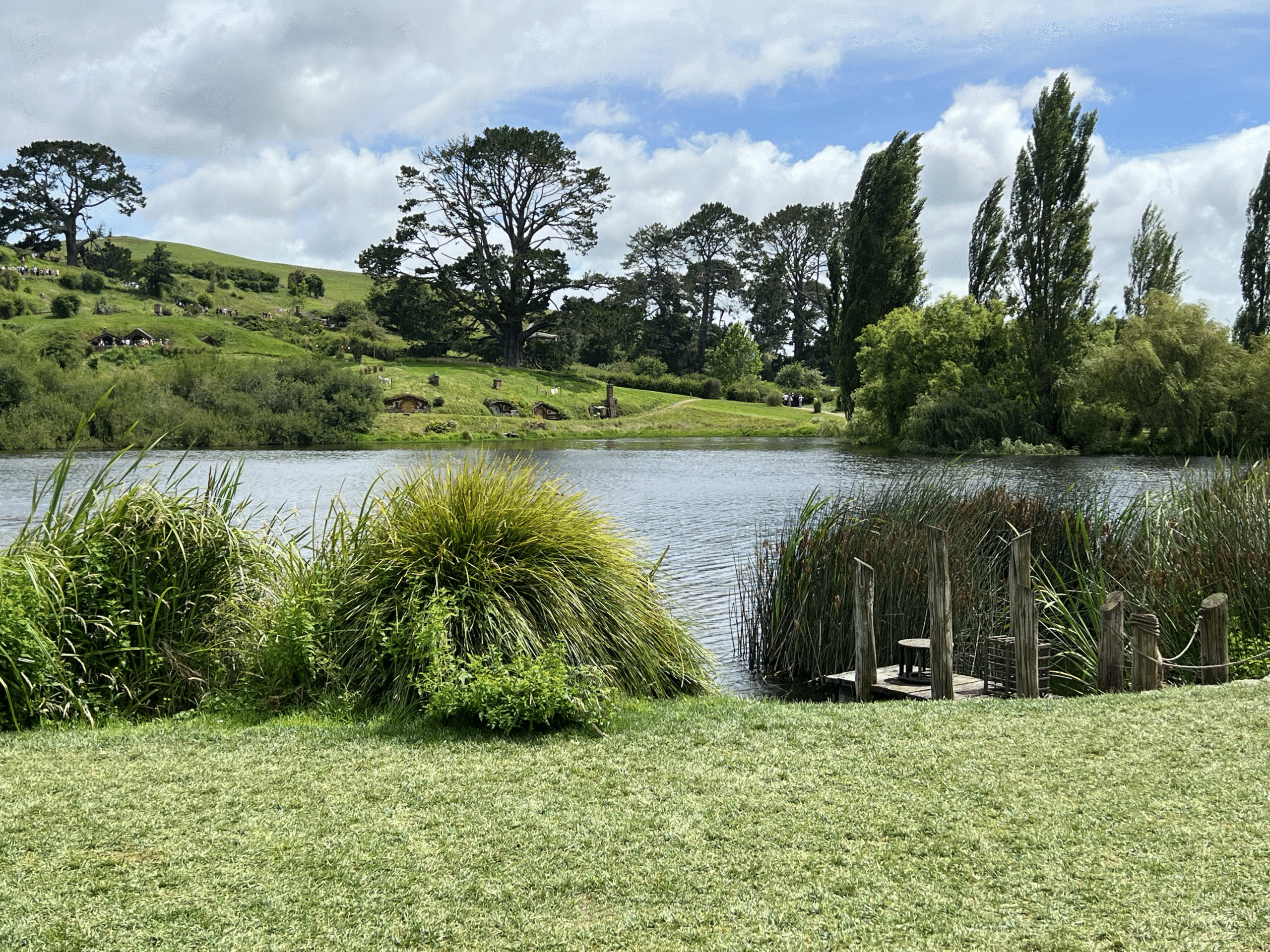
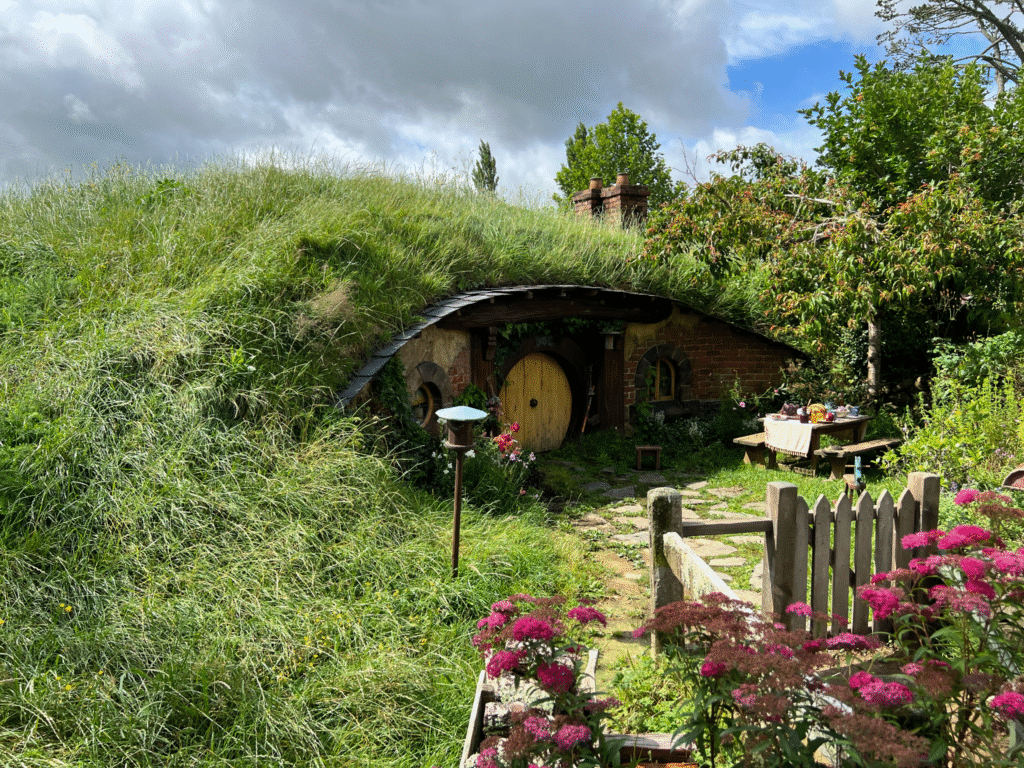
Every time I tried to put into words just how to explain and describe my unforgettable experiences in Hobbiton, I always found myself coming up short. Soon, I concluded that there just simply was no way for me to convey through words just what my experience was like. So instead of words, I decided to use the pictures I took throughout my trip. Here is another picture of what my dream home looks like.
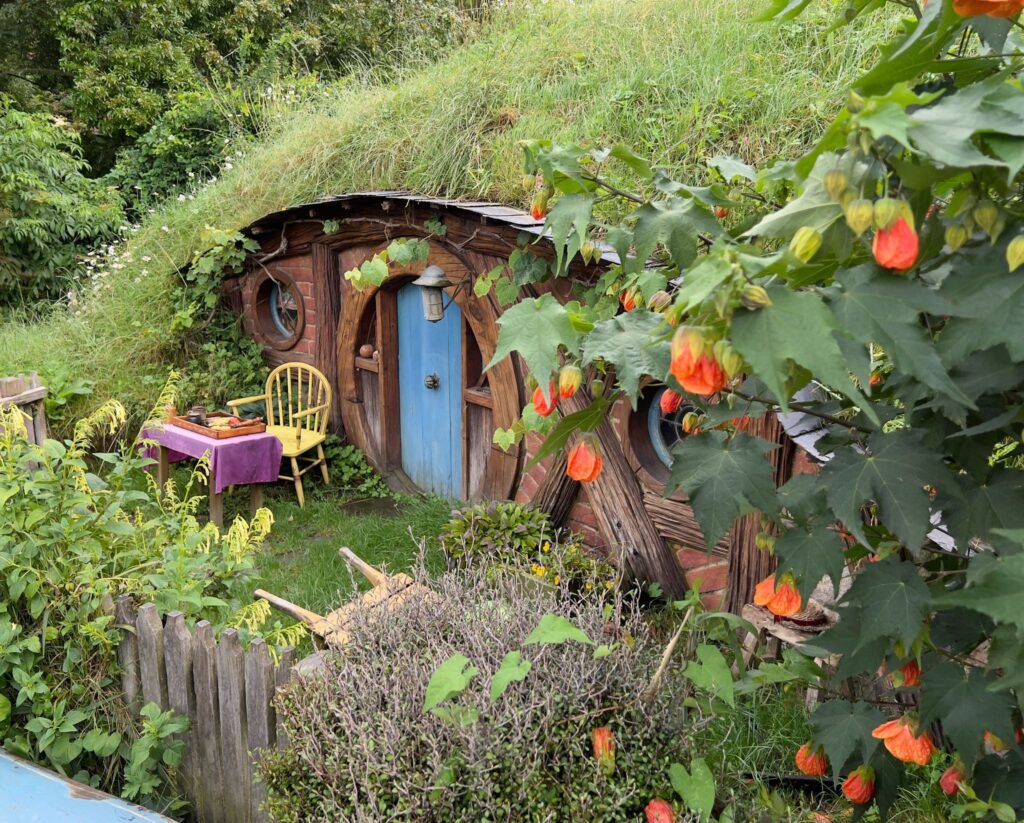
A blue door Hobbit hole with a small chair in front and garden.

We started in Auckland, the northernmost city on the north island, then made our way south to Wellington, New Zealand’s capital, stopping at a few places in between. The long journey from north to south took around 10 hours in total by train, and although a plane would have cut this time in half, the extra time it took was well worth it. After all, flying might be a convenience, but taking a train allows you to see more of the country. It allows you to enjoy and appreciate not just the incredible landscapes – otherwise missed skipping to airports – but also the factories and farms that keep the country running behind the scenes. I believe in travelling slow when in foreign places and I do so in any way I can, even when I’m only staying in one city.
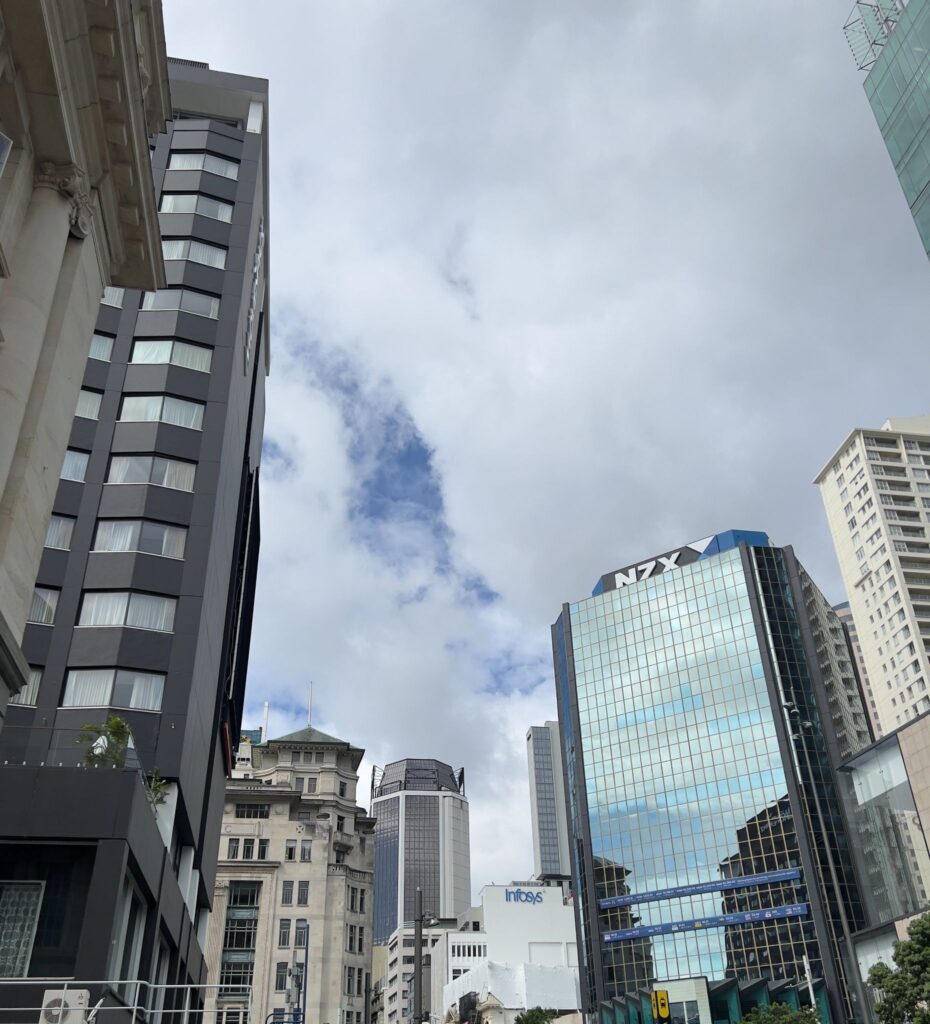
Downtown Auckland skyline

Although we had the option to rent a car while we were here – since our California driver’s licenses are accepted – I had no interest in doing so. Since I don’t plan on having a car once we make the move, I wanted to get a sense of what living life without a car would be like. Besides, walking through a downtown street in the city center is the best way to find what you aren’t looking for. The buses in Auckland were clean, ran on a frequent schedule, and paying the fare was as easy as tapping on and off. However, the bus system was still unfamiliar to us and we definitely got lost more than once. I prefer getting lost though, especially in a city where safety is a priority. Plus, you never know what you’ll stumble across after you miss your stop, misread the map, or take a wrong turn in the wrong direction. One time, when this happened to my wife and I, we even found an area called Newmarket just outside of Auckland’s city center, a place we ended up having a serious interest in living in. During our wander, we also came across an outdoor food market complete with its own bar – perfect for someone like me who’s a huge fan of outside beers. All of the experiences I had in Auckland have thus taught me that I shouldn’t just be focused on sightseeing, but should also get in where the people are.

When it comes to eating, my process is simple: try a little bit of everything. Part of the fun is getting out there and learning the subtle differences in what things are called. Take lemonade for instance – back in the states, it’s a mix of lemon juice, sugar, and water. In New Zealand, however, lemonade is referring to lemon/lime soda instead, making it more akin to Sprite. My wife was shocked when that came to the table. Did we stay in and order Dominos one night because we were exhausted? Of course we did. I’m not saying you have to run yourself ragged, and in fact I completely stand against it. All I’m saying is that you should just step out of your comfort zone a little. Food is unlikely to be the thing that kills you, especially in New Zealand, so you really shouldn’t fear that thing on a stick that was cooked outside. Because when all was said and done, I can assure you that it was delicious.
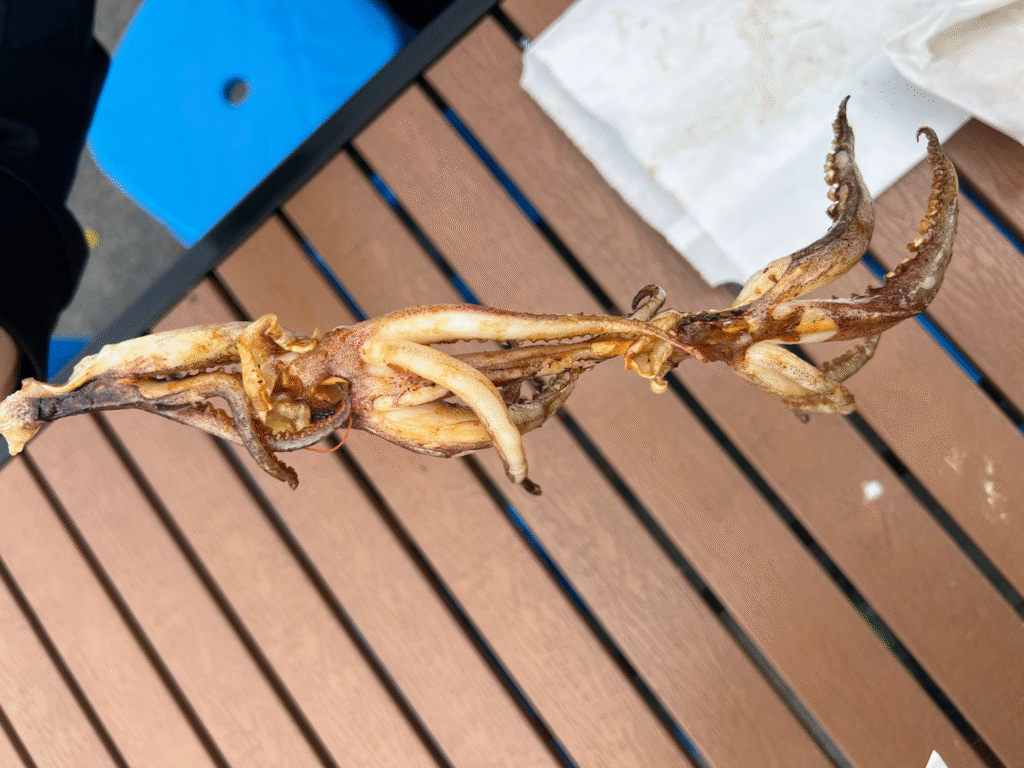
Cooked squid on a skewer.

Drinking. I am a drinker. If beer was a religion I’d be a zealot. I do not believe in drinking moderately. In fact, I believe it would be irresponsible to my constitution to do so. For the record, though, I don’t drink beer exclusively either; I’ll try any fermented beverage at least once. That’s because, to me, alcohol – same as food – is culture. Every corner of the world has an alcoholic beverage associated with it. The United States is known for moonshiners and whiskey distilleries. Mexico has tequila, while South America and the Caribbean have rum. Western Europe is synonymous with pubs, Oktoberfest, and beer in general. Russia and vodka go hand in hand. Japan has sake, and Korea has soju. Mankind has a collective habit of figuring out how to ferment the plants that grow where we live into delicious beverages. It is another one of the many things we have in common. There are parts of the world where alcohol is absent, but in those places religion is the dominant aspect of their culture. I’m not encouraging you to try every beer on the menu twice, as I did on the train from Auckland to Wellington. But if you’re not sober, for the sake of living try living a little extra. If I hadn’t, I wouldn’t have learned there are unique hops that grow in New Zealand. I didn’t learn the science, nor do I even remember what they were called. But I remember the taste. Because of my proclivity to beer I have a wider appreciation for New Zealand’s agriculture. So my take is, if you do plan on having a drink, forget moderation, if for only this one time.

Traveling is hard financially. Especially these days where most of us are scrounging our spare change together just to make rent. This is how I’m currently living as well, but my wife and I still decided to make the trip. We didn’t concoct some grand plan on spending while we were here. We decided it would be something we never looked back on in regret. The fact of the matter is that we live in uncertain times, and the places you want to go may soon not be so easily accessible; the time is now. I’m coming home with pennies in my bank account and not one regret about taking this trip. I got to see how simple living can be, how truly nice people are, and how much I needed a change in scenery from the current state of my country.
A yellow door Hobbit hole with a picnic table out front.

Where Are You From?

I have been traveling since I was 14, constantly feeling like an outsider. Whenever I catch myself thinking, “Here I am; I belong here,” the inevitable question arises: “Where are you from?” This recurring question has left me feeling stuck, uncertain of where I truly belong.

It’s a strange sensation — feeling torn between places, unsure of where I truly fit in. One can easily drift through life, holding onto the hope that things will eventually improve, but time passes quickly, and I often wonder where my roots have gone.

I was born in the Republic of Moldova and moved to Romania for school, spending seven years there. Afterward, I transitioned to the United Kingdom for university, where I lived for about three years. During this time, I had the opportunity to travel to the United States through a university program. I later returned to Romania before coming back to the UK.

Last year, I spent time in Russia with my parents, and for the first time in a long while, I felt at home. I wasn’t an emigrant or an immigrant — I was right where I was meant to be. I discovered so many beautiful aspects of Russian culture, such as ballet, opera, and cuisine. The language, which I’ve spoken since I was five, resonated deeply within me. I embraced the traditions and the people, and my eyes sparkled with joy as I immersed myself in this world.

Yet, doubts linger. Is this place truly for me? Do I belong here? We often wrestle with the fear of trusting our own feelings and instincts. As my grandfather was Russian, I always felt there was a special connection for me in this country. However, the question remains: “Where are you from?” I often respond jokingly, saying, “I’m a person of the world,” yet inside, I feel like a stranger no matter where I go. 

Somewhere else 

So, how can one know where they truly belong in this vast world? It’s an interesting dynamic when we go abroad for studies or work — we become strangers in a world that doesn’t quite feel like home. I’ve observed how people often believe that life is better elsewhere. They encourage others to venture abroad, to build their own lives and careers. There’s also a natural curiosity about the food, behavior, and lifestyles of different cultures, leading many to conclude that somewhere else is better than their own homeland. 

However, there is no absolute “better” or “worse”; it’s all about how you perceive yourself and whether you’re open to embracing the world around you.

If you find yourself stuck answering the question, “Where are you from?” consider replying, “I’m still figuring it out, still searching for where I belong in this world.”

(Image courtesy of Shing via Unsplash) 

The Color Of Far, Far Away That I Found In Peru

I had never traveled internationally or spoken any language other than English. Yet somehow, something so seemingly impossible became real. I was about to step out of my comfort zone and personally experience a giant leap of a trip outside of just pictures or videos on the internet. 

Last September, I left my five children for twenty days, crossing the 2,800 miles from North America into South America, but I found myself in Peru. My friend Ana, a native Spanish speaker from Mexico, grabbed my hand before we exited Lima airport, telling me, “Don’t talk to anybody, and stay right behind me.” Her take, not mine, but she was Latina, so I didn’t argue. 

The doors slid open and a sea of faces — clustered close together and vying for attention — called out, voice upon voice, begging to take someone, anyone, any place they could possibly want to go. Ana already had a taxi driver waiting for us, her name written on a board he was holding, standing just outside the swarm. She held me close behind her until we were loading our bags in the trunk.

I sat silently in the back while Ana and our driver chatted. Apparently, the driver asked where I was from. Upon hearing the States, he responded with “Oh, so that’s why your friend doesn’t talk?” 

Rules of the road

The road had no rules. Lanes meant nothing. Other vehicles meant nothing. Horns meant nothing unless you were the one honking, which meant you were serious. 

Our ride and every Peruvian ride we took from then on was a series of “We’re not gonna make it” action movie scenes. The cars maneuvered the way motorbikes do, weaving through the small in-betweens. The bikes, and there were many, carried up to three people at times.

Doorways to other worlds

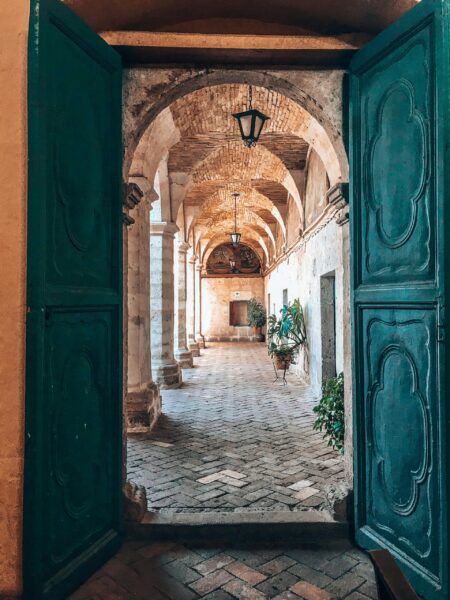
Our hotel entrance was a doorway stuck between all the other buildings and so simple that I glossed over it every time we returned to lay our heads down. That could have been because a doorway does not speak the same way that a door does. 


(Image courtesy of the writer)

A doorway is but a hole, a near emptiness, a thing which may be crossed. But the Peruvian doors are entryways, mystical, unknown, and bursting with the knowledge that an entire life unlike your own exists just beyond. 

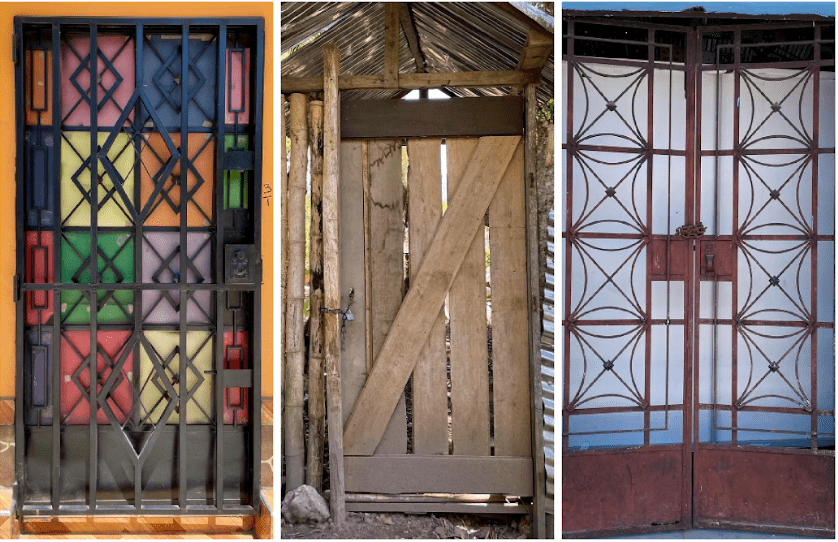
They are made of color, of gated iron, of broken down wood, of stories. Doors became my obsession. If the drivers of Peru were number one on our “ways to die” list, the act of getting a photograph of a specific door was a close second with how dangerous getting to some of them ending up becoming. 

(Image courtesy of Rod Long via Unsplash)

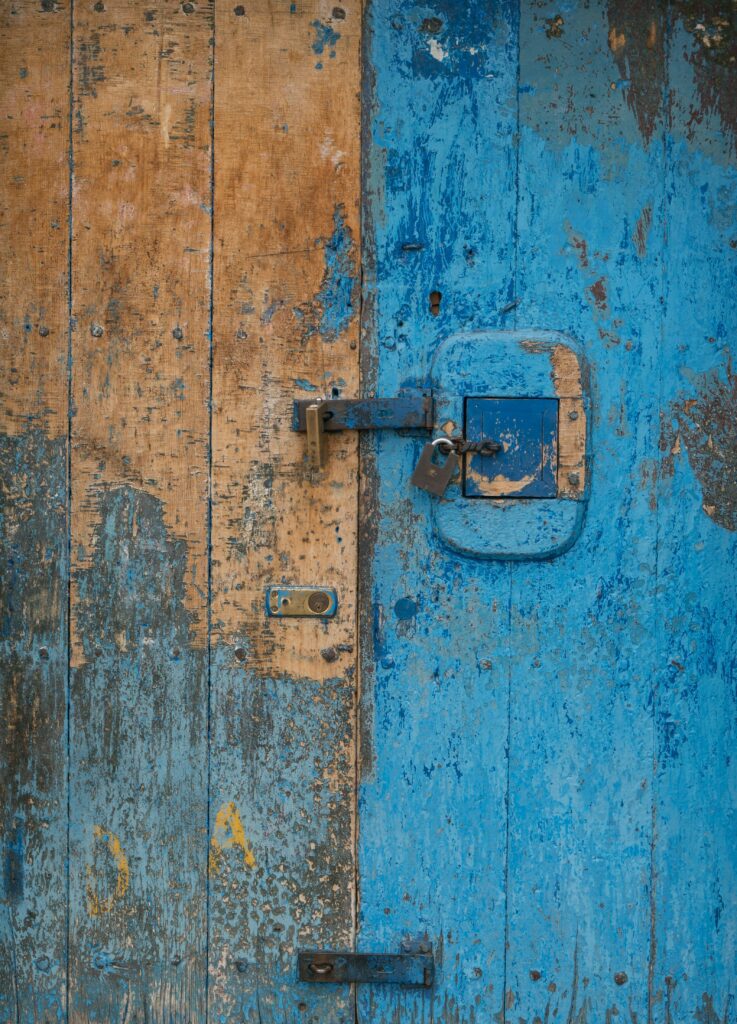
Cathedrals, shanties, museums, and houses had elaborate doors kept safe behind bars whereas some others were left open and easily accessible. Bikes were left to lean around everywhere we looked. One open door, the one to church, required payment to enter. The closed ones — with their lion heads forever keeping their iron rings prisoner — were the most telling.

Closed doors and grated windows were sometimes guarded by the police, all of whom were more than welcoming when I asked to get a picture of them. They said I could join them, or sent me across the street to go beyond a gate there to get a picture with their other police officer friend. The doors told stories. 

Transported to the beautiful unfamiliar

The people told stories, too. The architecture. The murals. The mist that forever kept the city of Lima the same gray as the inside of a cloud: light and dreamy. 

Ana and I walked and walked our first three days, before we moved deeper into the city. Among the people, it was easy to feel like the distance from home wasn’t quite so great. It was a crowded city like any other, where people had little dogs wearing sweaters and booties. We were by the ocean, which felt foreign enough for gleeful excitement, but not enough to feel transported. 

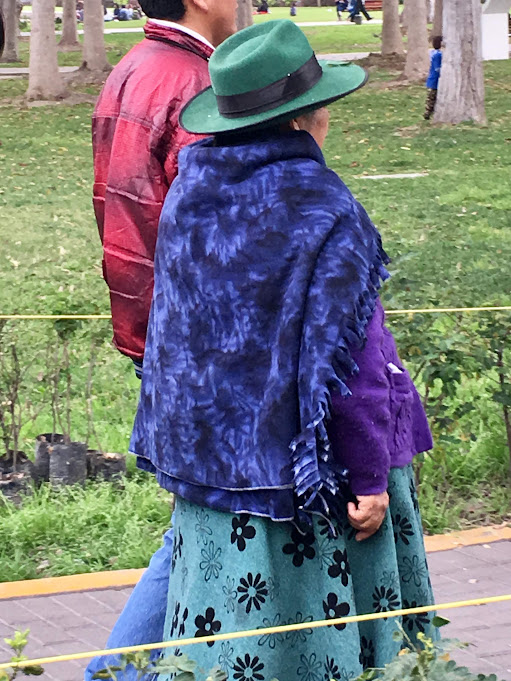
That enchantment happened when we came across the first woman dressed in traditional Peruvian layered Inca clothing. Rich jewel-toned colors and knit patterns wrapped her, and a baby was swaddled against her chest as she walked while selling homemade chocolates. She was petite and beautiful. Gentle like a doe.

(Image courtesy of Yosef Baskin)

Ana spoke with her while I looked on admiringly. Her woven basket of chocolates was just a bit too large for her to reach across its diameter. The chocolates were wrapped in paper with bright stripes of blue and orange. Their tops were cut into strips, erupting from them like a little carnival.

Ana, who is allergic to chocolate, gave her some small change. A blue bundle left the basket as she turned and asked if I wanted the peanut butter chocolate. I gave her my coins. An orange carnival tent came in exchange. I gestured and asked in English if I could see her baby. Shyly, she pulled part of her colorful wrap aside. 

I was stunned by the baby’s beauty — its unknown power that all babies possess — but even more so by his sheer size: to think that he came from his mother’s small frame, and that he was still only seven months old!

That was the moment. The moment that felt like thousands of miles away. The moment when a stranger became a life and a place became a home. The moment that even my best imagination could not come close to comparing to. Peru was just a few thousands of miles away from home, different but similar, and knowing that made it feel surreal. The ground we walked upon, the air we walked through, and the mist-covered mountains that seemed to float in the sky, were always there, yet always out of reach.

So many wonders we will never forget

We ate plenty of food – mostly good, some not. We had a spontaneous paragliding adventure, but that wasn’t nearly as terrifying as the drive to the beach without a seat belt. We were overwhelmed by the marketplace on our “gift getting” day. We spent a day in the plaza and burned our tongues on the best churros ever. During all of these experiences, every single person was kind.

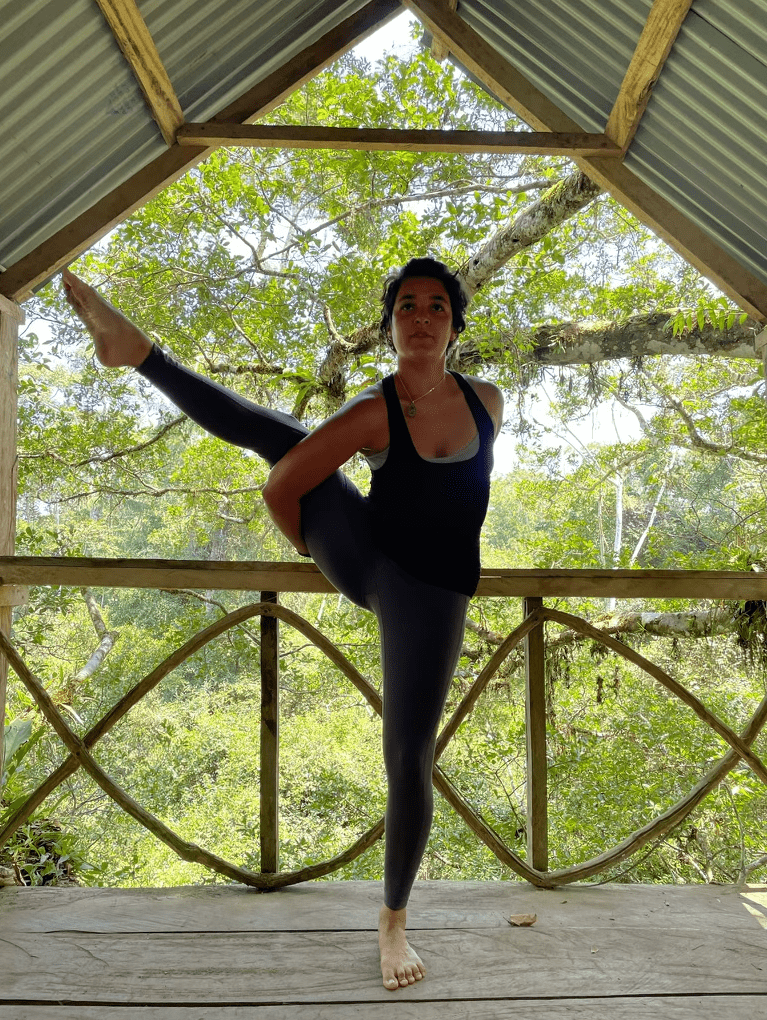
We spent three days in Lima, every second of them filled, and each one with a story of its own. After those three days, we next made our way across the Andes by plane and up the next mountain by car. We traveled deep into the jungle towards Moyobamba – a place where we would train to become certified yoga teachers. 


(Image courtesy of the writer)

In Moyobamba, we spent fourteen days nestled alongside the river at the Kantu Lodge. Thirteen people – nine students and four teachers – got together every day from 5:45 am to 10:00 pm. 

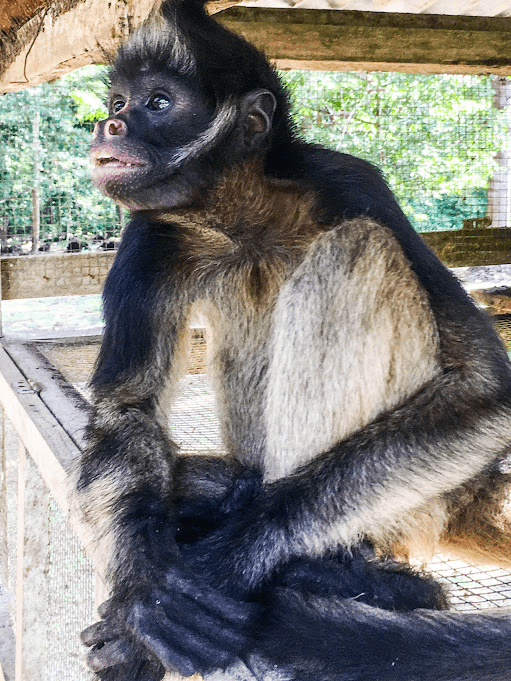
There were also the adorable black spider monkeys with tails as long as their bodies that swung from the trees just outside the shala (a shaded, open pavilion, from the Sanskrit term for adobe) where we practiced. The local butterflies were the size of both my hands together and flew lazily about, their sky-blue iridescence unreal in their authenticity. 

We hand-washed clothes in the bathroom sink and hung them out to dry with the hope it wouldn’t rain. Except for the single day of a continuous 12-hour downpour, our clothes stayed relatively clean. We shooed tarantulas, huntsman, and every other spider from our bedrooms, the shala, and the girls who screamed at every insect that came near them. 


(Image of Amazonian Spider Monkey orphan courtesy of Yosef Baskin)

We did yoga with the children on the streets who happily ran around barefoot —

some no older than four, asking us “Yoga? Yoga!” 


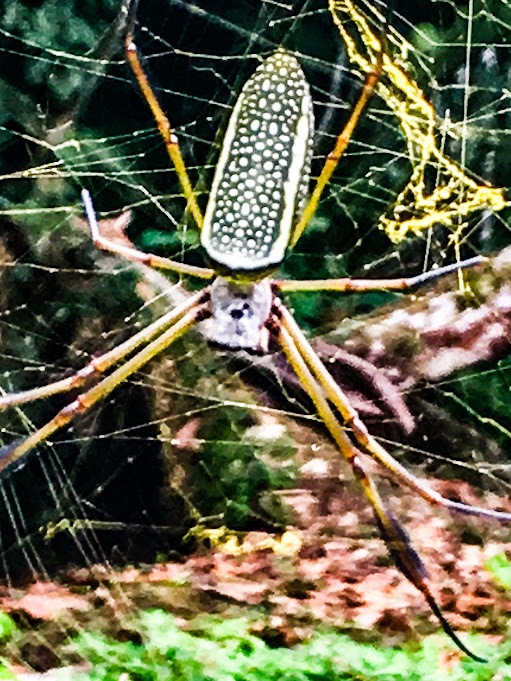
(Image of Peruvian Golden Spider courtesy of Yosef Baskin)

We traveled misty rivers, drank cacao, and visited a remote region filled with medicinal plants run by indigenous women, and to swim in the waters there. We saw hummingbirds and huge, ruddy brown birds with reddish eyes, looking in as they watched us from behind glass. We feasted on 42 total different vegetarian dishes served at every meal. We danced while thunderclouds rolled above us or while a fire crackled between us. We sang loudly from the balcony and along the paths. 

But most importantly, we laughed. We laughed with hearts who knew what it was to really laugh. We left as certified yoga teachers, but that piece of paper holds within it stories of adventures I never thought possible and that were truer than ink can describe. It holds a piece of the world that really does exist, so far, far away from home. 

Sunset on the Mountain, Sunrise in My Head

At times when I am faced with life’s inevitable challenges, my initial and persistent thought is “I’ll never get through it this time.” But I’ve come to realize each time that I have made it through, and I will continue to, because that’s just life. I like to think of myself as an optimistic, go-getter type of person, but I can’t deny that I also have a very defeatist mindset. 

Defeat — I can’t think of any better way to describe the feeling of wanting to give up when you can’t seem to find it in you to take just one more step. We’ve all heard it before that “Nothing good ever comes easy,” and these honest, encouraging words prevent me from giving up.

No matter how big or small your struggles are, it requires a great deal of courage to persevere and overcome them, invariably an extraordinary achievement to be proud of.

Walk your dogs!

It may be nothing much to some, but one of my favorite things is taking my sister’s dog, Mahina, out for an evening walk. Such a small yet fulfilling task gives me a sense of accomplishment for being an average person.

Most people in their day-to-day lives don’t see waking up or getting ready in the morning as a burdensome chore, but unless you’ve hit rock bottom, you may not realize how great it is to have the ability to complete such simple tasks with ease. Lately, this pressure has been lifted off my shoulders, but like dust collecting on a high shelf, it always returns no matter how many times I thought I got rid of it.

With the slightest ambition after a long weekend, I grab the dog leash as Mahina pops her head out from her napping spot behind the couch and comes running to the door. I am content to see how excited she is to go for a walk, and that it is enough to get me through what little of the day is left. 

As always, there are a handful of families at the park with all their children running around, playing soccer together, and a few familiar faces of those who also take their dogs out at this time in the evening. This hour seems the most serene with the sun starting to set, a cool breeze blowing, the lines of cars coming home from work, the overgrown weeds tickling the side of my ankles, and the wafting scent of someone grilling dinner in their backyard.

Amongst everyone around me experiencing their individual lives, I find myself as just another regular person taking a walk in the neighborhood park. In moments of bliss like these, I stop wherever I am and just think, ‘I am so happy right now. It was worth it after all,” because it always surprises me that I survived through all the struggles when  I thought I wouldn’t make it past that day. 

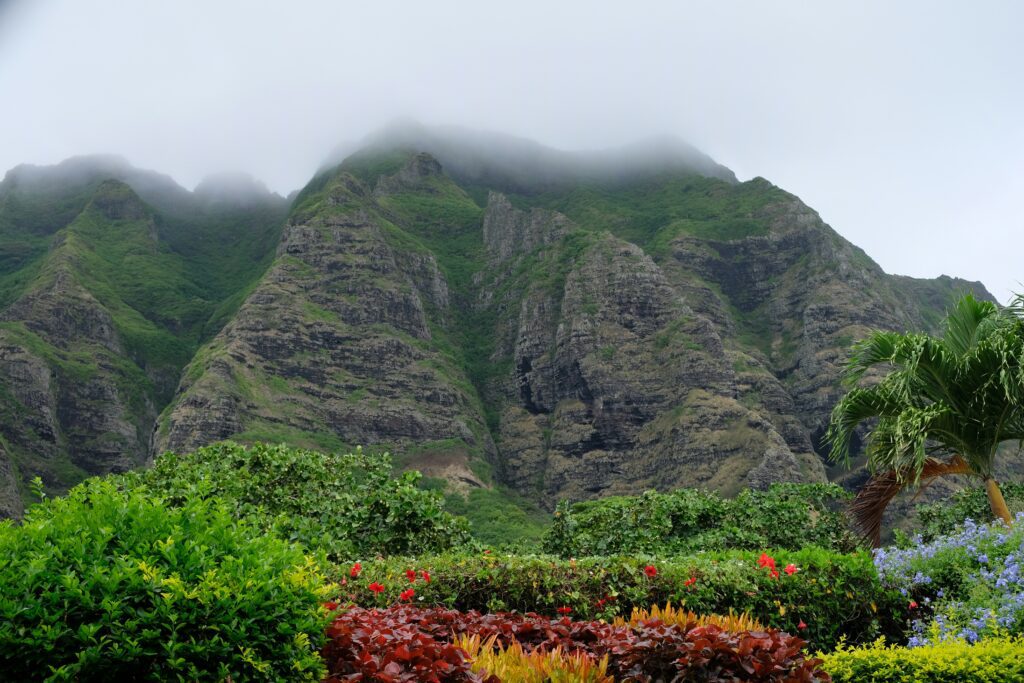
(Photo courtesy of Seth Cottle via Unsplash, of Kualoa Ranch, Kaneohe, Hawaii, USA)

With the faint sound of people talking and laughing in the background, I held my phone up closer to my face listening to the soft ringtone and waiting for my friend, Kaden, to answer my call. I asked to see what he was planning for all of us to do the following day, and was shocked to hear him reply with “The boys wanted to go Koko Head.” 

On my way back home, I tried to distract my mind from how intimidating just the thought of it was, and enjoyed the calm last scenes of my walk with Mahina.

Sunset with a view of life

But I wake up the next morning with the same lack of energy and wearied mindset of just enduring the day as much as I can. I am sitting in the passenger seat of Kaden’s car pulling into the parking lot of Koko Head, wondering why I even agreed to do something like this when I barely have the motivation to get out of bed. 

I drag my feet along just to meet up with some of the boys at the bottom, and realize that the hike hasn’t even started yet. Everyone else starts stretching, but instead, I sit on the curb of the sidewalk and stare down at the asphalt road in front of me. We haven’t even started, and I am looking weary and feeling defeated. It is late in the afternoon, even for summer, and the sun is already beginning to go down. As soon as the last few of our friends arrive, we begin to make our way up the steps.

Step after step. 

After step. 

After step. 

After a while, the exhaustion consumes my mind and body. I pause in my tracks and look back at the thousands of steps I have already taken. But when I face again towards the top, I realize, why come this far, to only come this far? 

From this point, I can see the top, but only if I look up high enough beyond the incline. The last couple of steps are just within my reach, yet miles away. I start to feel the burn in my quads and tiredness in my body from only drinking water the entire day, realizing that I forgot to eat anything. Anything. It isn’t even the hunger in my stomach or the pain in my legs, but the mental exhaustion that makes me want to give up. It takes every ounce of energy in me to make another step, after step, after step. 

Finally, I reach the top and immediately sit down on the graffitied concrete wall next to my friends who are waiting for the rest of us. The sudden transition from intense workout to immediate rest rushes a wave of weakness over my faint body, but the feeling of achievement is surely fulfilling. 

I find solace and hope in being able to proudly hold my head high while staring out at the view from the top of a mountain. In a brief moment, I catch a glimpse of the beautifully painted orange sky seconds before it vanishes. I could not feel any more relieved than from letting the cold, thin air blow through my hair, listening to the sounds of crickets chirping, and watching the faded remnants of color leave the sky as night begins to fall. 

You won it, you own it

This experience seemed oddly similar to my walk with Mahina from the day prior. At the end of the day, between celebrating the act of taking a walk outside and hiking to the top of a steep mountain, I was able to conquer something I thought I wouldn’t be able to. 

It didn’t matter on a scale of how large or demanding the activity was, I was proud to have pushed myself to overcome it. Truthfully, nothing good ever comes easy, and perseverance is all a part of the process. 

The sun sets every day regardless of who you are and what you’ve experienced. It is a reminder to us all that it is worth it in the end, to persevere through challenges and to be proud of what you have accomplished.

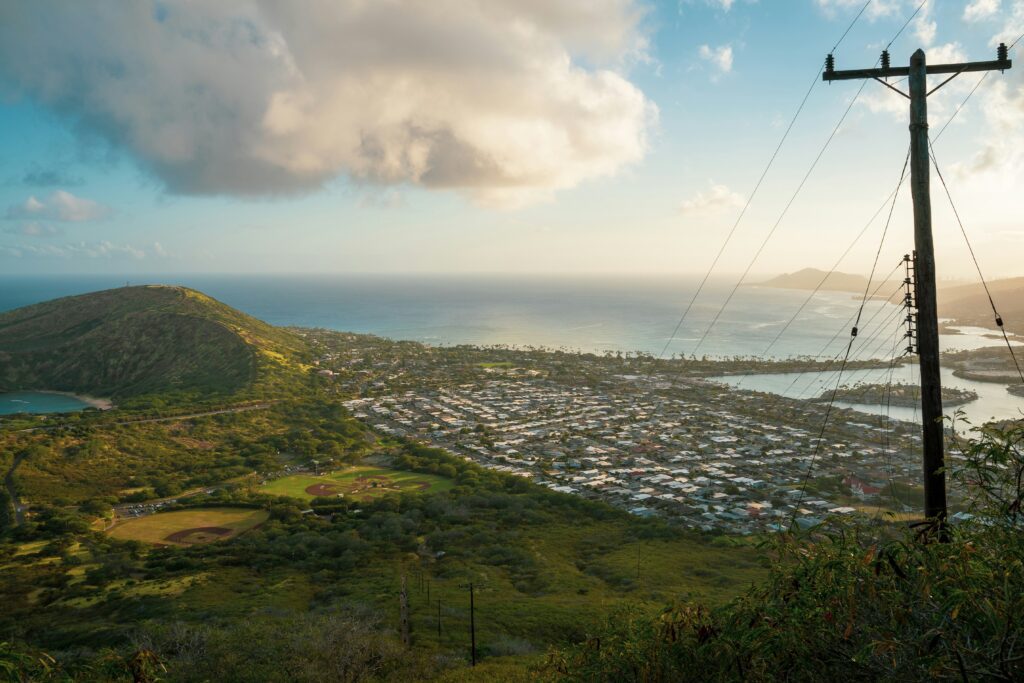
(Photo courtesy of Taisia Karaseva via Unsplash, of Koko Head Park Road, Honolulu, Hawaii, USA)

In Experience: Reflections of a Settler

It’s all in the reflections. This account is one of my fondly revisited ones, a space for self-discovery and conscience.

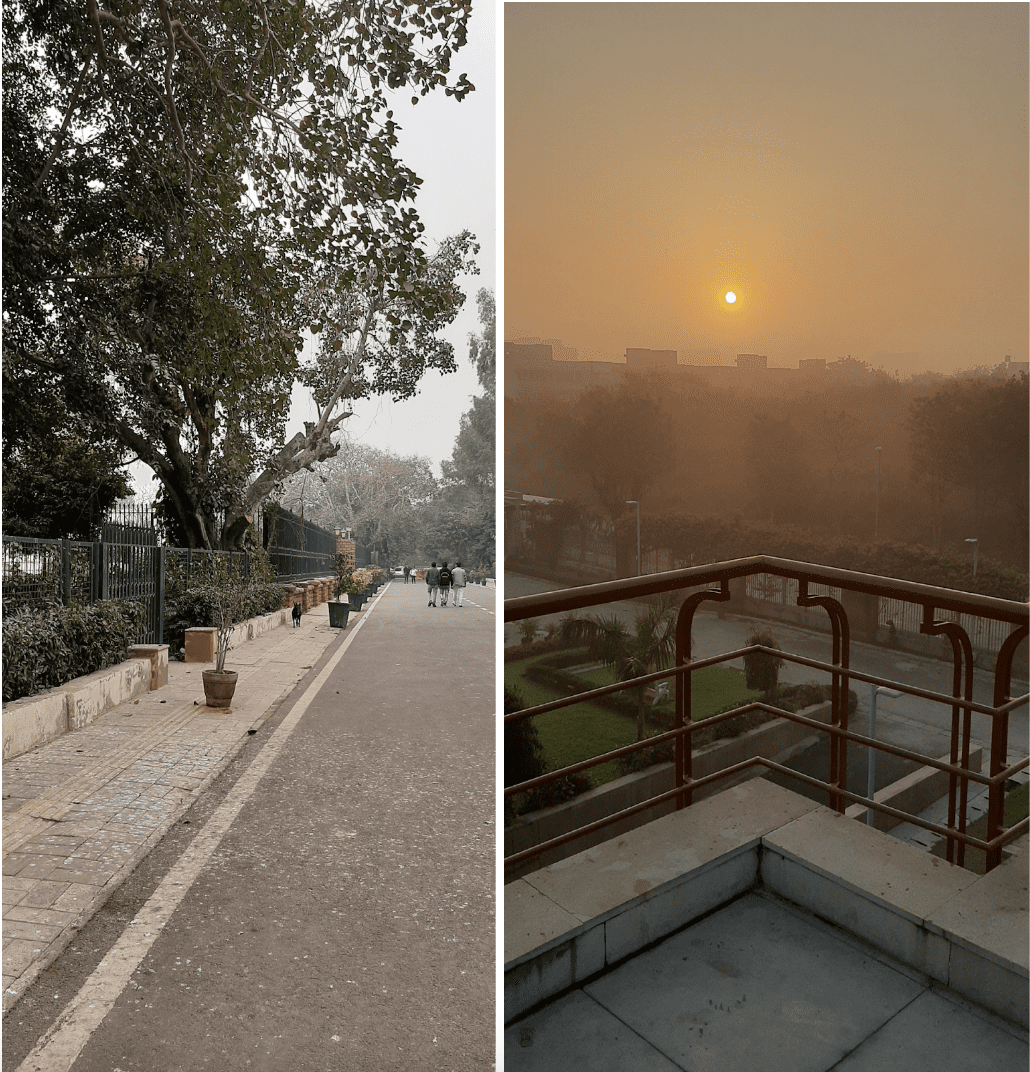
Aah, I’m exhausted! It was half past two on a Delhi late August summer afternoon in 2021 when I was attending one of my tutorial classes at my college. These sessions were calming ones where we would think about life and sort of relax through such reflections. In the hustle and bustle of assignments and deadlines, I sometimes lost the excitement of these sessions as a result.

So, this circle of informal questions quickly shifted to me, and I, at that moment, was completely baffled by the line of questioning. Seeing this, the teacher asked, “What’s the most striking difference between your place and here?” 

Without even thinking, I quickly answered, “Infrastructure and maybe nothing else.” It might have been the most absurd answer she’d ever heard, but it was thankfully enough as the class dispersed, and I was left with a question. 

It was probably regret that crawled up on me, so much that I could hardly think of anything else beyond that question whenever I would travel through my place and Delhi. Like a sense of being lost in observation. Being someone who always loved to observe the uncanniness in their surroundings, it made me more aware of the circumstances, the nuances of communication, gestures and the degree of proximity. 

Okay, so let me quickly peel away the layers of silence and say it out loud that there indeed is an array of differences in the regions. To begin with, Assam, the eastern state, is a rainbow of warm-hearted people belonging to distinctive ethnicities; some of them have inhabited these lands and some have flocked in during the past two centuries. Now, they are coming to Delhi, the land that kindled hopes in millions of aspirants to finally hit a milestone in their career. It’s also ethnically diverse and inhabited by the majority of these aspiring populations. 

How can I not express the most striking reason for my discontent, which is that the food of the Eastern States, this palace of rice, undoubtedly has my heart? Well, Delhi has its own variance in serving comfort foods, but what made me kinda sick within the two months of my initial stay in Delhi was the resilient roti culture. Still, I countered it over time and developed a fondness for some traditional North Indian dishes like “kadhi chawal” and the very tender thin “rumali roti.”

On the streets, I see an abundance of greenery and, hiding in it, stories of penance and sometimes grief. This landscape sustains tales of livelihoods where every day is a struggle to make ends meet. Still, the lands do not align with the competition to tread upon the lives of one another. It is implicitly integrated into the idea of being that, in every way, there is a placid display of diversity. 

The settlers of my eastern homeland preserve a simple but magnificent culture where one can find fresh vegetable markets and brightly blue skies. One that caters for its people in “kaah” (the bell metal used to make utensils), “muga” (muga silk), and that greets one with the “gamusa,” (a woven scarf with distinct embroidery patterns.). Enchanting wall carvings and fantastically lit elaborate markets make Delhi in itself the most vibrant capital of the world to experience life and people in. The street corners are animated with students and doorways to the metro are full of hawkers and a brigade of auto drivers who are ready to even take one “to the moon.”

It is only in the humanities and liberal arts that we capitalise on the idea of learning and thinking, cultivating skills for empathetic understanding. It is in exploring these phases of my journey that I started considering things that are seldom asked. But as I should say, they do hold relevance as they become significant throughout the experiences, and give more context to someone’s story.

All in all, it was a contrasting vision that was important to help me touch the nodes of reality, somewhere where there was not only a beginning but also closure. Feeling at home, reclining to all the familiar essence of it, needs imagination. And this is one that has now become very intricately intertwined with the idea of both places. Maybe the shared idea of belongingness rents this “liking” space in my heart. Now, even though I have no permanent residence to establish here, I trust that the familiarity of the region keeps home in a close embrace.

Now that my experiences have handed me a platter full of unique exposures, I regard this as an invaluable archive of memories. These memories will stay and colour new horizons of thought and provide me with a deeper contrasting tapestry of insights. In retrospect, to my response, our professor, I would say, “Ah how embarrassing!”

I like

As I find myself in a very difficult time in Israel, where I live, this is a deliberately slow-paced ode to my journey to Ithaka.

I like

how light dances through fluted glass
drowsy streets at dawn
my tall son’s sudden smiles
the doves dozing on our balcony
older folks in redeemed finery
my daughter’s excited curls
the pond toads, sometimes frozen still, sometimes flying over swimming water irises
untranslatable words
drizzle on a hot day
movies in the afternoon
fresh mint
22 years of their father’s playful intuition
unlike another’s vision, once suspending this array beyond reach in our Mediterranean maelstrom.

I like that flying away eastwards, across the waves and years to now, they have all bloomed mine.

11 Years After I Moved to South Korea, I Embarked on my Most Memorable Stay in a Korean Temple

“It’s going to snow,” my temple tour guide, Seokun, told me. The grey clouds covered the sun, and the wind picked up, causing chimes to sound in the distance. Seokun looked back at me and asked, “Can you help the monks shovel snow tomorrow morning?” 

Naturally, I accepted. I had been waiting for this moment, expecting it, for the past eleven years since South Korea became my home. It became my tradition to take time off to refresh in one of the many beautiful Buddhist temples across South Korea. 

This time, it meant more. This was my final temple stay in a country I came to develop great affection for. It was the perfect start to my 2018 before starting my new life in Venice, Italy for a new career.

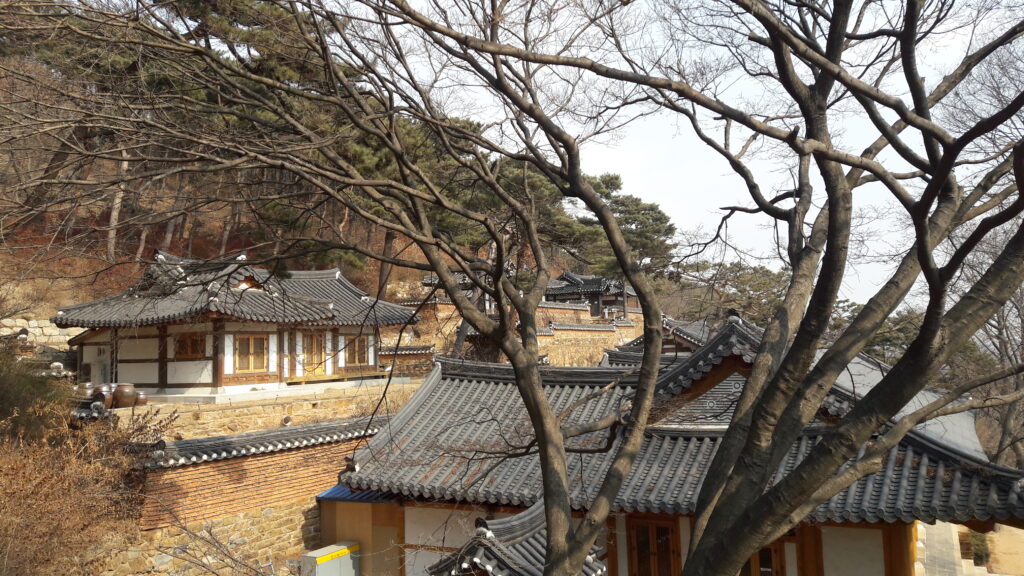
Jeondeungsa, hidden in South Korea’s beautiful Ganghwa Island, became the chosen temple to begin my farewell tour in. Nestled on a quiet hill overlooking the sleepy island, it’s hard to believe that two bustling cities, Seoul and Incheon, are neighbors only a few kilometers apart.

Learning from the temple guides 

When I arrived, I walked up the steps inside the fortress that led to the temple. With each step, I was reminded afresh of the beauty I would live with for the next five days.

When I arrived, I was greeted by gracious temple guide experts. They explained the history, customs, and activities I needed to know. Regardless of how many times I have done this, each time felt like the first. Learning from the temple guides was always an enjoyable experience. It was a chance to ask questions that you might not find in the tour books.

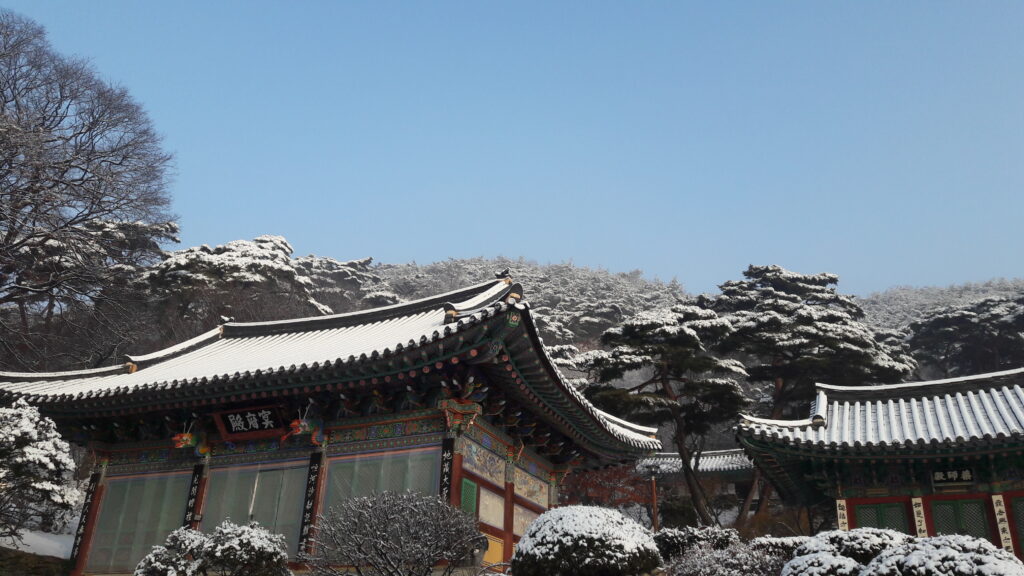
An exterior shot of the temple grounds.
(Image courtesy of JP Morselli)

The temple itself has a fascinating history, as described by Seokun during my temple introduction and in my readings about the temple during my stay. Seokun said that Jeongdong was built in the eleventh century. He told me that the fortress was at the center of vicious battles between Koreans and French and Japanese foreign invaders.

I learned from him that, during a battle against an invading French naval fleet, Korean soldiers rushed inside the original main temple to carve their names on the columns and the walls, asking Buddha for protection in battle. I also learned that the engraved names of these soldiers are still visible around the walls, that the monks constantly point out in solemn reflection the lives lost to protect this temple.

After my orientation, I spent my first four hours preparing for the days of reflection by dressing in the visitor attire provided by the temple. It was surprisingly comfortable. The clothes were traditional garb for Buddhist followers spending time in the temple. Wearing these clothes, given their simplicity, immediately stripped away all the daily vanity that people tend to get caught up in when wearing regular clothes.

Food for the soul

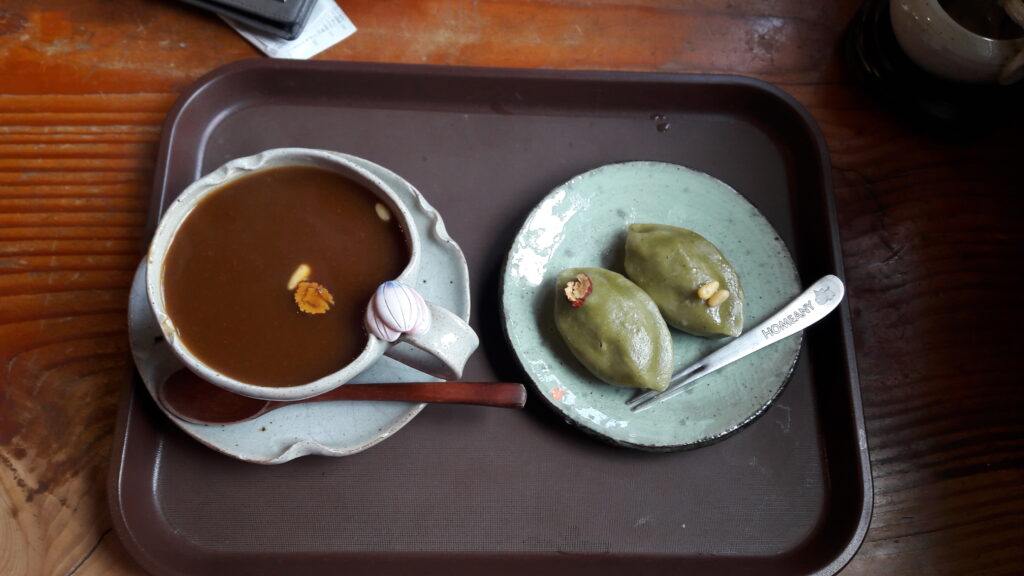
The cold led me inside the temple’s teahouse, where I sipped on the most enjoyable tea, “yuja-cha,” a Korean citron tea served in a handcrafted ceramic cup. When I was warm enough, I walked along the hills of the temple walls overlooking the farms below. After the walk, dinner was served. Along with meditation and relaxation, eating temple food brings me much joy. 

A picture of a meal.
(Image courtesy of JP Morselli)

The food was prepared each day with love, care, and sophistication. Replenishing your body with clean, healthy, and locally sourced food is just as important as refreshing your soul. The food at Jeondeungsa was exceptional. Eating here gave me an insight into the culinary soul of not just Korean Buddhism but Korean culinary culture as a whole.

I believe Korean Buddhist food is often passed over by barbecues and other meat-rich dishes. The ingredients used for temple cuisine taste fresh and organic, and the ingredients at Jeondeungsa were no exception. The techniques to create the dishes were very delicate and required quite a bit of skill. The cooks were masters who followed the ancient recipes of the Korean temple cuisine tradition.

Finding peace in Korea

After eating, there was time for reflection. Often, I spent time reading one of the many books on Buddhism from the temple’s library. Jeondeungsa had a large selection of English books on Buddhism, too. On this trip, Thich Nhat Hanh’s ”Anger” was recommended to me. 

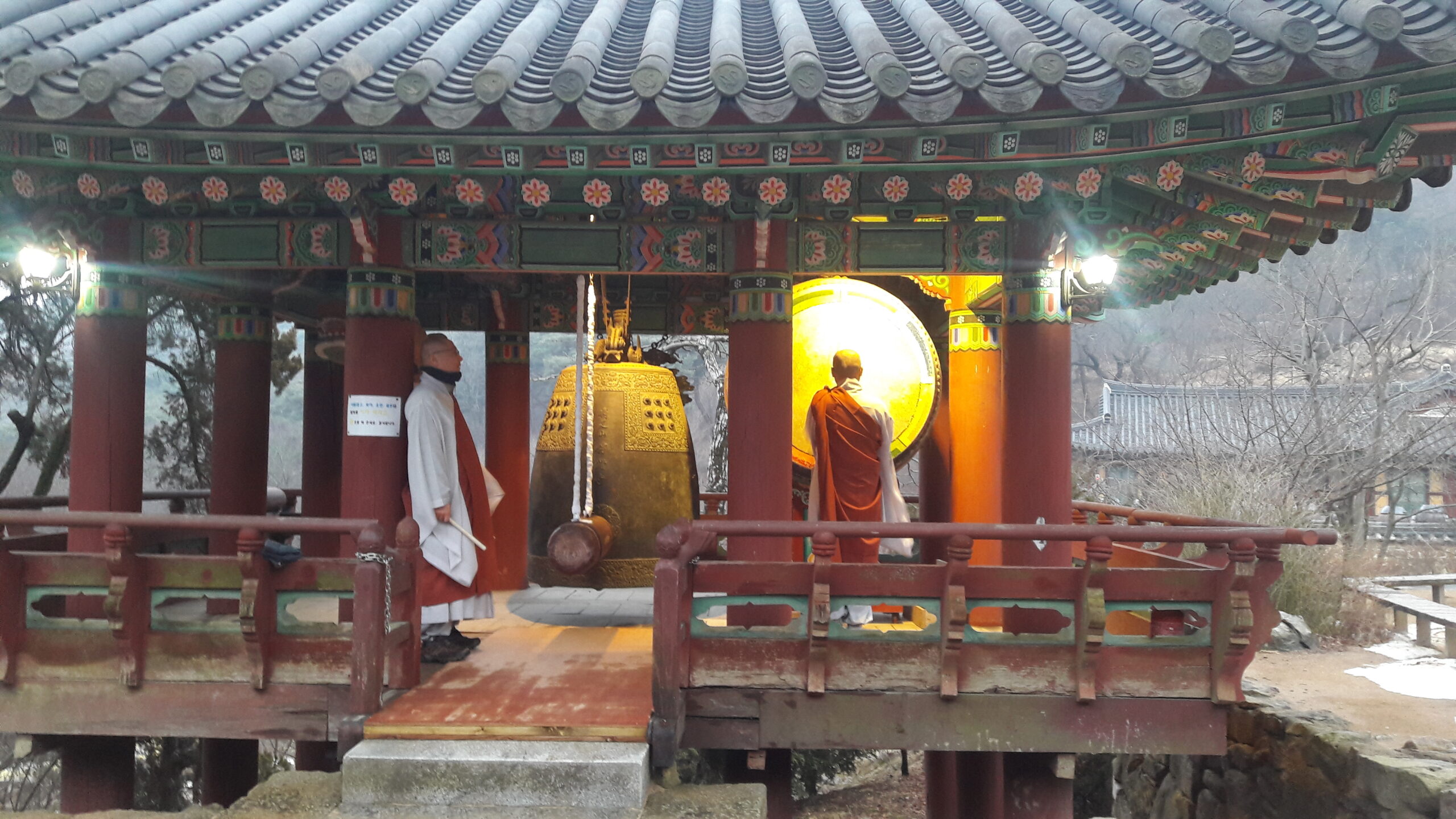
After an hour alone, the drums began, awakening all the spirits within the natural elements. The drum and bell signaled the monks and temple stay participants to make their way to the main temple for evening chanting.

While inside Jeondeongsa’s newest temple and awaiting the monks in silence, I was instantly brought to a peace that is often hard to find in my busy life. During these evening chants, I learned to be present with my breath and the words of the chant.

The temple grounds, covered lightly with snow.
(Image courtesy of JP Morselli)

“Being present is the most important step to actualizing peace,” Seokhun told me. 

I often get swept up in what I have to do next. However, bowing and chanting with the monks freed me from worrying about what was next.

After the evening prayers, I walked into my simple yet very comfortable room. I enjoyed the silence with no televisions, computers, or phones to distract me. Every night, I found a quote from a monk or the Buddha and reflected upon it. This helped me not only to stay present but also to see how I could apply meaningful lessons to my life.

I realized that when we are left with only our “self” and not with “things,” we can truly hear ourselves. 

In the mornings, I woke to one monk chanting as he gently banged his “moktak,” a Korean Buddhist percussion instrument in the shape of a wooden fish. It was nice not needing an alarm clock. 

When the doors to my room opened, I was greeted by what looked like thousands of stars, each more beautiful than the next.

4:30 morning prayers began, and I was again reminded to stay present. Temple stay participants could take part in bowing 108 times. The 108 bows were a time to reflect on things I had often neglected or lacked in my life.

Monks get angry, too!

As the days at Jeondeungsa marched forward, I was able to stay present. I was never bored or tired. In the afternoons, I would take hikes to explore the fortress while in quiet walking meditation.

Later in the day, it brought me great pleasure to enjoy drinking tea while reading the teachings of a monk. Before dinner, I sat in silence in the original main hall and took the time to practice my breathing.

At one point, Seokhun even gave me a chance to speak with a monk. I shared a delightful and lively discussion with one of the main monks, who had prepared invigorating green tea which he shared with us again in beautiful handcrafted ceramic cups. He was cheerful and answered every question with real insight. 

I left our long discussion with a sense of happiness and a new perspective on “The Matrix.” He was a big fan of Morpheus. 

On my final day, I was fortunate enough to have one more opportunity to speak with another insightful monk to discuss the topic of anger. It was a sincere conversation in which the monk admitted that many things frustrated him. He told me something that gave me a new perspective on my own issues with anger.

“I am here to figure out all of these heavy emotions humans have, to understand them, then share my answer with you. Let me do the work,” the monk said. “That is why I am here and you are here – to get answers. No need to struggle.” 

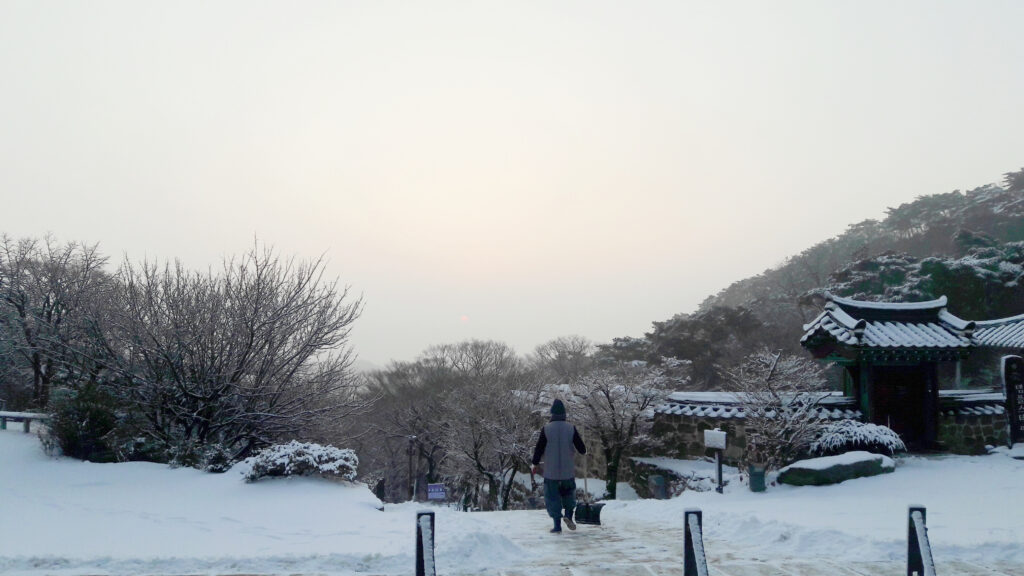
A figure holding a snow shovel, looking out at the temple grounds.
(Image courtesy of JP Morselli)

Clearing snow after clearing mind

Each experience at Jeondeungsa felt new. Each encounter with the monks or temple stay staff was warm and hospitable. However, in all the years I have been staying in temples, I yearned to participate in shoveling snow with the monks. I am not sure why. Perhaps I had always wanted to feel like I could be a part of the temple life, not just a spectator.

Well, the snow did fall. 

When it did, I was ready. It was a magical moment that illuminated this important temple’s full splendor and beauty. I felt like nature had rewarded me. As I shovelled with the monks, following their orders, we silently worked as a group. Each did their part to make sure that the paths were clear for temple guests. 

What I have come to learn in this exercise of clearing snow is that life is full of paths that are blocked. But with the right mind and guidance, you can clear any path. 

Thank you, Jeondeungsa.