Maybe it was the traveling we always used to do.
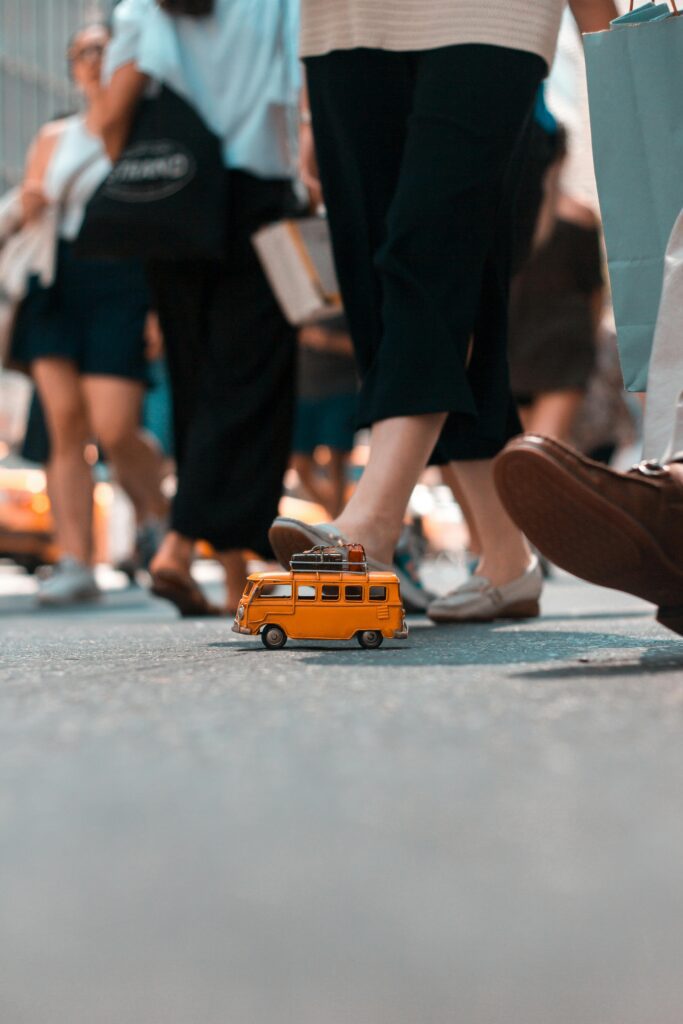
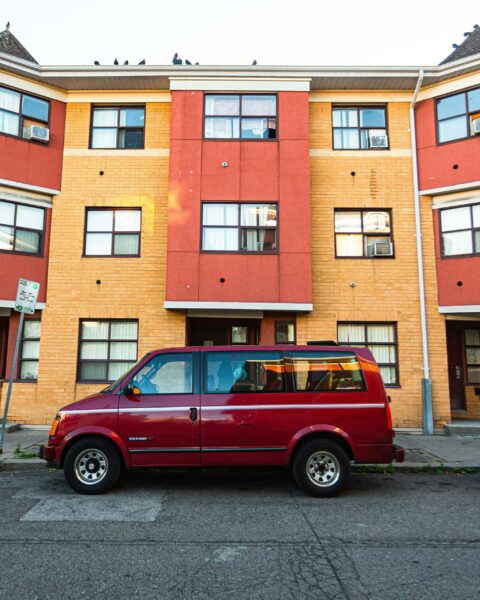
A family of six that would pile into a fire-engine red 1985 Chevy van, a vehicle that could easily hold a family of six. However, we would always load the van with all kinds of toys and goodies, so I imagined it looked like Santa’s sleigh, filled with as much joy and happiness as he delivered on Christmas Eve.
This is something that my family would do every December for as long as I can remember. A strong family, with beliefs our parents would instill in us and to one day show our future family.
Meet the crew
Our crew of four kids was made up of serious, silly, and sometimes not-so-well-behaved kids. There was my youngest brother, who could not have been older than eight years at the time. He was a chubby child with curly hair that had more waves than the ocean. I remember all my aunts would comment how it was the look their hairdresser should mimic.
Next was me, a doe-eyed kid with thin, long wavy hair and glasses to finish off my innocent look. Then there was my older brother, a lanky child who would constantly be outgrowing his clothes because of how tall he was getting at that time. The oldest among us was my sister, who stood at 5 foot nothing, with the longest black, spiral shaped hair of anyone we knew except for my mother. While she looked like a little girl that wouldn’t hurt a fly, to us, she was the guardian of the bunch. She was like a second mother to us boys.
My mother was no taller than my sister, but the respect she demanded from us kids was that of French wrestler Andre the Giant . My father was the tallest man I had ever seen back then, towering over us like Dwayne Johson does to Kevin Hart (compare heights of 6’5”/196cm with 5’2”/157cm). He looked like a Mexican version of Mufi Hannemann, former Mayor of Honolulu, if Mufi had a thick black mustache.
This is the family that would show me what it means to be la familia.
Memories of our journeys
Family trips were some of the fondest memories I could remember. While it felt like we would travel for what seemed like days, it was only about 12 hours. The long hours were not the reason for the fond memories, but how we came together as a family to make the trip the most memorable.
We would laugh at each other telling jokes, play card games, and make lonches de aguacate. These avocado sandwiches were not some mediocre meal that anyone could prepare. No, this was left to mi madre, who could make a simple aguacate y jamon con queso lonche (adding ham with sliced cheese) look like the best meal you would have ever had in your entire life.
My mother would tell us how much of her heart was in making meals for us on the road. It was so important to us that our mother would make the lonches, that when my father wanted to stop at a restaurant to eat, we all would object, “No. Just buy what mom needs.”
Some of the best jokes told on this trip were, in the opinion of my older brother, “So funny you could laugh so hard that you may laugh your head off.” He would say knock, knock and everyone in the van would have to respond, because if we did not, all anyone would hear for the next century was him nonstop saying, “Knock! Knock! Knock, knock!” Do you see how annoying this was? Nails on a chalkboard. The joke would finally end with, “Well, you made me so mad that I forgot what it was.”
My older sister was the one who, in her mind, had shuffled the deck of the cards in a manner that would put a Vegas dealer to shame. She would grasp half the cards in the right hand and the other half in the left, then she would bring the cards together to shuffle them and mix the two decks into one. She would finish off her shuffle with a tap of the deck on the cooler that we were all treating as a luxurious green table from the MGM. I never thought it was weird that, as a child, I knew how to play poker. The stakes were high back then, where we all had our one sock that was filled with marbles to place a bet with.
The scenery would change so much as we traveled south. As we traveled, we would see mighty chunks of rock rise all over the land. To be able to witness mountains that stood with such firm, vertical, gravity-defying peaks was always something to admire.
So many times we would have to travel on a road that hugged the mountain and our van would hug the road just as tight as a child hugs their mom after the first day of school. Just as the mountains came, so did the landscape of the desert. The desert was full of sand, flat, crumbing rock, sandstone, and cacti that looked like it was leaning over searching for water.
The family reunion
Many of these trips would take us to our family in a little village on the outskirts of Durango, Mexico.
Our arrival at the village my parents grew up in was always something that brought a smile to me and my siblings. The entrance to the village was not very noticeable, but we knew that we had arrived when we had passed the only building that everyone got their hielo (ice) from. This building from the outside looked like it was built with adobe clay. It was as long as my little eyes could see. There was always a line of gente (people) to get their hielo.
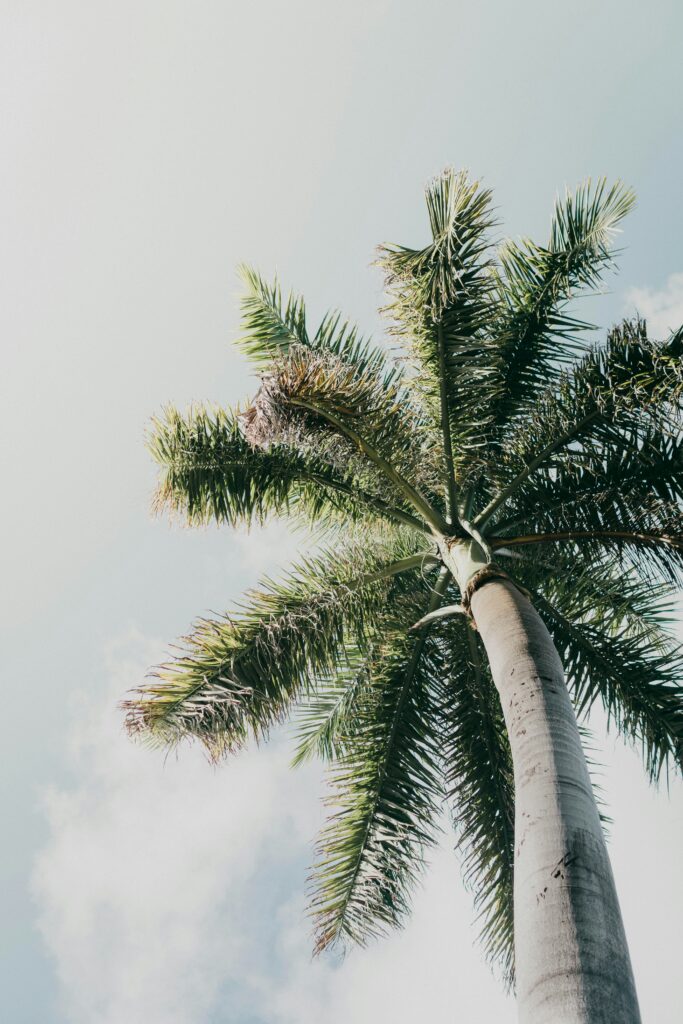
Next would be the road to my grandparents’ house. Believe it or not, there was a La Palma landmark very well known to us. That palm tree was as tall as the Eiffel Tower and would tower over all the houses on that block. My grandparents’ house was in sight from there and we could see the metal french-style door, which changed colors according to which color my abuelita (granny) felt like at the time. It was a fun guessing game to see what it would be every time we visited.
The nights in the village were actually brisk and always made the senses feel so much better, as it was the season of Christmas. Coming from a desert-like environment to a colder environment made us embrace the jackets our parents would make us wear, running around with our Parka jackets with our breath visible in the air and our noses as red as a reindeer. All this did not matter to anyone, as we would spend all day and all night in the courtyard of my abuelo’s house.
My abuelita’s is a 5-bedroom home that at max capacity could hold maybe four families, but we squeezed in and made room where we could lay down. Being able to enjoy this time with our extended family was the greatest time in our life. Our family was as large as could be, with 20 primos y primas (cousins), not including my family and 10 tíos y tías (uncles and aunts).
Family festivities
Every year was a family reunion with a party that would top the last, with the slaughtering of a goat so that we could enjoy a feast. The party was an epic scene, as it would start in the morning with Abuelita making breakfast for everyone. The adults would be having their cafecito con pan dulce (espresso with sweet buns) and us kids would be eating pan dulce with abuelita’s hot chocolate.
Mariachi con la familia
With festivities comes music, of course. Since my father’s family is extremely musical, there would always be music playing in the background so everyone could sing along. My father’s brothers and sister would start singing like a Mariachi concert. It did not matter that the adults were singing ‘til the roosters crowed. It was always a delight to hear so much music coming from the courtyard.
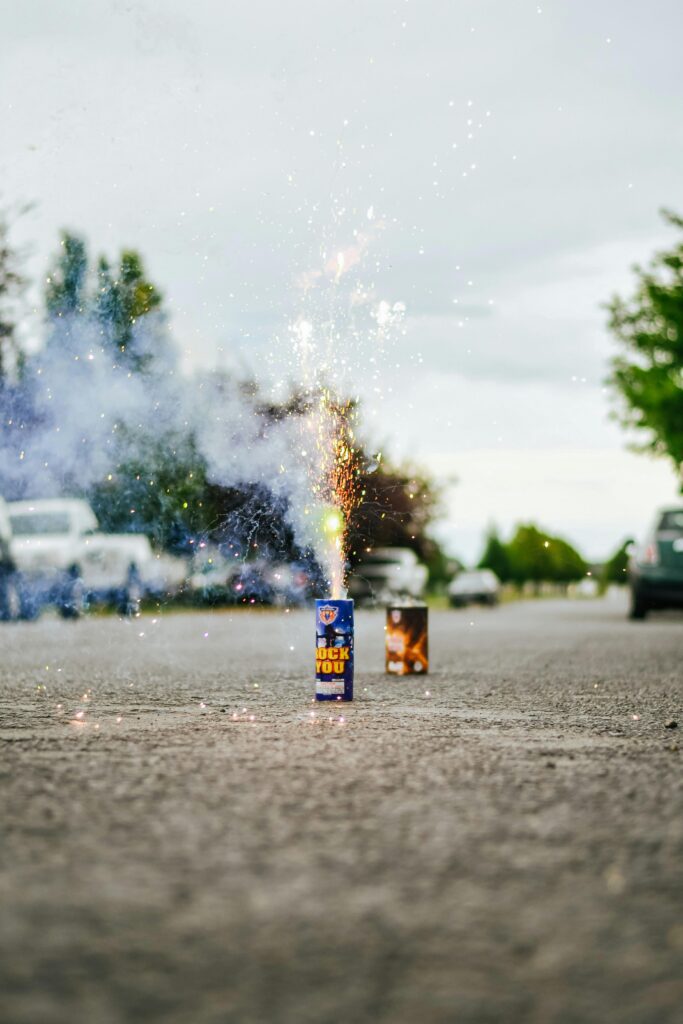
The laughter would continue with the younger siblings. My cousins and I had spent all day buying up all the fireworks we could gather from the corner stores. Each firework had a distinct shape and size. There was one we called La Palomita, it was the size of a pigeon. Not only was the size something to marvel at but, when La Palomita would go off, the paper that was holding what we believed to be gunpowder would fly everywhere like if a bird had just been struck.
These times ensured great bonds were created and treasured. There was so much to enjoy, so much time — and so little time. These memories are the building blocks for what my belief in family is. La Familia is something that you have to work on. Not only with your immediate family, but with all your distant relatives. This will always be the strongest value that anyone can instill in their children.