Whenever I think the world can’t get any worse, it proves me wrong in spectacular fashion.
The world has long been unstable, but the last few years have felt especially untenable. Between COVID, ongoing global conflicts, the rise of fascism, and the ongoing effects of climate change, the 2020s have easily become the most stressful years of my life.
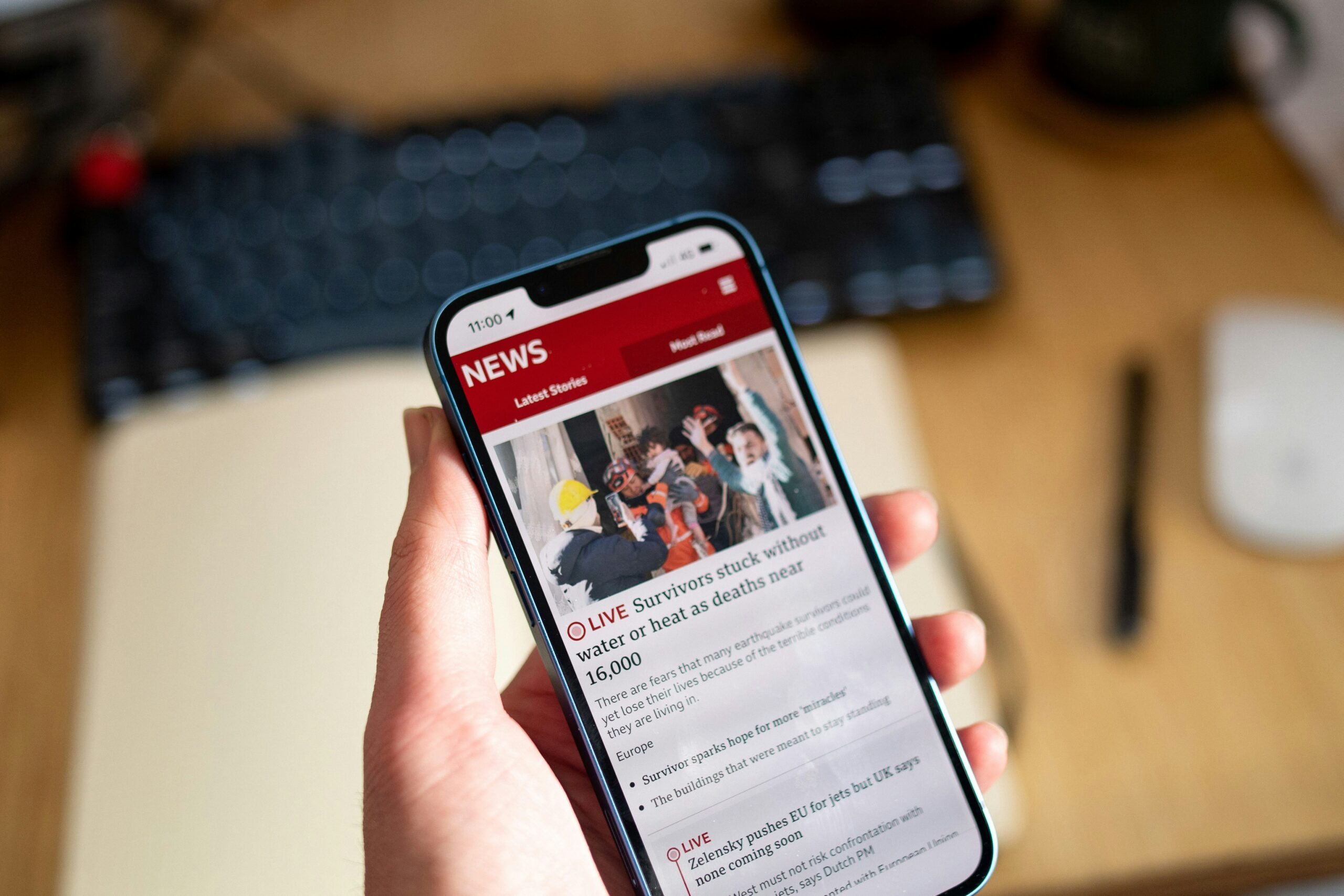
During this time, I’ve been unable to stop constantly checking social media. Doomscrolling has been a known phenomenon for many years now, and I’ve been imprisoned since signing up to Twitter more than a decade ago. I initially joined to follow the news as part of my Journalism degree, and while it definitely had its uses it was all too easy to find accounts dedicated to spreading negativity. Since then, it’s been almost impossible to stop myself engaging with these kinds of accounts, which I can now see was my then-undiagnosed OCD forcing me into a repetitive loop.
Doomscrolling is a common problem for many people, especially as the world has become increasingly perilous in the last few years. The term came to prominence during the COVID-19 pandemic, with digital news and social media use increasing significantly during the early days of lockdown. Doomscrolling pulls us in through negativity bias, which refers to our brain’s tendency to focus more on bad news. Once exposed to bad news, I wanted to search more, either to understand the full picture or to find something hopeful.
News and social media sites know full well how addictive doomscrolling can be, which is why you’ll often find dramatic headlines and posts designed to get engagement, good or bad.
I hoped that leaving Twitter (now X) in 2024 and migrating to BlueSky would help me overcome this habit, but while BlueSky is less toxic, the never-ending 24-hour news cycle means that it’s still easy to be trapped online.
Doomscrolling is ruining my mental health, so why can’t I stop?
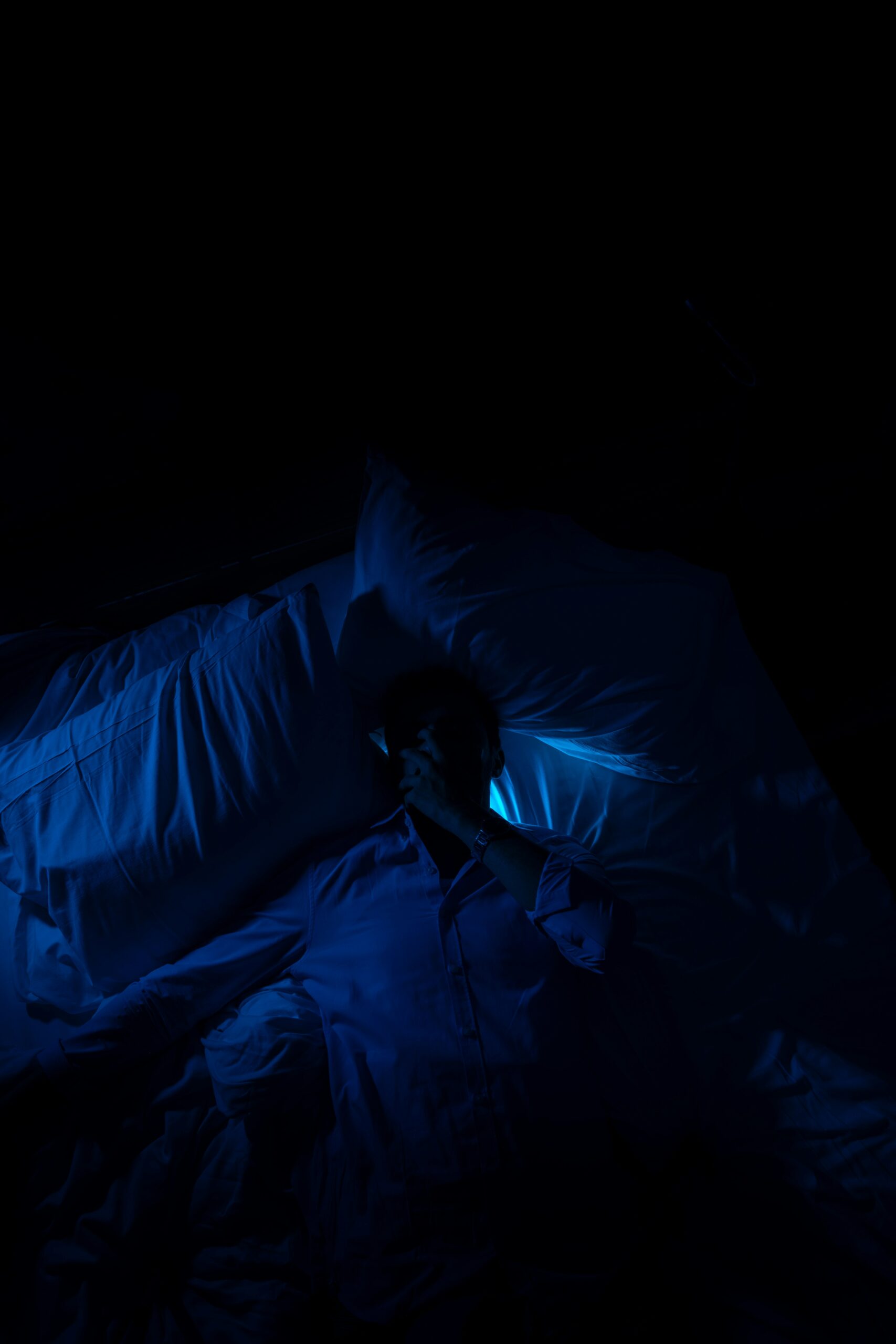
Unsurprisingly, the constant stream of bad news has had a damaging effect on my mental health. While I hoped that endlessly scrolling would eventually bring some relief, the reality is that doomscrolling only increased my anxiety and trapped me in a cycle of worrying.
As I’ve become more aware of the damaging effects of doomscrolling, I’ve tried many different ways to break this habit: installing time management apps, forcefully blocking social media on my phone, making the process of checking my phone as tedious and time-consuming as possible. Despite those, I still find myself unable to stop the habit, so I’ve been forced to do something drastic: go without my phone, a constant in my life for more than a decade.
To force myself to go back to a time when I didn’t have the entirety of human knowledge at my fingertips.
This is much more difficult than it sounds. So much of modern life revolves around smartphones. I buy my bus and train tickets through my phone. I regularly send and receive important messages. I make liberal use of Google Maps whenever I’m lost.
For all the damage that smartphones can do, the annoying truth is that they’re essential for modern life. I’ll likely never be able to stop using my phone completely, but I have started to avoid it wherever possible.
The biggest problem is that I travel a lot, and am so used to whiling away the hours on my phone that suddenly going without it has been difficult. That is until I found the unlikely answer.
How a 20-year-old gaming console is helping me beat doomscrolling
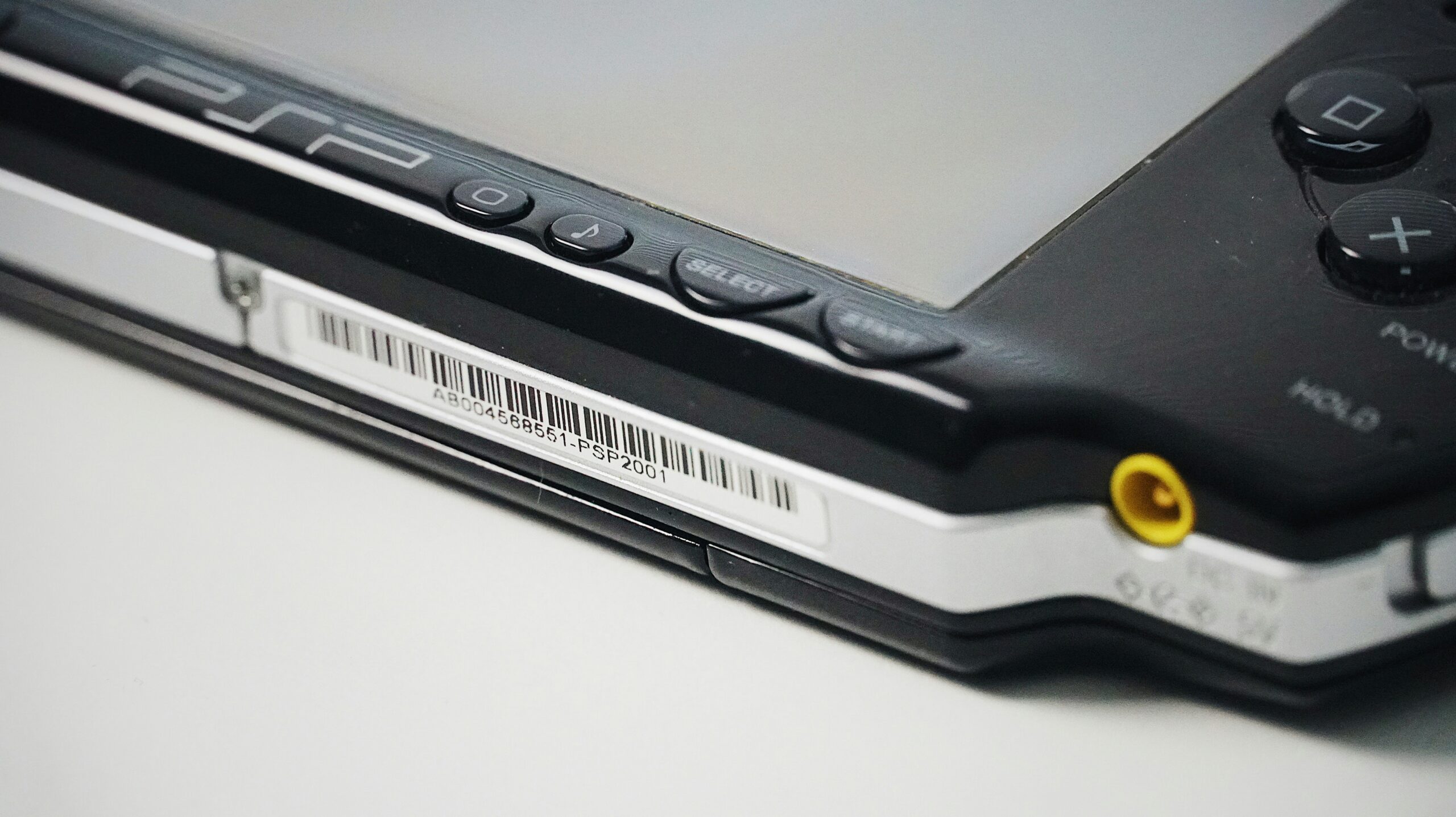
During one of my regular visits to CeX, a second-hand tech shop in the UK, I found a PlayStation Portable, or PSP.
PSP was released by Sony in 2005 as a handheld version of the PlayStation. It apparently sold well, but while I was aware of it growing up, I never had one myself.
Seeing one in the wild got me thinking: would an internet-free handheld games console keep my attention when I’m without my phone? I decided to take a chance, buying the console and a handful of games.
I wasn’t expecting much, but the PSP has been revolutionary for my day-to-day life. There are times when I need to keep my phone on me, but alongside it, I’ve started taking my PSP. Instead of checking the news when on the train, I’ll fire up a quick game of FIFA. In the evenings, instead of mindlessly scrolling through Netflix, I’ll spend hours in an old Star Wars game.
The effect this 20-year-old bit of tech has had on my mental health has been incredible. Alongside the nostalgia inherent in a retro games console, the ability to unplug from the 24/7 news cycle, even just for a little time, has been a massive help. The PSP has no internet; the built-in browser hasn’t been updated in a long time, making it almost unusable for anything besides games.
Deciding to use an offline device has helped me reshape my online habits. Whenever I feel the urge to waste hours on social media, I’ll pick up the PSP for a short while.
Forcing myself to spend time away from my phone has also helped me manage unhealthy smartphone habits. No longer am I checking the news every five seconds; I only use my phone when I need to, happy to put it away when done. The more time you spend away from the internet, the easier your relationship with it gets.
It doesn’t have to be a games console. I’m just as happy to replace my phone with a book when I’m out and about, but the result is the same. My smartphone is an important tool in my everyday life and I’ll likely never be able to get rid of it entirely, but taking time away from an always-connected world has had an immediate impact on my mental health and helped me rework my mind to hopefully make doomscrolling a thing of the past.