
Less Manic, More Connected

This world is too complicated!

I have lived a life valuing the strength of the human connection in this complicated world. In my journey, I discovered the strong interconnection between language and human emotions.

The journey begins — honeymoon in France

This journey commenced when I started learning French. I never thought it would have such a dramatic impact on my life. I completed four years of learning French, and in those four years, I earned college credit that I was able to transfer to a Jesuit University in the Midwest, to major in French. In those four years, I immersed myself in grammar and literature. In my junior year, I went to study in Strasbourg, France. I studied there for around five months where I lived with a French family during the first month.  Being all by myself in a foreign land troubled me. Everything was entirely new — culture, people, and food. I ate the best food of my life with my host family while I moved  around the French city. Our weekends included enjoying lengthy meals while having endless conversations. In my first month, I went through the honeymoon phase — living overseas in a different culture so distinct from my own. 

 The first undertone
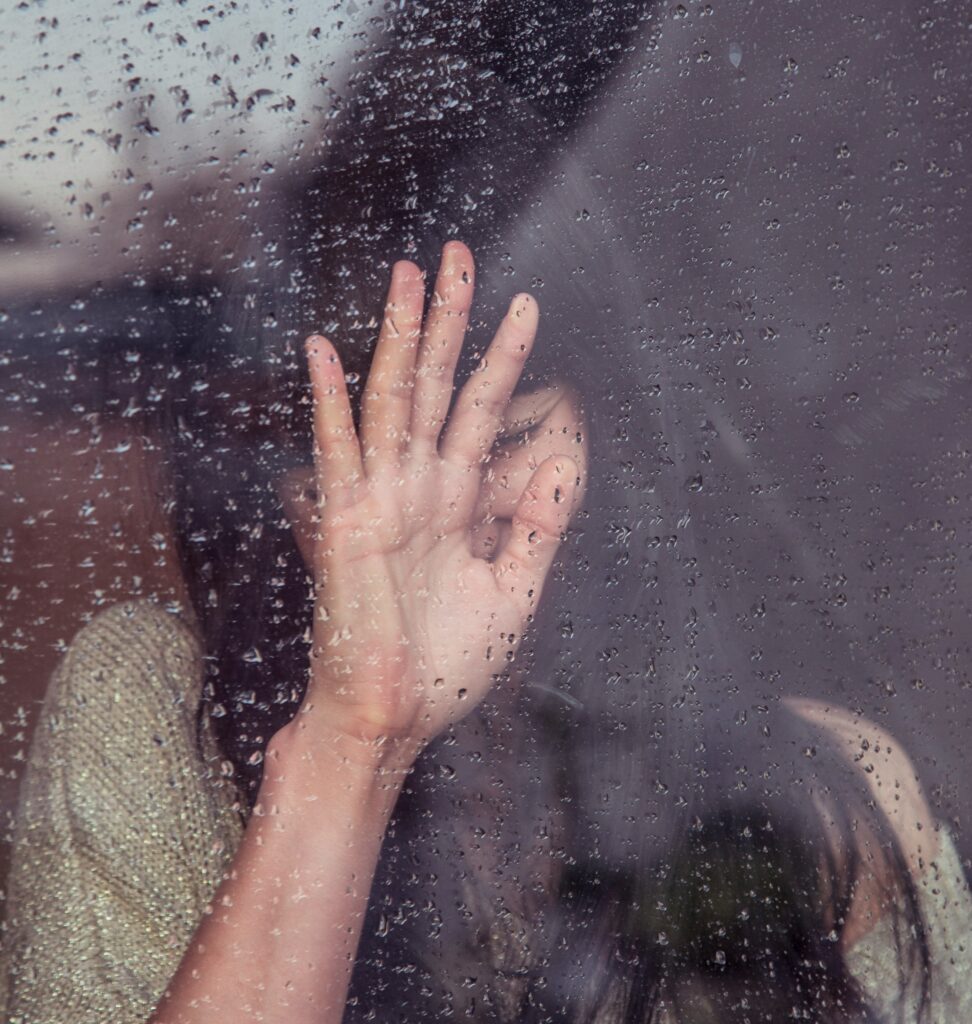
(Image Courtesy of Milada Vigerova via Unsplash)

In the first few months I studied there, I immersed myself in French. Along the way, I often stopped by a bakery or pastry shop sitting on almost every corner of the city. I had the opportunity to meet other French students from the university, and we quickly became friends. After months passed, I became more adapted to the culture and saw the world from a different viewpoint. By the summer after the classes ended, I was missing my family again and made plans to return home. Upon reaching home I shared my photos of France and all the details of the exciting experience I had enjoyed during my stay. Unfortunately, when I returned to my university with so much time passed, the friends I had made seemed uninterested in my stories from my overseas trip back home. Their lives had changed — never knew life would change so fast.  I thought everything would be the same — friends would be the same old friends.

For them, I was no longer important. I felt isolated and became depressed, and so I threw myself into my studies in the last semester. This was the first time I became depressed. I had no knowledge then of my family background with mood disorders. 

Career advancement
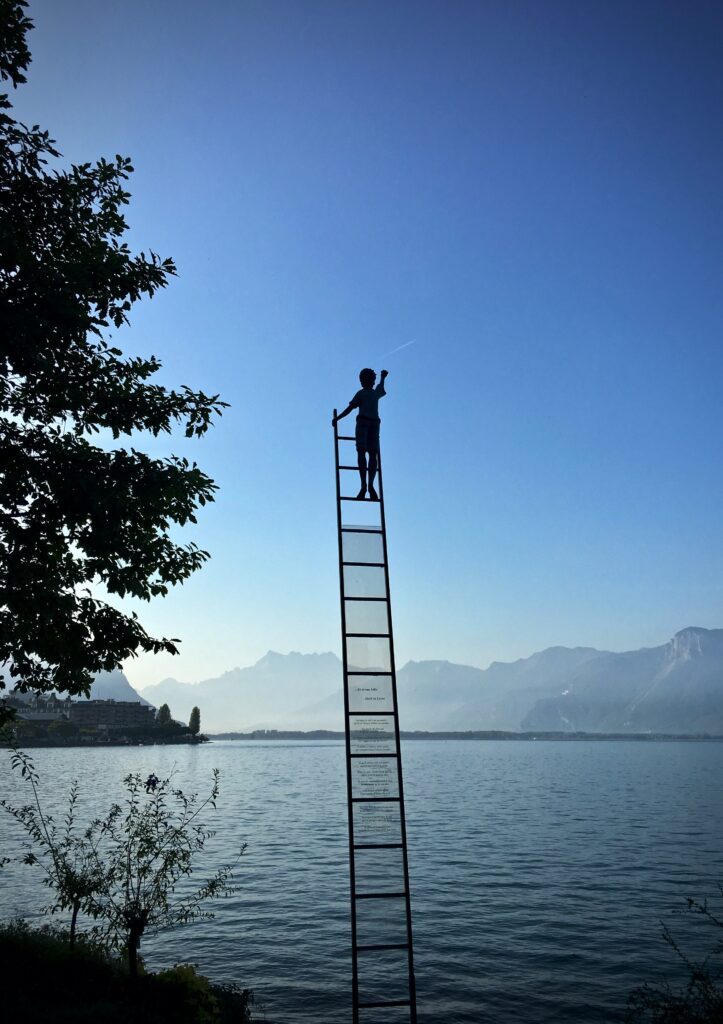
(Image courtesy of Armand Khoury via Unsplash)

In 1994, I began my career as an administrative assistant for the  Center of International Relations in my hometown . My hometown had many sister cities, and when I started at this company, the city was setting up a sister city relationship with a city in Senegal. The signing of the sister city treaty between the two was marked with celebrations and special events showcasing and welcoming the Senegalese local government officials. I remember the event so clearly with officials from Senegal — speaking with them in French. It was a great honor for me to communicate with important delegates in their own language, and I knew that it would take me far in terms of preparing me for my next career position. 

In 1997, two years after my previous job, I was employed by a global mobility company as a relocation consultant with varied responsibilities. While I did learn a lot in the relocation field while working here, I didn’t advance in my position. After three years of unhappiness with my job  I decided to move with the hope I might find better career opportunities there.

Since my move, I have had great success in the global mobility and language education market, working for many companies and local language schools. 

The breakdown — slide into mania
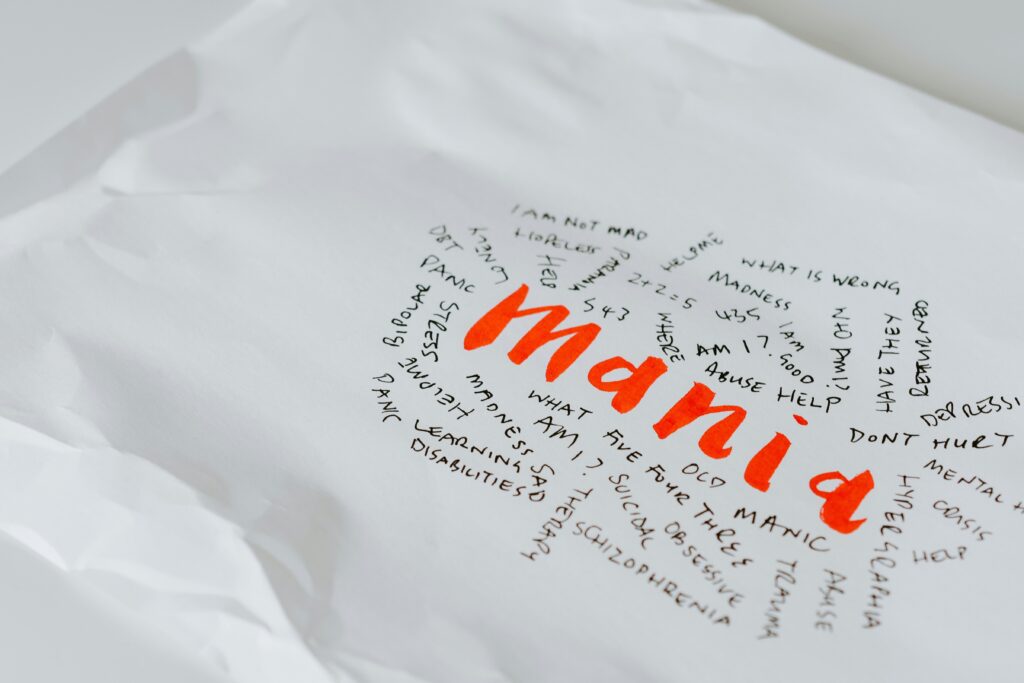
(Image courtesy of Nik via Unsplash)

Unfortunately, in 2002, I suffered a mental health crisis with mania and depression, and it hurt me greatly at work. Yet I was not willing to believe that my actions were the reason for my poor job performance.

When I got engaged in December of 2002, I only focused on planning our wedding.

I became obsessed with wedding details, spending two to three hours on the computer daily. I lost sleep and began my slide into mania and showed up late at work. I became agitated and anxious at times. I ignored it. 

Several months later, I went to the emergency room at a nearby university hospital to seek care. Eventually, I met a doctor who recognized my symptoms and asked me to make an appointment with the Mood Disorders Clinic at a local university hospital.  I was taken off all my previous medications and went into bad withdrawal. My mind was racing and I could not quiet my thoughts…

The human touch
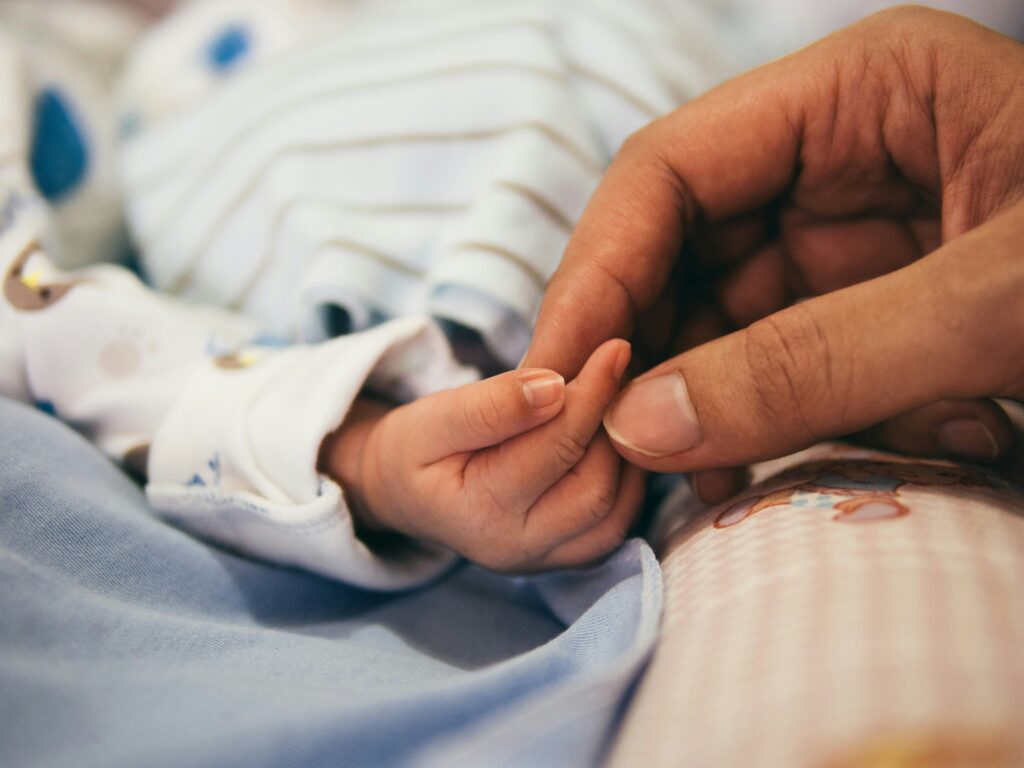
(Photo Courtesy of Aditya Romansa via Unsplash)

My mother visited some months later, after a visit from my sister (paid for by my brother, as she herself suffered from bipolar disorder), and my brother and my husband felt it would be of help. My mother lay in the bed alongside me.  I was so agitated with her beside me that she could not sleep either. I was unable to remain still in bed, so without sleep, I had my head on my table with exhaustion. My mind was racing and I could not quiet my thoughts. In the mornings, she helped me eat breakfast and tried to get me to walk a little bit, as it was so difficult for me at that time to even walk down the street.

I cried after my mother left. My husband could not attend to me while he was at work and would arrange a schedule of activities for me. I continued to fall deep into my depression. The medications only stabilized my mood and anxiety and allowed me to sleep for a few hours at a time. 

It was only after a whole year that I started a new medication shown to treat bipolar depression better. It was like a ray of sunshine piercing a cloudy world. After several weeks, I made a major recovery and could proceed with a subsequent trip to Southeast Asia.

Stability

(Image courtesy of Dareius Bashar via Unsplash)

My fiancé and I traveled to Southeast Asia in  December 2004 to get married,  and then traveled to more places for our honeymoon. I learned from experience that when you travel or live in another country you must do as the Romans do — adapt to the different cultural manners, especially with how to dress and how to eat. I also had to dress more ‘modestly as a woman’ in that I couldn’t show my bare legs, and had to learn how to eat with my hands. I have faced more and more challenges along the way in every country I visited. 

After my trip overseas. I returned with more stability and more confidence. I was able to take a class in Teaching Writing Online in a TESOL certificate program while I pursued returning to my career as an ESL instructor. My face-to-face classes, unfortunately, ended when the COVID-19 pandemic impacted the whole world. I had to transition to online lessons. 

Only humanly possible 

Since the COVID-19 pandemic hit in 2020, isolation has disturbed me. I needed human contact. I knew that in the years ahead, it would be very problematic for me without that connection. It changed my mode of communication with my family, as at the beginning of the pandemic we chose to connect over Zoom since we were all indoors with no direct contact with each other. It did bring us closer together and we have become a very close-knit family. 

I have faced multiple challenges in my life and have overcome them. Through these challenges, I have understood the value of self-expression and human connection through emotions and language.

Scraps of Myself

Sometimes, I look behind and laugh at myself
For all the foolish acts I had put on.
At present, I wish I could go back to the past.
If only I could freeze the time and stay forever there
In the bubble that I created with my lively laughter and chatter. 

If only I didn’t have to care about the opinions of people around me.
If only I could just live for myself.
Not the shadow of who I seem to be.
If only I could find my long-lost playfulness.

And now it finally makes sense
I had lost myself ages ago.
All I have left is the remains of the illusion of me.

When the Climate Becomes Your Enemy

Amidst the sweltering lanes of a Delhi slum, where the sun feels merciless and the air itself seems scorched, life unfolds with harsh lessons. 

This is where I grew up — navigating the world with dyslexia, dyspraxia (a disorder that affects coordination and movement), and a stammer, while also serving as a lifeline for my chronically ill mother. We survived domestic violence, yes, but today we are facing an equal challenge: surviving a world that seems indifferent to its most vulnerable. 

Try and feel them

You hear about heat waves in headlines, but can you feel them? Have you felt that suffocating weight in the air, that oppressive sense of panic when you realize there is no water, no relief, and no escape? For us, enduring a Delhi heatwave in a makeshift home was like being slowly roasted alive. I remember one particular day when the temperature soared, making it unbearable to breathe. Our tiny room felt like an oven; the walls radiated heat, and the ceiling fans offered no respite. Each day was a battle against an invisible enemy, as my mother’s health crumbled and my own challenges flared up.

Finally, after my mother received care from the government hospital, I vividly remember that some of the medicine her doctor prescribed required cold storage, and at that time we had no refrigerator. I had to ask the local pharmacy for help.

In the unrelenting heat,  my dyspraxia intensified, turning even simple tasks into exhausting struggles. One prominent dimension of dyspraxia that becomes increasingly noticeable during this period is sensory overload. Typically, I struggle with processing sensory information, including touch, taste, and sound. However, the combination of intense heat and constant sensory stimulation during the summer significantly amplifies these difficulties.

As temperatures rise, I find it increasingly difficult to regulate my body temperature, which leads to feelings of restlessness, fatigue, and irritability. The discomfort of excessive sweating can also interfere with my ability to hold objects or maintain a firm grip, further intensifying the coordination challenges that are already a part of living with dyspraxia.

Image courtesy of Parker Hilton via Unsplash

Hot and bothered, you are a statistic

The time I rushed my mother to the emergency room during a particularly brutal heatwave, getting to the hospital was a nightmare. Public healthcare was our only option, and the system was stretched to its breaking point. The waiting room was packed, and as I stammered through my explanation, I felt the impatient stares of those around me. The doctors and nurses tried, but they were drowning in a sea of patients. The helplessness I felt when I stammered while trying to explain my mother’s deteriorating condition was overwhelming. In those sterile hallways, you’re not a person — you’re a number, a problem to be processed. It’s a kind of invisibility that’s hard to describe and even harder to live through.

Here’s the painful reality: if our healthcare infrastructure can’t account for the heightened vulnerabilities of disabled people, we’re not just failing, we’re actively contributing to needless suffering. Accessibility isn’t about “nice-to-haves” like ramps or braille signs — it’s about life and death. It’s about creating safe, resilient spaces where people can seek care without being pushed to the margins, or to their own limits. If healthcare can’t adapt to the reality of climate change, then the most vulnerable will continue to pay the price.

We were overheated. Statistics are cold. They can tell you about the number of people affected, but they don’t make you feel it. Stories like ours bring urgency and humanity to these issues. When you look past the numbers, you see people fighting battles that few even realize exist.

From struggle to action: the birth of Green Disability

Out of this experience, I realized that we needed to make our voices heard in the climate conversation. That’s when I decided to start Green Disability, a grassroots initiative for climate action that includes the needs of people with disabilities. Today, our community has grown to over 600 members, with our newsletter reaching over 7,000 people. We’re not just an organization, but a movement, and our message is simple: the climate crisis affects everyone, and you can’t talk about sustainability without talking about accessibility.

We’re working on documenting the lives of disabled people in climate-vulnerable areas, sharing their struggles and their resilience. We’re also simplifying complex research, turning data into stories that resonate with our community and inspire action. This isn’t just about raising awareness. It’s about creating real change.

Climate justice is empty without disability justice

We’re one of the world’s largest minorities, a major minority! Yet we’re often overlooked in climate solutions. But we won’t be ignored anymore. Disability justice and climate justice go hand in hand. 

If we’re serious about tackling the climate crisis, then people with disabilities must be part of the climate conversation.

2025 Copa Libertadores Final Returns to Lima

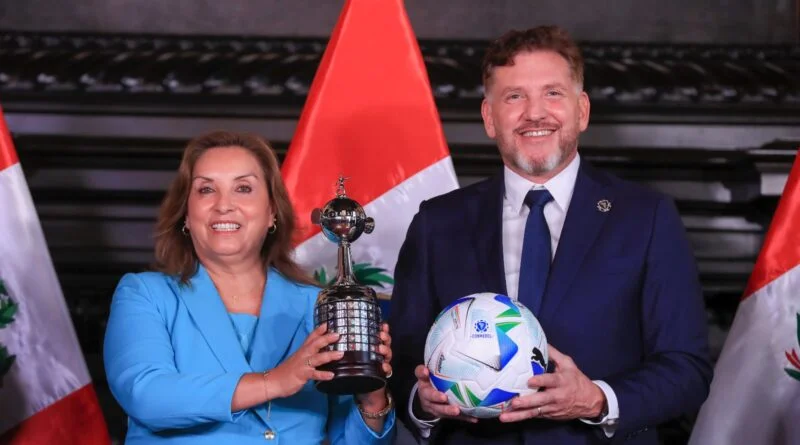
Lima will host the 2025 Copa Libertadores final, as the President of the country Dina Boluarte announced. The decisive match is set to be played on November 29th, becoming the second time the capital of Peru hosts the continent’s most important club match.

Botafogo, the current holders, are looking to retain their crown. The Brazilian side defeated Atlético Mineiro 3–1 last November to win their first Copa Libertadores title in a dramatic all-Brazilian final. They are third in Group A with one game remaining, and qualification still in sight.

The match venue is yet to be confirmed. At first it was believed to be the Estadio Monumental U Marathon; however, the Estadio Nacional -home of the Peruvian football national team- is another big candidate that cannot be ruled out.

Estadio Monumental U Marathon remains the frontrunner. In 2019, a year before the pandemic, the same stadium hosted a memorable final in which Flamengo defeated River Plate, thanks to a late brace by striker Gabigol.

Gabigol was also named ‘Man Of The Match’. (Photo: REUTERS, via Infobae)

That was the second continental title for O Mengão, conquering the biggest prize after 38 years. Lima became a football festival during those days, with passionate fans from both sides filling the city with colour. It is believed that the match was attended by more than 78 thousand fans.

“This event will take place on November 29th, confirming our country as one of the most attractive sporting destinations on the continent,” announced the President from Government Palace.

She added that “the government is committed to providing the necessary guarantees for the success of this continental event, just as we will do for the 2025 Bolivarian Games”.

“This upcoming final will be broadcasted simultaneously in 195 countries, with a potential audience of 5 billion people,” added Alejandro Dominguez, President of the Conmebol.

The two authorities, joined by Peruvian FA president Agustín Lozano, met at the Government Palace to make official what will be the continent’s biggest club event.

Tickets are not yet on sale but are expected to be distributed through Teleticket once the venue is officially confirmed.

Peruvian clubs want to surprise

In this year’s edition, Peru is represented by three teams: Universitario, Alianza Lima and Sporting Cristal; all from the capital city.

Peruvian teams have historically struggled in the competition though. Several factors such as the lack of competitiveness in the local league, the small budgets compared to other sides in the opponents’ countries and mostly the lack of planning from the people in charge, come together to prevent any kind of success. 

The last team to progress from group stages was Real Garcilaso (from Cusco) back in 2013, more than ten years ago. This year Alianza Lima surprised after getting a draw 2-2 against the powerhouse São Paulo in Brazil and Universitario getting a big narrow 1-0 win in Ecuador against Barcelona SC. 

While the dream is to play in a final taking place in the country, all three teams will at least hope to reach third place to enter the Copa Sudamericana, the second competition.

A Song to the Sculptor

Oh, stone carver, listen to me for a moment, that your skills be blessed.

Shatter my ignorance so my heart, hardened, may begin to beat. 
Remove the pain from my heart and take away my sorrow. 
Find a way to perfect my desires, so that even in pain, I can smile. 
Fill me with patience and remove the darkness surrounding me, and destroy all fear. 
Sometimes, I yearn to meet you,  but there is no one else besides you to talk to. 
Shape me so my creation makes others proud, and remove pride and arrogance from me. 
Give me humility and craft me as you wish. 
You are the creator of my life; I need no riches, just bless me with my desires. 
I am lost somewhere within myself; 
Take me out of the darkness  and give peace to my heart and soul. 

You know everything about 

my life.

اے سنگ تراش ذرا بات سن تیرے مہارتوں کی خیر ہو مجھے ایسی ضرب لگا ذرا جو میری غفلتوں کو توڑ دے سینہ سنگ دل بھی تڑپ اٹھے دل میں قید درد نکال دے میرے درد کو مجھ سے چھین کر میرے چہرے کی رونقیں بہال کر کوئی ایسا رستہ تالش کر مجھ پر چاہتوں کا کمال کر ٹھیں کہ ہم درد میں بھی مسکرا اُ صبر سے مجھے ماال مال کر میرے ِگردوپیش کی ظلمتیں پوشیدہ سب وحشتوں کو زوال کر بیٹھا لے کبھی اپنے ُروب ُرو تجھ سے ملنے کی ہو جستجو نہ ہو دوسرا کوئی سامنے فقط تجھ ہی سے ہو گفتگو مجھے ایسا تراش دے میری نسلیں سنوار دے غرور و تکبر مجھ سے دور ہو مجھے عاجزی ادھار دے تو مجھے جیسا چاہے تراش ُ تو میری زندگی کا کارساز ُ مجھے دولتوں کی چاہ نہیں تو مجھے اپنی چاہتوں سے نواز ُ موجود ہوں میں خود میں کہیں تو مجھے تاریکیوں سے نکال ُ ے د ن سکو کو ح و ر و ل د ے میر ُتو ل حا سب کا گی ند ز ی میر ہے نتا جا ہ شا عراُصیب ش:

Music Strange the Dreamer courtesy of Savfk, via Audio Library Free Music: https://www.youtube.com/channel/UCHae4C99XJORB7Iog62wqvw

Hectic and Unemployed

What do unemployed writers do?

They keep themselves occupied by working on their writing and honing their skills. I know this because my current status is “unemployed writer.”

This is because I am focusing on building a career in writing. And it was not an overnight decision. I’ve written for many years now, thanks to the skills I developed so I could live as an experienced writer. Writing was just my side hustle, but shifting to a full-time writing career needed a lot of “mindful inner engineering”, including coping with worries about no paychecks.

Naysayers ask me to rethink my decision, but I am adamant about nurturing my desire. So, armed with just a dream, I have set out to establish myself as a writer.

There are a few universal beliefs that guide me and work for me. 

Use what you can. 

Working it

For me, the essence of hard work is perseverance — hanging in there, trying different strategies and seeing which ones succeed, and traveling over rough terrain to reach my goal. Staying the course, even when faced with a series of failures, is what I define as hard work. Hard work does not mean simply putting in the hours by tweaking a few applications and applying for X number of jobs every day. I invest every minute I can to do all that there is to be done. This is the kind of hard work that I love. 

If you redefine the meaning of your own hard work, I believe that you will achieve all your goals.

 Without that meaning, you will not. 

Discipline, eight days a week

When boredom sets in, when I am low on inspiration, or when I have no desire to carry on, I think of this word. It is the key ingredient I keep in my kitty. Showing up regardless of how I feel is something I prioritize. Showing up involves working on blogs, creating pitches, and engaging with the writing community on social media platforms. I do this every single day – including weekends. 

Writing itself is simply discipline.

Dedication in a jar

I am dedicated to becoming the best writer because I love the craft. Organizing my desk, documents, and thoughts helps me. I maintain a Word document where I jot down ideas – even the smallest of thoughts, a single word. Everything goes into that document. 

After reaching my desk, I scour that document for inspiring and useful ideas and start working on blogs, articles, and fiction.

Saves time, stores ideas.

Unrelenting

I am relentless in my pursuits. I wasn’t always like this, but experience and life’s hard knocks have shaped this side of my personality. In seeking success, I also investigate and identify the areas in which I need to boost my skills, and by doing so, make plans to expand my repertoire. 

Once I have a sliver of an idea, I register for online courses and upgrade my knowledge.

You might have noticed my plate is overflowing. I, too, am aware of this. At times I become overwhelmed, wondering where this path is going. Will it take me towards my goals? 

I am riddled with insecurities, just like so many others out there. During such times, I tell myself, “It is okay to have self-doubt because it shows you are not running with your eyes closed.” 

Trusting myself goes a long way. 

Formula for success

My formula amounts to labeling whatever results from my efforts to be a success for what it is. 

That formula builds on all the principles and beliefs mentioned above and looks like the typical day I follow as an unemployed writer. It sustains me and keeps me motivated. 

(Image courtesy of Andrea Piacquadio via Pexels)

Land Dispute Leaves Six Dead, Including Pregnant Woman

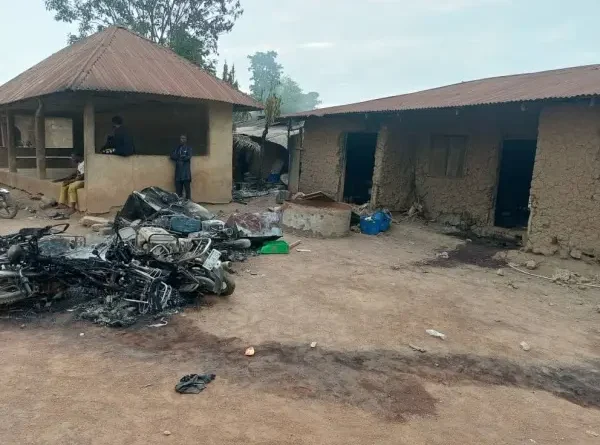
A renewed outbreak of violence in a decades-old land dispute between two communities in Ebonyi State, South-East Nigeria, has resulted in the death of at least six individuals, including a pregnant woman and her unborn child, as confirmed by local authorities.

The involved communities are the Ndukwe Amasiri Community in Afikpo Local Government Area and Idima Autonomous Community in Edda LGA, specifically the people of Okporojo Idima. Over the years, related disputes have led to the destruction of lives and properties worth millions of naira.

On Saturday, 5th April, 2025, Okporojo community was attacked by assailants allegedly from the neighbouring Amasiri community. Among the deceased are a pregnant woman and her unborn child and one Abagha Chukwu, a native of Afikpo who resided in Okporojo until his ill-fated death.

Several pleas have been raised by members of both communities to the state governor Francis Nwifuru, urging him to step in and mediate an amicable resolution of the long-standing land dispute. Although the previous administration of Ebonyi State set up a committee to look into the feud, peace continues to elude the opposing communities.

Chima Ekumankama, who is the current Chairman of Edda Local Government Area, has confirmed the killing of four persons at Okporojo Idima, saying he visited the bereaved community and witnessed the harm done to it. He also praised the efforts of the Ebonyi State Government to ensure peace and normality by deploying security personnel into the disputed area.

The President General of Idima Edda Community also issued remarks to journalists confirming the attack. Comrade Nkama Okoro Agha expressed strong disapproval of the onslaught, recalling a previous incident on 6th February 2023 resulting in the death of innocents and the kidnap of three farmers whose whereabouts are unknown to date.

This 2023 attack was also exacted on Okorojo by suspected Amasiri natives. The President General added his voice to other appeals to the state governor for a more lasting resolution of the land dispute.

Another community leader weighed in on the unfortunate events. Hon. Imo Samuel Oduko, who sits as Chair of the Okporojo Development Union, maintained that the land in conflict belonged to the Okporojo people of Idima Edda, who hired Amasiri farm hands that settled in the area and began fighting their lessors over their rightful estate.

The Chairman of Afikpo LGA, Timothy Nwachi, stressed the unpleasantness of the resumption of hostilities between the two communities and confirmed the presence of security officials to quell the unrest in the area. He also urged the Amasiri people to remain calm while awaiting the government’s decision regarding the conflict.

Another voice spoke out on behalf of the Amasiri people. Maduabuchi Idam, a civil rights lawyer and Amasiri local, petitioned the heads of several security agencies within Ebonyi State over brutality and aggression against his community.

His petition is titled “Re-Emergence of Military Invasion, Brutality, and Aggression Reign Freely Against My Community, Amasiri” and contains complaints regarding the military intervention that followed the renewed clash between the neighbouring communities.

Idam asserted that Amasiri was a peaceful party which had since sought to quash the quarrels in spite of irritation from the Oso Edda community. According to him, on Friday, 11th April, 2025, the Ebonyi State Commissioner of Police set up a peace committee to that effect in Abakaliki, which several Amasiri stakeholders attended.

However, their neighbours refused to take part in the meeting and alternatively attacked some Amasiri natives. He also made mention of the insecurity currently faced by the people of Amasiri on the Okigwe-Afikpo highway, along which Oso Edda natives allegedly waylay and identify commuters identified with Amasiri.

All this goes on without the intervention of the Ebonyi State Government, whom he calls on to take action. He protested military action in his community, which he said involved the destruction of properties, arrests and sporadic shooting in Amasiri while ignoring the neighbouring Edda people.

He petitioned the Commandant of Nkwegu Military Cantonment in Abakaliki, which the military personnel were reportedly deployed from, and the Chief of Defence Staff, naming the Edda people as aggressors who intended to illegitimately lay claim to Amasiri ancestral land.

Calling on fellow Nigerians to join him in denouncing the actions of these security agencies, he insisted that the people of Amasiri have remained peaceful and attended meetings in hopes of resolving the decades-long conflict. He described the military activity in Amasiri as “unlawful, … unwarranted, illegal [and] unprovoked.”

India Set for Nationwide Mock Drills on May 7 Amid Heightened Security

New Delhi, May 6, 2025 – India is preparing for a major civil defence mock drill across the country on May 7, with over 250 locations—including Delhi, Mumbai, Bengaluru, and Lucknow—gearing up for coordinated emergency response exercises.

According to Business Today, the drill is part of a national effort to strengthen disaster and emergency preparedness at a time when regional tensions are running high. Officials say the exercises are designed to ensure readiness across public spaces and key infrastructure points.

The Ministry of Home Affairs, in its official communication, explained that the drills will cover various emergency scenarios, from natural disasters to possible security threats, aiming to tighten coordination between local and national response teams.

In an interview with Times of India, a senior official from the Ministry emphasized, Preparedness saves lives,This exercise is as much about deterrence as it is about readiness”

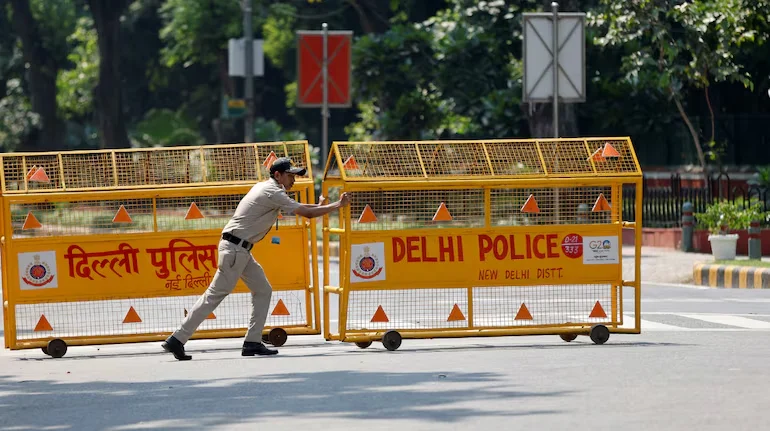
For residents, the security buildup is already visible. Delisha Kumar, a journalist at Yuvoice from Delhi, noted, “I’ve definitely seen a higher police presence around my neighborhood in the last couple of days. They’ve put up more barriers than usual too.” Pritica Kohli, a resident of West Delhi shared, “Nothing major yet, but tomorrow they’re saying barricades will be at seven places around me—just saw it on ABP News.”The New Indian Express reported that around 244 drill sites have been confirmed, with activities expected to include full-scale response simulations in busy areas. Authorities have assured citizens that there is no cause for alarm, encouraging everyone to cooperate fully during the drills.

Where Are You From?

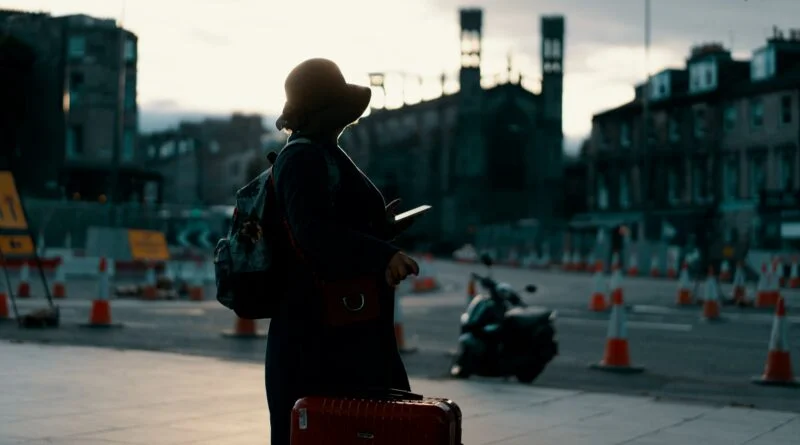
I have been traveling since I was 14, constantly feeling like an outsider. Whenever I catch myself thinking, “Here I am; I belong here,” the inevitable question arises: “Where are you from?” This recurring question has left me feeling stuck, uncertain of where I truly belong.

It’s a strange sensation — feeling torn between places, unsure of where I truly fit in. One can easily drift through life, holding onto the hope that things will eventually improve, but time passes quickly, and I often wonder where my roots have gone.

I was born in the Republic of Moldova and moved to Romania for school, spending seven years there. Afterward, I transitioned to the United Kingdom for university, where I lived for about three years. During this time, I had the opportunity to travel to the United States through a university program. I later returned to Romania before coming back to the UK.

Last year, I spent time in Russia with my parents, and for the first time in a long while, I felt at home. I wasn’t an emigrant or an immigrant — I was right where I was meant to be. I discovered so many beautiful aspects of Russian culture, such as ballet, opera, and cuisine. The language, which I’ve spoken since I was five, resonated deeply within me. I embraced the traditions and the people, and my eyes sparkled with joy as I immersed myself in this world.

Yet, doubts linger. Is this place truly for me? Do I belong here? We often wrestle with the fear of trusting our own feelings and instincts. As my grandfather was Russian, I always felt there was a special connection for me in this country. However, the question remains: “Where are you from?” I often respond jokingly, saying, “I’m a person of the world,” yet inside, I feel like a stranger no matter where I go. 

Somewhere else 

So, how can one know where they truly belong in this vast world? It’s an interesting dynamic when we go abroad for studies or work — we become strangers in a world that doesn’t quite feel like home. I’ve observed how people often believe that life is better elsewhere. They encourage others to venture abroad, to build their own lives and careers. There’s also a natural curiosity about the food, behavior, and lifestyles of different cultures, leading many to conclude that somewhere else is better than their own homeland. 

However, there is no absolute “better” or “worse”; it’s all about how you perceive yourself and whether you’re open to embracing the world around you.

If you find yourself stuck answering the question, “Where are you from?” consider replying, “I’m still figuring it out, still searching for where I belong in this world.”

(Image courtesy of Shing via Unsplash) 

Kaleidoscope Eyes

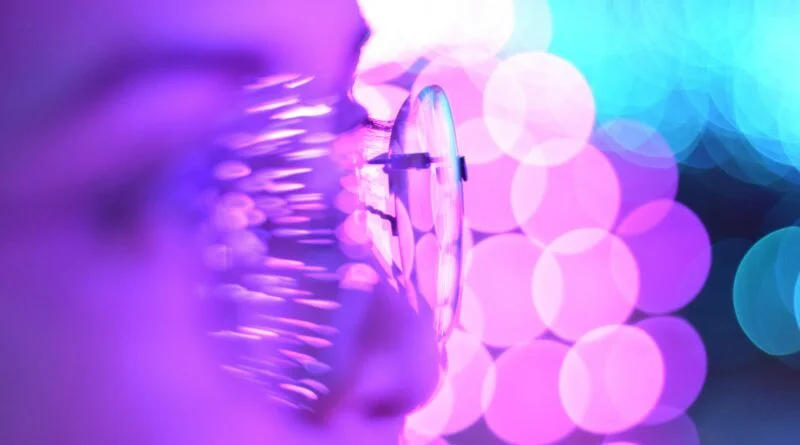
A light comes on, and a close-up pair of eyes appear in the frame. My blinking is constant, almost excessive, in the harsh white light of the room. My eyes are not large; they seem narrow (or ‘slanted’, as my brother says), making it hard for me to keep them open. My eyebrows above my dark brown irises are not remarkable and in fact are unkempt, untidy, and without a defined shape. The unruly hairs help cover the scar from a small cut that was caused by the frame of a pair of glasses long ago. They broke while preventing the fall of a restless child who was trying to reach the top of a wooden post while my back was turned.

Those eyes, looking ahead, cannot see all they should, but are amazed by the little they have observed. A hand appears in frame, clutching a red crayon, firmly intending to complete the task at hand — to color in the blurry silhouette of whatever figure is printed on the white sheet. 

At times, the red crayon rebels, resisting confinement by the thick black ink line, and the hand does not seem to care much. I believe I have successfully completed my task, but when I hand the sheet to my mum, she brings it close to her face and then looks at me, worried and wide-eyed. She asks, “Son, did you color this in?”

Astigmatism.

That was the explanation some doctor gave me a long time ago, and that’s what I have for life. Fortunately, I can still distinguish the shapes of things to avoid bumping into them, and the glasses reduce blindness, but I now feel dependent on them.

My eyelids feel heavy. A hand, my hand, intrudes into the frame to scratch my left eye, and as a result, some eyelashes fall out and the cornea wears down. Tears no longer lubricate properly, and my eyes show signs of fatigue. The dark circles under them are more than noticeable. I haven’t had a good night’s sleep in years. 

My eyes have also seen unforgettable things: a victory goal in the 96th minute, the tragic end of Walter White, my grandfather singing “La Cucaracha”, the long-awaited arrival of the newborn at home and the heartbroken cry of its mother, the departure of its father from home, the loving eyes of a woman… There are moments and images in which significance lies not in clarity, but simply in sight.

A phoropter slowly approaches the face to which the dark brown eyes belong. The optometrist is observed from a general perspective. As she changes lenses, the doctor repeatedly asks, “Do you see better with this one, or with the previous one?”

I never notice the difference from one to the other. 

Of course, before approaching that device, the doctor asked me to do the usual task: to pick up the chart and read the paragraphs full of tiny letters, or to tell her the letters I can see from a few meters away. I can’t remember the last time I successfully read letters on the wall chart.

I approach the optometrist’s desk at her request, while I wait for her to review whatever she has to analyze… I never worry about knowing exactly what it’s about, because the answer is always the same: “The prescription in your left eye has increased.” 

Which is the same as saying that my vision has gotten a bit worse. Again.

Next, she gives me instructions to prevent corneal damage, things like not rubbing my eyes or not spending many hours in front of the computer. I hear her, but I don’t listen. I know that buying the contact lenses I need is not within my budget, and that I have to wear glasses for life. The optometrist says they are mandatory, and my driving license echoes it. I see her, but I am not really looking at her.

(Image courtesy of alameen studios via Pexels)

Over time, I also started to enjoy cinema and writing. Two forms of art that require a creative — and visual — exercise to create and enjoy. Over the years, the bridge of my nose between my eyes has been ‘tattooed’ by the noticeable marks of numerous glasses. It seems unfair for those eyes to have to strain just to enjoy the shape of letters and read smoothly. 

The helplessness of a child who, due to an eye problem, strains his sight trying to read.

I find this pleasure ironic. I always panic: What if my glasses break, get lost, or stop working? How will I read and distinguish the figures on the screen? The damage to my eyes is progressive. Resignation…

But as the doctor shakes my hand to say goodbye, I can only think of the consolation: that the camera, the pencil, and the imagination allow me to capture — and reflect — that which my eyes will not let me see.