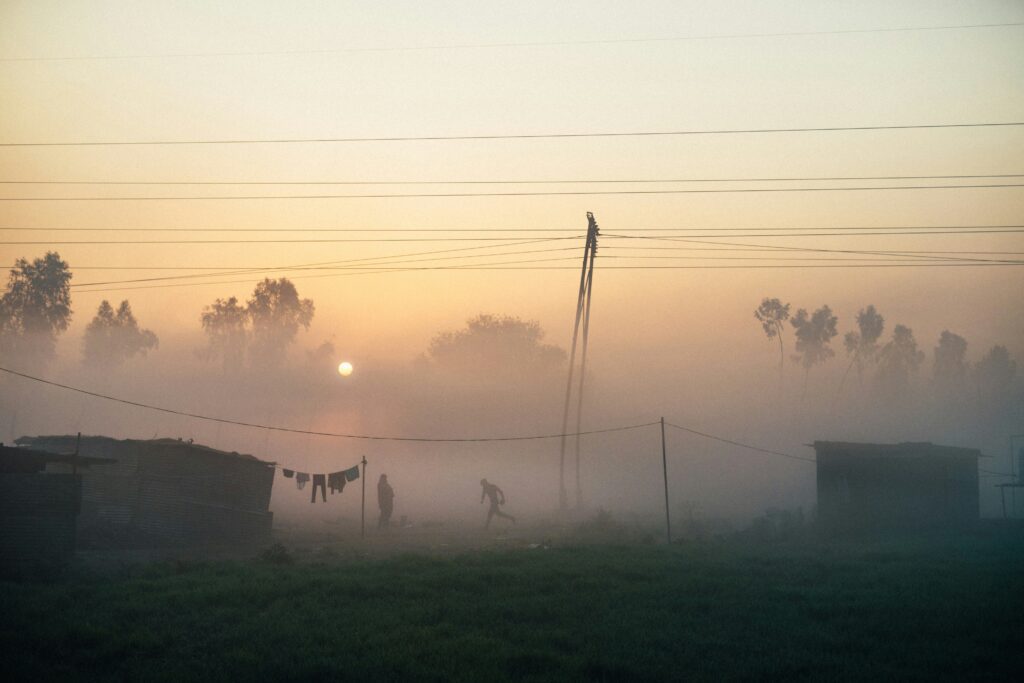
Amidst the sweltering lanes of a Delhi slum, where the sun feels merciless and the air itself seems scorched, life unfolds with harsh lessons.
This is where I grew up — navigating the world with dyslexia, dyspraxia (a disorder that affects coordination and movement), and a stammer, while also serving as a lifeline for my chronically ill mother. We survived domestic violence, yes, but today we are facing an equal challenge: surviving a world that seems indifferent to its most vulnerable.
Try and feel them
You hear about heat waves in headlines, but can you feel them? Have you felt that suffocating weight in the air, that oppressive sense of panic when you realize there is no water, no relief, and no escape? For us, enduring a Delhi heatwave in a makeshift home was like being slowly roasted alive. I remember one particular day when the temperature soared, making it unbearable to breathe. Our tiny room felt like an oven; the walls radiated heat, and the ceiling fans offered no respite. Each day was a battle against an invisible enemy, as my mother’s health crumbled and my own challenges flared up.
Finally, after my mother received care from the government hospital, I vividly remember that some of the medicine her doctor prescribed required cold storage, and at that time we had no refrigerator. I had to ask the local pharmacy for help.
In the unrelenting heat, my dyspraxia intensified, turning even simple tasks into exhausting struggles. One prominent dimension of dyspraxia that becomes increasingly noticeable during this period is sensory overload. Typically, I struggle with processing sensory information, including touch, taste, and sound. However, the combination of intense heat and constant sensory stimulation during the summer significantly amplifies these difficulties.
As temperatures rise, I find it increasingly difficult to regulate my body temperature, which leads to feelings of restlessness, fatigue, and irritability. The discomfort of excessive sweating can also interfere with my ability to hold objects or maintain a firm grip, further intensifying the coordination challenges that are already a part of living with dyspraxia.
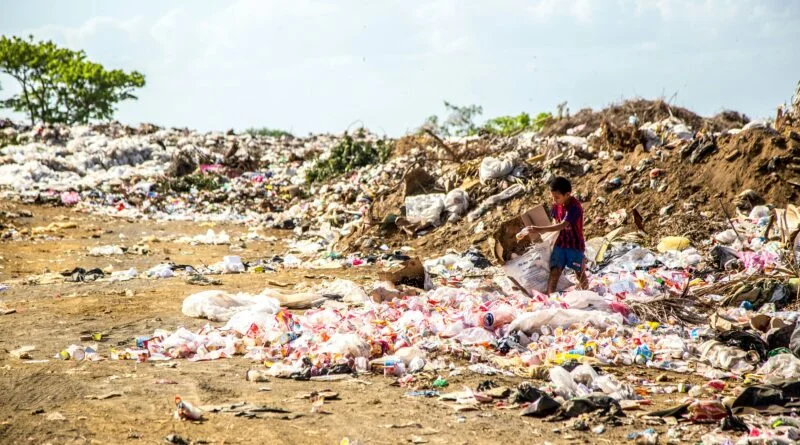
Image courtesy of Parker Hilton via Unsplash
Hot and bothered, you are a statistic
The time I rushed my mother to the emergency room during a particularly brutal heatwave, getting to the hospital was a nightmare. Public healthcare was our only option, and the system was stretched to its breaking point. The waiting room was packed, and as I stammered through my explanation, I felt the impatient stares of those around me. The doctors and nurses tried, but they were drowning in a sea of patients. The helplessness I felt when I stammered while trying to explain my mother’s deteriorating condition was overwhelming. In those sterile hallways, you’re not a person — you’re a number, a problem to be processed. It’s a kind of invisibility that’s hard to describe and even harder to live through.
Here’s the painful reality: if our healthcare infrastructure can’t account for the heightened vulnerabilities of disabled people, we’re not just failing, we’re actively contributing to needless suffering. Accessibility isn’t about “nice-to-haves” like ramps or braille signs — it’s about life and death. It’s about creating safe, resilient spaces where people can seek care without being pushed to the margins, or to their own limits. If healthcare can’t adapt to the reality of climate change, then the most vulnerable will continue to pay the price.
We were overheated. Statistics are cold. They can tell you about the number of people affected, but they don’t make you feel it. Stories like ours bring urgency and humanity to these issues. When you look past the numbers, you see people fighting battles that few even realize exist.
From struggle to action: the birth of Green Disability
Out of this experience, I realized that we needed to make our voices heard in the climate conversation. That’s when I decided to start Green Disability, a grassroots initiative for climate action that includes the needs of people with disabilities. Today, our community has grown to over 600 members, with our newsletter reaching over 7,000 people. We’re not just an organization, but a movement, and our message is simple: the climate crisis affects everyone, and you can’t talk about sustainability without talking about accessibility.
We’re working on documenting the lives of disabled people in climate-vulnerable areas, sharing their struggles and their resilience. We’re also simplifying complex research, turning data into stories that resonate with our community and inspire action. This isn’t just about raising awareness. It’s about creating real change.
Climate justice is empty without disability justice
We’re one of the world’s largest minorities, a major minority! Yet we’re often overlooked in climate solutions. But we won’t be ignored anymore. Disability justice and climate justice go hand in hand.
If we’re serious about tackling the climate crisis, then people with disabilities must be part of the climate conversation.
Whenever I plan to write, the white empty paper scares me.
This year, I turn 31. What did I achieve in these years and days of my life? How do I define myself?
My passport says that I am Egyptian, even if I spent more than half my life outside the country. Should I start telling my story from 1993? I was born in Khor Fakkan in Shariah, United Arab Emirates, the youngest of seven children. My parents named me Khadija.
I graduated from high school and returned to Egypt. I participated in a revolution which didn’t achieve its goals. I got married after a great and epic love story…or that’s what I thought, until I got divorced.
I gave birth to two amazing kids. I graduated from Sharjah University with a degree in English literature and translation.
I spent my twenties with my son Qassem. Life was beautiful until I gave birth to my daughter Layla and fell into a hole of postpartum depression. Alice in Wonderland was running after the rabbit, but I was running after myself.
What lessons have I learned from my life? What is the moral of my own story?
I can bake apple Bundt cake, lemon cake and chocolate banana bread. I cannot work under pressure. I used to hide my problems. I love life and in the same way loathe it. I love to prepare my meals with passion and eat them slowly. I love to spend time with my friends.
I know the sound of typing pleases me. I love writing and literature. I believe that there is a special connection between me and literature and I discover that day after day.
I am fond of language. I lose and I win. I am ambitious. I dream of becoming a great translator. I dream of winning the best mom ever prize (if there is such a thing)!
Why do I hate the Egyptian revolution? The revolution fell from paradise to the earth like Adam’s apple. I wonder, did Adam hate the apple? Did he swear at her?
I was living such a simple life in Dubai in 2011, when the flame of revolution ignited in the Middle East. I was a high school student. The revolution seemed like the greener grass on the other side. I dreamed of being part of what was happening. But since that time, I have been enduring a series of personal and public defeats. Can life lead to better outcomes? Can the course of life change?
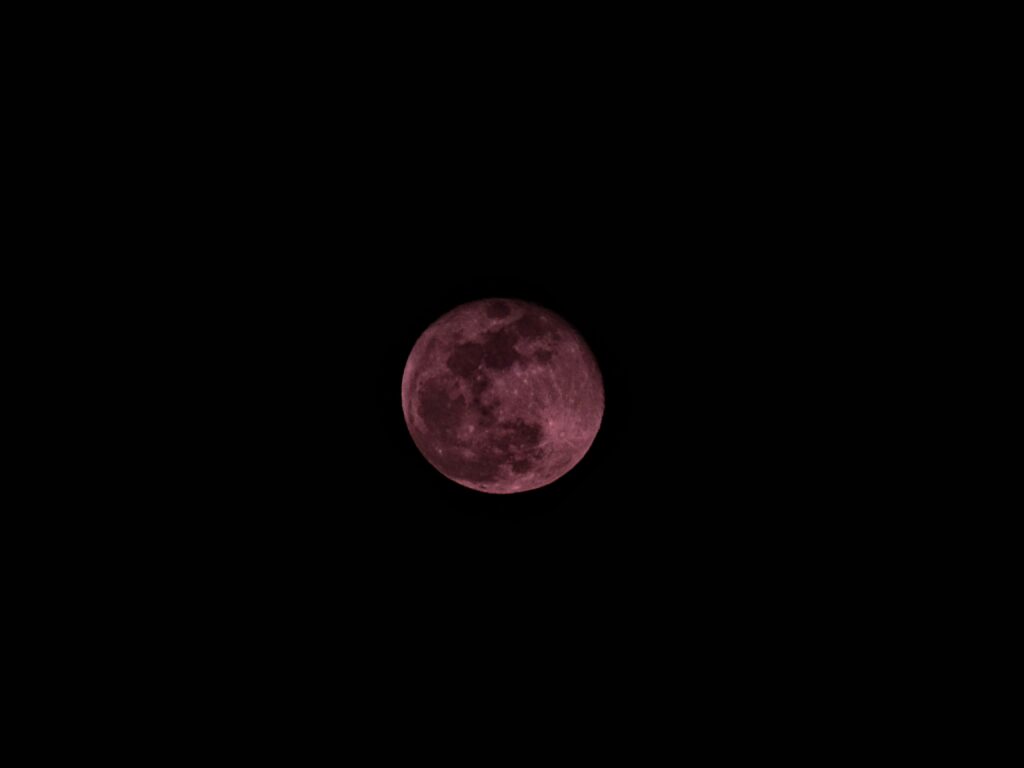
(Image courtesy of Melanie Wasser via Unsplash)
Once you have been broken and tasted fear, fear becomes a habit. Do you know who I am?
I am the girl who at the age of 19 almost got caught by the central security forces at a protest. As I felt them pull my arms and grab me, I screamed “I want my mom!” Since then fear knows my address and acts like that friend who, no matter how many times you avoid her, keeps ringing your doorbell…
Once I came across a Faisalabad slum, Garbage, mosquitoes, and flies all sum. Residents welcomed, inviting me to come, I hesitated, reluctant to sit, Forgetting it’s my own garbage, thrown in a pit.
A dirty hand offered a handshake, While a clean hand took a break. The sun blazed down like a raging fire, Amplifying my thirst, igniting desire.
A dirty glass offered me cool water, Making my ego face a slaughter. I felt ashamed a bit, Dug in the same garbage pit. Realized under the same sky, We all share the same night.
I learned that day, behind a slum, It’s me standing like scum. Once I came across a Faisalabad slum.
(Image courtesy of Photo by Eirene Thoms via Unsplash)