Smothering with profound prejudice, Steadfast and solidified. A weighted blanket Suffocating open fields, Splitting, when trees uproot, But easily merged into Systemic circulation.
Currents deterred by reinforced foundations;
Armor immune to ashing;
Wind is as it appears–
A constant plague on the souls Who tread on me… Outlasting those who march On me tomorrow.
When the world grays And all that lived are dust and dry venom, My slab will lie vigilant.
There have been initiatives to rename special education programs. I use this terminology because it’s the phrase with which I’m most familiar due to it being used during my time in school.
Individualized education plans (IEP) and 504 plans vary by state and district. Transitional 1st (T-1) programs are intended for students who have completed kindergarten but are still socially or educationally unprepared to begin first grade with their peers. It’s a year-long program and is often suggested for students with additional support needs.
My Education Journey
In preschool, my teacher told my parents that I was struggling with academics and with fine motor skills. The remedy for improving the latter, at least, was to place me in occupational therapy. I remember learning how to button a jacket and crab-walking. I was rewarded with lollipops. In kindergarten, I began receiving additional support for academics through a special education teacher. We met one-on-one, multiple times per week.
Transitional First Grade
I remember being sent home with lined sheets of paper with dotted letters name writing practice for home. My mother stated that I only learned how to write my name at five years old because she promised me a Strawberry Shortcake doll if I did so.
Towards the end of kindergarten, my teacher thought I still required extra help with my handwriting, despite my progress in other skills. She suggested to my mom that I start first grade a year later, participating in a T-1 program. T-1 would allow me to remain in one class all day and work with a teacher on an individualized scale. It was eventually decided that I would begin T-1 instead of moving directly into first grade.
Image courtesy of the writer.
I was upset when I realized that I wouldn’t be moving up to kindergarten with my classmates. The worst part: no longer being in the same class as my best friend. Due to having a February birthday, her birthday being six months earlier, and starting first grade a year later, I was suddenly two grade levels behind her. My younger self wasn’t so happy; my older self knows that the decision wasn’t easy for my mother, and she just wanted what was best for me academically.
After a full academic year in T-1, I finally moved into first grade with an IEP.
IEPs and standardized testing
My IEP included a non-specific math learning disability; an auditory processing disorder would also be noticed once I got older.
Math doesn’t make sense to me, especially when I try to calculate things mentally. Imagine trying to solve a 500-piece puzzle while missing 100 pieces. I’m not unable to solve equations mentally; I just need support like a calculator or a piece of paper to better visualize it. Multiplication and division is a lot more straightforward because of the kinesthetic way it was taught to me.
The math-related learning disability determined the bulk of my IEP; I’d be pulled out of class a few times a week to work on math with a teacher one-on-one. Additional accommodations included clarification on assignments and instructions, preferential seating, extended time on tests and assignments, use of a highlighter on paper copies of schoolwork, and more. Having a paraprofessional in a math class was my norm. By third grade, I began to take standardized tests (SOLs), which I found difficult. Passing SOLs, however, was mandatory for advancement.
Starting in middle school, special education was rechristened resource classes. Same thing, different title. And no matter how much time I spent studying and prepping on my own and with my teachers, I still struggled.
In 9th or 10th grade, I failed my first three attempts on the SOLs. Due to my disability and trying my best every time, an exception was made. I was close to the desired score, so my teachers chose to consider my final score as passing. Without that exception and advocacy, I might not have graduated high school.
Then, COVID happened
The pandemic shut down in-person schooling during my junior year. The future of standardized testing and specialized learning was unknown.
A hybrid learning system was put in place for senior year. School administration considered resource classes too complex to navigate in this environment. Instead, we had “learning coaches” who ensured that we did our classwork on remote days. That was the extent of support. Without access to the resources I needed, I knew my results on the SAT, which I was due to take that year, would be poor.
Miraculously, a COVID consideration was available. Some school districts, including mine, decided that SATs were optional. Many colleges chose to make reporting scores optional as well. Keeping this in mind, I chose not to take the test. It was through this series of events that I managed to receive several acceptance letters from different universities.
The future is uncertain
I know I’m one of the lucky ones. Recent headlines have discussed layoffs and budget cuts to educational programs, including the Individuals with Disabilities Act. Millions of children in schools today rely on these educational programs, like I did. Cutting resource programs like these removes access to opportunities for students, changing the course of their lives. Without those very resources, I don’t think I would be where I am today.
I can’t imagine how children who have to worry about their accommodations and plans being taken away from them feel. There are legal protections surrounding resource classes for students with learning disabilities, but how can we know that the protections will always be guaranteed? For now, the action of removing accessible education has been temporarily reversed. Its long-term future is uncertain, and I worry about what might happen over the next few years.
My only hope is that future students have access to the resources they need to succeed — just like I did.
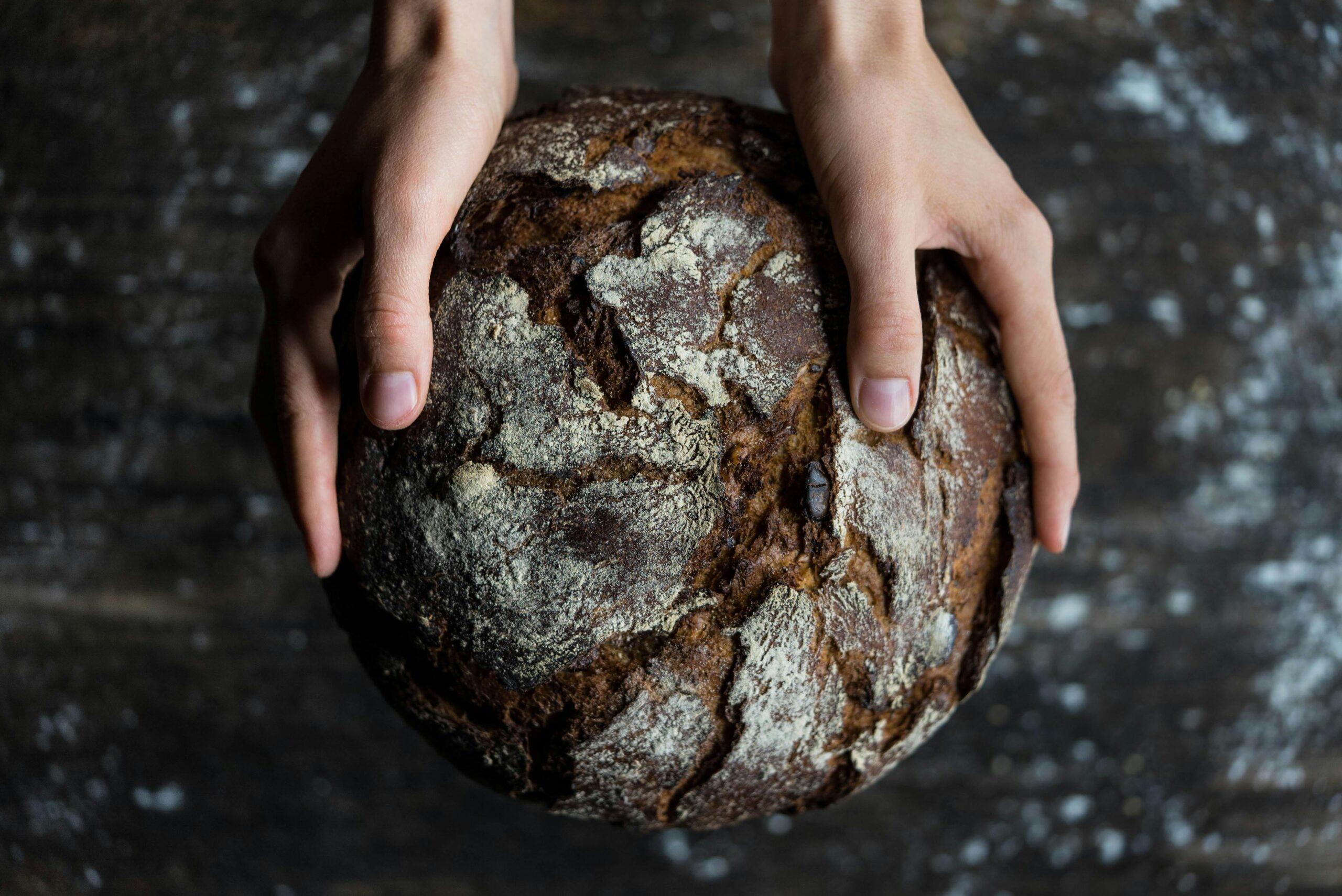
Image courtesy of MD Duran on Unsplash.
Further Reading
If interested in reading further about resources for students with additional support needs, here are some resources below:
This morning, I woke up in exile, as I did in the last 42 months. The same winter light over a Canadian sky. The same distance — thousands of kilometers away — from the country that still lives inside my bones.
As an astronomer, I know that the sun rose the same way it always has.
And yet, something had shifted. And yet, it did not feel the same when I reminded myself that this is the first sunrise after the dictator.
For the first time in decades, the sunrise did not pass over the shadow of a man who believed himself permanent. A man who believed he is the representative of God on Earth. A man whose portrait watched over classrooms, courtrooms, prisons, and graves. A man whose decisions shaped the rhythm of fear in everyday life.
Dictators cultivate the illusion of eternity. They speak in absolutes. They wrap themselves in history, religion, destiny. They convince a nation that they are as immovable as mountains.
But even mountains erode. And this morning, the sun rose over a world without him.
When I heard the news, I did not believe it until the authorities of the still-existing regime confirmed his death a day later. But still, I could not celebrate. I could not cry. I could not shout.
I felt something far more unfamiliar: stillness.
For decades, life has been suspended in a kind of political limbo. Iranians measured time not by seasons, but by crackdowns. By internet blackouts. By arrests. By the names of the killed. By the names of the executed. By the silence that followed.
Exile teaches you to live in parentheses. You continue your work. But a part of you remains paused in the month and year you forcibly left your beloved homeland, your loved ones. For me, that was August 2022, when I packed a suitcase not knowing that departure would not be temporary. Not knowing that return would become a question mark. It is waiting in limbo for a moment you are not sure will ever arrive.
This morning, that pause shifted. But it is still unclear when this rejoining of my body to my soul, which remained in Iran, will happen, since the regime still exists.
For years, the structure of power in Iran felt immovable — like geology. Like something older than protest, older than grief, older than courage. A regime that survived uprisings, sanctions, global condemnation and a massacre. A dictator who seemed to feed off crisis.
And then this morning, the illusion of permanence cracked.
The dictator did not die a normal death. He was killed, and that makes his death hopeful, since there is hope for regime change. The creaking power structure then announced 40 days of public mourning. What a calamitous conflict. They still believe they will survive after all this murderous brutality unleashed over 47 years, and the massacre in January, just 50 days ago, that killed tens of thousands of Iranians. And they expect us to be sad about the death of someone many consider to have been the most brutal dictator in history.
But for generations that grew up under one face, one voice, one permanent authority, this is more than a political event. It is a psychological rupture. It is the breaking of an assumption that power is immortal.
But with the hope in his death, there is still fear.
Because one man’s death never repairs decades of repression. Because injustice never dissolves overnight. Structures still remain. Networks of power remain. Those who enforce repression remain. And the country is at war. Fear remains.
It carries questions heavier than answers.
Will the regime collapse? What comes next? Who will claim authority? Will violence escalate? Will hope be manipulated again?
And yet, beneath the uncertainty, there is something quietly radical: possibility.
This sunrise does not guarantee freedom.
But it reintroduces imagination.
Somewhere in Iran, a young girl woke up today under a sky no longer governed by the same dictator who killed girls because of their hair. Somewhere, a student who once whispered freedom in dormitories, allowed themselves a moment to breathe. Somewhere, a mother who lost her child to state violence, watched the light change and wondered if history is shifting in her favor.
This sunrise belongs to them more than anyone.
For those of us in exile, we live with a particular ache: the ache of not being physically present in the decisive moments of our country’s history. When protests erupted, I was watching from a distance. When students were beaten, arrested, and killed, I was writing statements. When universities were closed, I was speaking about academic freedom abroad.
In exile, this sunrise is complicated. We carry grief, distance, survivor’s guilt, and responsibility. We know that the end of a dictator is not the end of a system. We know transitions can be dangerous.
But we also know this: permanence was a lie.
Authoritarianism depends on inevitability. Today, inevitability cracked.
I remain in exile this morning. The distance has not shrunk. The grief has not disappeared. The country I love is still wounded.
But I allowed myself one unfamiliar thought:
Perhaps history is moving again.
The first sunrise after a dictator is not a victory. It is not bright with triumph. It is fragile. Uncertain. Almost quiet.
But it is the reopening of history.
And history, unlike dictatorships, belongs to the people.
Today, I do not claim joy.
I claim change, which I hope will lead to freedom.
From afar, I imagine Iran waking up with this sunrise.
And all this reminds me of the poem by Baktash Abtin, a poet who was in prison during Covid and who passed away because the regime denied him treatment when he caught Covid:
His shadow had swallowed the whole city; we thought he was a mountain… He collapsed — and we saw he was only a bubble that had leapt from the mouth of darkness.
Let them say death is the end, but I say: the death of a dictator is the only day when calendars truly touch spring.
And the spring, which is the season for celebrating the new year in Iran, is coming without the dictator and hopefully, without this regime.
A fun fact about me: I hate running! I have always walked briskly and hiked a lot. Running was not a priority for me because I was always paralyzed by the fear of injury. I was also self-conscious about looking like a lame fat guy, new to running and doing it all wrong. (Working on letting go of my toxic vanity might be a different journey altogether.)
I am overweight, and I am only just recovering from a fatty liver episode. In addition, my family has a history of diabetes. Maybe running is meant to be a remedy for me, but I just don’t enjoy doing it, particularly outside.
That all changed one day with an accidental discovery I want to call a “Low-Stakes Eureka Moment.”
My discovery didn’t happen in a gym or under the guidance of a trainer. It happened in the quiet, shaded concrete of a stadium concourse.
Though it was evening and the tropical heat was cooling down, I still struggled to bear my first hurdle: the humidity. But while I was at the stadium, I started doing something that felt almost too simple to be effective: I stretched for a minute, then ran in place for thirty seconds, followed by a minute of brisk walking. I was so glad to have stretched because the discomfort in my calves could have developed into a cramp if I had not taken great pains to warm up. (Did I mention I also hate warming up?)
I felt a bit self-conscious at first — wouldn’t people think it’s weird to run in place at a stadium meant for actual running? But as I repeated the cycle, I realized I had accidentally stumbled into my own version of high-intensity interval training (HIIT).
I have been improving slowly in the past three weeks since I started doing my variation of a HIIT workout. Here is the result so far: I am now able to sustain a sprint for one minute and jog for a full ten. By giving myself permission to start with what I thought was a “half-assed” routine in a stadium hallway, I actually began running and jogging the real way. I am working on getting my strength back up too, but am taking it one day at a time.
Nasi Lemak, a dish featuring rice boiled in coconut milk. Calorific. | Image courtesy of the author, taken in a local eatery called The Green Rice.
For someone who has not exercised in years, the excuses I piled on felt like they were all melting away. Having lived in Japan for a time, I became accustomed to a diet that was balanced in ingredients and portions. After returning to Brunei, I went back to consuming our national cuisine — one that can only be described as overindulgent, with its dishes usually high in cholesterol and sugar. Add this to the fact that I could eat my mum’s cooking again, my health had begun to take a downturn and I developed fatty liver disease. But by improving my specific diet, plus learning to exercise in a way that works for me, my energy has been restored and my health has improved.
Overcoming my fear of running began with a clumsy attempt, but as I reflect on my progress, who has not ever had to learn something first without looking foolish? It’s the same thing with learning other things like languages, baking, and cooking for yourself. Beginning humbly is how we finish like a master.
So readers, do any of you have a similar journey, and do you think running in place is good for you? Do comment or write to us to share your stories of personal discovery!
March 23 2020: UK Prime Minister Boris Johnson announces a nationwide lockdown in an effort to curb the spread of Covid-19.
We all remember the beginning, I think. I know I do. The initial lockdown in the UK was only due to last a few weeks when it was announced. It would turn out to be the first of multiple lockdowns throughout the year, heavily disrupting day-to-day life.
Non-essential businesses were ordered to close, and while I, like many others around the world, hoped that this would be a short-term measure, there was no way to know when things would return to normal — or if they ever would.
So that March 23rd will forever be etched into my brain. It’s not just because of the unprecedented announcement that would upend our lives, however.
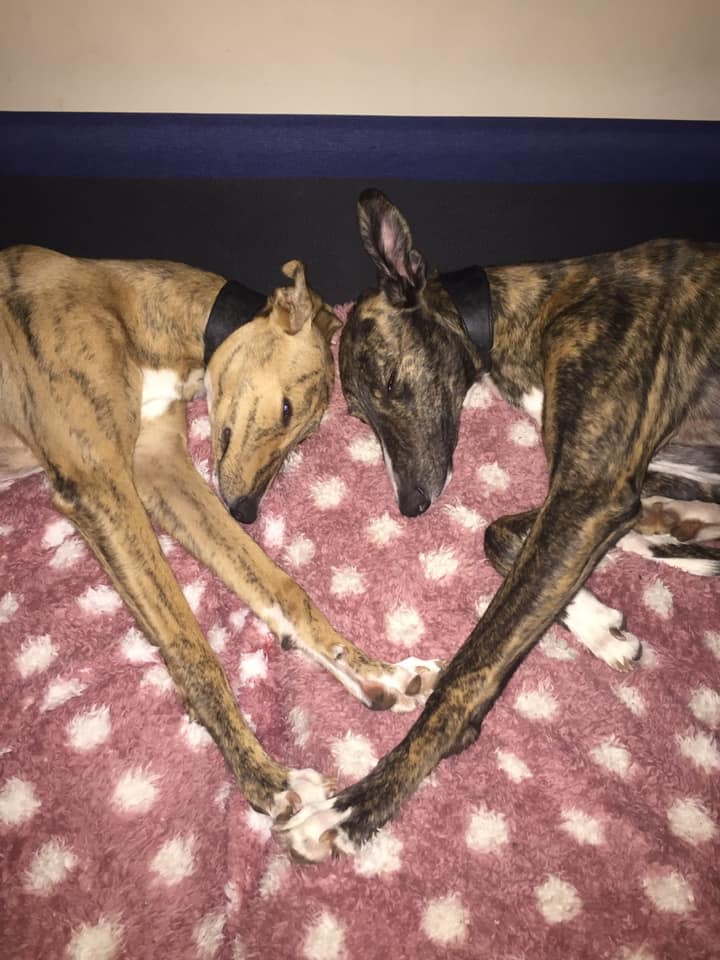
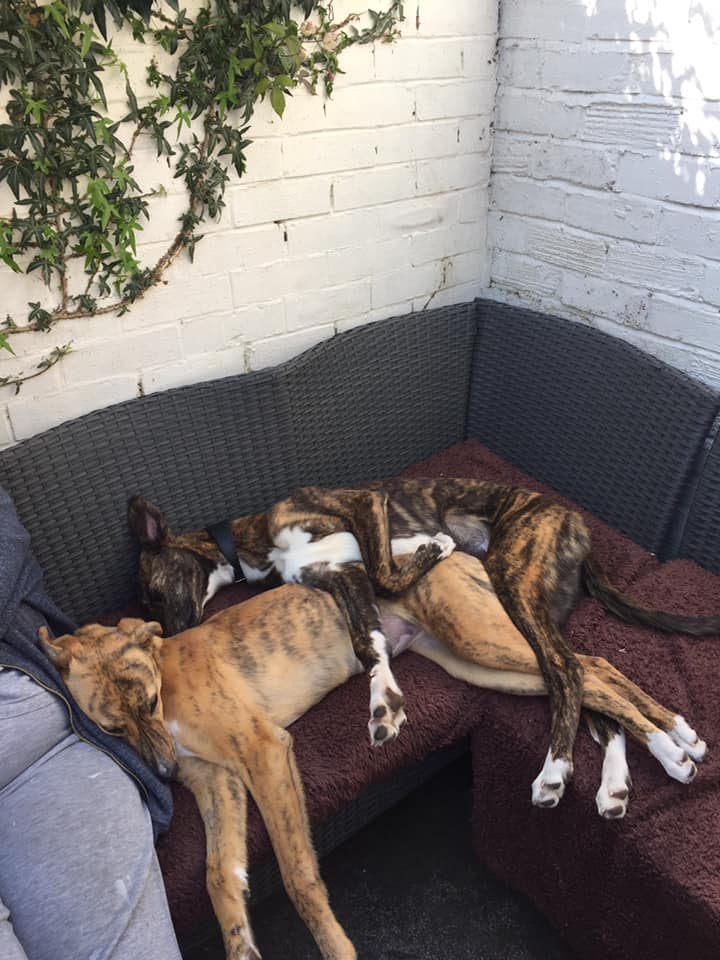
It’s because that day was also when I brought home two rescue lurcher hybrids from a local animal shelter.
Wanted: a new best friend
It wasn’t supposed to happen this quickly.
I’d been looking for a new companion after losing my dog of 16 years the previous December. My family and I took a trip to the local shelter after hearing of eight lurchers — mixed-breed dogs of greyhound and collie or terrier descent — being brought in from Ireland. It took only a few minutes after our arrival before I completely fell in love with not one but two puppies: Archie and Riley.
One thing that became apparent quickly was that they were much more excitable than my previous dog, Mickey. He was a shy border collie, and an accident early on in his life meant he was always a slow walker. These two were Mickey’s opposite.
As soon as Archie and Riley were let out of their cage to run around, it became clear that they were different beasts entirely. There they were, chasing after each other, play-fighting and jumping up at us with abandon. They were wild, and I loved them instantly. We were all certain that we wanted to bring them home with us, but there were a few things to get sorted first. Namely, preparing for the two dogs’ arrival to our home, as well as ensuring our two cats were fully vaccinated. All of this would take a little while, but I was happy to wait for them. We were in no rush.
Then the announcement came just a short time later.
Non-essential businesses, which included the animal shelter, had to close. We were left with a choice: adopt them now or wait for an indeterminate amount of time with no guarantee they’d still be there.
My family exchanged glances quickly, and it was settled. We brought Archie and Riley home with us that day. Dogs in tow, we drove back home, lurching into what would come to be a global pandemic.
Settling in
The first few weeks were chaotic. In addition to our new reality that Covid had sprung upon us all, my family had to learn how to handle two six-month-old lurchers. Not only that, they were used to running around big fields, and now they were suddenly confined to a house and garden with a full family and two cats, who quickly established their dominance via a paw to the face. Things were stressful (and expensive — we lost two smart TVs due to rampaging dogs). There was a point where I began to wonder whether we’d made the right decision bringing both of them into our home.
A few weeks later, however, that all changed.. It became apparent that the lockdown wasn’t going away anytime soon, and I was struggling to find a job after graduating from university. It was, looking back, the worst period of my life, and it came to a head one night in April when I had a panic attack. This was the first attack I’d ever suffered, and it was a genuinely scary experience — right up until Riley jumped up onto the sofa, sat down next to me, and rested her head on my lap. I’m convinced to this day that Riley recognized I was in distress and wanted to comfort me. Any doubts I had about adopting them vanished completely; Archie and Riley were my best friends and were going to be with me forever. That night confirmed it.
As the months went on, Archie and Riley kept me sane. About a year later, upon getting my Covid vaccines, I finally took them both on a big, long walk to thank them for how much they had done for me.
Fast forward to 2025
I’m writing this on their sixth birthday. Looking at Archie and Riley now, fast asleep on the sofa, it’s wild to think I struggled with them all those years ago. They’ve grown into well-behaved, loyal, and lovable companions, and they’ve continued supporting me in their own way. Whether in the middle of moving house, grappling with bereavement, or just stress about life, knowing that they’re there has helped me immensely.
I don’t know how I would have fared the pandemic and onward without Archie and Riley by my side. And I’m really glad I’ll never have to know.
My cat is my dog. Well, he’s a cat, but he acts like a dog because the first year or so of his life, his only exposure to other pets was a dog, so he has dog tendencies. But he’s also my dog, man. Like, ride or die.
Patrick Chaos Meowhomes was born in Redbud Estates, a local community in MHK, on October 7th, 2018 in the early afternoon. I recall the day well. I was less than a year out of my most recent, and hopefully last, institutionalization and my friend had learned that her cat was pregnant with two kittens. I could have the runt.
The day was crisp in the small home I resided in at the time; drafty doors and limited insulation on the roof made living there uncomfortable. It was worse for my friend, who lived in the oldest trailer in an even older park, and the early onset of winter was not kind to her homestead. She asked me for help.
Bringing her a space heater, I had to warm my car and hope the E light on my display was not ominous. By the time I got to her house, her roommates had left for warmer digs for the day. My friend was left alone with her pregnant momma cat.
I said hi and noticed that she was wearing layers. I was not cool leaving her by herself there, but she assured me that the space heater in her bedroom with the door closed would be good for the night before the predicted break of the cold streak. She was more worried about her plethora of pets; including cats, dogs, mice, and boyfriends. But momma cat meowed as if I should get the hell out.
I showed myself out of her place. I said goodbye briefly, as my friend ducked into her room and closed the door. Driving back to mine, I could not help but to think that a space heater was nice and all, but considering her situation, I wasn’t sure if I would be able to even take care of one kitten, let alone a whole litter.
When I pulled into the driveway in the alley behind my place, I received a text announcing that I was now a new cat dad. Within minutes of the installation and usage of said space heater, momma cat had settled into her cubby and given birth. A regular life event. And now, for me, a cat to worry about. Correction: kitten.
While the stories in the last six and a half years centered around this cat are, quite literally, endless and insane on so many different levels, I would merely like to impart my experience concerning pet ownership, most recently about Patrick Meowhomes: pets rule.
Seriously, my cat lives here. I just pay rent. To that end, my best friend is fond of reminding me of that. When I recount in detail an elaborate and altogether unbelievable predicament Patrick created for me or himself or us both – which ends in Patrick cutting my brake cables or some other such thing – my friend is never surprised. My cat is certainly on my watch list.
Watch Patrick prance and play, catch his simple gaze, brush his claws along your palm. Cuddle. Cats, dogs, pets… we do not deserve these beasts in their domestication and we fail in our foolhardy attempts to fight against nature in ways that other animals would never or could never try to. We are lucky to not be alone merely within our shared humanity; we also have our animal companions beside us, and sometimes over us. Even if they do cut our brakes.
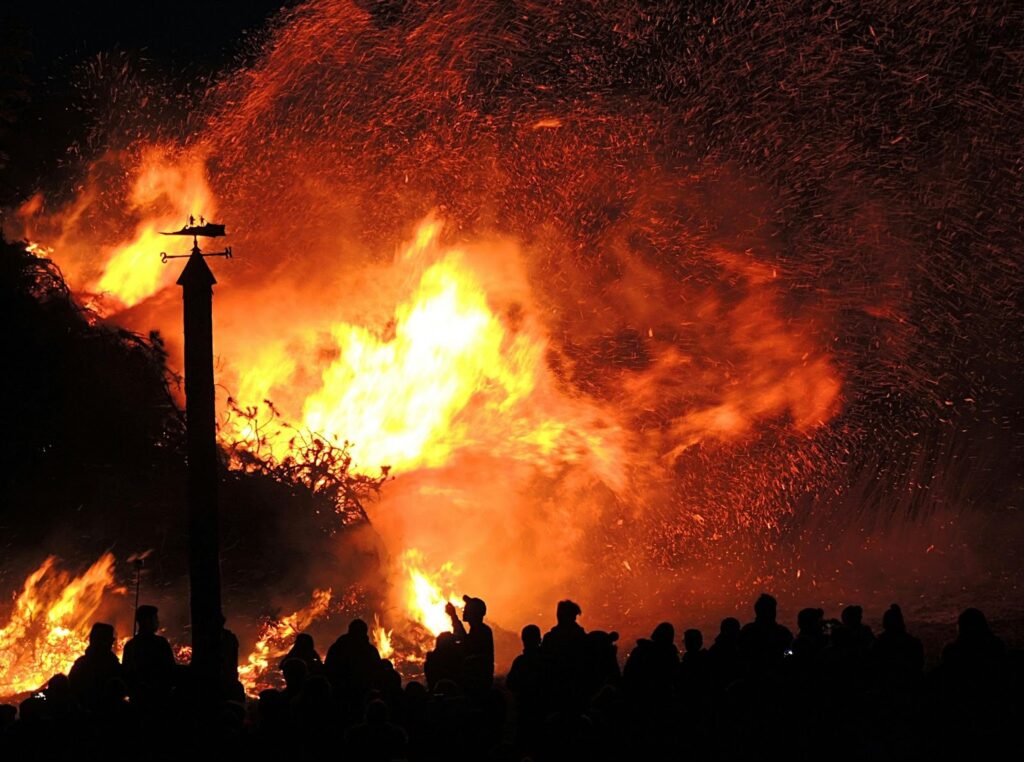
The foreboding he felt was palpable. Bad juju, bad mana – no good vibes here. It was the sheer number of them. The closer he got to the designated site, the more cars there were. Road sides had started to look congested about 4-5 miles back.
By the time Eddie Whelan parked his car, there was no further to travel; it was park up or turn back. The winding, thinning country lanes up to the forest were stocked with cars everywhere he looked. This felt enormous. People had travelled a long ways to be here, from all over the country, and so very many.
Deep autumn right on the cusp of winter, when “the fall” has lost its charm. The first flashes of crispy pastel yellows and oranges dissolved into the sludge of dark mud under foot.
“Shit,” Eddie somewhat gasped as nearly an entire shoe was swallowed by mud. The visibility was dismal. There was clearly some form of glow emanating from the depths of the forest. Mainly, he was guided by a mid-distant hollering and the banter of the revelers way ahead of him.
A brief glance back and Eddie’s car was no longer visible in the gloom of later year night. Nevertheless, he kept moving forward, identifying the pines and conifers ahead with his phone torch. It felt eerie; it felt like it couldn’t be trusted. Time, place, setting – everything was off.
His years in the field had taught him he couldn’t really trust any novel environment – that caution, and an unblinking vigilance, were a necessity. But this was a flavor of feral he hadn’t sensed in a good while, maybe since youth. This was Guy Fawkes Night after all:
“Remember, remember the 5th of November.”
A holiday 400 years in antiquity, a staple of national identity.
“Gunpowder, treason, and plot…”
Counter terrorism before it was named, as King and Parliament saved.
“I see no reason, why gunpowder treason…”
Bring fireworks along, lighting bonfires must be done.
“Should ever be forgot.”
An evening of national pride, community, and fun.
Eddie wiped a drip of snot from the tip of his nose. The assaulting British cold emanated from the forest with every step. The winter to come was making its presence known – wrap up as you will, it’s going for your bones.
Wading deeper into the foreground of ominous pines, Eddie felt his entire back stiffen. This was a hell of a time to be out late… anywhere. He’d watched helplessly in recent months as his waistline and appetite for casual cigarette smoking grew. He thought to himself that maybe his job had never been harder.
Current affairs reporting in the 21st century was seldom uplifting. Journos knew the score, just as the general public did. Negativity, cynicism, and the inflammatory were catnip to news consumers. Yet, this was a bad year.
Britain’s social fabric was hemorrhaging. National identity had gone from being something revised, expanded and growing, decade for decade, to something febrile and dangerous. Forging ahead was rejected while screaming for something long gone was the order of the day. Exactly what it meant to be British had become a nationwide obsession. In many corners, it became a green light for vigilantism and worse.
Eddie could hear voices getting louder up ahead. The silhouettes of tree trunks getting steadily clearer. He couldn’t tell if it was his eyes adjusting to darkness or if he was moving towards light. A sharp crunch echoed nearby. Eddie made a snap glance behind. Nothing. Was he being followed?
Arguably the originators of conservatism, Britain had only in the most recent decades used the word “diversity.” The term Britain had always favored was “tolerance.” Yet it was clear in some parts of the country, this had long since faded. The picture was ugly. Violent white crime remained on a steady upward trajectory. Youth crime circled its perennial numbers. Hate crimes were suspiciously falling out of reporting, circulation, or consideration. Streets had become hairy.
Some areas of the country started setting curfews – the most economically deprived areas; typically those neighboring acute densities of immigrant communities. This, commentators called the British Establishment’s greatest failure since the three-day week. The defeat of it reeked. If you can’t make a better society, then survey, control, and cage it. The headlines were clickbait gold. Their message was societal decay.
IS THE BRITISH POLICE A SPENT FORCE?
SERVE AND PROTECT WHO?
OLD BILL OUT TO PASTURE!
The fuse was lit 6 months prior.
(Image courtesy of Marco Allasio via Pexels)
…
Shrill screaming filled the air. A firework ripped through the sky in a phosphorous tear. A pocket of silence followed before a loud pop of neon green splinters gilded the night sky. Eddie made a slow nervous turn to check behind him. Nothing again. As the airborne metal salts faded, the auburn glow of bonfire swelled ahead of him. At his furthest squint, Eddie could make out people marching towards the blaze. He followed.
The internet being a public space mirrors its real life counterpart: what is unacceptable in broad daylight may well find its private settings, corners, or… forums. Many who gather underground, away from the masses, are easily swayed and influenced by conspiracy and fear-mongering. The results can be disastrous.
Such a disaster imploded in an online forum exclusive to the British Isles. Some snarling, aggrieved, nefarious collection of men had taken it upon themselves to begin surveillance of places of worship and their attendees around their local communities. Blinded by bigotry and fear, they did not see the harassment or encroachment of civil liberties they were committing.
Eddie’s walking slowed when the bonfire was only partially blocked. He was no longer alone. The many, many cars parked up had indeed come to this site for what was an almighty bonfire. He couldn’t make out the entire scale of it because it was… it was as big as a house. And no small house.
Like a snowball rolling down a hill, the more this xenophobic tribe posted, the more the number of posts grew. The more the number of posts swelled, the more fictitious narratives and venomous storytelling were assigned to the innocent parties they preyed upon.
After an escalating 3-month campaign against one such individual, stalked and swatted by a forum frothing from the mouth, one of the very worst hate crimes in the country’s history was committed.
Women were left degraded and on life support. Children, grossly still, with skull fractures and broken bones lay in intensive care. A family and their home marred beyond recognition– all while the father was away and unable to protect. Horrifying, blind hate.
Eddie was no longer alone. A hard slap on the back announced the fact.
“Get in!” barked a scratchy voice leaving a full pudgy face, grinning wildly in giddy solidarity. The reveler marched ahead, unawares Eddie was far from one of his own. Eddie was struck by the heat emanating from the bonfire. This was as much a formidable force as a gathering point. The base of the behemoth bonfire was hardly visible from the dense crowd surrounding. Then, Eddie looked up and stopped walking closer.
…
The intelligence communities, in conjunction with the police, soon found the culprits. Those convicted individuals swore that they knew the truth. They claimed, feverishly, that they had attacked the family of an extremist, a terrorist in waiting, a threat to society. Yet, the intelligence communities found nothing of the sort.
Their “target,” upon interview and background checks of length and depth only intelligence teams could conduct, showed no prior or present links, trails, or anything nefarious to his name. The forum had created a monster that didn’t exist. Innocents lay in hospital beds thanks to imagined enemies – a disaster of both social and epistemic proportions.
Like the blast of a bomb, the harrowing damage rippled further than the site of impact. The perpetrators went in the dock, defiant and convinced of a system trying to suppress their “knowing the truth.” In fact, the sheer lack of evidence against the victim and his family only solidified the convicted individuals’ certainty that they were right to act as they had. Worse still, some corners of the internet and certain tribes of British society celebrated these criminals as martyrs.
When the government concluded its McAndrews Commission Report from the investigation – it was met with muted response. People believed what they believed – many felt that they were receiving the true overview of an evil attack of repugnant racism while others believed it was a government smoke screen avoiding uncomfortable realities.
…
The cacophonous chanting and pervasive roar surrounding Eddie was akin to a football cup final. A crowd in raucous anticipation of a great event. He had hoped his undercover following of the forums would turn out to be a damp squib. He tried not to let his own feelings cloud his expectations, but they must have done so. The enthusiasm of the posting was real, the projected attendance was not understated. The scale of this was intimidating, obscene.
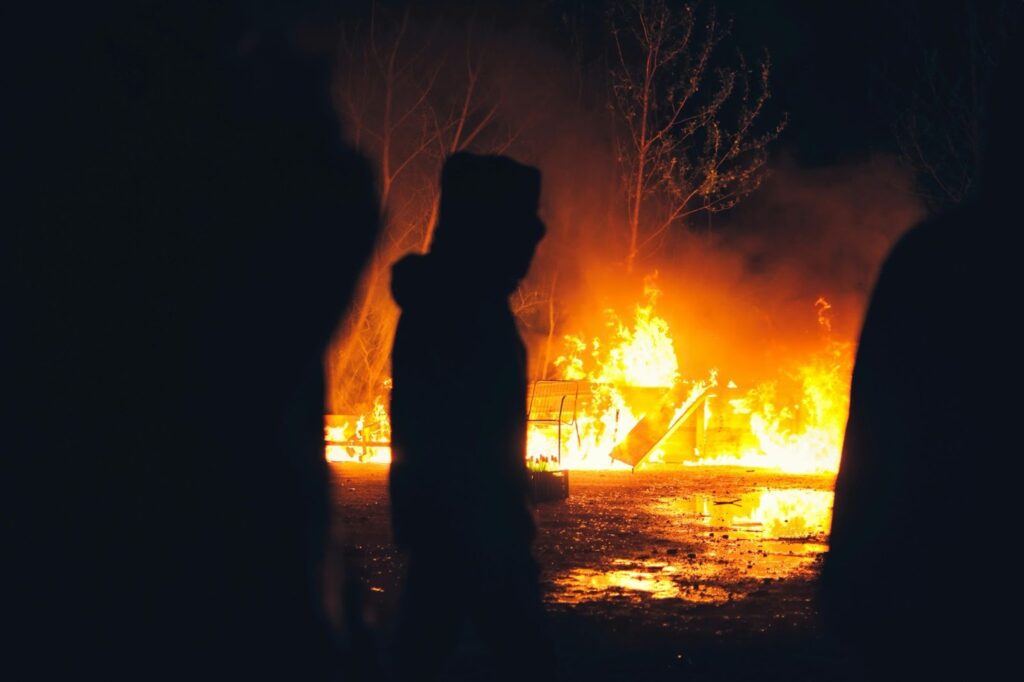
This was a celebration, but one rotten and malignant in nature. Oh, the attendees were citizens, but this wasn’t citizenship. A calendar date to stand against nihilism had been hijacked to salute it. Eddie had craned his neck to look up at the towering effigy slowly catching flame. A giant “Guy Fawkes” wrapped in a huge banner. Printed across the banner: a published family photo of the victims.
Eddie slowly raised his phone, to take photos, to report, to do his job. The shriek of another firework and the heat of the fire felt miles away. His blood ran cold. He was numb – what had his country become.
The English language can be a fickle bastard. It does what it wants and is heavily unregulated. But that’s part of what makes it so interesting.
During my time as an English major, I took a course studying the different aspects of the English language down to minute details such as morphemes, which is a piece of language that cannot be further broken down. I was even tasked with writing phonetically every week in general discussions. When it came to pronunciation and word origins and uses over time, my professor had a go-to answer to explain why we say things a certain way. His explanation was “Because English!”. It was my time during this course that inspired me to write about how we are actively shifting language today. Words like literally, iconic, and legend have become catch all’s for when we don’t really have much to say.
So, allow me to take you on what might be the most iconic and legendary breakdown of modern slang you’ve ever read… literally.
Literally is literally an adverb for opinions now. Literally the funniest thing I’ve ever heard. Literally the best movie. Literally insane. Literally the best news I could get. Literally the worst billionaire ever (this last one might be true). I say literally to emphasize, and so does everyone now. I can’t remember the last time I heard someone use literally in a literal sense. The word has been successfully co-opted by society to not have one true meaning. Any meaningful meaning. And that’s okay in my literal opinion, because language in dialogue is supposed to be informal. Adverbs used in papers, books (not including dialogue), and emails can be seen as lazy, but in conversation and other informal areas of writing, they get a much-deserved pass. Imagine if we all spoke in APA and MLA format — that’s not a world I would ever refer to as iconic.
A friend of mine just used iconic for a reel I sent over. And you know what, I don’t remember the reel. Which means it was literally not iconic. Everything is iconic nowadays. My friend had a hell of a round in a video game we were playing; it was iconic. I made it home a few minutes faster than my maps app said it would take; it was iconic. I wore an all-black suit and green steel-toed boots at my wedding; it was iconic (I literally believe this was iconic though). Like the word literally, we’ve adopted iconic into our everyday language when there are true icons out there. For instance, I don’t watch basketball or golf and have zero interest in either sport, yet I know who Tiger Woods, Michael Jordan, and Larry Bird are. Those are icons. The first moon landing, the Olympics — these are iconic. Breaking the speed limit on my way home is not iconic, it’s stupid, and it’s stupid for me to think otherwise. Literally and iconic have taken their places in the lexicon to a point to where they’ve become, dare I say, legendary.
Legend, or ‘lejund’ as I like to spell it on occasion, has also been inflated in its use. My friends and I often call each other “LEGEND” when one of us makes a joke at the expense of another. I remember getting into working out and seeing literally everyone think they were being iconic by saying “you can’t spell legendary without leg day.” Absurd. It made me cringe when I first saw it on a t-shirt and it still makes me cringe. My ears shudder at the thought of the phrase. We even use legend as a word of praise. I solved the issue with the treadmill at work… legend. I drank twelve beers in one sitting at a friend’s house… legend. I thought to make a reservation ahead of time so we didn’t wait for a table… legend. There’s nothing legendary about any of that. I’m guilty of it, too.
A coworker brought in a box of artisan donuts, so I called them legend. They’re not a legend, they literally didn’t earn the iconic title of legend, but we say it anyway. Because English.
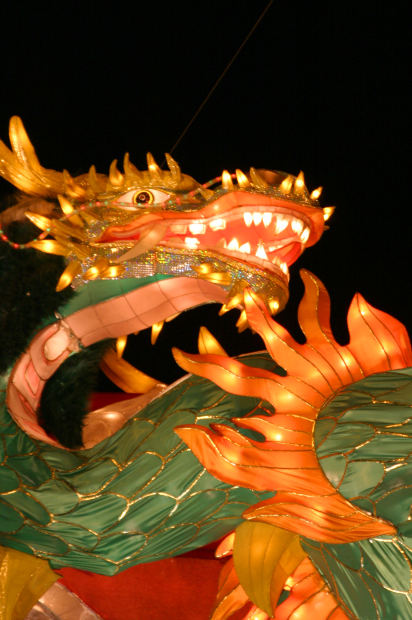
(Image courtesy of Chamomile via Morguefile)
Note: Paper-mâché or not, a dragon is literally an iconic legend — because literally.
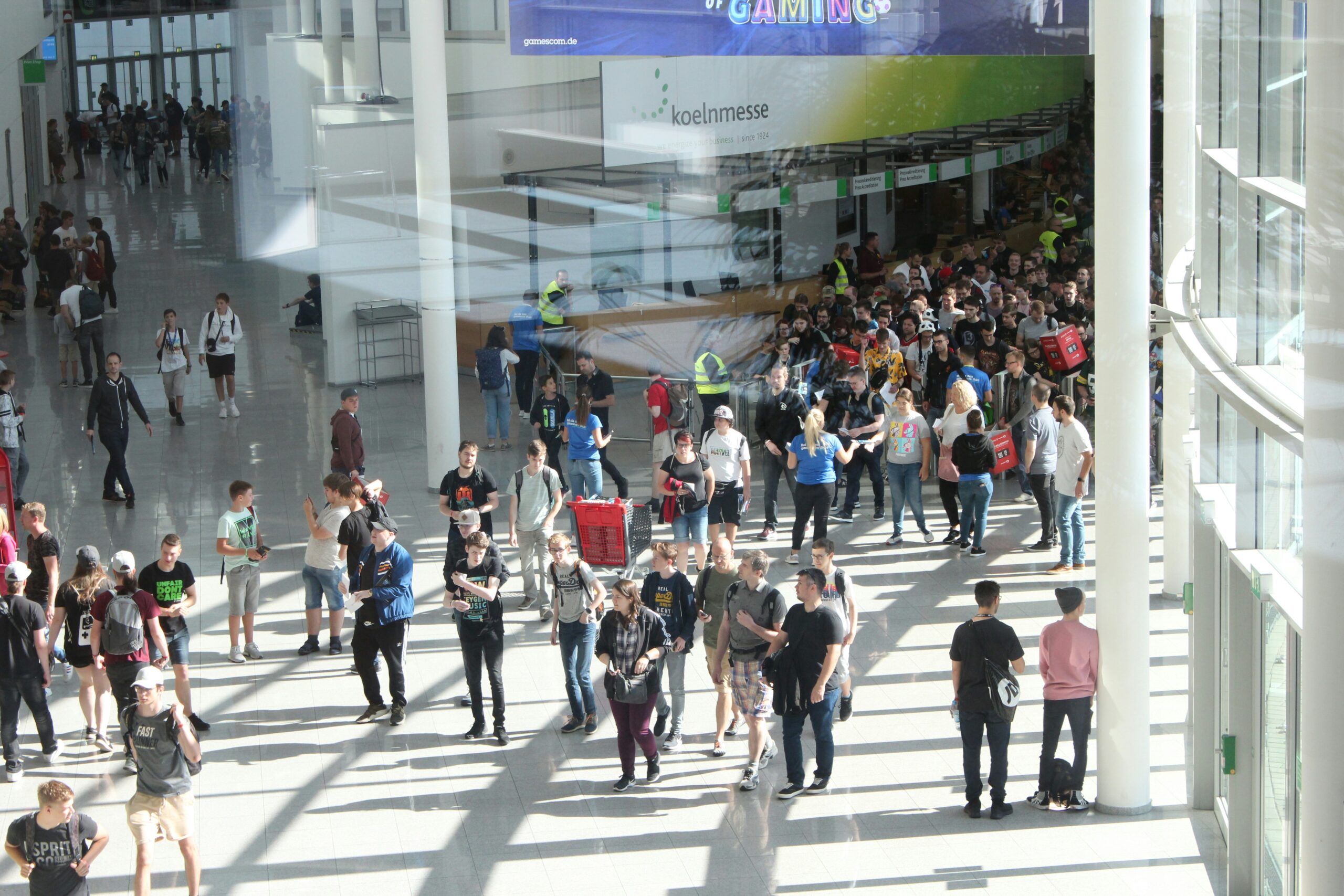
An annual gathering of all things nerdy, geeky, and creative. It’s an opportunity to be around like-minded people who enjoy the things you enjoy. It’s the chance to check out all the exclusive merch that’s going to skyrocket in price as soon as the convention ends. It’s travelling into the city with friends and spending nearly an entire day surrounded by the media you adore. You’ve been waiting for this event for months, and it’s finally here. It’s going to be amazing.
Of course, that is how it’s supposed to be. Unfortunately, reality has a knack for falling short of our expectations. This is especially true when you have extreme social anxiety and choose to attend one of the busiest, most populated events of the year — in one of the largest cities in the world. You tell yourself this time will be different; you’re an adult who has been through plenty of anxiety-inducing social situations. Surely this time you’ll keep your cool, maintain a level head, and fully enjoy everything the convention has to offer.
That’s all well and good until you take your first steps through the doors of the huge convention center, already finding yourself jam-packed between an anime swordsman and a book character you vaguely recognize. Somehow, you’re stuck in a security line that looks like it’ll never end. You have no idea when or how you even got into this line with all of the commotion. The heat is intense and getting hotter as other attendees bump into you, your costume uncomfortably sticking to the sweat spots forming on your back. The crowd of people is never-ending, and there’s nowhere to escape to. You’re not even in the actual convention yet, still waiting to go through security, and that terrified little voice in the back of your mind is screaming at you that it’s time to go.
It’s time to go now.
After an hour of waiting in line, you finally get in. For a brief moment, there’s a reprieve. You go to a panel where the voice actors of your favorite childhood show talk about their experiences and show off upcoming media. You have a chance to sit down during the panel, the strain on your legs becoming more noticeable as they finally get a release. But at least things are calm, and your brain isn’t screaming at you to run for the hills. For the moment, anyway.
As they do, all good things come to an end. The panel concludes, and you’re released back into the unfathomable amount of people able to fit into one building that suddenly feels like a reverse TARDIS: big on the outside, but so much smaller on the inside as you bump into one person after the next. Eventually you get lost, your friends splitting up to check out different panels and exhibits while you struggle to stay afloat, hoping for a Moses-figure to part the sea of people and give you an inch of freedom from the growing static and chaos taking over your mind.
Make it stop, make it stop.
Then, the inevitable happens. You’re having a full-blown panic attack in the middle of a tightly packed convention without a recognizable face in sight. Get out, get out, get out. Despite the roaring in your head, you manage to navigate out of the most crowded zone, stumbling upon a designated “quiet area,” which is only marginally quieter than the cacophony of noise around you, but you’ll take what you can get. You sit down against the wall, your friends catching up with you, making sure you’re okay and giving you time to quiet the pandemonium stirring around your head. Time passes. The roaring quiets.
Once the panic subsides, you feel brave enough to once again enter the crowds. You explore a few more exhibits and panels, your reconvened friend group acting as a shallow barrier against the next panic attack you already feel rising in your body. There are, thankfully, some moments of joy, and you and your friends partake in comic con exclusive activities, walking away with happy memories from the day.
However, even the happiest memories from the convention are tainted by the anguish you endured as your own mind crumbled under the strain of being around too many people. As your friends talk about how much fun they had and what character they should go as next year, you must ask yourself: can you honestly put yourself through this again? Or is it time to accept that you will never thrive in such an extreme social environment?
The village of Oakhaven was very inviting, like a panoramic postcard. The streets were swept to the point of polish, and the windows of tea shops were draped in lace as delicate as a spider’s web. But, if you listened closely, you would notice a preternatural silence. There was no birdsong or local chatter giving life to the streets, as a visitor would expect.
There were no children playing in the squares, no dogs to amble alongside nonexistent horses. Instead, the elderly sat on benches with their hands folded, watching the road. Anticipating something perhaps, anything that would bring back some cheerful bustle to the dreary cobblestone lanes of the country hamlet.
In the center of the square stood the Gilded Ledger. It was a massive, golden pedestal where the “tax” was recorded.
Margaret stood in front of it, holding a single copper coin. “Maggie” was the name she preferred, and her tithe to the Ledger was due. Her register entry was under Lidsfarne, and her family members’ names were all scratched away, leaving her the sole heir of their responsibility to the golden pillar.
It was a hard run for her this year, being a washerwoman. She imagined a better life as a girl, being married to a young trader from the city, where the merchants lived and sold their glittering wares. She could have lived a comfortable life, but the will of Heaven had other plans.
The ones who collected the tithes were known as “Sovereigns;” they kept the “sanctuaries” running and devotedly obeyed the will of Heaven. Every able-bodied man, woman, or child was meant to contribute to the Gilded Ledger to help the Sovereigns run the spires, which kept the sun from dying since the last Sundering.
But Maggie Lidsfarne, last of her kin, was the only healthy young woman left in the village.
She was twenty-two, and for the past six months, she had been the only tenant of her house. Her mother had died in the winter, and her brother had been taken to the sanctuaries a year before.
“Penny for your thoughts, child?”
The voice was soft, like the silken dressing robes she would often wash for some of the Sovereigns. Maggie turned to see a Deacon of the order. He wore a mantle of cream and gold, holding a basket of warm bread. The smell of baked goods, fresh from the oven, warmed Maggie with welcome nostalgia. She remembered how well her mother had baked, and the cakes she made for her brother and her every birthday.
The Deacon didn’t seem like a monster. He reminded her of the father she had lost.
“I’m just… I’m behind on the heating costs,” Maggie whispered. “And the Ledger says my ‘tithe’ is due.” The Deacon sighed with sympathy.
“The tax is a heavy burden for those who walk alone. The Sovereigns need the gold to keep the sun shining and the borders safe. But the Ledger doesn’t just take metal, Maggie. It takes weight.”
He stepped closer, offering her a piece of bread and glancing at the scrawled list of names in the register briefly. “You haven’t spoken to anyone in six months, have you?”
Maggie gazed down at her shoes. The isolation caused a physical ache in her chest. “There’s no one left to talk to.”
“That is the heaviest weight of all,” the Deacon said, his voice dropping to a comforting murmur. “Why keep it? If you come to the sanctuary, we can take that heaviness from you. We can turn the cold silence of your empty house into something beautiful… something that can pay the debt for the whole village.”
He reached out and touched her hand. His skin was unnaturally warm — the heat of a furnace, like when her mother was still around and baking loaves of bannock such as those the Deacon held close.
“Imagine,” he continued, “no more cold nights. No more wondering if anyone remembers your name. In the sanctuary, you shall become part of the very gold that saves us all.”
Maggie looked at the bread, then at the sanctuary shimmering, garishly, upon the hill.
It was an impressive building, with whitewashed walls of plaster and ivory glazed terracotta, crowned by gilded bell-shaped canopies pointing heavenwards. The long spires protruding from their peaks were said to direct the focus of thousands in prayer, preventing the sun from dying.
It was beautiful, glowing with a cold, amber light. Maggie didn’t see the laboratories beneath it. She couldn’t fathom the “unrefined” — those hulking, silent beastmen who moved the heavy machinery in the dark, their eyes filled with the fading memories of their mothers’ faces.
In those spires that pricked the sky, gleaming above her, she saw a way to stop feeling like a ghost.
“Will my brother be there? And my mother, too? Are they praying with everyone else?” she asked.
The Deacon smiled, an expression that didn’t quite reach his eyes. “He is part of the foundation now. He is very important to us. Your mother is, too.”
Maggie took his hand. As they walked toward the hill, the copper coin she had been holding fell to the cobblestones. Its thud was dull, and cold like the sanctuary’s light. The air around them began to thicken, turning slightly grey, as if the world was selling its color to pay for the glow of the Oakhaven Temple above.
Nearby, an old woman on a bench watched them go. She didn’t call out. She didn’t stop them. She simply adjusted her shawl and waited for her own turn to be “noticed” by the men in gold, to be granted a piece of the warm bread, which they baked in their resplendent furnaces.