
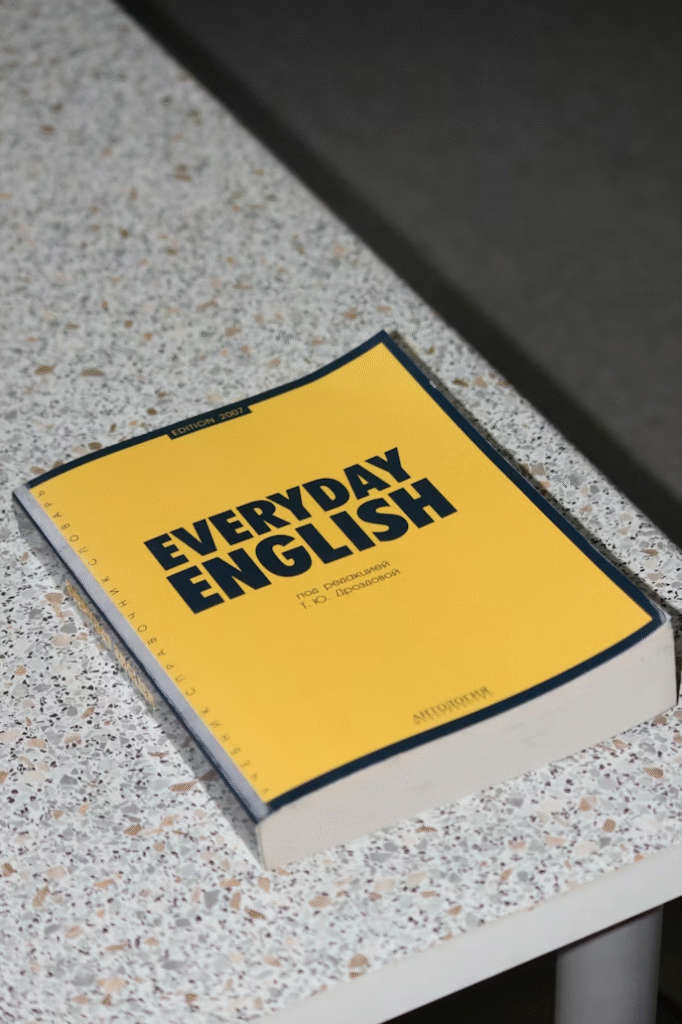
The English language can be a fickle bastard. It does what it wants and is heavily unregulated. But that’s part of what makes it so interesting.
During my time as an English major, I took a course studying the different aspects of the English language down to minute details such as morphemes, which is a piece of language that cannot be further broken down. I was even tasked with writing phonetically every week in general discussions. When it came to pronunciation and word origins and uses over time, my professor had a go-to answer to explain why we say things a certain way. His explanation was “Because English!”. It was my time during this course that inspired me to write about how we are actively shifting language today. Words like literally, iconic, and legend have become catch all’s for when we don’t really have much to say.
So, allow me to take you on what might be the most iconic and legendary breakdown of modern slang you’ve ever read… literally.
Literally is literally an adverb for opinions now. Literally the funniest thing I’ve ever heard. Literally the best movie. Literally insane. Literally the best news I could get. Literally the worst billionaire ever (this last one might be true). I say literally to emphasize, and so does everyone now. I can’t remember the last time I heard someone use literally in a literal sense. The word has been successfully co-opted by society to not have one true meaning. Any meaningful meaning. And that’s okay in my literal opinion, because language in dialogue is supposed to be informal. Adverbs used in papers, books (not including dialogue), and emails can be seen as lazy, but in conversation and other informal areas of writing, they get a much-deserved pass. Imagine if we all spoke in APA and MLA format — that’s not a world I would ever refer to as iconic.



Comments
Be the first to share your thoughts!
We value diverse perspectives and respectful debate.