No Thank You, but Thank You

Are flags red, or are they just reddish?

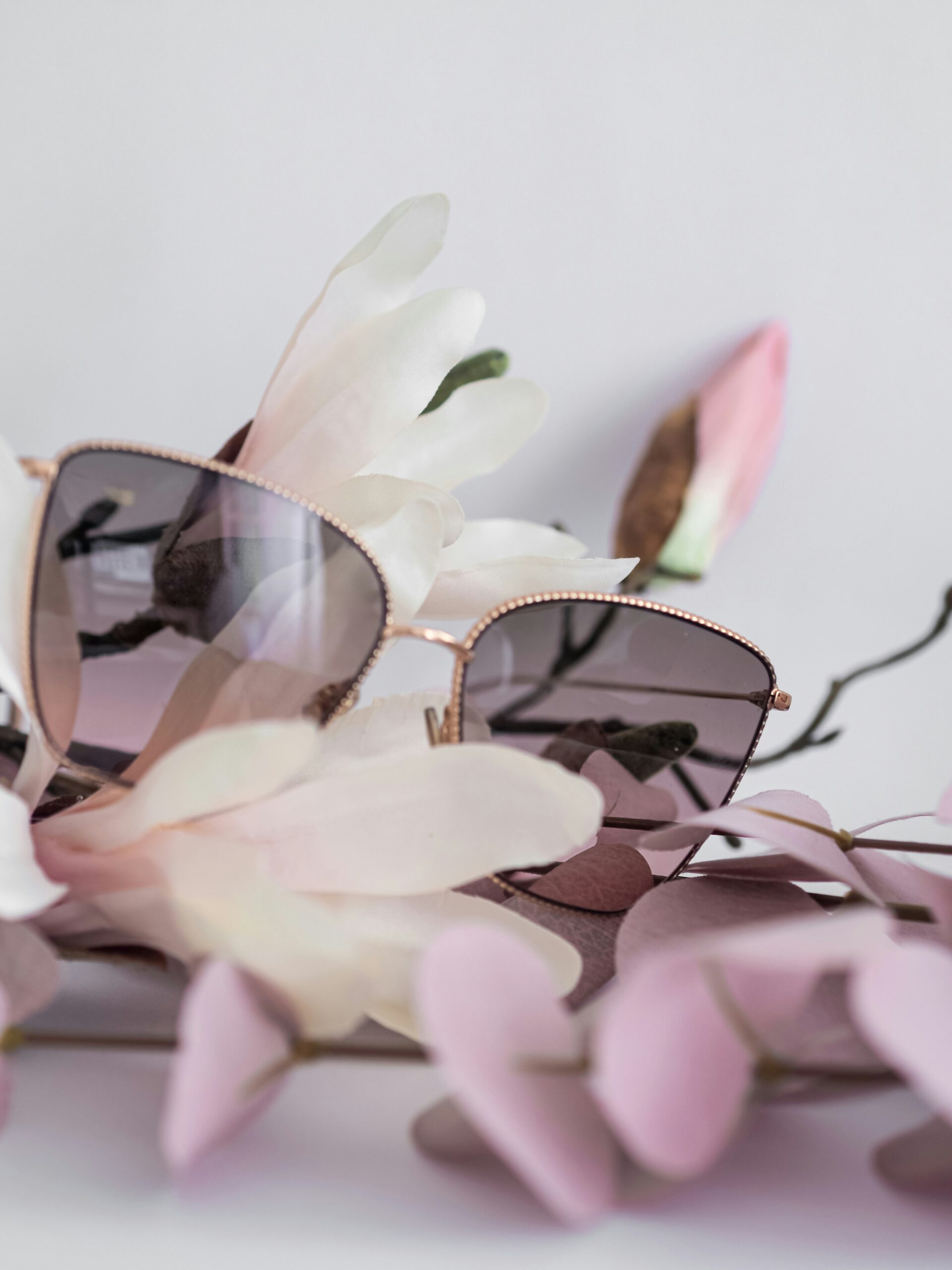
For my first relationship, I feel like, looking back, I wore rose-tinted glasses to hide all the red flags I didn’t want to see. 

I’m sure I’m not the only one who did the same thing when experiencing love for the first time. I was infatuated with the idea that somebody liked me, so I tried hard to make it work, no matter how terrible I felt throughout the latter half of the relationship.

It lasted nearly three and a half years, far longer than it should have, but I don’t regret it, as I learned many lessons. Like what I should expect from my partner, what makes me happy, and most importantly, how to love myself in the ways I needed rather than what I was told.

Initially it felt like I was reaching while he was settling. Along the way, however, I found myself settling, disregarding the beliefs I thought were important to me. Does he respect my feelings? Did my happiness matter? How were his relationships with his family? Did he take accountability for his finances and career? Does our future line up? Did he care about where our relationship was going? Were there more happy tears than sad? Does he smoke too much, drink too much? Why does his room always feel like a game of “The Floor is Lava”?

It didn’t occur to me that my disappointment stemmed from my moral weakness. I thought that since he had more experience, he knew more.

Until he said he wanted me to experience the “broken heart of life, now you should explore what else can hurt you.”

My first heartbreak

I was naive, young, a hopeless romantic, inexperienced. I was many things. But deep down, I knew better. All along, I should’ve known we just weren’t compatible, that I shouldn’t’ve tried to hold on because I didn’t want to start over. I shouldn’t have to put up with somebody who wanted me to “learn what love was” just so he could let me go.

Screw that.

But at the same time, and I truly hate to admit it, he was right.

My first big step

I did need to know what heartbreak felt like, to know that what we had was not ideal. I was tiptoeing around a field akin to a Minesweeper grid toward the end of the round.

The timing of our relationship ending was fortuitous. I ended up moving to a new city, and it felt like a clean start to truly find myself. The old adages of starting over! and rebranding yourself! became a sort of lifestyle for me for the following three years. I learned to love myself.

I threw myself into a new life of meeting new people, trying new things, exploring new places, and taking new risks. It was a truly magical three years of my life. I met so many amazing people and traveled to exciting places with them and on my own. Everywhere I went and everything I did added to me as a single, whole person. I was on my own, and I truly was content and peaceful.
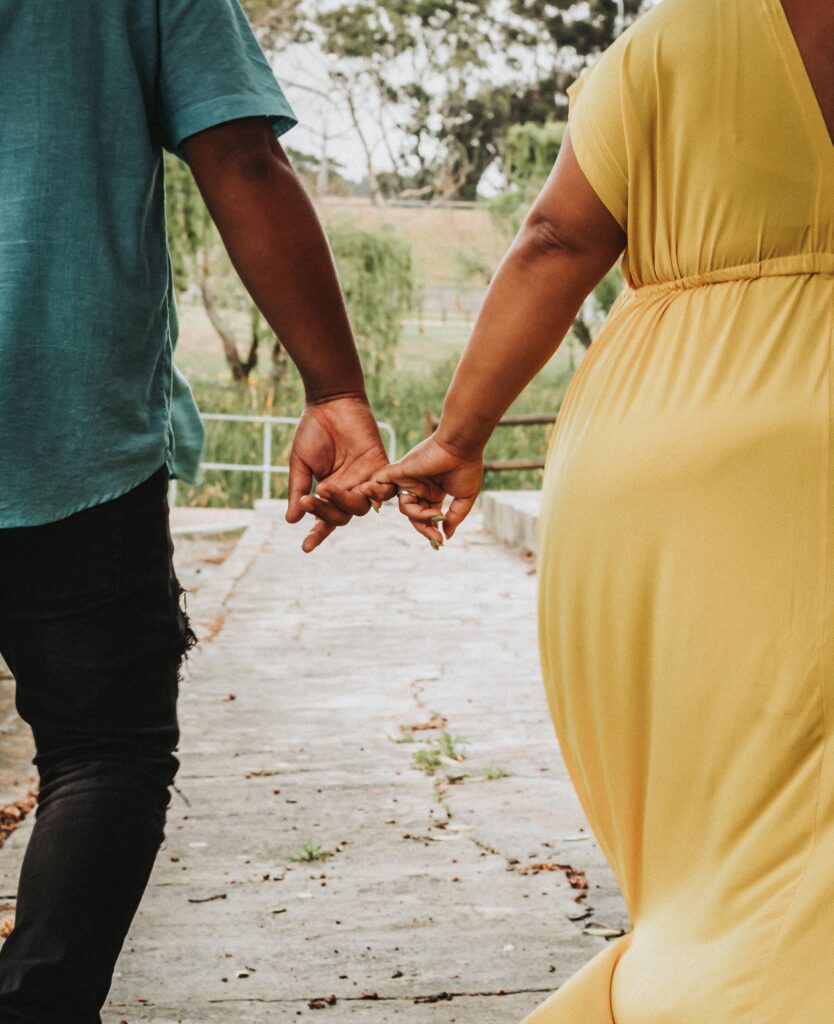
Man and woman holding hands walking down the street, viewed from the back
(Image courtesy of Luwadlin Bosman via Unsplash)

It’s a full-circle moment

Eventually, I found myself ready to start a new relationship, so I began holding myself to higher standards and qualifications — which ultimately led me back to my first relationship.

It’s challenging to find better standards without considering your experiences. So, I thought about him a lot. I thought about how he hurt me, how it felt like my feelings weren’t validated, how it didn’t seem like he was emotionally available, and how I couldn’t picture a lifelong future with him. How much I cried out of sadness alone.

Yes, I still think about him a lot, but it’s because I’m always comparing my current relationship to my past one. I’m happier overall as my feelings, thoughts, emotions, wants, and needs are valued. I get to enjoy activities together with my partner rather than resign myself to doing what my ex had always wanted to do. We have a lot more common interests and travel goals. I’ve definitely cried more happy tears than sad. I’ve found my life partner. Ironically, it was because my ex-boyfriend helped reunite me with an old high school friend I originally had feelings for.

Now, I truly feel happy and blessed. I’ve learned to love myself, and I’ve found somebody who can add to my happiness — not take away from it. We’ve both continued to redefine what we needed in our relationship, what we should look for, and how we can work on our disagreements. 

I’d be lying if I said everything was 100% peaches and cream. But it’s a damn solid 92% in my opinion.

So, thank you for hurting me. It was because of you that I truly became happy.
Just Another Day in a Nigerian Market

The Nigerian marketplace is a potpourri of interesting experiences. Experiences you won’t get or have anywhere else. You want to be cracked up? Head on. You want to be comprehensively angered? Go there. Much more interestingly, you want to be cheerful? That’s the place. 

I have had myriads of funny and not so funny experiences at various markets. 

Namely

Nigerian market people will not hesitate to rename you without due consultation or prior permission. Besides the general ‘Customer’ title even a JJC (“Johnny Just Come,” any newcomer) can earn on the very first market visit, there are tons of other names like Sister, Aunty, Mummy, and Fine Girl. Plus the ones that depend on your complexion or appearance like Oyinbo (my color) or Akowe (my wife). Funny. 

Hilarious

These people are hilarious. I remember that time a guy was calling me over “Bola!” while adding “Agidi e yi naa ni/ke dai bakya ji” (This stubbornness of yours is the problem). And I was like, “E ma gba ma mi ke/keda wa kuma?” (You and who else?). 

Let me tell you off

One – these market people sometimes feel they’ve earned the right to lecture you and advise you on societal vices and virtues. I can’t forget a recent experience at a food market so easily. I had priced a tube of tomato paste and inquired if the other type of the same brand was the same price. The woman turned to pick a nylon bag or something and I picked up the tube to give her, only for her to turn back, see the one I’d picked and scolding me like, “She iyen le mu tele me enh? Se iyen le bere tele. E je ma ni itelorun/wannan kika taya? ki bar ruwan ido” (What did you think, isn’t it that one you priced before? You better be content, yada yada/da sauransu/et cetera). “Ah ah, what’s that?” in an angry voice. I simply dropped it and walked off while she ran on. 

Two – I went to another vendor to buy something else and since they gave me an unfavorable price, I began to walk off. She was like, “Answer now, how much will you pay, Aunty Dada, hajjaju? Answer now!” Really? I came back angry with “Aunty Dada, Hajjaju? Aunty Dada? Rele/Da kyau/Peacefully?” 

Three – okay my dressy hair is all packed up in semi-twists and twist outs, so what? And what with me trying to find my way in the dense traffic of the market, some woman snapped, “Iya Gomina’ e he ka koja.!/Maman gwamna bamu wuri mu wuce!” (Wait, is today a disrespectful-people-only market day? Governor’s mother! Please let us pass.) 

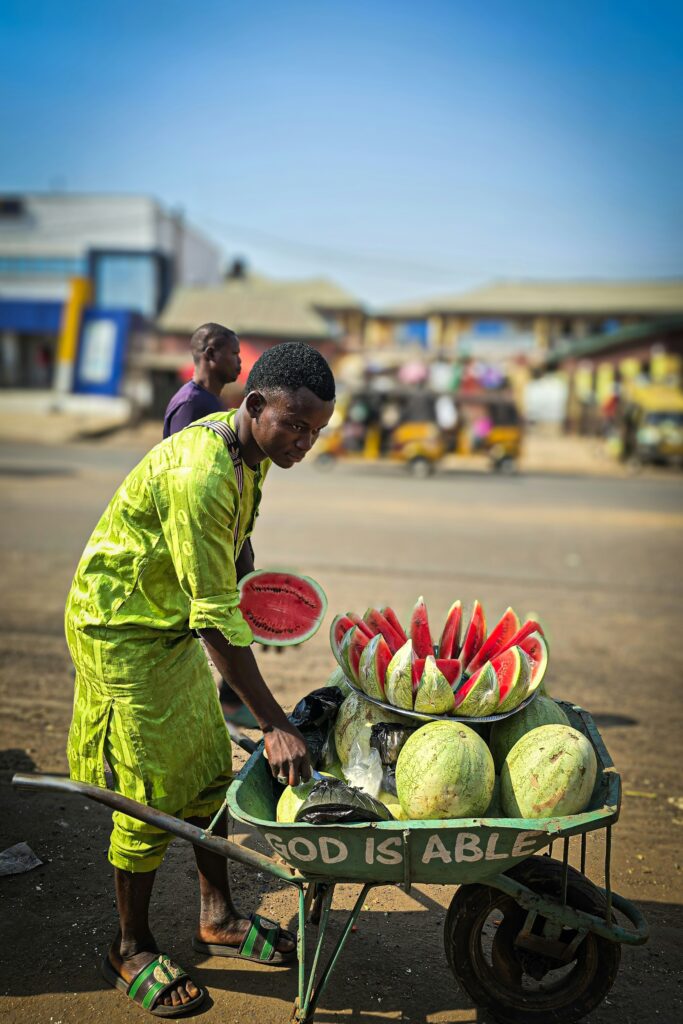
Nigerian vendor slicing watermelon into a rose in his wheelbarrow, labeled  “God is able”
(Image courtesy of Tunde Buremo via Unsplash)

Let me bless you

But then the marketplace can also be an interesting place. It’s where you get to laugh at some overzealous retailer yabbing another, where barrow men keep yelling at you to get out of the way, where you can be emotionally blackmailed into a budget deficit. 

And where the same market men and women with the same mouth with which they tell you eight cups is a kongo — a standard measurement homemakers already know — also earnestly ply you with hackneyed prayer points after a pedestrian preacher. 

And oh, the bright smile you elicit when you quip in Hausa, “Maka gini?/A dalilin me?” (For what reason?) to a Hausa woman like me, the triumphant glow on the face of the seller who’s managed to hijack you into her stall out of several vendors hailing you to stop by theirs… The funny manner in which loudspeakers describe a non-existent problem with your own health to you and how their omnipotent product has been made just for you… The reminder that there are still honest people “In Nigeria!” by a seller who calls you back for your change as you walk away absentmindedly. 

I bet you have one or two interesting stories to tell, too, about open-air markets.

In other news, I am doing a One-Fruit-Daily-Challenge this month. I started with watermelon yesterday, and today it’s oranges. But we’ll talk about that later okay? Wink. Bye!

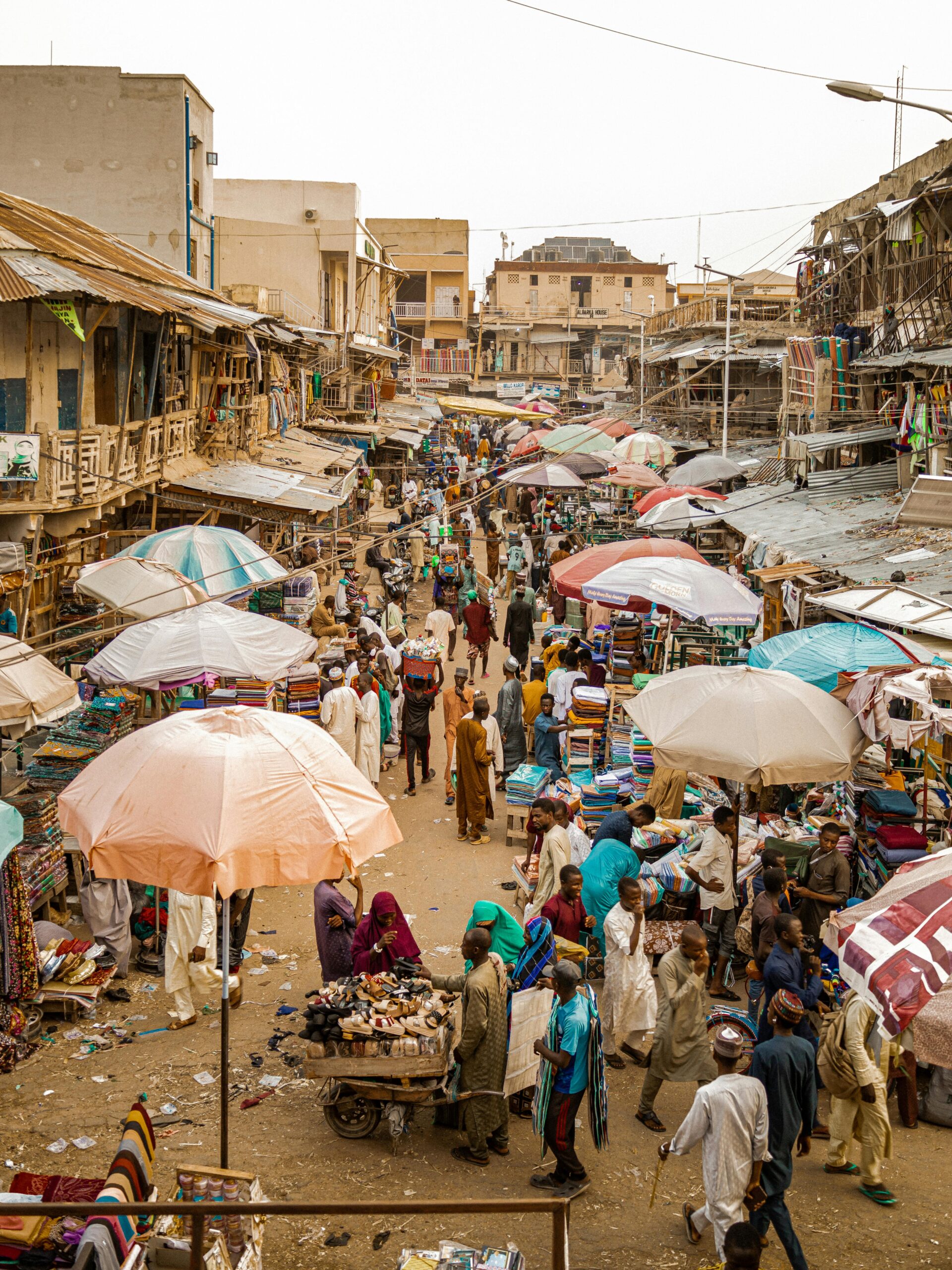
Crowded outdoor marketplace in plaza of shoppers and vendors
(Image courtesy of Tope J. Asokere via Unsplash)

Bombs Go “TikTok”

Frank was a 24-year-old graphic designer hailing from Nairobi’s Eastlands, juggling freelance gigs and dreams of launching his own studio. His life was a combination of late-night Photoshop sessions, matatu commutes, and weekend football with friends in one of the Eastlands playing grounds. TikTok was his escape—a place to share skits and animations under the username of @hei.sfrankie. With 700 followers, mostly friends and a few fans he had gathered over time, he posted for fun, not fame. It all blew up one Saturday evening.

Burnt out from a client’s endless revisions on a recent project, Frank filmed a quick video in his cramped bedsitter. Wearing a faded Arsenal jersey, he parodied Nairobi’s hustle: “POV: You’re pitching a design to a client who wants to ‘make it pop’ but only pays in exposure.” He acted out a dramatic client call, complete with exaggerated eye-rolls and a mock faint, set to a trending TikTok beat. Frank captioned the short video, “#HustlerLifeKE #NairobiStruggles,” uploaded it, and crashed.

By morning, his phone was a mess. Likes surged past 3,000, then 30,000. Comments sped across the screen as viewers commiserated. “This is EVERY freelancer!” “Tag my boss!” Friends blasted it across WhatsApp; strangers dueted the clip with their own hustle stories. Views hit 250,000 by noon. A local blog ran a headline: “Nairobi Designer’s TikTok Nails Freelance Woes.” Influencers started reposting it, pushing views past three million. Frank’s followers soared from 15,000 to 150,000 in just a few days.

The rush was electric. Frank dove in, posting skits about matatu Wi-Fi scams, the mugging business within the dark corridors of the city, and animating Nairobi’s skyline with quirky effects. Each video exploded, with some reaching 20 million views. Brands flooded his DMs; a tech startup offered 60,000 Kenyan Shillings for a gadget ad, a streetwear brand sent free hoodies for corresponding promo videos. He quit freelancing and bought a ring light, a used MacBook, and a better phone. His bio changed from a mere content creator to a professional digital creator. Invites poured in—art events, influencer meetups at Two Rivers Mall. Strangers at Java House whispered, “That’s hei.sfrankie.” Fame felt like a rocket, but that high crashed hard. 

TikTok’s algorithm was a beast — post daily or fade into the crowded world of reels that were anything but real. Frank’s days became a grind; the professional world wasn’t going easy on him: brainstorm at dawn, film in borrowed spaces, sometimes on the streets, and edit till 3 AM. Sleep was a memory — he lived on cold coffee and buns. But Frank also wasn’t going to give up that easily. This was a far better profession than being in an environment where he was always watching out for his supervisor. Here, he could do his work without any other third-party pressuring him. It was only his clients and him.

However, when things seemed to be moving well, and the algorithm had really realized his craft, a very unfortunate event happened. One time, he had posted a video advertising a scammer company. Well, at least he did not know it was a fraudulent company until his clients, some of whom were his followers, raised an alarm of being conned by the very company he had posted a sponsored AD for in his latest TikTok video. Negative comments oozed, most of which blamed him for leading people into a con. Frank tried to laugh it off, but the hate clung like damp air. Privacy vanished. A fan spotted him while shopping at his estate’s shop and leaked his address. Brands stopped endorsing him. A phone company withdrew an endorsement worth a hundred grand for a promo of the newly launched model of an Android phone.

Then, engagement dipped. Frank hid his stress, publicly lying about his bank balance. Burnout consumed him. His appetite also seemed to be in jeopardy. His weight dropped; his dreads dulled. Endless insomnia kicked in hard as Frank was haunted by internet trolls and the rapid loss of followers. Clearly, things were getting out of hand, and he had to do something quickly before everything spiraled further. Like many influencers before him who had undergone the same ordeal, going live in a bid to try to explain the current situation to his loyal remaining fans was the only option.

Unlike the usual live broadcasts where a creator talks with their audience directly, Frank decided to do it differently. He wanted to resolve everything with a skit of how people were being taken advantage of on social media, especially upcoming artists and creators. Suddenly, in the middle of the skit, panic struck. Heart racing, hands trembling, he choked, “I’m drowning.” He cracked while filming. Tears fell. The chat was split in their support and venom: “Clout crying,” “Overrated,” alongside “We got you, Frankie.” Frank ended the live video, collapsing on set while his crew rescued him.

The moment of truth and realization had finally struck. Viral fame wasn’t a throne; it was a cage. The money, however vast and consistent, unlike an employer’s salary, bought only glaring ring lights and flashing cameras, not joy of any kind. Frank missed creating for passion, not likes. This is when he decided to start creating with his hands what he felt was burning inside him. He decided to start expressing for both his art and himself, not for unknown, insatiable consumers who would not appreciate his flaws whenever they occurred. Frank began focusing on his vision of having his own studio where he would create whatever he wanted and display it proudly.

He logged off for about two months, but of course, the spirit of digital creating hadn’t really left him. He planned a comeback, but this time he would do things differently — he shifted gears — posting three times weekly, blocking haters, and ignoring statistics. He started showcasing his talent for design on his platforms, which attracted new positive and passion-aligned followers. He even got a partnership with the city’s gallery center to help him showcase his art. Support started coming his way, and eventually, his vision of having his own art exhibition center materialized.

Sudden fame had thrust Frank into a storm of hype and pressure — doubt, isolation, and the grueling chase to remain relevant to strangers on the internet. But stepping back, reminding himself of who he was and what his art stood for, he found his spark once more. Fame wasn’t the goal; purpose was. In Nairobi’s pulsing streets, Frank created again—not for the algorithm, but for his art and the studio he had started, honestly and earnestly.

Custard Power!

A couple years ago, I found myself in a London bar I knew was one of Camden’s primary independent music venues. And without trying to sound pretentious and cool, I had just come off stage after performing. 

Anyway, this isn’t about me. Well, it is, but not like that….

While waiting for my third overpriced margarita, I found myself in conversation with a stranger. I don’t know what got us onto it, but we were talking about imagery from childhood that stays with us. I don’t remember his; it must’ve been boring or unrelatable or, as I suspect, both. But I offered up two examples of my own: medicine and cake. 

The “spoonful of sugar” scene from the original film of Mary Poppins, 1964, is etched on my neural pathways like an engraving on a trophy. It’s the way the medicine looks on the spoon held out by Julie Andrews. The way the light catches its translucent red and reflects it off the silver. To this day, anytime I see a candle through a glass of cabernet or the evening sunshine through a church window, it takes me back to that formative cinematic moment. At some point in time, I drew a parallel between that scene and my other archetypal childhood image: school cake and custard. 

If you’re British, you’ll know — you know?

The custard in question

White sheet cake, sprinkles, hot pink custard. PINK CUSTARD. Custard that was PINK. Custard with the hue of the Pink Panther’s hindquarters. Custard the color of Mr. Potato Head’s ears. This pink custard was served to us by school cooks who looked like the cook from the Banks’s household in the aforementioned film — some time before school dinners were outsourced to a private third-party corporation, like everything else seems to be these days, and before Jamie Oliver intervened to save all of our cardiovascular systems.  

“How do you think they get the pink in this custard?”

“Dunno, red sugar? Like Mary Poppins?” 

That was our best guess. We were kids. It didn’t really matter anyway. As our little school ties flapped in the custardy and crumby remnants in the bottom of our bowls, we knew that we were being looked after, and being looked after tasted GOOD!

I wonder if, like many fond memories held in the fallible machine that is the human brain, my mind gives too much rose-tinted credit to those school cooks with their rose-tinted cheeks and their rose-tinted custard. I’ve reason to believe it was made using instant custard powder. And there’s nothing wrong with that, especially when cooking en masse. But, when I feel overwhelmed in adulthood — or indeed by it — be it with the state of the world or just my own being, I take great comfort in making custard from scratch. 

Dare I say it, I’m becoming known for it. 

Returning to the custard at hand

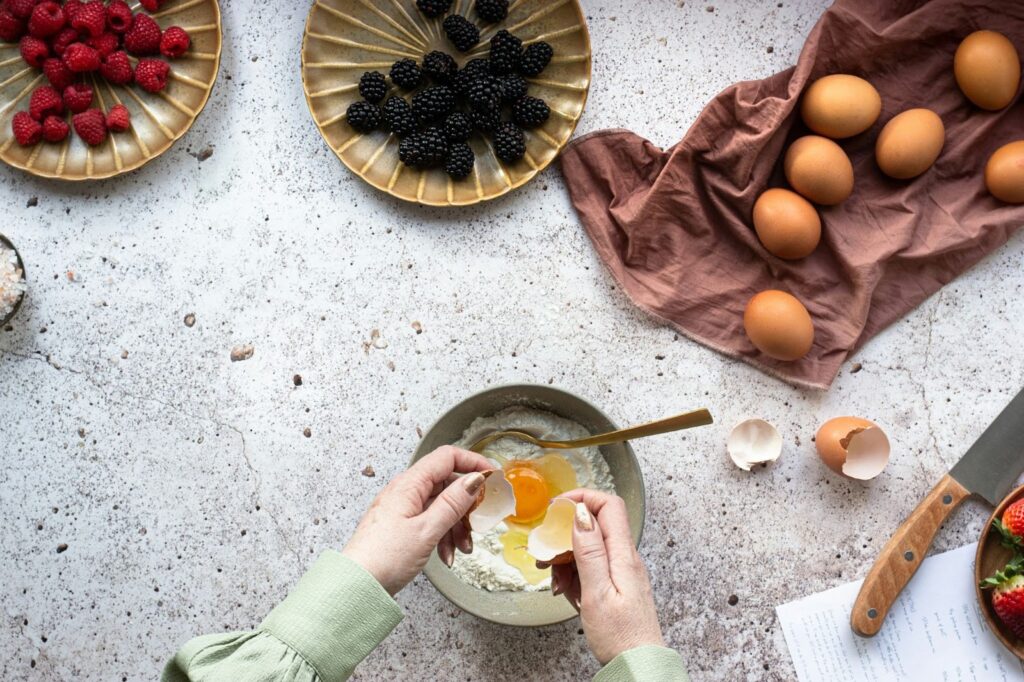
Woman cracking an egg into a bowl of sugar, surrounded by raspberries and blackberries on plates, as well as more eggs
(Image courtesy of Micheile Henderson on Unsplash)

Egg yolks. Sugar. Milk. Cream. Cornflour (Cornstarch). Vanilla. A couple of bowls, a whisk and spoon, a pan, and a flame. 

Which is my favorite part? It might be the way that beating the eggs with the sugar serves as a stress reliever for the modern man. It might be the test of patience as I await the milk and cream to warm one another in their enveloping embrace or the virtuous passivity in allowing it to happen, intervening only to prevent the full boiling point. Or the concentration of the pour — the hot liquid over the whisked yolks, gently enough not to scramble, confident enough not to spill. Or the absolute trust that tipping the whole affair back into the pan won’t scorch it to hell. Or the way the wooden spoon’s charted course through the steam is met with increasing resistance as the waves of mixture gradually thicken and settle to a horizon with every soothing figure-eight stir. 

In the pink

I don’t put the PINK in. As I say, I don’t know how. Some mysteries are best left unsolved. Just like a spoonful of sugar makes the medicine go down, a spoonful of custard is a meditation as powerful as any experience I had in India. Time seems to stop, and I can’t help but be present. As I turn off the heat and transfer my newfound treasure to a jug, I feel like a prospector who’s struck gold, again.

Just not pink gold. Not this time.

Couplet: In Our Garden, In the East

(Editor’s note: As a pair, these poems explore a tenuous relationship through garden imagery.)
. . .
In Our Garden

Father razed our treehouse.
And the barn filled with spider webs.
The manure pile (perfumed flower food)
Produced climbing shoots.
One by one, friends sank down,
Swallowed by indifferent earth,
Turned into complacent dirt
That blackens hands and feet.
This soil, our shared identity—
Torn by trowel and hoe and spade
Cleaving “we” into
You and me, separating one root-set
Into two entities—
Here, we’ll cultivate our garden.

In the East

We weed our garden
With calloused hands;
Digging in dirt that
Has often drunk
Blood.

Silent sometimes,
Or with biting words
We beg our plants
To grow, and curse when
They don’t.

The raspberries
Strangle each other—
At my rebuke,
They bite. You weep and
My teeth gnash.
The corn turns pale
From lack of water;
The fig tree bears
Bad fruit. Who will cut
It down? You? Me?

If I throw my
Shovel to the earth
Would you cast away
Your hoe, and amble
Out the garden gate?

I look to the sky,
And plead with him,
Lips chapped, eyes scorched,
“Lord, please send us
Rain.”

So… How’s Your Horse, Then?

Making comparisons

Sometimes, when I think back on my own experiences, I turn up a severe lack of stories to tell other people. This becomes especially bad in public scenarios when I’m meeting strangers or trying to enliven a friendly discussion. In fairness, I’ve always leaned more towards being a listener and have grown comfortable with that quiet reservation over the years. Still, it’s often difficult not to compare myself to others when I hear the vibrant and fascinating stories they share from their own perspectives. Is my life just too… ordinary? Have I not made the most of my time? Questions like these have nagged me for far too long… but the solution isn’t exactly what I might have thought.

How we tell stories

Truthfully, in the course of a single day, I think anyone could spawn at least a dozen stories. We can draw narratives from anything; a good story doesn’t necessarily need to be grounded in a complex anecdote – they could generate from unexpected disruptions to your routine, funny lines quoted by family or friends, or even just your own meandering thoughts. The problem lies in unlocking the confidence to share these tales and dispelling the fear of judgement.

Certainly, one person’s adventure of cleaning the dishes with a brand new sponge may not seem as interesting as another’s odyssey around the world on a cruise. As such, the former story may be discarded – nobody would be interested, especially not after that amazing story of the cruise. The conversation’s moved on. But let’s be honest here – our lives are operating at different velocities. It’s not possible to constantly match the intensity of the stories around you; it’s entirely possible that you will naturally become the most interesting person in the room further down the line. In the meantime, do the best with what you have. It’s important to remember this:

The best stories come from the best storytellers. That’s all there is to it.

Crafting confidence

Dialogue will only leap off a page if there are two competent actors with enough chemistry to discover nuance between the lines. Deadpan humour relies solely on the rhythm and timbre of speech for its own success, utilising pauses for expectation and sardonic dryness for emphasis. If you can deliver a story with confidence and character, then even the most banal situation can be turned into heartfelt wisdom or uproarious comedy. 

Understanding all of this, I started to realise the stories I was hearing weren’t so sensational after all – most of them were very ordinary, much like the ideas I wanted to share around. The only difference was confidence.

You really don’t have to look very far for inspiration. There’s a couple of stories from my childhood that I’ll milk until the end of time – especially the horse story. 

A very sick horse

Once in a while, there may come a day when you say something so unexpected so perfectly and are thus forced to be the butt of an inside joke for the rest of your years (credit to my mum for her fantastic retelling of this one). When I was much younger, probably around eight or nine, I struggled in mixed company. I found it very difficult to join into adult conversations without clamming up – much like the doubts I’ve experienced recently, driven up to eleven.

Fortunately, I was very conscious of this and approached my mum for help. “I want to chat,” I said one night, yearning to dispel some of this awkwardness.

“That’s great,” she replied. “I’ll tell you what: Auntie Julie’s coming round for a film night later and before that, we’ll be having dinner in the kitchen. Why don’t you try asking her some questions? That’s the best thing you can do – show you’re interested in other people, ask questions, and let them do the talking.”

Great advice, I tried to tell myself. Julie had been one of my parents’ best friends and a familiar face to me for many years. Still, the idea of exercise was giving me the heebie jeebies. “What am I supposed to talk about? I don’t know what to ask her.”

“It could be anything! How about this – Julie’s horse has been really poorly recently. You remember she owns horses? Why don’t you ask about that?”

With my question cemented, dinner rolls around. Julie and Mum are chatting actively and I’ve retreated into my silent cocoon, laser-focused on practicing this question in my mind. There’s no one in the house aside from us three – no escape.

Eventually, the conversation draws to a lull. I know I’ll never get a better chance. I glance over at Mum with a look of pure terror, who gives an encouraging nod.

Something changes within me. A different person takes over my body. I draw my shoulders back, puff out my chest, take a deep breath… Then I lean very slowly over the table, draping my arm next to Julie’s and ask, in the most unknowingly seductive and mock-confident voice possible…

“So… how’s your horse, then?”

Instantly quotable

At only eight years old, I’d given one of the best chat-up lines in history to a woman five times my age. To Julie’s credit, she answered the question very sensibly, walking me through her horse’s sickness and how she’d been taking care of them. And that was that! Mission complete. I’d conquered my fears and Mum decided shortly afterwards that I could be excused from the table. It was only years later that they regaled how much my delivery made them cry with suppressed laughter the instant I left the room.

To this day, we still quote the horse question at various gatherings. It’s a fantastic anecdote to retell as there’s so much room to heighten the punchline – vocal inflection, pauses, the long lean over the table… Intense eye-contact, maybe. It keeps changing. The point is, find those stories from your childhood or recent past that have strong emotional or comedic beats and discover ways to structure your retelling of them. One well-practiced story can take you very far.

Exaggeration can be a powerful tool if utilised in moderation. Not everything has to be weighted in truth – only the essential beats. A small white lie can add a lot of colour to a story, as my mum is painfully aware.

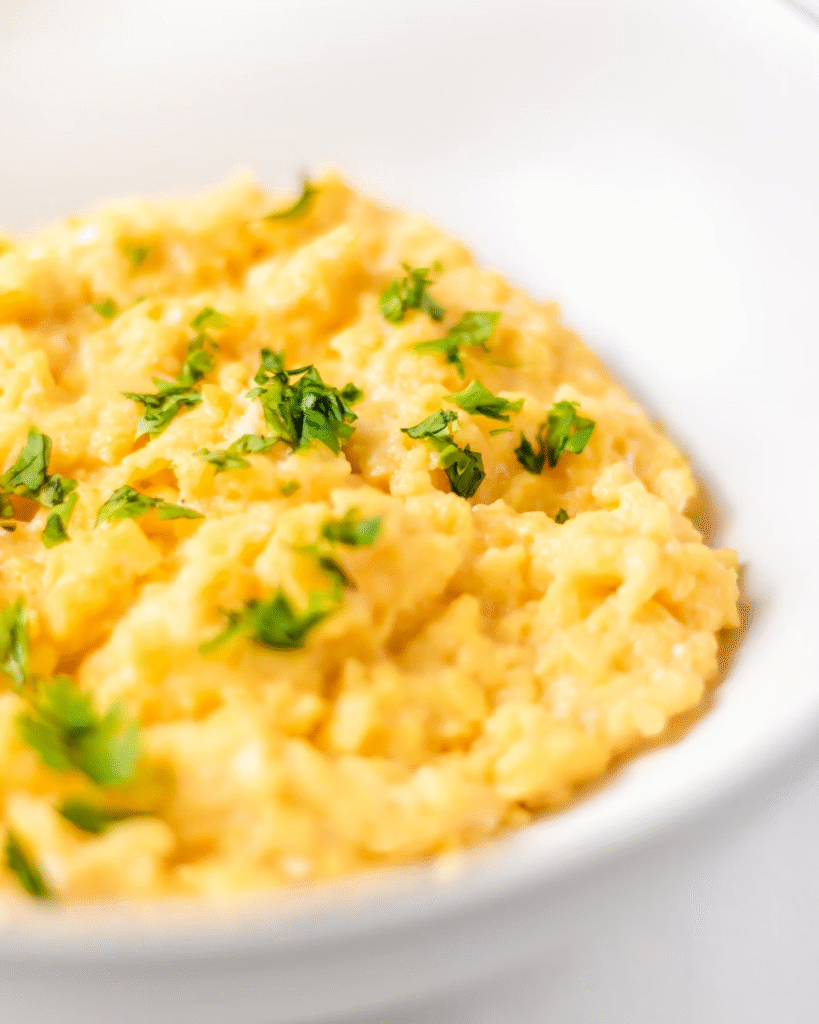
A close-up shot of a bowl of scrambled eggs adorned with fresh herbs.
(Image courtesy of imad 786 via Unsplash)

Target practice

An example of such colour can be found in a story from my infancy. As a baby, I would go crazy for eggs. I had this gormless smile on my face whenever I was fed them. Trouble was, I was also allergic to them (this is a very common problem for babies when their bodies can’t process the proteins and treat them as invasive and harmful). Within minutes of eating, there would be projectile vomit. Guaranteed. It was like clockwork.

We saw a doctor a couple of times and he assured my mum this was very natural. He advised trying to feed me bits of egg every now and then until the allergy dissipated – that was all we could do, really. So, as per his advice, Mum occasionally fed me a tiny spot of French toast (or eggy bread, as we always called it) and started her preparations. She’d pick me up, cradling me over her arm so as not to restrict my gut, open the back door, position me over the grass and wait. Eventually, she’d feel my stomach starting to rumble and prepare herself as a typhoon erupted from my throat. Typically, it was over in two short blasts. I was nothing if not efficient.

This is not the version of the story I recount. I’ve… embellished a few details. In my version, Mum is more of a sadistic opportunist. She’d feed me the eggs, then set up a bunch of standing targets in the garden. Following this, she’d grab me by the back of my thighs, equipping me like a Gatling gun, stand on the step of the back door and absolutely go to town. If I started running low, she’d feed me further bits of egg to reload the system and carry on spewing. A nightmarish vision, obscenely exaggerated, but one that still makes me laugh.

To Mum’s chagrin, this is the first story I shared upon meeting her new partner. It’s good that he knows what he’s getting in for.

Put creativity to work

Above all else, never forget to have fun with stories. Each one is unique in size and shape, and all have the potential to be meaningful or memorable. Think about how you’d want a story delivered to you and reflect this in your retelling. If you’re having fun with it, then others will too.

My Comfort Turned Cage

Perceived freedom

I remember as if it were yesterday: the feelings of doubt deriving from low self-esteem, the sense that something needed to change, my dissatisfaction with the way I looked. Two years of excessive partying, coupled with how little I exercised, ended up taking its toll leaving me looking unhealthy, to say the least. So when I saw that a gym had opened down the street, I took it as an opportunity to improve the image I had of myself – literally. What I didn’t yet know was the level of commitment I would soon devote to lifting weights.

Gym rat

My physical fitness journey began as a way to drop what I called “the party weight.” I noticed early on that my body, despite weighing the same, was changing in build. As I filled out with muscle, I got hooked on the look. This prompted me to start taking my workouts more seriously, planning exercises to work isolated body parts on specific days. With bodybuilding now my focus, I was lifting weights a minimum of four times per week and eating five to six times a day. I slowly packed on the pounds. 

All of these changes led to signing up for my first natural bodybuilding competition when I was 24. I also competed again at 27. Although I didn’t win at either event, I was happy with my performance, so the losses never bothered me. If anything, they only motivated me to lift even more. I would continue training through muscle strains and colds, out of the irrational fear that I would lose muscle the moment I took  even one extra day off. I trained as hard as I could. I quit going out, and if I did, I only drank water and ate before leaving the house. 

I had traded one extreme for another. 

In the years I wasn’t competing, I would do absurd bulks (6,000 calories/day) so I could gain as much weight as possible (including fat) just to gain more muscle. At my heaviest, my 5’11” frame carried 260 pounds. This weight was by far the most uncomfortable I have ever been. It hurt my shoulders to sleep on my side and I was snoring like a wild boar.

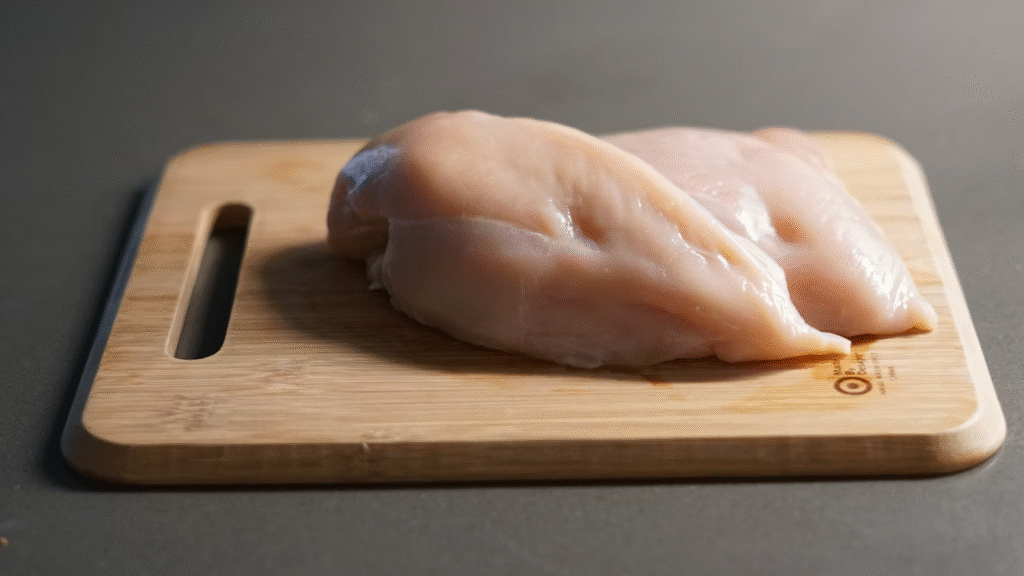
Raw chicken breast on a cutting board
(Image courtesy of Cristian Guillen via Unsplash)

My burden

Eventually, I did end up shedding the extra weight from my past bulk, reaching a more comfortable 220 pounds. The mental toll of keeping up with the workouts and meals was exhausting. Weighing every gram of protein, carb, and fat that went into my body was beginning to have the opposite effect on my mental health. The satisfaction was now gone, replaced by the disappointment of diminishing returns. Finally, I experimented by taking a break from it at the beginning of this year, only working out once or twice per week. I still weighed my food, but I relaxed the constraints of my overall diet. 

Unfortunately, after about six months of this, I relapsed and started living like a bodybuilder again. I found it difficult to shake what had become such a large part of my identity. I went at it for a few months, but it didn’t last; I just didn’t care for bodybuilding anymore. I would dread my meal between a normal person’s lunch and dinner. It had been getting in the way of other interests such as writing. I also began to feel guilty about the amount that I ate, that I was wasting the food. The thing I had devoted so much of my time to had started to defeat me. It was time to let it go.

Freedom through balance

Today, I still train hard, but only twice per week and no longer on specific days. I do it when it is convenient for me to do so. I enjoy beer and whiskey on weekends, both at home and with friends. I only eat three times per day and maybe have a snack at night. The food scale is now collecting dust in one of my cabinets. I have more time to write, read, listen to music, watch movies, and spend time with friends. Most importantly, this life change has afforded me much more time with my wife. In the end, denying aspects of myself like I had was never going to be the answer. What I really needed was balance. My new lifestyle is allowing me to become a more well-rounded individual.

One More Resolution and I’ll Explode

To say that the last few years have been stressful would be an understatement.

Between COVID, the cost of living crisis, and global conflicts, the state of the world has taken its toll on me.

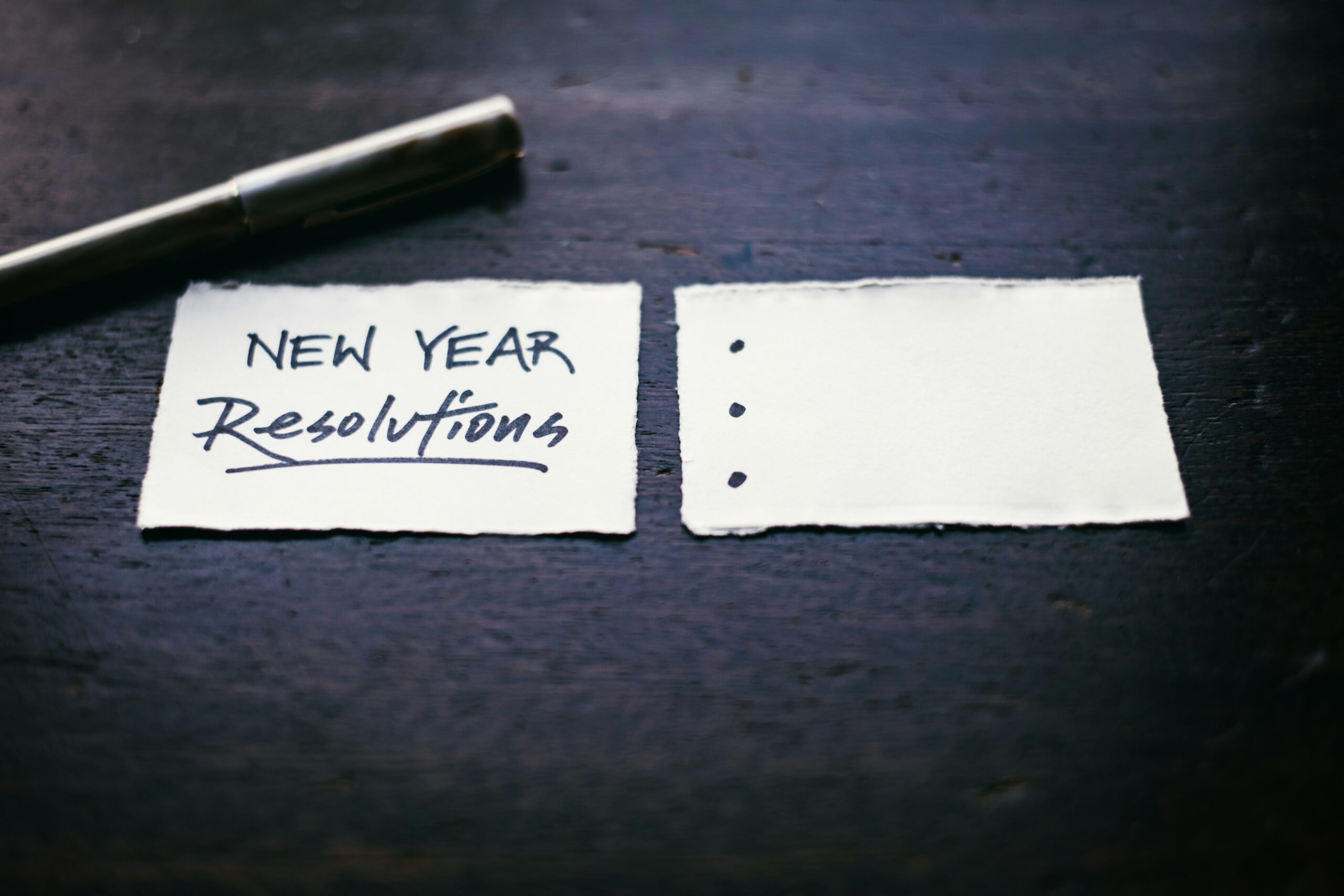
While there’s not much I can do about the big things, I decided that this year I would eliminate anything in my personal life that was causing me stress and generally try to live a healthier life. That’s when I began thinking about my New Year’s resolutions.

I have made quite a few in the last few years, common things such as losing weight, exercising more, learning new skills, improving sleep hygiene to combat my insomnia, getting out and about more often, and spending less time online. And while I have sometimes successfully committed to these resolutions, which has definitely helped me feel better, I realized that the simple act of making a New Year’s resolution is one of my biggest sources of stress.

Coming out of the COVID lockdown a few years ago, my main New Year’s resolution was to lose some of the weight I’d put on during that period. Fast forward, and I still haven’t lost as much as I would’ve liked. This caused a great deal of anxiety and triggered the classic intrusive thoughts—I’ll never lose weight, I’m grossly unhealthy (I’m not), I’ll never make friends, and so on.

It’s odd, because it’s not like I’m super strict about them. There have been several times in the past where I’ve half-heartedly come up with a resolution and not followed through, but it’s only in the last few years that failing a resolution has had this effect on me.

Why New Year’s resolutions stress me out

Ultimately, I think the way my brain works has changed significantly in the last few years. Maybe it’s a mixture of growing older and the world gradually getting worse, but failing New Year’s resolutions has caused me more stress in recent years than ever before. But then I remember the big thing that’s happened in my life recently: my OCD diagnosis.

I’ve had OCD my entire life, but it’s only really become apparent in the last few years. OCD manifests itself in different ways, but for me it’s been about unwelcome, intrusive negative thoughts. Those different variations of “you’re not good enough”. Of course, failing a New Year’s resolution would set these thoughts off. Setting a goal and not reaching it is like catnip to OCD, and by setting these arbitrary goals I’m basically inviting my brain to consume itself with these thoughts.

No more “I must”

I still think that New Year’s resolutions have their place. The goals I set are always somewhat realistic and achieving them does have a tangible impact on my life.

The problem with these resolutions is that, by saying “I must do these things,” I’m basically setting myself up for failure.

I’m going to try and take on a New Year’s resolution in 2026, but this time, instead of saying “I must,” I’m going to say “It would be nice if I”. I don’t NEED to lose weight in 2026, I don’t NEED to make more money, or go out more, or pick up a new hobby. But it would be nice if I did those things.

Maybe I will achieve all of my goals in 2026. Maybe I won’t, but that’s okay. I’m no longer going to drive myself crazy thinking of all the things I need to do. 

I’m just going to do my own thing at my own pace, and I’ll be happier for it.

Doomscrolling At Its Finest

Some day I will die. But I will not die with a phone in my hand. 

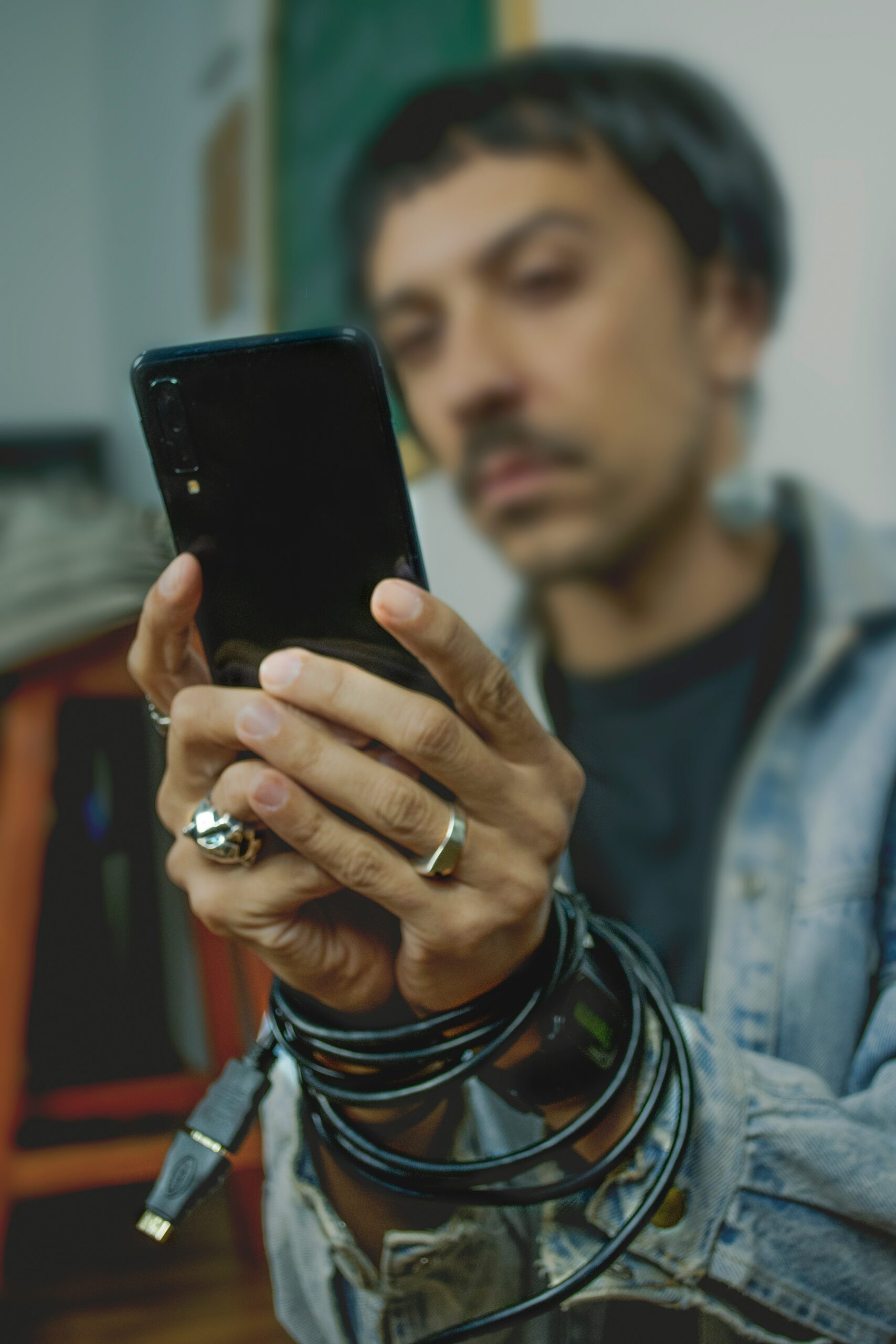
That is my motto for 2026. I refuse to lose myself to the six-inch iPhone 15 that is sitting in my back pocket like glue. 

Toward the end of last year, I kept spending hours and hours scrolling through my social media. It seemed that no matter how hard I tried, I just kept opening up YouTube and Instagram every few minutes. I was quite literally stuck in a neverending loop that did not seem to break. So with the start of the New Year, I decided to take it upon myself to stop the doomscrolling once and for all. 

Paying attention 

While this is not a resolution per se, I chose this action because I want to live a better life without being tied to my phone. Despite using the incredibly tiny computer in my pocket, I physically felt myself trekking backwards instead of moving forward. I was so attached to my phone that at one point, I swear I became dependent on checking the invisible notifications that never came. Luckily, before the end of the year, I got the answer that I was desperately craving.

Deep in a rabbit hole of scrolling through Youtube one night, I came across a four-minute video of a creator detailing how they plan to not lose their brain in 2026. Just by paying attention for those four minutes, I actually regained the courage to put my phone down and delete what I no longer needed. 

You don’t own me

Now that we are already approaching the slow yet heavy beginning of this new year, I truly believe that I am taking the right amount of steps to regain my own, very personal sense of worth. I will no longer be controlled by a screen and altered by what is happening to my friends, family, and others on the other side of social media. I am so much more than someone who can get addicted to scrolling. Just by taking part in this needed lifestyle change, I can already notice that my attention span is slowly returning to me. My creativity as a writer still comes and goes as the constant struggle with writer’s block will truly never end, but I am continuing the pursuit. That is what matters. 

Escargot

In order to break the brain rot, I am also making sure to get back into reading. Even if I end up reading five pages a day, that doesn’t matter to me. I don’t care if I am considered a “slow reader.” I am reading despite my pace matching that of a snail. 

I know that I am staying true to my word because, for me, I can find more inspiration and draw countless amounts of creativity from a good physical book in my hands than from a device made from a battery and glass. That is worth more than anything else. Nothing can limit my infinite love of reading. 

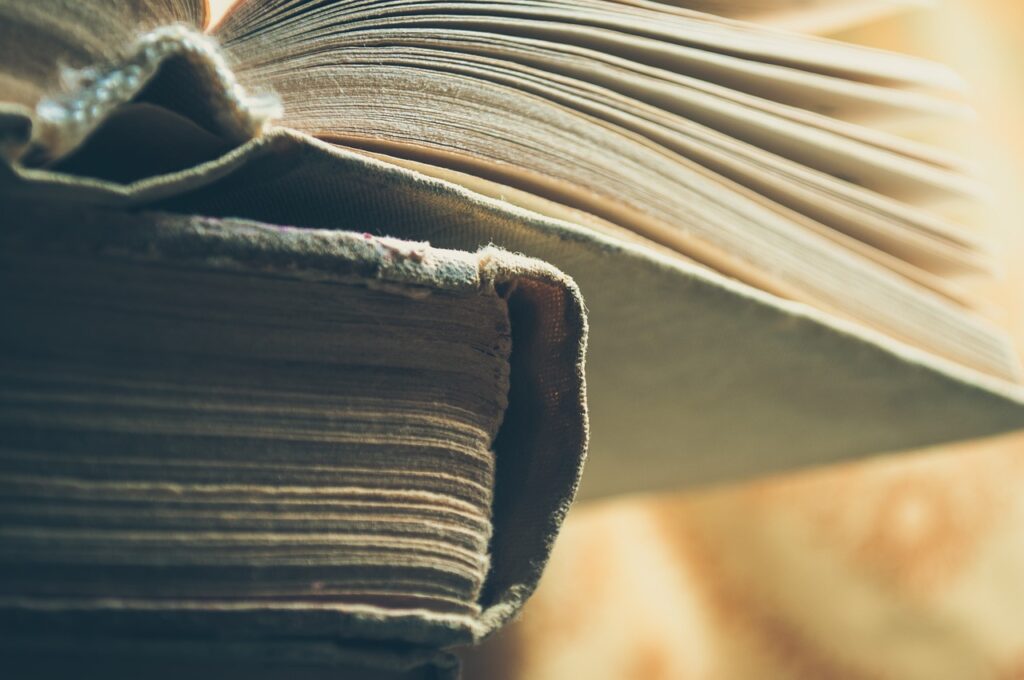
Two weathered books stacked on top of each other. The top book is open in the middle.
(Image courtesy of svecaleksanddr249 on Pixabay)

Even in a world that is becoming illiterate, I will remain educated and constant. 

With reading (no matter the amount) I truly feel free and ready to take on any form of writing assignment there might be. Whether it’s reviewing a friend’s essay, proofreading stanzas of poetry from previous schoolwork, or even composing fan fiction, a phone can never replace a person’s creativity. 

Surrounded

If I had the choice, I would rather die surrounded by my book collection and the dust bunnies they create. I want to be tied to the books that made me, not the infinite digital footprint filled with a pile of fandoms, character edits, and a questionable and maybe concerning amount of screen time. 

I want my coffin to be filled with nothing but Brontë, works from the Romantic era, and the spice-filled book, “Dune,” that controlled my life when I was 14. I stand by these books that made me into the person and writer I am, not the cringey teen “young adult” books that are now being filled with unrealistic agendas and AI prompts. (Although the Fourth Wing franchise is fantastic). I was raised on “To Kill a Mockingbird,” “The Tell-Tale Heart,” and later in my teenage years, the “Interview with the Vampire” trilogy. As a matter of fact, I just purchased two editions of William Blake’s poetry and the uncensored version of “The Picture of Dorian Gray. Going forward, I will remain an old soul classic lover who owns more banned books than I know what to do with. 

***

Thank you to all of my real life friends who seem to be fighting the same tug of war between brainrot and anti-brainrot that I am. 

It’s nice to know that there are others who want their mind back. 

The Legacy of Babcia and Dziadzio

Picture perfect

I miss them, you know. 

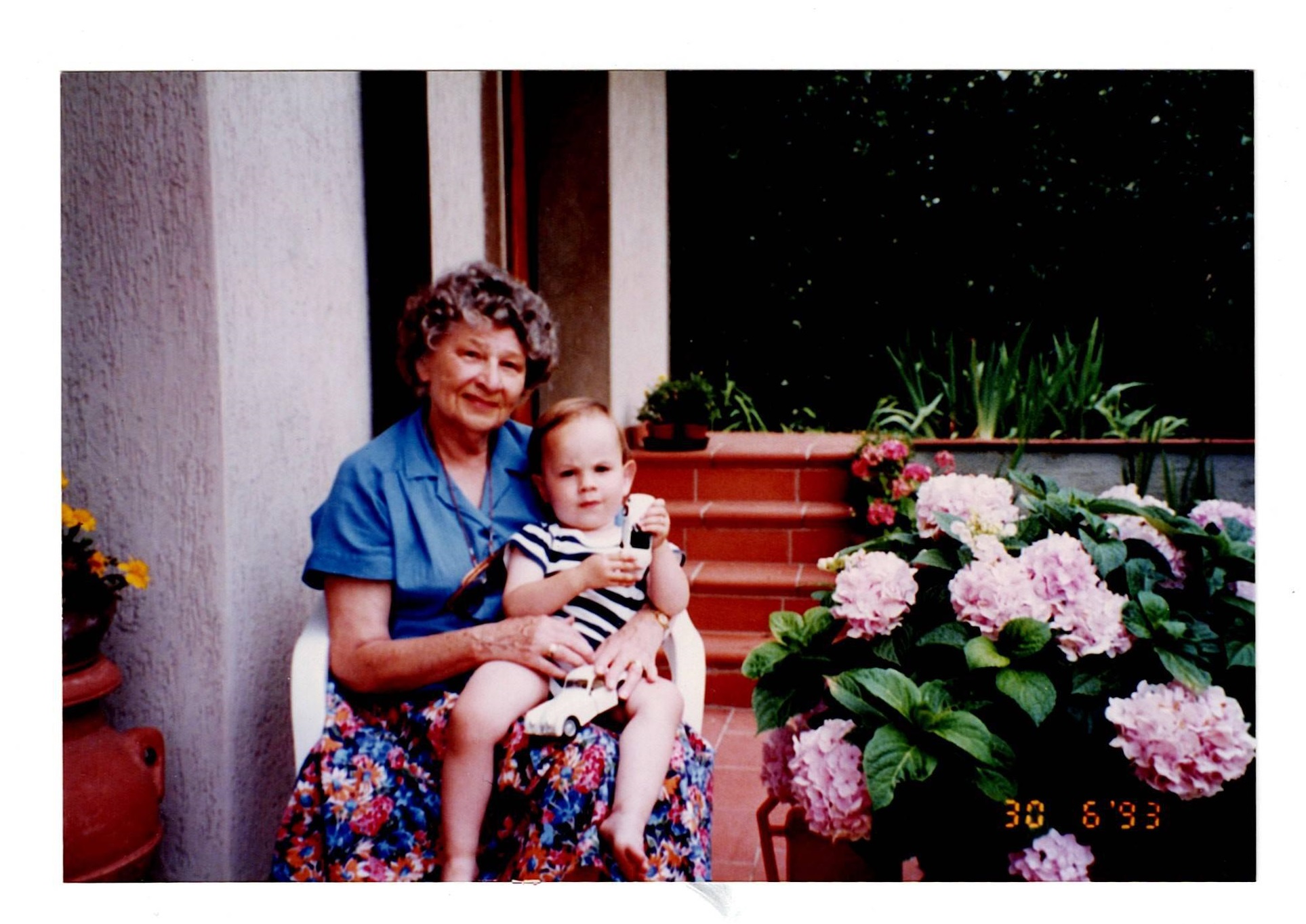
I’ve come to learn and understand that loss is multifaceted. When losing significant others, you can miss and yearn for the person you were to them as much as the person themselves. However, with these two… I swear I just miss them. They were blue-chippers, solid gold, 100 percent themselves, through and through. My Babcia (BAB-cha) and Dziadzio (ZHAD-zee-oh). These curious sounding words are Polish, and they mean Gran and Grandpa.

These two were almighty impressive people. They overcame the unimaginable as child refugees from war-torn Poland in 1939, he just 14, she just 17. Surviving the Gulag was just one leg of an incredible picture-perfect journey that would span the globe: from middle Europe, across the ‘stans to the Middle East, down to Africa, then back up to Europe. 

Yet this isn’t necessarily the most astounding part of their story. They went on to become examples of everything society expected from people after the war.

They were staples of the Polish communities found in Ealing & Balham in London. They were decades-long company men and women in the years that followed. They were doting and dedicated parents and guardians. Proudly married for 45 years. These were the kind of people that rebuilt the world. “The Greatest Generation” may not be hyperbole. 

My relationship to them? Hard to begin to quantify. 

Babcia, Dziadzio, the moon, and I

But I’ll do my best. So… I would face orphandom as a teenager. I share this not to underscore how much closer, tighter, or in need I was of them. No, quite the opposite. In circumstances where the moon had fallen out of the sky, where all was off and nothing made sense anymore – they did. My Babcia and Dziadzio stayed right as they were. The world changed and they didn’t. They were who they’d always been to me and I was all the better for it.

I’d always be met with his boisterous warmth and her curious concern. 

My Dziadzio would rattle off an engaged recounting of current affairs from his favorite paper, wanting to hear my take, then onto football for much the same. This was laced with a healthy sprinkling of the most corny Christmas cracker-tier jokes (look it up) and the latest action films he’d caught on terrestrial television (shout out to Arnold Schwarzenegger, Jean-Claude Van Damme, with honorable mentions to Steven Segal’s later work and early-career Jason Statham).

My Babcia always wanted to know how I was doing. She wanted the latest updates on anything and everything with a tone balancing curiosity and concern. Not a single detail was unimportant to her. Even when entirely uninteresting to me. She was rare to give advice or instruction; she always just listened, cared, and celebrated the little wins that I couldn’t even see. I remember bringing them a pizza I had made in Home-Ec. Nothing more than a flatbread with tomato and cheese on top, it was celebrated like a Michelin star masterpiece. Otherwise, she’d update me on the latest happenings of the Royal Family and her Columbo reruns, and throw casual sprinklings of shade at my Grandpa, something only a decades-long marriage can earn. 

Eat!

A copious feeding was entirely non-negotiable. Even when I’d started slimming down, attempting to watch what I eat, it didn’t stop. I was trying to make myself into an unstoppable force while the feeding was an immovable object. They nailed it, though. A pitch-perfect palate hit that I very much wanted and, sure, got a kick knowing they enjoyed me consuming it. 

Irrespective of time of day or visit (or even if there was a meal to consume ahead), there was a given rollout:

  • Pringles (I suspect these were stocked for their addictive capacities…)
  • Kabanos (Polish garlic sausage — long, thin, at their best when left to dry in a cupboard for a few days)
  • In time, a beer (Tyskie — Polish brand, crisp, light, not a bad lager at all)
  • And a scotch (when I was old enough — my girlfriend at the time was served sherry, for ‘The ladies are served sherry’)

The lighthouse of light

I was always seated with two great talkers at a time when I could be struggling to find words. For sure, I took it for granted then. I could to a degree be ‘umming and ahhing’ about the necessity or frequency of weekly visits to them. Yet each visit, without fail, they were the most impeccable and genial of hosts. There was always energetic and warm conversation when I often didn’t know what to say, think, or even feel. A lighthouse in the storm.

My whole association with them is light, or like light. It’s clear, it’s warm, and profoundly positive. Every single fragment of memory figment. From the shape of clear frame spectacles or the pattern of floral blouses, to the upholstery of arm chairs and tablecloths. Anything Babcia-and-Dziadzio-related is ‘good times’ psychologically speaking. And, oh, the way they sounded… such thoroughly anglicized people with thick Polish accents till they parted. They were distinct, they were unique, they were them — just right.

Now to be clear, my Gran and Grandpa were… how to put this gently? Like, old when I was born. They were always old, definitely part of the charm. So it should come as no surprise by the time I’m north of about 21, they would begin to have their struggles. Her mobility was significantly affected, leaving her housebound for her last few years. He would suffer macular degeneration, in essence, gradually losing his sight. Their spirits simply didn’t budge, though.

He became something of her carer in their final years, despite sight leaving his grasp. She would find herself on more than one occasion expressing genuine surprise, even awe, that she had lived so long. He would lose his drivers license and long for driving his car when it was gone. However, the difficulty didn’t define them, they didn’t really know how to moan or complain, these two. From the outside looking in, we relatives could see how it wasn’t easy for them. We all shared a genuine wonder in how they continued as ever. My sister and I have since wondered, did they stay around, live longer for us? Until we’d reached adulthood? Cosmically or consciously, I don’t know. I never will, I’m not sure I’m meant to.

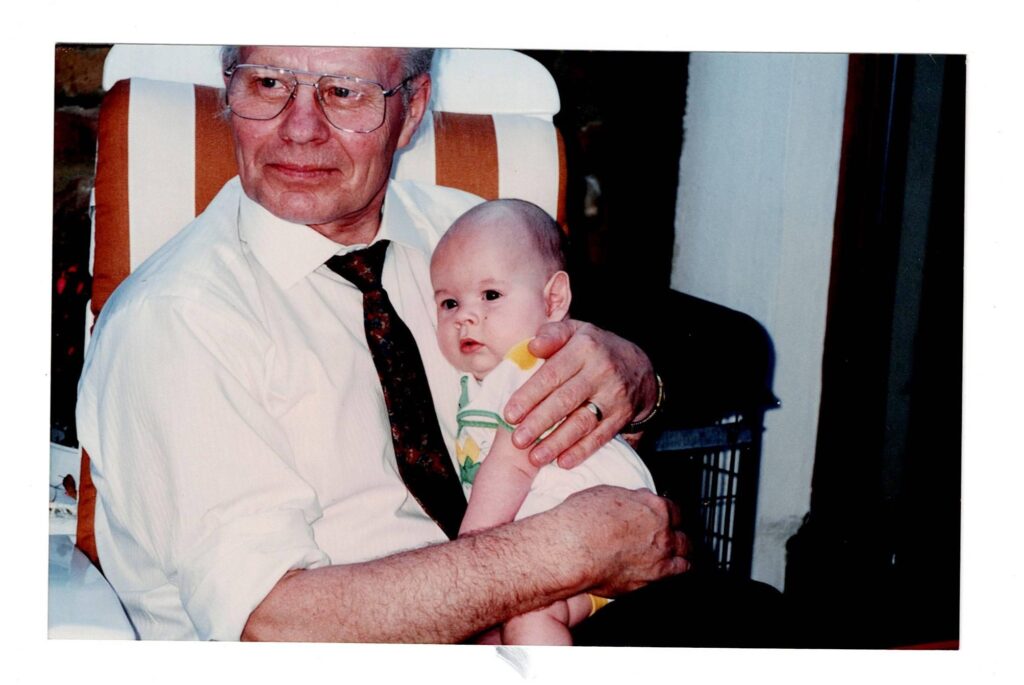
Smiling Grandpa ‘Dzadzio’ holding baby in his arms.
(Image courtesy of the writer)

But, you know

She would go first. Initially — though this would inevitably fade before he would join her — he was given a new zest on life in months proceeding. We would be granted one of his great one-liners.

Sitting there in their flat, he would look out the window and mournfully declaim:

“I miss my car.”

He would then state in a much less deep and profound manner:

“I miss my wife, but, you know.”

Their difficulties, inner storms, were somewhat hidden in these later years. Certainly from myself and again, even in decline, they didn’t make demands or change up their roles. Babcia and Dziadzio stayed the same, even when the greatest confrontation was upon them. Their wisdom and perspective was never wielded at us, certainly not at me.

I have a clear memory that serves this up to a tee. There was a World Cup on, I believe 2018. I had trained out from London to visit them and had spent the best of a late afternoon at their flat. It was heading into the evening, so I was ready to train back. I came to the door to say goodbye, and my Dziadzio asked if I wanted to stay and watch one of the games with him. I declined, for I had an hour and half journey back, and had spent the afternoon there. When it came to the exit, looking back at their flat door, him closing it, I could see a slight resigned sadness to him.

A couple of years later it struck me like a brick — he likely knew that was our last chance to catch a World Cup together, which it was — and that went completely over my head at the time. As you can see, this was only handled with a quiet grace and wisdom; a selflessness.

I have their stories in recorded form and research from family members and writers of the Polish diaspora post WWII. It’s a daunting task, but I very much endeavor to write them. At the same time, as expressed here, child refugees of Poland form just a strand of a much greater tale. I’m daunted by it and believe it’s because I know even the best of writing would never capture their totality and all they gave and meant. 

Maybe that’s just for me though, maybe that’s the legacy they’ve left me personally; their place in my heart and mind. 

I miss them, you know.