The village of Oakhaven was very inviting, like a panoramic postcard. The streets were swept to the point of polish, and the windows of tea shops were draped in lace as delicate as a spider’s web. But, if you listened closely, you would notice a preternatural silence. There was no birdsong or local chatter giving life to the streets, as a visitor would expect.
There were no children playing in the squares, no dogs to amble alongside nonexistent horses. Instead, the elderly sat on benches with their hands folded, watching the road. Anticipating something perhaps, anything that would bring back some cheerful bustle to the dreary cobblestone lanes of the country hamlet.
In the center of the square stood the Gilded Ledger. It was a massive, golden pedestal where the “tax” was recorded.
Margaret stood in front of it, holding a single copper coin. “Maggie” was the name she preferred, and her tithe to the Ledger was due. Her register entry was under Lidsfarne, and her family members’ names were all scratched away, leaving her the sole heir of their responsibility to the golden pillar.
It was a hard run for her this year, being a washerwoman. She imagined a better life as a girl, being married to a young trader from the city, where the merchants lived and sold their glittering wares. She could have lived a comfortable life, but the will of Heaven had other plans.
The ones who collected the tithes were known as “Sovereigns;” they kept the “sanctuaries” running and devotedly obeyed the will of Heaven. Every able-bodied man, woman, or child was meant to contribute to the Gilded Ledger to help the Sovereigns run the spires, which kept the sun from dying since the last Sundering.
But Maggie Lidsfarne, last of her kin, was the only healthy young woman left in the village.
She was twenty-two, and for the past six months, she had been the only tenant of her house. Her mother had died in the winter, and her brother had been taken to the sanctuaries a year before.
“Penny for your thoughts, child?”
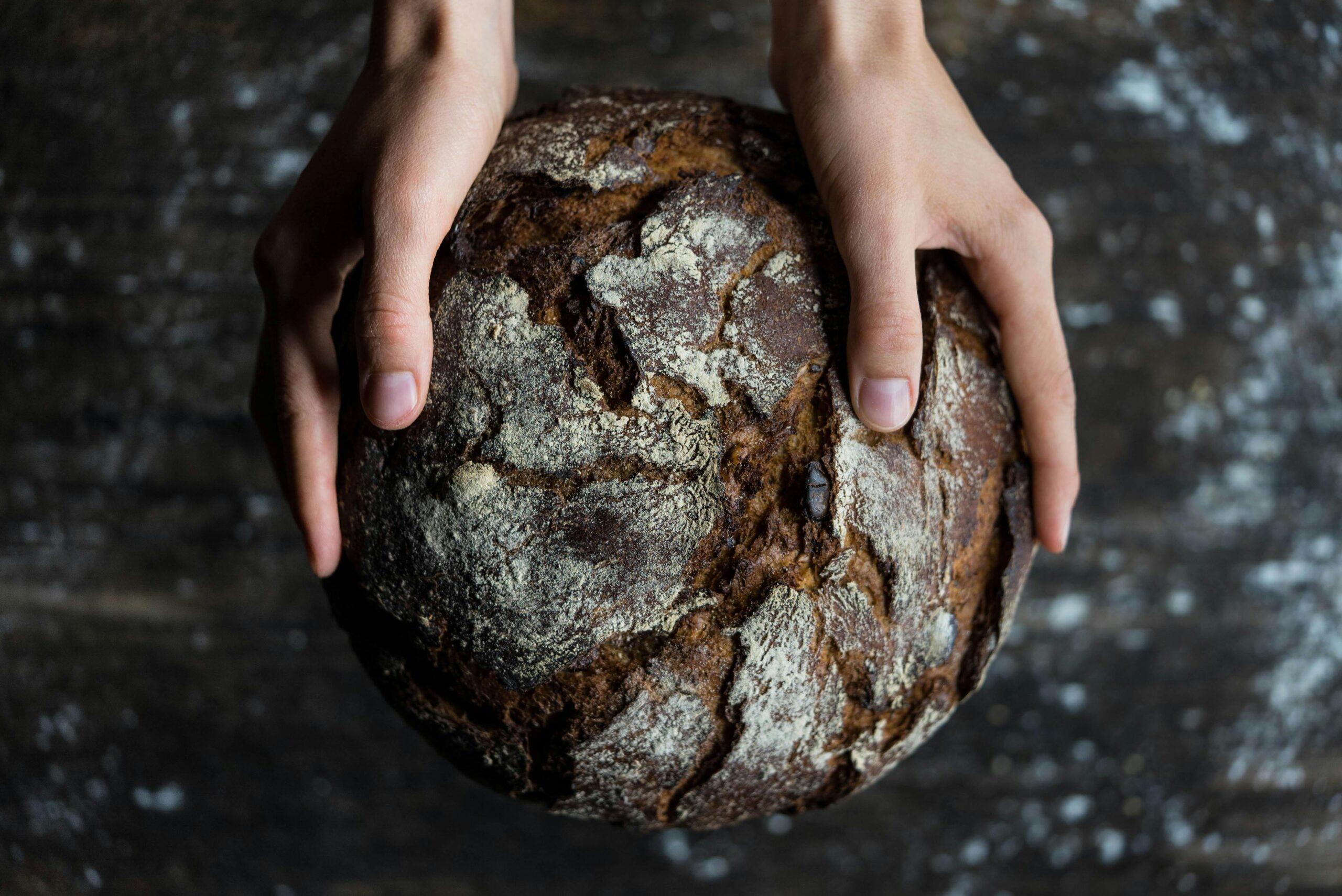
The voice was soft, like the silken dressing robes she would often wash for some of the Sovereigns. Maggie turned to see a Deacon of the order. He wore a mantle of cream and gold, holding a basket of warm bread. The smell of baked goods, fresh from the oven, warmed Maggie with welcome nostalgia. She remembered how well her mother had baked, and the cakes she made for her brother and her every birthday.
The Deacon didn’t seem like a monster. He reminded her of the father she had lost.
“I’m just… I’m behind on the heating costs,” Maggie whispered. “And the Ledger says my ‘tithe’ is due.” The Deacon sighed with sympathy.
“The tax is a heavy burden for those who walk alone. The Sovereigns need the gold to keep the sun shining and the borders safe. But the Ledger doesn’t just take metal, Maggie. It takes weight.”
He stepped closer, offering her a piece of bread and glancing at the scrawled list of names in the register briefly. “You haven’t spoken to anyone in six months, have you?”
Maggie gazed down at her shoes. The isolation caused a physical ache in her chest. “There’s no one left to talk to.”
“That is the heaviest weight of all,” the Deacon said, his voice dropping to a comforting murmur. “Why keep it? If you come to the sanctuary, we can take that heaviness from you. We can turn the cold silence of your empty house into something beautiful… something that can pay the debt for the whole village.”
He reached out and touched her hand. His skin was unnaturally warm — the heat of a furnace, like when her mother was still around and baking loaves of bannock such as those the Deacon held close.
“Imagine,” he continued, “no more cold nights. No more wondering if anyone remembers your name. In the sanctuary, you shall become part of the very gold that saves us all.”
Maggie looked at the bread, then at the sanctuary shimmering, garishly, upon the hill.
It was an impressive building, with whitewashed walls of plaster and ivory glazed terracotta, crowned by gilded bell-shaped canopies pointing heavenwards. The long spires protruding from their peaks were said to direct the focus of thousands in prayer, preventing the sun from dying.
It was beautiful, glowing with a cold, amber light. Maggie didn’t see the laboratories beneath it. She couldn’t fathom the “unrefined” — those hulking, silent beastmen who moved the heavy machinery in the dark, their eyes filled with the fading memories of their mothers’ faces.
In those spires that pricked the sky, gleaming above her, she saw a way to stop feeling like a ghost.
“Will my brother be there? And my mother, too? Are they praying with everyone else?” she asked.
The Deacon smiled, an expression that didn’t quite reach his eyes. “He is part of the foundation now. He is very important to us. Your mother is, too.”
Maggie took his hand. As they walked toward the hill, the copper coin she had been holding fell to the cobblestones. Its thud was dull, and cold like the sanctuary’s light. The air around them began to thicken, turning slightly grey, as if the world was selling its color to pay for the glow of the Oakhaven Temple above.
Nearby, an old woman on a bench watched them go. She didn’t call out. She didn’t stop them. She simply adjusted her shawl and waited for her own turn to be “noticed” by the men in gold, to be granted a piece of the warm bread, which they baked in their resplendent furnaces.