
Rosehip Time

I grew up drinking rosehip tea with people I knew but couldn’t see. My grandparents, Giszela and Moric, laughed about the good times they had shared with cherished relatives and friends, beckoning them into our conversations, and so into my memories. 

I knew about their slo-mo holidays in the Tatra Mountains between Slovakia and Poland, and that ice skating on frozen lakes was pure joy. I could tell anyone about the time my great grandfather, a headmaster at a Jewish school, chose his daughter, my grandmother, to accompany him to the mayor’s ball, an event far out of his comfort zone. But most of all, I felt the lack of prescience of these “invisibles.” My grandparents once grasped that it was time to quit everything that was familiar to them, fast. But they always regretted failing to persuade significant others to share their flight response to what they saw unfolding around them, just before the family’s halcyon days sunsetted and crashed in the wreckage of The War.

Cherries rule!

We were in London, but actually, in the alternate universe of my grandparents’ home, we were always somewhere else. Speaking something else. Hungarian, Czech, Slovak, German, Yiddish, Russian, and French words whizzed past our watchful faces. We listened as we tickled the legs of hapless visitors under the dining room table. 

These lower limbs belonged to a thick-accented coterie of relatives and friends just passing the time together on slow afternoons. Most of them, my father too, sashayed between languages, the silver-lining skill of many a refugee. And these came from a region where borders had moved like chess pieces for centuries. 

The walls of the forever corridor in my grandparents’ home were decorated with antique maps of the Holy Land and plenty of framed embroidery. These sewn pastoral motifs must have stolen acres of time from their creators, people I could see and those I couldn’t, I thought.  My grandmother, for one, the educator’s daughter, who had dabbled in teaching movement, writing, and sewing to small children at her father’s school, but had let her brilliant mind lie fallow.  She was known affectionately as Anutzi, mother in Hungarian. 
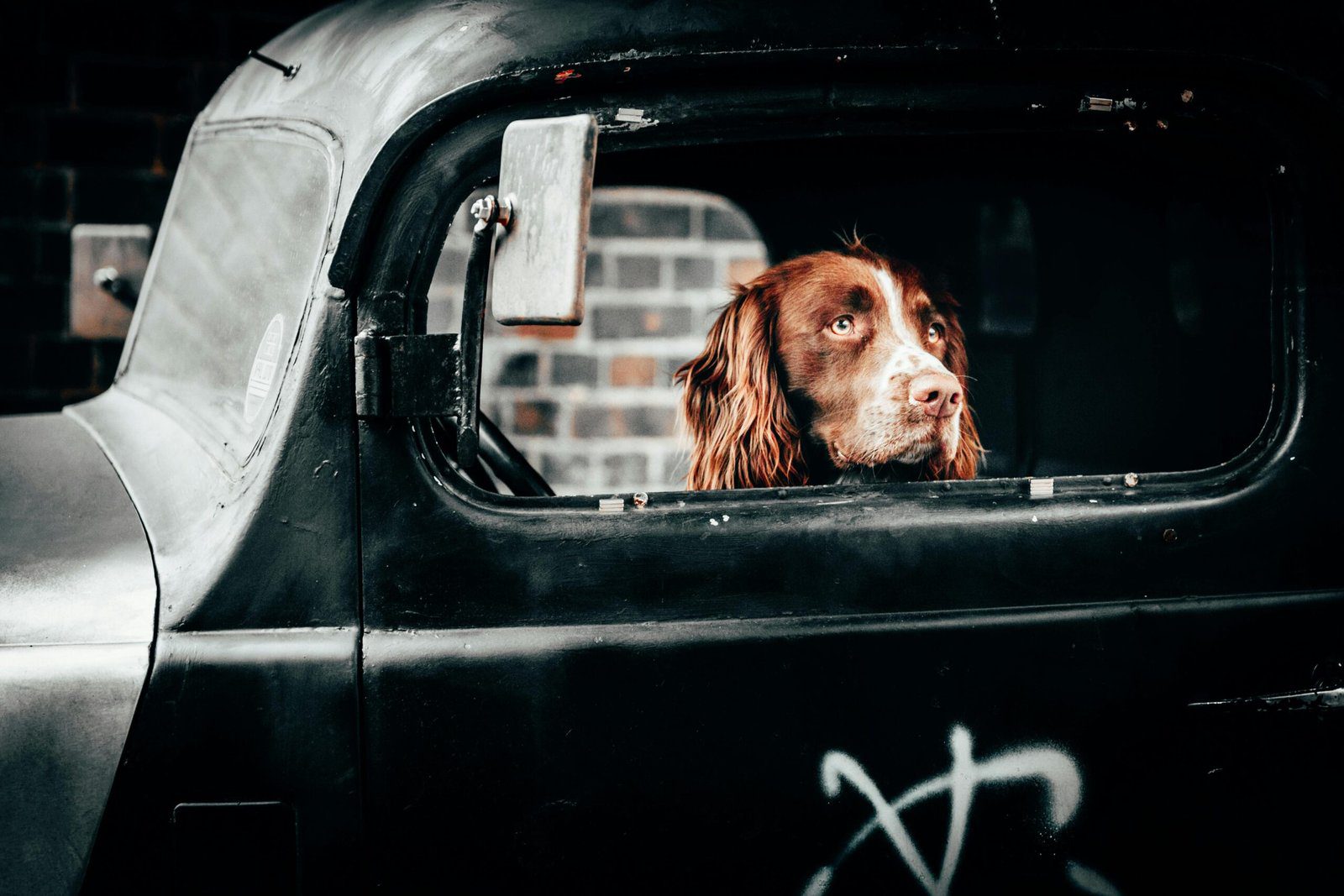
(Image courtesy of Tycho Atsma via Unsplash)

But we felt at home breathing in the paprika-scented dishes, and nibbling on thinly-sliced radishes, always parked on the table. And, of course, we loved the cherries that were everyone’s favorite. We waited for the cherry liquor chocolates in shiny wrappers and the preserved sour cherries in painted jars often brought back by visitors to the Old Country, but especially for the fresh cherries, whose pairs made perfect earrings.

(Image courtesy of Nika Benedictova via Unsplash)

Once, when we bumped into each other on the avenue by his apartment building, my excited grandfather, his eyes twinkling, sang to me about his bounty of delicious purple cherries; the precious package dangling from his Zimmer frame walker. 

Drawing back the Iron Curtain 

Sometimes, visitors who had remained behind the mysterious Iron Curtain where these languages still bloomed, and who were only dipping their toes in “The Free World,” joined us for chamomile or rosehip tea. They talked about their bleak days under Soviet rule. More than once, these wishful defectors flirted with the idea of escaping to the West and abandoning their families, right in front of us.

But there were plenty of other émigrés who had resettled locally, decades earlier, or who had fled from communism more recently, like my relative Serena, whom we never saw without the plaster covering the number branded on her arm that she had kept hidden since The War. We could count on them to bring their own and very present invisibles along to tea. It didn’t matter that these lost loved ones were long dead, or if we were confused and a little frightened. 

On rare rain-free days, these guests and their shadows met up at Mitteleuropa-style coffee shops with names like Louis. They had sprung up between the usual London retail chains, to serve our “resident aliens” anchoring in the familiar setting. Their windows dazzled with creamy patisserie delicacies that I have only ever seen since in Budapest. 

We hurried out of the London cold and into their womb-like interiors for yet more tea at the tiny tables where our grandparents’ invisibles were ever-present. 

Sidestepping trauma?

Never was the missed presence of these yearned-for people more apparent than at the end of a sentence. A long sigh, eyes locked sideways, held by a memory, lips contorted into bittersweet smiles. We heard of the quintet of my grandmother’s siblings whose lives were snuffed out before they hit middle age. If we ever dared ask, we received the standard it-was-The-War response and knew better than to interrupt the trancing storyteller.

A counsellor once shared with me that to overcome trauma, you should revisit it like a butterfly. Land on it, but only momentarily, and then return for a little longer, before flying off to happier recollections. But instant tears, heaving chests after a bout of sobbing, and constant retellings, all signify work still to be done.

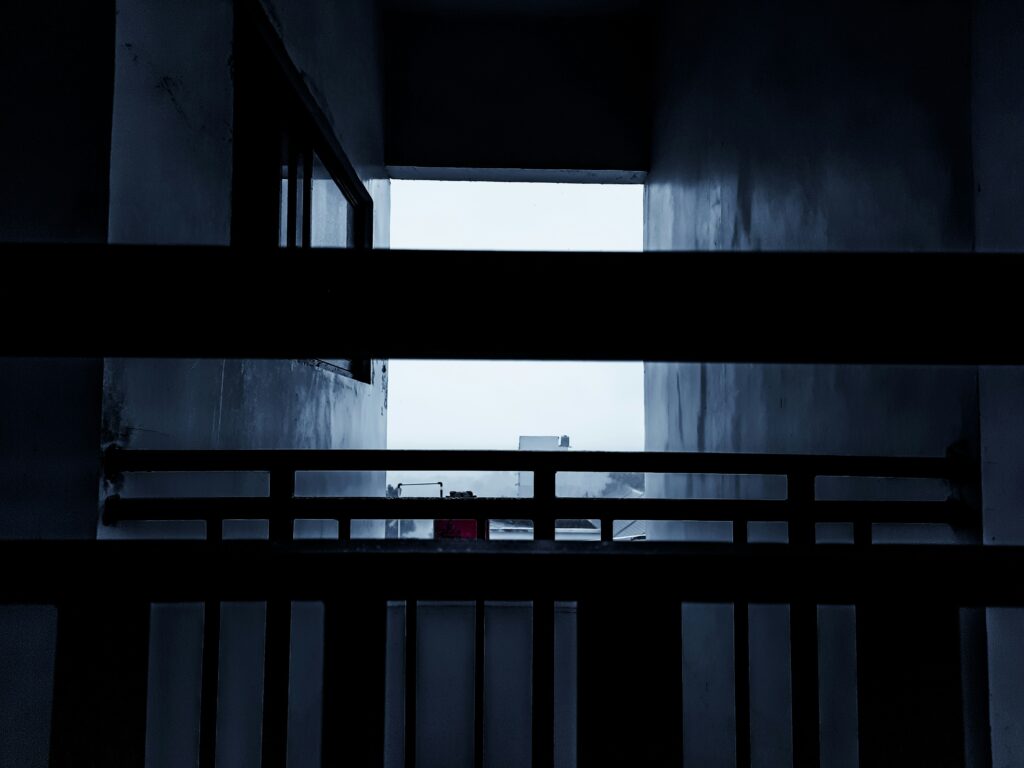
(Image courtesy of Leon S via Unsplash)

As Giszela and Moric aged, they just couldn’t fly away. Instead, they were sucked deeper into their unsettling memories, condemned to relive the rupture from loved ones on constant repeat. Why, my grandmother lamented over and over to us, did she not deceive her dentist brother and tell him that he was guaranteed work in London, offering a white lie that could have saved him, instead of just sending him banknotes hidden in books?

Ah Sándor, if only I had told you that I’d found you work here.

Towards the end of their lives, the past and present began fusing in strange new narratives, powered by the will to regain control over time and history. My grandfather, a natural-born businessman since his apprenticeship in pre-war Frankfurt, asked my mother what he should “do” about the Dalai Lama! 

My grandmother, delirious from illness, reassured me as I held her delicate hand, not to worry. Aputzi (my grandfather, father in Hungarian), would ensure that we were all buried very soon. This is a scary thing to hear when you’re a teenager, but not so strange when you remember that this rite of death was denied to many of our family’s extinguished personalities.

It was only in the 1980s, after my father died prematurely from a haunting sadness, my mother said, before we learned the truth. My grandparents followed soon after our father. That’s when we, his daughters, discovered what none of them had ever told us: Our grandparents were actually my father’s aunt and uncle.

They had left for Switzerland and then England in the dawn days of WWII, rushing my father away to safety, at the same time wrenching him from his younger parents, Eszter and Max, our real grandparents, whose lives would be brutally snuffed out in The War. But not before his beloved mother, knowing that they were doomed, wrote my father letters overflowing with love and pain.

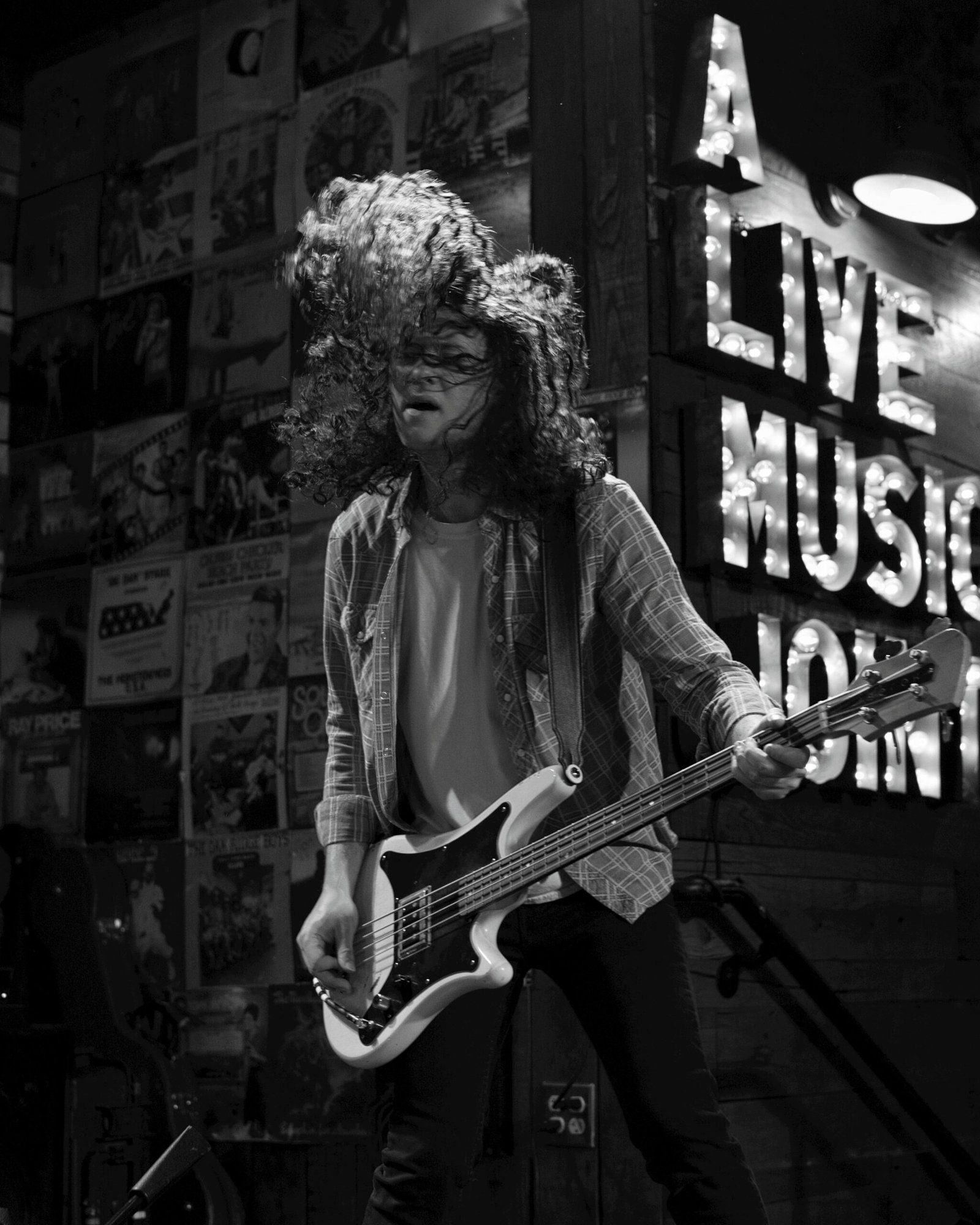
(Image courtesy of Lena Tolmacheva via Unsplash)

 Four AM

(Music is titled “Instructions for Living a Life”, courtesy of Savfk)

It’s 4 AM, I’m awake again.
What have I left undone?
Whoever said my life should be
Always on the run?

I push and pull to get more done.
With barely time to knot my tie.
Turn around, the day is gone;
Left me at a loss to end…

By a rhyme.

I want to do it all in the minutes I have.
Read those books, write someone else’s memoir.
Show the patience of the Parent of the Times.
Pat myself on the back for anything I finish at all

By day’s end, even dishes or my bath.

And nighttime, I look back to see how little got done,
How much I have left to do.

Mostly, I see, in the middle of the night,
All the really big things I passed right over—
Something spiritual, generous, a mitzvah? —
And forgot to do; so they didn’t get done.

By anyone.

And tomorrow is not just another day.
It’s the dawn when everything has to be done.By me

No-One Left to Prick

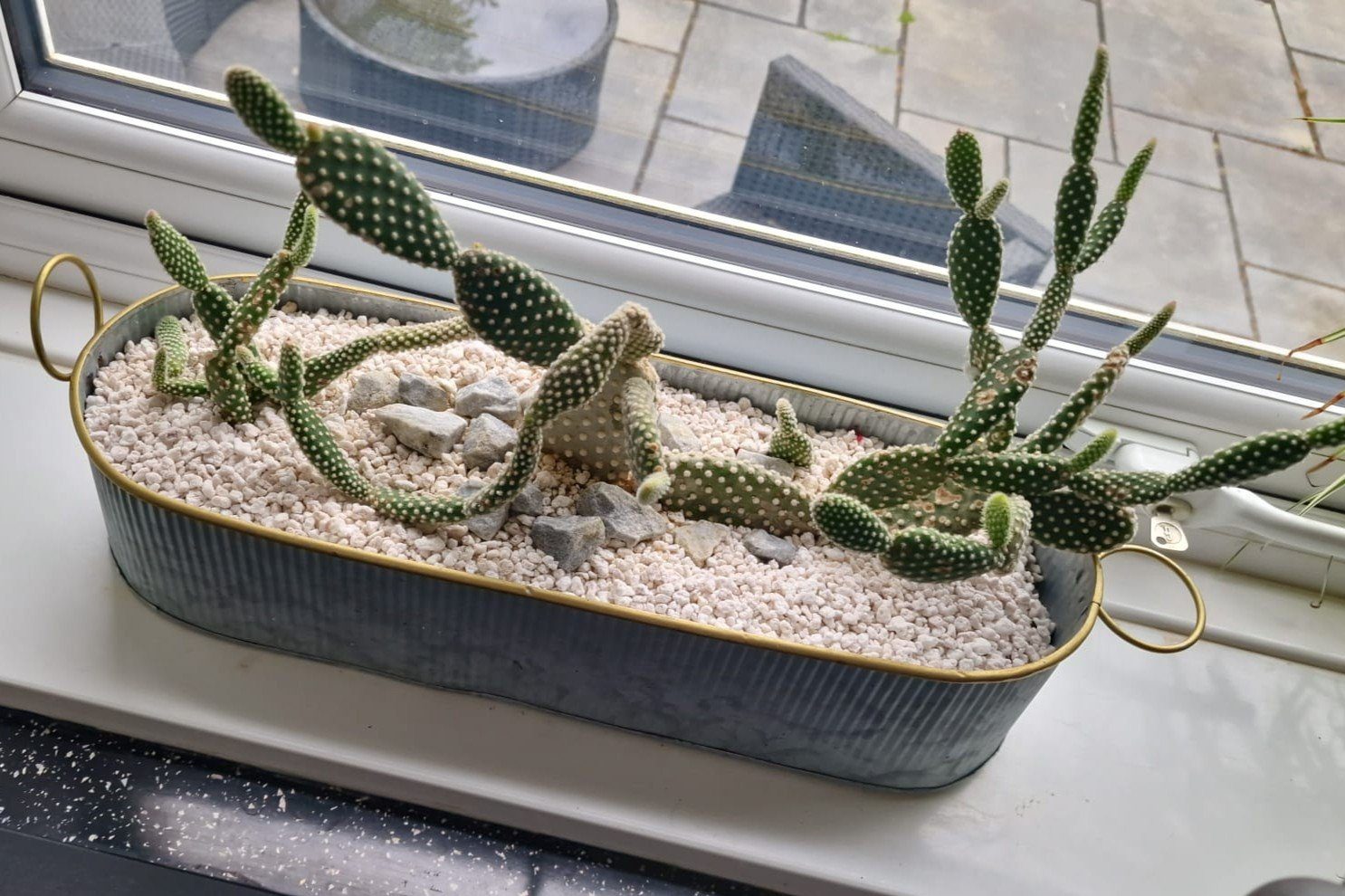
Ah, the steady cactus, a proud and prickly thing…
Nowhere else have I seen such a stubborn specimen.
She could wrestle chill or flame, withstand the harshest gale.
Even then, she’ll bounce right back and live to tell the tale.

She squats upon a windowsill, her spines pinching the sky.
Her pot’s been twice replaced while languid days have lumbered by.
And nothing ever changes much for her tidy, simple life –
Nothing but the view; concrete buildings, growing rife.

I think of arid climates, scorching suns and rainless slaughter –
The tribulations hard endured for the slightest hint of water.
And how the cactus came to be, evolving in dessication…
Now, we could learn a thing or two from cacti’s acclimation.

The air is growing tighter now, to view it in reflection.
A climate spurred by passing cars and brooding insurrection.
One day soon, it may be that the desert starts to spread –
Leaving nature weeding through the cracks left in our stead.

Ah, the steady cactus, I find solace in her power –
A stranger in our choking land of progress by the hour.
In the end, I’m sure my cactus will find some way to stick –
A monument of conservation… with no-one left to prick.

Counter Culture

You must visit Alcatraz,” they said. 

There’s something quite perverse about lusting over the ghostly remains of a prison, I think. Especially one within swimming distance of the beating heart of America. 

San Francisco. Electric jazz, 24-hour diners, and Mexicana coursed through the city’s veins like the pulsating neon lifeblood of the twentieth century’s best estimate of freedom. Alcatraz stands sentinel, a mirror image of the Other Coast’s optimistic monument to Liberty. The island’s incarcerated vantage point shrinks the cityscape to a postcard as if, all at once, it could be lit by a single car headlight, driven deep into the night by some imaginary Film Noir Private Eye looking for an excuse to let off steam in a bar that no longer exists. The bay water lies still, mocking the failures of the Psychedelic Era, their twelve-string guitar refrains ringing out endless echoes in the cavernous brains of the 21st-century acid casualties, which we’re told by the Travel Agents, Presidents, and Uncompromising Capitalists, wait for us on every street corner. 

The Fillmore isn’t what it used to be” / “Don’t go to The Tenderloin at night” / “Wear your backpack on your front” / “Keep a hand on your wallet and the other on your G-U-N” / “Stick to the tourist hotspots” / “Try the artisan bread at Pier 39” /  “Go see the sea lions” / “Listen to the Ocean” / “Don’t make eye contact with those weirdos on the trolleys, that’s how they get you” / “The Golden Gate Bridge has a gift shop and a café” / “There’s a Macy’s right there in Union Square… and a Rolex store” / “What’s in a margarita again? It sounds Mexican to me… Have a bourbon instead” / “SOUVENIRS SOUVENIRS SOUVENIRS!

San Francisco. It all starts here. The Summer. The Pacific. California. The Gold Rush. America and its Dream. Peace & Love. America and its Nightmare

The Pinecrest Diner 

If I’d been at home in England, walking into whatever the British equivalent of the American Diner is, hearing there was only seating at the counter would’ve been enough to spin me back out onto the street, searching for refuge in the nearest Starbucks. 

But the high stools at The Pinecrest — San Francisco’s 24-hour Diner, est. 1969 — seemed to shout, “COME ON DOWN!” Their polished, heavy silver bases caught the early sun and shot it back out across the booths, illuminating families, couples, and solo patrons of all nationalities and heritages, like a melting pot mirror ball. The air was white with powdered sugar, it was black with caffeine.  

At this time, in the morning in a place like this, you catch the tail end of the night-owls: the ones still running on the fumes of yesterday. You also get the early-birds as well: the cops, the tourists, the business eliteties tucked into shirts to fend off the maple syrup deluge that’s burned them before. That’s the beauty of it — the American Diner. It’s timeless. Or, rather, it’s all times all at once. All times for all people. The Great American Cliché. But it’s only a cliché because it’s true. 

No easy-listening-FM-classic-rock-radio-background-music. The Pinecrest plays the real American soundtrack: the sheer VOLUME of ongoing operation. Grill sizzle. Cutlery scrape on Formica table top. Cash register ejecting to the rhythm of fugitive coins longing to escape its drawer. All cogs working toward their highest purpose, as the servers, high on well-deserved tips, slalom the course of tables and chairs, delivering the goods and clearing the remains. Pancakes, Waffles, French Toast, and Pie. My oh my.   

There’s something extremely satisfying about seeing the same thing on repeat over and over again. It has a calming effect on me. From my counter perch, shoulder to shoulder with the multi-coloured world, watching the uniformed rows of puddles settle into perfect plate-sized pancakes, I found peace. Peace without quiet. Flip, Flip, Service! Butter, Syrup. More coffee? Don’t mind if I do! I lost all sense of time as everything seemed to be happening around me. I was probably only in there an hour, but as the greased machine of unfussy fare churned like the changing seasons I could easily have lost a year. A city day in the City By The Bay. Did I mention it all starts here?  

Tommy’s Mexican Restaurant 

The unassuming facade of Tommy’s Mexican Restaurant — The World’s Best Tequila Bar, est.1965 —  gave way to a vision of The Real American Hero. Haloed by the stained-glass lightshow of a million reflections through a thousand tequila bottles, the bartender juiced lime after lime for the long afternoon ahead. There’s something extremely satisfying about seeing the same thing on repeat over and over again. It has a calming effect on me.

With a white towel across his shoulder, he was ready to mop the myriad problems of his patrons. He tossed the ringed-out lime husks onto an ever growing pile, a daily art installation: a monument to the Margarita. 

“Tommy’s Mexican Restaurant: where one arrives for a drink and leaves as a friend.” 

We’ll see about that, I thought to myself. 

If I’d been back home, in the British equivalent of the family-owned-and-internationally-lauded-drinking-institution, an invitation of “would you like to sit at the bar?” would have me back on the street faster than you could complain about the weather. But the complimentary platter of chips and salsa seemed to be waiting just for me, as if I was always supposed to be here, now. Take a seat, forget the outside world.  

The Hero wasn’t just any bartender. He was Julio Bermejo, the actual inventor of the actual ‘Tommy’s Margarita,’ which was my favourite drink in the world. Here I was alone with him, learning about agave, cocktail ratios, optimum ice dilution, the city and its country, life and its maladies. I sampled hundreds of dollars worth of tequila — stuff I’d never get in England — without charge. 

A cop walked in and  joined me. He bought me a shot of mezcal, and another shot, and another shot. Bang! Bang! Bang! Someone was shot last night, right outside the Rolex store in Union Square, he said. Out here, where THEY told me not to go, it was safe. I was probably in there for about four hours, but it disappeared like a flash.

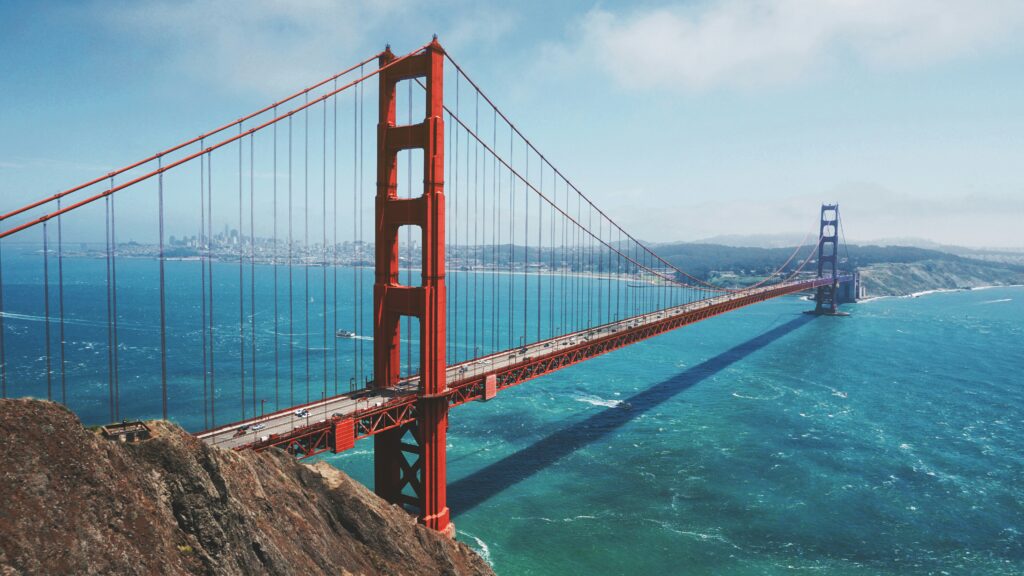
A wide shot of The Golden Gate Bridge in San Francisco, California. The weather is slightly cloudy and the water beneath the bridge is a mix of different blues, due to the current. At the left of the bridge are some cliffs. In the distance, the city skyline is visible.
(Image courtesy of Maarten van den Heuvel via Unsplash)

Escape From Alcatraz

These two anecdotes are from the same day. The gap between them was bridged by walking on an actual bridge. The big red one. Its metal emerged from the hanging fog at regular intervals like futuristic robots rising from prehistoric land. There’s something extremely satisfying about seeing the same thing on repeat over and over again. It has a calming effect on me. Pausing at what I guessed was halfway, I could make out Alcatraz. Framed by the bridge, it looked imprisoned itself. Apparently, he’s thinking of re-opening it. Somewhere to put the immigrants, I suppose…  

As I stood from my barstool, I understood why food and drink is a fine way to see a city: everybody gets hungry, everybody gets thirsty. The Pinecrest and Tommy’s were different in many ways. One purposely faceless and fast while the other is deliberately familiar and slow. One’s sprawling menu racing to keep pace with its clientele while the other’s expertly-measured commitment to its craft teaches us the beauty of Mexico and its delights. What unites them is this: unlike the landmarks and the tourist traps, they’re both necessary

Both could easily sink into the commercial comfort of nostalgia, but neither does. They’re not relics. They’re relevant reminders of the value in communication & connection, meeting new people & learning their cultures, social diversity & tolerance & hope & all those other essential ingredients in the freedom we apparently seek. Both preserve the individuality of a city, a state, and a country under threat from its own leadership. They’re what San Francisco needs to be, for all of us, forever. 

I said goodbye to my new friends — the celebrity and cop — and wobbled my way into Golden Gate Park. The late sun shone in splinters as the last meditative ounce of mezcal took hold. My mind was clear of all thoughts except one: a seat at the counter is always a good idea. 

Where Are You, Mom?

I don’t know what I hear–
I think they’re fireworks.
I don’t know what I see.
They look like fireflies in the sky.
I don’t know what we’re celebrating.
I only see people running.

The shooting stars.
I’ve seen them closer than ever, Mom.
I can’t touch them because they explode and disappear
like magic before my eyes.

It all seems like a circus.
I think I’m part of the event too.
I’ve never been to one, but
I thought the animals were different.
No one smiles, they just cry, Mom.

There are no stars,
But the night shines.
There’s no moon,
But the silence is a scream.
There are no people.
Their shadows haunt me…

I’m scared, Mom.

I’m alone.
Searching for your skin in the roots,
Searching for your voice in the bombs,
Searching for your steps among the rubble
Searching for your body among ghosts.

Where are you, Mom?

It’s dark…
The fireworks aren’t over yet.
But the game is, almost, Mom… you won.
The game of hide-and-seek
I don’t want to play anymore.
I don’t want any more bombs and toy guns.

Come out, Mom!

Where are you…?
Come back, Mom.

I call your name and you don’t answer.
I give up, Mom.
Come out,
I don’t want to play anymore.

You won, Mom.
You won….

A Backpack, A Lifeline

Helping vulnerable kids in Victoria

What started as a simple wish nearly a decade ago has delivered 50,000 backpacks to foster children across the state of Victoria, Australia. But the real story of Backpacks 4 VIC Kids is not a simple number on a spreadsheet—it’s about standing up for some of the most vulnerable kids in local communities. 

Many orphans we read about in fiction could have benefited from foster care — say, Harry Potter? We may be aware there are vulnerable children in our neighborhoods, but most of us probably have never thought about taking in a foster child or how the system even works. 

In 2014, Sally Beard of Victoria, Australia, had a realization: if children are being suddenly removed from unsafe homes, why are they arriving with nothing? No toothbrush. No clean clothes. Nothing to comfort them. Beard had been a foster parent herself, and she had some money she wanted to donate to charity. So she asked Christina of Backpacks 4 Aussie Kids for advice and spoke to others in local foster care organizations and from child protective services.

“I had to make sure there were no other competing organizations,” Beard said. “Every single person said yes, please do this, let us know when we can place an order!”

As a former foster parent, Sally knew too well that these kids often arrive with no other belongings than the clothes on their back. Backpacks 4 VIC Kids began in her home in November 2014 and stayed there until mid-2016, when growing demand moved it into a commercial space in Cranbourne, a Melbourne suburb. As the need continued to grow, the organization later relocated to a larger facility in Cranbourne West. 

The entire operation runs on community support with the help of a handful of full-time staff. First through fundraising, sponsorships, donations, and grant funding. Then through the work of an army of volunteers who help gather, help, and distribute the packs. 

Their first big order came from the community health and home care organization Life Without Barriers in April 2015, which expected approximately 700 packs in five months. Instead, it snowballed from there to mean over 47,000 packs in ten years. 

Backpacks 4 Vic Kids aid grew to see more than $10 million AUD in donations  ($6.5 million USD) spread over the ten years that Sally’s group has been in operation. Deliveries were all free of charge to children in emergency accommodation, foster care, or crisis. 

What’s in a backpack?

Each pack is filled with age-appropriate clothing, toiletries, books, torches (flashlights), blankets, comfort items, and more. The backpacks contain things kids need for the first day of school, things they need for their new lives, and fun things like toys. There are a variety of packs.

  • My Essentials Packs — Quality backpacks and nappy bags for displaced babies, children, and youth (clothing sizes 0000 – youth 18) in Victoria, New South Wales, and Tasmania. Children may be homeless, entering out-of-home care or emergency accommodation.
  • Christmas Gift Pack — Age-appropriate gifts of books, toys, activities, and other gifts along with stocking stuffers, all delivered in lovingly handmade Santa sacks.
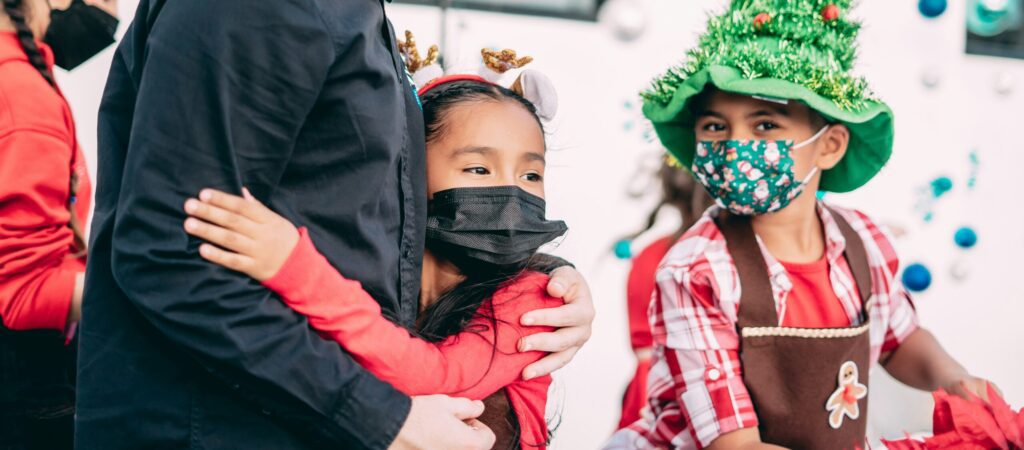
A young man in his twenties smiles as he receives a warm hug from a young girl wearing a festive holiday headpiece and face mask. A boy wearing a hat fashioned like a Christmas tree stands nearby looking at the camera (also masked).
(Image courtesy of Claudia Raya via Unsplash)

The kits are distributed through foster and kinship caregivers, case managers, and child protection officers. Many of these child welfare professionals keep the packs stocked on-site for emergency use within 24–48 hours.

Packs remain free of charge.  While Sally and her crew considered pricing them at $5 to recover costs, they feared it would be a barrier to care. Instead, they rely on community donations and sponsored packs, which come with a tag that lets a child know someone cared. The tag mentions the name of a donor as a gesture of gratitude.

The hidden heroes: kinship carers

Foster parents/caregivers are often called foster carers in Australia and the UK. Backpacks 4 Vic Kids calls them kinship carers. They often need additional support

According to Sally, there are more than 56,000 children in home care across Australia, and kinship carers—often grandparents or extended family—are the invisible backbone of the system. Many are approaching retirement age. Some never planned to become full-time caregivers, but stepped in out of love and necessity. These carers often go without support, and their stories rarely make headlines. But they are the reason many children stay connected to family and culture.

“Kinship carers don’t always get a choice,” Sally says. “They just do it because of family.” Often as seen in film and literature, foster children move in to a close living relative first, and their blood relation will agree to take them in because of their familial obligations.

One such story? Sally’s niece, who came to live with her and completed her Victorian Certificate of Education (VCE) after a year and a half of stability. The VCE serves as the main secondary school certificate in Victoria, Australia, equivalent to a high school diploma.

Kinship carers are the rare kind of people who would open up their homes to anyone who needs it, and remember they are usually older people. In an aging society like Australia’s, they sacrifice a lot of time and resources; so some material support will surely make an impact to aid the children placed in the wizened yet tender hands of the foster care system, the hidden side of foster care in the land down under. 

To be a champion

From a lounge room to a shared garage to a commercial unit and now a 120,000 square meter space and small warehouse, Backpacks 4 VIC Kids has grown because the need remains.

But growth comes at a cost, literally. The charity now carries $800,000 AUD in annual expenditures, including rent, staff, and production. Though distribution surpasses $3.6 million AUD a year, the nonprofit is operating at a loss. Paid staff have been cut by 30 percent just to keep things going.

Support their mission. Let’s keep this story going for the next 10 years — and for every child who deserves more than just the burden on their backs. 

 As the late Rita F. Pierson, an accomplished educator and Ted Talk speaker said:

“Every child deserves a championan adult who will never give up on them, who understands the power of connection, and insists that they become the best they can possibly be.” 

A grandmother hugs her granddaughter lovingly on a cold night. She is a kinship carer, and her granddaughter stares at the camera warmly.
(Image courtesy of cottonbro studio via Pexels)

Such Sweet Sorrow

I know it’s hard to tell
But I’m really wishing you well;
Even packed a bit of lunch for you
And you can go to — .

Don’t hesitate on my behalf
Cause I’m no longer part of your staff.
If I never hear from you, it’s just too soon,
And it doesn’t even hurt when I laugh.

If
I’m wrong,
I’ll sing a different song.
Parting now is such sweet sorrow.
And yet moving on.

So long.

Look, we’ve come this far
And shared a special star.
But don’t look back for any final wave
Just get your mess in your car.

Well, That Was Awkward

I broke down in tears at the pharmacy this morning.

I cost too much to live. 

I was only $20 off. My car payment of $150 went through the night before. I thought I was in the clear. I had not calculated, however, that I would need to hold an extra $20 in my account to cover my prescriptions.

My medication costs a lot in terms of other people’s money — and my time — just to secure them. I then go to the extra effort of taking them, so as to not waste other people’s money; it would be one thing if I were footing the bill for these meds and didn’t take them, but when someone else is paying for them? Unacceptable.

Second, I take them so as not to spiral into the chaos that is my unmedicated medical condition (insanity) — thus not wasting my time by visiting a mental institution (again). It would also cost more money for that additional visit. And it is already expensive to live: rent, utilities, cell phone bill, gas for the car, rent of the car…. And that’s if you’re normal… but, “no one is normal,” right?

“It is ok to not be ok.” Right?

If you say so.

Life is certainly expensive either way. In addition to the federal government backing the mission that is “Justin’s Life,” my parents give me money to make up for the difference between being a have and a have-not. They provide me with $1,400 or so a month, on top of the $1,500 or so a month I earn by being disabled (what a moral conundrum in and of itself, I must add). With that money, I earn the right to live at the poverty line.

The emotional price

I can provide you with a balanced account from this morning alone. The costs were high — high enough for me to cry as the pharmacists dispensed my medications and politely removed items I could not afford to buy if I wanted to afford my medications. Mouthwash. It upsets me to think that my breath smells, but it makes me feel worse to wake up in a mental institution. So, there is the first emotional cost decision — be unhygienic so it keeps you out of a mental institution or worse. So I cried.

As a 40-year-old, 6’3” white male in Manhattan, Kansas, I am sure I created an awkward situation for the attending pharmacists. They are just trying to do their job in the midst of my existential crisis. I would love to thrive or at least have clean breath, but I have to focus on surviving.

If it costs a lot of money to be disabled, I apologize to the economy. 

But I never met an economy that rewarded me for having emotions so powerful they have to be sedated and subdued with prescription medications. So, how much is my emotional labor worth at this moment? I am breaking down, apologizing for not having enough money to pay for what I need, and these two pharmacists are not paid enough to deal with my shit. So, did I make an emotional deposit with the pharmacists or a withdrawal? 

A lonely corridor with high steel bars and a murky gray sky in the background.
(Image courtesy of Indigite Cruel on Unsplash)

The moral price

That is where the moral costs come into play. Were we in Sparta, my baby body would have disintegrated long ago because I was born dead, and thus I would have no value to add. But I was born in America, baby! No concern for the umbilical cord strangling my oxygen supply; they just forced an oxygen tube down my throat and up my butt to bring me to life, according to some. According to those still living, I was born happy and healthy. Either way, according to the federal government, I am permanently disabled. But I was born in America, baby, so I have the rights of Life, Liberty, and the Pursuit of Happiness. 

Healthcare, however, does not fall under the auspices of those rights. 

I gotta fight for those rights every second. A moral dilemma: be an economic burden on the economy by existing or take your chances without the support structure that allows you to survive. A further moral dilemma is believing you are meant to thrive while knowing it takes much more than your emotional budget just to survive.

The intellectual price

My IQ is high as fuck. Too high, really. According to a former psychiatrist, I connect too many dots… that is a nice way of saying I am paranoid, delusional, and insane. But then again, everything is connected, right? From my left nut to my right brain to the end of the cosmos, everything is connected by the reality of energy alone. That is a good-enough stretch for my intellect to admit, in my opinion, that this morning I cried by design. 

What if I spent the money my family gives me to survive on a business that could make me independently wealthy? Then all my problems would be solved. But as a real one once said, “Mo money, mo problems.” That is the smartest thing I have ever heard, and I say that as someone who has seen what happens when people get the wealth they worked toward. I have enough problems as it is.

And so the economy did what it was designed to do — take labor from me in return for goods and services. The labor, however, was in the form of financial, emotional, moral, and intellectual production; my family came through for me financially, as they always do. I merely had to invest the emotional, moral, and intellectual labor. To survive.

What am I capable of when I begin to thrive? 

A single pink tulip and orange and purple pansies thriving next to a brick wall.
(Image courtesy of taliesin on Morguefile)

Samson in Retrograde

My name is Jordan, and I am a music addict

The other day, someone asked me to list five albums I couldn’t live without. At some point, in some future soul-baring discourse, I may reveal my other four, but for present purposes, let me tell you about one: David Crosby’s 1971 LP If I Could Only Remember My Name

For someone whose cultural frames of reference, creative ideals, and hippy sensibilities throw me at least fifty years out of step, I’m painfully aware that the next decade presents a likelihood that most — if not all — of my heroes will hear their boarding call to the Pearly Gates from the comfortable seats of their Mortal Departure Lounges, to board their final flight. 

Crosby died and I revived

I’ve been lucky, so far, in prolonging the inevitable. I took a quiet moment to mourn Christine McVie. But the only passing that has truly rocked me was David Crosby’s. The relentless rebel. The progenitor of uniquely uncommercial music and mindful challenges to mindless authority. All the way to the end, he sang musical messages of tolerance which, for most people, went out with the invention of the Espresso Martini and the box-office debut of Wall Street. Despite generational attempts to crush the utopian dream, it lives on in some circles.

The dream didn’t die. Not entirely. In certain corners, mine included, it still lives. 

You see, for me David Crosby represents the eternal rebel — authenticity in the face of fakery, creation over stagnation, reinvention, and the recovery of winning the final battle against the toxic trappings of wealth, power, and propaganda. He lives on as the spirit of something I came frighteningly close to losing: my love of music. 

Almost cut my hair, it happened just the other day.
It was getting kinda long, I could’ve said it was in my way. 
But I didn’t and I wonder why. 
I feel like letting my freak flag fly. 
Yes, I feel like I owe it to someone.
— David Crosby, “Almost Cut My Hair (Deja Vu, 1970)

Okay, I cut my hair

Unlike Croz, I did cut my hair.

My unforgivable act of conformism.  

As I packed to fly the nest to university, I visualized the in-flight movie of my own life: a first-class law degree it held and the soaring promise of a lifetime in the “Eight-Miles-High echelon of champagne society. I made an inspired decision: my music and peace-loving persona could not co-exist with my professional ambitions. I had to choose between the circle and the square — I chose the square. 

A suit, a desk, and the slow death of sound

Photo of a long-haired man high above the water on a wakeboard.
(Image courtesy of Abi Greer via Pexels)

My record collection was incarcerated in cardboard, as my listening habits migrated from concept albums to podcasts by CEOs. My guitars and case stared at me from strait-jacketed corners of city apartment rooms, taunting reminders of what I used to be and how far I’ve come. 

Just as the meaning of R&B changed unrecognizably, somewhere — from The Yardbirds to Destiny’s Child — the quiff coif was no longer a symbol of rock and roll defiance. It was the head furniture of a corporate “Yes Man.” My resplendent mane was cut, and with each lost lock, a door slammed on my former self. I left myself behind.

I soon learned that the only thing more miserable than being confined to a desk was its hi-fi electronic appendages beaming surround-sound, direct-injection stress. Fifteen hours a day doing so as a suited and booted, short-haired automaton. Deadlines screaming in stereo. 

Without my daily dose of musical medicine, I was trapped in a loveless marriage to a career, with no visible emergency exit. 

Passion suppressed… 

Personality eroded…

TOTAL SHUTDOWN. 

Coming home to the sound of myself

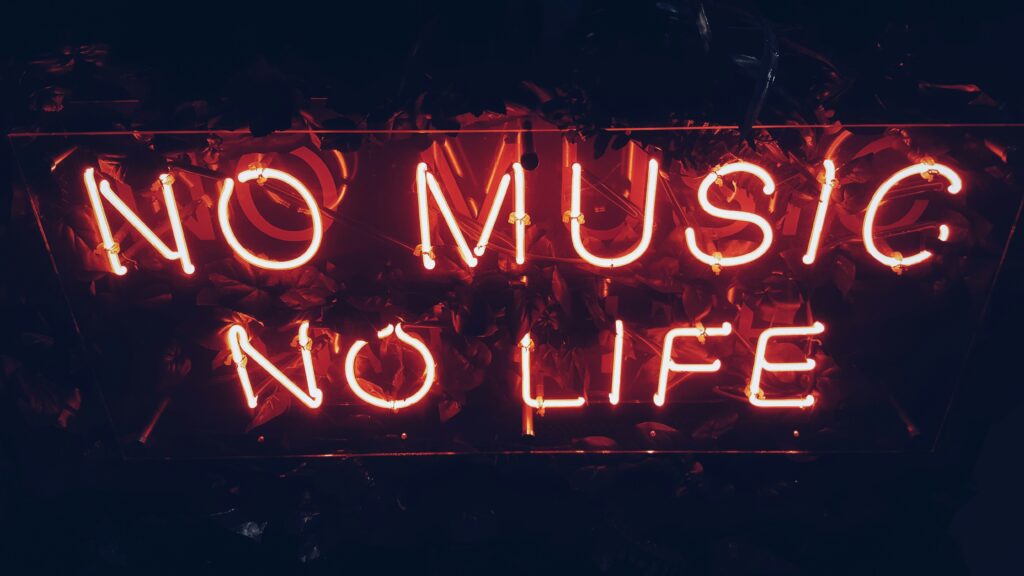
Photo of a red “No music, no life”  neon sign.
(Image courtesy of Simon Noh via Unsplash)

But music has a way of calling you home.

“Why don’t you get back into your music?” 

Sage advice from the reliable co-pilot of my life’s course… 

Sometimes rebellions are small:

Foregoing a business lunch to raid the dusty local record racks.

A slow reintroduction of my favorite sounds to my rusty ears.

Perusing the Lonely Hearts’ Musicians columns for prospective band members.

The uniform started to dissolve. Tie pin swapped for a CND brooch. Gold watch alchemically transformed into a wristful of beads. I scribbled lyrics and chord progressions on the back pages of a legal pad fast filling from the front with to-do lists and financial targets. I was writing songs for the first time in years when I should’ve been working. 

But I was working: doing my real work. And all the while, my hair was regrowing. Past the ears, the collar, the shoulders. Like Samson-in-retrograde.  

Moonlight as a tightrope walker?

Why is it that we reject our passions for professional success? Why can’t a stockbroker also be a record-breaker? A politician, a part-time poet? 

Why can’t an art-loving banker be an artisanal baker? Or a teacher moonlight as a tightrope walker? Why can’t a lawyer be a longhair? With each inch of regrowth, how much did my intelligence recede? Did my legal advice lose its luster? 

No. Those abandoned guitars weren’t telling me what I’d escaped, but what I’d lost. I can combine my profession with my passion, and I should. I owed it to myself.  

Recapturing my love of music was the easiest thing I’ve ever done, because it was what was supposed to happen all along. As I type these words, I’m spinning my copy of David Crosby’s If I Could Only Remember My Name. Its first song: “Music Is Love.”

“Rescued Nigerian Miners Recount Shocking Ordeal With Chinese Employers”

Twelve Nigerian miners in the Central African Republic (CAR), whom the Nigerian government rescued last month, have recounted the horrible ordeal they endured while working for their Chinese employers.

Last month, the attention of the Nigerians in the Diaspora Commission (NIDCOM) was drawn to a viral video of some miners who had been left stranded in the forest by their employers after nearly two years of hard labour.

The commission, with the help of the Ministry of Foreign Affairs, the National Emergency Management Agency (NEMA), Immigration, and the CAR ambassador in Bangui, quickly intervened in the matter and ensured that the miners were safely evacuated from the deserted location.

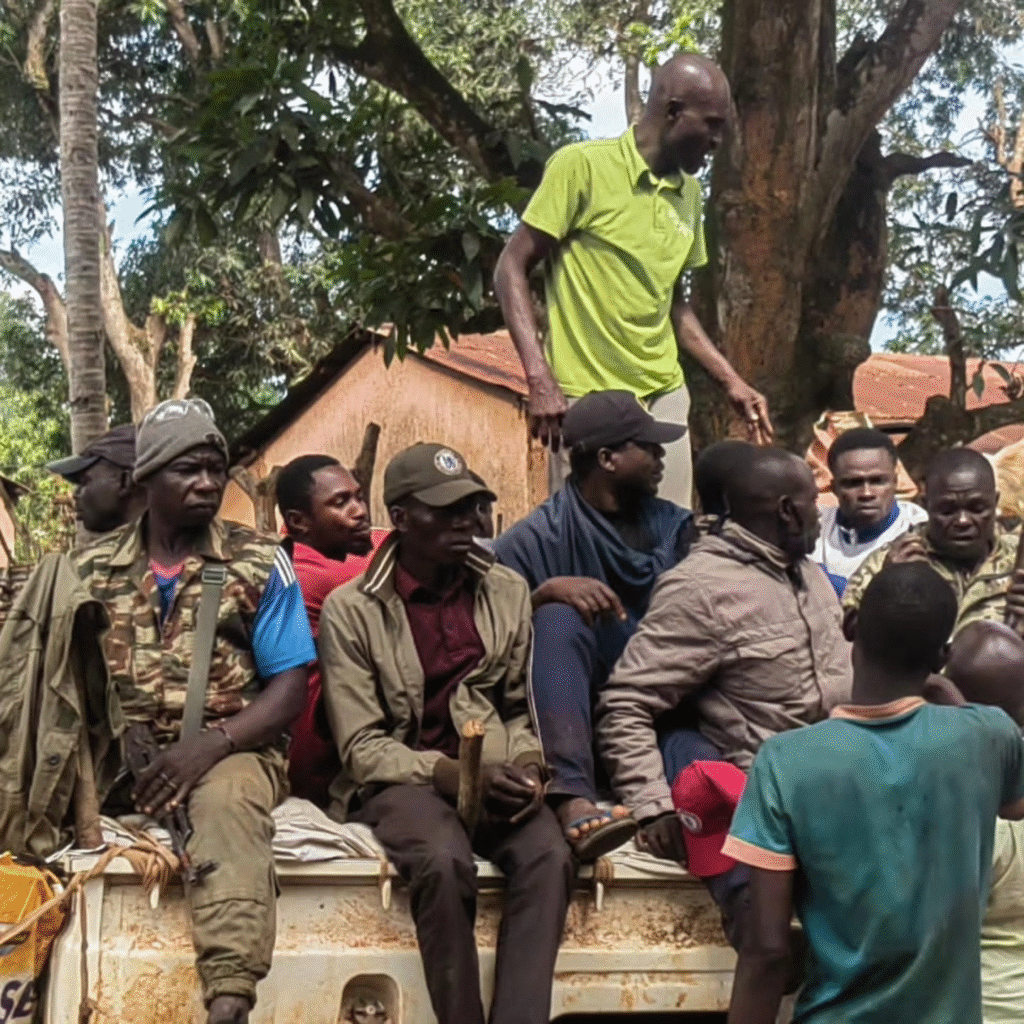
The Nigerian Miners Being Evacuated From the Forest (Photo by Ministry of Foreign Affairs, Nigeria Via Facebook)

Nearly one month after their rescue, the miners have returned to Nigeria and have recounted the horrid experiences they endured during their 20 months of work. In addition to being abandoned in the forest with no pay for 11 months, the miners also detailed the abuse they were forced to deal with.

One of the rescued miners, Igorigo Freeborn, said, “We were homosexually abused by our Chinese employers in CAR. I am not ashamed to say it. I want other people to learn from it. We were treated badly there, but thank God for sparing our lives to tell the stories today.”

He also went on to express gratitude for their rescue, stating,” I want to thank President Bola Ahmed Tinubu, the Minister of Foreign Affairs, the Nigerian Ambassador in Bangui, NIDCOM, NEMA, Immigration, and all other agencies that helped us.”

Freeborn, who was speaking on behalf of the miners, pleaded with the Federal Government to help them pursue justice on the matter.

During a scheduled visit with the miners at the NIDCOM office in Abuja, the chairman of the commission, Hon. Abike Dabiri-Erewa, assured the men that the commission and other relevant agencies would follow up to ensure that the injustice is properly addressed and redress obtained.

Chairman of NIDCOM, Hon. Abike Dabiri-Erewa (Photo by Spotlight Nigeria)

As a form of rehabilitation, the workers were offered cash donations by NIDCOM and Perchstone and Graeys law firm, to enable them to support their families and rebuild their lives in Nigeria.

Hon. Dabiri-Erewa equally pleaded with corporate organizations in Nigeria to show support for the miners by providing them with job opportunities that would contribute to their rehabilitation efforts.

Speaking on how to curb these problems and stop other Nigerians from falling victim to such situations, the chairman urged the miners to join the commission’s advocacy campaigns against irregular migration by leveraging their experiences to warn others of the dangers.

The Chinese Embassy in Nigeria has also shown its readiness to address the issue, saying, “We have also just noted the relevant reports and attach great importance to this matter. We will immediately commence an investigation.”