I grew up drinking rosehip tea with people I knew but couldn’t see. My grandparents, Giszela and Moric, laughed about the good times they had shared with cherished relatives and friends, beckoning them into our conversations, and so into my memories.
I knew about their slo-mo holidays in the Tatra Mountains between Slovakia and Poland, and that ice skating on frozen lakes was pure joy. I could tell anyone about the time my great grandfather, a headmaster at a Jewish school, chose his daughter, my grandmother, to accompany him to the mayor’s ball, an event far out of his comfort zone. But most of all, I felt the lack of prescience of these “invisibles.” My grandparents once grasped that it was time to quit everything that was familiar to them, fast. But they always regretted failing to persuade significant others to share their flight response to what they saw unfolding around them, just before the family’s halcyon days sunsetted and crashed in the wreckage of The War.
Cherries rule!
We were in London, but actually, in the alternate universe of my grandparents’ home, we were always somewhere else. Speaking something else. Hungarian, Czech, Slovak, German, Yiddish, Russian, and French words whizzed past our watchful faces. We listened as we tickled the legs of hapless visitors under the dining room table.
These lower limbs belonged to a thick-accented coterie of relatives and friends just passing the time together on slow afternoons. Most of them, my father too, sashayed between languages, the silver-lining skill of many a refugee. And these came from a region where borders had moved like chess pieces for centuries.
Subscribe to The Superhero Brief!
Free access to the CEO's newsletter.
The views expressed in this newsletter are those of the CEO and do not necessarily reflect the views of the organization.
The walls of the forever corridor in my grandparents’ home were decorated with antique maps of the Holy Land and plenty of framed embroidery. These sewn pastoral motifs must have stolen acres of time from their creators, people I could see and those I couldn’t, I thought. My grandmother, for one, the educator’s daughter, who had dabbled in teaching movement, writing, and sewing to small children at her father’s school, but had let her brilliant mind lie fallow. She was known affectionately as Anutzi, mother in Hungarian.
(Image courtesy of Tycho Atsma via Unsplash)
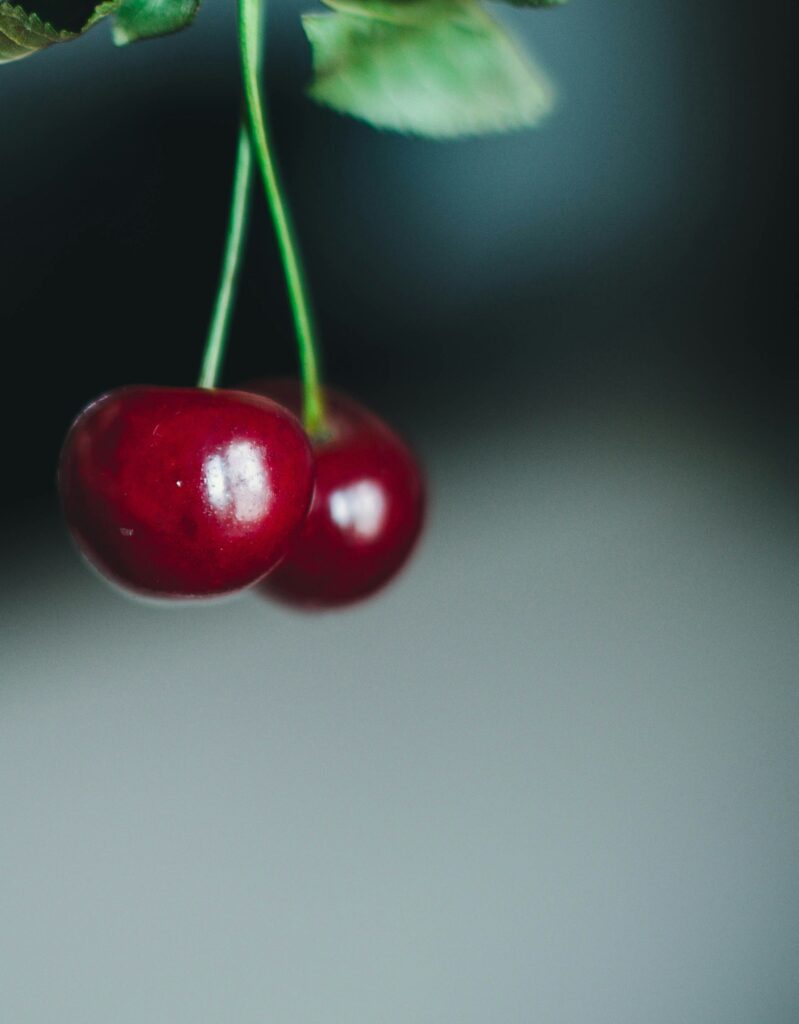
But we felt at home breathing in the paprika-scented dishes, and nibbling on thinly-sliced radishes, always parked on the table. And, of course, we loved the cherries that were everyone’s favorite. We waited for the cherry liquor chocolates in shiny wrappers and the preserved sour cherries in painted jars often brought back by visitors to the Old Country, but especially for the fresh cherries, whose pairs made perfect earrings.
(Image courtesy of Nika Benedictova via Unsplash)
Once, when we bumped into each other on the avenue by his apartment building, my excited grandfather, his eyes twinkling, sang to me about his bounty of delicious purple cherries; the precious package dangling from his Zimmer frame walker.
Drawing back the Iron Curtain
Sometimes, visitors who had remained behind the mysterious Iron Curtain where these languages still bloomed, and who were only dipping their toes in “The Free World,” joined us for chamomile or rosehip tea. They talked about their bleak days under Soviet rule. More than once, these wishful defectors flirted with the idea of escaping to the West and abandoning their families, right in front of us.
But there were plenty of other émigrés who had resettled locally, decades earlier, or who had fled from communism more recently, like my relative Serena, whom we never saw without the plaster covering the number branded on her arm that she had kept hidden since The War. We could count on them to bring their own and very present invisibles along to tea. It didn’t matter that these lost loved ones were long dead, or if we were confused and a little frightened.
On rare rain-free days, these guests and their shadows met up at Mitteleuropa-style coffee shops with names like Louis. They had sprung up between the usual London retail chains, to serve our “resident aliens” anchoring in the familiar setting. Their windows dazzled with creamy patisserie delicacies that I have only ever seen since in Budapest.
We hurried out of the London cold and into their womb-like interiors for yet more tea at the tiny tables where our grandparents’ invisibles were ever-present.
Sidestepping trauma?
Never was the missed presence of these yearned-for people more apparent than at the end of a sentence. A long sigh, eyes locked sideways, held by a memory, lips contorted into bittersweet smiles. We heard of the quintet of my grandmother’s siblings whose lives were snuffed out before they hit middle age. If we ever dared ask, we received the standard it-was-The-War response and knew better than to interrupt the trancing storyteller.
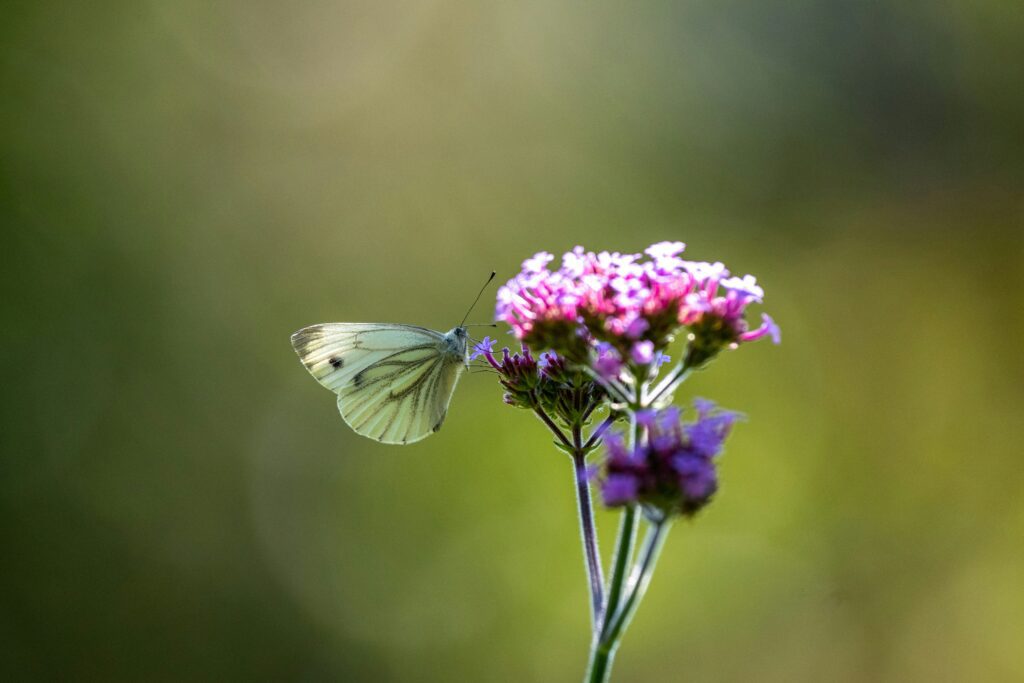
A counsellor once shared with me that to overcome trauma, you should revisit it like a butterfly. Land on it, but only momentarily, and then return for a little longer, before flying off to happier recollections. But instant tears, heaving chests after a bout of sobbing, and constant retellings, all signify work still to be done.
(Image courtesy of Leon S via Unsplash)
As Giszela and Moric aged, they just couldn’t fly away. Instead, they were sucked deeper into their unsettling memories, condemned to relive the rupture from loved ones on constant repeat. Why, my grandmother lamented over and over to us, did she not deceive her dentist brother and tell him that he was guaranteed work in London, offering a white lie that could have saved him, instead of just sending him banknotes hidden in books?
Ah Sándor, if only I had told you that I’d found you work here.
Towards the end of their lives, the past and present began fusing in strange new narratives, powered by the will to regain control over time and history. My grandfather, a natural-born businessman since his apprenticeship in pre-war Frankfurt, asked my mother what he should “do” about the Dalai Lama!
My grandmother, delirious from illness, reassured me as I held her delicate hand, not to worry. Aputzi (my grandfather, father in Hungarian), would ensure that we were all buried very soon. This is a scary thing to hear when you’re a teenager, but not so strange when you remember that this rite of death was denied to many of our family’s extinguished personalities.
It was only in the 1980s, after my father died prematurely from a haunting sadness, my mother said, before we learned the truth. My grandparents followed soon after our father. That’s when we, his daughters, discovered what none of them had ever told us: Our grandparents were actually my father’s aunt and uncle.
They had left for Switzerland and then England in the dawn days of WWII, rushing my father away to safety, at the same time wrenching him from his younger parents, Eszter and Max, our real grandparents, whose lives would be brutally snuffed out in The War. But not before his beloved mother, knowing that they were doomed, wrote my father letters overflowing with love and pain.
I have a background in writing, editing, and global trends. I believe in the transformative power of words and understand that everyone has a valuable story to tell.





Comments
Be the first to share your thoughts!
We value diverse perspectives and respectful debate.