Brazilian football club Flamengo advances UN partnership and calls for symbolic recognition of its global fanbase

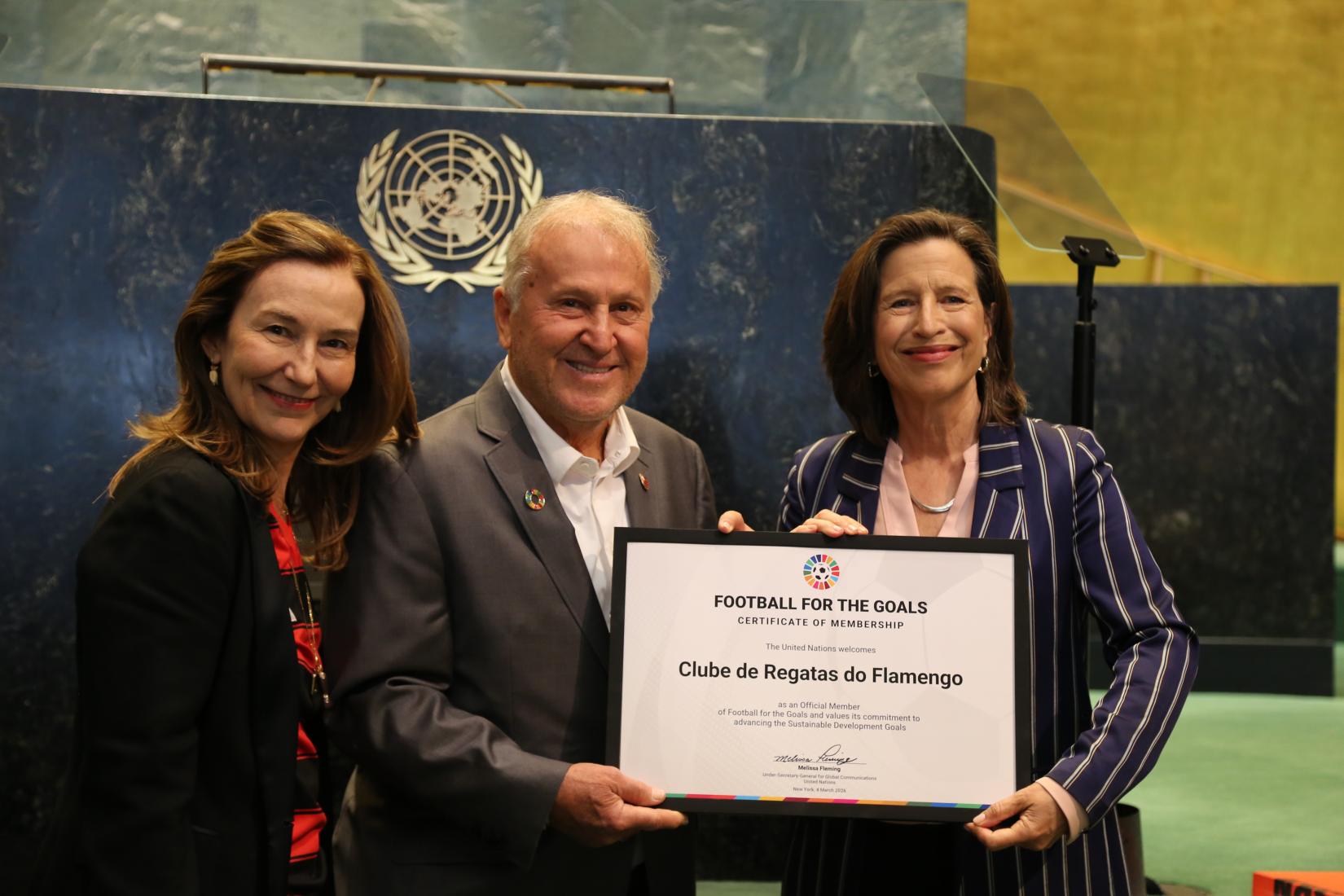
On Tuesday, April 13, the United Nations met with Brazilian football club Clube de Regatas do Flamengo, based in Rio de Janeiro and one of the country’s most widely supported teams. The meeting took place to formalize the club’s participation in the “Football for the Goals” program, a United Nations initiative that seeks to use the reach of sport to promote human rights, environmental issues, and social transformation in alignment with the Sustainable Development Goals (SDGs).

Representing the club and its supporters, Flamengo legend Zico, a former Brazilian international widely regarded as one of the country’s greatest players, was received by the UN Under-Secretary-General for Global Communications, Melissa Fleming. 

During the meeting, the former player presented the organization’s headquarters in New York with a publication highlighting the club’s social initiatives and reinforcing its commitment as a cultural force in Brazil, as well as its support for the UN’s Sustainable Development Goals (SDGs).

“Flamengo’s participation reinforces the potential of football as a powerful platform for social mobilization. By bringing in one of the world’s most influential clubs, we strengthen a movement that connects the passion for the game with the need to build a more just and sustainable world,” Fleming said during the occasion.

The Brazilian club presented projects aligned with the global agenda, including initiatives focused on addressing social inequality, promoting health, and combating racism. The club reaffirmed that its participation in the program seeks to expand the use of its cultural impact as a tool for social mobilization capable of generating tangible change in society.

Almir Silva, a Flamengo supporter for more than fifty years, told The Sentinel that the team’s international recognition marks a significant shift for its fanbase. “We have always been a massive group, and seeing the strength of our supporters extend to other countries and causes beyond football is remarkable.”

Campaign for recognition as a “Symbolic Cultural Nation”

The club’s participation in the “Football for the Goals” program comes amid a campaign led by Flamengo seeking symbolic recognition of its supporters as a “transnational cultural nation.” The concept refers to a group that shares culture, traditions, identity, and values, but is not limited by geographic territory or state sovereignty.

Such recognition has not previously been granted to a sports-related fanbase. If approved by relevant international bodies, the proposal would represent an unprecedented step, marking the first time a football fan community would receive this type of symbolic recognition.

In September 2025, Clube de Regatas do Flamengo launched an international initiative presenting a document to the United Nations advocating for the symbolic recognition of the so-called “Rubro-Negro Nation,” a reference to the club’s red-and-black colors. The proposal aims to highlight the sociocultural phenomenon represented by one of the largest sports communities in the world, with its own traditions, chants, history, and values.

The resolution would not aim to confer political status or territorial sovereignty, but rather to formally recognize the sociocultural phenomenon represented by Flamengo’s supporters. The club emphasizes that its fans are present not only throughout Brazil but also in several countries around the world.

“If we were a country, we would have the 36th largest population in the world. We are more than 45 million people united by the same flag, the same culture, and the same feeling that spans generations. Flamengo is not just a club—it is a nation,” said Zico during the 2025 campaign.

If accepted, the club argues that the resolution could set a precedent for other global communities formed around sports fanbases or cultural movements to be considered in international forums.

Global impact

The scale of Clube de Regatas do Flamengo’s fanbase helps explain why the club has drawn the attention of the United Nations for initiatives such as “Football for the Goals,” which seek to use sport as a tool for social mobilization.

In recent years, the club’s influence has expanded far beyond Rio de Janeiro, reaching audiences in other countries. International broadcasts and major sporting events have further increased Flamengo’s visibility.

One example is the club’s participation in the FIFA Club World Cup in 2025, which brought together teams from around the world, including Chelsea FC and FC Bayern Munich.

Founded in 1895, Clube de Regatas do Flamengo began as a rowing club before becoming one of the most prominent forces in South American football. Over the years, it has won national and international titles alongside legends such as Zico, Júnior, Romário, and more recently Gabriel Barbosa.

Today, it stands as one of the most successful clubs in South American football, having won three Copa Libertadores titles over its history.

The club’s participation in the “Football for the Goals” program is expected to expand the reach of social initiatives linked to sport, generating positive impacts for communities in Brazil and around the world.
Chelsea FC: from oblivion to paradise!

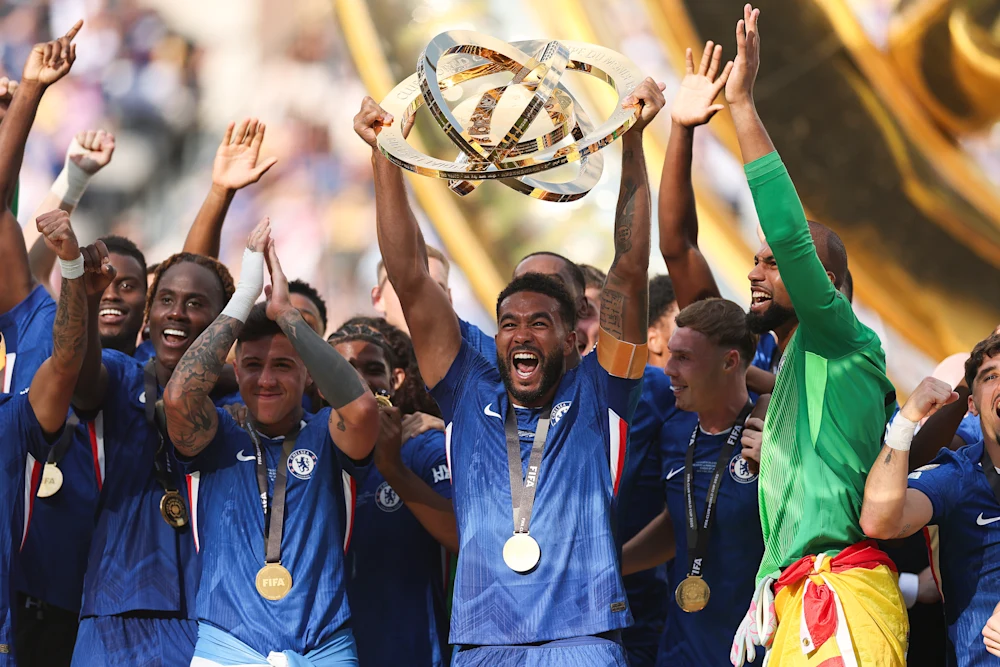
When the referee blew the final whistle, it became reality. Chelsea FC, once again, defied the odds to become the first club ever to conquer the brand-new FIFA Club World Cup, hosted in the United States. A unique edition with the 32 best teams on the planet, it proved a success both on the pitch and financially for FIFA, ahead of next year’s major event.

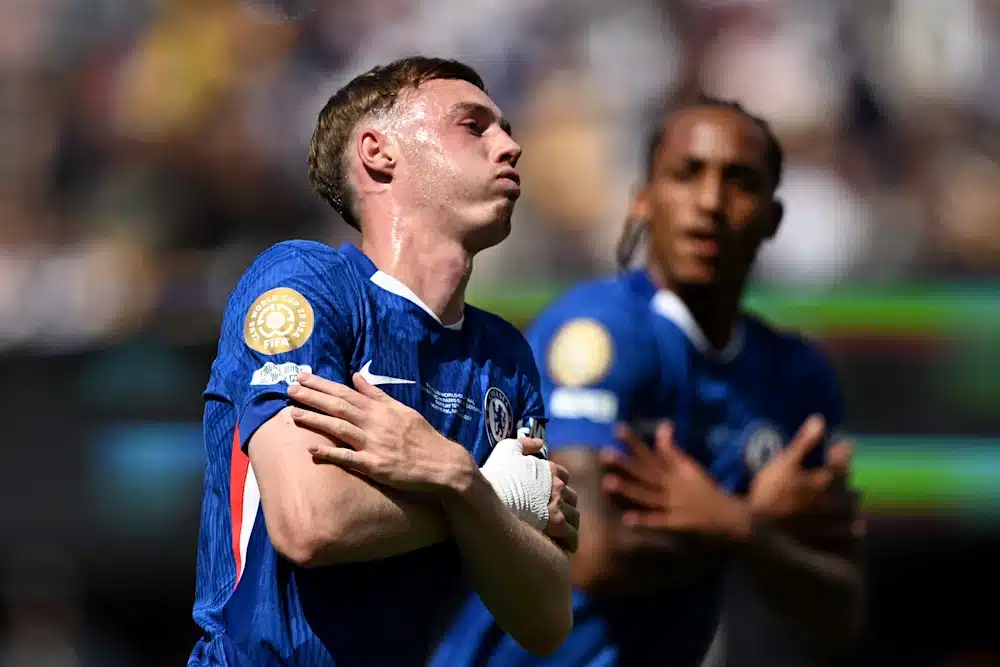
For Chelsea FC, defeating clear favourites Paris Saint-Germain with relative ease – a first-half brace from Cole Palmer (22’, 30’) and another strike from João Pedro (43’) – was a statement to the world: they are back.

Cole Palmer and his already trademark ‘cold’ celebration. He scored twice in the final. (Chelsea FC website)

Previous difficulties

“There is a light at the end of every tunnel” – a famous quote that fits the club’s last three years’ story perfectly. After the UK government forced the club’s sale, ownership moved from Roman Abramovich to a consortium called BlueCo, led by American businessman Todd Boehly.

In the meantime, the club’s appeal faded and results collapsed. Graham Potter, Bruno Saltor, Frank Lampard and Mauricio Pochettino all took turns in the dugout, but none had it easy. External circumstances didn’t help either.

Chelsea finished 12th in the 2022-23 Premier League season, then “recovered” to 6th the following year. With no European competition in between and lacklustre results on the pitch, it felt like a downward spiral until Enzo Maresca was announced as head coach in May 2024.

Italian mister in charge

That proved a turning point and, perhaps, one of the savviest decisions in the club’s recent history. The former Leicester City coach restored a winning mentality and a bold, attractive style of play. As a result, Chelsea clinched a top-four spot (while becoming the youngest Premier League side ever at 24 years and 36 days) and lifted the Conference League trophy after a 4-1 win over Real Betis in the final.

Enzo Maresca collected several trophies as a player and now is doing it as a coach. (NBC Sports)

With that emotional boost, they headed to the United States for the inaugural Club World Cup. 

A 3-1 defeat to Flamengo in the second group stage game, a weather-delayed four-hour encounter against Benfica, back-to-back wins over Brazilian sides thanks to mid-tournament signing João Pedro, and a sensational performance in the final against the Champions League holders – it was a wild month. They won silverware, gained experience and proved they could be serial winners again.

“I’m very happy especially for them [players] because they deserve this moment. At the end of the day you can give a detailed plan to your players, but they need to execute it and they did that so well,” Maresca told the club’s official channel after the final.

A special mention goes to Willie Isa, added to the backroom staff as player support and development officer. The former Wigan Warriors centre played a vital role in the squad’s mentality shift. This Chelsea side isn’t just tactically well-drilled, they run tirelessly and press smartly like lions. Much of that hunger should be credited to Isa.

Willie Isa's winning mentality proved key for the Chelsea turnaround. (LoveRugbyLeague.com)
Willie Isa’s winning mentality proved key for the Chelsea turnaround. (LoveRugbyLeague.com)

Fan insight

The success is a signal of hope for the future and shows how the club has managed to return to the good old ways. Nathalia Tavares, a communicator and avid football fan, travelled to the United States and witnessed the tournament first-hand.

“It was great to see Chelsea acting like they knew they could win it, which eventually happened. Not only will Chelsea wear that badge for 4 years, but they come into this season with a lot of confidence in where they are heading, so much different than it has been for the past 5 years or so” she explained.

Maybe the initial loss against Flamengo ended up being a blessing in disguise, as the team avoided the big favourite Paris SG until the final match — rather than facing them in a knockout phase. “I guess there was a big expectation of Chelsea topping the group which would mean a harder path, but it didn’t happen, so the title became more tangible” Tavares stated.

“It’s very clear how the mentality has shifted ever since the Fulham away game,” explains Gabriel Fraga, a lifelong Chelsea fan from Rio de Janeiro, Brazil. In that match, Chelsea kept their Champions League hopes alive after a quick late turnaround — thanks to goals from Tyrique George and Pedro Neto.

Since his arrival last year, Pedro Neto keeps proving decisive when it matters most.

Another detail Fraga pointed out was how smart and prepared the new coach is. “Maresca’s system has evolved,” he added. And yes, as seen in the games against Flamengo and in the final, the Italian coach is not afraid to shake things up depending on the opponent.

New season ahead

Only three weeks after lifting the trophy in the USA, the Blues returned for a short preseason, and they did it in style. They beat Bayer Leverkusen 2-0 and AC Milan 4-1, both matches played at the tempo of world champions. Fans at Stamford Bridge also got a first look at the club’s new signings.

Estêvão Willian, the Brazilian prodigy, made his long-awaited debut and immediately impressed. A goal and a penalty-won assist across two games, plus flashes of pure quality play, had the crowd cheering loudly. At just 18, he’s already pushing for a starting spot and, if he keeps this up, it won’t take long.

“We punished him for scoring against us,” joked Maresca. As a reminder, Estêvão scored one of the tournament’s best goals for Palmeiras in the Club World Cup (ironically against Chelsea).

João Pedro (23), Jorrel Hato (19), Jamie Bynoe-Gittens (21), Liam Delap (22), Darío Essugo (20) and Aarón Anselmino (20) also made their home debuts. All are under 23, a clear sign of the club’s long-term vision.

No more blue days

After losing the Carabao Cup final to Liverpool in February 2024, former player and pundit Gary Neville branded Chelsea “a blue billion-pound bottlejob.” 

The joke spread quickly across media and social platforms, but Todd Boehly’s plan stayed on course. Backed by sporting directors Paul Winstanley and Laurence Stewart, less than two years later the project is paying off. 

As the trophies keep filling the Stamford Bridge cabinet, the standards get higher. Tavares acknowledges this clearly: “My expectations for the season are the best possible. Returning to the UCL is huge already, but I feel like Chelsea can push in the PL and do better in the national cups — although I don’t think they should be a priority as they’ve been in the past years”.

Back in business, Chelsea kicked off their Premier League campaign with seven points out of nine. After a goalless home draw against Crystal Palace, they responded with back-to-back wins — a 5-1 thrashing of West Ham and a solid 2-0 victory over Fulham. They may not be title favorites, but they’ve already shown their credentials.

Before the transfer window closed, Chelsea secured the signing of Alejandro Garnacho from Manchester United. The 21-year-old winger finally landed at Stamford Bridge and will be available for Maresca right after the international break. Fellow Argentine attacker Facundo Buonanotte also joined on a season-long loan from Brighton.

Alejandro Garnacho will wear #49 and is expected to make an instant impact. (CFC Pics on Twitter)

Chelsea are back where they belong and this feels like just the beginning of a new era of success at Stamford Bridge.

European transfer buzz and Club World Cup breakout stars

European football season ended with a statement, as Paris Saint-Germain thrashed Inter Milan 5–0. Some would argue a new powerhouse has arrived — ready to dominate the game for years to come.

With the summer transfer window open until September 1, every team is looking to upgrade. Deals are already in motion, and many clubs aren’t wasting time. Let’s take a look at what’s going on:

Premier League 

The richest league in the world is no stranger to big spending, and this window has already delivered moves that could change the game.

Fresh off their title win, Liverpool didn’t hesitate. The Reds snapped up right-back Jeremie Frimpong, left-back Milos Kerkez, and creative midfielder Florian Wirtz — the latter arriving for a British record fee. All three are under 25 and expected to start right away. It is a huge boost for new manager Arne Slot, especially after losing club icon Trent Alexander-Arnold in late May.

“Attack wins you games, defense wins you titles” —a line Mikel Arteta has adopted at the start of this window. After finishing runners-up for a third straight season, the Arsenal boss is going all-in. So far, the Gunners have brought in goalkeeper Kepa Arrizabalaga and midfield anchor Martín Zubimendi. Now, all signs point to Cristian Mosquera joining next, after the young centre-back turned down a contract renewal from Valencia.

Meanwhile, the transfer rumor mill is making sound with links to Viktor Gyökeres, Noni Madueke, and Eberechi Eze. The Swedish striker and the two electric wingers could add a whole new dimension to Arsenal’s attack —potentially making this one of their biggest transfer windows ever.

Manchester City, the most dominant English club in recent years, ended this season without silverware. After losing the FA Cup final to Crystal Palace, Pep Guardiola’s side traveled to the United States for the Club World Cup, where fans got their first look at new signings: midfielder Tijjani Reijnders, left-back Rayan Aït-Nouri and the magic midfielder Rayan Cherki. All three slotted in seamlessly —so expect the Cityzens to be serious contenders for the Premier League title once again.

Rayan Cherki grabbed an assist during his cameo against Al Hilal. (via Cherki X account)

Meanwhile, Chelsea is on an upward trajectory. They became the youngest side in Premier League history, with an average age of just 24 years and 36 days. That didn’t stop them from qualifying for the Champions League — their first time back since the new ownership took over — and winning the UEFA Conference League in style with a 4–1 win over Real Betis.

So far, the Blues have signed striker Liam Delap (22), centre-back Mamadou Sarr (19) from Strasbourg and just unveiled Brazilian forward João Pedro (23) earlier today. English winger Jamie Bynoe-Gittens (20) is expected to be next, after reaching an agreement with Borussia Dortmund. Ghanaian playmaker Mohammed Kudus (24) is heavily linked with a move to West London. Chelsea has clearly embraced the youth movement, and it is beginning to pay off.

Elsewhere in Europe

Clubs across the continent are also making big moves, and big statements.

Real Madrid wasted no time in landing long-term target Trent Alexander-Arnold, the most dangerous full-back in world football- on a free transfer. They also brought in Spanish centre-back Dean Huijsen from Bournemouth. But the biggest addition might be on the touchline: Xabi Alonso has taken over as manager, promising a more expansive style than his predecessor, Carlo Ancelotti. Pressure is way bigger in the Spanish capital but anything close to the historic double with Bayer Leverkusen — including an unbeaten Bundesliga title — would be a huge success.

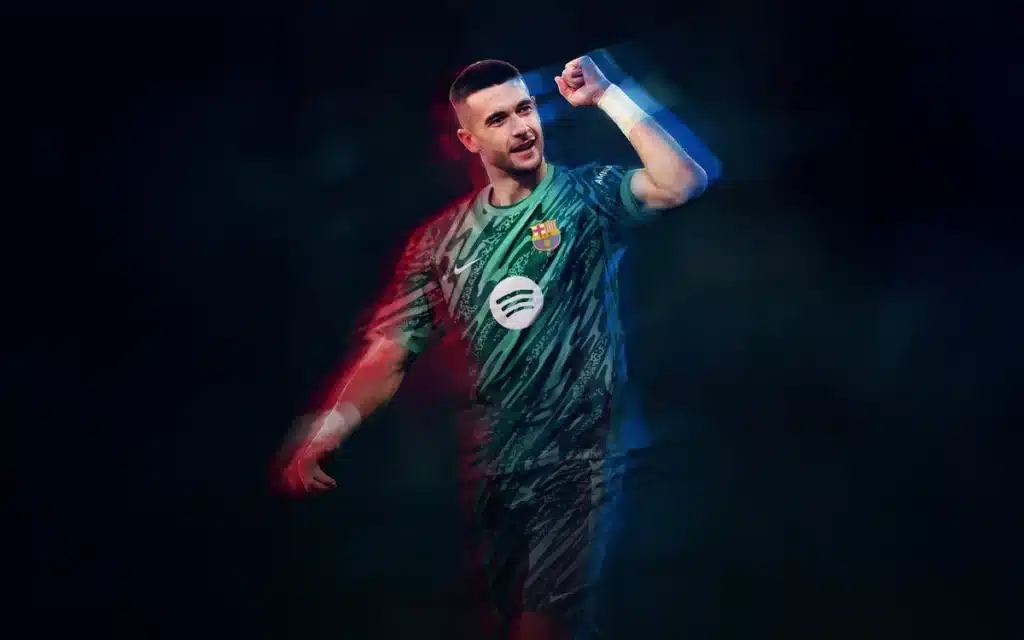
Barcelona also moved quickly, bringing in goalkeeper Joan García (24) from city rivals Espanyol with hopes of locking down the position for the next decade. Veteran Wojciech Szczęsny (35) returned from retirement last season and played a key role in Barca’s run to the Champions League semi finals. A smart long-term plan in motion at Camp Nou.

Joan García was crucial in helping Espanyol avoid relegation (via FC Barcelona site)

Atlético Madrid have no time to regret a disappointing campaign. They’ve added three international players in left-back Matteo Ruggeri, attacking midfielder Álex Baena, and midfield anchor Johnny Cardoso, all 23 or younger —in an effort to inject new life into the squad.

The third giant of Spanish first tier football is also busy. After a disastrous season, Atlético de Madrid wasted no time and secured the services of left-back Matteo Ruggeri (23), advanced midfielder Álex Baena (23) and anchor Johnny Cardoso (23). All three international players, expected to revitalise the squad.

Club World Cup Sensations

Amid the success of the tournament currently being played in the USA, Al Hilal stunned the world by defeating Manchester City against all odds. The Saudi side is the latest to shake up the global football scene. Several players have also stolen the spotlight, potentially earning themselves moves to top European clubs once the competition ends.

It’s safe to say this has been the tournament of Colombian midfielders. Both Richard Ríos (Palmeiras) and Nelson Deossa (Monterrey) have been vital to their teams, electrifying fans every time they touch the ball with their athleticism, technique and reading of the game. Both are also powerful ball-carriers with long-range striking ability. Deossa even scored one of the goals of the tournament in a stunning strike against Urawa Reds.

Both at 25, they’ve drawn serious interest. Ríos —who also was impressive in Copa América last summer— has been on the radar of Inter Milan, Porto and Manchester United. Don’t be surprised if Deossa receives the same level of attention.

Nelson Deossa and Richard Rios have been both magnificent. Colombian stars. (Own edit)

Jhon Arias is the third Colombian lighting up the tournament. The dynamic winger is in the form of his life and was key in Fluminense’s 2–0 win over Inter. A constant threat on either flank, defenders have struggled to contain him. His brilliant free kick against Korean side Ulsan HD was one of the highlights of the group stages round.

Igor Jesus (24) made headlines with his winner against Paris Saint-Germain. Despite Botafogo getting knocked out in the last round, his performances stood out the most. With a unique hold-up style and strong link-up play, he drew comparisons to Didier Drogba. A major comparison that highlights how good the striker is, and rumours say he’s on the verge of joining Nottingham Forest.

And then there’s Wesley França, a flying full-back. At just 21, the Flamengo star has pace, flair, and intelligence. Brighton and Serie A clubs have taken notice. He may be playing his final games in Brazil before taking the next step —and likely becoming a regular for the national team.

Keep an eye on these five rising stars, with European moves on the horizon.

Brazil may have finally found a solution to their number 9 struggles. (via Brasil Edition)

Transfers never sleep, and the summer window has just started. Don’t blink, the next big move might be happening right now.

FIFA Club World Cup: The Land of Opportunity

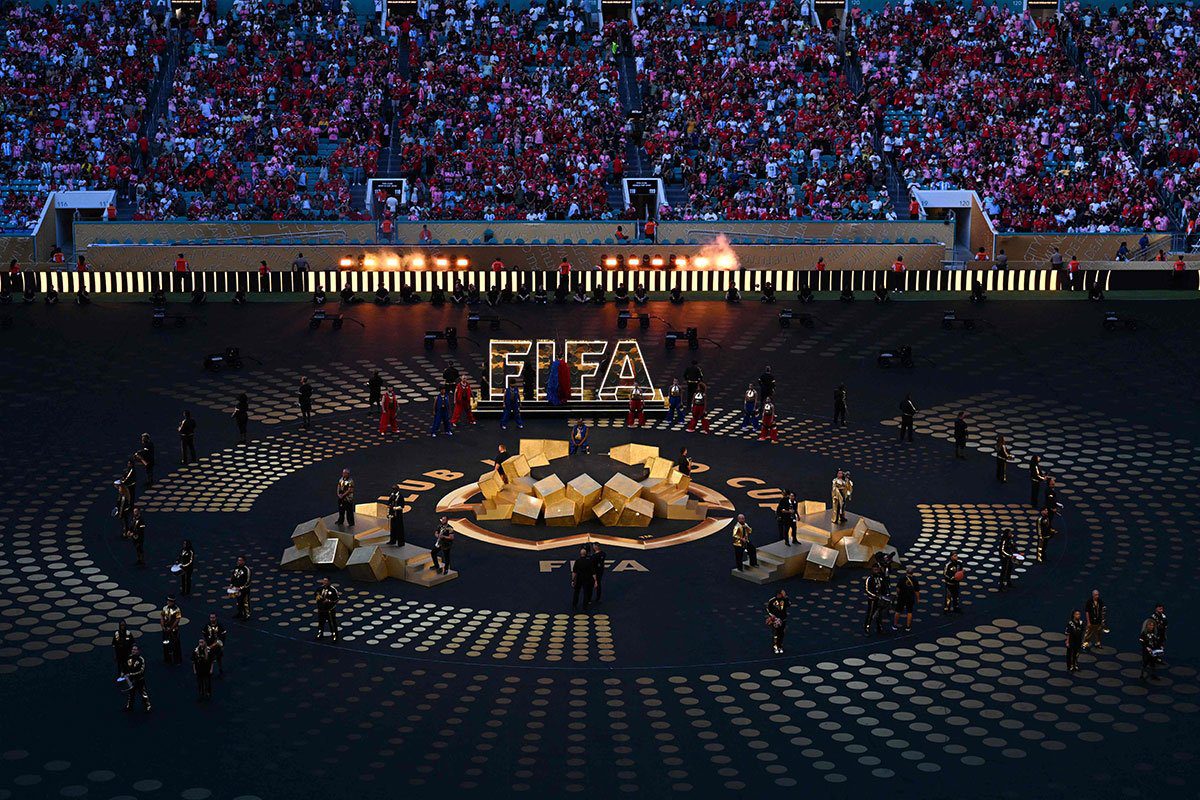
Despite early doubts, the FIFA Club World Cup has gone ahead as planned and quickly gained traction across the football world in its opening week.

Hosted in 11 cities in the United States as a preview for next year’s main event, the 2026 World Cup, the tournament offers a huge opportunity for clubs to make history by claiming the title of the first ever world champion under this new format.

The reformed structure brings together 32 of the best teams from every corner of the globe, including reigning champions and top performers from continental competitions over the past four years.

In the past, the Club World Cup was a single match between the Champions League and Copa Libertadores winners, the #1 side from Europe and South America, traditionally the two strongest confederations. It later evolved into a mini tournament with seven teams. Now the spotlight expands to 32 teams, the same number as the World Cup itself.

¡Let The Ball Roll!

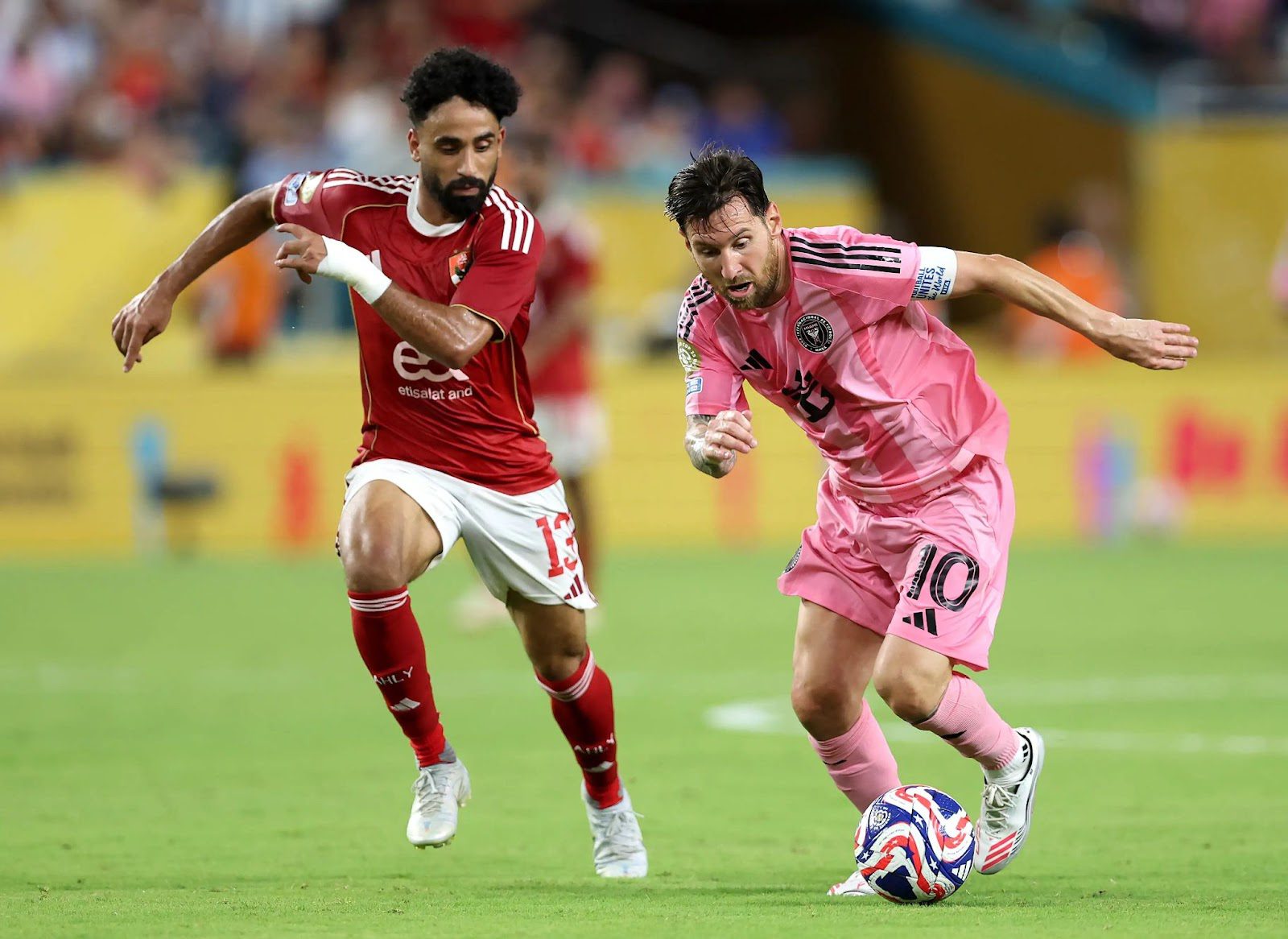
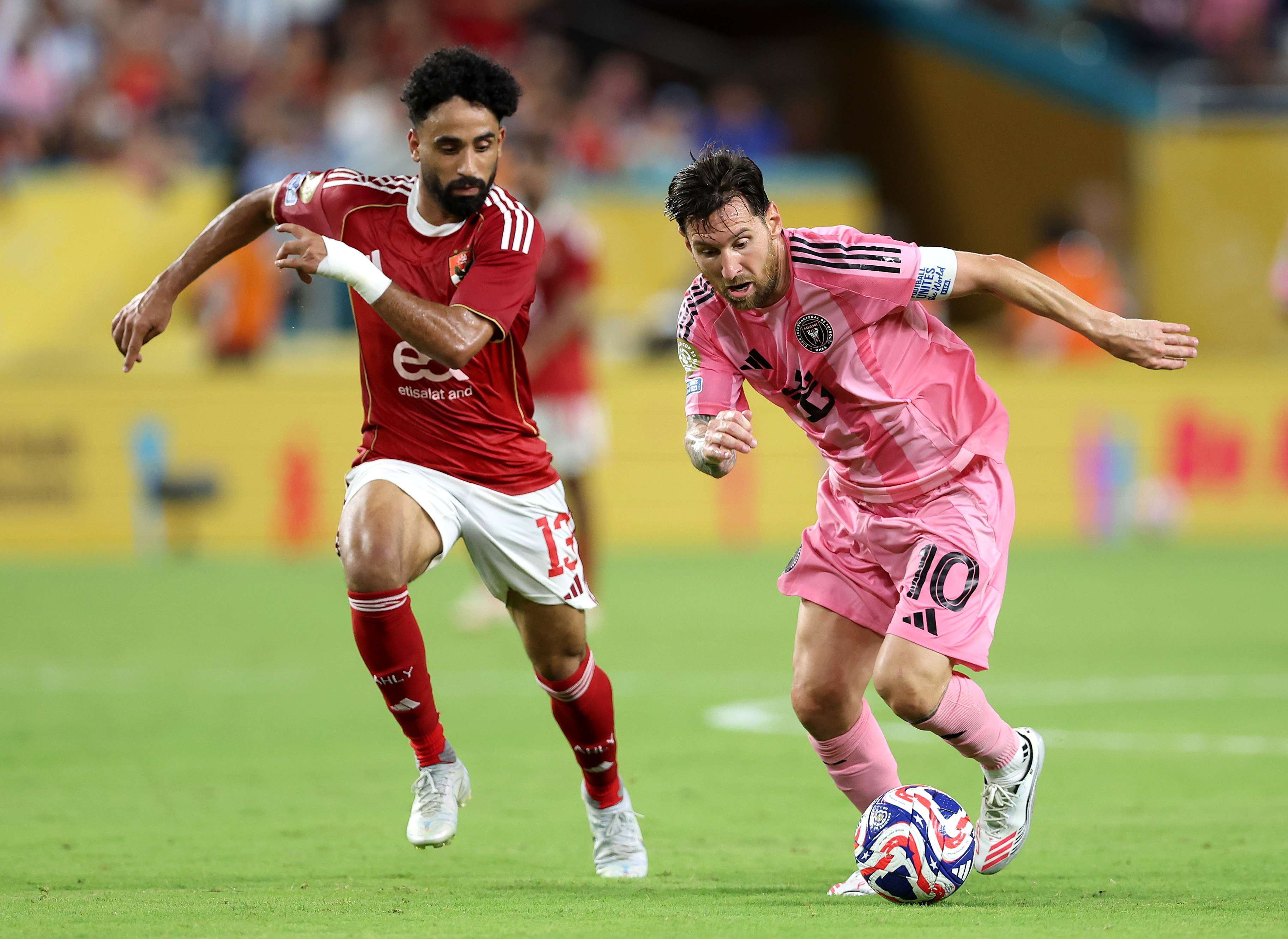
From June 14 to July 13, the eyes of the football world are on American soil. It was none other than Inter Miami that kicked off the tournament. The Herons, led by the one and only Lionel Messi, hosted the multi-time champions Al-Ahly from Egypt.

Despite the goalless draw, the match proved highly entertaining, with each side dominating a half and both goalkeepers shining to keep clean sheets. The Argentine GOAT had his chances — striking the post once and forcing a late long-range effort that rattled the crossbar.

Lionel Messi battles for possession with Marwan Attia during the tournament’s opening match. (Getty Images Sport via GOAL.com)

Round 1: A Strong Start

Bayern and Juventus made their intentions clear with emphatic 10-0 and 5-0 victories over Auckland City and Al-Ain respectively. The difference in quality between the sides was obvious on the pitch. 

Current Champions League holders Paris Saint-Germain also impressed, thrashing the always competitive Atlético Madrid 4-0. The French giants continue to show why they are the best team in the world, having dominated Inter 5-0 in the final to claim their first-ever European trophy less than a month ago.

Inter, meanwhile, struggled in their opening match as Monterrey held them to a 1-1 draw. The goal for the Mexican side came from the timeless Spanish defender Sergio Ramos, with his classic bullet header.

“Happy with the point but maybe we lacked personality, calmness on the ball, and build-up from the start. Now we have to recover well and think about the next match,” Ramos said after the game.

Al-Hilal surprised many by holding the mighty Real Madrid to a 1-1 draw, with Moroccan goalkeeper Yassine Bounou coming up clutch by saving a last-minute penalty from Federico Valverde. Mamelodi Sundowns caught everyone off guard with a strong and delightful performance, edging Ulsan 1-0.

Chelsea defeated Los Angeles FC 2-0 with a goal in each half, while fellow Premier League side Manchester City secured an identical result against Wydad. In an eventful match — halted by adverse weather conditions — RB Salzburg beat Pachuca 2-1.

South American Sides Make Their Presence Felt

The first three matches mentioned above were the only ones with a clear gap in the final score. The rest were tight, entertaining battles — even the goalless draw between FC Porto and Palmeiras.

Fittingly, O Verdão were the first South American team to appear in the tournament. They went head-to-head with Portuguese giants Porto and were unlucky not to win, thanks to a brilliant display by goalkeeper Cláudio Ramos, who deservedly earned the Superior Player of the Match award.

Fluminense managed to dominate Borussia Dortmund, with their Colombian winger Jhon Arias creating havoc in several sequences of the game. They may feel the goalless draw fell short of what they deserved, with Swiss goalkeeper Gregor Kobel producing a heroic double save.

Botafogo edged Seattle Sounders 2-1, while Flamengo comfortably dispatched Esperance 2-0. Two wins for the Brazilian sides, who remain unbeaten across four matches — strong performances that underline the quality of the Brasileirão.

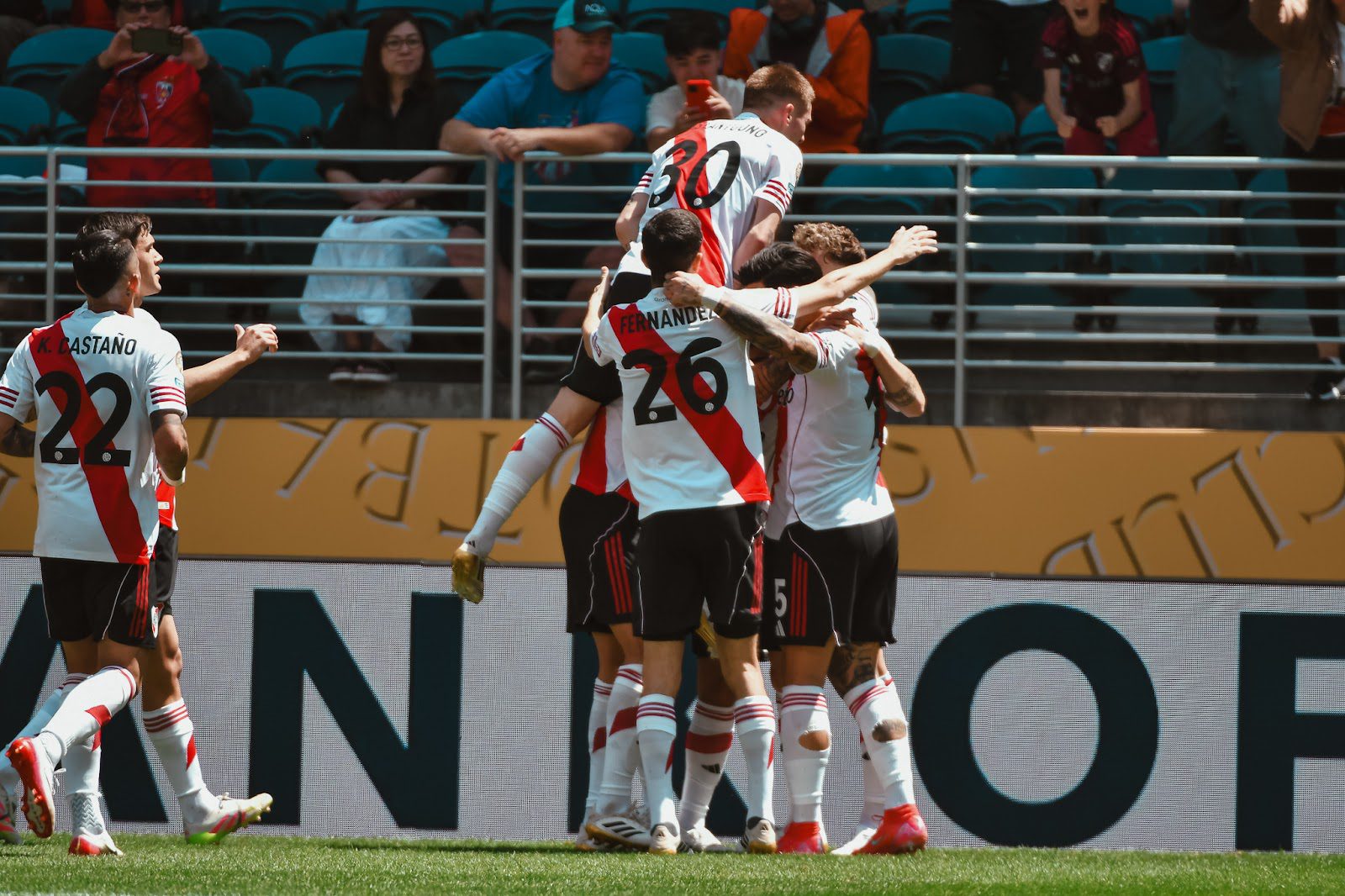
Their Argentine counterparts also delivered. As expected, giants River Plate and Boca Juniors did not disappoint. Los Millonarios showed control and composure to defeat Japan’s Urawa Reds 3-1, while Los Xeneizes were left frustrated after a 2-2 draw with Benfica. Boca had gone 2-0 up, but goals from Di María and Otamendi — both Argentines, coincidentally — sealed the final result.

River Plate players celebrate the 1-0  goal courtesy of Facundo Colidio. (River Plater X account)

These results show that CONMEBOL sides are stronger than ever. Despite external challenges, the region’s endless production of talent ensures South American football remains fiercely competitive.

Not to Miss Out

Round 2 is approaching fast and will decide the fate of many teams. The standout clash sees Paris Saint-Germain facing Botafogo — champions of the two strongest confederations — in a matchup that recalls the spirit of the former Intercontinental Cup. Chelsea vs Flamengo and Bayern Munich vs Boca Juniors offer similarly historic appeal.

Giants Inter and Real Madrid will also look to return to winning ways against Urawa Reds and Pachuca, respectively. 

If you haven’t tuned in to the Club World Cup yet, now is the time — these matches promise plenty of drama and excitement.

Franco Nuñez

Franco Nuñez is a communicator and sports journalist with a passion for running and swimming.