My Unlikely Ally Against Doomscrolling

Whenever I think the world can’t get any worse, it proves me wrong in spectacular fashion.

The world has long been unstable, but the last few years have felt especially untenable. Between COVID, ongoing global conflicts, the rise of fascism, and the ongoing effects of climate change, the 2020s have easily become the most stressful years of my life.

During this time, I’ve been unable to stop constantly checking social media. Doomscrolling has been a known phenomenon for many years now, and I’ve been imprisoned since signing up to Twitter more than a decade ago. I initially joined to follow the news as part of my Journalism degree, and while it definitely had its uses it was all too easy to find accounts dedicated to spreading negativity. Since then, it’s been almost impossible to stop myself engaging with these kinds of accounts, which I can now see was my then-undiagnosed OCD forcing me into a repetitive loop.

Doomscrolling is a common problem for many people, especially as the world has become increasingly perilous in the last few years. The term came to prominence during the COVID-19 pandemic, with digital news and social media use increasing significantly during the early days of lockdown. Doomscrolling pulls us in through negativity bias, which refers to our brain’s tendency to focus more on bad news. Once exposed to bad news, I wanted to search more, either to understand the full picture or to find something hopeful.

News and social media sites know full well how addictive doomscrolling can be, which is why you’ll often find dramatic headlines and posts designed to get engagement, good or bad.

I hoped that leaving Twitter (now X) in 2024 and migrating to BlueSky would help me overcome this habit, but while BlueSky is less toxic, the never-ending 24-hour news cycle means that it’s still easy to be trapped online.

Doomscrolling is ruining my mental health, so why can’t I stop?

Unsurprisingly, the constant stream of bad news has had a damaging effect on my mental health. While I hoped that endlessly scrolling would eventually bring some relief, the reality is that doomscrolling only increased my anxiety and trapped me in a cycle of worrying.

As I’ve become more aware of the damaging effects of doomscrolling, I’ve tried many different ways to break this habit: installing time management apps, forcefully blocking social media on my phone, making the process of checking my phone as tedious and time-consuming as possible. Despite those, I still find myself unable to stop the habit, so I’ve been forced to do something drastic: go without my phone, a constant in my life for more than a decade. 

To force myself to go back to a time when I didn’t have the entirety of human knowledge at my fingertips.

This is much more difficult than it sounds. So much of modern life revolves around smartphones. I buy my bus and train tickets through my phone. I regularly send and receive important messages. I make liberal use of Google Maps whenever I’m lost.

For all the damage that smartphones can do, the annoying truth is that they’re essential for modern life. I’ll likely never be able to stop using my phone completely, but I have started to avoid it wherever possible.

The biggest problem is that I travel a lot, and am so used to whiling away the hours on my phone that suddenly going without it has been difficult. That is until I found the unlikely answer.

How a 20-year-old gaming console is helping me beat doomscrolling

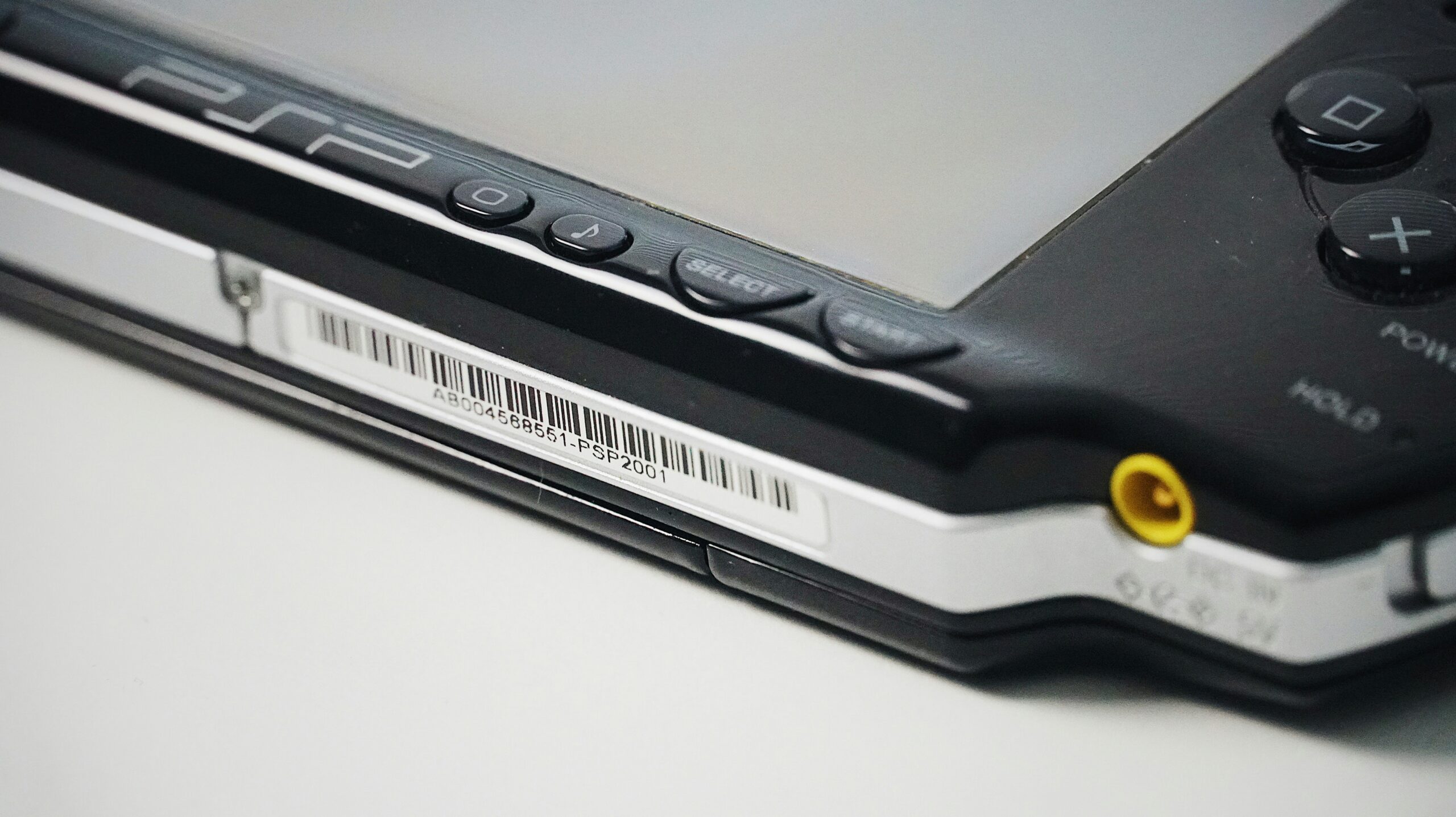
During one of my regular visits to CeX, a second-hand tech shop in the UK, I found a PlayStation Portable, or PSP.

PSP was released by Sony in 2005 as a handheld version of the PlayStation. It apparently sold well, but while I was aware of it growing up, I never had one myself.

Seeing one in the wild got me thinking: would an internet-free handheld games console keep my attention when I’m without my phone? I decided to take a chance, buying the console and a handful of games.

I wasn’t expecting much, but the PSP has been revolutionary for my day-to-day life. There are times when I need to keep my phone on me, but alongside it, I’ve started taking my PSP. Instead of checking the news when on the train, I’ll fire up a quick game of FIFA. In the evenings, instead of mindlessly scrolling through Netflix, I’ll spend hours in an old Star Wars game.

The effect this 20-year-old bit of tech has had on my mental health has been incredible. Alongside the nostalgia inherent in a retro games console, the ability to unplug from the 24/7 news cycle, even just for a little time, has been a massive help. The PSP has no internet; the built-in browser hasn’t been updated in a long time, making it almost unusable for anything besides games. 

Deciding to use an offline device has helped me reshape my online habits. Whenever I feel the urge to waste hours on social media, I’ll pick up the PSP for a short while. 

Forcing myself to spend time away from my phone has also helped me manage unhealthy smartphone habits. No longer am I checking the news every five seconds; I only use my phone when I need to, happy to put it away when done. The more time you spend away from the internet, the easier your relationship with it gets.

It doesn’t have to be a games console. I’m just as happy to replace my phone with a book when I’m out and about, but the result is the same. My smartphone is an important tool in my everyday life and I’ll likely never be able to get rid of it entirely, but taking time away from an always-connected world has had an immediate impact on my mental health and helped me rework my mind to hopefully make doomscrolling a thing of the past.

Unemployed and Uplifted by Strangers

Lost in my job hunt

For several months, I have consistently scoured LinkedIn and other job posting sites for a variety of available roles. During my senior year of college, my mental and physical health took a toll, and I fell behind in job hunting.  After graduating, I spent part of this summer searching for employment opportunities. 

Being unemployed can feel deeply isolating, especially when the people around you seem to have a structured routine. Several of my peers entered graduate school or already had jobs lined up, while I did not. I often find myself comparing my situation to theirs, and have done so recently. It is almost impossible for me to avoid.

Stuck in isolation this summer, I wondered how I could feel less alone; how I could feel like I truly belonged somewhere. A sense of belonging was difficult to have when I was at home by myself most of the day, especially during the weekdays.  

Making connections appears easy in the digital age, at least in theory, but face-to-face interactions can be hard to form when you do not have a way to get to social events. I wasn’t sure how to communicate what I was feeling to the people in my life, so I kept it all inside.

Finding my people online

In-person interactions were not always possible. People sometimes did not understand what I was going through. 

I found that speaking online was simpler.

In June, I discovered a group chat on Twitter (X) tailored for people who were struggling to find a job.  

A typewriter with a paper that says virtual companionship.
(Image courtesy of Markus Winkler via Pexels)

Once I discovered that someone in the phandom, as punned by Dan and Phil for fandom (Since 2015, one of my special interests has been the YouTubers, Dan and Phil. ), had posted about a support group for those who are unemployed, I knew I had to join it. 

Soon after, I noticed group members encouraging each other to apply for jobs and sharing small victories along the way. 

For the first time in a while, I felt seen. I then realized that I wasn’t the only person my age who was struggling to find their individual place in the workforce.

Drowning in rejections

In the deep sea of rejection emails, silent application views, and resume downloads that are trashed without a follow-up, I often wonder when an opportunity will finally appear for me. At this point, I’ve applied to over fifty jobs, with no interviews. 

Now, working with the Department of Rehabilitation Services is my only way into the workforce, my best path into employment. Searching for a job is already difficult for most people my age, who are affected by high costs of living, turnover, and the current job market in the U.S.  However, this quest is even more challenging as I have a physical disability that affects my ability to stand for long periods of time and prevents me from lifting much  weight. My dream field, editing, has been restructured, going from mostly human labor to mechanical work due to the incorporation of AI. 

Although I often feel like it is hopeless for me to keep trying to find employment, I persevere with my quest. Every time I want to give up, I am reminded of why it is important, and that I must find a job in order to pay off my student loans. Through the process of attempting to get supported employment and work adjustment coaching, I remember that I am not alone, and there are many others in the same position as I am. 

In my struggles, I am fortunate that at least I have something that is equally important that uplifts & supports me: a digital space full of like-minded individuals, a community where I can share my concerns, voice my frustrations, and continue to be understood. 

I feel empowered by these strangers. It’s interesting and comforting at the same time. How easily we’ve built connection and trust through shared experience. Despite coming together from different places, we’ve discovered we share similar passions, career paths, and even interests beyond the phandom that first brought us together.

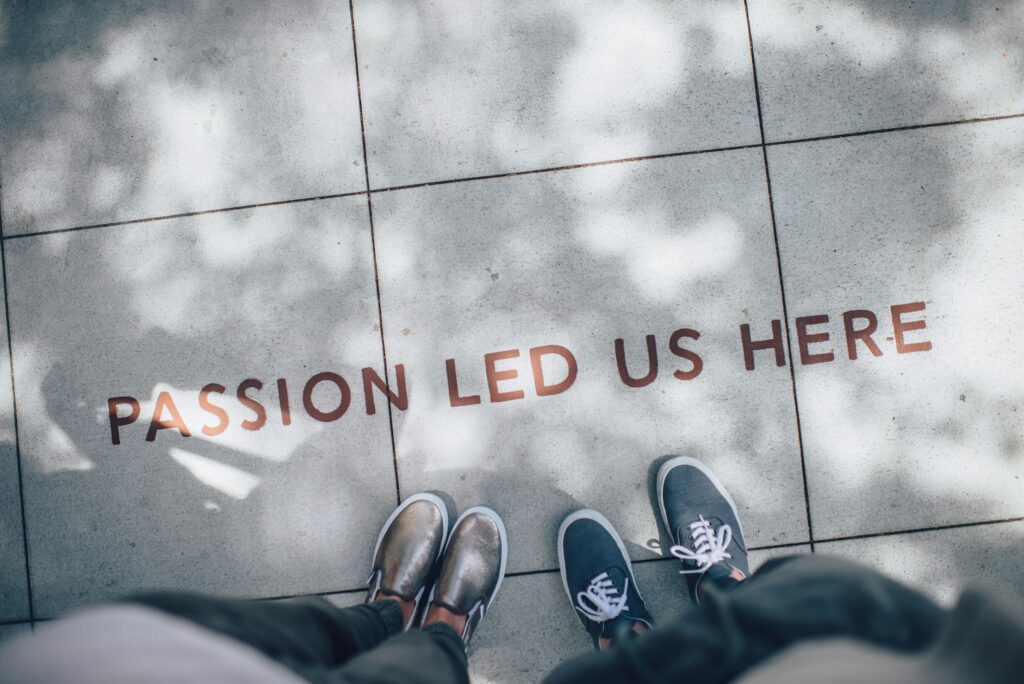
Two people standing on gray paving with text saying, "Passion led us here."
(Image courtesy of Ian Schneider via Unsplash)

Creative dilemmas

People always say that social media is unrealistic and flawed, but in certain online spaces, it can be the only place that fosters genuine conversations. There have been a few occasions when we came together and spoke about how exhausting it was to keep applying and being relentlessly rejected by companies. 

This vulnerability is important. Sometimes, you just need someone to listen and relate to what you are going through. We may not know each other outside of our screens, but I realized that this group chat has been meaningful and beneficial for all thirty-three of us.

I have shared my frustrations about job scams I’ve come across, asking if anyone else has also applied to similar listings that seemed legitimate at first glance but turned out to be fake. In this day and age, where AI is the standard, scams can seem legit, especially when you are neurodivergent, like me.

Additionally, dialogues about how frustrated we are by AI are a common theme in the group chat. My dream is to work in editing and the majority of the creative roles that I see list “AI training” as part of the job description.  

It is frustrating to see opportunities that value machine learning over human creativity.  It is very discouraging to know that I have a bachelor’s, and companies want applicants to use their degrees to train AI, the very technology that could replace them.

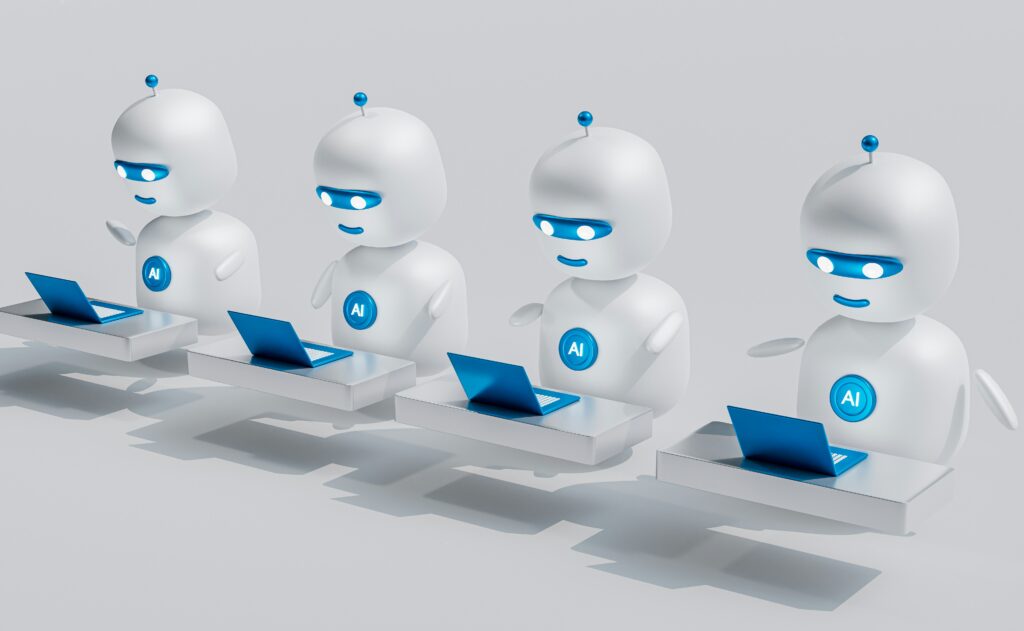
A group of four white robots sitting on top of blue laptops.
(Image courtesy of Mohamed Nohassi via Unsplash)

I often find myself reflecting on the ethical implications of using AI and questioning myself as to whether doing so is worth it. I can’t help but fear that AI will continue to advance until my skills will no longer be needed.  

I consider whether the money is worth the risk of teaching AI how to eventually replace me. To me, it is not. 

I may need a job within the next two months in order to be able to afford my monthly student loan payments. But I refuse to go against my beliefs and to compromise my values for a paycheck. I’m just glad I am not the only one within my generation who thinks the same. 

Commonality matters

Having something in common with people is vital in this state of the global job market and economy. While individuality is frequently found within physical spaces, commonality of experiences allows people to support and uplift each other. Even though some of us live hours or time zones away, we still understand one another’s struggles.

Not that we talk about unemployment, but we also often share memes related to Dan and Phil’s content, and anecdotes and stories about how we became their fans. It is encouraging. This may seem random, but it is my way of getting to know my mutual netizens and learn more about people behind the user names.

When my loved ones are busy or unable to chat, I know I can always turn to this digital support group — a space that reminds me I’m not alone.

Hope and optimism

Staying optimistic that I will find employment is emotionally intense for me. But, in the words of Dan and Phil: Whenever I’m alone, or if I’m feeling grey, there’s one place I can go to brighten up my day!