For the past month, my wife and I have been traveling through New Zealand. The reason being we plan to move here because America, where we’re from and live, is so great again. I won’t subject you to a political rant about why we’re leaving; our brains have been beaten enough as it is. Instead, I thought it would be a better use of time to share my traveling philosophies on how to get from place to place, how to eat and drink, and how I did it on a single-ply budget.
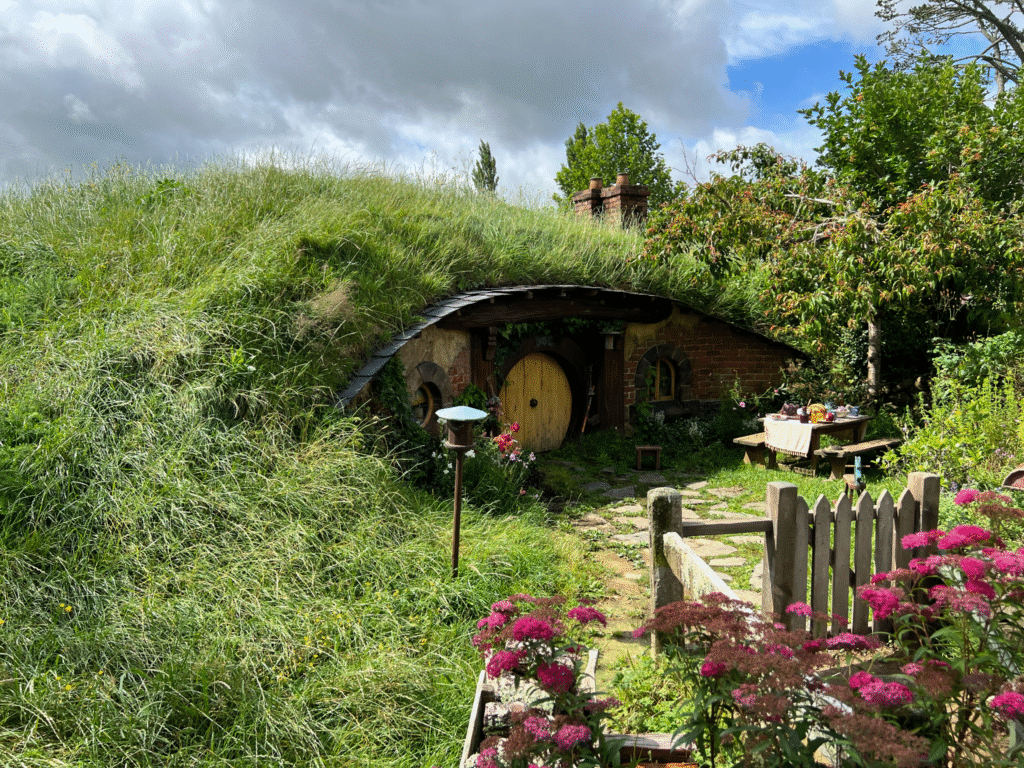
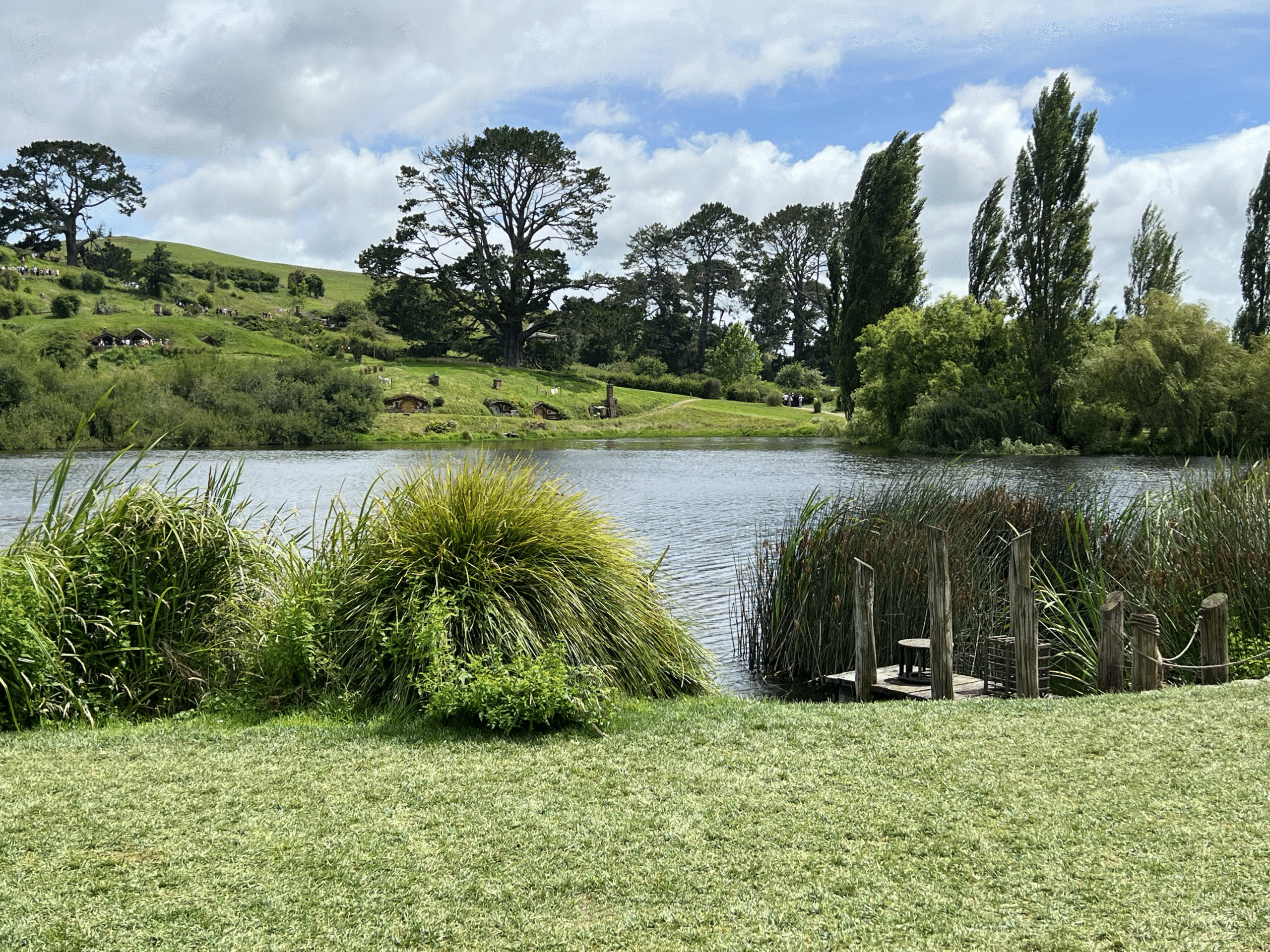
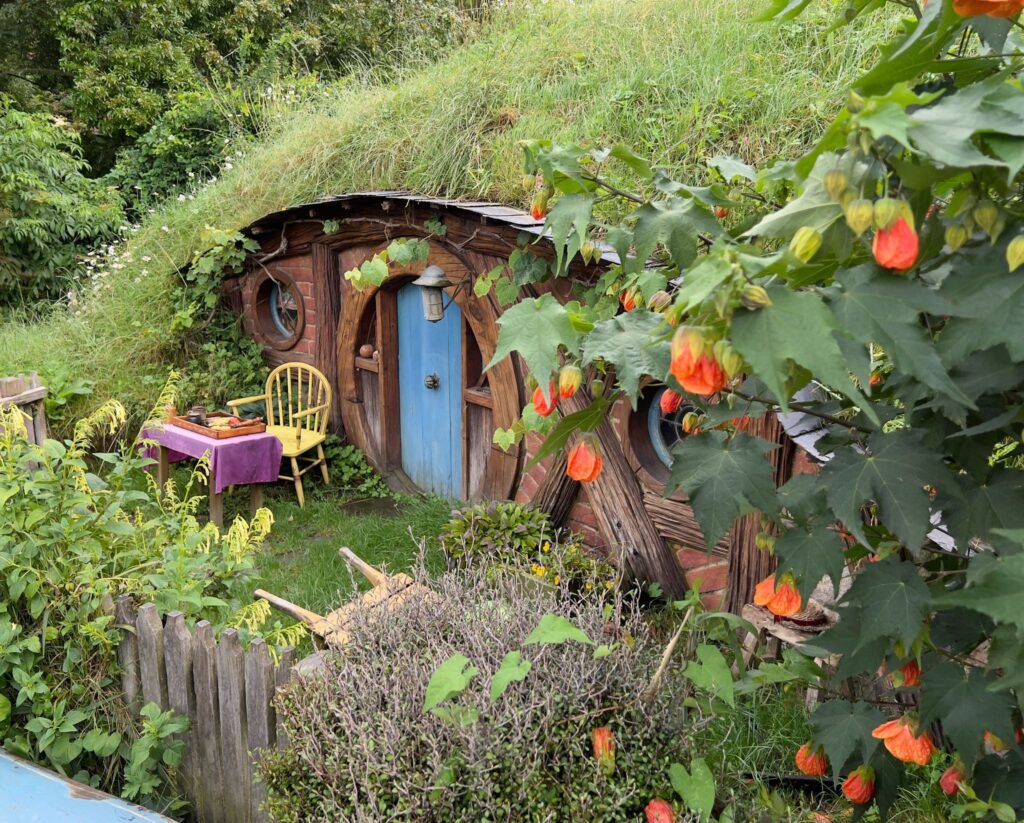
Every time I tried to put into words just how to explain and describe my unforgettable experiences in Hobbiton, I always found myself coming up short. Soon, I concluded that there just simply was no way for me to convey through words just what my experience was like. So instead of words, I decided to use the pictures I took throughout my trip. Here is another picture of what my dream home looks like.
We started in Auckland, the northernmost city on the north island, then made our way south to Wellington, New Zealand’s capital, stopping at a few places in between. The long journey from north to south took around 10 hours in total by train, and although a plane would have cut this time in half, the extra time it took was well worth it. After all, flying might be a convenience, but taking a train allows you to see more of the country. It allows you to enjoy and appreciate not just the incredible landscapes – otherwise missed skipping to airports – but also the factories and farms that keep the country running behind the scenes. I believe in travelling slow when in foreign places and I do so in any way I can, even when I’m only staying in one city.
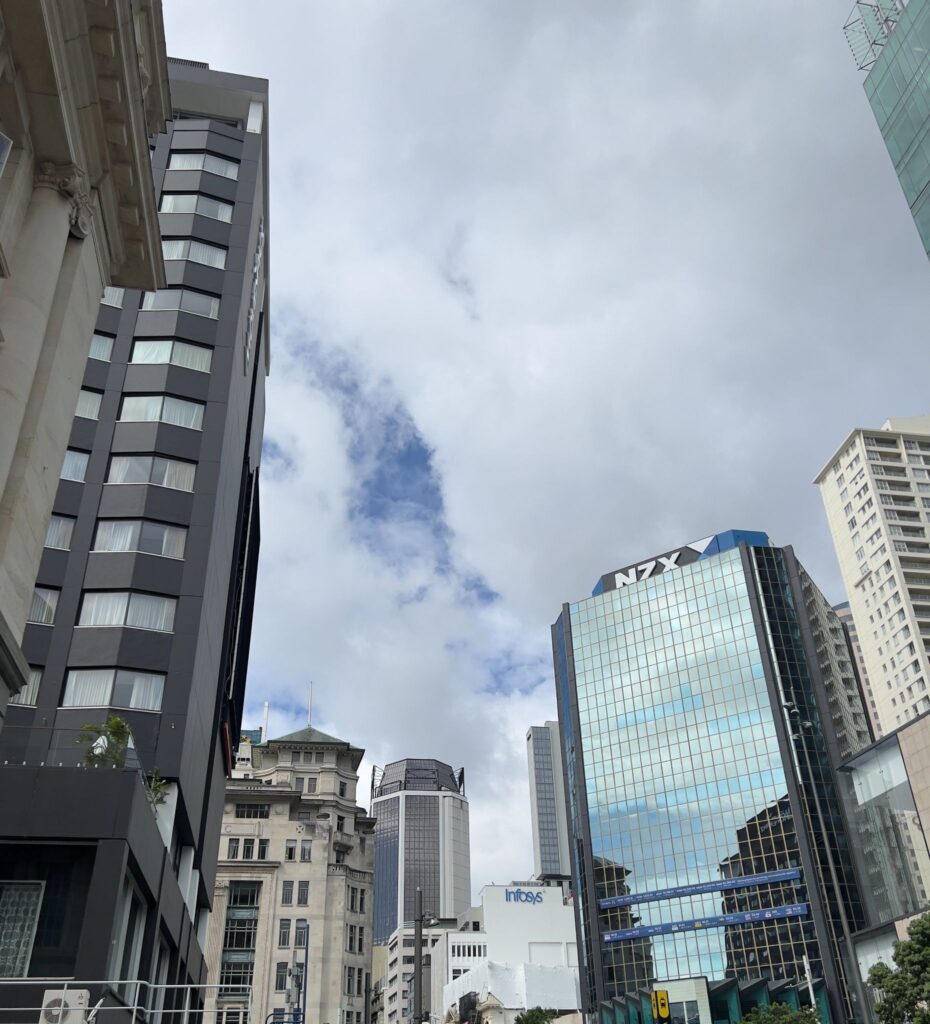
Although we had the option to rent a car while we were here – since our California driver’s licenses are accepted – I had no interest in doing so. Since I don’t plan on having a car once we make the move, I wanted to get a sense of what living life without a car would be like. Besides, walking through a downtown street in the city center is the best way to find what you aren’t looking for. The buses in Auckland were clean, ran on a frequent schedule, and paying the fare was as easy as tapping on and off. However, the bus system was still unfamiliar to us and we definitely got lost more than once. I prefer getting lost though, especially in a city where safety is a priority. Plus, you never know what you’ll stumble across after you miss your stop, misread the map, or take a wrong turn in the wrong direction. One time, when this happened to my wife and I, we even found an area called Newmarket just outside of Auckland’s city center, a place we ended up having a serious interest in living in. During our wander, we also came across an outdoor food market complete with its own bar – perfect for someone like me who’s a huge fan of outside beers. All of the experiences I had in Auckland have thus taught me that I shouldn’t just be focused on sightseeing, but should also get in where the people are.
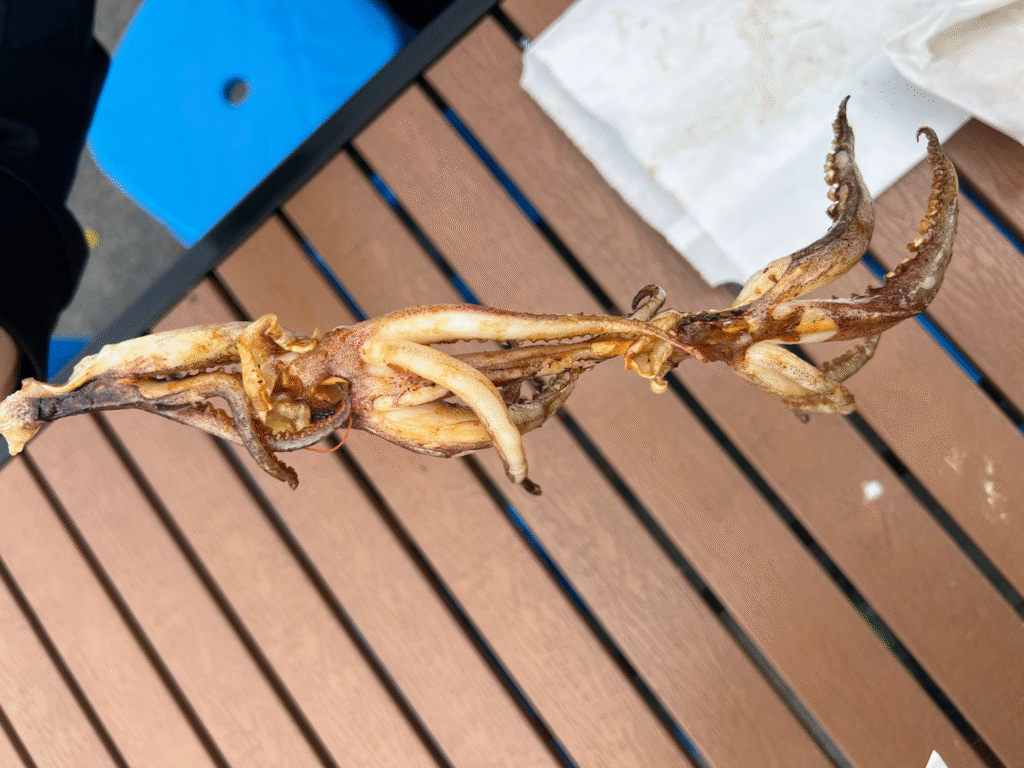
When it comes to eating, my process is simple: try a little bit of everything. Part of the fun is getting out there and learning the subtle differences in what things are called. Take lemonade for instance – back in the states, it’s a mix of lemon juice, sugar, and water. In New Zealand, however, lemonade is referring to lemon/lime soda instead, making it more akin to Sprite. My wife was shocked when that came to the table. Did we stay in and order Dominos one night because we were exhausted? Of course we did. I’m not saying you have to run yourself ragged, and in fact I completely stand against it. All I’m saying is that you should just step out of your comfort zone a little. Food is unlikely to be the thing that kills you, especially in New Zealand, so you really shouldn’t fear that thing on a stick that was cooked outside. Because when all was said and done, I can assure you that it was delicious.
Drinking. I am a drinker. If beer was a religion I’d be a zealot. I do not believe in drinking moderately. In fact, I believe it would be irresponsible to my constitution to do so. For the record, though, I don’t drink beer exclusively either; I’ll try any fermented beverage at least once. That’s because, to me, alcohol – same as food – is culture. Every corner of the world has an alcoholic beverage associated with it. The United States is known for moonshiners and whiskey distilleries. Mexico has tequila, while South America and the Caribbean have rum. Western Europe is synonymous with pubs, Oktoberfest, and beer in general. Russia and vodka go hand in hand. Japan has sake, and Korea has soju. Mankind has a collective habit of figuring out how to ferment the plants that grow where we live into delicious beverages. It is another one of the many things we have in common. There are parts of the world where alcohol is absent, but in those places religion is the dominant aspect of their culture. I’m not encouraging you to try every beer on the menu twice, as I did on the train from Auckland to Wellington. But if you’re not sober, for the sake of living try living a little extra. If I hadn’t, I wouldn’t have learned there are unique hops that grow in New Zealand. I didn’t learn the science, nor do I even remember what they were called. But I remember the taste. Because of my proclivity to beer I have a wider appreciation for New Zealand’s agriculture. So my take is, if you do plan on having a drink, forget moderation, if for only this one time.
Traveling is hard financially. Especially these days where most of us are scrounging our spare change together just to make rent. This is how I’m currently living as well, but my wife and I still decided to make the trip. We didn’t concoct some grand plan on spending while we were here. We decided it would be something we never looked back on in regret. The fact of the matter is that we live in uncertain times, and the places you want to go may soon not be so easily accessible; the time is now. I’m coming home with pennies in my bank account and not one regret about taking this trip. I got to see how simple living can be, how truly nice people are, and how much I needed a change in scenery from the current state of my country.