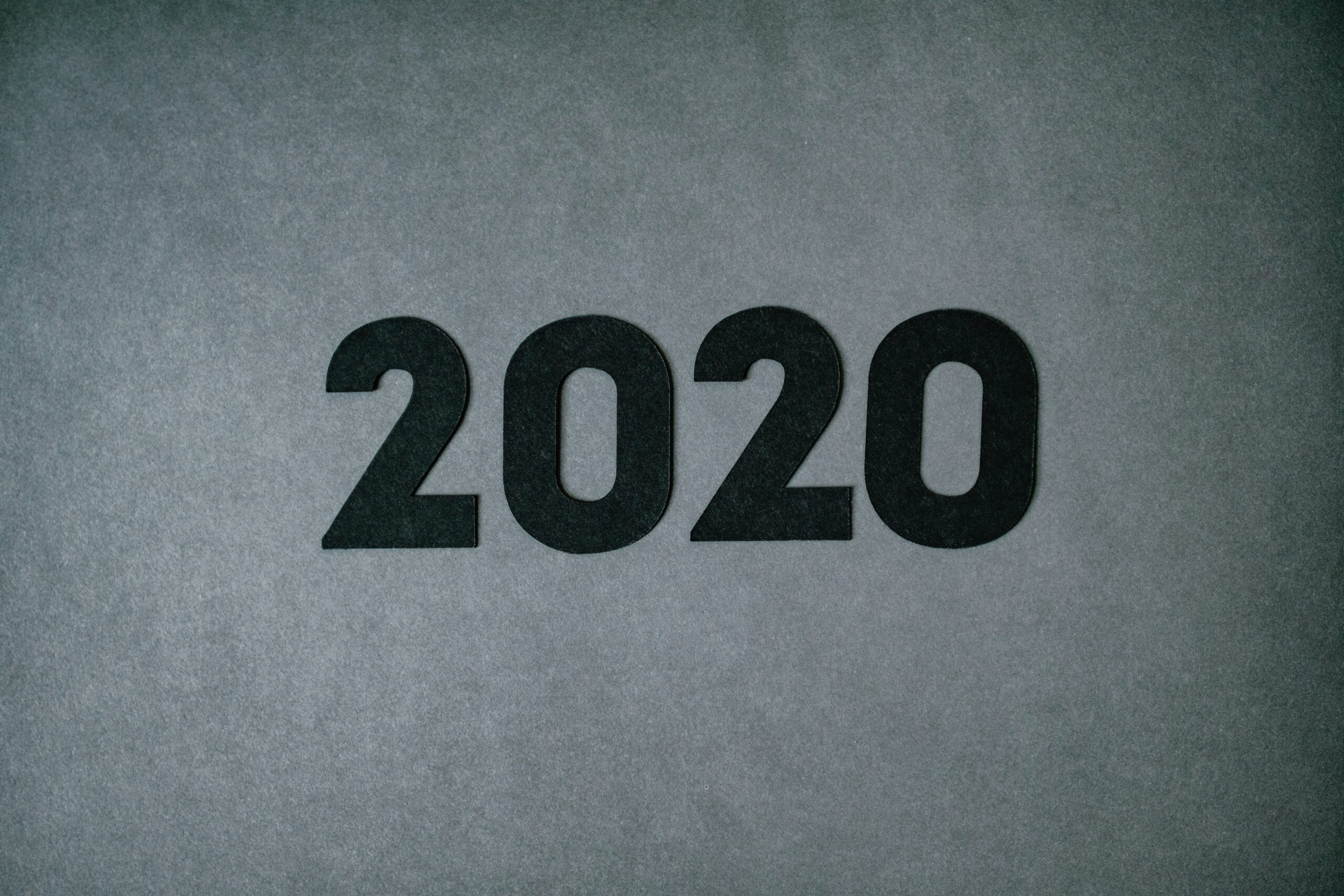
I sat in my bedroom, recovering from the flu, not knowing what would happen later that day. It was March 12, 2020.
I had planned to return to school the next day. Two text messages received in the afternoon changed that plan. The first was from a classmate, sharing that our teacher said that we wouldn’t have school the next day or the following Monday. A bit confused, I guessed it was due to the flu going around. A few hours later, my boyfriend texted, informing me that he heard about school being canceled for the next two weeks. Later, he sent an update. School will be canceled for the rest of the school year due to the virus, COVID-19.
Anxiety kicked in, and I blamed myself for the school closing even though there had been no confirmed cases in my county. I was worried that others would hold me accountable, thinking that maybe they believed that I was the reason school was canceled. Based on my symptoms – a cold made worse by asthma – my tendency to internalize things led me to rumination. Would my peers suppose that my absence and being sick could be COVID? Would they think I caused our school to shut down?

Unwelcome changes
I would soon have more things about which to worry.
A few days after the schools in our state closed, my grandmother’s assisted living facility stopped allowing any visitors per the state’s COVID guidelines. Two weeks later, the facility’s staff began allowing residents’ families to speak to them through the window. My mother, aunt, and I held up signs outside, showing our support to grandma Hud. In April, however, we lost Hud to an accident that occurred at the facility. My heart felt like it had been slowly ripped from my chest. Hud meant everything to me, a constant source of support in my life.
I was already mourning the loss of my grandfather, Grampy, when Hud passed away. Grampy had passed five months earlier from stage 4 brain cancer. Navigating this grief through a pandemic and as a high school student was agonizing, but I numbed myself to the pain. I was confined with my parents in our home, and the only way that I got through it was because of my friends, my boyfriend, and the Nintendo game Animal Crossing: New Horizons. It gave me something to focus on, as well as a sense of control. It distracted me and was calming. It was a temporary, and much needed, escape.
Depression, dissociation, and emotional survival
Around May, I was in a free cosmetology program. The instructor was a hair stylist who attempted to teach the class over Zoom, but it wasn’t the same as in-person schooling. My parents didn’t want to be used as models, so I resorted to practicing cutting hair on my Pug, Luna. She wasn’t a very good client. Focusing on the course became more challenging with all of the changes I faced.
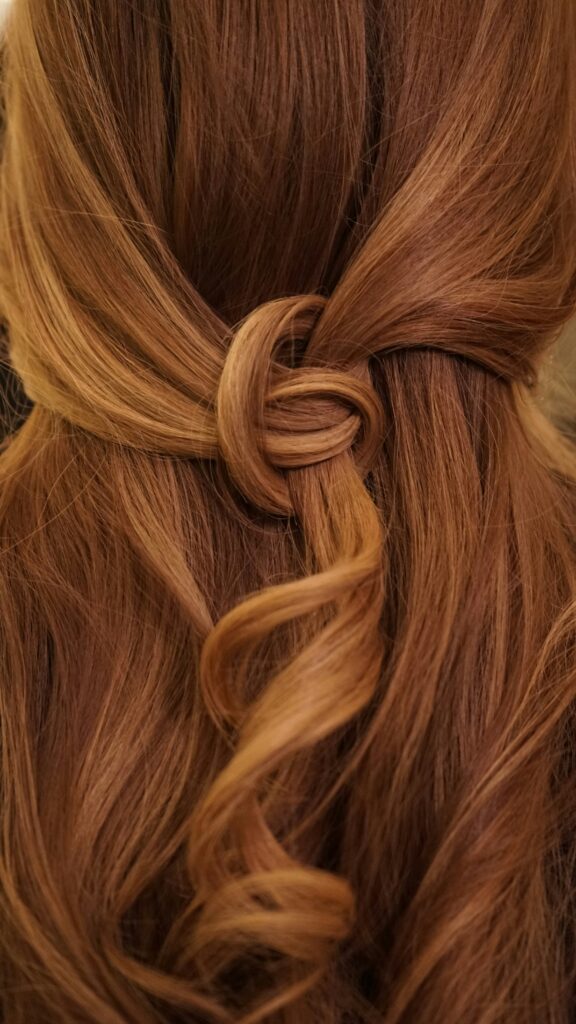
A few months before the pandemic began, I had begun to have episodes in cosmetology classes where I would lose track of time and couldn’t focus. I didn’t think much of it at first. Maybe there was just too much of my mind, too many things to worry about. There were several times in class where I thought only a short time had passed, but it had actually been 20 minutes. I tried to snap out of it, but the dissociative spells consumed me. I wouldn’t measure out the right amount of heat protection spray to use with flat irons. I’d begin the task of flat ironing a mannequin’s hair and then dissociate in the middle of it. There were a few times where I ended up leaving the iron on the countertop and didn’t finish the task.
Each time, I’d feel like I was on a lazy river, slowly swaying back and forth, feeling the ripples of reality touch my feet. My mind was blank, occasionally punctuated by sadness and grief. I didn’t understand what was going on, and it worried me.
There was no internal script during these moments, which was rare for me. For as long as I can recall, my mind has raced with thoughts that I cannot contain. My brain is a hamster that is spinning rapidly on a wheel to nowhere. I was unaware that I was dissociating in front of others, and what the cause of it was. I would later learn that I was developing PTSD from abuse (inflicted by an ex-partner).
Being away from friends and others due to the pandemic worsened these experiences. Despite having my parents and dogs around, I longed for more social connection. The lack of social support led to more and more dissociative spells, and I withdrew myself from others even more as a result.
A difficult, but right, decision
Before COVID, I was already struggling to keep up with my classmates in terms of technique and efficiency. Because of how the virtual schooling and isolation impacted my ability to learn, I found it difficult to keep up with my peers. I hadn’t taken into consideration that my hand-eye coordination skills weren’t very strong, and the inability to practice in person with a teacher meant I fell behind even more. Several people in my class were able to perfect their techniques soon after it was demonstrated to them. A lot of them were being considered for internships for the following year, while I could barely get everything on my list accomplished in one class period. In a time when I should have been able to receive extra emotional support from my grandparents, I couldn’t.
The grief consumed me, and I moved into survival mode. The lack of socialization and support gave me more time to reflect on whether cosmetology was right for me. As time went on, I became less convinced that it was. Eventually, I decided to drop out of the free program.
It was a difficult decision, but I knew that it was the best outcome for me. That choice allowed me to spend more time with my boyfriend during our senior year, where hybrid learning meant that we attended school in person three out of five days a week. The additional social interaction supported my wellbeing and helped me feel better about the decision to drop the course. If I had chosen to remain in cosmetology, I would have had one or two days on the main campus and the rest at the technical center, and I wouldn’t have been able to interact with my friends or boyfriend as often.
Feeling a sense of support and familiarity was essential, particularly when socialization was rare, and learning was mostly independent. Thinking back to this time, I cannot see myself staying in a field that I didn’t truly enjoy. Although my choice to drop the course led to attending college — and student loan debt — the knowledge I gained and the networking connections I built more than made up for what I might have gained had I continued with cosmetology.
These events, like everything in our lives, are all interconnected, a web expanding outward in hundreds of directions. Our trajectory changes as we adapt to different circumstances, events. I learned it was okay to not know what I wanted to pursue or to switch even though I didn’t know what the outcome would be. I reminded myself that I had an abundance of time to find the right answer for me, and that’s led me to where I am today.
And from where I’m sitting, I’m pretty happy with those choices.