
UNBREAKING THE NEWS

Brazil enacts Felca Law to protect children from digital adultization

After reports exposing cases of exploitation and the “adultification” of children on social media, Brazil has enacted new legislation aimed at protecting minors in the digital environment.

Law No. 15.211 was published in Brazil’s Official Gazette on September 18, 2025. Sanctioned by President Luiz Inácio Lula da Silva, the legislation establishes the Digital Statue of the Child and Adolescent and seeks to curb serious violations against individuals under the age of 18 in online spaces.

According to the new law, digital platforms must adopt protective measures to prevent young users from accessing inappropriate content, including sexual exploitation, pornography, incitement to violence, and drug use, among harmful materials.

The so-called “Digital ECA” – a reference to Brazil’s landmark Child and Adolescent Statue (Estatuto da Criança e do Adolescente, enacted in 1990) – originated from a bill introduced by Senator Alessandro Vieira of the Brazilian Democratic Movement (MDB), a Brazilian politician party. The legislation provides for penalties against violators, including warnings, fines, temporary suspensions, and even service bans.

Public debate over the exploitation of minors online gained significant momentum in early August 2025. Influencer Felipe Bressanim Pereira, known as Felca, published a video denouncing the exploitation and abuse of children and adolescents on the internet, intensifying national discussions about the frequent adultification and monetization of minors on digital platforms.

The law defines “adultification” as any practice or exposure that leads children to behave like adults, assuming responsibilities, appearances, or language inappropriate for their age. It also includes the promotion of affective-sexual relationships and advertising campaigns with sexual, erotic, or violence content.

Impacts of digital exposure on child development

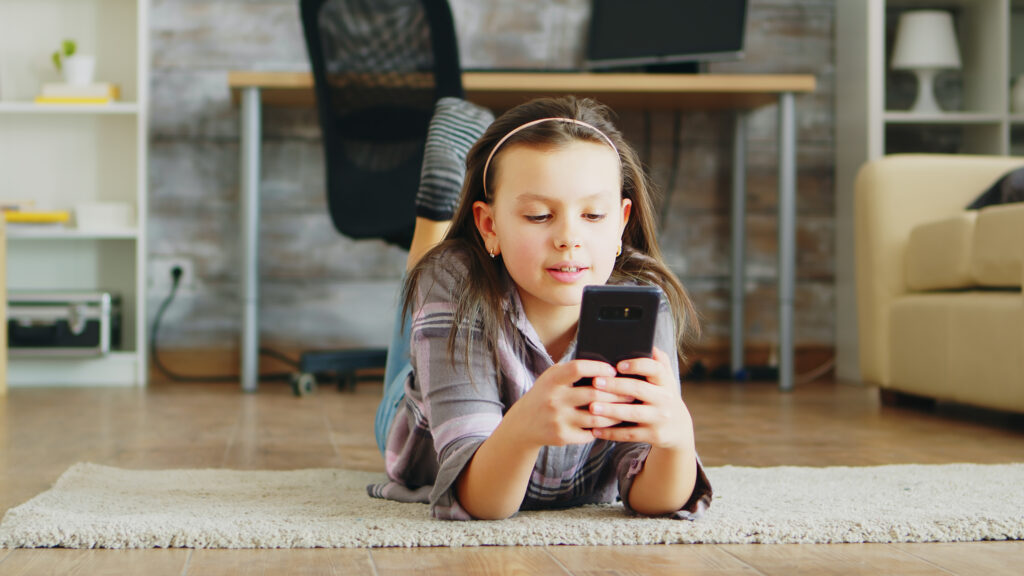
For specialists, early exposure to the digital environment can have significant consequences for the emotional development of children and adolescents. According to clinical psychologist Joanna Netto, the developing brain – particularly areas responsible for impulse control, risk perception, and emotional regulation – is especially vulnerable during childhood and adolescence.

“When a child is exposed too early to social media, they begin dealing with situations for which they do not yet have emotional maturity”, she explains.

The constant search for validation on digital platforms also directly affects young people’s self-esteem. Likes, comments, and views often function as a “thermometer” of social acceptance. According to data from Brazil’s Unified Healthy System (Sistema Único de Saúde, SUS), there has been an increase of approximately 4,423% in anxiety-related treatments among adolescents aged 15 to 19 over the past decade. The study indicates that this surge has been driven by excessive screen time, social media use, comparison culture, and aesthetic pressures.

Risk of violation and abuse in online spaces

Beyond impacts on self-esteem and identity formation, digital environments can also intensify situations of violence and abuse involving minors. The ease of content sharing, combined with the permanence of material on the internet, can cause episodes of exposure or exploitations to have even deeper and longer-lasting consequences.

According to psychologist Joanna Netto, in cases of abuse, the circulation of images or threats on digital platforms can further intensify victims’ trauma.

“From a neuropsychological perspective, this keeps the brains alert system constantly activated, which may lead to symptoms such as severe anxiety, post-traumatic stress, dissociation, social withdrawal, depression, and suicidal ideation.”

Given this scenario, the specialist emphasizes the importance of parents and guardians closely monitoring children’s digital routines. Sudden behavioral changes may serve as warning signs. Mood swings, isolation, irritability, declining school performance, and fear of social interaction are among the symptoms that require attention.

More than strict supervision, however, she highlights the need for parents to build an environment of trust so that young people feel safe reporting situations of risk.

READ MORE

Comments

Be the first to share your thoughts!

We value diverse perspectives and respectful debate.