Brazilian public university makes breakthrough that could reverse spinal cord injuries

In September, a study presented by the Federal University of Rio de Janeiro (UFRJ), in Brazil, revealed a discovery that could change the lives of patients with spinal cord injuries. The research, conducted at the public university, uses a protein extracted from the human placenta called polylaminin. 

The study represents hope for those who suffer from spinal cord injuries, a condition that can cause partial or total loss of limb mobility and, until now, has had no treatment capable of reversing the damage.

It is expected that, when applied to the injured area, polylaminin will stimulate nerves to create new pathways and enable partial recovery of movement. The experiment has already shown promising results in animals and small groups of volunteers.

The research is coordinated by the Carlos Chagas Filho Foundation for Research Support of the State of Rio de Janeiro (FAPERJ) and has been ongoing for over 20 years. It is currently in the testing phase but already raises great expectations for the future of medicine. The study also received support from Cristália Laboratory, which invested R$31 million (about US$5.6 million) in the project.

The goal is to recreate the natural protein laminin, produced during embryonic development and responsible for communication between neurons. The lab-produced medication aims to replace this protein, which becomes scarce in adulthood.

Researchers discovered that it is possible to recreate it from proteins extracted from the placenta, forming a kind of mesh that reestablishes communication between nerve cells. Polylaminin is applied directly to the injured area through a single surgery, preferably performed within 72 hours after the accident, which increases the chances of recovery.

Researchers are optimistic that, as the study progresses, people who have been paralyzed for years may also regain movement and mobility.

Recent studies have also shown that polylaminin, when combined with other therapies, can be effective in chronic spinal cord injury cases.
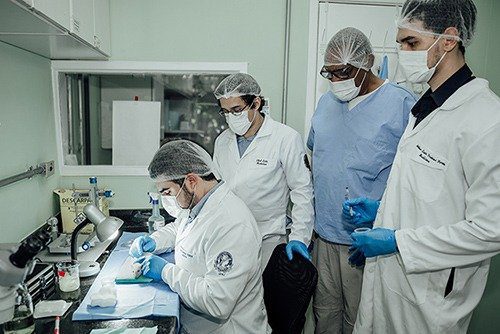
Researchers from UFRJ conducting studies on laminin repolymerization
Researchers from UFRJ conducting studies on laminin repolymerization. Photo by Luciana Sposito.

Results 

The research is led by Tatiana Sampaio, biologist and researcher. In an interview with FAPERJ, she explained that the choice of polylaminin was due to its better cost-effectiveness, ease of production, and safety regarding the predictability of the cellular reaction, compared to stem cell therapies, which are more complex.

“We are simply imitating nature, since this protein is naturally produced by the body during the development of the nervous system,” she explained.

In August, a study published in Frontiers in Veterinary Science tested polylaminin on six paraplegic dogs. Even after surgeries and months of physiotherapy, the animals remained unable to move their legs.

After applying the protein directly to the lesion, four dogs showed improved balance and managed to take a few steps, while the other two had more modest progress. All were monitored for six months and showed no side effects.

In addition to animal testing, the medication was applied to an experimental group of Brazilian volunteers. In total, eight people participated in the study, carried out under academic protocols.

Among the patients, some fully recovered mobility, something considered unlikely without intervention, while others reported significant improvements, such as trunk control and the ability to walk with assistance.

Among the volunteers is Bruno Drummond, a banker who, in 2018, suffered a severe cervical injury after an accident that crushed part of his spinal cord. With his family’s authorization, Bruno participated in the experiment using cells extracted from the human placenta.

Initially, he had no movement in his limbs, but only two weeks after the procedure, he was already able to move a toe. Years later, Bruno regained much of his mobility and managed to resume an independent life.

In an interview with TV Globo, he said:
“Nowadays, I can move my whole body—of course, with some limitations. My leg is moving. I can stand, walk, dance, fly. I’ve regained my independence.”

Expectations

The National Health Surveillance Agency (Anvisa) reports that there is still no request for approval for the clinical use of polylaminin. So far, the results presented correspond to non-clinical stages, that is, laboratory tests and preliminary observations.

Among those following the progress with hope is Alexandre Costa, 51, who was shot in the shoulder during a robbery in 2018 and became paraplegic. After seven months in the hospital, he began his so-called “real battle,” the process of rehabilitation and adaptation to a new life.

Even with family support, he faced difficulties accessing treatment and public healthcare. The pandemic interrupted his rehabilitation efforts, and new health complications forced him to pause therapy more than once. “There are many problems that come with the ‘spinal cord injury package,’” Alexandre says.

Costa reports not only physical but also emotional effects of the injury: “I sank into depression, lost the will to live, and just let life carry me.”

In 2024, a new health complication led to the need for an ileostomy, which he makes a point of mentioning:

“These are different disabilities, but it’s important that people are aware […] the second can be avoided in some cases.”

Because of this, he now runs an Instagram profile (@falailesionado), where he seeks to raise awareness, share his experience, and receive feedback from other people with spinal cord injuries.

In an interview with Yuvoice, he says he watches research like UFRJ’s polylaminin study with caution but also hope:

“I’m hopeful that maybe I can be one of the volunteers. I haven’t signed up yet. I’m waiting for things to advance a bit more. But I’m optimistic, because even a small improvement in your condition, any gain in quality of life, is already a big step forward.”

The road to making the medication publicly available is long. First, laboratory studies must be completed and safety proven in animals. Then, with Anvisa’s approval, large-scale human trials can be conducted, evaluating both acute and chronic injuries. Only after full regulatory approval can the drug be marketed.

The progress observed in animals and volunteers provides an optimistic outlook for improving quality of life and the future of medicine. However, until the research is complete, there is still no definitive treatment for spinal cord injuries.
Explaining the strength of European populism

Why does right-wing populism appear so strong in Europe?

In a recent sign of its success, a populist party led by billionaire businessman Andrej Babis won parliamentary elections in the Czech Republic in October. Other European Union (EU) countries Hungary and Italy also have populist leaders.

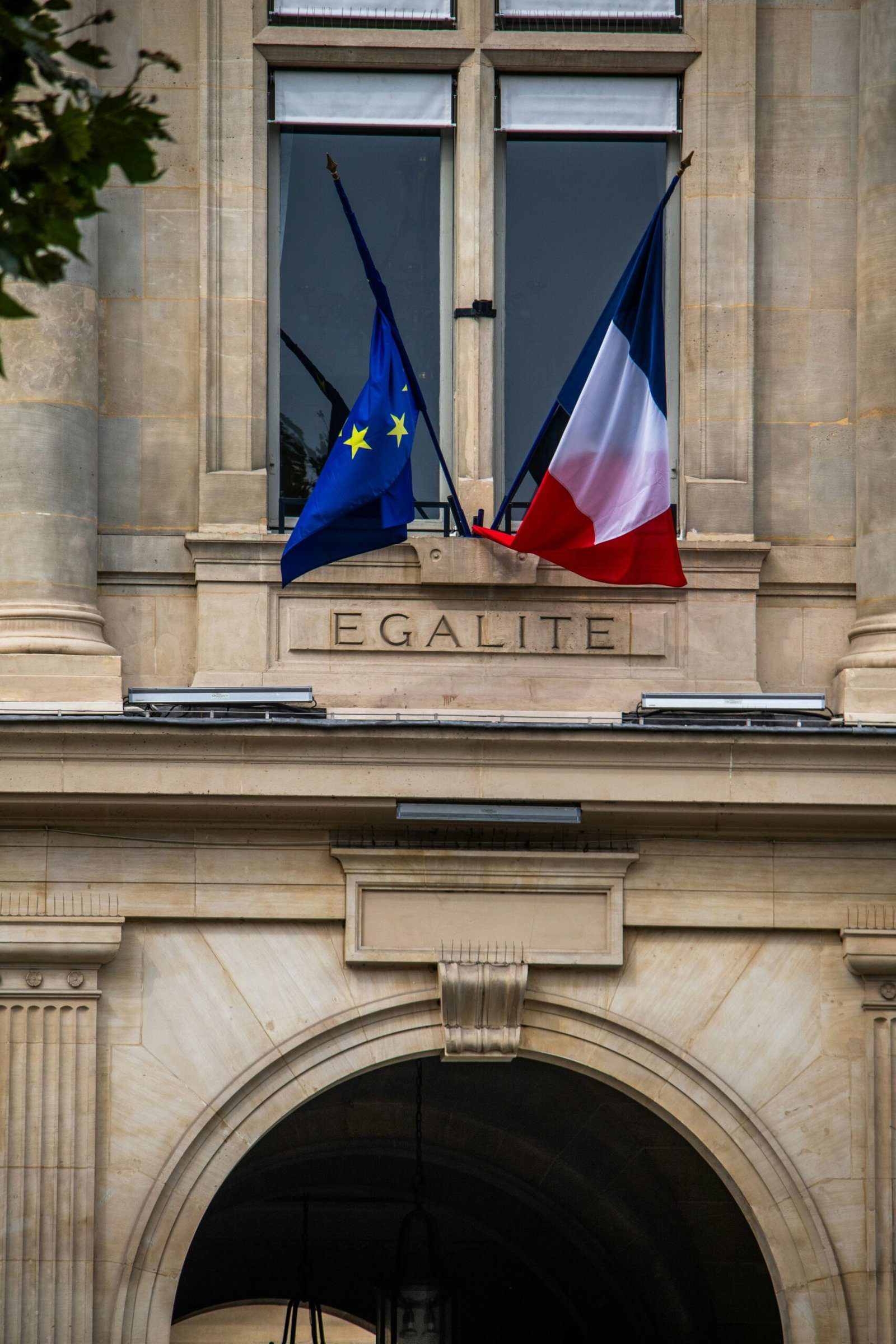
In France, the government of centrist president Emmanuel Macron narrowly survived a no-confidence vote. The government has been flip-flopping after Prime Minister Sébastien Lecornu resigned after 26 days, only to return four days later. Macron faces a challenge in the polls from the far-right National Rally, led by Marine Le Pen.

The populist Reform UK is also doing strongly in opinion polls, while Germany’s right-wing AfD party has won state elections in the past year.

The rise of European populism is hard to counteract, because of the continent’s economic performance. Europe is lagging in both technology and  manufacturing, says Ronen Palan, professor of international politics at City St George’s, University of London.

“The fundamental problem that Europe faces is that the fourth industrial revolution skipped it,” Palan told Yuvoice in an interview.

“You have the American companies,  the Magnificent Seven – Meta, Apple etc. There is nothing in Europe remotely like that. Manufacturing excellence is now in China – China is far advanced. Europe is squeezed in between. Without a solution to that problem, we are talking about economic stagnation – Europe becomes a tourist attraction.”

The first industrial revolution started in Britain in the eighteenth century with inventions such as the steam engine.  The second industrial revolution of the late nineteenth century got a boost from the expansion of electricity, while computers led the third industrial wave of the late twentieth century.

The Magnificent Seven U.S. tech companies have stormed ahead in the U.S. stock market in recent years, helped by their role in the development of artificial intelligence.

Populist parties are offering little practical to address these economic concerns, but are playing on people’s sense of the precariousness of their lives, according to Palan.

Laggardness in Europe is also nothing new, he adds.

“Similar events took place in the 1970s. The European car industry was buffeted by the Japanese, the Americans were pulling ahead, the Americans and the Japanese were competing with one another. The answer was the common market and the single market, the creation of European champions, European competitors – we are in the same situation now.”

It has become harder for Europe to pull together as one force since one of its biggest economies, Britain, left the European Union following the Brexit vote, although Britain and Europe continue to collaborate on geopolitical issues, Palan says.

“Brexit created an institutional gap. The fact that Britain is out weakened Europe and weakens Britain,” he said, though he added that: “it doesn’t mean that if Britain were part of Europe, they would find a solution.”

The mood is not all going one way. A pro-European Union party won elections in September in the eastern European country of Moldova. Italian Prime Minister Giorgia Meloni faced a general strike and major protests in September and October following her refusal to recognise the state of Palestine, in contrast to other EU countries such as France and Spain. Left-wing as well as right-wing parties are also popular in France.

However, Palan points out that the rhetoric of both left-wing and right-wing parties is often similar, as right-wing parties such as France’s National Rally and Reform UK also promote strong intervention by the state. British think tank Chatham House said in an October report, that the National Rally’s economic policies were “closer in tone to French Socialist icon Jean Jaurès than to the Iron Lady (former Conservative British Prime Minister Margaret Thatcher)”.

These right-wing populist groups are taking their lead from U.S. President Donald Trump, whose language comes straight from the Marxist playbook, according to Palan.

“The Deep State is a Marxist concept, the idea that there is a small cabal of people – the bourgeoisie – controlling the state, and that Trump represents the working class against the entrenched state,” said Palan, adding that Reform UK leader Nigel Farage “is also adopting Marxist language – it’s very confusing.”

Francesco Rigoli, a political psychologist at City St George’s, University of London, says Europe’s biggest economies, Britain, France and Germany, could all have populist parties in government in a few years.

“The level of polarisation remains extreme,” he told Yuvoice. “There’s a feeling that the traditional parties have disappointed, that they have not fulfilled expectations. There’s a feeling that Europe is in crisis.”

Delhi’s stray dog battle in the Supreme Court of India: Compassion vs Fear

The Supreme Court of India has modified its earlier directive to confine all stray dogs into shelters after facing widespread protests and legal challenges. The initial order, issued on August 11 following the death of a six-year-old girl from a rabies attack, had called for the permanent sheltering of all strays across the country. In its detailed order, the Bench noted that while compassion for animals is part of Indian law, the safety of citizens, particularly that of its children, the elderly, and visually impaired persons, cannot be compromised.

On August 22, after weeks of outrage and legal altercations through multiple public interest litigations by various advocates and animal welfare societies, the Court softened its stance, citing its previous order as “harsh”. It allowed strays to be vaccinated, sterilised and released back to their original areas, while keeping aggressive or rabid dogs in custody.

The three-judge bench of Justices Vikram Nath, Sandeep Mehta and N.V. Anjaria constituted under the Chief Justice B.R Gavai, modified the earlier order. The new ruling bans public feeding of stray dogs but asks municipalities to create designated feeding zones. Notice boards must clearly state that feeding is allowed only in such areas. Feeding on public roads and streets will not be permitted.

“Persons found feeding dogs in violation of this direction shall be liable to action under the relevant framework,” the order noted, adding that helplines must be set up for reporting violations.

It also makes States and Union Territories party to the case to help draft a national policy on managing India’s stray population, extending the application of the order to pan-India rather than just the National Capital Region (NCR).

How it all began-

The debate began on July 28, when Justices J.B. Pardiwala and R. Mahadevan took suo motu notice of a newspaper report about a six-year-old girl in Delhi who died after being mauled by stray dogs. The Bench said India records nearly 20,000 dog bite cases every year, with 2,000 incidents in Delhi daily. On August 11, they directed Delhi and NCR authorities to round up strays within eight weeks and place them in pounds, warning activists not to interfere.

Divided Public Opinion

That order was considered by some as a long-overdue response to a public health crisis. Others condemned it as unscientific and impossible to enforce given the lacking resources. Animal welfare activists, feeders, and caretakers argued the order ignored existing laws like the Animal Birth Control (ABC) Rules, which allow sterilised dogs to be returned to their original areas after treatment.  Local civic bodies were criticised for years of inaction on sterilisation and vaccination, and many asked why municipal funds never translated into effective ABC programmes. 

For many residents, however, fear remains real. “Dogs have become a threat to society. With proper care in shelters, they can lead a better life, but right now it’s unsafe,” said Apurva Garg, a law student in Chandigarh. “Personally, we are afraid to go out alone because of the fear of dog attacks.” 

She added that while she once considered herself a dog lover, repeated incidents near her campus and in her neighbourhood made her support the Court’s decision. As a law student, she said she has observed the government’s lax attitude firsthand and supports the order only if it is implemented effectively.

Municipal figures estimate Delhi has nearly a million strays, with surrounding NCR cities like Noida and Gurugram facing similar spikes. India accounts for 36 percent of global rabies deaths, according to the World Health Organization.

Activists’ Perspective

While on the other hand, Animal welfare volunteers working at the ground level tell another story of neglect by civic authorities and scapegoating of caretakers.

“For years, there have been almost no sterilizations in Gurgaon and very low numbers in Delhi. Feeders have been spending their own money to vaccinate and sterilise dogs, yet they’re vilified and even assaulted,” said a volunteer associated with several shelters in Delhi, who requested anonymity due to threats.

She questioned why municipalities were not held accountable. “If the administration had done its job, there would be no rabies. Why punish the animals for failures of governance? Where are our taxes going? Since the earlier Supreme Court remarks blaming ‘dog lovers,’ there’s been a spike in cruelty. Dogs have been stabbed, and puppies burnt alive. The hatred has only worsened.”

“The Hon’ble Judges had remarked that- there is a very loud vocal minority and silent suffering majority- Since this statement, there have been multiple cases of “the silent majority” taking the law into their own hands, where is the justice in that?”, she said questioning the order.

Conclusion

The controversy has revealed a deep divide: on one side, families grieving lost children and citizens terrified of dog bites; on the other, volunteers who believe the only humane and effective solution is mass sterilization and vaccination, not unnecessary confinement.What makes this conflict harder is that both narratives are grounded in lived reality. The Supreme Court’s shifting orders reflect the urgency of addressing a growing crisis and highlight the administrative gaps in implementing sustainable animal control measures.

Zambian Farmers Take Chinese Miners to Court Over Toxic Spill

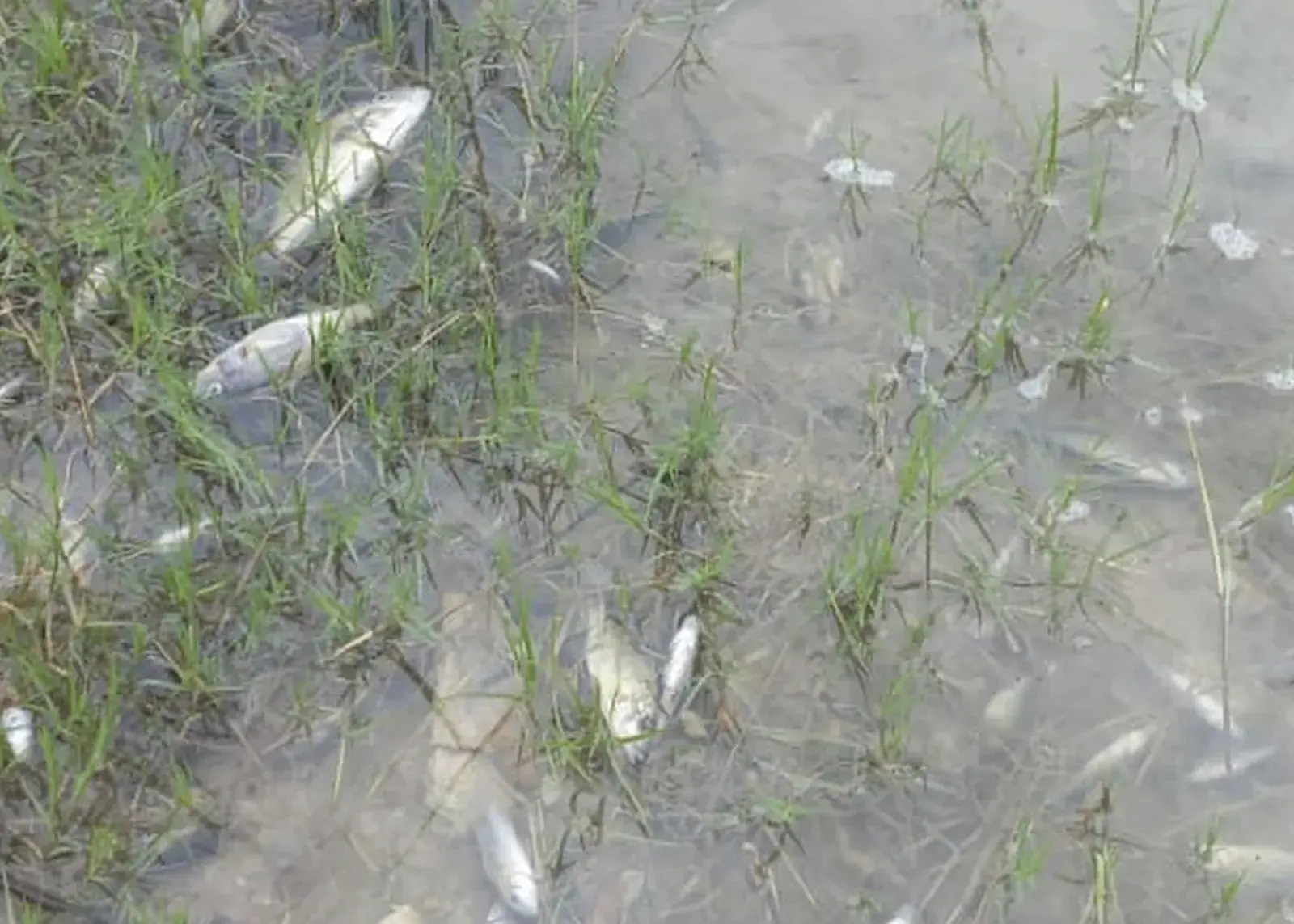
In February 2025, a tailings dam at a copper mine in Chambishi, Zambia, collapsed, unleashing millions of litres of acidic, toxic waste into surrounding rivers and farmland. Now, more than 170 local farmers and residents have filed a lawsuit against Chinese-linked mining companies Sino-Metals Leach Zambia and NFC Africa Mining, alleging severe environmental damage, health risks, and destruction of livelihoods. The plaintiffs are demanding $80 billion in compensation and environmental restoration.

The spill described by experts as one of Zambia’s worst ecological disasters—has scorched crops, killed livestock, and poisoned water sources. Affected residents report symptoms including vomiting, skin rashes, and blood in urine. Despite this, government assessments have been inconsistent. According to civil society groups such as the Zambia Environmental Justice Coalition, the Impact Assessment Association of Zambia, and the Centre for Environment Justice, initial findings cited negligence by the company, but subsequent government statements claimed water pH levels had “normalized.” This has led to accusations of political interference and growing public distrust.

Dr. Mweene Himwiinga, pointed out inconsistencies in the official reports: “At some points, toxins are high; at others, low. There’s no conclusive evidence. We need robust enforcement of environmental laws, and communities are growing tired of investors who in their view, do more harm than good..” She further stressed the need for better monitoring tools and legal frameworks to enable regulatory bodies to respond more effectively to environmental threats.

Rashida Mulenga, former mayor of Kalulushi supported the community’s legal action, stating, “The lawsuit is within their rights. It shows people are no longer silent about environmental breaches.” She added, however, that enforcement bodies remain underfunded and lack the technological capacity to carry out regular monitoring—challenges that have long plagued the sector.

Nsama Musonda Kearns, Executive Director of Care for Nature Zambia, raised deeper concerns: “This community represents only a small portion of those affected,” she said. “There’s been conflict over previous consultants, including claims of corrupted figures. People are eating contaminated fish in Ngwabe district, and we still haven’t tested the full aquatic ecosystem.”

According to Kearns, the lawsuit is not only about financial compensation, but about demanding accountability from companies and regulators. It highlights long-standing issues in Zambia’s mining sector—foreign investment without adequate oversight, under-resourced environmental protection, and a lack of transparency. The outcome of this case could set a precedent for how environmental justice is pursued in the country going forward.

“They’ve drawn a line,” said Kearns. “And the whole country and the world at large is watching.”

Transgender row disturbs open-water swimmers

The normally calm waters of a small swimming lake in north London are facing turbulence in a dispute over transgender access.

For the past century, the Kenwood Ladies’ Pond has welcomed women swimmers year-round to its secluded spot on the 790-acre Hampstead Heath. The pond has an inclusive approach, and its member association successfully fought off a campaign to ban transgender women last year.

However, a recent Supreme Court judgment in Britain, brought by campaigning group For Women Scotland versus The Scottish Ministers, has muddied the waters.

The court ruled in April that the terms “woman” and “sex” in the Equality Act 2010 refer only to a biological woman and to biological sex at birth, a ruling which has led to confusion about transgender access, for instance to single-sex toilets.

City of London Corporation, the municipal body which operates the Ladies Pond and the Highgate Men’s Pond, has opened a consultation about access to the ponds. It has given a range of options, from keeping the status quo – in which the Ladies’ Pond is open to all biological and trans women and the Men’s Pond to biological and trans men – to banning transgender swimmers from ponds which do not match their biological sex at birth. Among compromise suggestions are that transgender swimmers use a separate shower and changing room and that certain times are reserved for swimmers based on their biological sex.

“Like many organisations, we are reviewing our access rules to ensure they remain fair, lawful, and respectful”, a City of London spokesperson said, adding that “our priority is to provide a safe and respectful environment for all users”.

Maya Forstater, CEO of campaigning group Sex Matters, said that following the Supreme Court judgment “it’s clear that women-only means what it says: no men allowed, not even men who identify as women”.

However, Steph Richards, chief executive of Translucent, which campaigns for transgender rights, said there had been no issues with the existing policy.

“What harm have trans women done? Most women accept trans people,” she told Yuvoice.

“What we are having now, especially after the Supreme Court judgment, is a massive swing to see trans people excluded from society.”

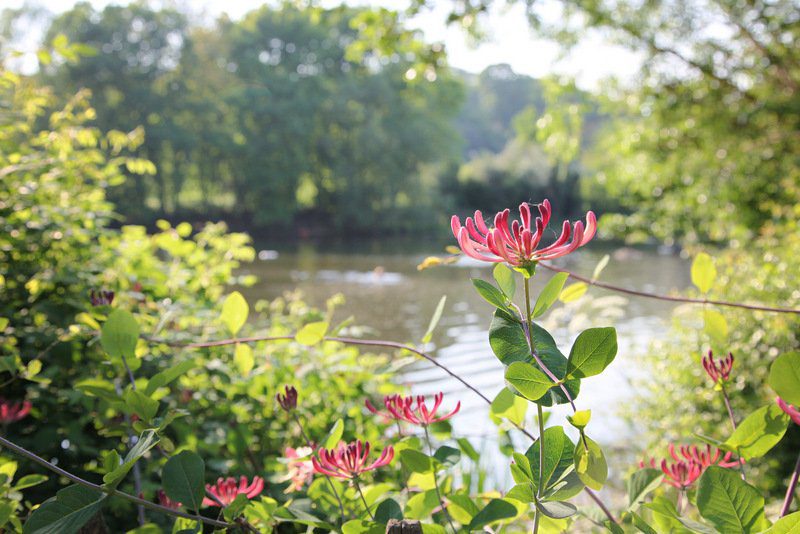
Kenwood Ladies’ Pond
Photo by Ruth Corney, via www.ruthcorney.com

Venice Allan, a former ponds swimmer who has protested against the inclusive policy, said she would return to the Ladies’ Pond if the policy is scrapped. Allan started swimming in the pond nearly 30 years ago.

“It’s the first women-only space I went to,” Allan told Yuvoice. “We talk about women-only spaces for safety, for privacy, but it’s also a very joyful space for being women-only.”

However, another swimmer, a Ladies’ Pond regular for 25 years, told Yuvoice that “the idea that cis women need protection from trans women is frankly absurd, profoundly prejudiced, bears no relation to actual experience and puts trans women at even more risk than they already face”. The swimmer, who declined to be named due to the sensitivity of the issue, added that: “I don’t plan on policing anyone’s sex or gender identity when I go swimming and I profoundly hope that trans women can continue to find the pond the peaceful oasis it has always been”.

The consultation is open until November 25.

Kenya Mourns as Former Prime Minister, Raila Odinga, Passes Away

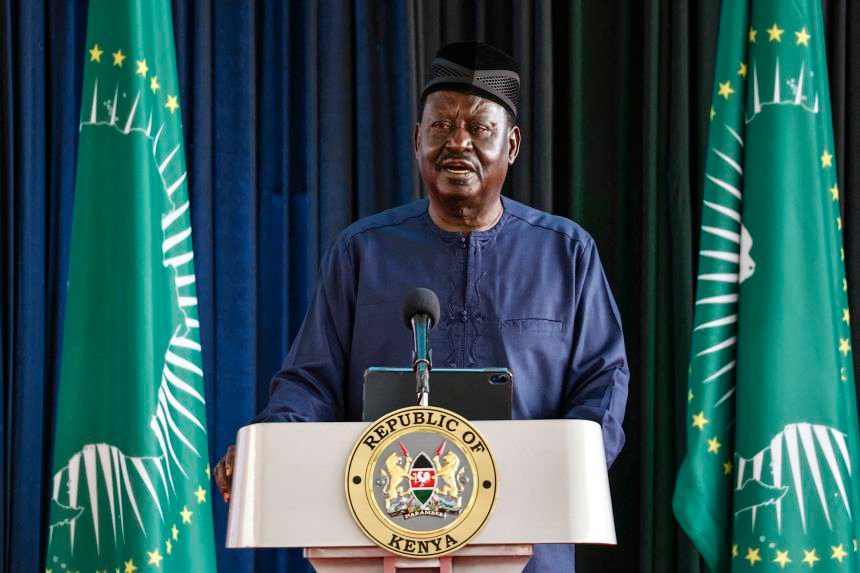
Hundreds of Kenyans and notable figures gathered at the Nyayo Stadium in Nairobi on October 17th 2025, to pay their respects to the late former Prime Minister, Raila Odinga, at his state funeral.

The former figurehead passed away at the age of 80 after suffering a heart attack on October 15th, during a morning walk at a health clinic in Southern India, where he was receiving treatment. Krishnan, a superintendent of police in Kerala, India, confirmed that Odinga was pronounced dead after being rushed to Devamatha private hospital.

During a speech at the funeral, Odinga’s daughter, Winnie, recounted her memory of her father, ‘I watched him at his best. I watched him fall and rise again, each time with grace, forgiveness, and hope.”

(Photo via The Nairobi Law Monthly)

Being one of the most revered political figures in Kenya, Odinga’s death has attracted condolences from prominent national and international figures. 

In a tribute to the late Prime Minister, President of Kenya, William Samoei Ruto said, “Through his words and deeds, he taught us that true patriotism is not measured by what we receive from our country, but by what we are willing to give in service to it.”

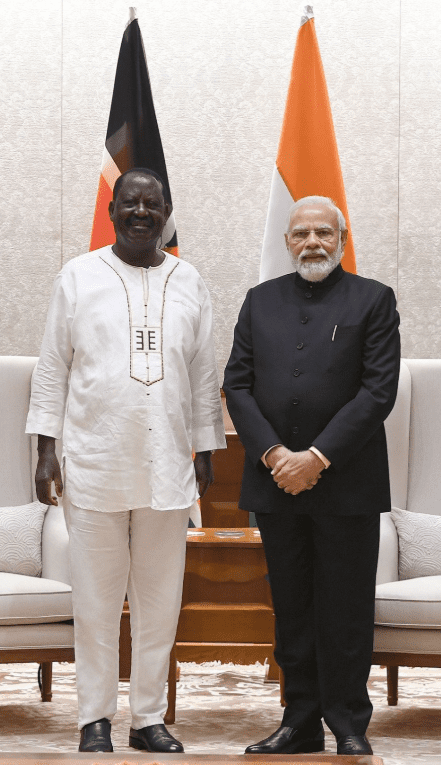
Similarly, the Prime Minister of India, Narendra Modi, commented on Odinga’s death via his official X handle, “Deeply saddened by the passing of my dear friend and former Prime Minister of Kenya, Mr. Raila Odinga. He was a towering statesman and a cherished friend of India.”

Raila Odinga and Indian Prime Minister Narendra Modi
(Photo by Narendra Modi via X)

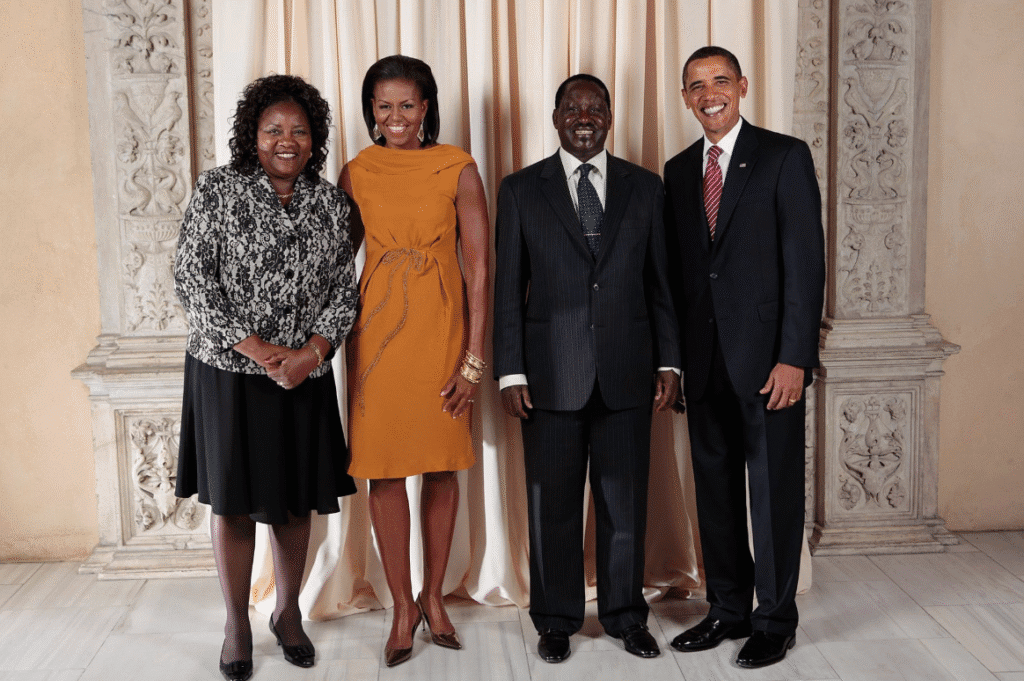
Former United States president, Barack Obama, equally sympathized with Kenyans, saying, “Raila Odinga was a true champion of democracy. A child of independence, he endured decades of struggle and sacrifice for the broader cause of freedom and self-governance in Kenya…I know he will be missed.”

Right to left: Barack Obama, Raila Odinga, Michelle Obama, Ida Odinga
(Photo by Barack Obama via X)

Many Kenyans, who fondly referred to Odinga as ‘Baba’, also took to social media to express their sadness about his death. One user commented, “Every man dies. Not all men live. Baba Raila Amolo Odinga lived. Impactful both in life and death.”

Raila Odinga was born on January 7, 1945, in Maseno, Kenya. As the son of Kenya’s first vice president, Odinga’s exposure to politics began from early childhood. It wasn’t until the late 90s, however, that he became actively involved in politics.

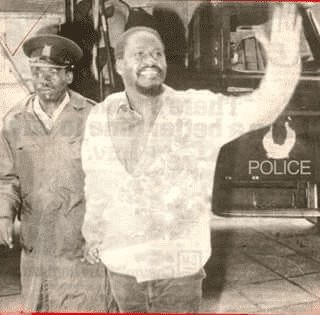
Odinga was notable for his fight against one-party dictatorship in Kenya. In 1982, Odinga was arrested and imprisoned for six years after allegedly plotting a coup against then-president Daniel Arap Moi.

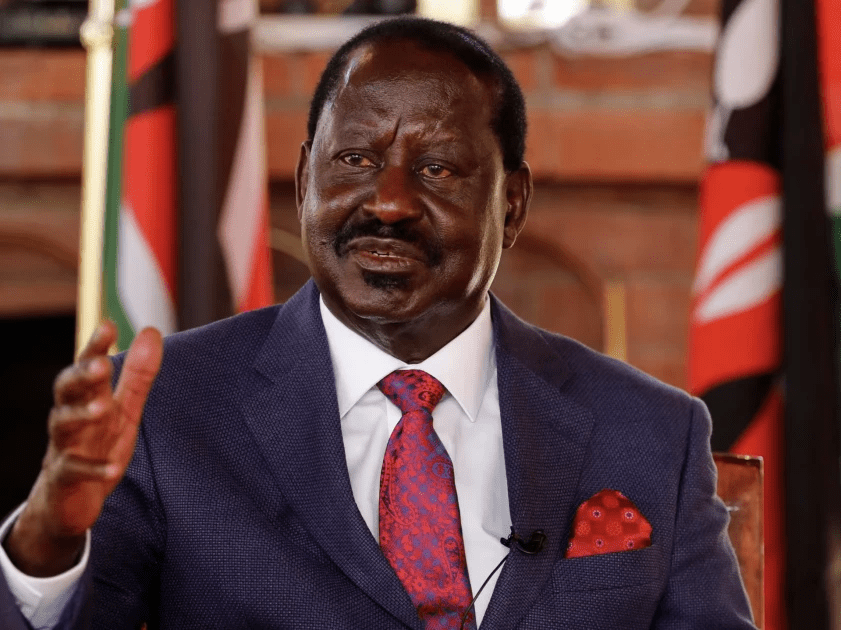
Police arrest of Raila Odinga
Police arrest of Raila Odinga (Photo by Raila Odinga via X)

Despite running for the office of the presidency five times, Odinga never won any elections. He however, occupied various positions in Kenya, including Minister of Roads, Public Works, and Housing (2003-2005), Minister of Energy (2001-2002), and Prime Minister (2008-2013).

As Kenyans continue to turn up in numbers to mourn the death of the former Prime Minister, his wife, Ida Odinga, urges people to remain peaceful and avoid repeating the tragic stampede that resulted in the deaths of others.

Local Nigerian Musician Files for Appeal After Death Sentence Ruling by Sharia Court

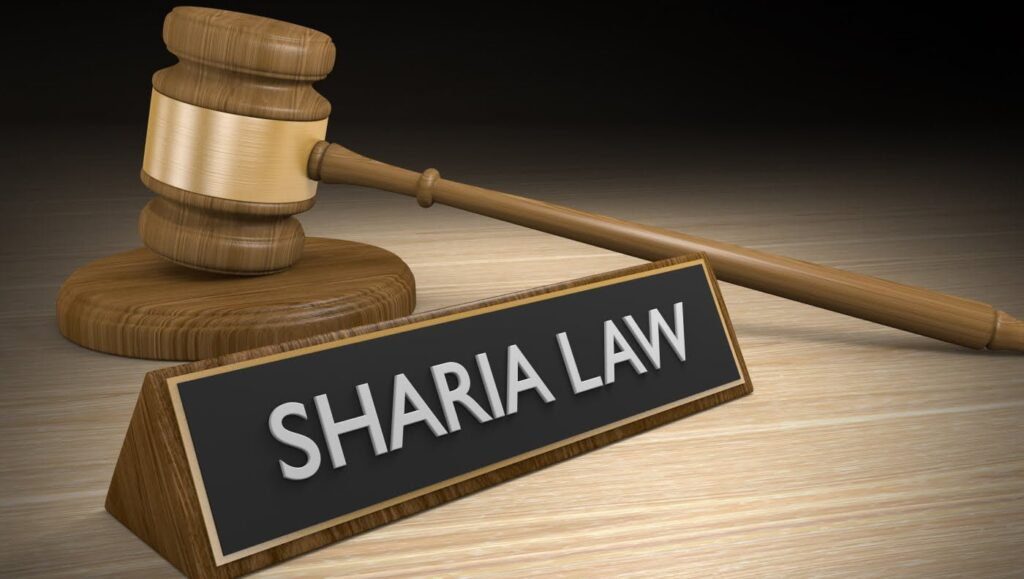
A religious blasphemy case involving a local musician in Kano state, Nigeria, who was sentenced to death by a sharia court, has raised concerns about the sharia law and its infringement on fundamental human rights such as freedom of expression.

A Gavel, used by judges
Photo by Daily Post

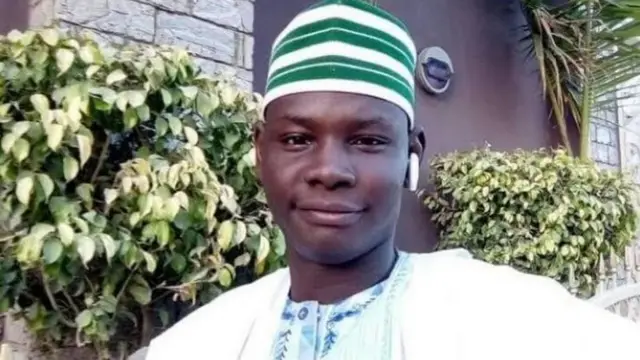
The genesis of the case can be traced back to 2020, when Yusuf Sharif Aminu, a local musician based in Kano, was arrested for allegedly sharing song lyrics that were blasphemous against the Prophet Muhammad.

Yusuf’s lyrics generated fury among a certain group of protesters in Kano state who took matters into their hands and set his family’s house ablaze.

The musician was later said to have been arrested and taken into custody by the religious police force in Kano, Hisbah.

In August of 2020, Yusuf was tried by an upper Sharia court in the Hausawa Filin Hockey area of Kano and was sentenced to death by hanging.

The following year, in 2021, Yusuf appealed to the Court of Appeal in Kano after the initial conviction in 2020 was overturned because he had not been granted legal representation during the proceedings.

The court, however, rejected his appeal for release, stating that the Sharia court was not unconstitutional and ordered a retrial of the case by a different Sharia court.

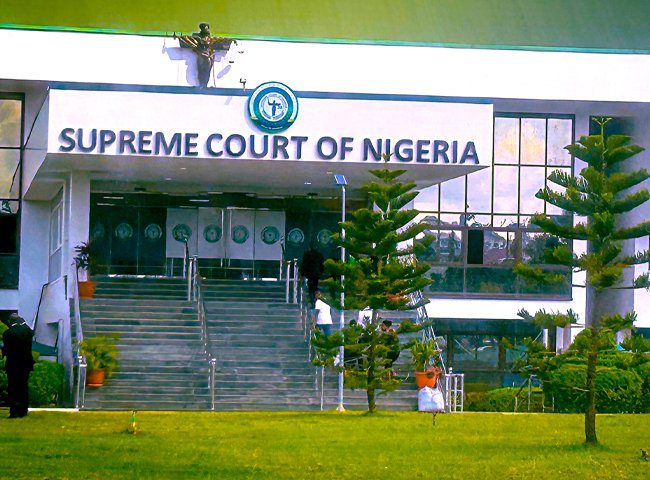
In the most recent development, Yusuf and his lawyers have taken their case to the Supreme Court to request permission to appeal the retrial, which has been approved by the court. Kola Alapinni, the lawyer representing Yusuf, stated, “The court has graciously granted our request and ordered an accelerated hearing. We will file the appeal next week.”

The Supreme Court of Nigeria
Photo by Channels TV

The Supreme Court of Nigeria (Photo by Channels TV)

Five years down the line, Yusuf’s case remains a topic of debate among Nigerians and international bodies. Social media users have expressed concerns over the clash between the provisions of the constitution and Sharia law, insisting that the two cannot coexist in a country of varying religious practices.

An X user commented, “Religion should be personal. Should have no place in law, politics, or the government.”

Analysing the issue during an interview with Yuvoice, a Nigerian lawyer, Barrister Yusufu explained, “Applying Sharia criminal codes in a diverse, multi-faith country creates constitutional and social problems. The best approach is ensuring that no Nigerian, Muslim or non-Muslim is coerced under a religious legal system they do not subscribe to.”

An international lawyer for the Alliance Defending Freedom, Sean Nelson, equally commented on the issue during a lecture with university students. He maintained that blasphemy laws like the one in Yusuf’s case were censorious and infringed on the right to speech and religion.

Yusuf’s case is currently ongoing at the Supreme Court of Nigeria and pending trial.

Indonesia-EU Trade Deal: A New Chapter in Economic Partnership

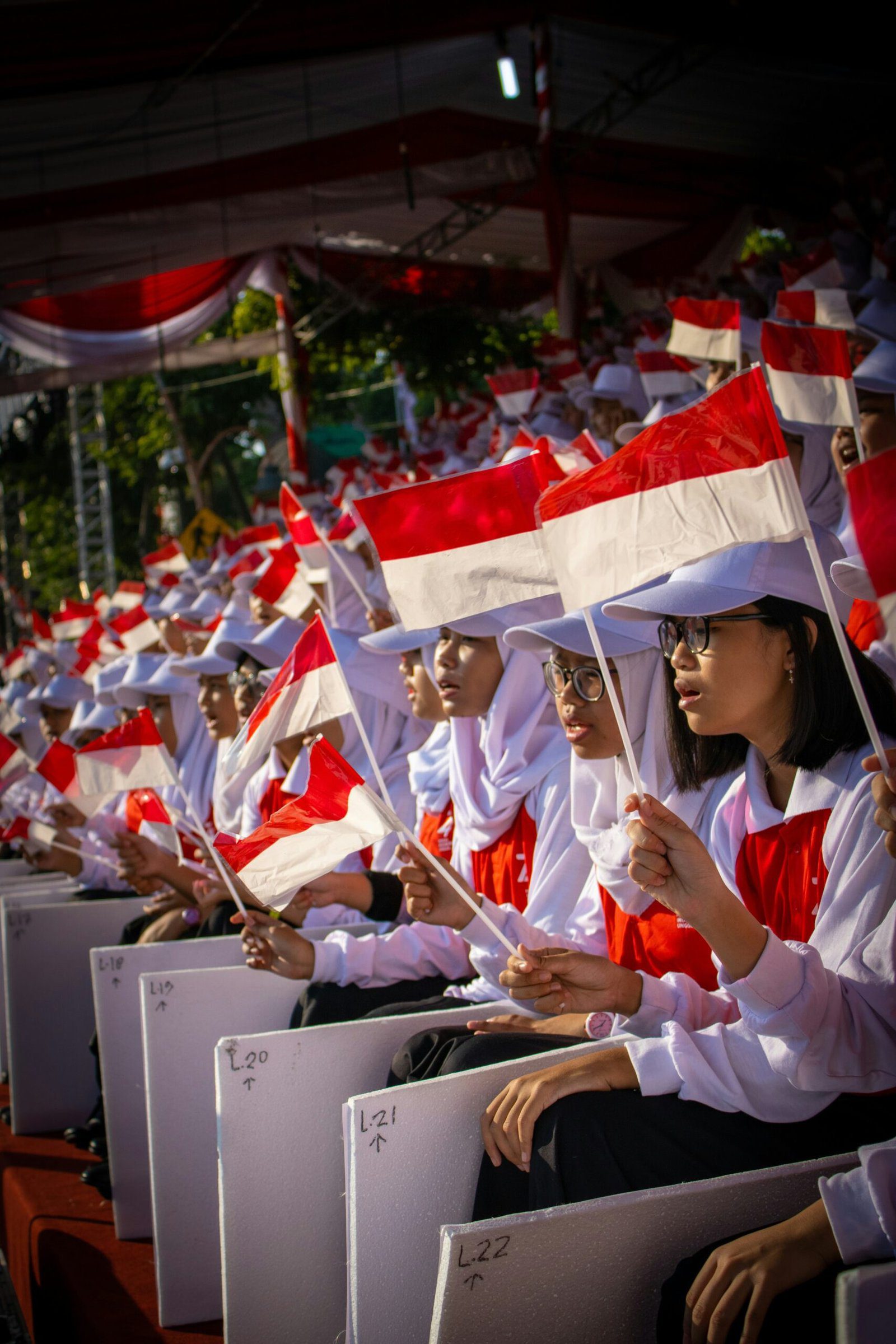
After nearly ten years of painstaking negotiations, Indonesia and the European Union have finally sealed a landmark trade agreement. The Indonesia-European Union Comprehensive Economic Partnership Agreement (IEU-CEPA) was signed in Bali on Tuesday, September 23, 2025, by Indonesia’s Coordinating Minister for Economy Airlangga Hartarto and EU Trade Commissioner Maros Sefcovic.

The timing couldn’t be more strategic. With the US imposing tariffs and global trade tensions mounting, this deal represents far more than just tariff reductions—it’s a calculated move in the geopolitical chess game of economic alliances.

The Numbers Behind the Partnership

The EU ranks as Indonesia’s fifth-largest trading partner, while standing as ASEAN’s third-largest after China and the United States. Last year, bilateral trade in goods totaled €27.3 billion, with the EU exporting €9.7 billion and importing €17.5 billion from Indonesia, according to European Commission data.

What’s on the Table?

The agreement promises substantial tariff eliminations. Indonesia will see 80 percent of export duties removed immediately upon the deal’s entry into force, climbing to 96 percent within five years. This opens significant market access for Indonesian products across EU member states.

For Indonesia, the deal means duty-free access for EU agricultural exports including dairy and meat, alongside zero tariffs on industrial goods such as pharmaceuticals, machinery, and motor vehicles.

Bhima Yudhistira, Executive Director of CELIOS and prominent economist, sees particular promise in the fisheries sector.

“Most fishery products consumed in Europe currently come from Vietnam and Thailand,” Bhima explained in an interview. “This agreement provides an opportunity for Indonesian seafood products—particularly processed fish—to capture greater market share in Europe.”

The tourism industry also stands to benefit, with EU cooperation expected to enhance Indonesia’s tourism infrastructure and accelerate sustainable tourism development.

How Indonesia Compares to Its ASEAN Neighbors

The EU’s approach varies significantly across Southeast Asia. Vietnam’s agreement (EVFTA), which took effect in August 2020, eliminated 99 percent of tariffs on Vietnamese manufacturing. Singapore’s 2019 deal focused heavily on digital trade, cross-border data flows, and services rather than commodities.

Indonesia’s agreement differs markedly—it’s commodity-driven, reflecting the country’s status as ASEAN’s largest economy and a G20 member rich in resources critical to the EU’s green industrial agenda, particularly nickel and minerals essential for EV batteries and supply chains.

Meanwhile, the EU’s negotiations with Malaysia and Thailand remain mired in challenges—palm oil sustainability concerns in Malaysia’s case, labor issues for Thailand. Malaysia only resumed FTA talks with the EU this past January 20, 2025.

The Thorny Issues That Remain

Not everything is resolved. The controversial crude palm oil (CPO) and nickel sectors remain flashpoints.

Indonesia suffered a defeat at the WTO over nickel following its ore export ban mandated by mining law. While Indonesia has challenged EU biodiesel duties at the WTO, the CPO situation differs due to persistent concerns about deforestation and labor practices.

“The EU has established standards for CPO-related products that Indonesia hasn’t yet met,” said Yusran, an international relations expert from Budi Luhur University. “But we need to understand the broader context—the Russia-Ukraine conflict drags on, and US tariffs are pushing the EU to seek new economic partners.”

Bhima pointed to a critical gap: Indonesia’s government hasn’t adequately incentivized independent and smallholder palm oil farmers to meet environmental standards.

“If we comply with these standards, we could significantly increase CPO exports to Europe,” he noted, adding that the EU employs traceability systems to verify plantation origins and sustainability practices.

On nickel, Bhima argues Indonesia squandered the decade-long negotiation period that could have been used to address the sector’s systemic problems.

“Our nickel industry is plagued with issues—massive coal power plants in mining areas, water pollution, hazardous working conditions for workers. There’s a long list that needs fixing,” he said.

While Indonesia can still export processed ore following the WTO ruling, environmental compliance issues in the nickel sector may ultimately undermine the EU’s willingness to source nickel from Indonesia.

Why This Deal Matters Despite Its Flaws

The IEU-CEPA represents a pragmatic win-win, even with unresolved issues lingering. Indonesia will need to demonstrate genuine commitment to meeting EU green standards—and other emerging economies watching these negotiations will pay close attention to how Indonesia implements environmental safeguards.

More broadly, this agreement reinforces ASEAN’s position as a pivotal player in global trade. Its successful conclusion may well pressure Malaysia and Thailand to accelerate their own stalled negotiations with Brussels.

In an era of trade wars and shifting alliances, Indonesia has secured its seat at the table. Now comes the harder part: delivering on the promises.

South Africa’s Reckoning: Can Justice Still Save the Republic?

When Lt-Gen Nhlanhla Mkhwanazi first laid bare accusations of political interference, hidden criminal syndicates, and sabotage within the South African Police Service (SAPS) in July 2025, it sent shockwaves through the country particularly in communities already living in fear. For ordinary citizens in townships and informal settlements where criminality and “vanishing police dockets” are part of daily conversations, that moment was less about surprise and more about relief  because someone was finally naming the injustice that shaped their daily lives. 

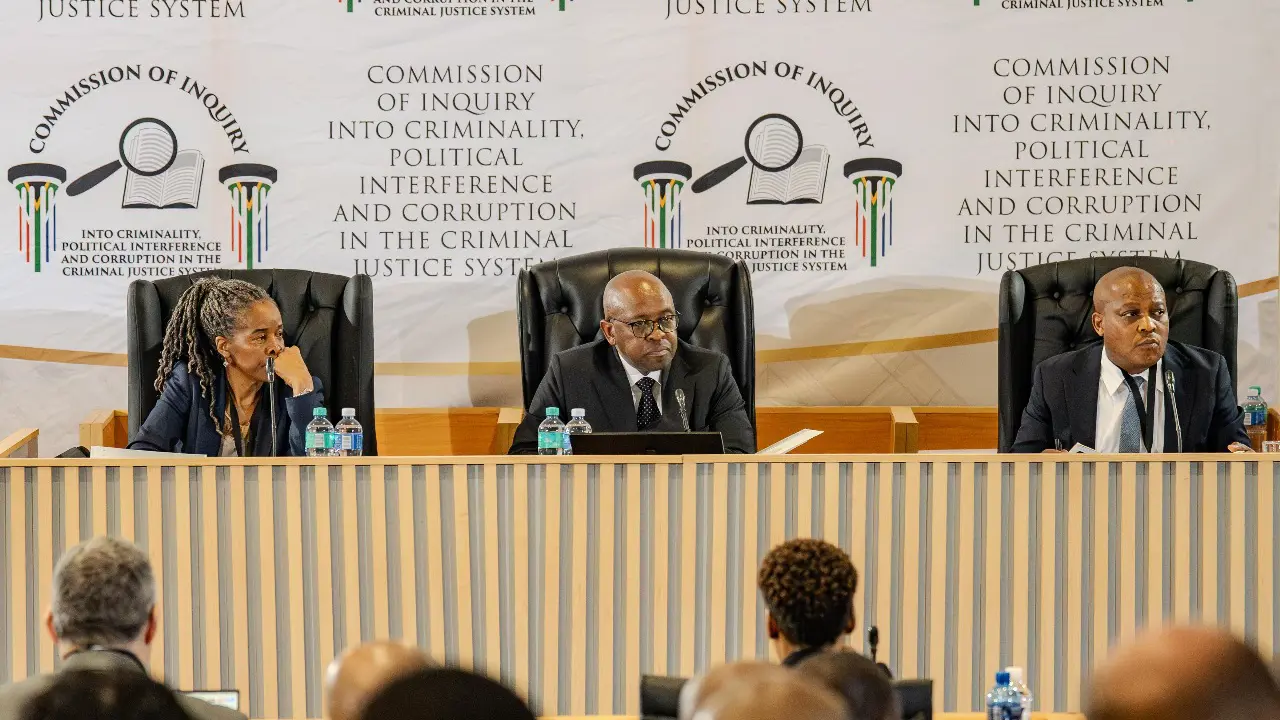
Now, as the Madlanga Commission of Inquiry has begun its public hearings on 17 September 2025 at the Brigitte Mabandla Justice College in Pretoria, the emotions of ordinary citizens mirrored the nation’s tension. The delays, resource problems, and political pushbacks are not just bureaucratic obstacles, they carry real costs in people’s lives. Nicole Myburgh, Ward Committee Member in Eldorado Park, commented “As a resident of Eldorado Park, I’ve witnessed firsthand the devastating impact of gun violence and drug cartels in our community. For years, we’ve lived under the shadow of gang warfare, a reality shared by many communities across the country.”

The first public witness to take the stand was Lieutenant-General Nhlanhla Mkhwanazi, his testimony immediately set the tone. Speaking under oath, Mkhwanazi painted a damning picture of political interference that, in his words, had “turned the South African Police Service into a playground for power brokers.” Mkhwanazi told the commission. “It is a capture of policing itself from the station level right up to the minister’s office. Political loyalties decide who gets promoted, which cases disappear, and who lives to tell the story.

The second witness National Police Commissioner Fannie Masemola corroborated parts of his account, testifying that ministerial directives had “encroached upon operational independence” and undermined accountability. According to internal documents tabled before the commission, 121 case dockets, many tied to politically connected suspects, were re-routed or “lost” after the task team’s dissolution. Witnesses described how officers who resisted interference were threatened, transferred, or quietly sidelined.

Opposition parties quickly seized on the revelations. DA leader John Steenhuisen told reporters outside the hearings, “These testimonies confirm what South Africans have long suspected that state institutions have been weaponised for factional gain. This commission must go beyond exposure; it must end impunity.” It is worth noting that even though the commission of inquiry has been well received by citizens, if it delivers not only revelations but prosecutions, not just words but systemic reform, perhaps the state will again be seen as a protector, not a predator.

South Africa’s democracy was built on accountability, the idea that no one, however powerful, stands above the law. However, as the Madlanga Commission peels back layers of a major political crisis, that principle feels increasingly fragile. The sudden death of former Police Minister Nathi Mthethwa on 30 September 2025, barely two weeks after his name surfaced in testimony linking him to “protection networks” around illicit mining and logistics cartels, has further raised suspicion. Officially ruled as a suicide falling off a hotel in Paris, his passing nonetheless sparked an online storm of speculation and conspiracy theories leaving others in fear that the line between politics and organised crime may now be one of survival.

Parallel economies thrive in this environment. From the zama-zamas (unregulated small scale mining) of mainly Gauteng’s abandoned shafts to cross border tobacco and vehicle hi-jacking cartels, organized crime has become a shadow state which is exploiting gaps in governance and the rule of law while the most vulnerable in society suffer more into poverty. In a report, the Transnational Alliance to Combat Illicit Trade (TRACIT) estimated that illicit trade (tobacco, alcohol, counterfeiting, etc.) causes losses of about R100 billion annually, but that is not expressed as a percent of GDP.

In the end, the Madlanga Commission is not just about rooting out corruption, it is a mirror held up to a democracy testing its own endurance. South Africa’s political underworld did not emerge overnight but it grew in the blind spots of accountability, in the silence of those who looked away. Whether the commission’s findings lead to prosecutions or fade into another forgotten report will determine far more than political reputations, it will reveal whether this democracy still has the courage to save itself and whether citizens like Nicole will inherit a country worth living in. 

Brazil’s landmark sustainability festival paves the way for COP30

In 2025, Brazil will host Latin America’s largest sustainability event for the 15th time, called Virada Sustentável – which can be roughly translated as ‘Sustainable Week’. Since 2011, the initiative’s main goal has been to integrate art and culture with sustainability, drawing the society’s attention to socio-environmental issues. 

The project travels through many states and cities, in order to attract a diversified public. This year ‘s first stop happened in May, at the city of Belo Horizonte, the capital of the state of Minas Gerais. 

The most recent event took place in September,  where São Paulo hosted the program. The project ran from the 17th to the 21st in various locations through São Paulo, the largest metropolis of South America, promoting sustainability through art and knowledge.

André Palhano, creator and co-founder of the event, highlights that the main goal is to handle the theme with a more of an optimistic approach.

“We have an important mission to ‘enchant’ people to sustainability, rather than ‘scaring’ them. Maybe, showing the amazing world that we still have can be more mobilizing than simply showing the terrifying world we’ll have if we do nothing.”

The 15th edition has many free, creative activities, which look out for the mix between art and sustainability to the discussion of themes like socio-environmental racism, conscious consumption and urban mobility. 

Among the highlights of the program in São Paulo, there was:

  • Musical performances by artists like Mariana Ahdad and Thiago Ramil – whose debut album Leve Embora earned a 2016 Latin Grammy nomination.
  • Dance, theater and music performances;
  • Discussion groups, lectures and workshops;

Furthermore, Virada São Paulo included exclusive participation, like: Claudia Visoni, journalist and activist; Rodrigo Perpétuo, executive secretary of South America ICLEI; and Kamila Camilo, founder of Oyá institute. 

The programming was prestigious to the most diversified number of artists. On September 19th, the visitors could enjoy a tribute made in honor of the Hip-Hop’s 50th year anniversary.

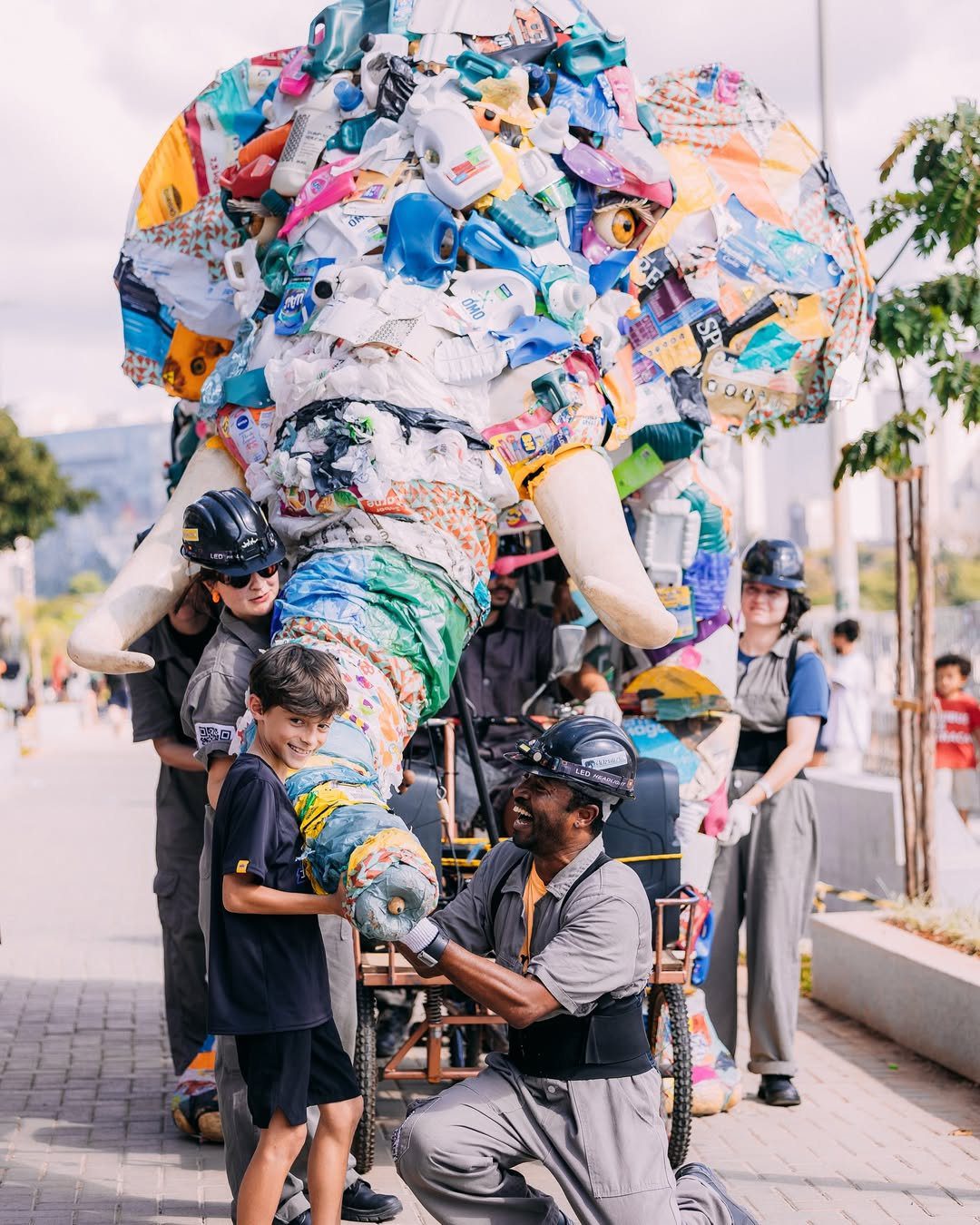
During the day, plastic expositions were shown, made with the goal of transforming trash with creative potential, raising questions about consumer habits. Through the night, a music event took place, connecting the public to the diversity of Black music.

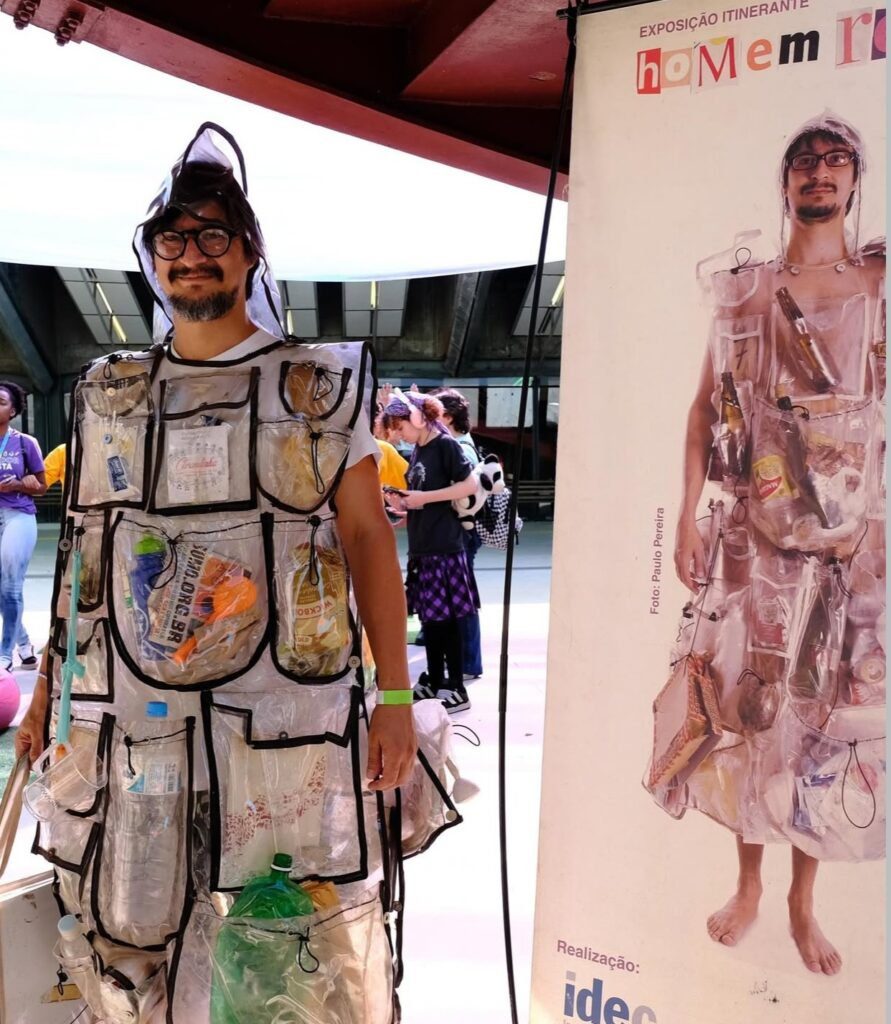
Many other artists were present. Between them, the artist Peri Pane, with the piece “Reflux Man”. Made in 2003, the project emerged from one of the artist’s ideas: during a week, he kept all his trash in a transparent plastic cape, made by the artist Mariana Reis.

It’s an artistic manifestation that seeks to provoke a reflection about the impact of individual consumption and the citizen’s responsibility with its own trash.

The artist Peri Pane (Photo by @peri_pane via Instagram) 

The young Esther Dagápito told Yuvoice the most impactful moment of her experience at the Virada Sustentável.

“To me, the most impactful thing was the diversity of activities and the way that sustainability was thought beyond traditional molds, understanding that it is necessary to listen to plural voices to think about a better planet.”

Esther highlights an important aspect of the event: the activities focused on children. There, kids were able to have a dynamic contact with the climate agenda through games, dynamics, picnics with songs aimed to their ages, and much more.

“I was struck by the number of activities geared toward children, something that isn’t common given that children aren’t always included in this debate. As the producer of a collective focused on well-being, art, and regeneration that organizes activities for children, I consider the presence of children essential,” concludes Esther.

The program also stood out for its strong Indigenous focus. On September 21st, the city hosted an art fair dedicated to the native population of the country, featuring Indigenous people from Jaraguá Jardim. Additionally, Paulista Avenue hosted fairs, thrift stores, and discussion groups with Indigenous activists.

On the last day of the event in São Paulo, Txai Suruí, an Indigenous leader of the Paiter Suruí group, spoke about the need for debate on issues such as climate emergencies.

“This topic must be increasingly strengthened, whether by municipal, state, or federal governments, or anyone else,” she stated.

Txai Suruí advocates for a more observant approach to those suffering the consequences of environmental change and also for the need for government accountability regarding these factors.

“It’s necessary to discuss quality, pesticide-free food. It’s necessary to discuss vulnerable communities, where environmental impacts are first impacted by floods and landslides. […] All of this relates to what’s being discussed in these global forums and what’s being decided in the Chambers of Deputies and the Senate.”

In 2025, Brazil has the opportunity to become a benchmark in international cooperation for sustainable development through joint actions that seek a more just society and a balanced climate.

This initiative gains even more relevance this year, as the country hosts the 2025 United Nations Climate Change Conference (COP30), a global event that discusses solutions to the climate crisis.

The Virada Sustentável 2025 program is organized around the question “what is important to report on climate change and sustainability?”, reinforcing the connection with the UN Sustainable Development Goals (SDGs).

In an exclusive interview with Yuvoice, André Palhano emphasizes the importance of the event in 2025.

“This is the year in which we have seen, by far, the largest number of events related to this topic in several cities, certainly due to COP 30. But the curious thing is that many of these events and their promoters don’t communicate with each other, and don’t engage in dialogue. This led us to a challenge: to make this year’s edition of Virada a meeting place and an exchange of experiences among the different stakeholders in the cities, whether from the public sector, the private sector, or, above all, organized civil society.”

After the conclusion of the event in São Paulo, Virada Sustentável will travel to other cities in the coming months. Rio de Janeiro, Porto Alegre and Belém (COP30 host city) will receive the program until the end of the year.