
Sweden’s Coffee Paradox: When Climate Leadership Meets Cultural Tradition

How do you like your coffee?

It’s one of the first questions I’m asked when I arrive at a job interview in Stockholm. Before anyone mentions my CV, someone reaches for the kettle. The interview hasn’t officially started, but in a way, it already has.

This is fika — Sweden’s daily ritual of coffee and conversation. But here’s the paradox: In 2022, Swedish coffee consumption drove the clearing of roughly 331 hectares of Amazon rainforest, exceeding the impact of Swedish beef consumption that same year, according to a 2025 analysis by Chalmers University of Technology, the Stockholm Environment Institute, and WWF.

For a country that topped the Global Sustainable Competitiveness Index in 2024 and aims for fossil-free energy by 2045, this creates an uncomfortable question: How does a climate leader reconcile a beloved cultural tradition with global environmental damage?

The Cost of Comfort

Swedes consume coffee at one of the highest per-capita rates globally. Fika isn’t just a coffee break — it happens at 10 a.m., after lunch, during meetings, on trains, at job interviews. To skip it feels antisocial. This is where colleagues become friends, where business gets done, where the long Nordic winter becomes bearable.

But coffee carries a steep environmental price. At least 312,803 hectares of Brazilian forest were directly cleared for coffee cultivation through 2023, according to Coffee Watch. Up to two-thirds of Brazil’s suitable Arabica growing area could be lost by 2050 under current climate trends. Coffee production depletes water resources, destroys biodiversity, and relies on carbon-intensive supply chains spanning thousands of kilometers.

Swedish University of Agricultural Sciences researchers report that 119 million cups of coffee brewed in Swedish restaurants are wasted annually — before accounting for the beans that never make it to market, the water used in cultivation, or the forests cleared to grow them.

“Coffee is one of the most environmentally damaging crops in global agriculture,” says Anne Charlotte Bunge, a sustainability researcher at Stockholm University. “If fika is to continue, Swedes need to rethink what they drink and how much.”

The Limits of “Klimatsmart”

The response has been what Swedes call “klimatsmart fika” — climate-smart coffee breaks. Cafés now prominently display certifications. Oat milk has become standard. Consumers increasingly choose specialty beans from traceable sources over cheap drip coffee.

Swedish roaster Löfbergs has invested in direct partnerships with producers, supporting agroforestry practices that improve soil health and biodiversity. CEO Anders Fredriksson frames this as both ethical imperative and business necessity: “A sustainable transition is critical for companies that want to remain competitive.”

Market data from late 2024 shows rising demand for sustainably sourced coffee, with artisanal cafés emphasizing ethical production. Plant-based alternatives now appear as expected defaults rather than sacrifices — oat milk in place of dairy, plant-based butter in cinnamon buns.

But does this add up to meaningful change?

The Amazon Footprint Report 2025 notes that while certification can reduce links between consumption and deforestation, no label guarantees a product is entirely deforestation-free. Sweden’s total coffee footprint remains substantial. Incremental improvements in sourcing don’t change the fundamental equation: coffee will never be a local, low-impact crop in Scandinavia.

What’s Not Being Addressed

This disconnect reveals the limits of consumer-focused climate solutions. Individual Swedes making better choices matters less than the aggregate demand signal. Sweden’s total coffee consumption continues at one of the world’s highest per-capita rates despite growing sustainability awareness.

There’s also no policy discussion. Unlike beef or palm oil, coffee faces no import restrictions, no deforestation-free sourcing requirements, no government initiatives to reduce consumption. The burden falls entirely on voluntary consumer action and corporate self-regulation.

A Tradition Under Pressure

Yet giving up fika entirely seems both unlikely and, to many Swedes, undesirable. Traditions rarely disappear because they’re criticized. They do, however, evolve under pressure.

This illustrates the emotional complexity of climate action when it intersects with identity. Fika isn’t fungible. It can’t be replaced with tea or hot chocolate without losing its cultural meaning. The ritual itself — the pause, the social connection, the shared moment — is what Swedes are trying to preserve.

What Would Real Change Look Like?

If Sweden were serious about aligning coffee consumption with climate leadership, several pathways exist:

Import regulations requiring deforestation-free certification for all coffee, similar to emerging EU standards for other commodities. Corporate transparency mandates forcing retailers to disclose supply chain environmental impacts. Public procurement policies prioritizing sustainable coffee in government offices, schools, and hospitals. Investment in alternative protein crops that could reduce agricultural pressure in tropical regions.

None of these are currently under consideration.

The Swedish government’s climate strategy extensively covers transportation, energy, and industrial emissions. Coffee doesn’t appear. This suggests that cultural traditions enjoy implicit protection from the kind of scrutiny applied to other sectors — even when environmental impacts are comparable.

“We have this idea that climate action is about big infrastructure and policy,” Bunge observes. “But it’s also about daily habits that feel too personal to regulate. That’s where it gets difficult.”

The Uncomfortable Middle Ground

The story of klimatsmart fika is ultimately about incremental adaptation in the face of systemic problems. It’s consumers making marginally better choices within a framework that remains fundamentally unsustainable. It’s corporations improving practices without reducing volumes. It’s a country maintaining its self-image as a climate leader while outsourcing environmental damage to distant ecosystems.

Is this progress? Compared to ignoring the issue entirely, yes. Compared to what the climate actually requires, probably not.

What fika reveals is how societies negotiate the gap between values and behavior, between what we believe and what we’re willing to change. The Swedish approach — acknowledging the problem, making adjustments, hoping it’s enough — may be the most honest response available when tradition collides with environmental necessity.

But honesty isn’t the same as adequacy. Sweden can’t forest its way to sustainability if consumption patterns remain unchanged. At some point, climate leadership requires confronting uncomfortable questions about which traditions can continue and which must transform.

For now, the coffee keeps brewing. The ritual continues. And the Amazon keeps shrinking — 331 hectares at a time.
COP30 in the Brazilian Amazon: Expectations, Infrastructure, and Price Controversy

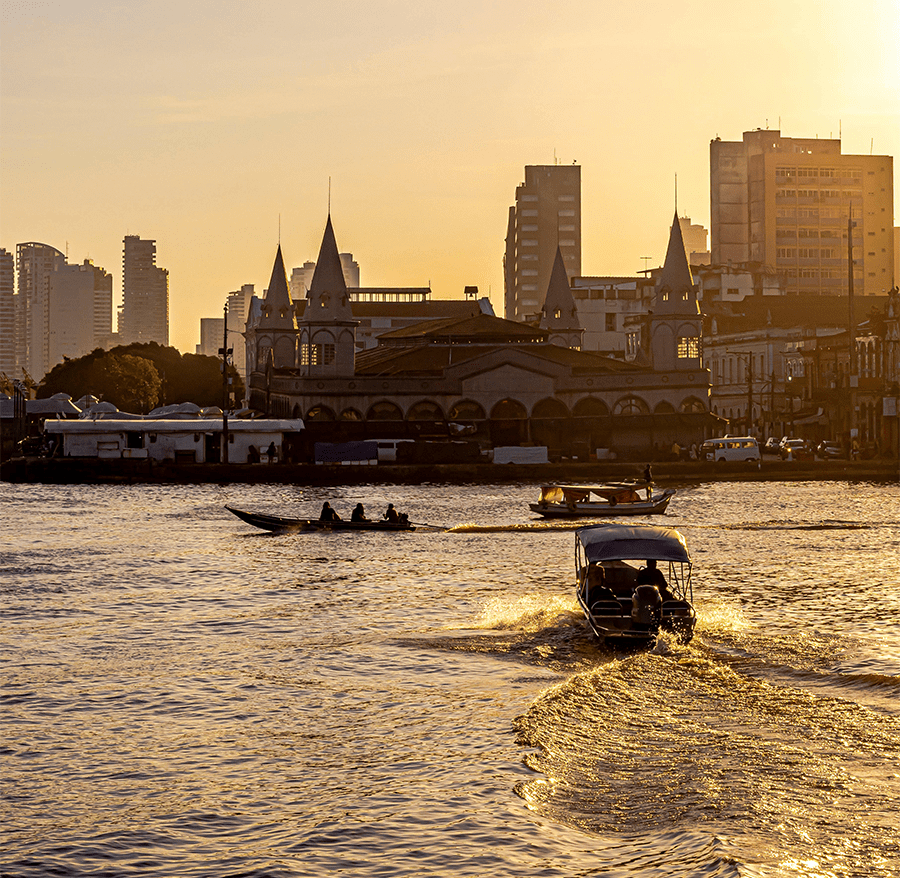
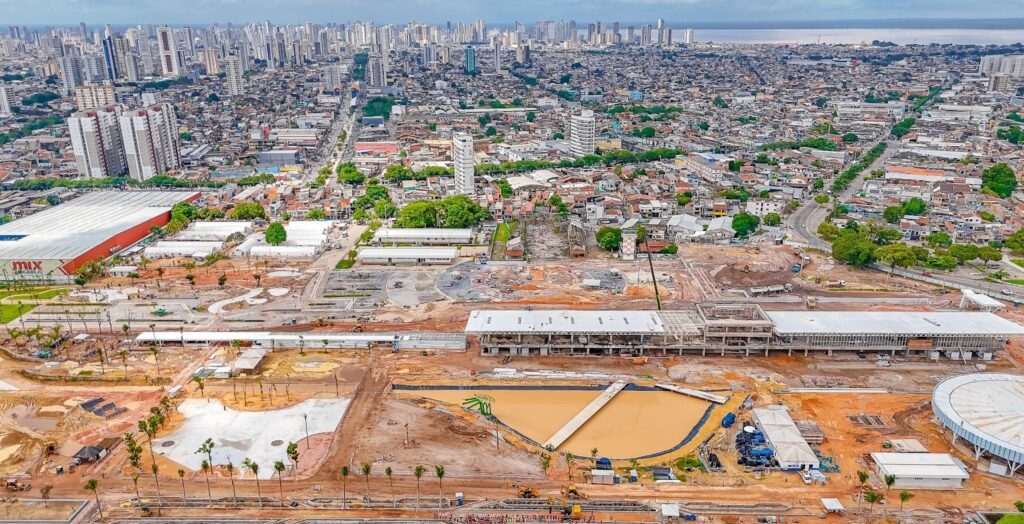
The city of Belém (the capital of Pará state in Brazil), in the heart of the planet’s largest tropical rainforest, is preparing to host the 30th United Nations Climate Change Conference (COP30) in November 2025.

The United Nation’s annual climate meeting plays the crucial role of reviewing climate mitigation and adaptation targets.

The gathering is expected to bring together leaders, negotiators, and activists from nearly 200 countries, placing Brazil, the Amazon, and its people at the center of international climate diplomacy.

However, alongside the anticipation for investment and visibility, tensions are rising due to the increase in accommodation prices during the event’s days.

The Amazon at the Center of the Debate

The choice of Belém as the host city is not random. Far from Brazil’s traditional economic hubs (São Paulo and Rio de Janeiro), the city carries symbolism: it brings the COP directly to the region most strategic for the planet’s climate balance.

Holding the meeting in Belém is a symbolic act and an opportunity to give due focus to the environmental issues experienced in the world’s most important natural reserve.

Professor Silvia Helena Ribeiro Cruz, director of the UFPA School of Tourism, emphasizes the location’s relevance.

“I ask, how can we discuss sustainability, climate change, and socio-environmental justice without being in the Amazon?”

For Brazil, COP30 is more than a large gathering: it’s a chance to transform global discussions into concrete actions, attracting investments in innovation, environmental policies, and sustainable development.

The expectation is that the event will leave lasting results for both the Amazon region and the country as a whole.

Construction Work and the Infrastructure Legacy

According to the Transparency Portal, the Federal Government has allocated more than R$ 4 billion (about US$ 750 million) to prepare Belém. The investment covers structural and logistical improvements that are intended to remain as a legacy for the city.

This funding aims not only to ensure the conference’s logistical success but also to leave a lasting legacy for the city and the region.

Among the projects nearing completion are the re-qualification of the Belém International Airport and the revitalization of Porto Futuro 2, a leisure and social complex on the capital’s waterfront.

Despite the progress, Professor Silvia Cruz warns of an inequality in the allocation of resources.

“The structural legacy will be mainly for the central urban areas, and little for the peripheral neighborhoods, where the socio-environmental problems, like lack of basic sanitation, are located.”

Belém (PA/Brazil), 02/14/2025 / Photo provided by Agencia Brasil, (Ricardo Stuckert/PR)

Hotel Sector, Prices, and the Government’s Response

The international visibility has also brought side effects.

Reports of inflated values for hotels and short-term rentals have multiplied, with extreme cases: a 118 m² apartment advertised for R$ 151,000 (about US$ 28,000) for the 11 days of COP30.

This practice generated a government reaction. On September 24, 2025, the Minister of the Civil House, Rui Costa, confirmed that the Union will take legal action against establishments that are abusing prices.

The justification is clear: to seek “reasonableness” and protect Brazil’s image. “It is not right, it is not fair that hotels are charging stratospheric prices,” declared Costa, highlighting the effort to “deconstruct this narrative, including internationally.”

The ultimate goal, according to him, is for the “great legacy” of the COP to be “the image of a welcoming, warm people, with wonderful cuisine.”

Accommodation available on Booking during COP30. Accessed 09/31/2025.

The Critique of the International “Alarm”

For Professor Silvia Cruz, the media’s excessive focus on Belém’s problems distorts reality.

“In every COP, there is a price increase. This is nothing new. I’ve never seen this level of scrutiny in other cities,” she argues.

She believes the disqualification of the city is unfair and may even be a political maneuver.

“In my perception, the alarm regarding Belém, with media outlets concerning themselves with the city’s inner workings, is a novelty. I never saw this done with other cities where a COP was held, even though all of them have structural problems.”

“This seems to me more like an orchestration to destabilize the event’s organization and remove it from the Amazon,” she adds.

Another point raised by Silvia is the presence of foreign capital.

“The hotel network in Belém is currently comprised of over 60% of hotels belonging to international groups. I haven’t yet seen anyone ask how the daily rates are priced, and these groups are European and American.”

Despite the city facing challenges such as the need for improvements in public transport and the major bottleneck in basic sanitation, Professor Silvia Cruz emphasizes that hosting large-scale events is not new for Belém.

“Belém hosts the Círio de Nossa Senhora de Nazaré every year, an event that attracts, on average, two million people to Belém,” the professor reminds.

She points out that “any major event, in any city, presents challenges,” and that Belém has the capacity to receive large volumes of visitors, overcoming adversity.

Círio de Nazaré, photo by Fernanda Lima, available on pexels

An Invitation to the World

Despite the challenges and controversies, the main goal of COP30 remains to fulfill the global environmental agenda and bring the world’s real demands to the forefront.

The event should also serve as a platform to promote regenerative actions and sustainable tourism in the region, setting the stage for new public policies that envision a development agenda valuing local populations.

The professor argues that the true legacy goes beyond infrastructure: “education actions through socio-cultural actions and environmental policies alongside local populations would be the great legacy.”

She bets on the cultural strength and the welcoming nature of the people of Pará as a differentiating factor.

“The human warmth of the people of Pará will be the differential, that warmth that not only works hard but also welcomes and always offers the best they have to visitors.”

She concludes with an invitation to the world: “We are capable of welcoming so well that even the difficulties will be overcome. My message is don’t be afraid. Come see a bit of the Amazon up close, come see how we live and survive.”

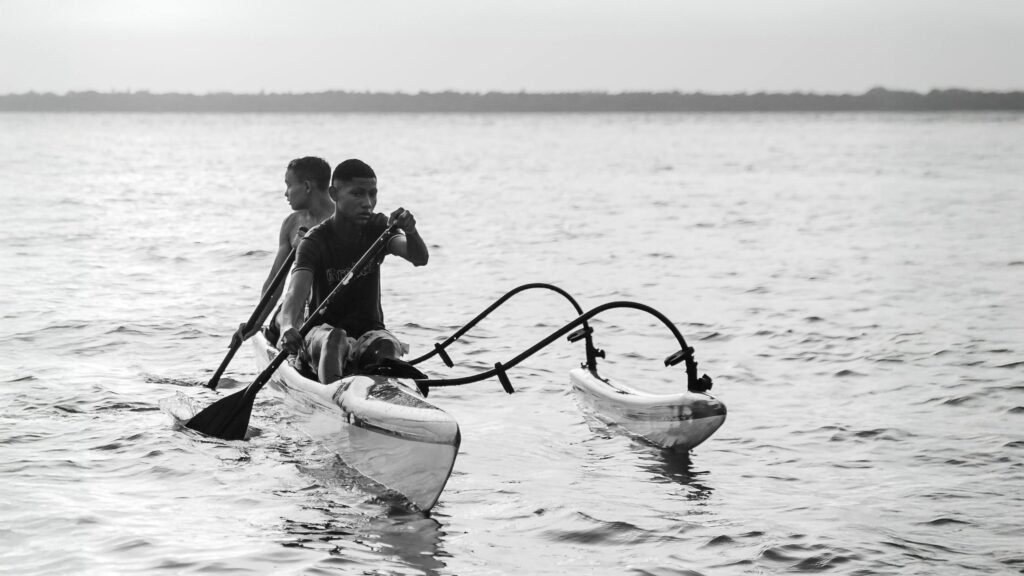
Canoeing on the Amazon River in Belém, Brazil / photo by Gabriela Ally, available on pexels

Brazil’s landmark sustainability festival paves the way for COP30

In 2025, Brazil will host Latin America’s largest sustainability event for the 15th time, called Virada Sustentável – which can be roughly translated as ‘Sustainable Week’. Since 2011, the initiative’s main goal has been to integrate art and culture with sustainability, drawing the society’s attention to socio-environmental issues. 

The project travels through many states and cities, in order to attract a diversified public. This year ‘s first stop happened in May, at the city of Belo Horizonte, the capital of the state of Minas Gerais. 

The most recent event took place in September,  where São Paulo hosted the program. The project ran from the 17th to the 21st in various locations through São Paulo, the largest metropolis of South America, promoting sustainability through art and knowledge.

André Palhano, creator and co-founder of the event, highlights that the main goal is to handle the theme with a more of an optimistic approach.

“We have an important mission to ‘enchant’ people to sustainability, rather than ‘scaring’ them. Maybe, showing the amazing world that we still have can be more mobilizing than simply showing the terrifying world we’ll have if we do nothing.”

The 15th edition has many free, creative activities, which look out for the mix between art and sustainability to the discussion of themes like socio-environmental racism, conscious consumption and urban mobility. 

Among the highlights of the program in São Paulo, there was:

  • Musical performances by artists like Mariana Ahdad and Thiago Ramil – whose debut album Leve Embora earned a 2016 Latin Grammy nomination.
  • Dance, theater and music performances;
  • Discussion groups, lectures and workshops;

Furthermore, Virada São Paulo included exclusive participation, like: Claudia Visoni, journalist and activist; Rodrigo Perpétuo, executive secretary of South America ICLEI; and Kamila Camilo, founder of Oyá institute. 

The programming was prestigious to the most diversified number of artists. On September 19th, the visitors could enjoy a tribute made in honor of the Hip-Hop’s 50th year anniversary.

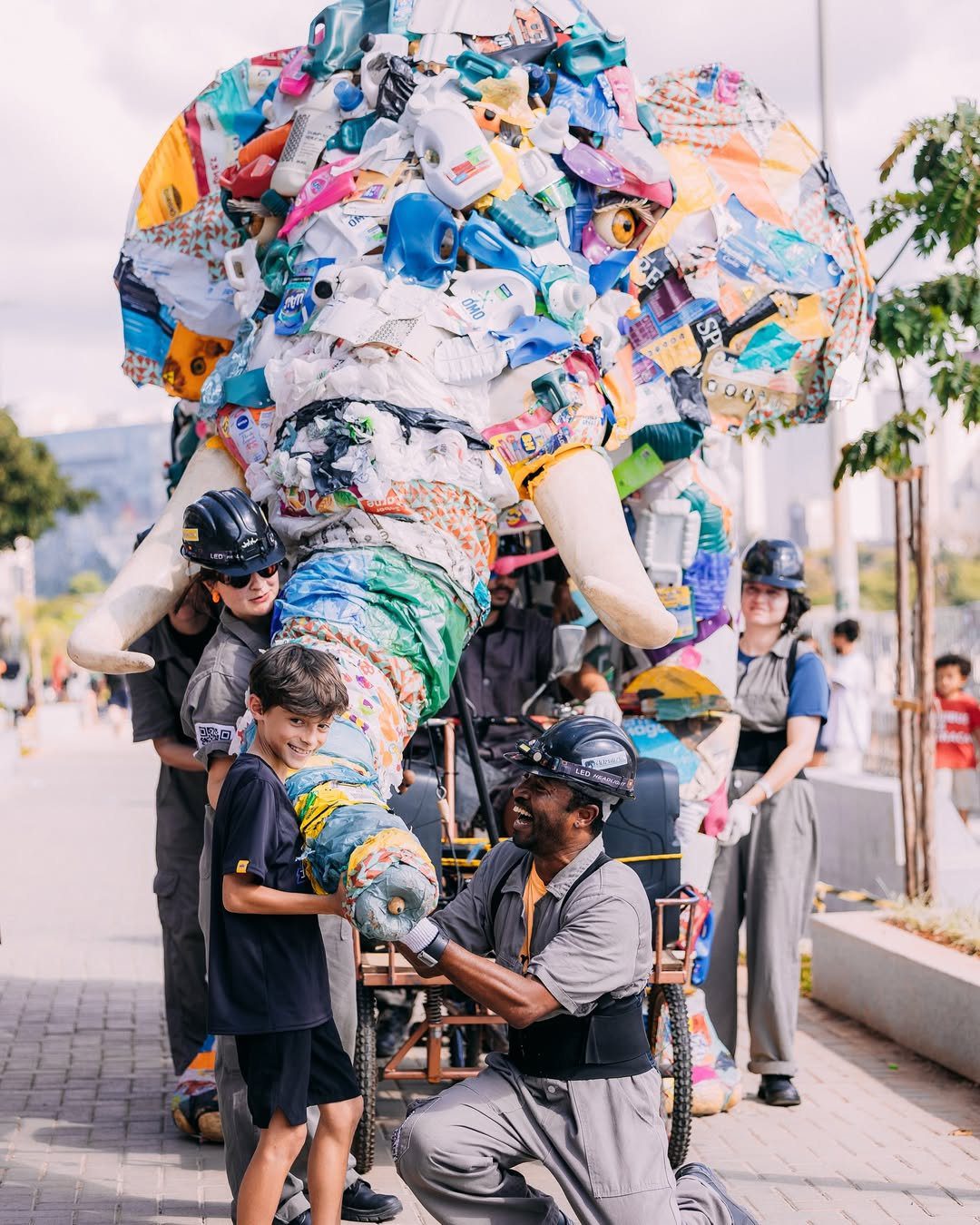
During the day, plastic expositions were shown, made with the goal of transforming trash with creative potential, raising questions about consumer habits. Through the night, a music event took place, connecting the public to the diversity of Black music.

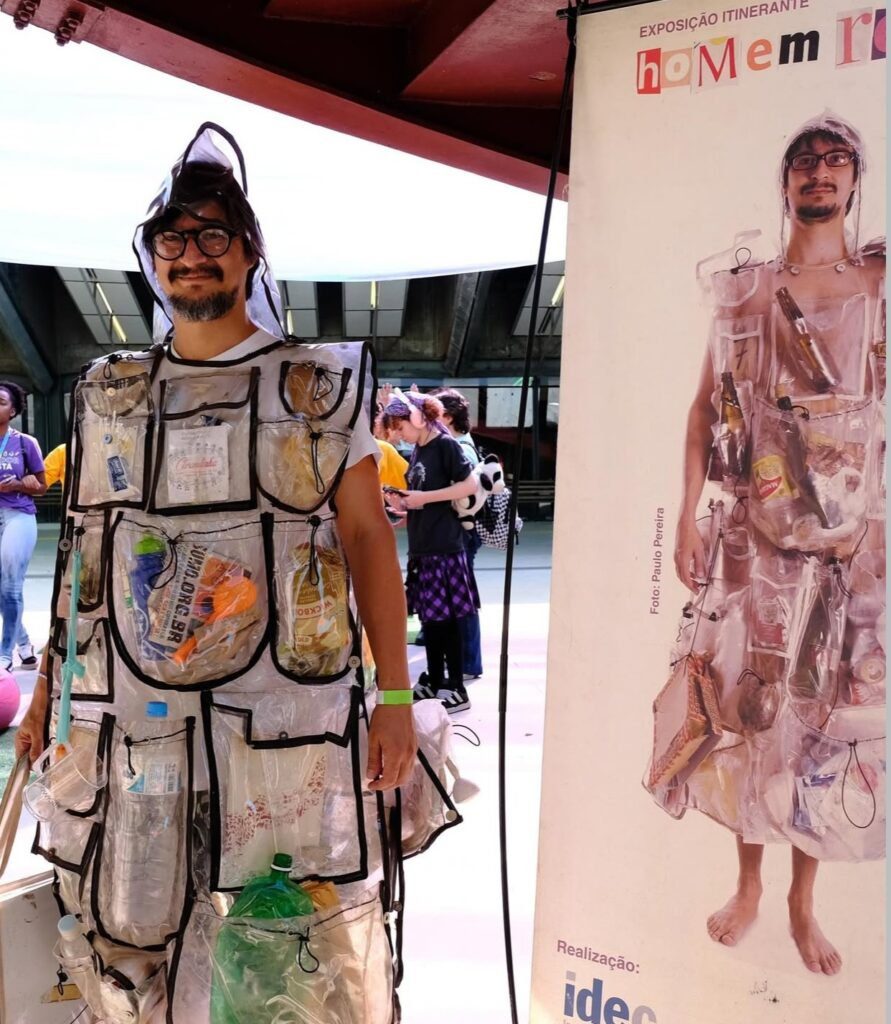
Many other artists were present. Between them, the artist Peri Pane, with the piece “Reflux Man”. Made in 2003, the project emerged from one of the artist’s ideas: during a week, he kept all his trash in a transparent plastic cape, made by the artist Mariana Reis.

It’s an artistic manifestation that seeks to provoke a reflection about the impact of individual consumption and the citizen’s responsibility with its own trash.

The artist Peri Pane (Photo by @peri_pane via Instagram) 

The young Esther Dagápito told Yuvoice the most impactful moment of her experience at the Virada Sustentável.

“To me, the most impactful thing was the diversity of activities and the way that sustainability was thought beyond traditional molds, understanding that it is necessary to listen to plural voices to think about a better planet.”

Esther highlights an important aspect of the event: the activities focused on children. There, kids were able to have a dynamic contact with the climate agenda through games, dynamics, picnics with songs aimed to their ages, and much more.

“I was struck by the number of activities geared toward children, something that isn’t common given that children aren’t always included in this debate. As the producer of a collective focused on well-being, art, and regeneration that organizes activities for children, I consider the presence of children essential,” concludes Esther.

The program also stood out for its strong Indigenous focus. On September 21st, the city hosted an art fair dedicated to the native population of the country, featuring Indigenous people from Jaraguá Jardim. Additionally, Paulista Avenue hosted fairs, thrift stores, and discussion groups with Indigenous activists.

On the last day of the event in São Paulo, Txai Suruí, an Indigenous leader of the Paiter Suruí group, spoke about the need for debate on issues such as climate emergencies.

“This topic must be increasingly strengthened, whether by municipal, state, or federal governments, or anyone else,” she stated.

Txai Suruí advocates for a more observant approach to those suffering the consequences of environmental change and also for the need for government accountability regarding these factors.

“It’s necessary to discuss quality, pesticide-free food. It’s necessary to discuss vulnerable communities, where environmental impacts are first impacted by floods and landslides. […] All of this relates to what’s being discussed in these global forums and what’s being decided in the Chambers of Deputies and the Senate.”

In 2025, Brazil has the opportunity to become a benchmark in international cooperation for sustainable development through joint actions that seek a more just society and a balanced climate.

This initiative gains even more relevance this year, as the country hosts the 2025 United Nations Climate Change Conference (COP30), a global event that discusses solutions to the climate crisis.

The Virada Sustentável 2025 program is organized around the question “what is important to report on climate change and sustainability?”, reinforcing the connection with the UN Sustainable Development Goals (SDGs).

In an exclusive interview with Yuvoice, André Palhano emphasizes the importance of the event in 2025.

“This is the year in which we have seen, by far, the largest number of events related to this topic in several cities, certainly due to COP 30. But the curious thing is that many of these events and their promoters don’t communicate with each other, and don’t engage in dialogue. This led us to a challenge: to make this year’s edition of Virada a meeting place and an exchange of experiences among the different stakeholders in the cities, whether from the public sector, the private sector, or, above all, organized civil society.”

After the conclusion of the event in São Paulo, Virada Sustentável will travel to other cities in the coming months. Rio de Janeiro, Porto Alegre and Belém (COP30 host city) will receive the program until the end of the year.

Young Voices Rising: Education as a Weapon Against Climate Change

In Rio de Janeiro, public school students are leading the fight against the climate crisis.

Between 2020 and 2024, the initiative EVA Brasil brought environmental education into public and rural classrooms across the state-and its impact is already reaching local policymakers.

Less than a year after EVA’s pioneering work concluded, Brazil has become a focal point in discussions on sustainability in schools. In 2025, climate change, biodiversity protection, and disaster prevention were added to Brazil’s basic education curriculum, marking a major step in environmental education.

The initiative aims to involve all schools in the country in projects centered on environmental justice, encouraging young people to participate and learn from one another throughout this journey.

With a new school year underway, EVA’s legacy offers lessons on how youth-led education projects can shape policy. 

In 2024, EVA’s work reached the City Council of Petrópolis (Rio de Janeiro, Brazil). Through the project, students collectively created thematic committees and drafted proposals for the city’s Climate Adaptation Plan. These proposals were formally submitted, documented, and filed with local authorities.

The initiative involved community outreach and debates in participating schools, in partnership with the wider community. The process included mapping environmental risks and identifying preventive measures against disasters.

The impact of the program goes beyond classrooms, focusing on students’ intellectual development. The team promotes teacher training and introduces activities on climate adaptation and sustainability, strengthening both the school environment and the community at large.

This movement highlights the urgency of applying socio-environmental education into civic formation, so that society, from its very foundation, understands the consequences of its actions on the planet.

The project’s experience shows how socio-environmental education can prepare new generations to face an increasingly evident climate crisis in Brazil. It is crucial to remember that young people will be among the groups most affected by decisions made today, reinforcing the need for initiatives that give them voice and a space to act.

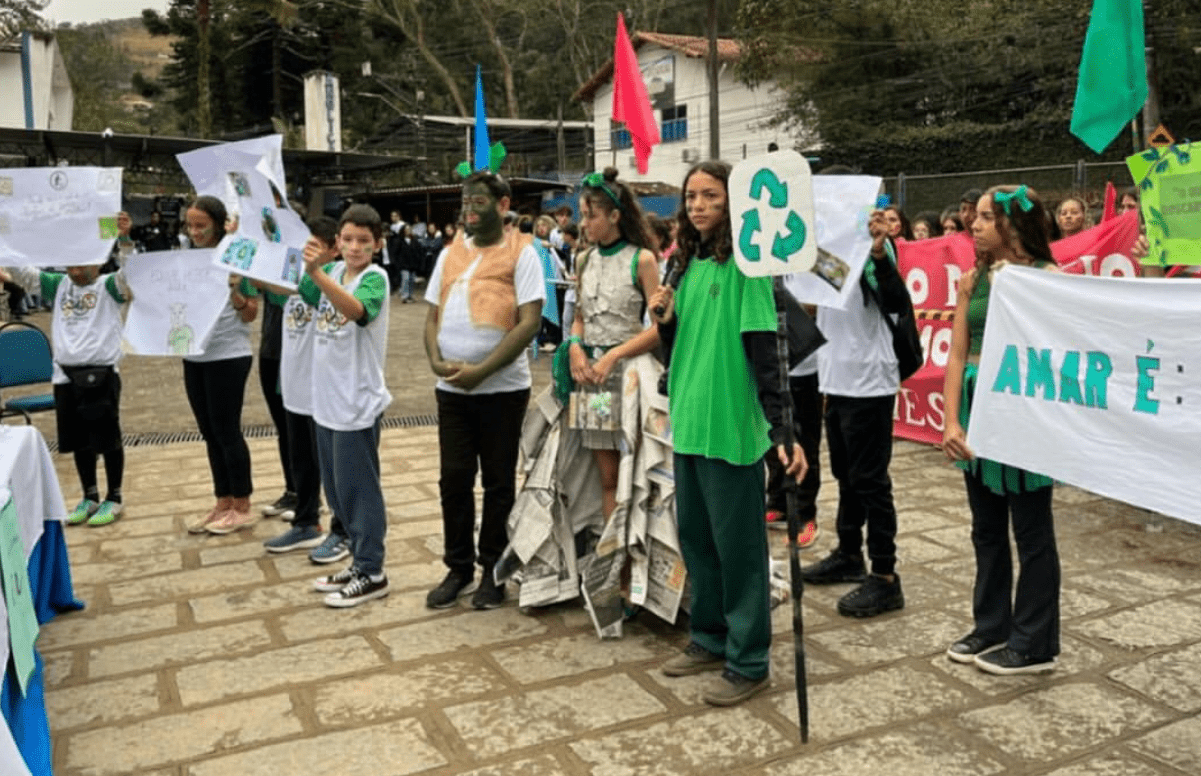
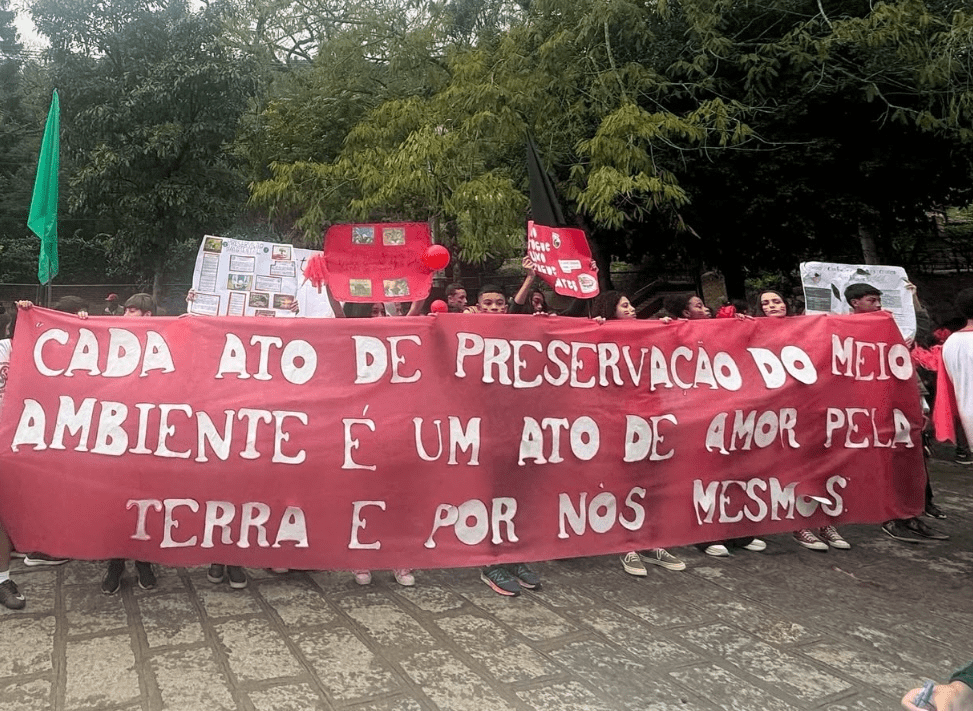
Young students hold a sign that reads, in portuguese: “Each act of environmental preservation is an act of love for the earth and for ourselves.” Photo by @parolesocioambiental, via Instagram.

Impact

In an interview with Yuvoice, Denise Fonseca, Eva director, emphasized the importance of youth engagement.

“Young people, especially teenagers, are by nature restless and eager for change. This is part of this stage of life, when they assert their existence, reclaim their identity, and present the new self they are building from their own experiences. Their worldview gradually differs from that of their elders. Not just to question, but to propose paths forward. Formal education directly impacts the youth community: it brings newness into the family sphere and opens space for transformation”.

The role of young people is crucial, she says. “They have this ability to spread ideas. Change begins within their own social circles”.

When informed and encouraged, young people cease to be mere spectators and become more participatory, able to understand climate shifts, question unsustainable models, and contribute to solutions for a greener future.

A survey conducted by EVA members showed that more than 60% of families reported adopting more careful environmental practices, such as waste separation, water quality monitoring, water and energy consumption control, and awareness around fire prevention.

The project, however, did not receive government support during its four years of operation and relied on donations to stay afloat, which made it harder to improve and sustain its activities. 

Despite these challenges, the Eva team continued fighting for broader recognition throughout its duration, and the project officially concluded its field work at the end of 2024, having laid the groundwork to potentially expand its impact to other schools facing similar vulnerabilities.

Initiatives like this gain even more relevance in today’s global and national landscape. While EVA’s impact is seen at the family and community level, Rio de Janeiro’s environmental progress is also reflected on a broader scale.

The state has stood out. According to MapBiomas research, between 1984 and 2023, it was the only state in the country to record growth in forested areas. This progress is directly linked to Atlantic Forest restoration efforts – a biome that covers the state of Rio de Janeiro – and to the work of NGOs and local organizations.

Consistent environmental policies have also proven effective in restoring native forests and soils.

Still, these gains are not enough to neutralize the impacts of other environmental dilemmas. Brazil continues to face severe challenges such as deforestation and ecosystem degradation, issues that demand urgent action.

It is clear, therefore, that young people must be brought together and encouraged to understand the full scale of the climate and environmental crises affecting the world. 

Only through an educated and empowered generation can Brazil hope to confront its climate future.

The Voice of Our Ancestors

He hears them. They speak to him constantly. No, not in his head. The voices speak to him in the breeze, the creeks, the leaves, the rocks, the soil, and everything all around him. Sometimes, they speak to him through the eyes of the elders of the community. These are voices that never stop for him.

Once, they were but unintelligible whispers. They were as unobtrusive as the rustle of leaves. Now they are clear. Their message is clear.

They told him to start the Maka Forest Villa.  

This journey began for architect Ronnie Yumang one fateful November in 2013. No one was expecting it. Typhoon Haiyan, a once-in-a-lifetime super typhoon, ravaged the Philippines. Haiyan had claimed 6300 lives and left thousands more homeless. Entire cities were leveled. It was the costliest typhoon in the country’s history. More than PHP 122 billion (US$2.2 billion) in damage was recorded.

Architect Ronnie, like many Filipinos, was horrified by the aftermath of the typhoon. The damage to infrastructure was catastrophic. And it was around that time when he heard the quiet voice. “Why was this so devastating for an advanced, urbanized section of the country yet, in Batanes, a tiny island in the topmost northern section of the country, where people lived in far less sophisticated homes and are constantly hit by the worst typhoons, you never hear of this? Destruction was always reserved for the most modern of cities,” the voice asked him and observed. 

The voices explained that the typhoons never stopped passing through the islands of the Philippines. The voices had seen them ever since they first settled the islands. It was just part of the nature of the Philippines. At that point, architect Ronnie realized that our ancestors had been building based on the natural environmental conditions that surrounded them. To this day, the people of Batanes continue to build in the “old ways.” These traditions have been deemed primitive by the modern world we live in. Yet, it is these old ways that have kept them safe from the onslaught of typhoons.

This old, antiquated method of design and construction, which his modern architectural schooling and society looked down on, could stand the test of time and even the harshest of conditions. It was this realization that made him question all he had been taught.  

As a child of poor beginnings, architect Ronnie worked his way up from poverty to finish in a top local university with a degree in architecture. He was taught that the best buildings and houses were those made of concrete and other modern materials. These were sophisticated, expensive and viewed as classy. This was what he, along with generations of students and local people, were made to believe.

The conversations he has had with our ancestors told him that these modern methods were not necessarily the best. Millenia of experience using local regenerative materials were far better, they insisted. It was that shift in thinking that led architect Ronnie to learn more about what they call TEK or Traditional Ecological Knowledge. 

TEK is a building and engineering method that uses the best practices of indigenous and local cultures. The premise is that these pre-fossil-fuel-era practices had evolved based on the collective experience of the community. While they tend to utilize renewable energy and resources, they make use of generations of understanding of the behavior of the natural environment. Thus, they tend to be better suited for the local settings rather than transplanted methods or technologies. Western systems try to control the environment while indigenous ones see themselves embedded into ecosystems.

As he learned more, his eyes were opened to the fact that modern, Western building materials like concrete were not normally recovered. After they had been deemed old, they  were merely discarded. There is so much discussion on conserving water, electricity and other natural resources. However, architect Ronnie reveals, “85% of extracted resources like cement, sand, gravel and steel” are overlooked. In fact, Leed-certified sustainable buildings,  he claims, are built from 85%-90% non-renewable materials. 

Taking it a step further, he goes beyond sustainability and pushes for regenerative practices. These are like what is advocated in the TEK philosophy. He said the learning point from Typhoon Haiyan was to create a model where “instead of us keeping giving donations, we’d rather help people become more sustainable.” This can be done through TEK building techniques like those used in Batanes where they experience the same typhoons but experience very little damage and practically no casualties. This led him to his advocacy of only using regenerative building techniques. Architect Ronnie’s entire Maka Forest Villa and future communities for like-minded nature-respecting people are built around this theory. There he hosts people to see how regeneration can work. 

To date, he claims that his method is not only cheaper but it also reduces the negative impacts on the environment. This has led him to secure clients who now opt to build this way.

His regenerative spaces eliminate the need to utilize electricity-draining appliances as he uses the environment to provide the natural water and cooling required for the warm tropical weather. He rejects building materials that are non-regenerative to stay true to his vision. 

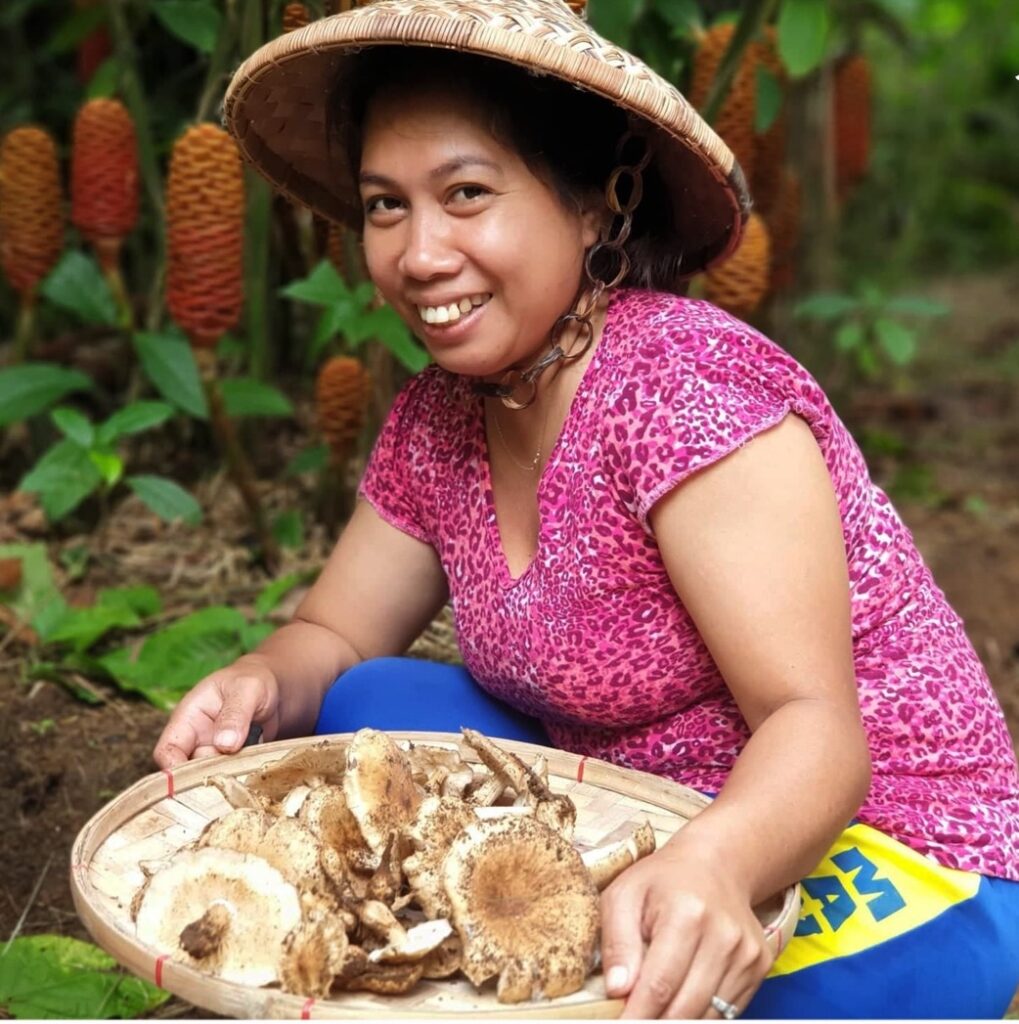
A woman holds a pallet of large mushrooms.
(Image courtesy of Maka Forest Villa)

It is architect Ronnie’s desire that more listen to what our ancestors have taught us and fewer to the noise of Western commercialism and modernity. In hindsight, having visited the Maka Forest Villa, one can say the quiet breeze that rustles the leaves does whisper a calm feeling into one’s ears. What harm can come from listening?