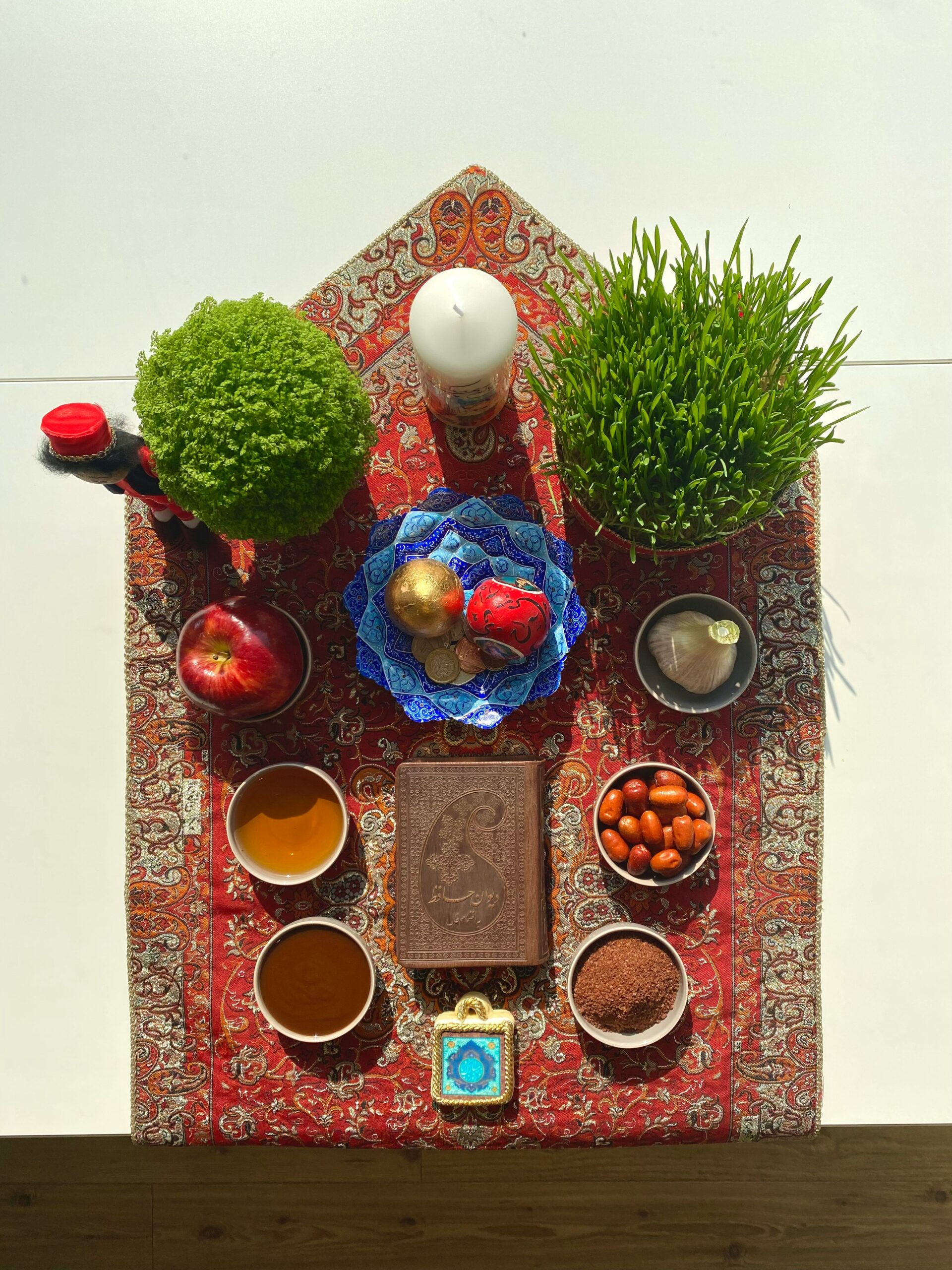
Springtime For Iran? The Iranian Haft-Sin and the Eighth “S”: Soghoot (Collapse)

The Iranian New Year arrives with spring, or perhaps it is more accurate to say that spring finds its meaning through the Iranian New Year.

One of our most beautiful traditions is setting the Haft-Sin table — seven symbols starting with “S” that represent life, hope, rebirth, and continuity. But this year, for Iranians across the world, there is one more “S”: Soghoot (Collapse.)

Collapse; a word that begins with the same letter in Persian, yet carries with it a weight of pain, anger, and at the same time, hope.

For years, Iranians have chanted: “This is the year of blood; the regime will fall.”
But each time, before any fall could happen, it was these innocent people who fell to the ground;
it was these dreams that shattered;
it was these lives that were extinguished.

And yet, each time — like a phoenix — they rose from the ashes, with wounded bodies and exhausted souls, but still standing.

Who could have believed that after the massacre of January 2026, after so many lives were cut short, one could even think of spring?
The grief was so overwhelming that even uttering the word “freedom” had become difficult;
a word whose cost proved far greater than we had ever imagined,
and the brutality that stood against it was beyond any nightmare.

But only twenty days ago, at 9:33 in the morning local time on the 28th of February 2026, news shook the world:
an attack on the “House of the Leader.”

A place that for years symbolized power and repression suddenly became an epicenter of collapse.
No one believed that a dictator who called himself the “Leader of the Muslims of the world” — and who had been hiding underground after the 12-day war in the summer of 2025, leading him to be unofficially crowned with the derogatory alias of Mooshali (mouse in Farsi) — could have been killed in such an attack.

It took a full day for the news to be confirmed.
And once again, during the dawn call to prayer.

For Iranians, the call to prayer at dawn is not just the beginning of a day;
it is a chilling reminder of the hours when executions took place, before sunrise.
How many nights did we stay awake until dawn, in anxiety and helplessness, wishing
that maybe this time…
maybe this young person, this athlete, this activist, this unnamed human being… would survive.

And now, the announcement of the dictator’s death at that very moment, at the dawn call to prayer
felt, for many, like cooling water poured over burning hearts.

The morning after was a different morning.
A morning that — even if it marked the beginning of another war — carried the scent of liberation.

Twenty days have passed since that day.
An intense war is underway, with multiple countries involved in the Persian Gulf region and the engagement of two major armies.
Yet despite all this, the number of casualties still cannot be compared to the massacre that took place in just a few hours.

Today, the world is less shocked by the war than by the “continued resistance of the regime.”
But how could they understand, when for years they chose to look away?

Over the last 47 years, many countries that claim to uphold human rights
not only remained silent,
but through their actions, granted legitimacy to this monstrous regime.

And they still fail to understand that a government that massacres its own people has no hesitation in setting the world on fire and destroying the ancient land of Iran.

To this day, not a single country has officially closed its embassy in Tehran,
nor expelled the ambassadors of this regime.

But the people of Iran see all of this clearly, and without forgetting.

When the “right side of history” is more visible than ever,
yet political interests outweigh human values,
surely this should serve as a warning sign for the citizens of those very countries.

Meanwhile, the power structure in Iran remains in the hands of the terrorist authority, the Islamic Revolutionary Guard Corps, which has controlled the country for years. And just today, before the New Year, they offered a “gift” to Iranians; they executed three protesters of the uprising in January, again at prayer time. That is why Iranians fear the survival of this inhuman regime more than missiles. 

And now, a new leader, the son of that same dictator, has been chosen, carrying the same veneration of violence, and one even more rigid than before.
A leader whose voice the people have not even heard, and whose very existence, whether  alive or dead, is uncertain,
yet his alias, Mooshtaba (from the lineage of a mouse, as his father’s alias was Mooshali, and a distorted form of his real name Mojtaba), speaks volumes about how local people view this continuity.

But what has not changed is the voice of the Iranians.

Iranians who still chant: “Death to Khamenei.”
While during the lifetime of the first leader of this regime, no one publicly chanted “Death to Khomeini,”
and his funeral was held with the utmost pomp and circumstance.

And now, 36 years after his death,
the body of the dictator, who was killed on a cold winter day, remains unburied.

This is the fate of a dictatorship that denied families the right to mourn.
that buried bodies at night, without names;
that broke gravestones so that memories would be erased.

And yet, the names and memories of those loved ones were not erased;
they were etched into the hearts of the people.

And today, that same dictator remains without a name, without a grave.

As if the soil of Iran, stained with the blood of its children,
refuses to accept his cursed body.

During these years of resistance, Iranians have always said: even if only one of us remains, it will be enough to dance on your grave.
And now, there is no grave to dance upon.

And may this be a stark lesson for dictators: how one can fall from the height of power to utter humiliation in less than half a century, despite all the massacres and crimes.

Last year was a year filled with pain.
A pain that neither fades nor is forgotten.
A massacre whose full dimensions are still unknown, yet one that is forever seared into the collective memory of Iranians.

And yet
hope was never extinguished.

This year, among the Haft-Sin,
there stands one more “S”:

Soghoot (Collapse)

A collapse we waited for, for years.
A collapse we paid for with our lives.
And a collapse that perhaps — marks a new beginning for life, freedom, and a spring that, this time, belongs to the people.
Local Nigerian Musician Files for Appeal After Death Sentence Ruling by Sharia Court

A religious blasphemy case involving a local musician in Kano state, Nigeria, who was sentenced to death by a sharia court, has raised concerns about the sharia law and its infringement on fundamental human rights such as freedom of expression.

A Gavel, used by judges
Photo by Daily Post

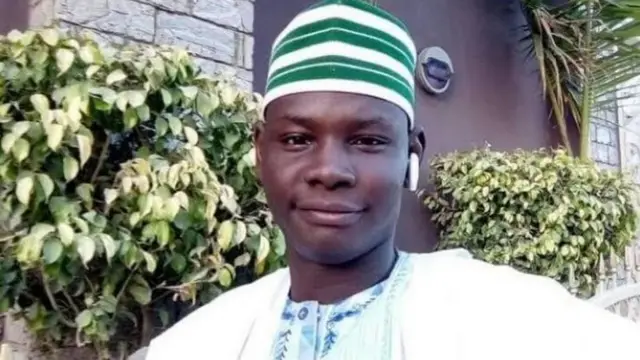
The genesis of the case can be traced back to 2020, when Yusuf Sharif Aminu, a local musician based in Kano, was arrested for allegedly sharing song lyrics that were blasphemous against the Prophet Muhammad.

Yusuf’s lyrics generated fury among a certain group of protesters in Kano state who took matters into their hands and set his family’s house ablaze.

The musician was later said to have been arrested and taken into custody by the religious police force in Kano, Hisbah.

In August of 2020, Yusuf was tried by an upper Sharia court in the Hausawa Filin Hockey area of Kano and was sentenced to death by hanging.

The following year, in 2021, Yusuf appealed to the Court of Appeal in Kano after the initial conviction in 2020 was overturned because he had not been granted legal representation during the proceedings.

The court, however, rejected his appeal for release, stating that the Sharia court was not unconstitutional and ordered a retrial of the case by a different Sharia court.

In the most recent development, Yusuf and his lawyers have taken their case to the Supreme Court to request permission to appeal the retrial, which has been approved by the court. Kola Alapinni, the lawyer representing Yusuf, stated, “The court has graciously granted our request and ordered an accelerated hearing. We will file the appeal next week.”

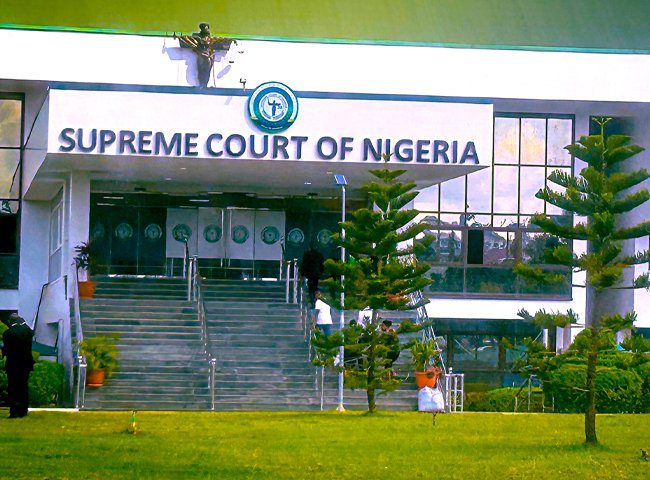
The Supreme Court of Nigeria
Photo by Channels TV

The Supreme Court of Nigeria (Photo by Channels TV)

Five years down the line, Yusuf’s case remains a topic of debate among Nigerians and international bodies. Social media users have expressed concerns over the clash between the provisions of the constitution and Sharia law, insisting that the two cannot coexist in a country of varying religious practices.

An X user commented, “Religion should be personal. Should have no place in law, politics, or the government.”

Analysing the issue during an interview with Yuvoice, a Nigerian lawyer, Barrister Yusufu explained, “Applying Sharia criminal codes in a diverse, multi-faith country creates constitutional and social problems. The best approach is ensuring that no Nigerian, Muslim or non-Muslim is coerced under a religious legal system they do not subscribe to.”

An international lawyer for the Alliance Defending Freedom, Sean Nelson, equally commented on the issue during a lecture with university students. He maintained that blasphemy laws like the one in Yusuf’s case were censorious and infringed on the right to speech and religion.

Yusuf’s case is currently ongoing at the Supreme Court of Nigeria and pending trial.

Brazil’s Supreme Court Sentences Former President Bolsonaro to 27 Years for Coup Plot

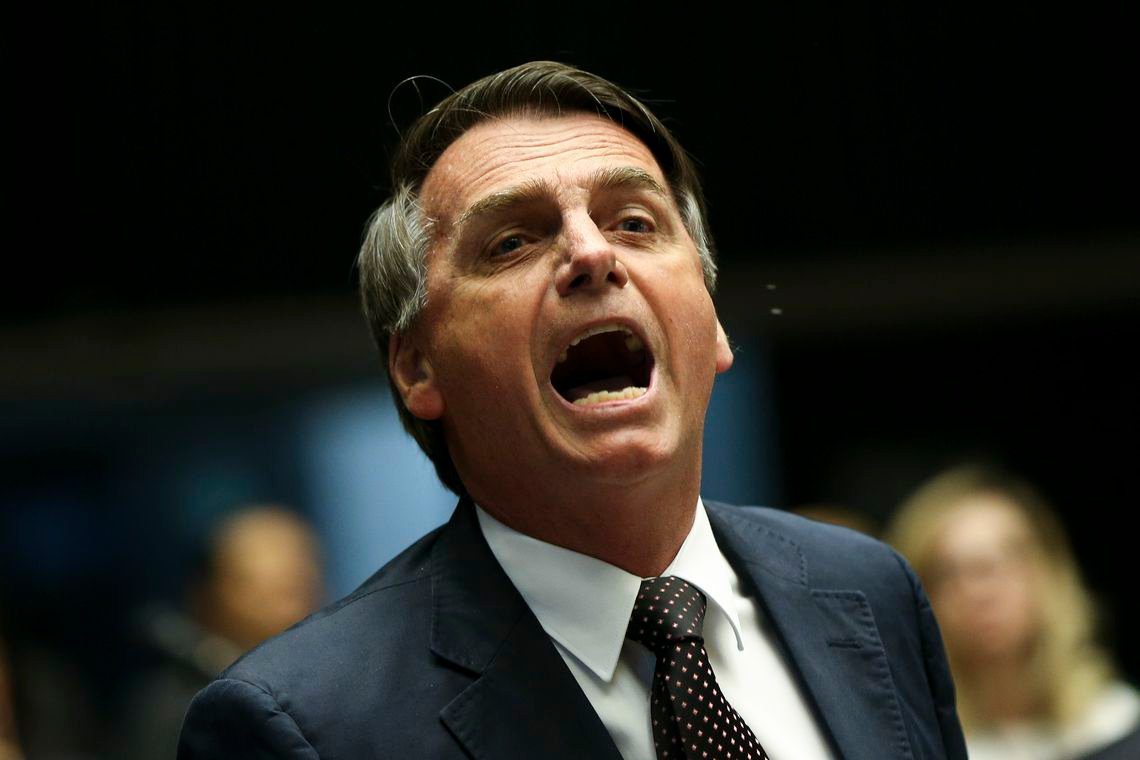
Last week, Brazil’s Supreme Court delivered a historic ruling: former president Jair Bolsonaro, 70, was sentenced to 27 years and three months in prison for plotting a coup d’état after losing the 2022 election.

The court found Bolsonaro guilty of leading a conspiracy that sought to overturn the democratic process. Plans included dissolving the Supreme Court, disbanding institutions, and even assassinating then president-elect Luiz Inácio Lula da Silva before he could take office. 

Bolsonaro has denied orchestrating a coup, insisting he only sought “constitutional alternatives” to remain in power.

A First in Brazilian History

Brazil has experienced at least 15 coups or coup attempts since the monarchy fell in 1889. This is the first time a leader accused of organizing one has been criminally convicted. 

Alongside Bolsonaro, seven high-ranking allies were also sentenced, including his vice-presidential candidate, his former defense minister, and senior military commanders.

Justice Cármen Lúcia, whose decisive vote sealed the conviction, underscored the court’s message: “In Brazil this has one name only: a coup d’état.”

The sentencing marks a watershed moment for Latin America’s largest democracy. Bolsonaro, often compared to other far-right populist leaders worldwide, energized a movement that reshaped Brazilian politics over the last decade. 

His imprisonment leaves that movement without a clear leader ahead of the 2026 elections.

Public reactions have been mixed. While progressive groups celebrated the decision as a defense of democratic institutions, Bolsonaro’s supporters organized protests, framing the trial as political persecution. 

Polls conducted during the trial showed the country nearly split: about half of Brazilians agreed he should go to prison, while a large minority opposed it.

The case has also stirred international debate. Reports indicate that former U.S. President Donald Trump pressured Brazil to drop the prosecution, threatening steep tariffs. 

The conviction now risks straining relations further, as Bolsonaro’s defense team pushes for him to serve his sentence under house arrest due to health concerns.

“No Amnesty” Movement

Brazilian congresswoman Dandara Tonantzin, a rising voice in the country’s progressive wing, told Yuvoice the conviction was a long-overdue step: “This is a victory for all who defended democracy tooth and nail. There can be no amnesty for those who attempted to silence the ballot box with force.”

Her remarks highlight a growing demand that Bolsonaro’s privileges as a former president (including taxpayer-funded security and staff) be revoked.

She also highlighted the symbolism of Justice Cármen Lúcia casting the decisive vote: “It is not by chance that it was a woman from Minas Gerais who stood firm. Bolsonaro once called the birth of his daughter a ‘weak moment,’ yet now he has been stopped by the strength of a woman’s hands: delicate, but firm.”

For Dandara, the ruling is also a historical reckoning: “What happened was not an exaggeration, not a theory, it was a crime against democracy. Justice being served is an essential step to ensure that never again will anyone attempt to shut down the will of the people with force.”

What’s Next?

Bolsonaro’s lawyers are expected to file appeals, which may delay his imprisonment. The timeline for where and how he will serve his sentence – whether in a federal facility, under house arrest, or elsewhere – remains uncertain. 

Meanwhile, political allies are floating a controversial bill to grant him amnesty, though legal experts say such a move would likely be unconstitutional.

Still, the ruling is already shaping Brazil’s political future. Bolsonaro is now banned from running for office until 2060, effectively ending his electoral career. 

For a country still scarred by past authoritarian regimes, the decision signals both accountability and an attempt to strengthen democratic resilience.

The conviction of Jair Bolsonaro resonates far beyond Brazil. It is a reminder that democratic institutions, however imperfect, can hold even the most powerful figures accountable. 

In a time when democracies worldwide are tested by misinformation, authoritarian pressures, and weakened trust, Brazil’s verdict may stand as a precedent and a warning.

Gay Brazilian Father Fired After Requesting Parental Leave Gets International Attention

A Brazilian gay father’s fight against workplace discrimination is making history in Argentina, with a groundbreaking case now before the Superior Court of Justice of the City of Buenos Aires.

Leonardo Hatanaka, who worked for Genzyme Argentina SA, a subsidiary of the Sanofi Group, was fired just 12 days after informing their employer in April 2023 that they would be a father via surrogate. Their son, Matteo, was born in Buenos Aires on May 5, 2023. Later that same month, on May 31, Hatanaka was fired again — this time after formally requesting 180 days of parental leave, a benefit supposedly available under the company’s diversity and inclusion policy.

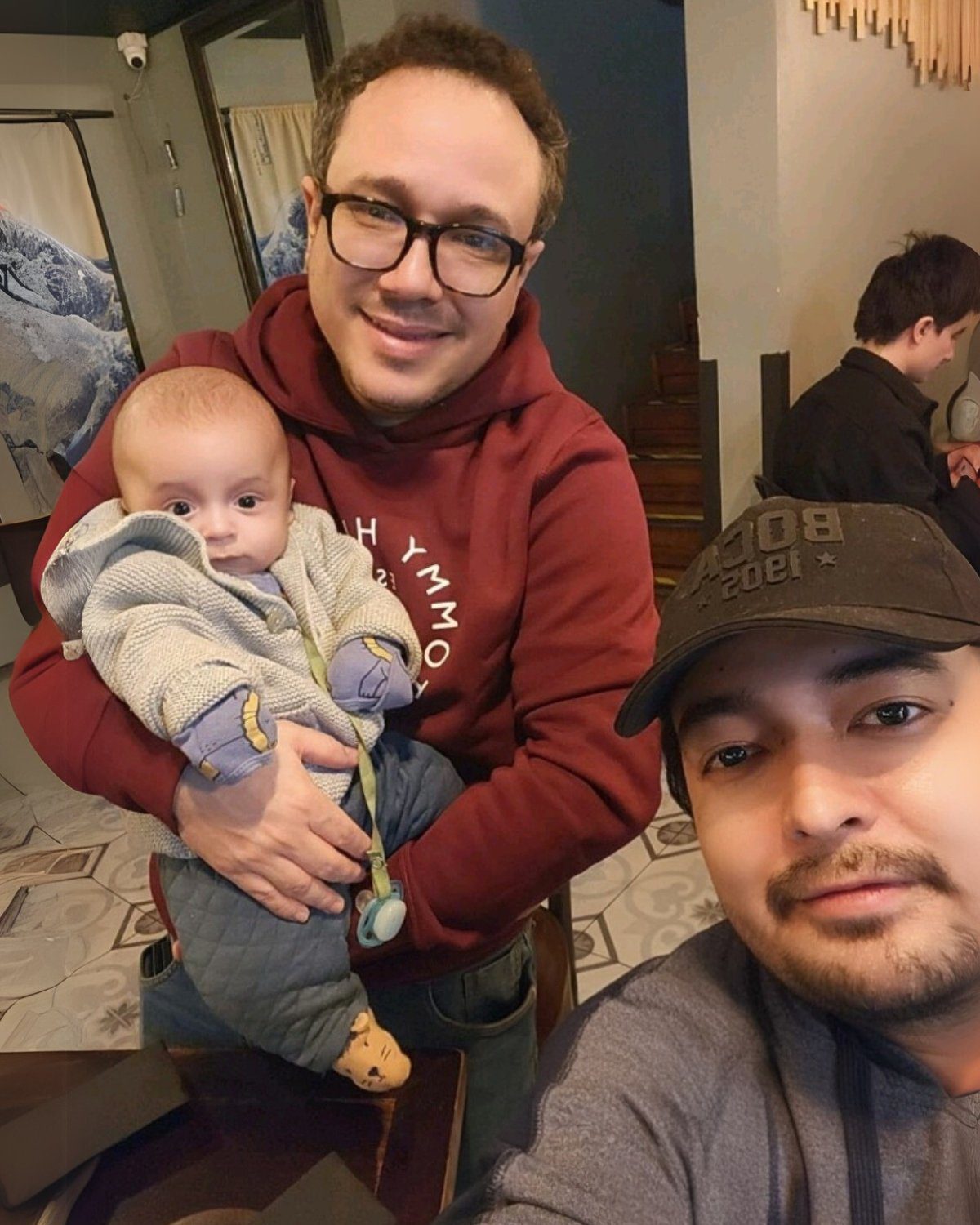
Leonardo Hatanaka with their son, Matteo

According to Hatanaka, the dismissal directly contradicted the company’s public commitments to inclusive policies and equal rights for LGBTQIA+ families. 

“I am speaking with my heart to my son — to be visible for him in the future, that we fought for him existing,” says Hatanaka

The case has since been recognized as a clear instance of workplace discrimination by two separate Argentine state agencies. In November 2023, the National Institute Against Discrimination, Xenophobia and Racism (INADI) ruled that the dismissal was based on sexual orientation and gender identity. A second ruling in 2024 by the General Directorate of Coexistence in Diversity under the Buenos Aires city government confirmed the act as institutional discrimination.

Despite these rulings, Sanofi Group has not acknowledged responsibility or offered compensation for the family. Legal efforts to have Hatanaka reinstated initially succeeded through a lower court injunction, but this was overturned by the National Labor Appeals Chamber. Their legal team has since appealed to the Superior Court of Justice of the City of Buenos Aires, which accepted the case on May 14, 2025, signaling that it will proceed to a substantive review.

This marks the first time a discriminatory dismissal involving an LGBTQIA+ parent has reached the city’s highest judicial body.

The case has drawn widespread attention and support from civil society groups including FALGBT+ (Argentina’s Federation of LGBTQIA+ Associations), SOS Homophobie (France), and Mães da Resistência (Brazil). It has also been officially cited in the latest United Nations report on discrimination based on sexual orientation and gender identity.

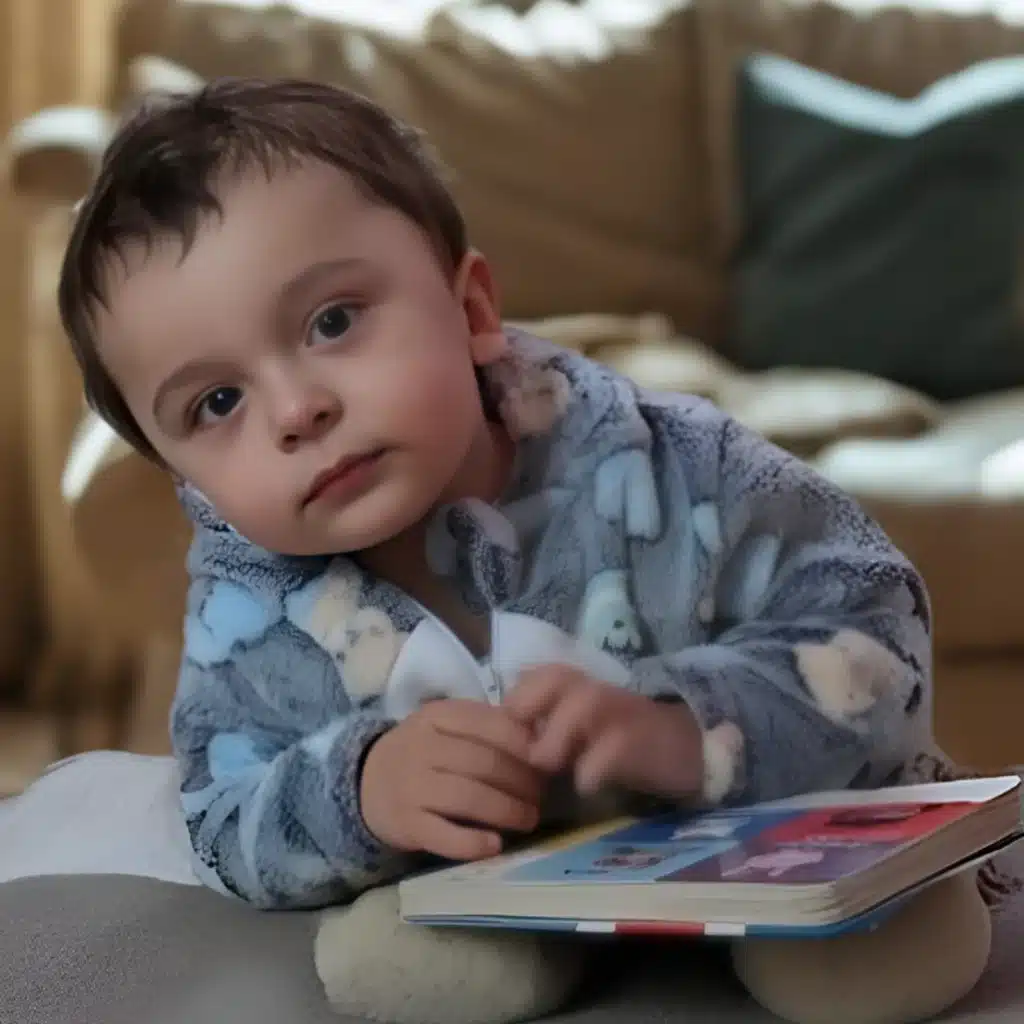
Matteo, whose parent was dismissed from their job shortly after he was born.

Hatanaka added, “Put it simply, pride is no longer just about visibility; it’s about never having to hide again out of fear of existing.

As Pride Month continues, Hatanaka’s message to their son is gaining global resonance: that every child deserves parents who are protected, recognised, and treated equally — regardless of who they are.