
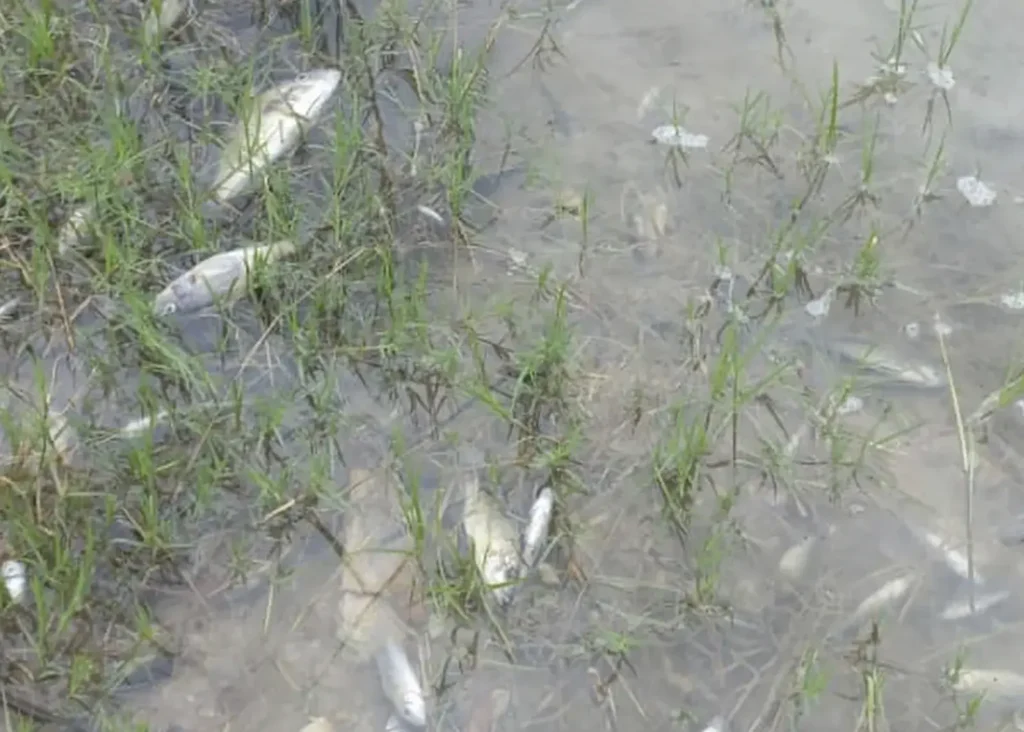
In February 2025, a tailings dam at a copper mine in Chambishi, Zambia, collapsed, unleashing millions of litres of acidic, toxic waste into surrounding rivers and farmland. Now, more than 170 local farmers and residents have filed a lawsuit against Chinese-linked mining companies Sino-Metals Leach Zambia and NFC Africa Mining, alleging severe environmental damage, health risks, and destruction of livelihoods. The plaintiffs are demanding $80 billion in compensation and environmental restoration.
The spill described by experts as one of Zambia’s worst ecological disasters—has scorched crops, killed livestock, and poisoned water sources. Affected residents report symptoms including vomiting, skin rashes, and blood in urine. Despite this, government assessments have been inconsistent. According to civil society groups such as the Zambia Environmental Justice Coalition, the Impact Assessment Association of Zambia, and the Centre for Environment Justice, initial findings cited negligence by the company, but subsequent government statements claimed water pH levels had “normalized.” This has led to accusations of political interference and growing public distrust.
Dr. Mweene Himwiinga, pointed out inconsistencies in the official reports: “At some points, toxins are high; at others, low. There’s no conclusive evidence. We need robust enforcement of environmental laws, and communities are growing tired of investors who in their view, do more harm than good..” She further stressed the need for better monitoring tools and legal frameworks to enable regulatory bodies to respond more effectively to environmental threats.

Comments
Be the first to share your thoughts!
We value diverse perspectives and respectful debate.