Brazil’s Supreme Court Sentences Former President Bolsonaro to 27 Years for Coup Plot

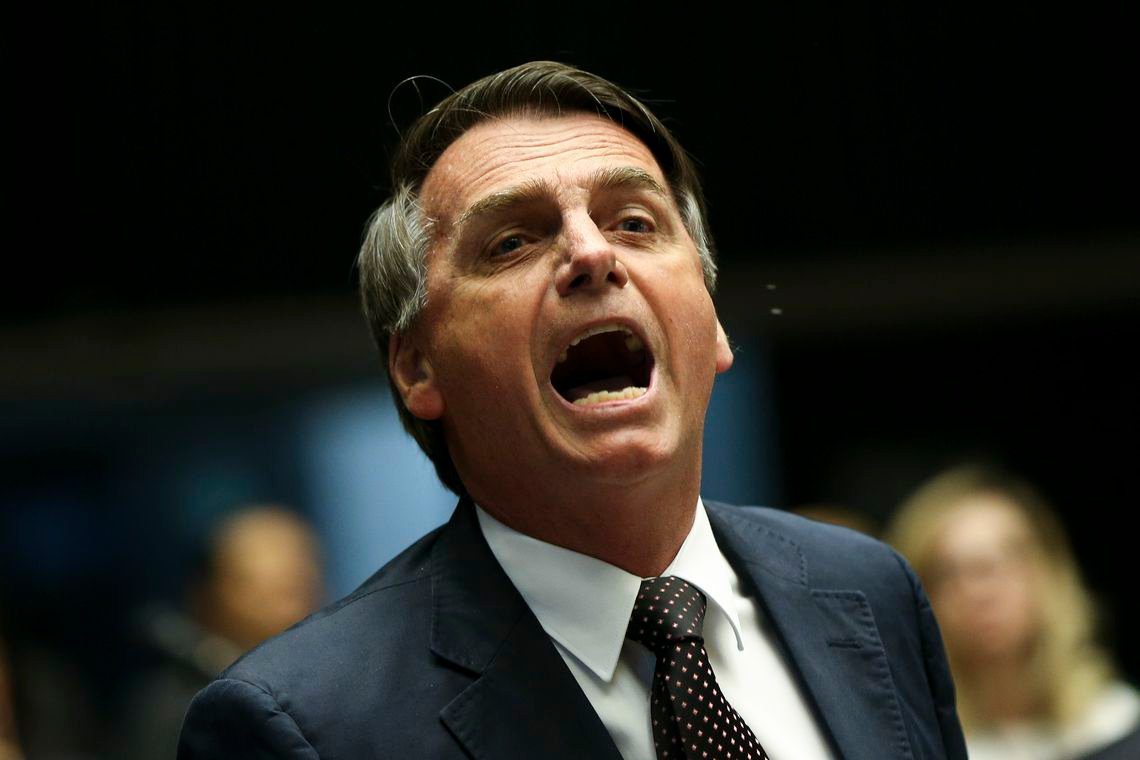
Last week, Brazil’s Supreme Court delivered a historic ruling: former president Jair Bolsonaro, 70, was sentenced to 27 years and three months in prison for plotting a coup d’état after losing the 2022 election.

The court found Bolsonaro guilty of leading a conspiracy that sought to overturn the democratic process. Plans included dissolving the Supreme Court, disbanding institutions, and even assassinating then president-elect Luiz Inácio Lula da Silva before he could take office. 

Bolsonaro has denied orchestrating a coup, insisting he only sought “constitutional alternatives” to remain in power.

A First in Brazilian History

Brazil has experienced at least 15 coups or coup attempts since the monarchy fell in 1889. This is the first time a leader accused of organizing one has been criminally convicted. 

Alongside Bolsonaro, seven high-ranking allies were also sentenced, including his vice-presidential candidate, his former defense minister, and senior military commanders.

Justice Cármen Lúcia, whose decisive vote sealed the conviction, underscored the court’s message: “In Brazil this has one name only: a coup d’état.”

The sentencing marks a watershed moment for Latin America’s largest democracy. Bolsonaro, often compared to other far-right populist leaders worldwide, energized a movement that reshaped Brazilian politics over the last decade. 

His imprisonment leaves that movement without a clear leader ahead of the 2026 elections.

Public reactions have been mixed. While progressive groups celebrated the decision as a defense of democratic institutions, Bolsonaro’s supporters organized protests, framing the trial as political persecution. 

Polls conducted during the trial showed the country nearly split: about half of Brazilians agreed he should go to prison, while a large minority opposed it.

The case has also stirred international debate. Reports indicate that former U.S. President Donald Trump pressured Brazil to drop the prosecution, threatening steep tariffs. 

The conviction now risks straining relations further, as Bolsonaro’s defense team pushes for him to serve his sentence under house arrest due to health concerns.

“No Amnesty” Movement

Brazilian congresswoman Dandara Tonantzin, a rising voice in the country’s progressive wing, told Yuvoice the conviction was a long-overdue step: “This is a victory for all who defended democracy tooth and nail. There can be no amnesty for those who attempted to silence the ballot box with force.”

Her remarks highlight a growing demand that Bolsonaro’s privileges as a former president (including taxpayer-funded security and staff) be revoked.

She also highlighted the symbolism of Justice Cármen Lúcia casting the decisive vote: “It is not by chance that it was a woman from Minas Gerais who stood firm. Bolsonaro once called the birth of his daughter a ‘weak moment,’ yet now he has been stopped by the strength of a woman’s hands: delicate, but firm.”

For Dandara, the ruling is also a historical reckoning: “What happened was not an exaggeration, not a theory, it was a crime against democracy. Justice being served is an essential step to ensure that never again will anyone attempt to shut down the will of the people with force.”

What’s Next?

Bolsonaro’s lawyers are expected to file appeals, which may delay his imprisonment. The timeline for where and how he will serve his sentence – whether in a federal facility, under house arrest, or elsewhere – remains uncertain. 

Meanwhile, political allies are floating a controversial bill to grant him amnesty, though legal experts say such a move would likely be unconstitutional.

Still, the ruling is already shaping Brazil’s political future. Bolsonaro is now banned from running for office until 2060, effectively ending his electoral career. 

For a country still scarred by past authoritarian regimes, the decision signals both accountability and an attempt to strengthen democratic resilience.

The conviction of Jair Bolsonaro resonates far beyond Brazil. It is a reminder that democratic institutions, however imperfect, can hold even the most powerful figures accountable. 

In a time when democracies worldwide are tested by misinformation, authoritarian pressures, and weakened trust, Brazil’s verdict may stand as a precedent and a warning.
“Rescued Nigerian Miners Recount Shocking Ordeal With Chinese Employers”

Twelve Nigerian miners in the Central African Republic (CAR), whom the Nigerian government rescued last month, have recounted the horrible ordeal they endured while working for their Chinese employers.

Last month, the attention of the Nigerians in the Diaspora Commission (NIDCOM) was drawn to a viral video of some miners who had been left stranded in the forest by their employers after nearly two years of hard labour.

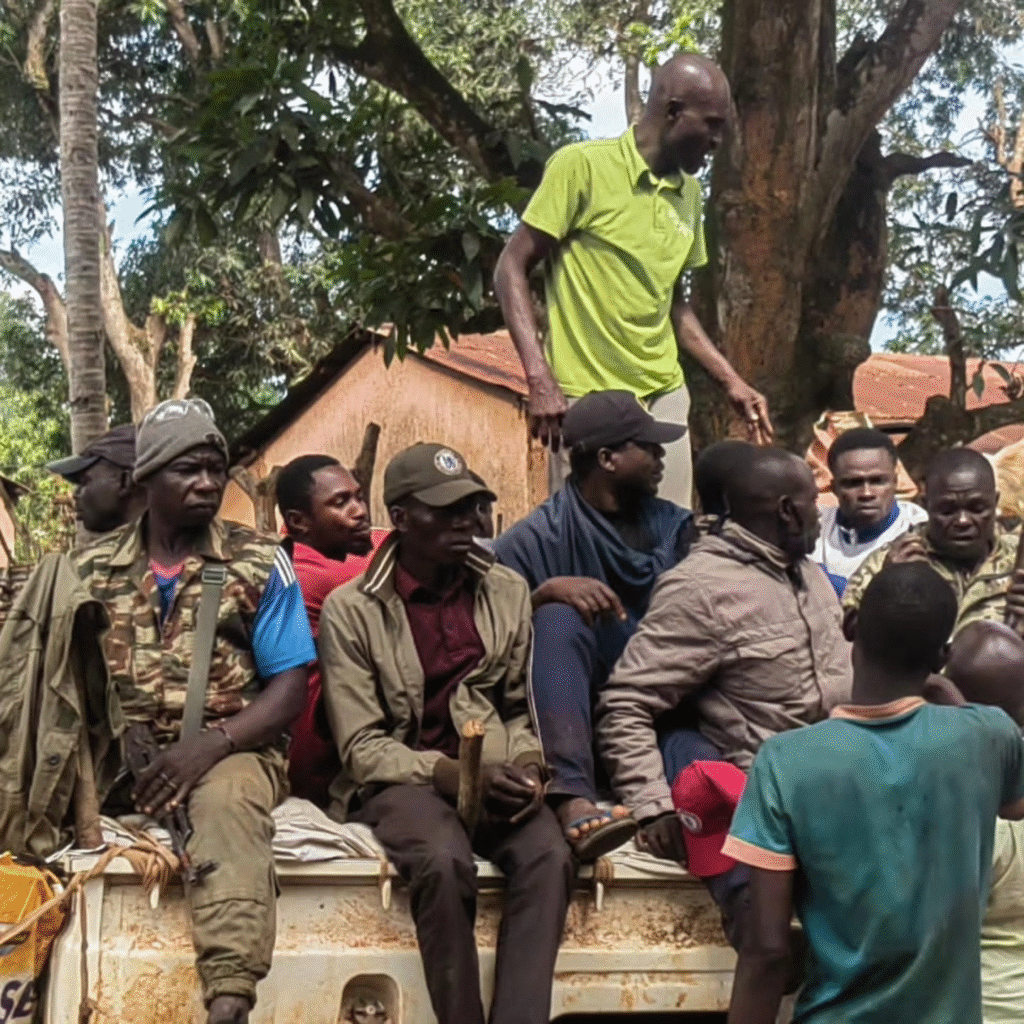
The commission, with the help of the Ministry of Foreign Affairs, the National Emergency Management Agency (NEMA), Immigration, and the CAR ambassador in Bangui, quickly intervened in the matter and ensured that the miners were safely evacuated from the deserted location.

The Nigerian Miners Being Evacuated From the Forest (Photo by Ministry of Foreign Affairs, Nigeria Via Facebook)

Nearly one month after their rescue, the miners have returned to Nigeria and have recounted the horrid experiences they endured during their 20 months of work. In addition to being abandoned in the forest with no pay for 11 months, the miners also detailed the abuse they were forced to deal with.

One of the rescued miners, Igorigo Freeborn, said, “We were homosexually abused by our Chinese employers in CAR. I am not ashamed to say it. I want other people to learn from it. We were treated badly there, but thank God for sparing our lives to tell the stories today.”

He also went on to express gratitude for their rescue, stating,” I want to thank President Bola Ahmed Tinubu, the Minister of Foreign Affairs, the Nigerian Ambassador in Bangui, NIDCOM, NEMA, Immigration, and all other agencies that helped us.”

Freeborn, who was speaking on behalf of the miners, pleaded with the Federal Government to help them pursue justice on the matter.

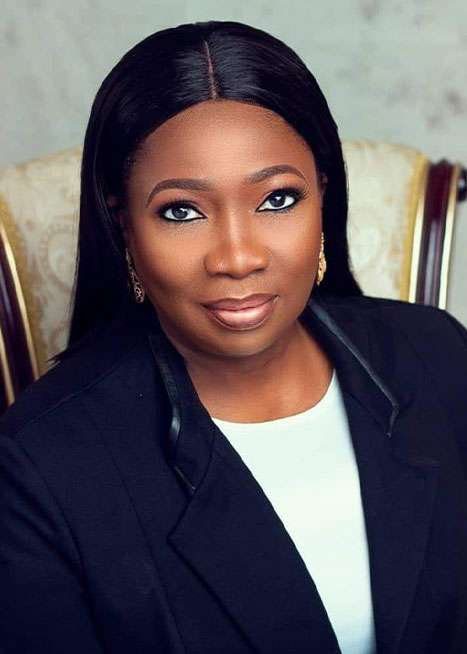
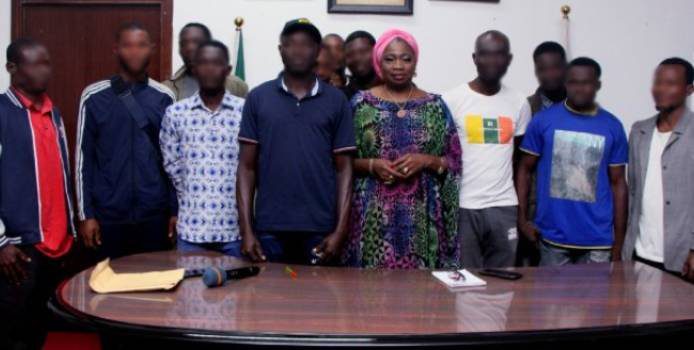
During a scheduled visit with the miners at the NIDCOM office in Abuja, the chairman of the commission, Hon. Abike Dabiri-Erewa, assured the men that the commission and other relevant agencies would follow up to ensure that the injustice is properly addressed and redress obtained.

Chairman of NIDCOM, Hon. Abike Dabiri-Erewa (Photo by Spotlight Nigeria)

As a form of rehabilitation, the workers were offered cash donations by NIDCOM and Perchstone and Graeys law firm, to enable them to support their families and rebuild their lives in Nigeria.

Hon. Dabiri-Erewa equally pleaded with corporate organizations in Nigeria to show support for the miners by providing them with job opportunities that would contribute to their rehabilitation efforts.

Speaking on how to curb these problems and stop other Nigerians from falling victim to such situations, the chairman urged the miners to join the commission’s advocacy campaigns against irregular migration by leveraging their experiences to warn others of the dangers.

The Chinese Embassy in Nigeria has also shown its readiness to address the issue, saying, “We have also just noted the relevant reports and attach great importance to this matter. We will immediately commence an investigation.”

Meager Pension Salaries of Retired Police Officers Leads to Protest in Nigeria

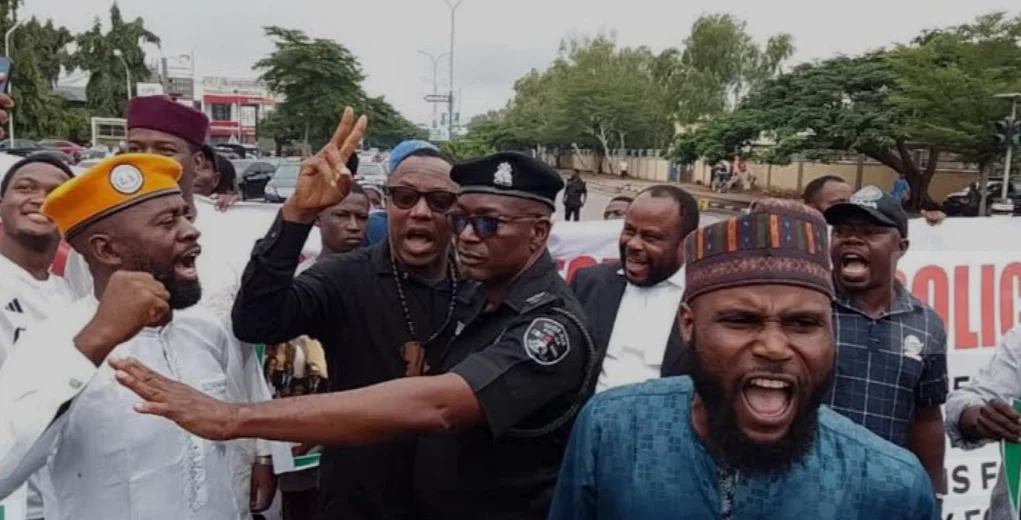
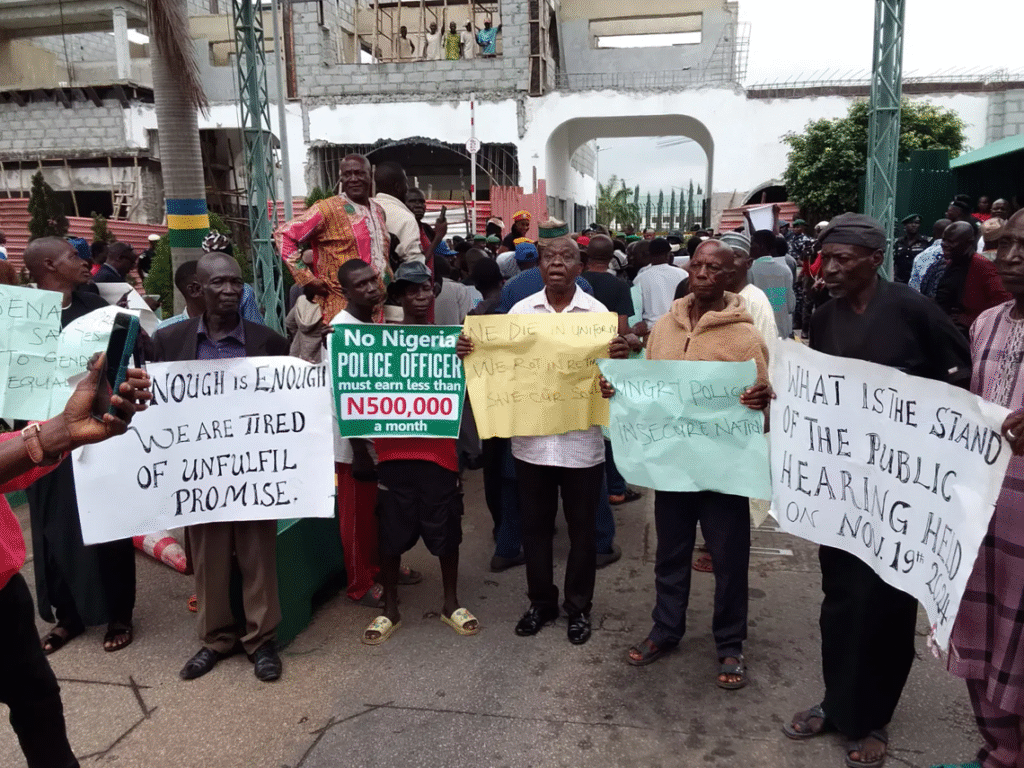
The protest, which started on the 21st of July 2025 in Abuja, was led by several retired officers and activists, including Omoyele Sowore, an activist and 2023 presidential candidate of the African Action Congress in Nigeria.

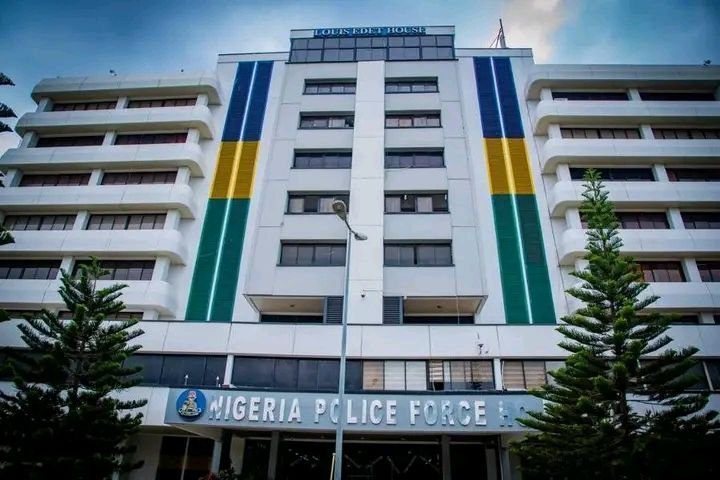
To show the gravity of the matter and express their dissatisfaction with the pension scheme, the retired officers marched to the National Assembly and the Nigeria Police Force Headquarters in Abuja, where they protested under the rain and refused to leave until they spoke with the Inspector General of Police, Kayode Egbetokun.

Aside from the capital in Abuja, retired officers in other parts of the country including: Edo, Plateau, Kwara, Taraba, and Cross Rivers states, also demonstrated their solidarity by starting protests of their own.

Retired Police Officers of Edo State Chapter (Photo via Vanguard)

According to the protesters, retired officers earn about 10,000 to 20,000 Naira monthly, while those managing the pension distribution, PENCOM, languish in wealth. This pension salary, which they have described as ‘discriminatory,’ doesn’t come close to minimum wage and is insufficient to cater to the needs of retirees. 

The major demand of the retired officers is to be removed from the Contributory Pension Scheme (CPS), a pension scheme in Nigeria that was established in June 2004 by the Pension

Reform Act (PRA) 2004.

The leader of the protest, who is a retired Chief Superintendent of Police, Manir Lawal, said, ”We are here to ask the government to remove us from the CPS. The pension scheme is exploitative and unjust.”

Vanguard notes that another protester said, “I am receiving #20,000 as pension after serving for 35 years. This is the receipt, how can anybody survive this very harsh economy with this, let alone children and family?’’

A police officer in the Nigeria Police Force, who I spoke to under condition of anonymity said, “The protest is much needed because the pension scheme is a killer.”

He went further to state that if the government does the needful and reviews the pension scheme, he would be at ease knowing he can adequately cater for his children after retirement.

The Inspector General of Police (IGP), Kayode Egbetokun, addressed the angry protesters at the Force Headquarters, saying, “We all feel concerned. We empathise with you because we are also going to retire. I have been engaging at the highest level to ensure that something is done to improve the condition of the poor pensioner.”

The Nigeria Police Force Headquaters (Photo by POLAC VS NDA Via Facebook)
Retired Police Officers of Edo State Chapter (Photo via Vanguard)

He further added, “I am not opposed to your exiting the CPS, I’m not opposed to it. If exiting from CPS will solve the problem, I will go for it. But if it is difficult for us to exit CPS, what else can we do? We have been agitating, exit CPS, exit CPS. For the past 11 years, it has not worked.”

The IGP, however, assured the retired officers that he was on their side and has been working behind the scenes to ensure that retired officers earn better pension wages.

Search Continues for Missing Idaho Teens Allegedly Taken by Members of FLDS Church

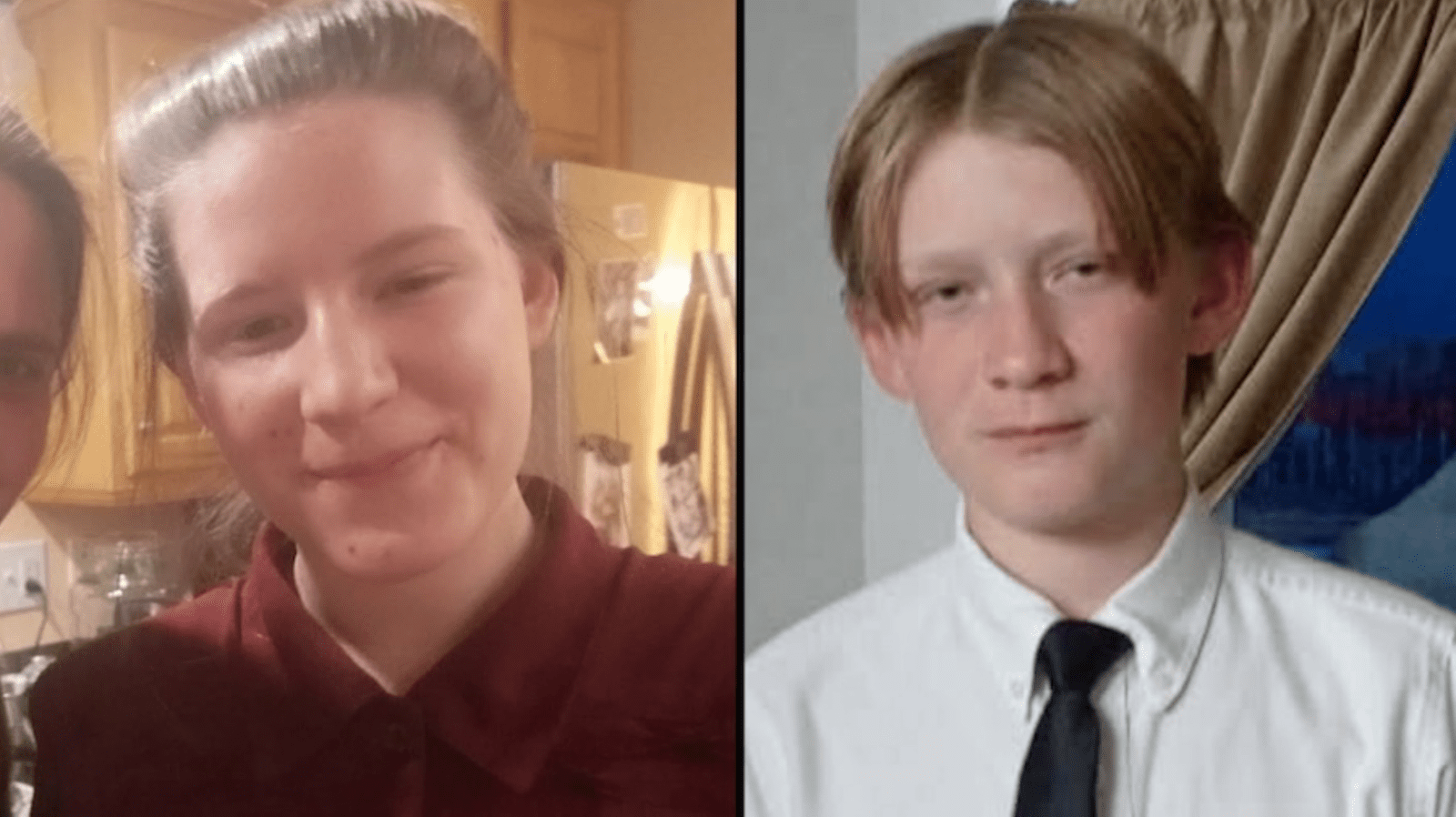
The late Sunday evening of June 22nd, 2025, was reportedly the last time that two teenagers from Eastern Idaho, Rachelle Fischer, 15, and Allen Fischer, 13, were seen by family or friends. 

The juveniles from Jefferson County in Monteview, Idaho, have been reported missing by their mother, Elizabeth Roundy, who believes that they may have been abducted by their older sister, Elintra Fischer, 18, who is in association with the Fundamentalist Church of Jesus Christ of Latter-Day Saints.

Elizabeth Roundy was a former member of the FLDS Church who left five years ago along with her children after gaining full custody of them in an 18-month court battle against her ex-husband, Nephi Fischer. 

The family relocated to Monteview and were living together until the tragic disappearance that the Jefferson County, Idaho, Sheriff’s Office believes occurred somewhere between the hours of 18 to 20 PM, in a vehicle that is believed to be transporting them from Monteview to Trenton, Utah, where they previously resided.

Elizabeth Roundy’s fear stems from her belief that the abduction is in connection with “revelations” from the imprisoned president of the FLDS Church, Warren Jeffs, who called for children of ex-members to return to the fold. The Idaho State Police issued an Amber Alert for the two teens on June 24th. The Uvalde Foundation for Kids engaged in a multi-state ground search for 10 days across Idaho, Colorado, Utah, and Arizona. 

However, as of July 3rd, the search from this foundation has ended because of new information that suggests the teens are no longer being transported and instead most likely reside in one area along with members of the FLDS. 

A resident of Jefferson county who wishes to remain anonymous commented on the area’s response and lack of updates, “So far it has been scarily way too quiet, nothing found yet. This much silence is never a good thing” 

The search continues for Allen and Rachelle Fischer. Anybody with information about their whereabouts is asked to contact the Jefferson County Sheriff’s Office at (208) 745-9210.

State, Crime, and Power: Ramaphosa’s Inquiry Opens a Window into South Africa’s Political Underworld

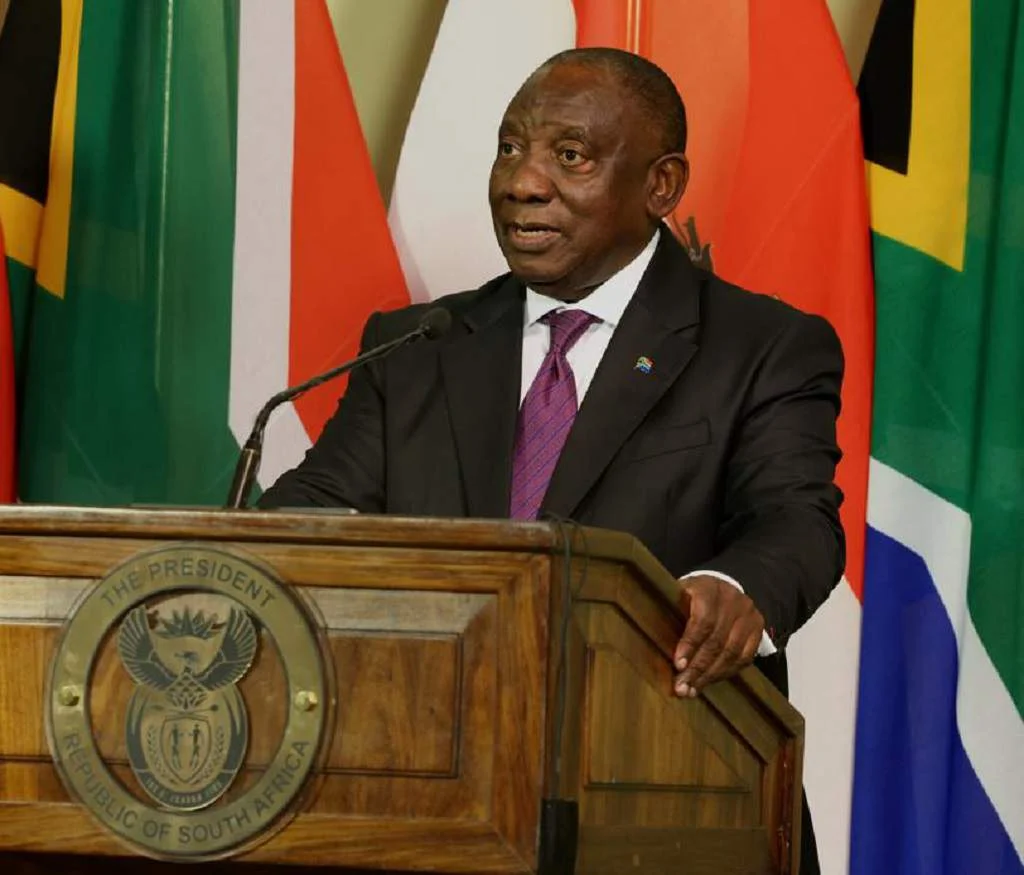
In a country battling record high crime, collapsing public trust, and deep political fragmentation, President Cyril Ramaphosa’s announcement of a judicial commission of inquiry into allegations of collusion between senior politicians, law enforcement, and organised crime marks a defining moment for South Africa’s democracy.

The inquiry, announced in a national address on July 13, follows claims by KwaZulu-Natal’s provincial police commissioner, Lieutenant General Nhlanhla Mkhwanazi, that a powerful criminal syndicate had infiltrated the state. The syndicate allegedly influenced political assassinations, compromised murder investigations, and manipulated senior police appointments. Most disturbingly, Mkhwanazi alleged that the task team investigating political killings in the province had been disbanded under pressure from political actors.

In response, Ramaphosa suspended Police Minister Senzo Mchunu and appointed Acting Deputy Chief Justice Mbuyiseli Madlanga to head the commission, which has been mandated to investigate “the alleged capture of the South African Police Service, the Directorate for Priority Crime Investigation (Hawks), and the justice system by criminal networks.” The president called the allegations “serious” and “threatening to the credibility and integrity of state institutions,” noting that “no person or institution is above the law.”

Shortly after the announcement of the commission, civil society in Durban mobilized in support of Lt-Gen Nhlanhla Mkhwanazi. Ntokozo Mkhize, national spokesperson for the Concerned Citizens of South Africa (CCSA), affirmed the groundswell of local support, stating: “We are not a political party or affiliated with any political entity… we are just ordinary citizens who are fed up with the lies propagated by politicians.

While shocking, these claims are not entirely surprising. South Africa has long battled blurred lines between state institutions and criminal enterprises, most notably during the “state capture” years under former President Jacob Zuma. But this moment feels different. These are not only claims of corruption or mismanagement. These are allegations that the state has become a vehicle for organized crime.

The stakes are high. The violence plaguing South African communities ranging from assassinations, extortion rackets, drug trafficking to illegal mining, is no longer simply a policing issue. It’s a governance crisis. According to a 2024 World Bank study, crime costs the South African economy roughly 10% of its GDP annually, due to lost investment, reduced productivity, and overburdened healthcare and justice systems.

Globally, South Africa is not alone. In Italy, the infiltration of the ’Ndrangheta and Camorra into politics and public procurement became so entrenched that entire municipalities were dissolved. In Germany, investigations into drug trafficking at the Port of Hamburg revealed a 750% increase in cocaine seizures since 2018 and evidence of public officials being bribed by transnational cartels. In Mexico, political assassinations and narco financing of campaigns have allowed organized crime to shape who governs and how resources are allocated.

In South Africa, political assassinations, especially at the local government level, have become a chilling norm. The Global Initiative Against Transnational Organized Crime, recorded at least 10 politically related assassinations between January and April 2024. This contrasts with 31 political assassinations recorded across 2023.

Ramaphosa’s move to establish a commission is intended to send a message: the state will no longer tolerate criminal capture. But critics are wary. Civil society groups and opposition parties argue that commissions of inquiry have become an expensive substitute for prosecution. The Zondo Commission, which exposed state capture during the Zuma era, cost over R1 billion and took four years to complete. Although some progress has been made, over R2.9 billion recovered and R12.9 billion in assets frozen, and only a handful of high profile arrests have followed.

The credibility of the new inquiry hinges on several factors: whether it leads to prosecutions; whether it names sitting political leaders; and whether it delivers interim findings quickly. The inquiry has been given 12 months to complete its work but is expected to submit reports to the president and chief justice at three-month intervals.

Ramaphosa’s commission may be his final opportunity to prove that the rule of law still matters in South Africa. The question now is not whether syndicates exist, they definitely do, but whether the state has the political courage and institutional muscle to fight back.

Late Former President of Nigeria, Muhammadu Buhari Laid To Rest In Hometown

Condolences pour in from around the world as the former president of Nigeria, Muhammadu Buhari, who passed away on the afternoon of July 13th, 2025 at the age of 82, was laid to rest in his hometown, Daura, Katsina State.

Buhari, who was receiving treatment at a clinic in London before his death, had battled with years of ill health. The exact cause of his death, however, remains undisclosed to the public.

The Governor of Katsina State, Dikko Radda, revealed that preparations immediately began to transport the former president’s body for his burial the following day, “I just left his family at the hospital where he died and the decision is that his remains will be taken to Daura for burial, the plan is to leave in the morning,” he said while speaking to DW Hausa.

Vice President of Nigeria, Kashim Shettima, who was in the United Kingdom at the time of his passing, disclosed that he will be escorting the remains of Buhari back to his hometown, Daura. 

As the country mourns the loss of the former leader, the current president, Bola Ahmed Tinubu, assures that the government will pay its final respect to Buhari by lowering the national flag to half-mast across the nation. He also declared Tuesday, July 15th 2025 a public holiday to honour his death.

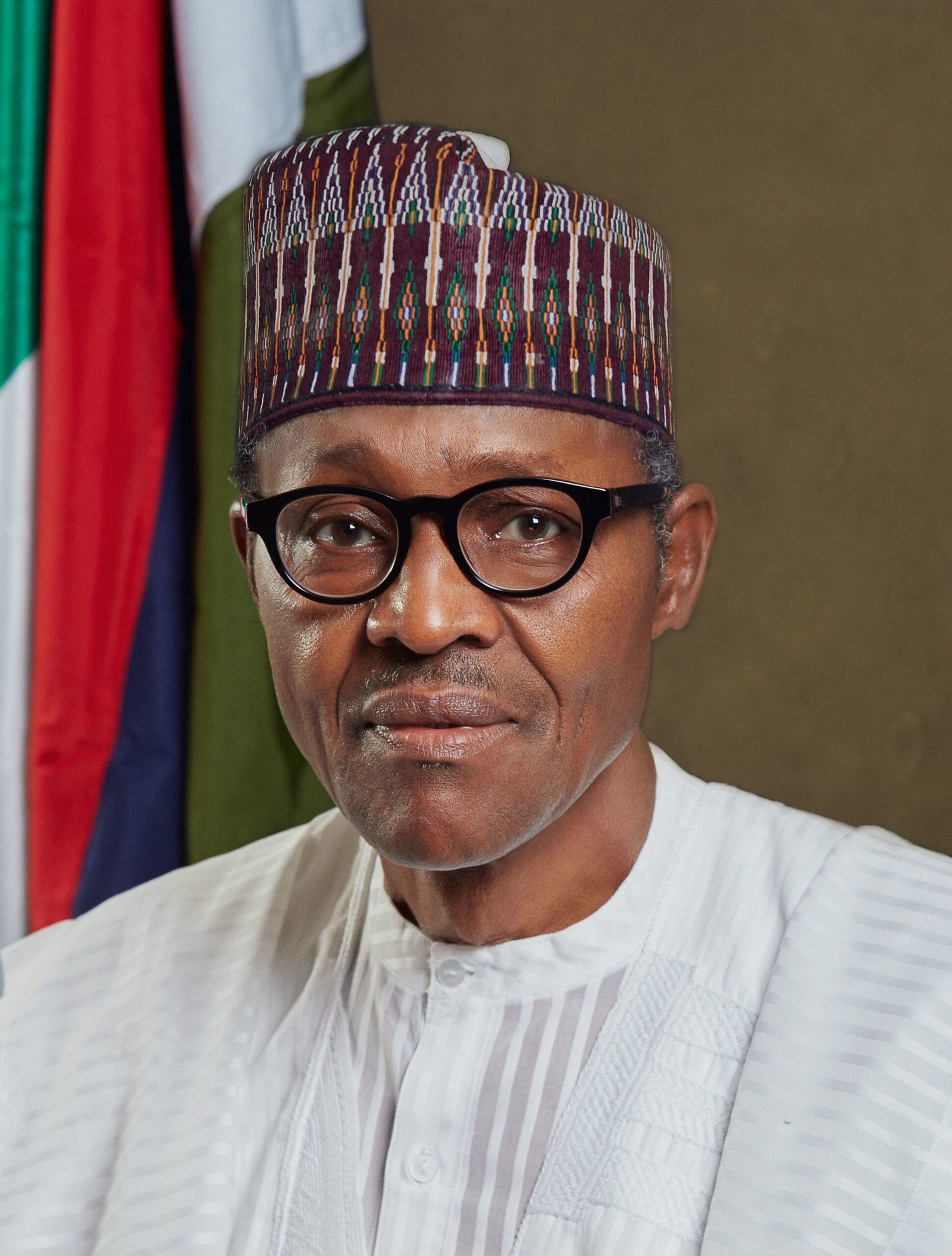
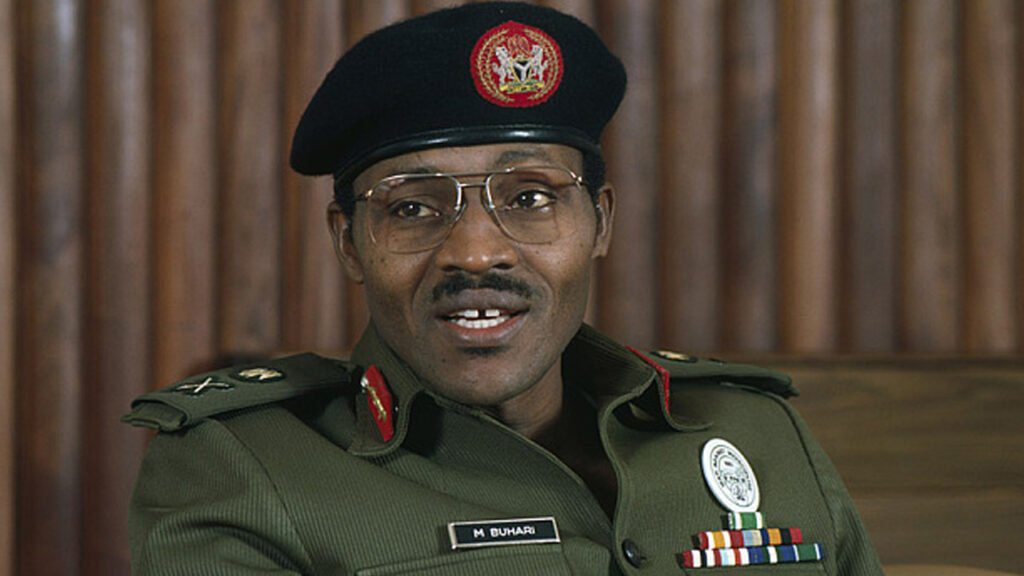
Muhammadu Buhari was a politician who served as both a military head (1983-1985) and a civilian president (2015-2023) in Nigeria. 

Muhammadu Buhari as Military Head of State (Photo by The Guardian)
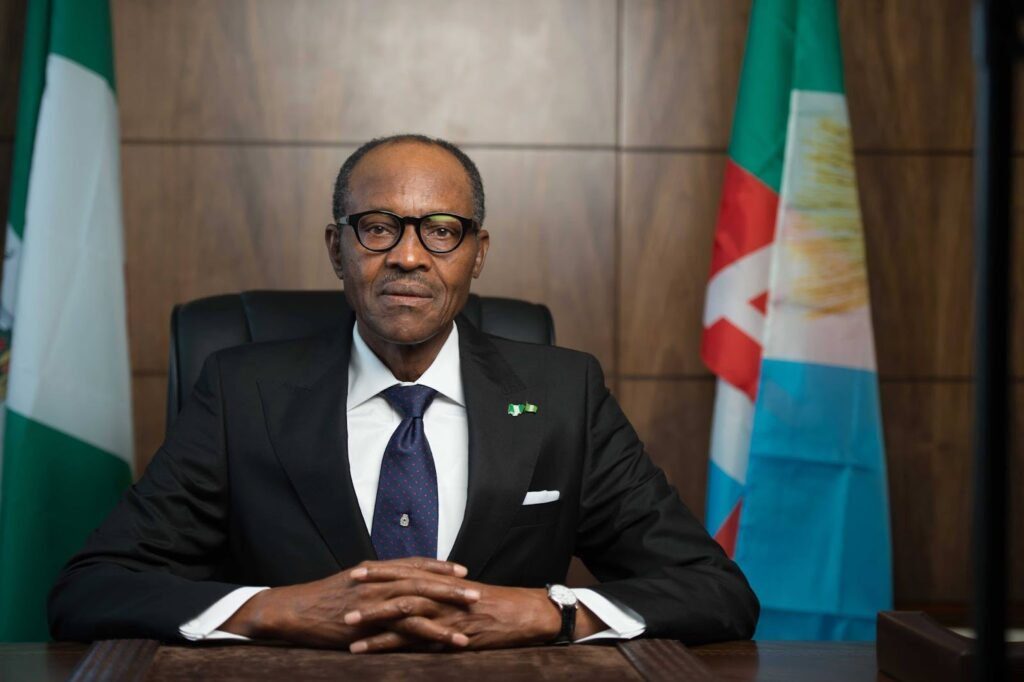
Muhammadu Buhari as Civilian President (Photo by Nairametrics)

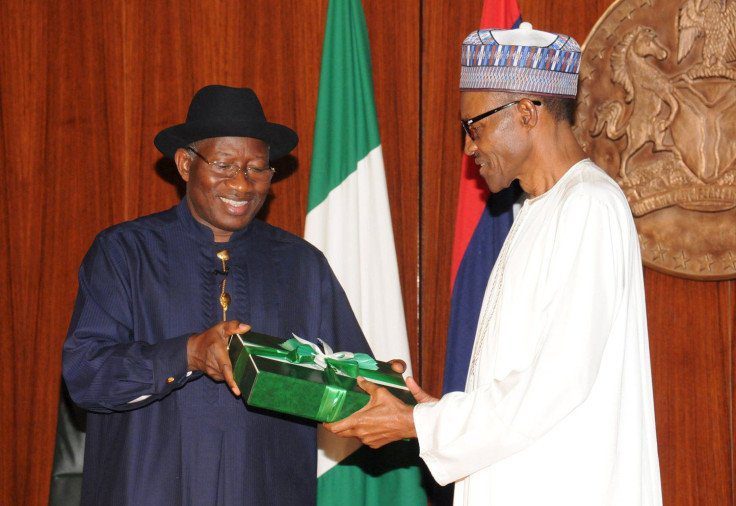
He assumed his last position as president after defeating the incumbent president, Goodluck Ebele Jonathan, in the 2014 elections, which was the first time in Nigeria’s history that an incumbent president lost re-election to a new candidate.

Ex Presidents Goodluck Ebele Jonathan and Muhammadu Buhari (2015) (Photo by IBMTimes)

Many Nigerians tagged Buhari’s tenure as the worst of its kind as a result of the country’s worsened economy and hardship faced by citizens during his time in office. Senator Adams Oshiomhole blamed the challenges brought by Buhari’s administration on the kind of policies the former president enforced.

The senator said while speaking with Channels television, “At some point, before the last President left office, I lamented loudly what I saw as reckless policies that were designed to dehumanise the population that was already in pain.”

There have been mixed reactions from Nigerians on social media regarding the death of the former president. While some expressed shock and sadness, others jubilated upon hearing the news about his death. A video on social media showed several youths in a Northern part of Nigeria chanting and dancing to songs celebrating the leader’s death.

While some took to the streets, others shared their feelings surrounding  death on various social media platforms. One X user wrote, “May Muhammadu Buhari’s death give us all hope to see our enemies and tormentors perish while we’re still alive to celebrate.”

Key figures around the world have also reacted to the death of the former president and extended their condolences to the family and country at large.

An Islamic speaker, Mufti Menk, wrote, “He was definitely one of those who made me develop a much better perception of Nigerians as a people…May Allah make it easy for his family, friends, and the nation of Nigeria.”

His majesty, King Mohammed VI of Morocco offered his condolences saying,”I share your grief and want you to know how much I appreciated the working sessions I had with the deceased.”

Several notable figures including immediate Vice President, Yemi Osinbajo and business man, Aliko Dangote were seen present at Buhari’s burial in Daura which was held on the 15th of July.

Adolescent Takes His Own Life After Online Extortion

Caleb Aaron Moore, a 14 year old of El Dorado, Kansas, USA, died June 10th, 2025 at 1:32 pm in his father’s home due to a self-inflicted gunshot wound.

He took his own life after an incident of online extortion in which an adult convinced the adolescent within 35 minutes of revealing their true identity to load their father’s gun and shoot themselves in the head.

According to Morgan Moore, Caleb’s Mother, in the brief encounter Caleb had he believed he met a young girl his age via Tik Tok, who was interested in getting to know a boy her age, and in less than an hour, the extortionist posing as a minor convinced Moore that killing himself was the only option he had to protect himself and his family.

Caleb’s father, Tarrel (Ty) Moore, was alerted to an emergency at his home by a security device upon which he saw his children fleeing their home in an alarming manner. The last text Ty received from his son Caleb, less than an hour prior, stated, “Everything is going to be ok, dad.”

“Caleb was such a sweet kid. He never wanted us to worry about anything,” says Ms. Moore. She said she had spoken with Caleb previously about online safety and appropriate behavior on social media platforms.

She believes Caleb’s guilt over having violated those boundaries made him more vulnerable to manipulation.

“I’ve talked to five other families whose teenage sons committed suicide as a result of similar extortions,” Ms. Moore added.

Unfortunately, not much authority exists in the digital realm with regard to what local, regional, or even federal authorities are capable of in extortion cases such as Caleb’s.

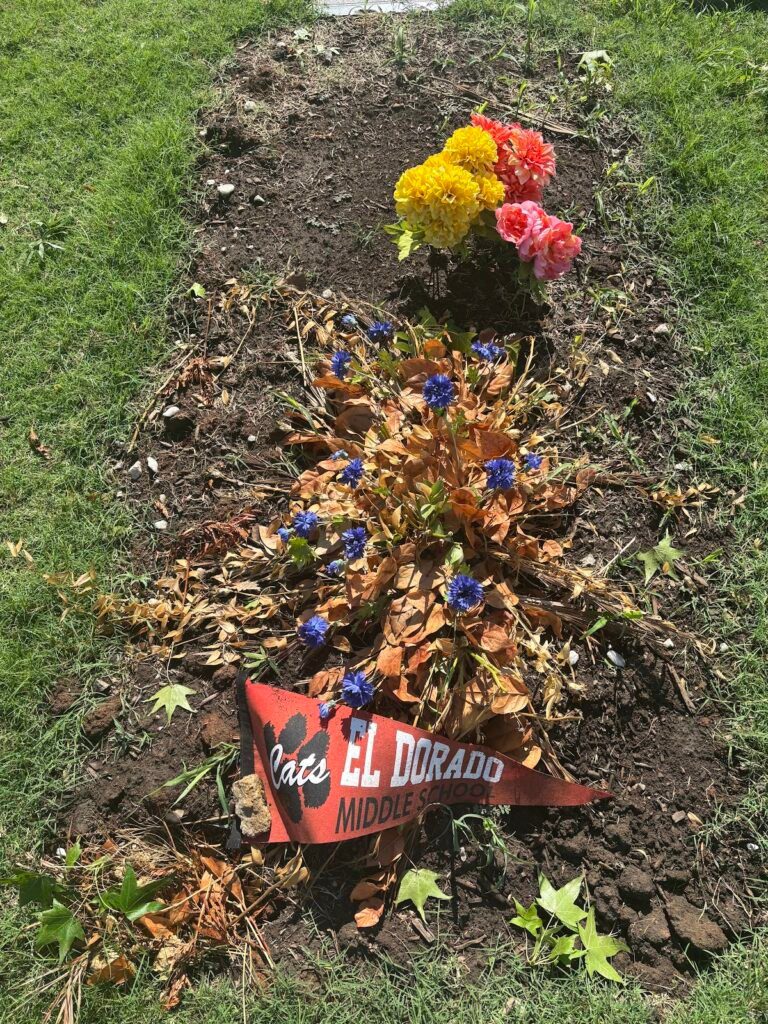
Caleb Moore, the 14 year old boy’s Grave

“A constant conversation,”, is Ms. Moore’s solution to such digital extortion, specifically with regard to children and social media, adding, “TikTok and Snapchat are pretty big foes to throw stones at. They don’t know what to do about it either.”

Ms. Moore also argues a solution to this digital problem, given the vast power of the shapeless Internet, has to be found in humanity. Caleb’s death is one example of the exponential growth of negative consequences of digital life, running right along with digital life’s exponential growth. “I can’t go to Snapchat to fix the problem,” she lamented.

There is no official statement on Caleb’s case as the death is part of an ongoing investigation. Caleb’s parents are hopeful that the investigation will provide further insight. 

“There’s only so much justice you can get from one person getting caught,” Ms. Moore noted with regard to how expansive the problems of the digital age are occurring.

Eleven Killed in Sudan Mine Collapse as Gold Fuels War Economy

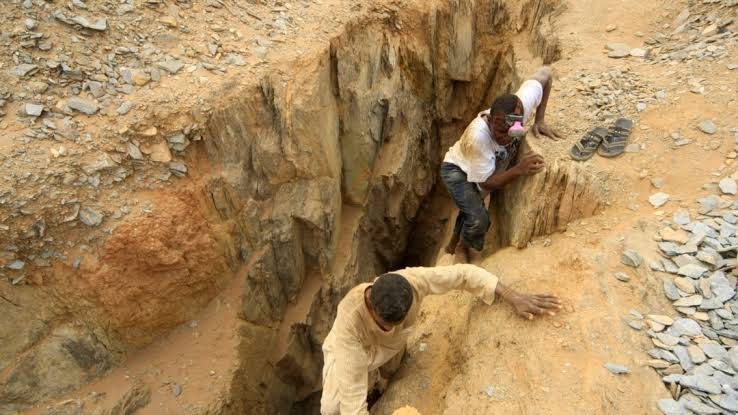
Eleven artisanal miners have died and seven more injured after the Kirsh al-Fil gold mine collapsed in eastern Sudan’s Red Sea State. The site had been previously shut by authorities due to safety concerns but was reopened unofficially as desperate miners sought gold in a region gripped by conflict and poverty.

The tragedy highlights Sudan’s growing war economy. Since civil war broke out in April 2023 between the Sudanese Armed Forces (SAF) and the Rapid Support Forces (RSF), gold has become both a lifeline and a weapon. In 2024, Sudan produced 73.8 tonnes of gold—85% from unregulated artisanal sites. Much of it flows into Chad, Egypt and South Sudan before reaching the United Arab Emirates (UAE), Sudan’s main trade partner.

Sudan has accused the UAE of aiding genocide, a case now before the International Court of Justice. While the UAE denies arming the RSF, gold shipments continue.

“Mineral supply without governance can create a shadow economy that finances conflict,” said Dr. Saleem H. Ali, a professor at the University of Delaware. “But with proper governance, these minerals can become tools for poverty alleviation and peace.”

In South Africa, Clement Moeletsi, also an illegal miner, says he knows this ordeal all too well. On July 24, 2024, he and fellow miners from Zimbabwe, Botswana, Lesotho, Mozambique, and South Africa entered abandoned shafts in search of gold. “The reality was brutal: chest ailments, starvation, and constant exposure to life-threatening hazards were the norm for us,” he said.

But, like many, he felt he had no choice. “We had to put bread on the table for our families.”

Environmental concerns are also mounting. Geoscientist Professor Paida Mhangara warned of long-term ecological damage and loss of cultural heritage: “Unregulated mining destroys vegetation, pollutes rivers and erases archaeological sites.”

As Sudan’s war enters a third year, the mine collapse is a stark reminder that in this conflict, gold costs more than money—it costs lives. 

Court Orders Nigerian Senate to Reinstate Suspended Senator, Natasha Akpoti-Uduaghan

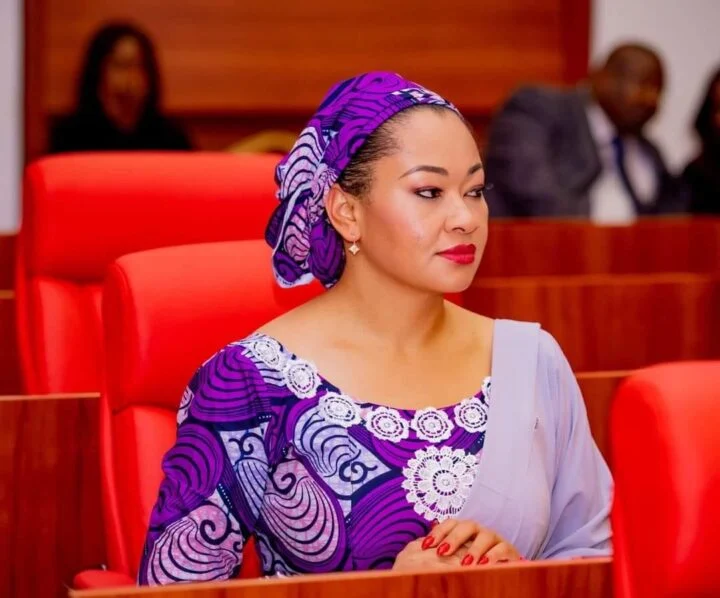
A Federal High Court in Abuja, the capital of Nigeria, has ruled in favor of a senator representing Kogi Central, Natasha Akpoti-Uduaghan, who was suspended by the Senate for six months over alleged misconduct.

Justice Binta Nyako, who led the court sitting on Friday, July 4th, 2025, delivered the judgment stating that the suspension of the senator was ‘excessive.’

The judge added that because lawmakers are expected to sit for 181 days in a legislative session, the six-month suspension would hinder the Senator’s ability to carry out her legislative mandate thereby denying her constituents the right to representation.

Reacting to the favorable judgment, the Senator told supporters, “I thank you for your support. I am glad we are victorious today. We shall resume in the Senate on Tuesday, by the grace of God.”

It can be recalled that Senator Natasha was suspended by the Senate Committee on Ethics after she brought forward a series of allegations against the Senate President, Godswill Akpabio

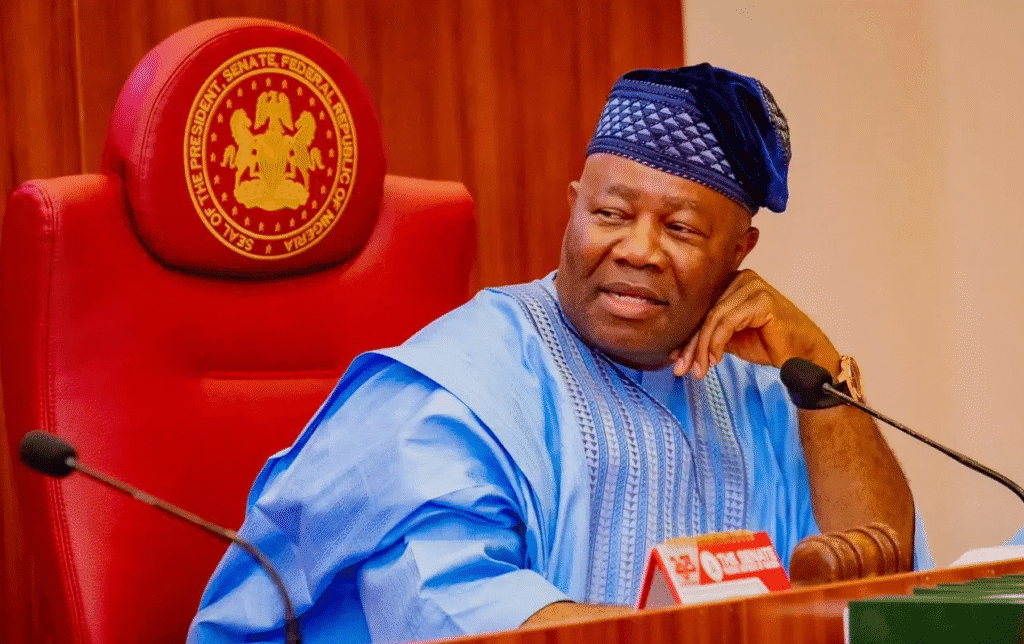
Senate President, Senator Godswill Akapbio (Photo by Vanguard)

The exchange between Senator Natasha and Senator Akpabio began after an argument about a reshufflement in sitting arrangement ensued between her and the Senate President. 

The senator claimed that the new sitting arrangement put her in a dead zone where her legislative activities wouldn’t be captured by cameras. This she insisted, was an attempt by the Senate President to silence her. 

The chairman of the Senate Committee on Ethics, Neda Imasuen rebuffed Senator Natasha’s claims stating that she wasn’t the only one whose position was changed and, “About four or five other senators were moved.”

Analyzing the issue, a Legislative Governance expert, Chibuzo Okereke explained, “She belongs to the minority caucus. They sit on the left side of the presiding officer by the tail of the maze…these things have significance because they are symbolism.”

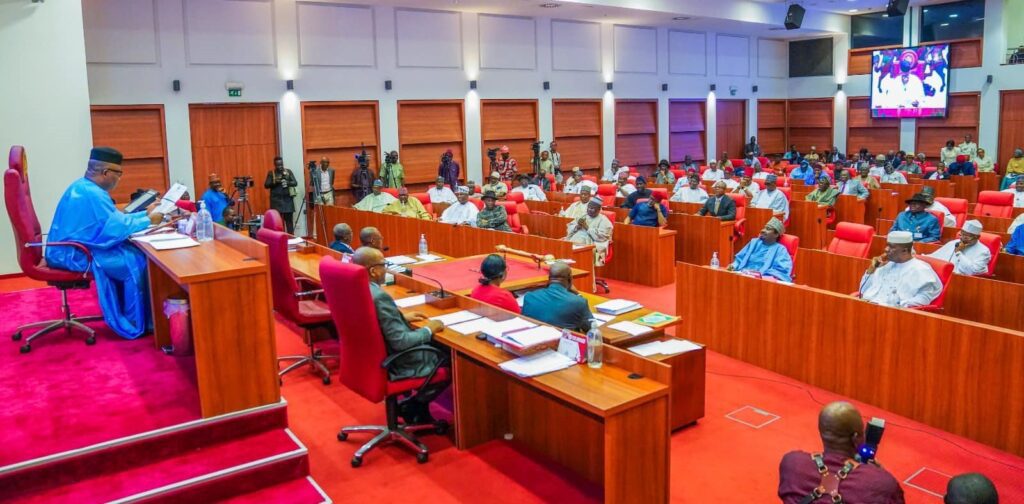
The Nigerian Senate (Photo by Nigerian Senate Via Facebook)

Following the reshuffling disagreement, Senator Natasha presented a petition against the Senate President to the Senate. She accused him of sexual harassment, abuse of office, and malicious obstruction of her legislative functions.

Responding to the claims during the Senate gathering, the Senate President said, “I have the highest regard for women…so at no time will I ever harass any woman.”

Although Senator Natasha’s petition was initially rejected by the Senate, it was later approved and a decision was made by the Committee on Ethics on March 25th, 2025, to suspend the Senator for six months. The body insisted that her actions brought dishonor to the Senate and its leader.

The suspension was accompanied by other strict conditions, such as stripping the Senator of her security detail, cutting off her salary, restricting her visit to the National Assembly, and prohibiting her from introducing herself as a Senator

A lawyer, Chinenye Uwanaka, condemned the situation, saying, “Looking at what has played out in the National Assembly, honestly speaking, it doesn’t look like a place that is welcoming for women.” 

She continued, “We even have case law in Dume and Omo Agege…the Supreme Court held that those suspensions were not constitutional because it’s supposed to be a maximum of 14 days.”

As the court has reviewed the case and come to a consensus that this suspension was ‘overreaching,’ Senator Natasha has begun making preparations to resume her legislative duties. 

Her resumption is, however, still dependent on the Senate’s examination and verification of the Certificate of True Copy (CTC) of the judgment. In a statement on 6th July 2025, the spokesperson for the Senate, Senator Yemi Adaramodu, said, “Pending the receipt and examination of the CTC, and acting on the advice of counsel, the Senate shall refrain from taking any steps that may prejudice its legal position.”

In a separate ruling, Senator Natasha was fined 5 million naira by the same judge after she posted a satirical apology to the Senate President on Facebook, disobeying the gag order that restrained all parties from commenting on the case.

Parliament Set To Make Drastic Moves After Gen-Z Led Kenyan Protest Leaves 16 Dead

Kenya’s Parliament moves to table a restrictive motion on protests in the country following the violent waves of protests in the country in the last two years.

Days after the latest demonstration in the country, the Parliament of the country is now said to be threatening the constitutional right of the people to protest by suggesting laws that will restrict them.

This law will force protest movements to register full names of individuals, addresses of individuals, routes planned, number of protesters, as well as slogans to be chanted during protests.

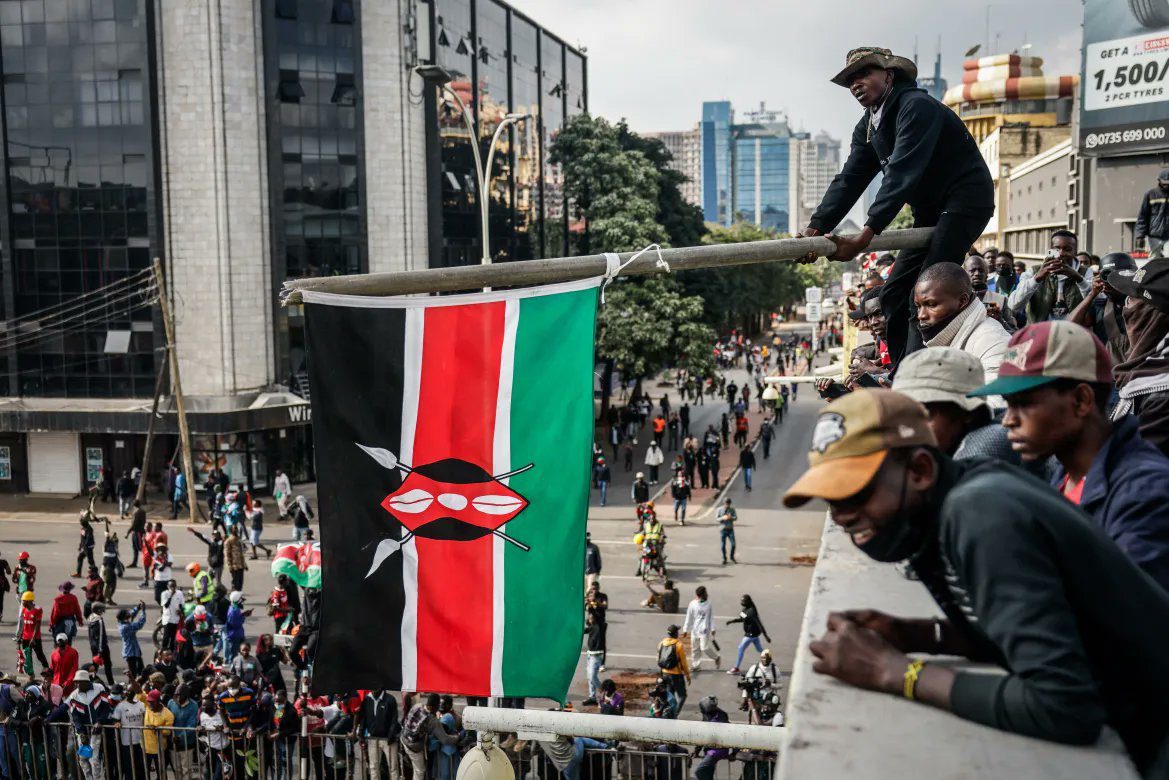
The proposed law comes after thousands of Kenyan youths marched in protest on 25 June 2025 in the country’s capital, Nairobi, to air out their grievances against the corrupt government, express their dissatisfaction surrounding the mysterious disappearances of fellow Kenyans, and illegal operations of the police force.

This June marked a year since the country witnessed a violent anti-tax bill protest that left 60 people killed and several injured. 

According to a former Member of Parliament, George Koimburi, the controversial financial tax bill was passed by lawmakers in 2024, after the Members of Parliament were offered 2 million in Kenyan Shillings to vote in favour of the bill.

However, after the deadly protest that left the country shaken, the Kenyan president, William Ruto, refrained from signing the bill, stating, “I concede, and therefore I will not sign the 2024 finance bill.”

In honour of last year’s anti-tax protest and to mourn those who were lost during the demonstration, Kenyans came out in their numbers once again, insisting that they have yet to see any substantial changes one year after they marched to parliament demanding a better system.

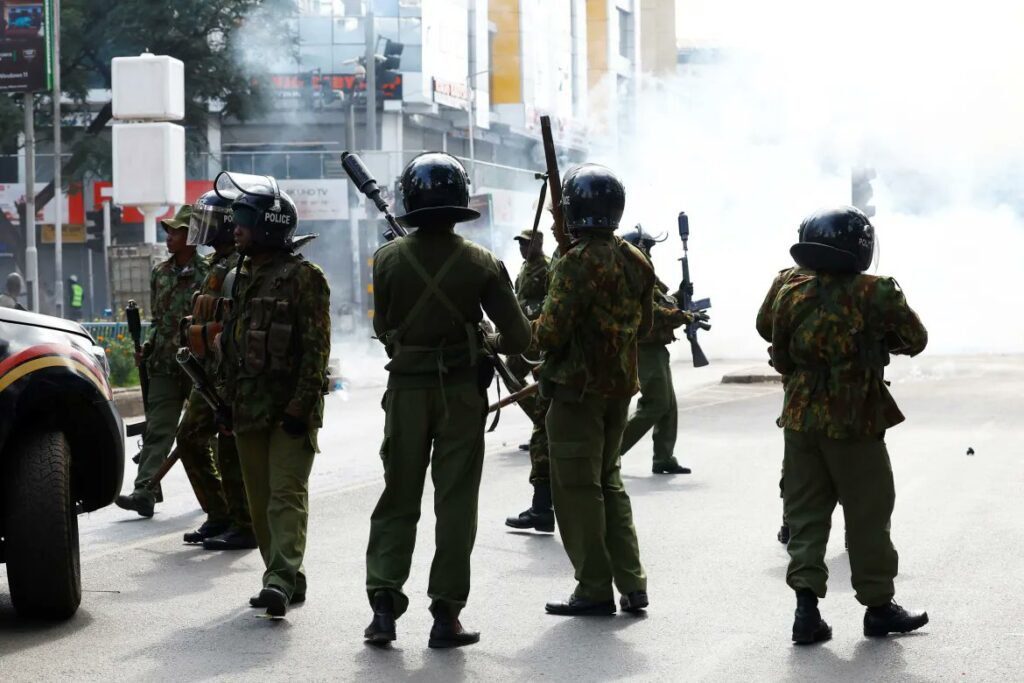
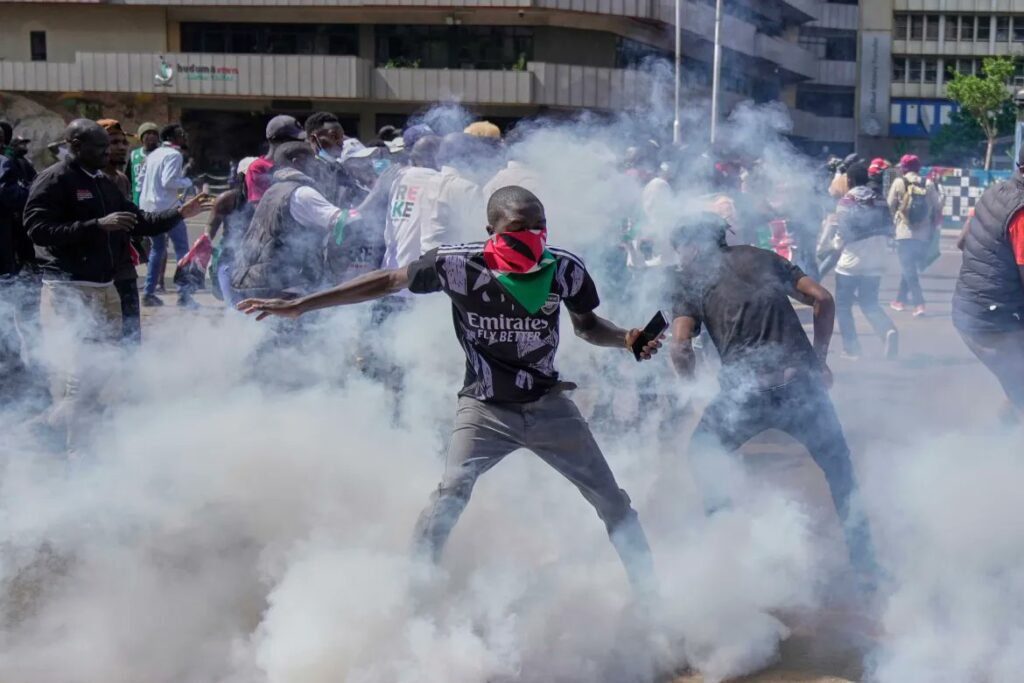
According to Amnesty International Kenya, the death toll in this year’s protest is marked at 16, while at least 107 persons are said to have suffered from injuries resulting from bullet hits. Al Jazeera notes that peaceful protesters were attacked by police using live rounds, tear gas, rubber bullets, and water cannons.

The Kenyan police at the protest scene (Photo by Al Jazeera, via X)
Tear gas being deployed at protesters (Photo by Al Jazeera, via X)

Center of this year’s protest is the death of 31-year-old blogger, Albert Ojwang, who died in police custody. Protesters were seen on video holding up signs with the blogger’s name and chanting ‘Justice for Ojwang.’ 

Ojwang was found dead in his police cell after being arrested at his house because he allegedly posted false and malicious information about the Deputy Chief of the Police Force, Eliud Lagat.

An autopsy conducted on Ojwang revealed that he had suffered a head injury, neck compression, and soft tissue damage, all of which point to assault as the cause of death. 

Ojwang’s case is only one out of many cases of police brutality in Kenya, and the citizens are now saying they have had enough.

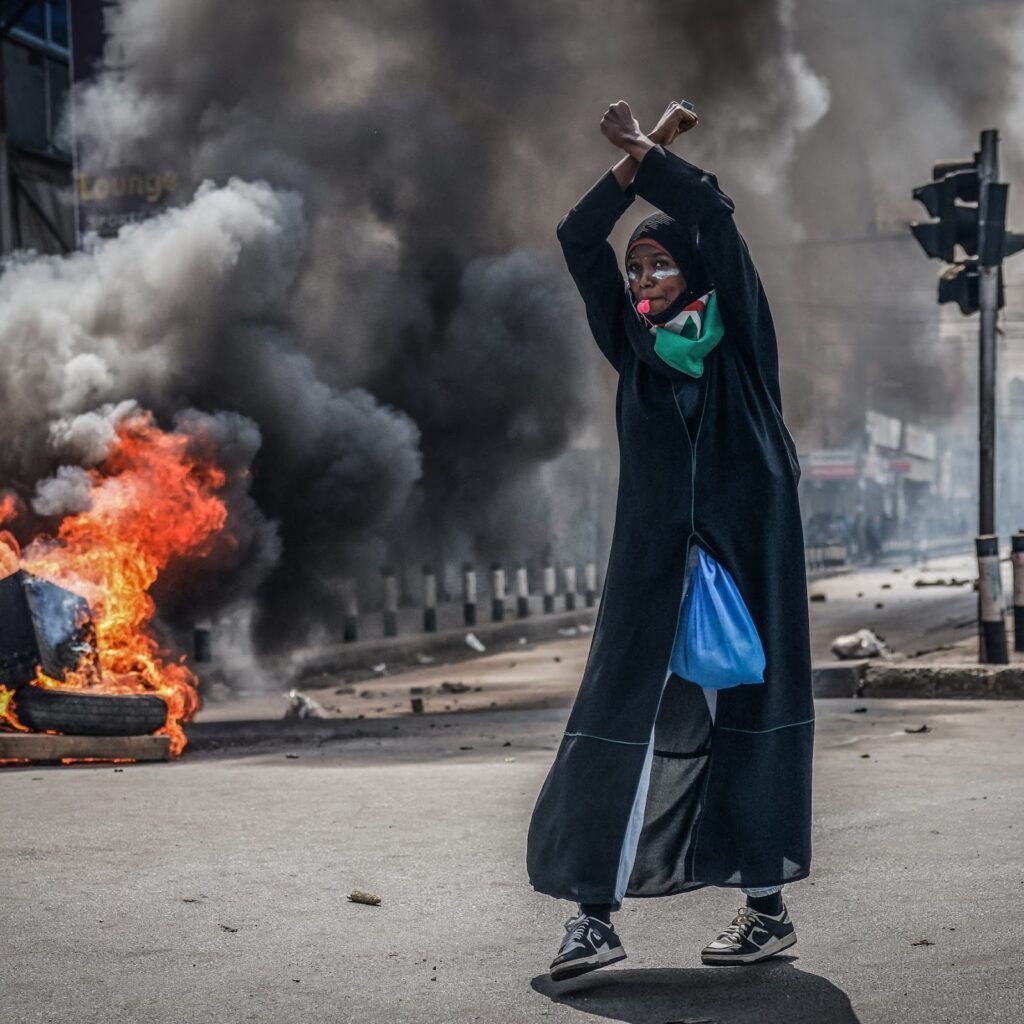
Female protester at the scene (Photo by Thuso Van Zyl, via X)

Kenya’s Independent Policing Oversight Authority (IPOA) has taken up the responsibility of investigating police activities during last year’s and this year’s protests. The body has successfully tracked down 6 men, including police officers, who are connected to the death of Albert Ojwang.

The coverage of this year’s protest was halted by the government after the Communications Authority of Kenya ordered all television and radio stations in the country to stop broadcasting live coverage of the march. 

Several Kenyan broadcast stations that proceeded to offer live coverage of the protest despite the order from the CA were taken off air, however, after a court in Nairobi suspended the ban, broadcasting commenced in those stations.

Responding to this order, the Kenya Editors’ Guild stated in a press release that the “CA is actively undermining judicial authority and reopening the door to unconstitutional state censorship.”

Many youths, particularly those in African countries, have reacted to the protest in Kenya, stating that the courage of Kenyan youths is admirable. One X user posted, “All eyes on Kenya please, they are having a historic Gen-Z-led protest…”

The government’s present efforts to restrict protests in Kenya make many citizens believe the war is far from being over, and with the recent abduction of another blogger, Ndiangui Kinyagia, the youths continue to demand justice on social media using the hashtag #FreeDaguin.

A Kenyan activist, Abigail Arunga, who spoke with Yuvoice, expressed that this could spiral into another protest with the upcoming national holiday on July 7, Saba Saba, which was historically a protest day in Kenya.