Indonesia-EU Trade Deal: A New Chapter in Economic Partnership

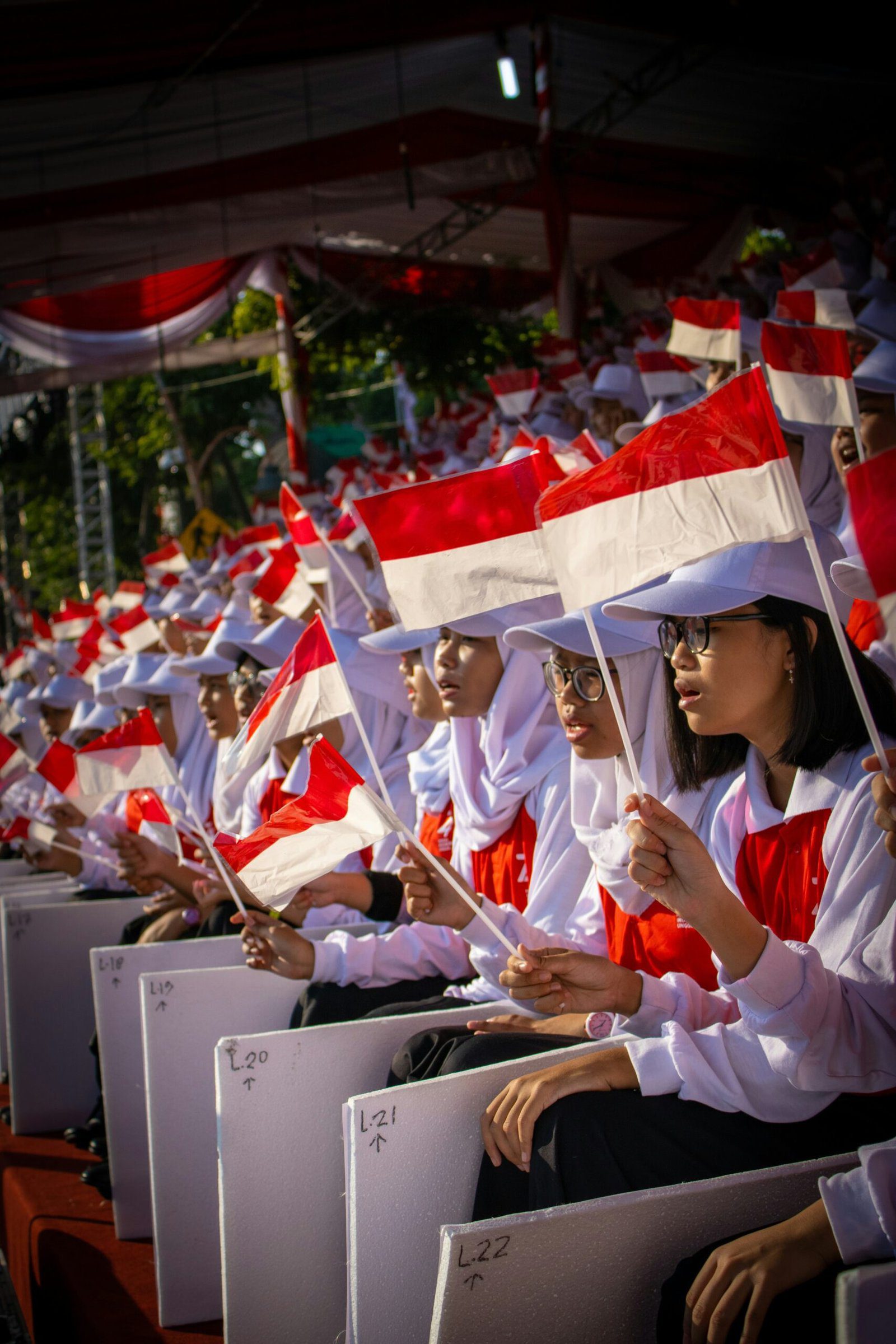
After nearly ten years of painstaking negotiations, Indonesia and the European Union have finally sealed a landmark trade agreement. The Indonesia-European Union Comprehensive Economic Partnership Agreement (IEU-CEPA) was signed in Bali on Tuesday, September 23, 2025, by Indonesia’s Coordinating Minister for Economy Airlangga Hartarto and EU Trade Commissioner Maros Sefcovic.

The timing couldn’t be more strategic. With the US imposing tariffs and global trade tensions mounting, this deal represents far more than just tariff reductions—it’s a calculated move in the geopolitical chess game of economic alliances.

The Numbers Behind the Partnership

The EU ranks as Indonesia’s fifth-largest trading partner, while standing as ASEAN’s third-largest after China and the United States. Last year, bilateral trade in goods totaled €27.3 billion, with the EU exporting €9.7 billion and importing €17.5 billion from Indonesia, according to European Commission data.

What’s on the Table?

The agreement promises substantial tariff eliminations. Indonesia will see 80 percent of export duties removed immediately upon the deal’s entry into force, climbing to 96 percent within five years. This opens significant market access for Indonesian products across EU member states.

For Indonesia, the deal means duty-free access for EU agricultural exports including dairy and meat, alongside zero tariffs on industrial goods such as pharmaceuticals, machinery, and motor vehicles.

Bhima Yudhistira, Executive Director of CELIOS and prominent economist, sees particular promise in the fisheries sector.

“Most fishery products consumed in Europe currently come from Vietnam and Thailand,” Bhima explained in an interview. “This agreement provides an opportunity for Indonesian seafood products—particularly processed fish—to capture greater market share in Europe.”

The tourism industry also stands to benefit, with EU cooperation expected to enhance Indonesia’s tourism infrastructure and accelerate sustainable tourism development.

How Indonesia Compares to Its ASEAN Neighbors

The EU’s approach varies significantly across Southeast Asia. Vietnam’s agreement (EVFTA), which took effect in August 2020, eliminated 99 percent of tariffs on Vietnamese manufacturing. Singapore’s 2019 deal focused heavily on digital trade, cross-border data flows, and services rather than commodities.

Indonesia’s agreement differs markedly—it’s commodity-driven, reflecting the country’s status as ASEAN’s largest economy and a G20 member rich in resources critical to the EU’s green industrial agenda, particularly nickel and minerals essential for EV batteries and supply chains.

Meanwhile, the EU’s negotiations with Malaysia and Thailand remain mired in challenges—palm oil sustainability concerns in Malaysia’s case, labor issues for Thailand. Malaysia only resumed FTA talks with the EU this past January 20, 2025.

The Thorny Issues That Remain

Not everything is resolved. The controversial crude palm oil (CPO) and nickel sectors remain flashpoints.

Indonesia suffered a defeat at the WTO over nickel following its ore export ban mandated by mining law. While Indonesia has challenged EU biodiesel duties at the WTO, the CPO situation differs due to persistent concerns about deforestation and labor practices.

“The EU has established standards for CPO-related products that Indonesia hasn’t yet met,” said Yusran, an international relations expert from Budi Luhur University. “But we need to understand the broader context—the Russia-Ukraine conflict drags on, and US tariffs are pushing the EU to seek new economic partners.”

Bhima pointed to a critical gap: Indonesia’s government hasn’t adequately incentivized independent and smallholder palm oil farmers to meet environmental standards.

“If we comply with these standards, we could significantly increase CPO exports to Europe,” he noted, adding that the EU employs traceability systems to verify plantation origins and sustainability practices.

On nickel, Bhima argues Indonesia squandered the decade-long negotiation period that could have been used to address the sector’s systemic problems.

“Our nickel industry is plagued with issues—massive coal power plants in mining areas, water pollution, hazardous working conditions for workers. There’s a long list that needs fixing,” he said.

While Indonesia can still export processed ore following the WTO ruling, environmental compliance issues in the nickel sector may ultimately undermine the EU’s willingness to source nickel from Indonesia.

Why This Deal Matters Despite Its Flaws

The IEU-CEPA represents a pragmatic win-win, even with unresolved issues lingering. Indonesia will need to demonstrate genuine commitment to meeting EU green standards—and other emerging economies watching these negotiations will pay close attention to how Indonesia implements environmental safeguards.

More broadly, this agreement reinforces ASEAN’s position as a pivotal player in global trade. Its successful conclusion may well pressure Malaysia and Thailand to accelerate their own stalled negotiations with Brussels.

In an era of trade wars and shifting alliances, Indonesia has secured its seat at the table. Now comes the harder part: delivering on the promises.

Gobsmacked By Environmental Consciousness: How COVID Recycled My Values & Priorities

We learn valuable life lessons the hard way. In 2018, as I proudly stepped out of my final year of high school, little did I know that the journey ahead would teach me valuable life lessons. My post-school life began with an unexpected jab that forever altered my perspective on managing personal finances and also a surprising consideration – environmental sustainability. Who knew?

Gobsmacked by freedom

(Image courtesy of Ady April via pexels)

After completing school, I was convinced that higher education was beyond my grasp. Underestimating my academic record, I decided to take up any job I got. 

Independence looked more appealing than education. 

I managed to find a job as an Administrative Clerk at a wholesale and supply store. I had no clue that this decision would become the root of my deeper sense of understanding of the economy and money management. As a teenager, my salary, which was more than my pocket money, seemed a luxury. I spent whichever way I wanted. No restrictions. I was so happy I worked there for three years, even during the challenging period of the COVID-19 pandemic. It became a necessity then. And why would I leave my newfound independence?

That period was dreadful for those who worked in stores, given the merciless looting that took place in our country. Our lives were at risk of being infected and also due to our workplaces being looted, we were in danger of being killed by store looters — the new breed of looters formed during the pandemic.

Gobsmacked by threats

(Image Courtesy of Eri Mclean via pexels)

As an administrative clerk, my interactions with an array of people — drivers, suppliers, and customers — every encounter was almost life-threatening.  Implementing stringent safety protocols seemed just mental solace. The threat of the store being looted and in the process of safeguarding it being killed was also scaring me. Striking a delicate balance between upholding professional obligations and safeguarding personal health and life became paramount. 

Despite the inherent risks, I approached each interaction with diligence, ensuring that essential business operations continued smoothly, focused on both profit and safety. This added layer of complexity was not for a teen like me. For me, it was a heavy dose of challenges . My goal was just to have a job and safeguard my independence. 

Balancing the demands of the job while managing personal anxieties about health and safety became a daily struggle. I grew up to be an adult, a real adult. Despite the hardships, I remained resilient, adapting to new protocols, mastering remote collaboration tools, and maintaining open lines of communication with my superiors.

Witnessing the destruction of businesses and the financial fallout reinforced the fragility of economic stability in me. Something too hard to take in as an independent teenager was the idea of financial insecurity. The very thought of losing my job sent a chill down my spine. 

Gobsmacked by finances

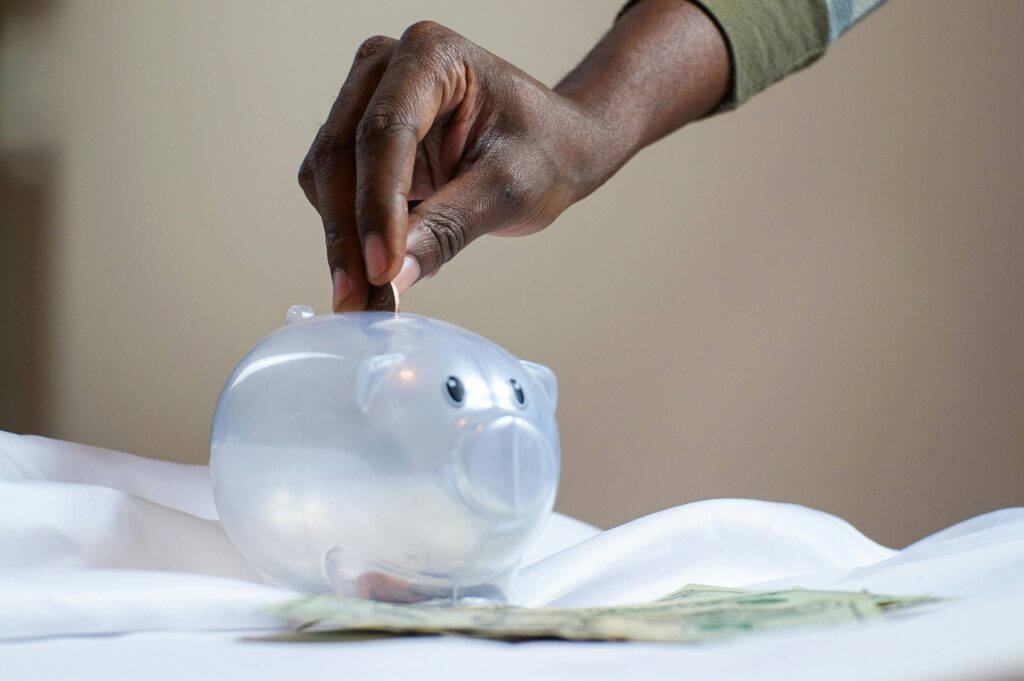
(Image courtesy of Joslyn Pickens via pexels)

It was during these days of instability that I realized the need for financial stability, and that only a college degree paved the route to a better job and hence stronger finances. Determined, I applied for a Bachelor of Commerce in Law degree. Much to my surprise, the institution acknowledged my academic results and cast away the doubts I had about myself. Despite the financial struggles that would accompany. me, I was determined. I joined the college.

But once independent, always independent. As I alone shouldered the burden of college fees and other monthly expenses,  I could not afford to quit my job as clerk. However, this challenge served as a stepping stone for my personal growth, growth towards adulthood, towards worldly maturity. I transitioned from a spendthrift teen and learned how to budget and save. I turned my financial burden into my financial awareness. 

Juggling work and studies, I found gratitude in the fact that my employment not only fueled my educational pursuits, but also provided a way to help my family financially. I understood the value of taking care of the needs of my family.

My job allowed me to review the ever-changing prices from suppliers for an extensive array of household products, from hardware to appliances to food. It was during this time that I witnessed the harsh reality of economic instability. The instability that affected me and everybody else around me. The price of essential food items such as corn, wheat, and rice increased significantly as the months passed.

Occasionally, the company’s suppliers used to send out letters notifying us of shortages of certain products or informing us of inflation due to the scarcity of raw materials.  My education continued, I started noticing the interconnectedness of our economic systems with environmental sustainability. Our actions, both as individuals and as a society, have far-reaching consequences. 

When many saw the scarcity of raw materials exploding the prices, I saw the importance of taking care of our natural resources. 

I felt the need to prioritize environmental responsibility.

I stopped running after wants. In a world where our choices are impacted by availability and price tags, the importance of the modest consumer takes on a broader perspective. It extends beyond financial stability to encompass the conservation of resources and the preservation of our environment. 

Experiencing the economic instability due to pandemic effects, with looting and its aftermath, stirred in me the need for a mindful and sustainable approach to life. These challenges forced my family and me to adapt to be more resourceful and wise with our spending. We cut our expenses wherever possible, and managed with whatever we already had.

Gobsmacked by environmental sustainability

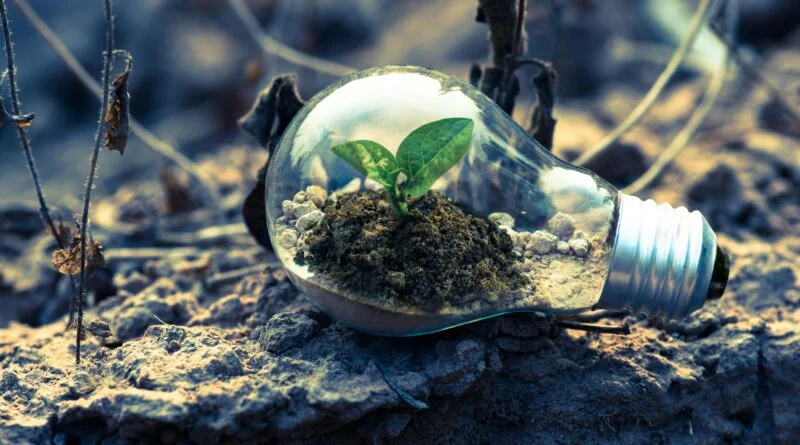
(Image courtesy of MS Uppy via unsplash)

Saving, reusing, and recycling are not just environmentally friendly actions. In moments of uncertainty, I turned to those simple yet profound acts as a source of empowerment and resilience. Whether it was finding new ways to repurpose household items or diligently sorting recyclables, each action felt like a small but meaningful contribution to a larger cause. Beyond just environmental conservation, these practices turned into my values to become a source of personal fulfillment even during a difficult time. I embraced a commitment to sustainability by prioritizing the principles of reduce, reuse, and recycle. 

Actually, the pandemic recycled my values and priorities.

Recognizing the importance of minimizing waste and conserving resources, I did my bit for the environment and drew my own satisfaction. Reducing unnecessary consumption, carefully assessing my needs, and opting for eco-friendly alternatives whenever possible became my motto. 

Additionally, I actively sought out opportunities to extend the lifespan of things and reduce landfill. My small yet humble step towards embracing sustainability.

Embracing the recycling ethos, I diligently sorted waste materials and ensured proper disposal in recycling facilities, contributing to the circular economy and promoting a positive chain reaction that influences the availability of resources, the stability of economies, and the well-being of our planet. 

As we navigate through the uncertainties of life, a pandemic that hit the entire world, tragic and devastating for millions, left a never-fading print of horror in our lives.  Its effects changed how we view life, and I was no exception.  A commitment to responsible living can create a healthier and more sustainable future for all.

My journey taught me that being financially aware is important because anything similar could knock us out again, leaving us in limbo and facing inflated prices. The choices we make today in response to the environment will  have a big impact tomorrow.