Kaleidoscope Eyes

A light comes on, and a close-up pair of eyes appear in the frame. My blinking is constant, almost excessive, in the harsh white light of the room. My eyes are not large; they seem narrow (or ‘slanted’, as my brother says), making it hard for me to keep them open. My eyebrows above my dark brown irises are not remarkable and in fact are unkempt, untidy, and without a defined shape. The unruly hairs help cover the scar from a small cut that was caused by the frame of a pair of glasses long ago. They broke while preventing the fall of a restless child who was trying to reach the top of a wooden post while my back was turned.

Those eyes, looking ahead, cannot see all they should, but are amazed by the little they have observed. A hand appears in frame, clutching a red crayon, firmly intending to complete the task at hand — to color in the blurry silhouette of whatever figure is printed on the white sheet. 

At times, the red crayon rebels, resisting confinement by the thick black ink line, and the hand does not seem to care much. I believe I have successfully completed my task, but when I hand the sheet to my mum, she brings it close to her face and then looks at me, worried and wide-eyed. She asks, “Son, did you color this in?”

Astigmatism.

That was the explanation some doctor gave me a long time ago, and that’s what I have for life. Fortunately, I can still distinguish the shapes of things to avoid bumping into them, and the glasses reduce blindness, but I now feel dependent on them.

My eyelids feel heavy. A hand, my hand, intrudes into the frame to scratch my left eye, and as a result, some eyelashes fall out and the cornea wears down. Tears no longer lubricate properly, and my eyes show signs of fatigue. The dark circles under them are more than noticeable. I haven’t had a good night’s sleep in years. 

My eyes have also seen unforgettable things: a victory goal in the 96th minute, the tragic end of Walter White, my grandfather singing “La Cucaracha”, the long-awaited arrival of the newborn at home and the heartbroken cry of its mother, the departure of its father from home, the loving eyes of a woman… There are moments and images in which significance lies not in clarity, but simply in sight.

A phoropter slowly approaches the face to which the dark brown eyes belong. The optometrist is observed from a general perspective. As she changes lenses, the doctor repeatedly asks, “Do you see better with this one, or with the previous one?”

I never notice the difference from one to the other. 

Of course, before approaching that device, the doctor asked me to do the usual task: to pick up the chart and read the paragraphs full of tiny letters, or to tell her the letters I can see from a few meters away. I can’t remember the last time I successfully read letters on the wall chart.

I approach the optometrist’s desk at her request, while I wait for her to review whatever she has to analyze… I never worry about knowing exactly what it’s about, because the answer is always the same: “The prescription in your left eye has increased.” 

Which is the same as saying that my vision has gotten a bit worse. Again.

Next, she gives me instructions to prevent corneal damage, things like not rubbing my eyes or not spending many hours in front of the computer. I hear her, but I don’t listen. I know that buying the contact lenses I need is not within my budget, and that I have to wear glasses for life. The optometrist says they are mandatory, and my driving license echoes it. I see her, but I am not really looking at her.

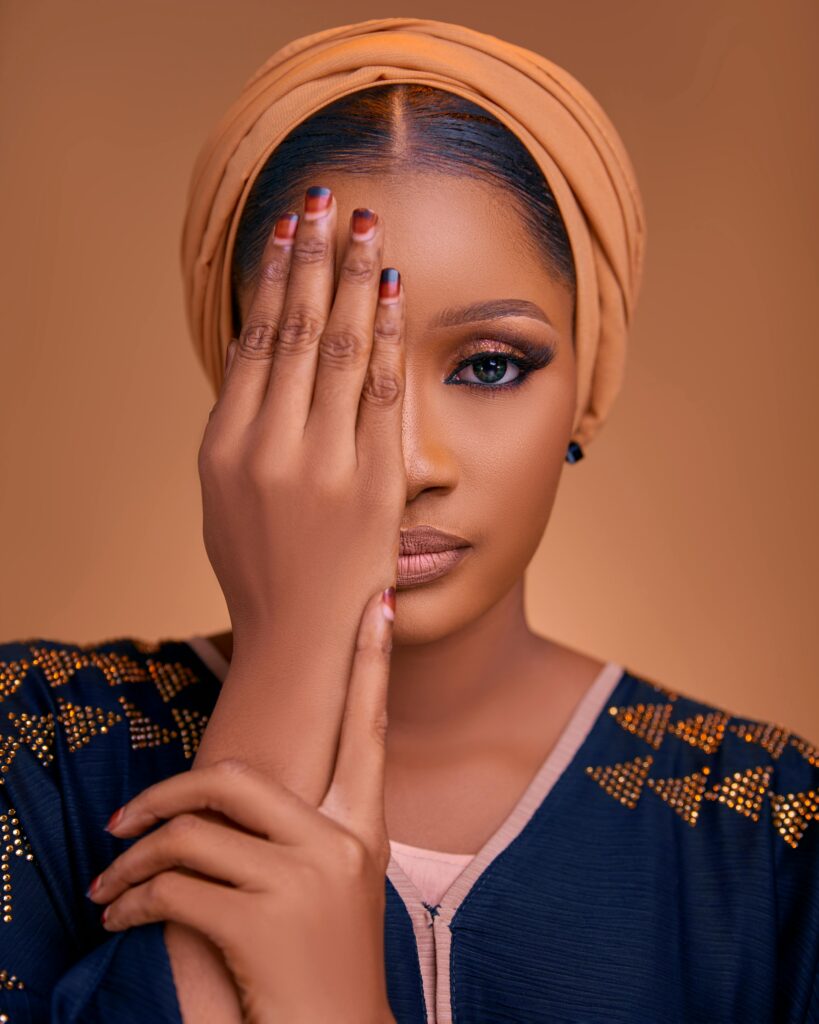
(Image courtesy of alameen studios via Pexels)

Over time, I also started to enjoy cinema and writing. Two forms of art that require a creative — and visual — exercise to create and enjoy. Over the years, the bridge of my nose between my eyes has been ‘tattooed’ by the noticeable marks of numerous glasses. It seems unfair for those eyes to have to strain just to enjoy the shape of letters and read smoothly. 

The helplessness of a child who, due to an eye problem, strains his sight trying to read.

I find this pleasure ironic. I always panic: What if my glasses break, get lost, or stop working? How will I read and distinguish the figures on the screen? The damage to my eyes is progressive. Resignation…

But as the doctor shakes my hand to say goodbye, I can only think of the consolation: that the camera, the pencil, and the imagination allow me to capture — and reflect — that which my eyes will not let me see. 


My Healing Dance

Life, like a tapestry, weaves together moments of joy, sorrow, and resilience. Yet, sometimes, we find ourselves ensnared in the knots of our past, unable to move forward. Seeking counseling became a way to unravel my knots and discover the beginnings of release.

I carry with me unhealing scars, wounds that refuse to mend. 

Instead of finding solace, I bottled up these scars, sealing them tightly. When I’m at my lowest, I uncap the bottle, and the pain rushes out as if the wounds were fresh. 

One morning, I woke up with a heavy heart burdened by old scars. Unable to bear it any longer, I decided to seek counseling. I found an online counselor, and during our virtual session, she emphasized the essential nature of healing. “Forgive yourself,” she urged after I confided in her. “You’re too hard on yourself.” I questioned her words, pondering why I am so harsh on myself and how I can find forgiveness. Perhaps laying out my scars and discussing them will be the first step towards healing. Was the first step.

Craving love

The abandonment by both my parents has left me deeply scarred, but it was my mother’s absence that cut the deepest. I yearned for her love more than anything else, and this longing fostered a sense of not being wanted with a painful feeling of being second best. 

I often told myself, “If your own mother doesn’t love you, who will?” Perhaps this is why I accepted unfair treatment, simply craving love. Now, at 22, I find myself unable to define what love truly is. I’ve never uttered the words “I love you,” nor have I heard them yet from anyone else. Tragically, my mother passed away without ever expressing those three simple words.

My inner child

“Do you have someone to talk to?” my counselor asked. 

I replied, “No, I don’t trust anyone.” 

Perhaps it’s because I don’t want to reveal my scars, as it’s become clear to me that my reluctance isn’t about a lack of willingness. Instead, it’s rooted in the fear of what might happen if I trust someone and share my vulnerabilities. What if they, too, abandon me like my mother did? I find myself caught between two versions of myself: the 22-year-old who seeks healing from the sense of abandonment, and the scared little girl who still resides within me. How can I convince that inner girl to forgive herself when she doesn’t even know how? To her, forgiveness feels like admitting fault, as if she did something wrong. But is it my fault that my mother abandoned me? The scar of abandonment will take time to heal. My 22-year-old self is ready to move forward, but the wounded girl within me is not quite there.

The now version of myself blames her for being so, and I carry the weight of self-blame. Should I have forgiven her? 

My inner child insists that my anger was reasonable because she never apologized. But my adult self reminds me of our given philosophy: forgiveness is for us, not them. Now I’m grappling with guilt. 

Perhaps my inner child is right — she was the elder one, and she should have asked for forgiveness. 

Abandonment scars are not the only ones I harbor. I am a home for many more. However, abandonment is my deepest scar. Counseling has pointed to a few issues that I need to deal with personally before moving forward on this healing journey. The little girl in me wants to be loved, and cared for. I tell myself: “Mama is gone now, little girl.” Yes, we grieved, and yes, we loved Mama even though we were angry at her. But now it’s time to love ourselves and stop expecting it from someone else. 

I promise

Tears burn my eyes, and my heart swells with the realization that I should begin to love myself. My counselor was right — I hate myself, and I didn’t realize it until she pointed it out. From today on, I promise to try and love myself more. Maybe loving myself is the second step towards a sense of healing. The pain is too much for me to handle now, but I promise to love myself and care for me. “Little girl, the time is now to take this first step”. 

Jumbled healing

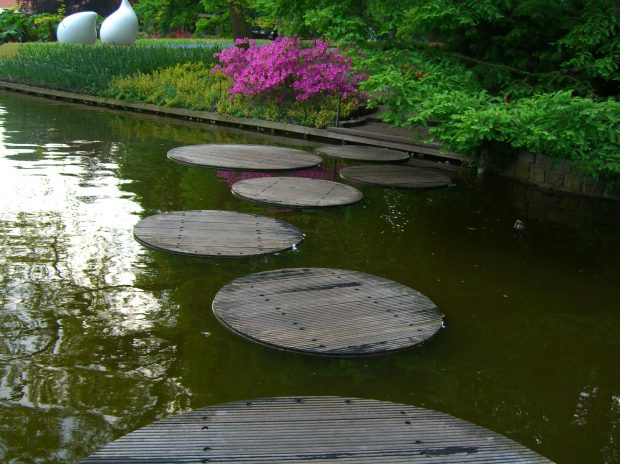
(Image courtesy of Hilarycl via Morguefile)

I’m discovering that healing isn’t linear; it’s a lengthy journey. Sometimes, you don’t even know where to start if you never realized you needed healing. 

But I’m embarking on this path now. Healing is like a dance — the music changes, but the steps carry on. Two crucial steps I’ve learned are self-compassion and acceptance. By acknowledging the scar and embracing self-compassion, I’m willing to heal. I’m discovering again and again that healing isn’t linear, but a jumbled journey. 

I’m willing to heal.

What is Fear?

What is Fear?

Whenever I plan to write, the white empty paper scares me.

This year, I turn 31. What did I achieve in these years and days of my life? How do I define myself?

My passport says that I am Egyptian, even if I spent more than half my life outside the country. Should I start telling my story from 1993? I was born in Khor Fakkan in Shariah, United Arab Emirates, the youngest of seven children. My parents named me Khadija.

I graduated from high school and returned to Egypt. I participated in a revolution which didn’t achieve its goals. I got married after a great and epic love story…or that’s what I thought, until I got divorced.

I gave birth to two amazing kids. I graduated from Sharjah University with a degree in English literature and translation.

I spent my twenties with my son Qassem. Life was beautiful until I gave birth to my daughter Layla and fell into a hole of postpartum depression. Alice in Wonderland was running after the rabbit, but I was running after myself.

What lessons have I learned from my life? What is the moral of my own story?

I can bake apple Bundt cake, lemon cake and chocolate banana bread. I cannot work under pressure. I used to hide my problems. I love life and in the same way loathe it. I love to prepare my meals with passion  and eat them slowly. I love to spend time with my friends.

I know the sound of typing pleases me. I love writing and literature. I believe that there is a special connection between me and literature and I discover that day after day.

I am fond of language. I lose and I win. I am ambitious. I dream of becoming a great translator. I dream of winning the best mom ever prize (if there is such a thing)!

Why do I hate the Egyptian revolution? The revolution fell from paradise to the earth like Adam’s apple. I wonder, did Adam hate the apple? Did he swear at her?

I was living such a simple life in Dubai in 2011, when the flame of revolution ignited in the Middle East. I was a high school student. The revolution seemed like the greener grass on the other side. I dreamed of being part of what was happening. But since that time, I have been enduring a series of personal and public defeats. Can life lead to better outcomes? Can the course of life change?

(Image courtesy of Melanie Wasser via Unsplash)

Once you have been broken and tasted fear, fear becomes a habit. Do you know who I am?

I am the girl who at the age of 19 almost got caught by the central security forces at a protest. As I felt them pull my arms and grab me, I screamed “I want my mom!” Since then fear knows my address and acts like that friend who, no matter how many times you avoid her, keeps ringing your doorbell… 

EcoCupid Had to Start Somewhere!

Scroll
Scroll
Scroll
And I still haven’t found my calling. 

Pictures of cats, babies holding cutesy conversations, and the latest gaming news all litter my Instagram feed, giving me the serotonin and dopamine boosts I need to overcome my daily existential dread in the morning. The procrastination cycle just doesn’t stop. I have told myself that I have an inkling of making a difference in this world and that should be my legacy. But this calling has not been fulfilled as of late as I am just stuck doomscrolling on the ‘gram.

Maybe I should just be a writer or an influencer, LMAO. You know, make the content instead of consuming it. I will at least have some value by becoming a creator — a little something social media gurus tell us constantly. Cringe. Who wants to take advice from a spambot account?

In all fairness, making content could fulfill me and be my new thing.

If I had to make content, I hope I can hold a candle to EcoCupid, a Southeast Asian environmental media community. They promote locally led environmental initiatives that have a story to tell, are sustainable, and need media support. Now these folks are the kind of advocates I would aspire to be, and encourage others to follow. 

The founding team consisted of a Malaysian, a Singaporean, a Thai, and a Vietnamese who all met while on an academic fellowship to the United States. This academic fellowship is annually organized by the Young Southeast Asian Leaders Initiative (YSEALI) founded by former US President Barack Obama in 2016. This fellowship program is the US State Department’s commitment to helping Southeast Asian Youth form community initiatives and solutions.

EcoCupid calls itself an environmental media project that is Southeast Asia’s ecology-focused platform that curates inspirational eco-projects and educational content through multilingual media. 

Team chemistry

Usually, participants also compete for grants at the end of the program by proposing a project for sustainable development. EcoCupid was born out of this process and won such a grant in 2023 after the team visited the state of Montana for their fellowship trip. Bryan Yong, one of the co-founders and their resident Chief Editor/ Grant Writer commented that a good team dynamic was the key to their first success in their maiden year. He says that while everyone in Montana (the southeast asian academic fellows and their cohort) did pitch decks, the EcoCupid team’s founders were far ahead with their plans. “We went a little bit extra. We did a full-on documentary video while we were still in the US. Our team filmed and wrote narrations, wrote the script, and planned the production process. It was all fun and pushed us over the tipping point of trust and chemistry. We knew how each of us worked.” 

In the nature of grant competitions, hackathons, and the like, it is easy for random people to just tag along with makeshift solutions. However, this is not how the game is meant to be played. It would be more desirable to be part of a dedicated and collaborative team like EcoCupid whose member skills complement one another. Having good camaraderie also helps. 

From the US to Chiang Mai, then Singapore

Using their success in getting a grant provided by the US State Department, the EcoCupid fellows went to Chiang Mai, Thailand, where they made a documentary about air pollution. This was their first serious media project to launch the confidence of the team, all young adults. Using this momentum, the founding team went on to apply for more grants and is now expanding to Singapore, where Pranav, their Business Development Lead, is a citizen. 

The Singaporean team is hoping for a grant of up to 70,000 Singaporean Dollars (about US$53,000) to launch their initiative and aims to recruit more members of their operations team. 

Impact: a year on

Beyond the impact of just promoting groups of environmentalists in Southeast Asia and connecting people in their network, EcoCupid is actively figuring out their impact. One good story Bryan Yong shared was about a woman from Thailand who became an organic farmer in the northeastern countryside. Her name is Nun.

Initially, the villagers she worked with had a hard time understanding her reason for moving there. She came from the city after graduation and would not make bank by being a farmer. However, Nun persisted and committed to her mission of wanting to change how her province does agriculture. Farmers around her used excessive chemical fertilizers and this led to soil degradation. With Nun’s economics background  and media skills, she sought to educate people while earning a decent living, and thus disproving the disbelief and presumptions of those around her. She now sells good organic produce to high-end and Michelin-star restaurants. 

What good media can do

Shortly after filming a documentary about Nun, EcoCupid followed up with her and asked if the documentary did anything for her. 

What followed from the documentary filming was positive indeed. 

Nun’s educational workshops swelled with more participants, and she now utilizes the documentary while she pitches for grants. She actually won a major grant from China for agricultural innovations. Good media does translate to tangible impact across borders even if people speak different languages. 

(Image courtesy of Hristina Eftimova via Unsplash)

Nun by the way doesn’t speak English or Chinese. The whole documentary is in her Thai dialect with English subtitles. You can watch it here: Nun Runs an Organic farm

On Paper, I Should Have Voted for Trump

I have agonized over how to write this, and still, I find myself at a loss for words as to how so many individuals could support such a hateful individual – even more so the ones who chose to sit on the sidelines and allow this to happen, arguing their passivity was entirely valid.

Trying to tease apart what occurred – those who voted for Trump, those who opted out of voting entirely – has been an emotional exercise in futility. 

The fact of the matter is, that there is no logical answer because political choices are never logical. 

If it were based on logic, they’d recognize that the position of the president has never controlled the price of eggs or gasoline. They’d acknowledge that Trump has filed for bankruptcy six times. They’d also take into consideration that the founders of this country never intended it to be a Christian nation.

No, these choices are not based on facts. 

They are inherently emotionally driven, and politicians know this – some more than others. They appeal to our fears and hopes, and that is how they’re chosen.

To fully discuss one’s actions and beliefs, especially in the political space, one must first account for all lived experiences. Some experiences led me to vote for Harris – and some should have led me to vote for Trump.

Some might cry, “identity politics,” but I argue all politics are intrinsically intertwined with our identities. We vote the way we do because of who we are – because of our multifaceted identities and how they’ve shaped our reality.

So, this is why I should have voted for Trump based on those identities – and why I ultimately didn’t despite it all.

Growing up

In rural Maine, many of us are still quite religious. I was baptized in the Episcopal church. Maine is already poor, so being in one of the many rural regions means we had even less wealth in my hometown of Waterboro. The state is overwhelmed by tourists in the summer months, and in the winter, everyone from away – well, runs away. The cold makes us bitter, but it can’t hold a candle to how many of us feel about out-of-staters. 

Being rural born to a low-income family, I should have voted for Trump. Harboring such anger against those from away, I should have voted for Trump.

My father’s side of the family has been here since the early 1600s; we have proof of that through documentation and, thanks to science, through 23andMe as well. We colonized what is now Maine very early on, and we were some of the first white people up there. That legacy carries much history – all nuanced, none heroic. But we did fight to create the country that we stand in today. That side of the family also includes many veterans – my father is one of them. My family has fought for this country across generations and centuries.

Being the daughter of a veteran and a descendant of one of the first European families to come to this continent, I should have voted for Trump.

My mother’s side is more varied; her family came over in pieces between 1850-1930, immigrants from Ireland and Italy during a time when citizens from both weren’t considered white enough. They came over, however, the “legal” way, as Trump supporters would argue now – through Ellis Island. They were forced to adapt and to drop their cultures – pushed into a milquetoast mold where anything unique was stripped alongside the clothes they left on Ellis Island. 

Based on how older immigrant families often vote against newer ones, I should have voted for Trump.

We could look at the fact that I’m a white woman married to a white man, that I was raised Christian, but that would be low-hanging fruit. It’s just too easy to say –

I should have voted for Trump.

What you don’t see

What you don’t see, what you can’t see, are the identities I hide below my skin. I keep them within, showing only when I feel safe to do so. Yes, I’m white and I’m cisgender. That affords me quite a bit of privilege.

I’m also bisexual. It’s easy to hide that when you’re married to a straight, white, cis man with the name, “Christian.” If he had a trust fund, it’d be the ultimate expression of finding privilege in a spouse. Alas, alack.

I’m also disabled; I was diagnosed with PTSD, depression, anxiety – the trifecta. Recently, I was diagnosed with otosclerosis. I’ve also been paradiagnosed – you know, when nobody knows what’s happening to your body, so they just shrug and go, “We think it’s this?” – with endometriosis and IBS.

I’m a survivor of rape. There’s no witty follow-up to that truth. It just is.

These identities, along with being a woman, cause me to rage against the possible outcomes this presidency holds for many. In the queer community, friends of mine are rushing into marriage because they fear it will be illegal again soon. I have friends who are also disabled and rely on social security just to live. Some of them are already preparing to lose access to their medication.

And those of us who have been betrayed by another human being? I will speak only for myself in this instance because every survivor must be permitted their own voice. I will never understand nor forgive any person who supports a known rapist – and that includes voting for one. Doing so condones those actions in the eyes of this survivor. They are saying that they care more for the price of eggs than they do the brutality faced by so many of us.

I have no words for that, only rage and disgust.

Trump was never for America – and he still isn’t

These are the very pieces of me that smoldered in 2016 – and reignited in 2024.

I’m not afraid of a bad economy – I know how to make ends meet at any cost. I understand the pride in fighting for a nation – only to then have that nation turn its back on you. And I’m fully aware of just how fragile democracy is – and how quickly it could dissolve because of mass hysteria.

I said this in 2016, and I will say it again – Trump is a traitor to this country. To vote for him, to support him goes against what this country’s ideals are.

Those below the age of twenty-five who voted for him at least have the excuse that their brains haven’t fully formed. Regardless, many have condemned our country to a potential fascist government.

I hear arguments already from the trolls online and the middle-aged white men with little to lose: this is just feeding into dissent; this is divisive; this is fearmongering. 

What’s feeding into dissent is voting for a man who’s a literal criminal, who has raped women. What’s divisive is the hatred that so many minorities in this country face for the sheer fact that they exist – god forbid we have any differences. As for fear-mongering… I say, wait and see. We see the writing on the wall. I pray they’re right – that this is just worry, anxiety over nothing.

And when it isn’t? I pray they remember they cosigned this forsaken contract. Will they repent? That’s doubtful. They know exactly what they’re doing.

Perhaps that’s not very Christian of me. It’s a damn good thing we’re not in a Christian nation, then.

The Trump Election and Its Impact on People of Color: A Personal Reflection

The continuation of Donald Trump’s presidency through 2028 stirs a spectrum of emotions and carries profound implications, particularly for people of color, especially Black individuals, whose identity is deeply tied to the visible markers of our skin and physical features. While I cannot claim to speak for everyone, I can share my personal experience and the weight that my racial identity brings to these elections for me and my son. 

By the end of Trump’s second term, my son will be 12 years old, just beginning to grasp the significance of elections and their impact on his future in a country often celebrated as the “Land of the Free.” For now, his understanding is simple: he recognizes the choice between Kamala Harris, the historic first woman of color to serve as Vice President, and Donald Trump, the former president seeking to shape the nation’s trajectory for another term. Through his innocent yet perceptive lens, he sees a race of “red versus blue,” with the “red wave” sweeping the country in an unprecedented manner as depicted on the “magic wall” of CNN or Fox News. Despite his limited understanding of terms like “collegiate delegates,” he intuitively senses the gravity of the moment, recognizing that the decisions made in these elections will ripple across his generation’s future. The outcome, etched in vivid red across the map, seemed inevitable, a stark reminder of the forces at play and the challenges that persist.

This election was unlike any other in my lifetime. As a Black man, a father, and someone who grew up under vastly different circumstances from most Americans or those privileged to live in the so-called Western world, the stakes felt deeply personal. As a university professor with a deep understanding of the dynamics of politics, elections, and leadership — and their socioeconomic and political impacts, particularly in a global superpower like the United States — I frequently encourage my students to embrace their civic duty to vote. Living in a mature democracy where every vote counts is an extraordinary privilege, one that is far from guaranteed in many parts of the world. 

For immigrants, especially those of us referred to as “people of color,” voting represents not only an opportunity but a stark contrast to the autocratic systems we fled. In the countries many of us came from, leadership was often imposed by autocrats backed by foreign patrons, leaving no room for public participation. When we found ourselves in refugee camps, the notion of democracy and leadership deteriorated further — life there rendered us landless, rightless, lawless, and alien, with no voice in shaping our future. To now witness and participate in a democratic process in the United States highlights the profound privilege of voting and underscores the right to take part in public affairs, a cornerstone of democratic governance. For those of us who have lived without such rights, this privilege carries immense responsibility and meaning.

Growing up without the privilege of voting

My journey to the United States, like that of many immigrants, was marked by immense challenges and deep traumas. I survived the horrors of conflict, traversing the perilous Congolese jungle where life-threatening dangers lurked and rivers ran red with the blood of loved ones, victims of Western-backed rebels hunting us like guinea pigs. Enduring starvation in refugee camps across Africa, I lost almost everything, including my sense of safety and, at times, nearly my own life. 

These harrowing experiences left indelible scars, yet they also serve as powerful reminders of the transformative power of democratic institutions, good governance, and patriotic leadership. When some of us finally reached the shores of the so-called “Land of the Free,” a nation celebrated as a beacon of democracy, we struggled to fully embrace the privilege of voting and the miracles brought by these democratic institutions. This struggle stemmed from the fact that the institutions we had known, though labeled “democratic” on paper and in the media, were a façade — nothing more than tools of oppression. In our homelands, elections were hollow rituals, with nothing functional or fair about the process. For many of us, learning to trust and participate in true democracy has been as much a journey as the one that brought us to this nation.

The reasons for immigrant voter apathy are deeply rooted in the political realities of the countries many have fled. For immigrants, particularly those from nations ruled by entrenched dictators, voting often feels futile. In these countries, elections are routinely manipulated to secure the survival of local autocrats while safeguarding the interests of imperialist powers that installed or continue to support them. Nations such as Uganda, Rwanda, Equatorial Guinea, Gabon, Cameroon, and Eritrea exemplify this, with leaders clinging to power for decades despite the charade of expensive, Western-funded elections that mock democratic values. These systems breed profound disillusionment: casting a vote only to see the same dictator emerge victorious, delivering hollow promises, conditions people to believe their voices hold no power. 

When immigrants arrive in democratic nations like the United States, this ingrained skepticism persists, compounded by the absence of civic education tailored to first-time immigrant voters. Without resources to help them understand their electoral rights and the broader significance of voting, many struggle to embrace participation in a system that feels foreign. Having never witnessed the tangible benefits of elections in their homelands, they carry a sense of “electoral apathy,” which often extends to limiting their political engagement in their new home, therefore lacking their involvement in shaping the political future of their communities.

Even in the United States, where democracy is robust and celebrated, past traumas among new immigrants continue to cast a long shadow. Many of us struggle to trust the process or feel motivated to participate, carrying a persistent belief that our voices and our ballots do not truly matter. Adjusting to life in a new land comes with a cascade of challenges: a new culture, unfamiliar people, a different political system, and a completely redefined way of life. These profound changes often leave us feeling disconnected, relegating ourselves to the label of “others” — a term society imposes and we unconsciously accept. This detachment leads many to believe that civic duties, like voting, are better left to those perceived as “more American,” while we focus on survival: ensuring our children succeed in school and juggling multiple low-wage jobs to make ends meet. 

Only a fortunate few, equipped with education and exposure to concepts like governance, transparency, leadership, accountability, and the functioning of democratic institutions, truly understand the immense value of the right to vote. Yet, even among this group, lingering prejudices and past fears often hinder full participation. However, this year I made a deliberate choice to overcome those barriers and participate in what felt like a historic election. There was a palpable sense that its outcome would profoundly shape the nation’s future. It required a different mindset, a renewed sense of responsibility, and a commitment to engage in ways many of us never had before.

Why this election felt different to me and many other U.S. citizens

In my view, this election felt uniquely different, not only to those of new immigrant backgrounds or communities of color but also to the broader population across the United States and even globally. For me, it stood out for several reasons, each of which added layers of complexity to the decision-making processes for many voters. These complexities included:

  1. A historic return: For the second time in U.S. history, a former president sought to return to office just four years after being voted out by the same electorate. Donald Trump’s campaign generated an intensity surpassing even his initial run.
  2. Representation at the highest level: Vice President Kamala Harris represented a groundbreaking candidacy. As a woman of African and Asian heritage, her potential ascent to the presidency would mark the first female president of color in U.S. history. This milestone deeply resonated with many communities seeking representation and equity in leadership roles.
  3. Geopolitical challenges: This election unfolded against the backdrop of unprecedented global conflicts that directly impacted the United States.  For me, these conflicts created a sense of urgency to elect leaders capable of navigating complex international dynamics.
  4. Domestic issues: At home, I believe, two critical issues dominated voter concerns: U.S. households’ financial struggles and immigration and border security. Rising energy prices and unaffordable food costs led voters like myself to question the administration’s ability to address these challenges. Meanwhile, there was growing concern among some about prioritizing undocumented newcomers during an economic crisis when many citizens were struggling to make ends meet. 
  5. Divisive campaign priorities: Issues such as abortion rights, social justice, and foreign policy felt disconnected from the immediate concerns of many Americans like me; the defining issues of this election were the rising cost of living and the economic uncertainties impacting daily life — not ideological concerns.

I believe that this election was a convergence of historic milestones, global conflicts, and urgent domestic challenges. The stakes felt higher than ever, leaving a profound and lasting impression.

Wrestling with my decision

As an independent voter, I found myself deeply torn between competing priorities. On one hand, I was inspired by the historic nature of Kamala Harris’s candidacy and the ideals she represented, such as social justice, human rights, socioeconomic equality, and the groundbreaking significance of being the first woman of color to hold her position. However, I couldn’t ignore the pressing economic struggles my family and millions of others were enduring. From the campaigns, it seemed there was little hope for a promising future under her leadership to address the issues people like me — and millions of Americans — were facing.

On the other hand, there was a candidate whose rhetoric, intentionally or unintentionally, emboldened those who seemed to harbor animosity toward people like me or others who looked like me. Yet, despite this, his message offered a glimmer of hope that the socioeconomic issues affecting millions of Americans, including my own, might be addressed, and that tomorrow could hold better prospects. I spent weeks deliberating, carefully weighing the pros and cons of each candidate, trying to reconcile the historic and ideological with the immediate and tangible challenges before casting my vote as I considered a host of factors:

  • Could Trump bring the Russia-Ukraine conflict to a peaceful resolution?
  • Would his policies address the economic challenges at home?
  • Was Harris the right leader to navigate the complexities of domestic and global issues?
  • How would either candidate impact my values as a conservative Christian, my son’s education, and the social justice issues I care about?

Ultimately, the economic realities of inflation and border security carried the most weight for me. When I cast my vote, I did so knowing that my decision would have long-term implications, not just for me but for my son and millions of others who looked like him as well.

The fallout of my decision

Voting for Trump was a decision I did not take lightly, fully aware of the social and racial tensions his presidency might reignite. My fears became reality within days of the election results. A friend in Texas received text messages telling him and his family to “get ready to pick cotton.” In Columbus, Ohio, neo-Nazi marchers paraded through the streets, waving swastika flags, chanting racial slurs, and even carrying or wearing crosses — an especially troubling sight for me as a Christian. Having worshiped in churches around the world, particularly in the Western world, I have observed a perplexing contradiction: some of the most overtly racist individuals are also deeply religious. This contradiction clashes with the God my mother taught me about, the God I worship — a God of love, diversity, and inclusion, who created all people in His image. It is deeply disheartening to see His name invoked to justify hatred, especially against people whom both faith and science affirm were the first to walk this planet. 

A sense of regret set in as I wondered whether I had made the right decision, but I recognized that regardless of my vote, millions of others felt similarly — that a shift was necessary to challenge Democrats who seemed to take certain voters’ support for granted. It was a way to send a message that no political party owns anyone’s allegiance and that their values should not be imposed on those who have historically voted with them.

This election underscored the socioeconomic and political complexities of being a person of color in America, forcing me and others who are classified as “other” to confront the intersection of our identities, values, and civic responsibilities as voters. It highlighted the difficult balancing act of prioritizing what matters most to us while grappling with the tensions and unnecessary scrutiny tied to our identity. It served as a reminder of both the privilege of living in a democracy and the unique weight our skin color carries when making political decisions. 

While others may take such decisions for granted, I must carefully consider how my choice will affect not only the political landscape but also how my identity will be perceived and treated as a result. Despite these challenges, I remain hopeful — hopeful that our nation can find common ground, that leaders will address pressing issues without rhetoric that harms those viewed as “others,” and that everyone will feel valued as human beings rather than being judged by their skin color, geography, or demographics. I also hold onto the hope that those who perpetuate racial hatred and xenophobia will reread their holy texts and recognize that while human systems of injustice may suggest otherwise, God is a deity who delights in diversity and inclusion.

Once I Came Across a Faisalabad Slum

Once I came across a Faisalabad slum, 
Garbage, mosquitoes, and flies all sum. 
Residents welcomed, inviting me to come, 
I hesitated, reluctant to sit, 
Forgetting it’s my own garbage, thrown in a pit. 

A dirty hand offered a handshake, 
While a clean hand took a break. 
The sun blazed down like a raging fire, 
Amplifying my thirst, igniting desire. 

A dirty glass offered me cool water, 
Making my ego face a slaughter. 
I felt ashamed a bit, 
Dug in the same garbage pit. 
Realized under the same sky, 
We all share the same night. 

I learned that day, behind a slum, 
It’s me standing like scum. 
Once I came across a Faisalabad slum. 

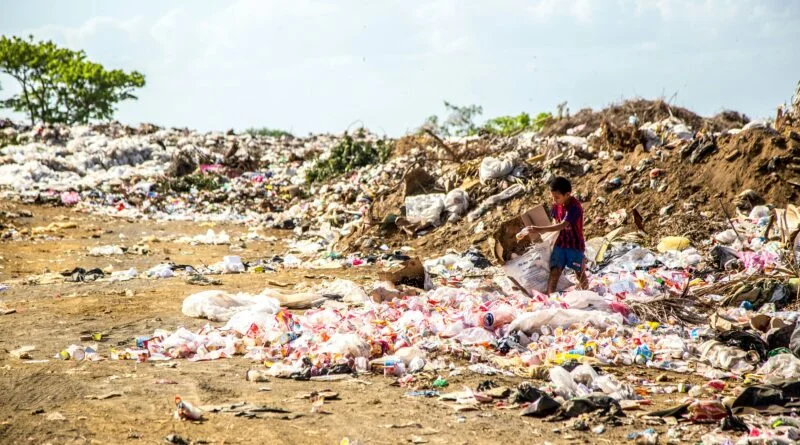
(Image courtesy of Photo by Eirene Thoms via Unsplash)

Quit This Job to Keep That Dream

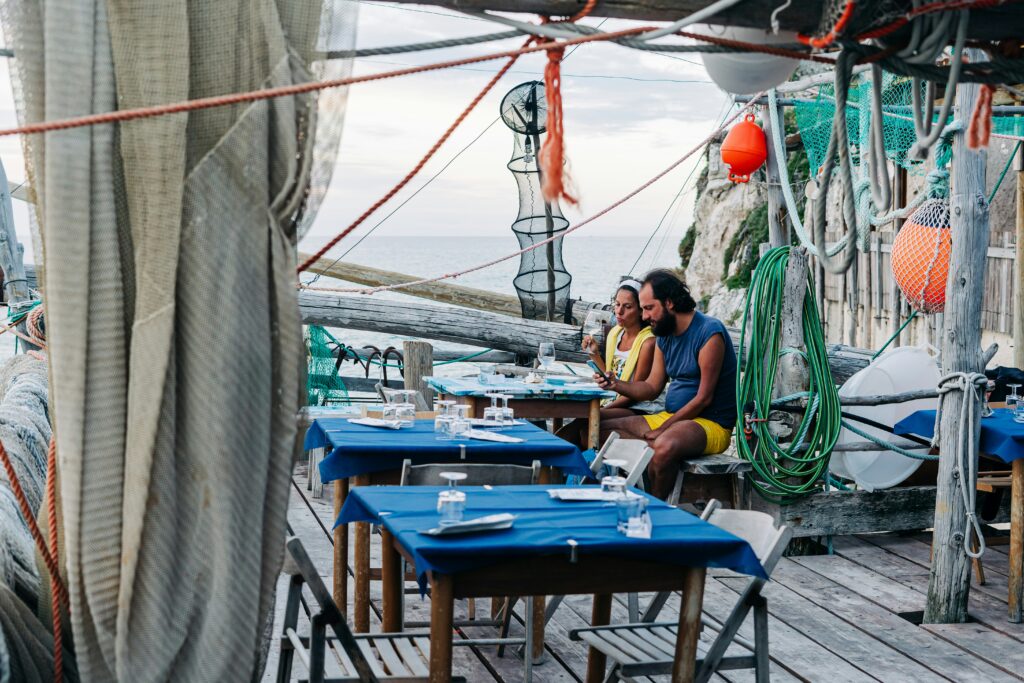
I am staring at a beautiful sunset over the Puglian shoreline, with a singer passionately belting out his heart. His voice echoes throughout the resort where I am staying. Sono contento.

This moment feels perfect, filled with a profound sense of oneness. It’s one of those full-circle moments where you understand why you made the choices you did.

Standing on the roof of this Adriatic resort, I have just finished my last day of teaching English to 18 students from across Italy for over 14 days. This unforgettable experience was the culmination of decisions for a trajectory I set myself on over six years ago. At the end of 2017, I decided to leave teaching, feeling I had reached my limit and believing it was better to end on a high note. 

Teaching had been good to me, with wonderful co-workers who changed my life and, of course, the students, who were always great, even when they were difficult. Teaching was my world, and I was good at it. It was a calling, like being a nun, monk, or firefighter. You do it not for praise or money, but because you believe you can positively influence the next generation, helping them find their dreams and true happiness so they can serve society beneficially. Grazie.

Reading and writing and filming

Around this time, I rediscovered my passion for screenwriting and filmmaking. I began writing scripts and TV pilots for fun. Friends insisted my writing was funny and enjoyable, which made me think I could pursue this career. I had tried before but was always scared of continuing, opting instead for a steady route that could secure a safe and stable life. However, the dream of becoming a screenwriter had been with me since I was eight years old. I loved movies more than anyone else I knew.

As I got older, I would go to the library and rent 15 to 20 films a week in the summer. I read every film book available, from André Bazin and Jean-Luc Godard, to Federico Fellini, Yasujiro Ozu, and Akira Kurosawa. I paid special attention to books on editing by Walter Murch and screenplays by Woody Allen. This was my world, and anyone who knew me knew this.

When I was 13, instead of having posters of athletes, girls, or bands on the wall (though there were some), I had big, beautiful film posters. Every night as I lay in bed, I would look at these posters, dreaming of the day my own film’s poster would be on the wall. A huge wooden poster of Fritz Lang’s “Metropolis” stood across from “L.A. Confidential,” and over my bed was Atom Egoyan’s “The Sweet Hereafter,” a film that changed me as a young writer. Over the years, I collected posters, from the original print of “Return of the Jedi” to Fellini’s “Otto e mezzo” and many Sergio Leone films. 

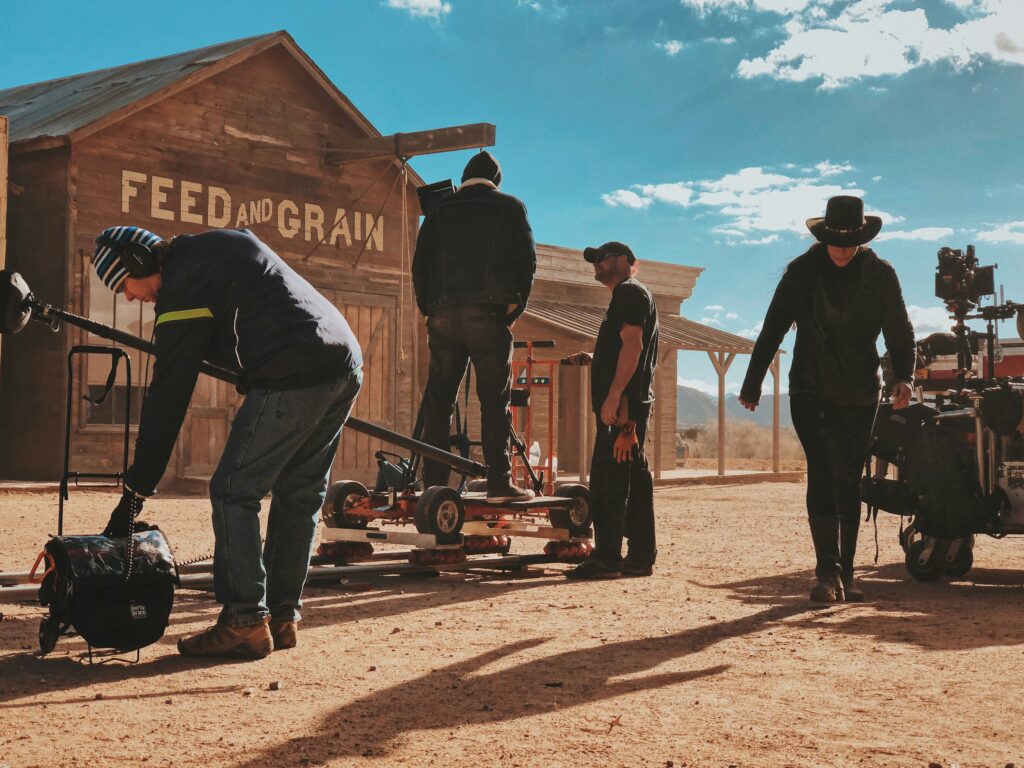
(Image courtesy of Chris Murray via Unsplash)

As I grew older, my love for film became just that — a love. No matter what, film will remain with me forever. During this phase, I was fortunate to work as a crew member on several big movies, learning from wonderful filmmakers who became great teachers. One of my fondest memories was working on a Spike Lee film, an experience that taught me so much. However, unlike many, I was not interested in working in Hollywood; I wanted to work in Europe and make films like my heroes. Soon enough, I finished my master’s degree in cinema and directed music videos in Europe. 

Success came early, and I felt I was too young to understand what was happening. I changed my career path and took courses to become an English teacher. Throughout this career change, I managed to integrate my love of cinema, making English films in class and writing screenplays or plays on particular English topics. In the background, I kept writing screenplays for an audience of no one, believing my time in cinema was over.

By 2017, I hit a wall in my life. I was engaged and had a great job, but I wanted more money for a secure future. Stupid worries raced through my mind like; “How was I going to afford that Maserati with the V8 Ferrari engine that I had on my vision board?” 

Making money

I looked at the job market and saw where I could make more money. I started postgraduate courses in digital marketing, digital product management, platform design, and data analytics. I studied hard and got good grades. Slowly, clients started to come in, and soon I was building my first websites with consulting flowing in. What happened next changed me forever. I took on the role of director of marketing and communications in a startup in Italy. I was successful, and the bosses promised more money, often dangling small rewards in front of me to lure me into working harder to drive their bottom line. 

(Image courtesy of Duren Williams via Pexels)

It started with fancy trips to Vienna, then expensive clothes, lavish yacht cruises, and expensive dinners with famous people. I believed I was getting everything I wanted. Every day I came home exhausted, used, and spent. I had no time for my wife, family, or my hobby, screenwriting. I started to get worse, angry, and hungry to prove myself in front of the rich bosses and investors. 

Just when I was about to give it up, they bought a Maserati, to which I was one of the few to have access. The first day I drove it, the V8 Ferrari engine roared, reminding me of the picture of the Maserati I had always wanted on my vision board. Now it was here. But after an hour of driving with all eyes on me on the highway, I felt empty. How could this not give me the joy I expected? 

I was confused and lost

Then COVID happened, slowing down business and forcing us all to retreat home. With so much time on my hands, I decided to write again. It started with finishing one screenplay, then another and another, and then a book. My wife pushed me to send my work to screenwriting festivals. What happened next was shocking: I started to win, and win a lot, at festivals all over the world. I didn’t need the recognition; I was just having fun writing. 

After COVID and a return to some normalcy, I began to reevaluate everything in my life. This job did not fill me with joy, and the bosses never cared about my well-being or even my relationship with my family. I missed the time I had writing; it made me happier and gave my life purpose.

I started to prioritize my family, my writing, my health, and my mental well-being. The company was shocked because I started to care less about the job. 

(Image courtesy of Duren Williams via Pexels)

It wasn’t really that I cared less; I was simply doing the work I was hired to do. I still met all deadlines and achieved results. But after 5:00 PM, I left the office and shut my phone off. No late nights answering emails. I started to take holidays and my legal two days off. Of course, they tried to guilt-trip me about my priorities. It was at a yoga retreat in the mountains that I made an ultimatum: I would stay one more year, then quit and focus on writing again.

Aiming higher

It’s been over three months since I quit the job that did not serve my higher purpose. I have had more fulfilling, life-affirming experiences than in six years in a job where I did not matter. During this time, I have sold two screenplays, one of which will be in production in February 2025. I have been to amazing concerts, reconnected with my brother in Barcelona, hiked mountains, surfed, ziplined, gone to waterparks, reconnected with God on a deeper level, joined an American football team, and had the best work experience of my life in Puglia, teaching English to 18 amazing students across Italy who have changed my life. 

There are lessons to be learned from chasing money, wealth, and prestige. I learned a lot from all that. For six years, I was on a mission to prove people wrong, to show them how many things I could acquire. This material solace instead created a life devoid of anything meaningful. I failed to see that truly rich people live their purpose. 

Purpose, I came to understand, is doing what you love, which serves your higher self and improves the world around you. The joy I now have for life is incomparable to the six years of boredom I experienced while waiting for my profit share. Or the sailboat I was promised. In the end, none of those things materialized, as they were used as false idols to take me away from myself. I realized I always had the most valuable thing in the world within me: my happiness and my freedom. 

And so do you. Prego

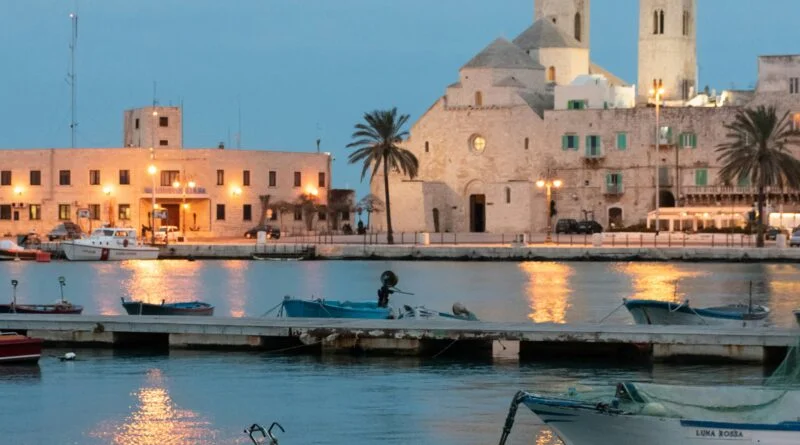
(Image courtesy of Massimo Virgilio via Unsplash)

Whispers of Ancestry

From the shadows of the ancient dawn, the voices of forefathers 
The tapestry of human history is a blend of triumph and tragedy 
In the heart of Africa three hundred millennia past 
Life came to earth, the evolution of sapiens  

They had no capes nor sweaters, and fought to survive or die waiting 
Following the wisdom of their elders, surviving another day 
Quartz sparking feasting on a giant Irish elk 
Seeking out solace and shelter, nestled in the cavern’s depth  

Under the Tuscan sun, tales of strength and resilience 
Homo sapiens, possessing both perception and native wit  
Babylonian chronicles, unfolding the whispers of ancestry 
Listening to those mighty slumbers, under the quiet earth

Educated Through Chaos

My name is Tiessouma Pare and this is my education through chaos. 

It all started that October of 2009. I had just joined my first year at the University of Norbert Zongo, located in the north-central part of Burkina Faso, in the Faculty of Economics and Management. At that time, I admit that my university studies were not really easy with all the instability my country was constantly going through. While many classmates were giving up their studies as soon as they started, I chose not to follow them but to move forward and pursue my ambitions. It was a harder route. Or that was me. 

By October 2012, despite the difficulties and obstacles during my studies, I obtained my Bachelor’s in Economic Analysis and Policy. Nobody thought I could manage to.  At last, I made my family proud of me. Everything I had aimed for was not accomplished yet.  I still had one more year of hard work waiting ahead, to complete my studies and move on to the next steps I had dreamt of. 

One year later, I obtained my Master’s in Economic Analysis and Policy. During this period, I started a practical internship ending in Dec 2013 within a financial institution responsible for supporting beneficiaries in obtaining housing. 

Enough school

Following my internship, the Spring of 2014 saw my integration period within Coris Bourse. That financial institution specialized in portfolio management in the stock market of the BRVM, the regional stock exchange. 

It was March 2014, I had  barely joined SOFIOR, a company specializing in consulting on gold trading and mining methods, when my country entered a succession of socio-political crises that unfortunately put me out of work before I could even complete a year of living my dreams.  I was almost depressed, my very being was in absolute turmoil, just as my country was.  Despite the despair that I was going through, I felt I had no other way forward but to find a way to get out of it and pursue my ambitions. I never wanted the chaos within me to succeed. Times were bad, and finding a job seemed impossible. I was desperate but nothing seemed to work.  

After a year there was some hope, some welcoming news. I got an offer from a telecommunications company as a “customer success” representative. Not what I was looking for, but I had no choice then. With no job at hand, I even signed a contract for three months. The customer success job came as a lucky charm, for at the end of the contract I felt  overwhelmed to be offered a different job for another company specializing in consulting on gold trading and mining methods, SCOR Burkina. 

However, coinciding with a succession of sociopolitical crises, thanks to the unrest, I found myself unemployed once again. It was June 2016. It was not even a year since I had started living again, and things seemed to get seriously worse since I was going through a financial impasse. 

Time for a leap abroad 

It was now September 2016, seven years after I had decided not to give in to the sociopolitical unrest. Enough was enough. After being persecuted for legal claims, I decided to leave my land, not easy but I had to live. I traveled to the USA for new adventures, while remaining focused on my goals. There was little to lose in the mess of Burkina Faso.

In February 2017, I signed my first contract with Uber to recover financially. Yes, I started in the US as an Uber driver. I did not stop here.  I invested whatever I earned in obtaining certificates — yes — particularly in the humanitarian and technological fields. 

Still pushing through chaos

Five years passed and I decided to start my own company, as I had enough experience in logistics and transportation.  This thrived.  My logistics and transportation firm is still running at a profit. 

In October 2023, I received my credential from World Education Services (WES) in “International Academic Qualification.” 

Back to school starting September 2023,  I am in an apprenticeship with New York’s Cooper Union in Java programming and Android development.  I am now a macroeconomist,  with skills in financial analysis, development economics and sustainable economy. I have also developed skills through many certificates: global health, mediation, and cross-cultural negotiation. 

These skills  boosted a great sense of responsibility, leadership, and communication. I also learned how to be patient, create values, and build rapport. The list is long and flooding my life with learning that never ends. 

Still pushing through chaos, is courage and perseverance ever enough?

Always arm yourself. 

(Image courtesy of Brandi Alexandra via Unsplash)