A Diagnosis

There was something off; I knew it. I couldn’t quite name it. But it was deeper, darker than what had previously bothered me. 

I was diagnosed with depression at fifteen and generalized anxiety disorder at seventeen. Depression, being familiar to me, seemed like a well-worn jacket weighing me down. Anxiety seemed like a scarf, too tight, wrapped around my throat, restricting my breathing. 

I learned how to manage and to wear them. But this… this was different.

The story behind my diagnosis

For several months, at the end of my freshman year of college and into my sophomore year, I was plagued by misery. I was nineteen and in an abusive relationship that was making me question everything; who I was, my place in the world, my purpose, and my destiny. I started exhibiting troubling symptoms — symptoms that were more extreme than I had experienced before. 

I wasn’t sleeping. I was like a zombie, wandering through the days and nights, lost in the fog of my mind. I was losing my sense of time; hours would pass in a blink, and I could not remember how I had moved from point A to point B. I felt an overwhelming sense of hopelessness. 

I was numb, frozen. 

Some days, I was agitated, jittery, and unable to stop myself from moving. I needed to act, to jump headfirst into whatever I could — projects, games, or adventures. I needed distractions. I needed action. I desired constant motion, my mind racing along with my heart. It was like I was running a marathon and couldn’t stop. 

My depression was unlike anything I had experienced in my young life. It overshadowed my every waking thought, leaving me helpless and weak, lost and confused. I would vacillate wildly from barely moving, eating, and breathing, to being so wired and alert that I couldn’t focus. Either way, I wasn’t functioning. 

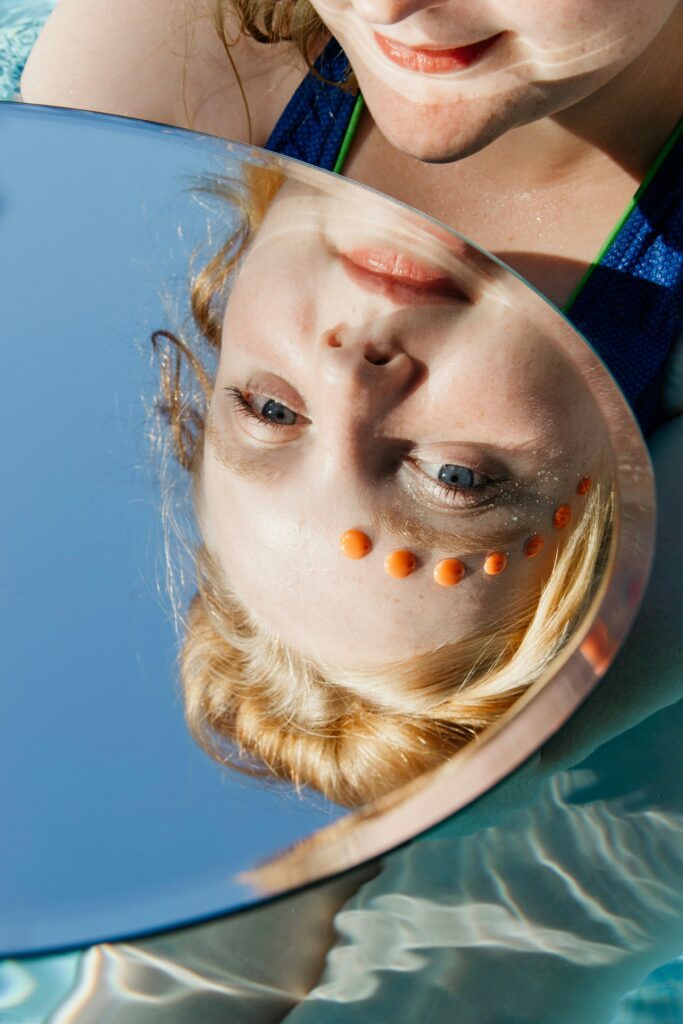
It was obvious to anyone who saw or talked to me that something was wrong. I was so unlike myself; it was shocking. I was transforming into some other-worldly version of myself, the opposite of the person I was, a photo negative of the girl I once knew. It was frightening, unsettling, and frustrating. 
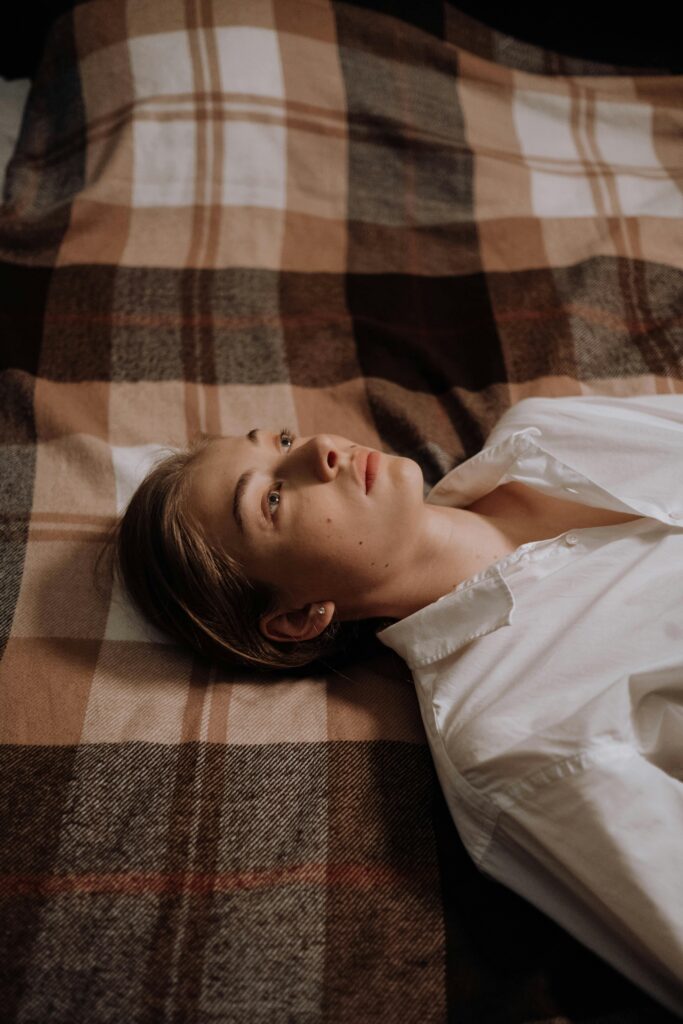
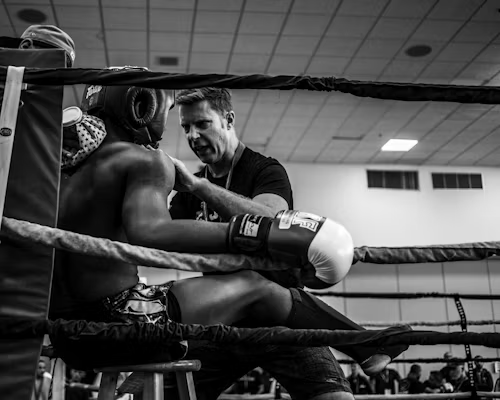
(Image courtesy of Ron Lach via Pexels)

The revelation 

It all ended in a burning, blistering, ugly way one night. 

It was late at night and dark. We were somewhere in Boston, outside a liquor store. The boy I was seeing revealed his hand: he had been cheating. All my suffering, all the back and forth, all the mind games, it was all in vain. I started to implode. I cried, I screamed, I fought. I was shattered. 

All I could think about was death. I had been teetering on the brink of suicide for the better part of six months at that point, but now it had become all-consuming. I was ready to end it all. I wanted the suffering to stop, hard, fast, and cold. 

I had a vague notion of a plan, but he stopped me. He wrestled me into the car, drove me back to the college campus, and left me alone to lick my wounds. 

The next morning I was still reeling from the aftershocks, still contemplating ending it all.

But I had survived the night, and that had to count for something. So, instead, I chose to take a leave of absence and headed home. 

I found comfort in the embrace of my family and sought answers from my medical providers to understand what was wrong with me. 

During a session with my provider, she asked direct and unusual questions. Then, she had me fill out a questionnaire. I was as honest as I could, even though I wasn’t entirely sure what I was filling out. I handed it to her; she examined it briefly and then revealed what was on her mind.

The new diagnosis 

A diagnosis that we had somehow missed during my years in talk therapy with her. It took exacerbated circumstances to reveal the more extreme symptoms, but it was clear that I didn’t just have depression. 

I had bipolar disorder. 

Specifically, bipolar II. It is characterized by a severe depressive episode, feelings of hopelessness or intense sadness, coupled with a period of mania and elevated or irritable mood. 

A pendulum of emotions. 

At first, I felt empty. Bipolar was a scary word, a word that felt foreign, unfamiliar. I knew nothing about it. It was bitter in my mouth. The weight of it seemed overwhelming. I tried to wear it on and understood how it fit. It was a little too big, too cumbersome, too heavy. 

But then I tried to sit with it. I considered it. There was comfort in at least having a term for what I had been experiencing. 

Power is in knowing and in having a treatment path. We were going to change my medicine, reach out to my therapist, and work on bipolar-focused treatment instead of just depression. I wasn’t going to be left in the dark with the weight of this new diagnosis. I had a way forward. 

Though the treatment took some time, I did notice improvements. My moods didn’t swing so wildly; my sadness was not as deep, and my mania was not as high. I was becoming more even-keeled and returning to my old self, the self I could recognize in the mirror, the one I loved. 

I kept my diagnosis a secret for a long time. I knew that there was a stigma around being bipolar; I feared people would just assume I was “crazy”. But, as I understood my own experience with it and what living with bipolar actually looked like, I found myself shedding my shame. 

It’s been ten years now of living with this diagnosis. Ten years of treatment. Ten years of understanding how to manage emotions that sometimes feel unmanageable. 

I have accepted my diagnosis with love and understanding, and now I treat myself gently

Having better knowledge of my mind is a blessing. I do not shy away from it and don’t use it as an excuse. It is a part of me, and I have learned to live with it, wear it, move with it, and embrace it. 
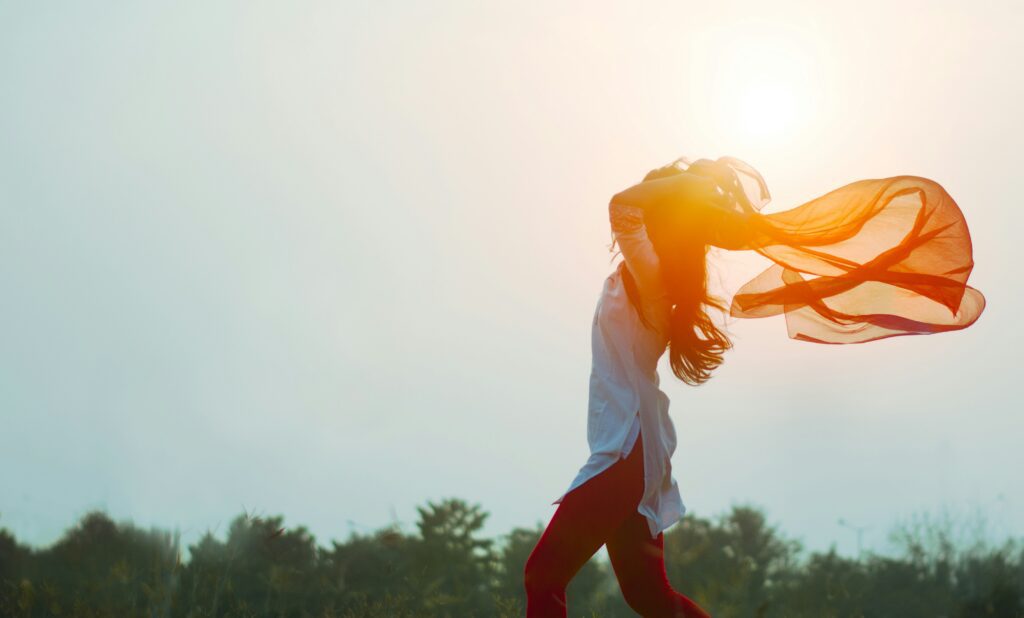
(Image courtesy of  Julia Kuzenkov via Pexels)

What a Difference! I Voted In India and the USA

My experience voting in these two countries seems so similar. Electronic voting machines and ballot boxes — covered enough to make it a perfect secret ballot, all set up on school premises. There are similarities in election propaganda, the campaigns, the rallies, and the voters have to be 18 years or older. Yet they are so different. India elects every five years, and the US every four.

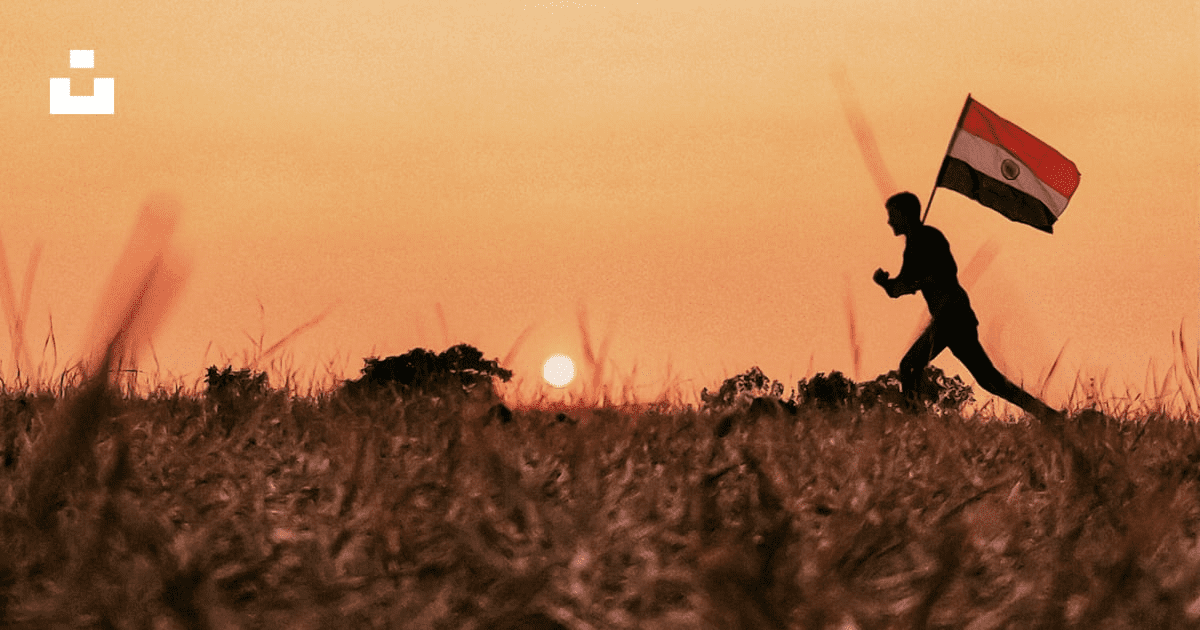
Indian elections have a unique flavor, a sort of tanginess


(Photo courtesy of Shreshth Gupta via Unsplash)

Indian elections bring with them more movement than others; they are like carnivals: processions and massive campaign rallies with loud music and rhyming party slogans in Bollywood mashups. Overloaded vehicles of all kinds — bicycles, autorickshaws, cars, and bikes zoom in now and then through the streets — all calling loudly for votes. Life-size campaign banners used to influence voters are what bring in election fervor. Everything is a campaign board — the electric poles, tree trunks, public vehicles, walls, and roads decorated with posters and banners are everywhere. The door-to-door campaigns extend a personal touch. Talking to the candidates made me feel special, stirring in me, the 18-year-old first-time voter, a sense of responsibility— a feeling of “I should vote” and “I am old enough to make decisions.”

It was election day, and I was finally at the polling booth at a school, ready to cast my vote. 7:00 am to 6:00 pm is generally the polling window in India. I thought it would be a simple process, but my confidence shattered once I saw the voting machine in front of me. Where? Who?  I had done my homework, but the long list of symbols with just the candidate’s names beside it made me nervous. After a few seconds of blank, I gathered myself up and voted (thankfully for the right candidate). Voting in the largest democracy with some seven recognized national parties, around 57 recognized state parties, and numerous other notable registered unrecognized parties — the ballot pages sometimes get long and puzzling. 


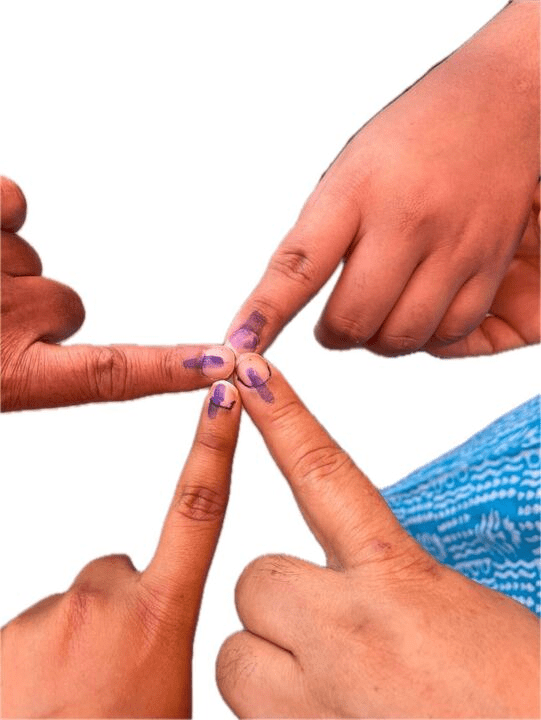
(Photo courtesy of Tripti Mund)

Post-voting indelible ink is used to prevent duplication and fraud in voting. That little drop on the left index finger is a statement of pride, of doing the democratic duty.  It is not mandatory to vote in India, but I take pride in the fact that I voted in all the elections that took place when I was there. 

The year I moved to the US, presidential debates had already begun. For me, it was, with other things, an acculturation of the election process.  I felt the US elections were so calm, which made me miss the volume of Indian elections.  

In the race for 543 seats, the Netajis (male politicians) and the Netrijis (female politicians) campaign standing in an open-top vehicle. Always with a namaskar (folded hands for greeting) and their head almost buried in marigold garlands. Close to elections, dresses in ethnic undertones stand out. Men dressed in kurtas and women in sarees. Heated-up speeches in open grounds from over-decorated stages, almost as tall as a house — visibility to the public is key. Screaming voices, high pitch with long pauses, and stress on every word, I could not find that in the US. 

Lunchbreak voting!

Here, candidates’ speeches and rallies are mostly town halls or debates between just two parties, the Democrats and the Republicans, which are interesting and decent, like TED talks.  

It was election Tuesday, and my US-citizen husband left home a little early. I thought it would take not more than an hour or two for him to be back home. At almost noon, I called him to find he was in the office. Working? This never happens in India! Election day is a holiday to vote or not. Yes, this is how it is in the US: manage time and your civic duties between work. 

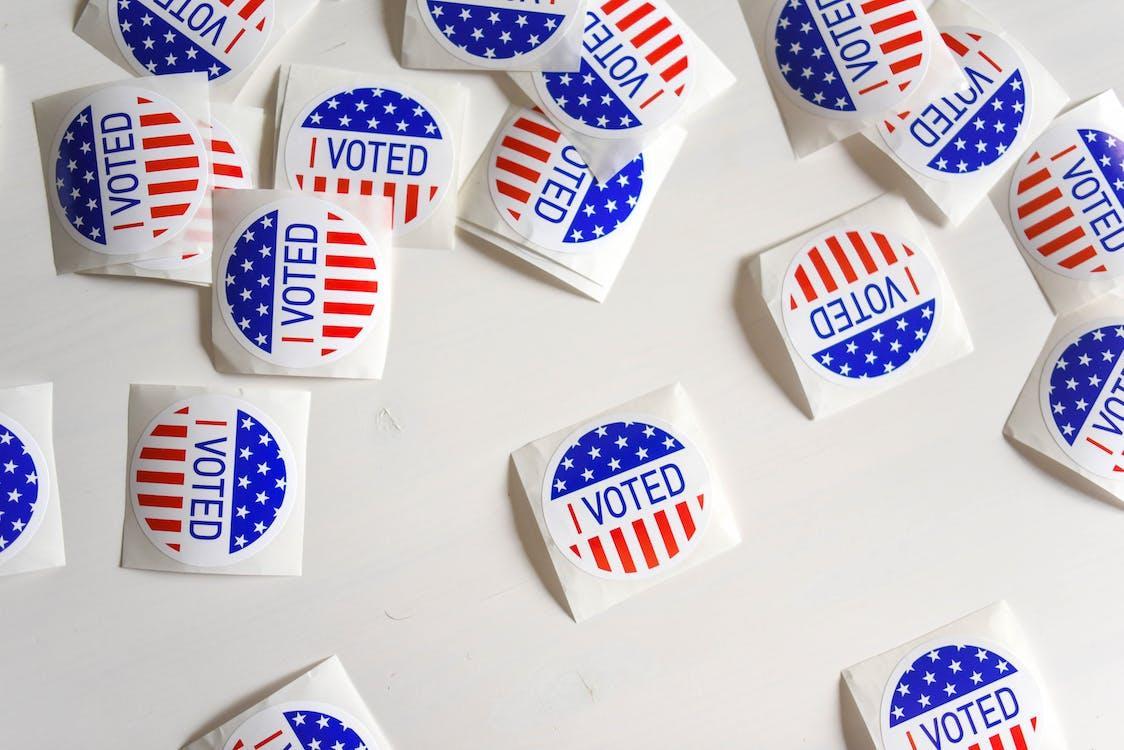
Free Stickers with I voted inscription and flag of USA Stock Photo

(Photo Courtesy of Element5 Digital via Pexels)

The Tuesday after the first Monday in November is designated  US election day. This was a culture shock for me. I came from a land where election dates are released two to three months before elections, from a democracy that never votes on one fixed day. Voting dates vary from state to state, even district to district. 

No voter ID card, just your driving license for proof of identity. No indelible ink, just an “I Voted” sticker. Once, we took our first-grader to see the voting process, and it is so different from India. 

Protests close to the elections are very common in both countries. While in the US, they start after office hours and end before 9:00 or 10:00 pm, India crawls to a standstill, with protests impacting daily life from dawn to dusk. I called them holiday perks. 

Flowers, scented flyers, crowds, and traffic jams surround elections. In my teens, I collected the scented flyers and carefully placed them between the pages of my books. They made my bag smell good. When a party wins you can see Holi and Diwali in the streets. What an extravaganza! 

As a citizen of the USA now, I always vote. Here, Tuesday night’s 9:00 pm election debates bring the election fun — both primary and presidential, followed by the television analysis. The debates stir the election mood. I find the primary debates more interesting: candidates of the same party trying to claim their candidature on national television, wow, so much energy! Indian parties hold their primary debates behind closed doors. We just get to know the contesting candidate. The post-debate analysis is animated. At my home, too, we hold parties where we hotly debate election topics.2024 is all elections and elections, and both democracies are out again, fastening their belts. India for its Lok Sabha polls and the USA for its presidential elections. While my family dinner table hosts discussions on Indian bhashans (speeches) and American debates…

Starting an Online Business: My Steps to Achieving Success

Have you ever sighed deeply after a mistake or mishap and said to yourself, “If only I knew,” or “I wish someone could have told me…”?

Well, I did. As mindful as we can try to be, I don’t think anyone likes making mistakes. We all wish we could prevent mishaps and unpleasantness.

Predicting the future is impossible, but I eventually understood that I can learn from others’ mistakes and lessons. 

I got ahead on taxes and legal stuff

Starting an online business isn’t easy, but it’s worth it. I scaled my coaching business in less than two years, and it was no walk in the park. I did things right, and I did things wrong, but the lessons learned are invaluable.

Tax and legal bits — definitely the least exciting aspect of starting a business — are super important, and I wished someone had guided me through it all. Especially for a digital nomad, it can be hard to handle the gray areas of the lifestyle that come with it and to keep up with taxes while traveling. Where do I pay taxes? Where should I receive my income? Will my home country have a problem with this? These are some of the questions that filled my head.

Taxes are much more than just tracking your monthly expenses and income. It’s the things no one tells you about, like organizing your invoices, getting your forms, saving your receipts, and setting up a legal structure. 

(Photo Courtesy of Michael Walter via Unsplash)

Since my business took off so quickly, I needed more legal support, tax advice, and help to get my ducks in a row. I consulted with international tax lawyers because only they could shed light on my very particular situation—double nationality, double residency, etc. My instincts were right; I needed to start sorting my legal aspects early on.

Luckily, I’ve always been good at managing money. I always know how much cash I have and how much to spend today after saving for tomorrow. Being aware and on top of all your finances is a gratifying feeling.

Managing my time and energy has been the most important skill I could master

As a new entrepreneur, I was alone trying to do it all. And as my business started picking up, I soon found myself managing strategy, marketing, funnels, and all that good stuff. 


(Photo Courtesy of eduardo199o9 via Pexels)

I learned the hard way how to prioritize my time and energy at every level. As my business grew, it became more and more challenging to balance everything. Just because you master something at one level does not mean you’ve mastered it for eternity.

Business will evolve as we do; shift your priorities as you go. 

Investing in myself is a must-do

When a business starts, it is okay to rely on free advice and resources, thinking that’s enough. Luckily, I realized soon enough that nothing compares to tailored and proper groundwork. You are unique! And so is your business. So why conform to free generic stuff if what you’re trying to put together is something extraordinary?

(Photo Courtesy of Krakenimages via Unsplash)

I did use freebies on and off, but I certainly also invested in coaches, programs, new team members and different ways to support myself. Even outside of my coaching business, I looked for support where I needed it, whether that was mental health, business courses, or outdoor activities — if those things contribute to your time, energy, and momentum, they’re all worth it.

You will only be able to grow a business if you invest in yourself. Period. It’s not if; it’s just when. It will make your business journey much smoother, saving time and money in the long run.

I created a support system by my side

In 2022, I joined a misfit mastermind group. Without a supportive community, I was facing endless headaches and decision fatigue, and this well-suited community was the missing piece that would have made my business journey so much smoother from the start. Let’s just say…a lot of mistakes could have been avoided. 

(Photo Courtesy of Wade Austin Ellis via Unsplash)

Having support also means you have someone to discuss things with and bounce ideas off. Making decisions alone can be overwhelming, and all biz owners out there know how many choices you have to make as an entrepreneur. 

I learned that money is important, but it isn’t everything 

Money doesn’t change everything. I learned to keep in mind my health, the health of my business, and the passion that drives us both. These elements are ultimately more important than how much I bring in each month.

Money is just a byproduct of all your other things: marketing, working with clients, and building your biz.

Money means nothing unless you assign it a value. What does money mean to you? Honestly. 

Energy is the most important thing at every stage of business

Your audience can feel your energy, I promise you. And I am a real example of it.

The #1 reason clients hire me is my energy during workshops, interviews, posts, launches, and meetings. My energy draws people to me, and it’s everything when turning potential clients into real clients. 

(Photo Courtesy of Anna Tarazevich via Pexels)

But there’s a flip side: I gave so much energy away in 2021 that I had nothing left. I burned myself out. This happens to a lot of entrepreneurs. We love what we do so much, and we love to hustle. I need to constantly go, go, go

While it’s good to have drive and ambition, you cannot forget to take care of yourself. Aiming for balance, not burnout.

I learned how to make hard decisions

And making them fast and with confidence. 

When you’re starting an online business, decisive action is crucial; indecision, any prolonged deliberation and agonizing over small things will only stall progress.


(Image courtesy of the writer)

I didn’t fully realize how many hard decisions I had to make as a business owner until this year. I’ve learned that the best way to handle it is to plan and commit, then move forward. The last part is the hardest but most important — make a plan, then lean fully into it.

If you’re having trouble making decisions, get support from a coach or another business owner. Self-trust decision-making is a muscle — the more you practice it, the more natural it becomes.

Starting an online business isn’t just a career decision — it’s a personal one

Becoming an entrepreneur challenges you to grow as both a person and a business owner, so inevitably, you’ll start noticing how much you start discovering about yourself. This is because entrepreneurship is fundamentally different from employment, where everything is set in stone and more predictable, with little room for self-discovery. All of a sudden, you’re in charge of everything, and everything is new: setting up a legal entity, creating a website, brainstorming, and strategy; it’s all new, and it all triggers new emotions and ideas that are rarely felt under the regular employment mode. 

If you want to succeed in business, you must take your personal development seriously. The most important thing is mastering your mindset. You can only make it in this industry with a rock-solid mindset. Mindset is everything in business.

Every day challenges you in new ways, and you have to choose a growth mindset to believe you are capable of more. 

If you’re struggling with this, make sure you’re only managing what you can handle. Take a step back and evaluate how much you’ve taken on, discard what’s too much, and readjust. And make working on your mindset a daily focus. Last but not least, I stopped trying to make everything happen all at once. Being realistic and self-kind should also be a daily focus.

(Photo Courtesy of RDNE Stock project via Unsplash)

Accountability gets things done

Part of why starting an online business appealed to me is the freedom it creates. I don’t have to report to a boss or commute to the office. No one will care if I blow off work to go to the beach. 

(Photo Courtesy of Aditya Saxena via Unsplash)

On the other hand, working only 1-2 hours per day and spending most of my time at the beach isn’t realistic for my business or my bank account. Some people claim to work only 2-3 hours a day — not true. At least not in their first year of business. I learned I needed to look at my goals and craft a feasible plan. If I want to build a million-dollar empire, most likely, it will take more than a few hours of work to get that business off the ground in the beginning.

People also claim you need discipline. Overrated. Do you know what really worked well for me? Accountability. I feel responsible for something I created myself, which is truly precious. That is the true and most reliable engine. I have never worked 24/7, but I have learned to work smart, not hard. 

I know I will be okay

Everyone goes through hard times in their business, so just know you are not alone. 

If you want to quit or can’t handle it, remind yourself that you’ll be okay. I’ve been there, and I can promise it will all work out if you keep moving forward, as every mistake is a learning opportunity. 

(Photo Courtesy of Key Notiz via Pexels)

You have to have persistence, determination, and trust that the process will unfold how it’s meant to. If you believe it can happen, it will. I believed in my success before anyone else did. And I didn’t play small! While dreaming big, I learned to also be patient. 

Everything takes time. Everyone has their own journey. Everyone has their path.

Sole Searching

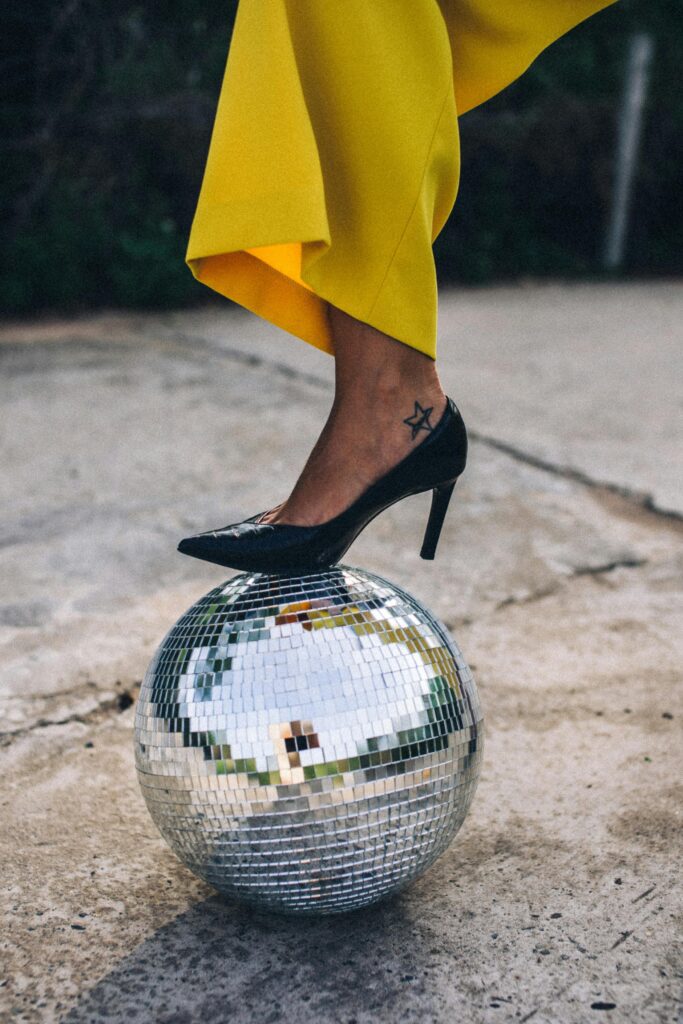
I took a deep breath and gave away my dance shoes. It was a bittersweet moment. It felt like admitting defeat and releasing pressure on myself at the same time. They were these super chic black leather heels, complete with a suede patch (for easy turns) and padded insoles; Gorgeous, really. A birthday gift from two years ago, I kept them for this long but only occasionally put them on. I always clung to the hope that my feet would magically adjust to them, but that never happened. I could barely stand in those shoes, let alone dance. They were excruciatingly painful. 

I once heard someone say, “The prettier the shoe, the more it hurts”. The problem wasn’t about this specific pair of heels; it was all of them. Wedges, pumps, kitten heels — you name it, I tried them all. My feet just never cooperated. 

The high cost of heels

I’ve been suffering from full-body chronic pain since childhood. I didn’t know that term back then; I thought that I was just out of shape. However, while in college, my desire to be a stylish “cool girl” was so strong that I was willing to do whatever I could. Besides, I wanted to fit in with the other girls and, being a girly girl, heels absolutely fit my aesthetic. 

“Short girls look great in heels,” they said. “Heels will fix your posture, boost your confidence, and complete your outfit.” My 150cm (4”11) self readily agreed with them. 

They insisted that all I needed to do was practice and I did just that. I bought a few pairs, walked around in my room, and went out dancing in them. I bought extra suede strips to secure the shoes to my ankles. However, my feet always threw a full-on rebellion. I was always getting injuries from twisted ankles, I experienced frequent spikes of pain in my knees and legs, on top of the chronic pain. To make matters worse, my sensitive skin was also prone to sores and blisters. 

Over the years, I faced numerous comments from well-meaning women on the virtues of heels. Like me, they were sold the idea of “il faut souffrir pour être belle” or “beauty is pain.” Despite agreeing with them, I couldn’t deny the discomfort and instability heels brought me. 

At 22, I remember cat-walking the runway at a fashion show. My biggest anxiety wasn’t stage fright but walking in five-inch wedges instead. It was twisting my ankle, falling on my face, injuring myself, and ruining my fabulous clothes in the process. Luckily, I didn’t fall. I walked the runway fairly well, but I still remember that fear too well. No wonder my modeling career was short-lived. 

Eventually, I gave up on heels, opting for flat shoes with ankle support. Sure, I faced some teasing, but I refused to endure such pain for the sake of appearances.

Fast forward to two years ago, I discovered Latin dance. I watched in awe as beautiful women danced salsa and bachata in stilettos gracefully and effortlessly. They seemed to glide on their tippy toes as if defying gravity itself. I felt completely out of place in my flat-soled shoes, and the other women looked at me with a mix of mild pity and sympathy. I joked with them that I’m just a potato in sneakers. Talk about self-deprecating!

The women gave me well-meaning advice: go for a chunky heel, invest in custom-made pairs, do these specific exercises, train yourself to balance on the balls of your feet, etc. It felt like déjà vu from my young adult years — feeling left out, inadequate, and like I was not trying hard enough. I wondered… Am I still giving in to peer pressure? At this age? It was a bit embarrassing, to be honest. 

Finding my footing

And then, a massive shift happened. A few months ago, I discovered the term “hypermobility.” For years I had been chasing a diagnosis, hopping from one specialist to another. Even countless physical therapy, acupuncture, and chiropractic sessions could not give me the answers and pain relief I needed. A woman on Instagram reels, however, described the condition with such profound accuracy, I was blown away. Yes, I’m gonna say it. The reel had me reeling. 

Suddenly, everything made sense! Not just for my feet but my entire body. Putting a name to the pain was cathartic. The word felt like a key unlocking a door to a room full of answers. It explained why my body behaved the way it did, why I was in so much pain, and even why I breathed the way I did.

Hypermobility is this peculiar trait where your joints move beyond the normal range. This discovery explained the aches and other peculiarities of my body that had long been dismissed as quirks or weaknesses. It was strange, yet somewhat comforting, to finally have a name for why I kept getting injuries, and why my body sometimes feels like it’s rebelling against me. 

I am now working on my posture and strength in a way that honors my body’s reality instead of fighting it. I accept my feet, ankles, and the whole package. I released myself from self-torture. I accept that I’m short and no longer feel the need to appear tall. So what if I’m three owls in a salsa dress? Peer pressure? I don’t know her. 

So, I’m happy my dance shoes found a new home. Their super chic black leather elegance is now adorning someone else’s feet, a young woman on the cusp of adulthood. Before relinquishing the shoes, I made sure to ask her, “Do they hurt?” She assured me they didn’t with a wide, giddy grin. I sighed, relieved that I didn’t have to worry about peer-pressuring her into wearing something that hurt her. 

I admire and support other women who enjoy heels. I acknowledge the confidence-boosting power of heels and the way they complete an outfit. However, my choice is clear — I prioritize being pain-free over fitting in with the crowd. Today, I dance in pink flat-soled shoes, complete with a suede patch for easy spinning. 

In the end, it’s not about the shoes; it’s about accepting and honoring my body. Feet first.