
Meager Pension Salaries of Retired Police Officers Leads to Protest in Nigeria

The protest, which started on the 21st of July 2025 in Abuja, was led by several retired officers and activists, including Omoyele Sowore, an activist and 2023 presidential candidate of the African Action Congress in Nigeria.

To show the gravity of the matter and express their dissatisfaction with the pension scheme, the retired officers marched to the National Assembly and the Nigeria Police Force Headquarters in Abuja, where they protested under the rain and refused to leave until they spoke with the Inspector General of Police, Kayode Egbetokun.

Aside from the capital in Abuja, retired officers in other parts of the country including: Edo, Plateau, Kwara, Taraba, and Cross Rivers states, also demonstrated their solidarity by starting protests of their own.
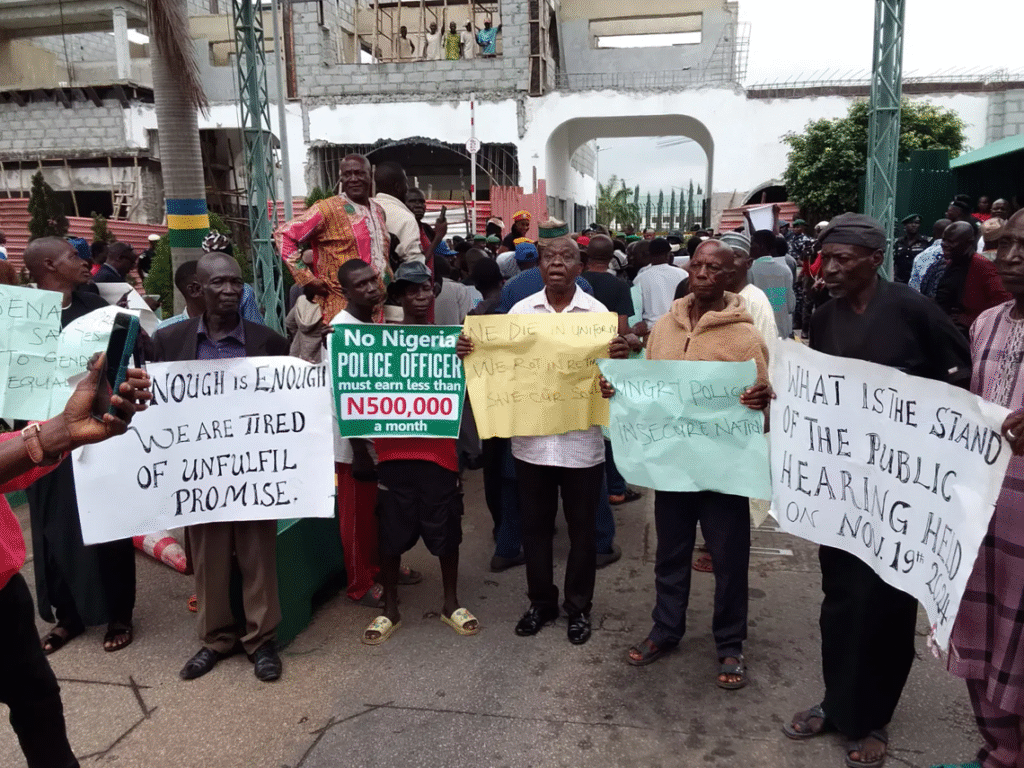
Retired Police Officers of Edo State Chapter (Photo via Vanguard)

According to the protesters, retired officers earn about 10,000 to 20,000 Naira monthly, while those managing the pension distribution, PENCOM, languish in wealth. This pension salary, which they have described as ‘discriminatory,’ doesn’t come close to minimum wage and is insufficient to cater to the needs of retirees. 

The major demand of the retired officers is to be removed from the Contributory Pension Scheme (CPS), a pension scheme in Nigeria that was established in June 2004 by the Pension

Reform Act (PRA) 2004.

The leader of the protest, who is a retired Chief Superintendent of Police, Manir Lawal, said, ”We are here to ask the government to remove us from the CPS. The pension scheme is exploitative and unjust.”

Vanguard notes that another protester said, “I am receiving #20,000 as pension after serving for 35 years. This is the receipt, how can anybody survive this very harsh economy with this, let alone children and family?’’

A police officer in the Nigeria Police Force, who I spoke to under condition of anonymity said, “The protest is much needed because the pension scheme is a killer.”

He went further to state that if the government does the needful and reviews the pension scheme, he would be at ease knowing he can adequately cater for his children after retirement.

The Inspector General of Police (IGP), Kayode Egbetokun, addressed the angry protesters at the Force Headquarters, saying, “We all feel concerned. We empathise with you because we are also going to retire. I have been engaging at the highest level to ensure that something is done to improve the condition of the poor pensioner.”
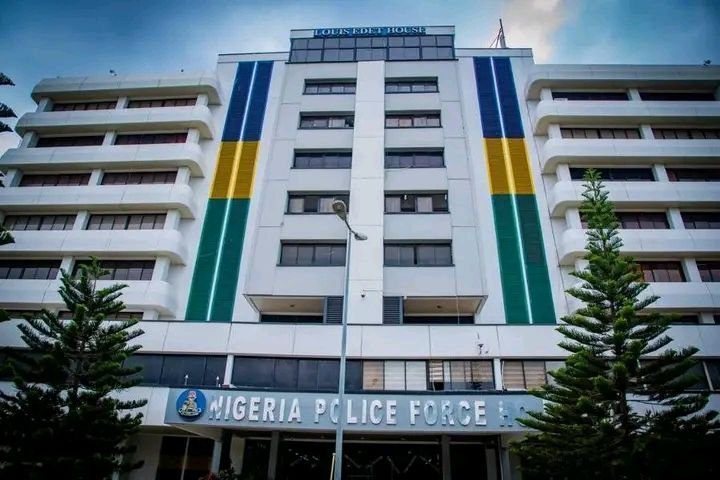
The Nigeria Police Force Headquaters (Photo by POLAC VS NDA Via Facebook)
Retired Police Officers of Edo State Chapter (Photo via Vanguard)

He further added, “I am not opposed to your exiting the CPS, I’m not opposed to it. If exiting from CPS will solve the problem, I will go for it. But if it is difficult for us to exit CPS, what else can we do? We have been agitating, exit CPS, exit CPS. For the past 11 years, it has not worked.”

The IGP, however, assured the retired officers that he was on their side and has been working behind the scenes to ensure that retired officers earn better pension wages.
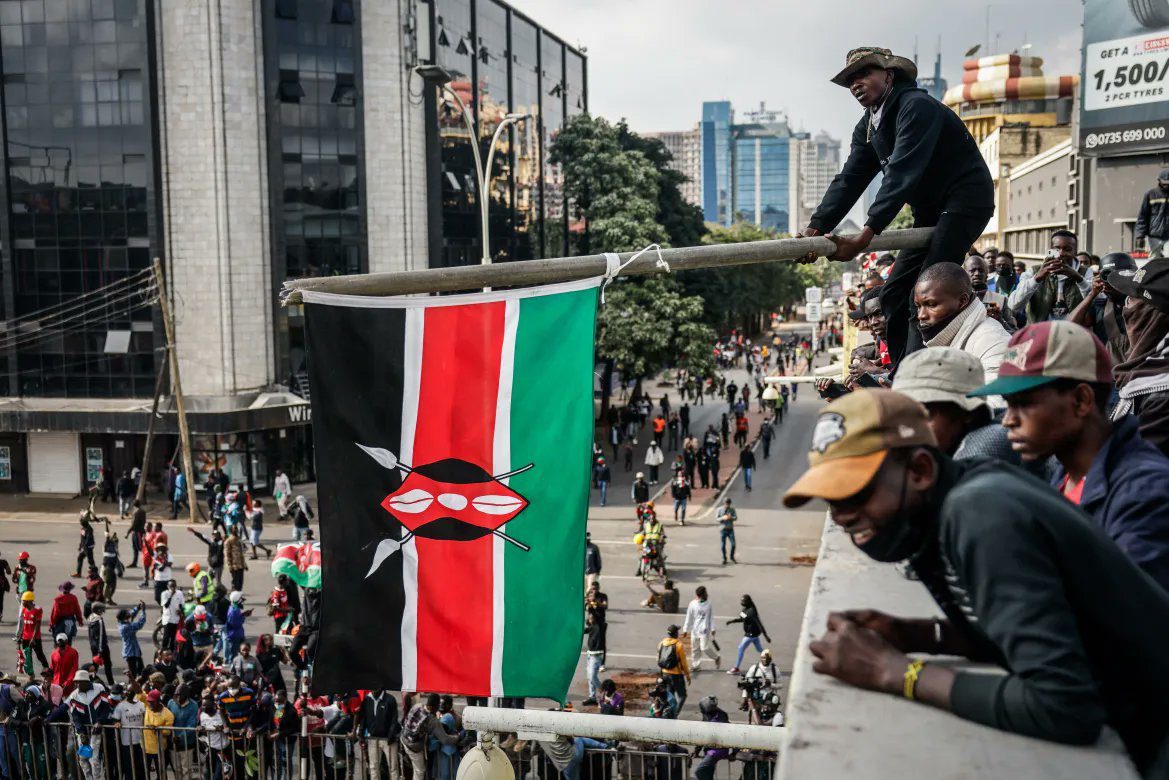
Parliament Set To Make Drastic Moves After Gen-Z Led Kenyan Protest Leaves 16 Dead

Kenya’s Parliament moves to table a restrictive motion on protests in the country following the violent waves of protests in the country in the last two years.

Days after the latest demonstration in the country, the Parliament of the country is now said to be threatening the constitutional right of the people to protest by suggesting laws that will restrict them.

This law will force protest movements to register full names of individuals, addresses of individuals, routes planned, number of protesters, as well as slogans to be chanted during protests.

The proposed law comes after thousands of Kenyan youths marched in protest on 25 June 2025 in the country’s capital, Nairobi, to air out their grievances against the corrupt government, express their dissatisfaction surrounding the mysterious disappearances of fellow Kenyans, and illegal operations of the police force.

This June marked a year since the country witnessed a violent anti-tax bill protest that left 60 people killed and several injured. 

According to a former Member of Parliament, George Koimburi, the controversial financial tax bill was passed by lawmakers in 2024, after the Members of Parliament were offered 2 million in Kenyan Shillings to vote in favour of the bill.

However, after the deadly protest that left the country shaken, the Kenyan president, William Ruto, refrained from signing the bill, stating, “I concede, and therefore I will not sign the 2024 finance bill.”

In honour of last year’s anti-tax protest and to mourn those who were lost during the demonstration, Kenyans came out in their numbers once again, insisting that they have yet to see any substantial changes one year after they marched to parliament demanding a better system.

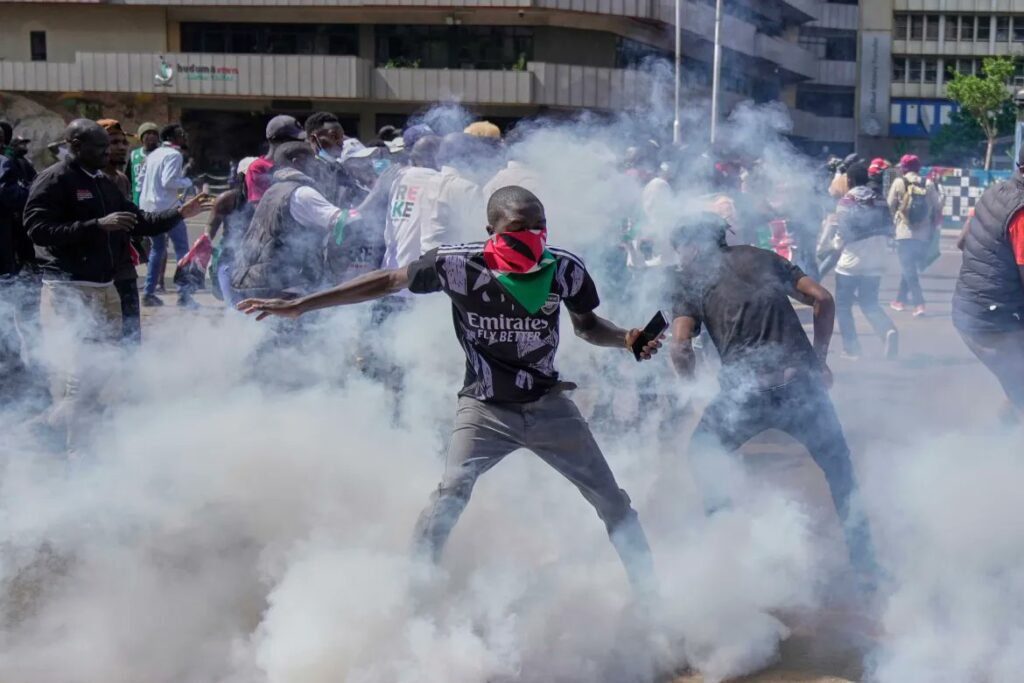
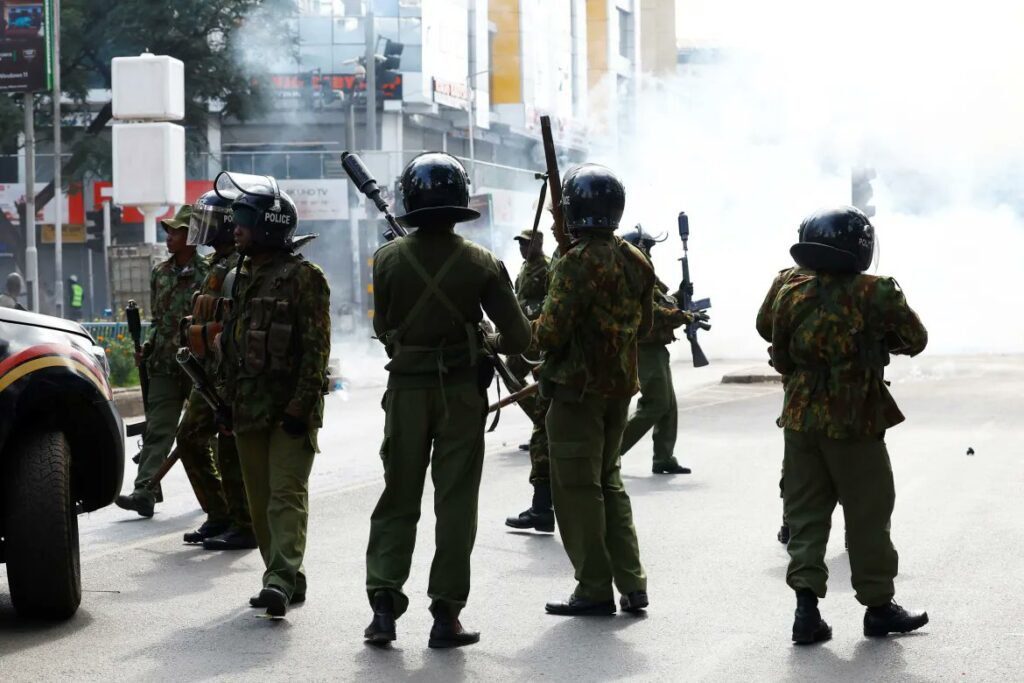
According to Amnesty International Kenya, the death toll in this year’s protest is marked at 16, while at least 107 persons are said to have suffered from injuries resulting from bullet hits. Al Jazeera notes that peaceful protesters were attacked by police using live rounds, tear gas, rubber bullets, and water cannons.

The Kenyan police at the protest scene (Photo by Al Jazeera, via X)
Tear gas being deployed at protesters (Photo by Al Jazeera, via X)

Center of this year’s protest is the death of 31-year-old blogger, Albert Ojwang, who died in police custody. Protesters were seen on video holding up signs with the blogger’s name and chanting ‘Justice for Ojwang.’ 

Ojwang was found dead in his police cell after being arrested at his house because he allegedly posted false and malicious information about the Deputy Chief of the Police Force, Eliud Lagat.

An autopsy conducted on Ojwang revealed that he had suffered a head injury, neck compression, and soft tissue damage, all of which point to assault as the cause of death. 

Ojwang’s case is only one out of many cases of police brutality in Kenya, and the citizens are now saying they have had enough.

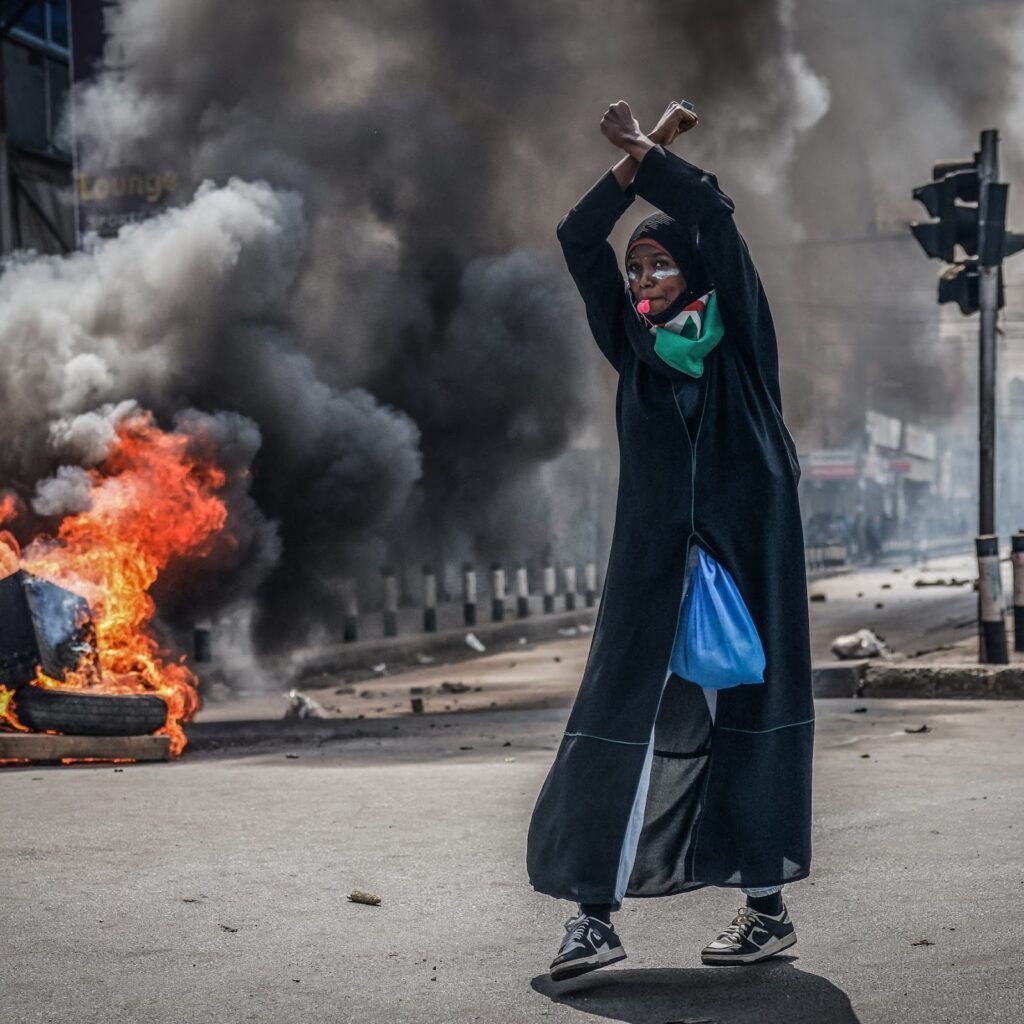
Female protester at the scene (Photo by Thuso Van Zyl, via X)

Kenya’s Independent Policing Oversight Authority (IPOA) has taken up the responsibility of investigating police activities during last year’s and this year’s protests. The body has successfully tracked down 6 men, including police officers, who are connected to the death of Albert Ojwang.

The coverage of this year’s protest was halted by the government after the Communications Authority of Kenya ordered all television and radio stations in the country to stop broadcasting live coverage of the march. 

Several Kenyan broadcast stations that proceeded to offer live coverage of the protest despite the order from the CA were taken off air, however, after a court in Nairobi suspended the ban, broadcasting commenced in those stations.

Responding to this order, the Kenya Editors’ Guild stated in a press release that the “CA is actively undermining judicial authority and reopening the door to unconstitutional state censorship.”

Many youths, particularly those in African countries, have reacted to the protest in Kenya, stating that the courage of Kenyan youths is admirable. One X user posted, “All eyes on Kenya please, they are having a historic Gen-Z-led protest…”

The government’s present efforts to restrict protests in Kenya make many citizens believe the war is far from being over, and with the recent abduction of another blogger, Ndiangui Kinyagia, the youths continue to demand justice on social media using the hashtag #FreeDaguin.

A Kenyan activist, Abigail Arunga, who spoke with Yuvoice, expressed that this could spiral into another protest with the upcoming national holiday on July 7, Saba Saba, which was historically a protest day in Kenya.

No Kings Rally Draws 1,400 in Idaho: A Protest Movement in Red America

On June 14th, a large crowd of Idaho residents held their No Kings Rally in Bonneville County, Idaho Falls. The event took place on Broadway Avenue near the Japanese Friendship Gardens. Protesters began to gather around 4 PM MDT with signs and flags, chanting the phrase “No More Kings” as they stood on both sides of the bridge overlooking the Snake River.

Cities across the United States participated in No Kings Day, a movement that has now become one of the largest protests against a president in U.S. history. No Kings Day was a nationwide act of demurral, organized by the 50501 movement to oppose the actions of the Trump administration, which many Americans have observed to be autocratic or resembling the rule of a king. It was expected that many of these protests would be held in cities in more Democratic-leaning states—like Philadelphia, Atlanta, and New York—but what do rallies look like in predominantly red or Republican states?

Idaho Residents protesting at No Kings Rally by Gracie Leavitt

Idaho Residents protesting at No Kings Rally by Gracie Leavitt

This rally had more than 1,400 individuals present to share their voices. The event was planned a month in advance, set to occur on both Trump’s 79th birthday and the U.S. Army’s 250th Anniversary Parade. 

One of the main coordinators of the event and Idaho resident, Miranda Armenta, spoke about her personal motivation to help facilitate the event and her experience with activism:“What prompted me was the blatant misinformation the Trump administration is spreading. Convincing Americans we aren’t a democracy. Convincing Americans and those here [that they] aren’t allowed due process. Convincing America rallies and protests are just riots that are well funded. All these conclusions are wrong about us, and I want to battle the misinformation with education.”

Armenta said she began advocating during the 2016 Trump administration—a common sentiment shared by some of the Idahoans present. 

One of the participants, Kris Burnham, expressed that her frustration began early on: “I’ve been frustrated with Trump since his first presidency. I feel like the things that are happening in the United States are so egregious that we have to take any time and chance we can to come out and let our voices be heard. We need people to know this isn’t right; this isn’t normal. There’s this continual stream of lies that are going out to a lot of people, and I feel like events like this have to happen to let people know that it’s not the truth. That’s why I’m here.”

Idaho resident Kris Burnham advocating at the No Kings Rally by Gracie Leavitt

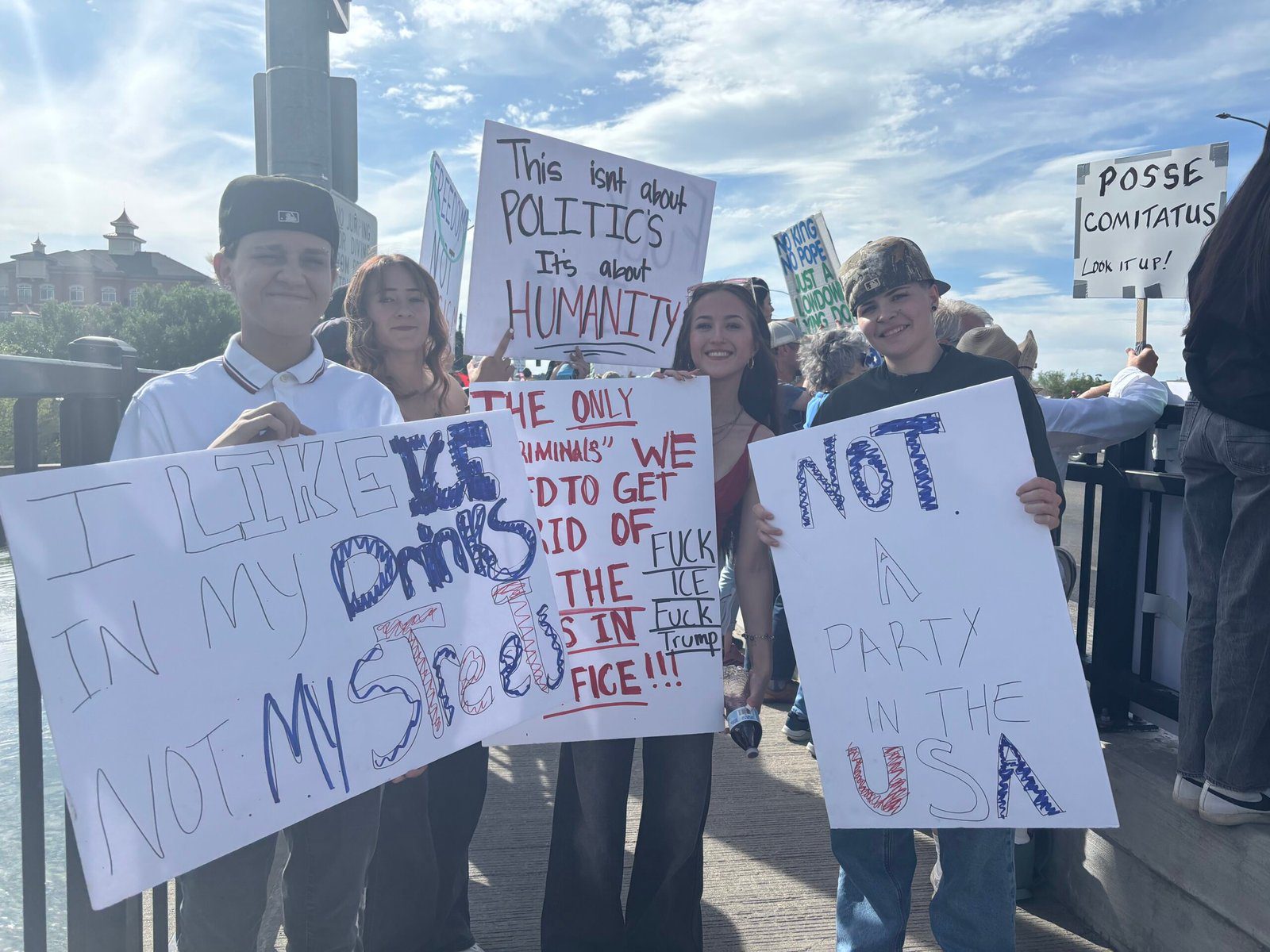
Though all the protesters present were advocating for the same cause, many had specific issues they highlighted through their decorated signs and banners. Some of these included information about reproductive rights, LGBTQIA+ rights, and environmental awareness. One of the younger protesters, Gavin McClain, said he was there specifically advocating for trans rights. Annette Harker, a resident of Idaho, was trying to spread awareness of local opportunities by offering documents for nonpartisan voter registration, ballot initiatives, volunteer opportunities, and more.

Idaho residents displaying their signs at No Kings Rally by Gracie Leavitt

Idaho residents displaying their signs at No Kings Rally by Gracie Leavitt

The protest lasted for two hours, ending around 6 PM MDT. It was, overall, a peaceful event that encountered little resistance from counter-protesters—an event that reflected many others across the nation in both Republican and Democratic states, united for a common cause.