The Day A Stranger Saved Me

Sometimes, superheroes aren’t our friends, siblings, or even our parents. 

Sometimes, they are a complete stranger — someone who appears out of nowhere and changes everything, and I mean every single thing. 

My graduation day had finally come — the long awaited day. Excitement kept me awake the night before as I imagined being called a senior student. I couldn’t wait to wear the beautiful dress my grandma had gifted me and step into my senior student era.

That morning, I woke up before everyone else, so happy and eager to get ready. But when I checked the reservoir, I realized that there was no water left for my bath.

 If I wanted to prepare for my big day, I had to fetch some water.

It was too early to wake our neighbor who had a water pump, so I had only one option: the nearby river.

Without thinking twice about it, I grabbed my bucket, slipped on my clothes and the slippers my mother had recently bought for me, and walked to the river. 

On my way, I was so excited that I swung my arms and played with the beads in my braids, already picturing how I’d style my very cute hair.

From stranger to superhero

When I reached the river, I rolled up my trousers so they wouldn’t get wet and stepped into the cool water. In a few seconds, I carefully filled my bucket and turned to leave. However, just as I took two steps forward, my right slipper slipped off and floated away. 

Oh my God, I was so scared and panicked.

My mother had warned me not to lose or destroy my slippers because she wouldn’t buy me a new pair anytime soon. Without thinking twice about it, I dropped my bucket and rushed to grab my floating slipper.

That was a mistake.

Before I realized it, the water had already swept me off my feet. Gosh, it was not funny.

I kicked, struggled and struggled, reaching for anything to hold onto, but nothing was within my grasp, and I didn’t know how to swim at that time. 

(Incidentally, I am now an expert swimmer, and I’m sure I could compete in the Olympics if I wanted to).

The harder I fought, the deeper the river pulled me. Water rushed into my lungs. My legs became weak. I couldn’t fight anymore.

 Just as I was about to give up, a man — a stranger, my superhero — jumped into the river.

I barely saw him before his strong hands grabbed mine. I was too weak to hold on, so he pulled me out of the water and carried me to the shore.

I sat there, shaking, confused, and scared. Tears filled my eyes, not just because I had almost drowned, but also because my slipper was gone. 

My mother would be upset because she had already warned me not to go to the river alone, but I never listened. There was nothing left to do but return home and prepare for the day.

My superhero walked me back. Our house was only a short distance from the river. When we arrived, my mother was angry, but also filled with gratitude.  

I was alive and not dead. She thanked my superhero repeatedly in Yoruba (a major language in Nigeria), saying, “Ese gan ni.” She invited him to dinner that same day, but he never showed up.

As soon as he left, she turned to me, and let’s just say that I received the beating of my life.

After that, she sent my older brother back to the same river to fetch water so I could finally bathe and prepare for my graduation.

 I tried, tried really hard, but no matter how much I tried, I couldn’t feel the excitement anymore. The long-awaited day had turned out to be one of the saddest of my life at the time.

(Image courtesy of Gabriel Bassino on Unsplash)

A stranger’s kindness can change everything

Looking back to that day, I realize that sometimes, the people who save us aren’t the ones we expect. It’s not always family or friends. Sometimes, it’s a complete stranger.

And just like how my superhero saved me, we, too, can be someone else’s superhero.

While my graduation day did not go as planned, and I felt sadness from it all, I am still grateful for the man who saved my life. He taught me that we should care for each other and be kind to each other, even when we are strangers.

Because kindness isn’t limited to those we know, and these acts of kindness can make the world a better place. 

Rest is a Radical Act: My Intentional Act of Self-Respect

In Nigeria, everything is about the hustle and bustle; everybody here is always working to outdo one another. Some people say it’s healthy competition and helps bring out the best in us. I wake up as a typical Nigerian man with a mindset of what I should do, how I can make my next buck, how I can continue hustling. Based on statistics, it is said that the average Nigerian has about two skills up their sleeves. We are known to strive for the best wherever we find ourselves.

I am a fashion designer, a data analyst, an administrative virtual assistant, and a shop owner, which sounds like a lot — it is! But it is the norm for me and for many others in my community. In a country where opportunities can be scarce and the cost of living continues to rise, multitasking isn’t just a skill — it’s a necessity. Every day feels like a race against time, with little room to pause or breathe. 

Rest? That’s often seen as a luxury taken up by the lazy or unambitious.

A change in perspective

But lately, I’ve started to question this narrative. What if rest isn’t laziness? What if it’s not an obstacle to success but rather a catalyst for it? The idea struck me one evening after days of non-stop work. My body was exhausted, my mind foggy, and yet I pushed through, determined to check off every item on my endless to-do list. It hit me then: I wasn’t thriving; I was surviving. And there’s a big difference between the two.

Rest, I realized, is more than just sleep or taking breaks. It’s about reclaiming your energy, refocusing your priorities, and honoring your humanity. In a society that glorifies “hustle culture,” choosing to rest feels almost revolutionary. It challenges the notion that our worth is tied solely to productivity. For someone like me — juggling multiple roles and responsibilities — it felt especially radical to even consider stepping back.

So, I decided to experiment. Instead of waking up at 5:00 AM to dive straight into work, I allowed myself an extra hour to meditate and to plan my day intentionally. During some evenings, instead of working late into the night, I turned off my laptop and spent quality time with family or indulged in hobbies that brought me joy. At first, guilt crept in. “Am I falling behind?” I wondered. But over time, something incredible happened — I became more efficient, creative, and present in everything I did.

Taking moments to rest didn’t slow me down; it propelled me forward. As a fashion designer, I found fresh inspiration flowing effortlessly. As a data analyst, I approached problems with sharper focus. Even managing my shop felt less overwhelming because I wasn’t running on empty. Rest gave me clarity — the kind you can’t achieve when you’re constantly chasing the next task.

Pushback from society and the self

Of course, embracing rest hasn’t been easy. Society frowns upon stillness. Friends and colleagues often ask, “Why are you relaxing when you could be doing more?” But I’ve come to understand that rest isn’t idleness — it’s strategy. It’s about recharging so you can show up fully in all aspects of life.

(Image courtesy of Miguel Carraça via Unsplash)

In Nigeria, where resilience is celebrated and hard work is ingrained in our DNA, resting may seem counterintuitive. Yet, that is precisely why it matters. By prioritizing rest, we challenge outdated norms and redefine what success really means. Success isn’t just about how much we achieve; it’s also about how well we live while achieving it.

And since allowing myself to rest a little bit, I think I’m living more well than I was before.

Rest is not surrender. It’s resistance — a radical act of self-respect and empowerment. You don’t have to burn out to prove your worth. Sometimes, you need to give yourself permission to simply be.

We Don’t Drop F-Bombs in Kansas

Someone from NYC recently asked me what life was like in the South, declaring they could hear my “Southern drawl.” Well, Miss, I’m from a state that isn’t part of the South, nor has it ever been. Speech issues aside, I was born and raised in Kansas, the first free state in the Union.

You see, the Kansan is confident but humble, eager but patient, optimistic but grounded. And there are levels of Kansan, I must surely declare with this post. There is the native Kansan, born and raised, who likely in their youth visited the state capitol building in Topeka where they witnessed John Steuart Curry’s vision of John Brown.

This type of historically aware, compassionate Kansan witnessed the passion in Brown’s eyes, the righteous fury that he conjured, and perhaps felt the urge to make a difference in the world. Over years of education in the first free state, this type would hopefully learn to express their beliefs in more socially tolerable manners than Mr. Brown.

Another type of Kansan is the New Local. They were not born here but moved here, either by election as an adult or late in their rearing; they have lived here long enough that they are part of the community. Maybe they have been to the capitol, they may have heard of John Brown, they may have a thought or two on Kansas’s blood, and they may even know Kansas is the first free state.

Often, however, these folks moved here simply for the cheaper cost of living. A dollar goes further in Kansas than in most any other states. They often love the life they find, should they possess a life which frees them up to pursue their interests. Money helps, too.

There is one other type, of the available plethora of Kansans, which I hope to address; The Interloper. This type of Kansan may be Native or Local, or may simply be passing through. But they do not get it. Whether born and raised here or newly arrived, sometimes the propaganda of the First Free State falls upon deaf ears. The cause, any cause, is not to be addressed to this type of Kansan.

Afforded the opportunity to visit or reside in the First Free State, I’ve seen the Interlopers snicker at our ‘backward ways.’ They know better than The Native what Kansas means in the grand scheme, and they spend time preaching such nonsense to The Local. These folks are free to have their opinion, and frankly I will have a word or two with them out of courtesy, but we shall never see eye to eye.

I may be a white, cis, hetero-normative male with a savior complex, but these labels only validate my label of Kansan: I am merely a product of my environment. My Kansan beliefs align with my country’s founding vision of life, liberty, and the pursuit of happiness. I believe a human’s life must liberally pursue whatever allows for them to be happy in a manner as free from hazard to said vision as a society can allow.

But the Kansan can critically push the envelope in terms of what a society can allow. Following Mr. Brown’s campaign, we then had the prohibitionist hatchet of one Carrie Nation, followed further still by a rather progressive women’s suffrage movement, on up to the more modern subject of public education, specifically with regard to segregation in the groundbreaking Brown v. Board of Education Supreme Court decision.

Of course, this revolutionary history of Kansas is old news to us natives; the Locals will surely come to hear the tales only for the Interlopers to swing in and play devil’s advocate about what this state truly means. We are a heartland flyover state in the bible belt after all, and we have a litany of activities wherein one could argue against the effort; please see Westboro Baptists, Acid King, Timothy McVeigh, Dennis Rader, and honestly, Truman Capote’s whole act.

So why would anyone want to live in the most-southern northern state in the Union? Seems like something is always going on around here, especially on slow days. We catch an occasional college football game or basketball game, we drink at a rather alarming rate, and by God do we love freedom. 

Freedom to drive our trucks, hunt our bucks, and ideally be left the fuck alone.

But there are other types of freedom to which the Kansan in general is rather newly exposed. For many, both within and without Kansas, this freedom embodies itself in money. 

Koch Industries, for example, is a homegrown genuine political monolith, on top of manufacturing most every plastic or paper product in this country. This one Kansas corporation has all the money they need to buy political offices, or whole parties. You know, fuck you money. 

Of course, there is not a lot of money in Kansas and here people rarely say fuck you — either with their money or with their mouth. It is funny that something is ever thought to be the matter with Kansas, when in reality we Kansans set this new reality of politics into motion decades ago.

And so this article is addressed to the notion of Kansan upon which I was raised: The Free Stater. The Free Stater likely moved here for political purposes when the state was merely a territory, rather than any perceivable economic advantage. The Free Stater put their money where their mouth was, and then some. The Free Stater believed life, liberty, and the pursuit of happiness were meant for all of humanity and they mobilized to such effect.

Ideal thinking, surely, but without an ideal which we are to pursue, we are lost in the wake of time. Being lacking of purpose or dispossessed of the ability to think plainly will not get you far in my home state. Our governor, for example, is a fine example of Democratic ideals, while our Attorney General is certainly Republican

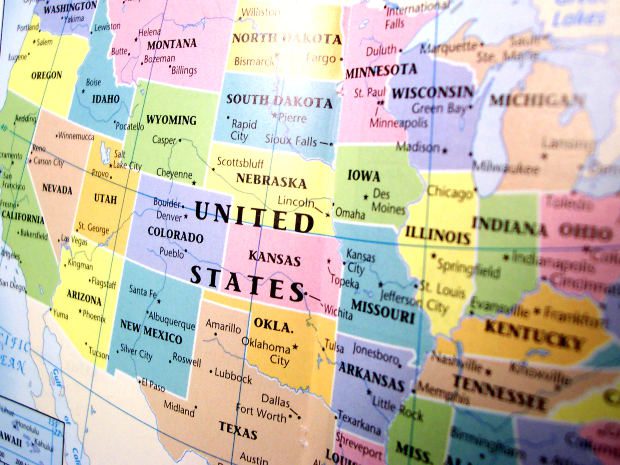
(Image courtesy of lorettaflame via Morgufile)

So pull out a map of North America the next time you wonder where Kansas is located. You will find the geographic center of the 48 continental states located within Kansas’s borders, a mere stone’s throw from Lebanon, a small town in Smith County, Kansas. You will find such significant historical markers of the deeds committed on Kansas soil if you travel our highways that you will wonder how there is anyone left standing here to fight. And so you will see a fight started here, and it continues here, centered in the heart of democracy.

When the Climate Becomes Your Enemy

Amidst the sweltering lanes of a Delhi slum, where the sun feels merciless and the air itself seems scorched, life unfolds with harsh lessons. 

This is where I grew up — navigating the world with dyslexia, dyspraxia (a disorder that affects coordination and movement), and a stammer, while also serving as a lifeline for my chronically ill mother. We survived domestic violence, yes, but today we are facing an equal challenge: surviving a world that seems indifferent to its most vulnerable. 

Try and feel them

You hear about heat waves in headlines, but can you feel them? Have you felt that suffocating weight in the air, that oppressive sense of panic when you realize there is no water, no relief, and no escape? For us, enduring a Delhi heatwave in a makeshift home was like being slowly roasted alive. I remember one particular day when the temperature soared, making it unbearable to breathe. Our tiny room felt like an oven; the walls radiated heat, and the ceiling fans offered no respite. Each day was a battle against an invisible enemy, as my mother’s health crumbled and my own challenges flared up.

Finally, after my mother received care from the government hospital, I vividly remember that some of the medicine her doctor prescribed required cold storage, and at that time we had no refrigerator. I had to ask the local pharmacy for help.

In the unrelenting heat,  my dyspraxia intensified, turning even simple tasks into exhausting struggles. One prominent dimension of dyspraxia that becomes increasingly noticeable during this period is sensory overload. Typically, I struggle with processing sensory information, including touch, taste, and sound. However, the combination of intense heat and constant sensory stimulation during the summer significantly amplifies these difficulties.

As temperatures rise, I find it increasingly difficult to regulate my body temperature, which leads to feelings of restlessness, fatigue, and irritability. The discomfort of excessive sweating can also interfere with my ability to hold objects or maintain a firm grip, further intensifying the coordination challenges that are already a part of living with dyspraxia.

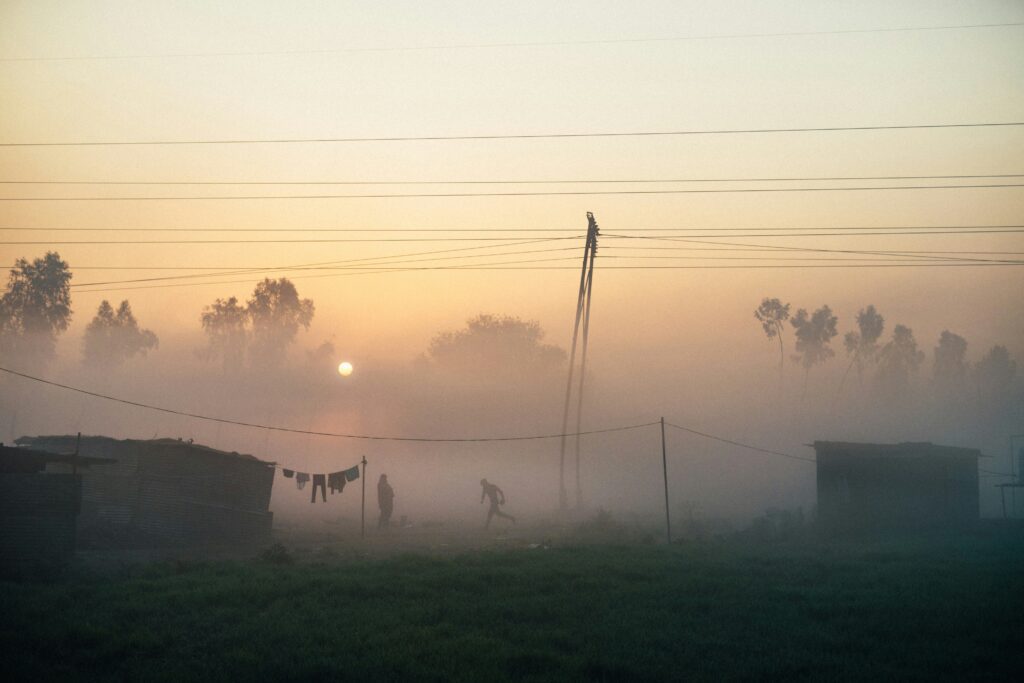
Image courtesy of Parker Hilton via Unsplash

Hot and bothered, you are a statistic

The time I rushed my mother to the emergency room during a particularly brutal heatwave, getting to the hospital was a nightmare. Public healthcare was our only option, and the system was stretched to its breaking point. The waiting room was packed, and as I stammered through my explanation, I felt the impatient stares of those around me. The doctors and nurses tried, but they were drowning in a sea of patients. The helplessness I felt when I stammered while trying to explain my mother’s deteriorating condition was overwhelming. In those sterile hallways, you’re not a person — you’re a number, a problem to be processed. It’s a kind of invisibility that’s hard to describe and even harder to live through.

Here’s the painful reality: if our healthcare infrastructure can’t account for the heightened vulnerabilities of disabled people, we’re not just failing, we’re actively contributing to needless suffering. Accessibility isn’t about “nice-to-haves” like ramps or braille signs — it’s about life and death. It’s about creating safe, resilient spaces where people can seek care without being pushed to the margins, or to their own limits. If healthcare can’t adapt to the reality of climate change, then the most vulnerable will continue to pay the price.

We were overheated. Statistics are cold. They can tell you about the number of people affected, but they don’t make you feel it. Stories like ours bring urgency and humanity to these issues. When you look past the numbers, you see people fighting battles that few even realize exist.

From struggle to action: the birth of Green Disability

Out of this experience, I realized that we needed to make our voices heard in the climate conversation. That’s when I decided to start Green Disability, a grassroots initiative for climate action that includes the needs of people with disabilities. Today, our community has grown to over 600 members, with our newsletter reaching over 7,000 people. We’re not just an organization, but a movement, and our message is simple: the climate crisis affects everyone, and you can’t talk about sustainability without talking about accessibility.

We’re working on documenting the lives of disabled people in climate-vulnerable areas, sharing their struggles and their resilience. We’re also simplifying complex research, turning data into stories that resonate with our community and inspire action. This isn’t just about raising awareness. It’s about creating real change.

Climate justice is empty without disability justice

We’re one of the world’s largest minorities, a major minority! Yet we’re often overlooked in climate solutions. But we won’t be ignored anymore. Disability justice and climate justice go hand in hand. 

If we’re serious about tackling the climate crisis, then people with disabilities must be part of the climate conversation.

Where Are You From?

I have been traveling since I was 14, constantly feeling like an outsider. Whenever I catch myself thinking, “Here I am; I belong here,” the inevitable question arises: “Where are you from?” This recurring question has left me feeling stuck, uncertain of where I truly belong.

It’s a strange sensation — feeling torn between places, unsure of where I truly fit in. One can easily drift through life, holding onto the hope that things will eventually improve, but time passes quickly, and I often wonder where my roots have gone.

I was born in the Republic of Moldova and moved to Romania for school, spending seven years there. Afterward, I transitioned to the United Kingdom for university, where I lived for about three years. During this time, I had the opportunity to travel to the United States through a university program. I later returned to Romania before coming back to the UK.

Last year, I spent time in Russia with my parents, and for the first time in a long while, I felt at home. I wasn’t an emigrant or an immigrant — I was right where I was meant to be. I discovered so many beautiful aspects of Russian culture, such as ballet, opera, and cuisine. The language, which I’ve spoken since I was five, resonated deeply within me. I embraced the traditions and the people, and my eyes sparkled with joy as I immersed myself in this world.

Yet, doubts linger. Is this place truly for me? Do I belong here? We often wrestle with the fear of trusting our own feelings and instincts. As my grandfather was Russian, I always felt there was a special connection for me in this country. However, the question remains: “Where are you from?” I often respond jokingly, saying, “I’m a person of the world,” yet inside, I feel like a stranger no matter where I go. 

Somewhere else 

So, how can one know where they truly belong in this vast world? It’s an interesting dynamic when we go abroad for studies or work — we become strangers in a world that doesn’t quite feel like home. I’ve observed how people often believe that life is better elsewhere. They encourage others to venture abroad, to build their own lives and careers. There’s also a natural curiosity about the food, behavior, and lifestyles of different cultures, leading many to conclude that somewhere else is better than their own homeland. 

However, there is no absolute “better” or “worse”; it’s all about how you perceive yourself and whether you’re open to embracing the world around you.

If you find yourself stuck answering the question, “Where are you from?” consider replying, “I’m still figuring it out, still searching for where I belong in this world.”

(Image courtesy of Shing via Unsplash) 

What is Fear?

What is Fear?

Whenever I plan to write, the white empty paper scares me.

This year, I turn 31. What did I achieve in these years and days of my life? How do I define myself?

My passport says that I am Egyptian, even if I spent more than half my life outside the country. Should I start telling my story from 1993? I was born in Khor Fakkan in Shariah, United Arab Emirates, the youngest of seven children. My parents named me Khadija.

I graduated from high school and returned to Egypt. I participated in a revolution which didn’t achieve its goals. I got married after a great and epic love story…or that’s what I thought, until I got divorced.

I gave birth to two amazing kids. I graduated from Sharjah University with a degree in English literature and translation.

I spent my twenties with my son Qassem. Life was beautiful until I gave birth to my daughter Layla and fell into a hole of postpartum depression. Alice in Wonderland was running after the rabbit, but I was running after myself.

What lessons have I learned from my life? What is the moral of my own story?

I can bake apple Bundt cake, lemon cake and chocolate banana bread. I cannot work under pressure. I used to hide my problems. I love life and in the same way loathe it. I love to prepare my meals with passion  and eat them slowly. I love to spend time with my friends.

I know the sound of typing pleases me. I love writing and literature. I believe that there is a special connection between me and literature and I discover that day after day.

I am fond of language. I lose and I win. I am ambitious. I dream of becoming a great translator. I dream of winning the best mom ever prize (if there is such a thing)!

Why do I hate the Egyptian revolution? The revolution fell from paradise to the earth like Adam’s apple. I wonder, did Adam hate the apple? Did he swear at her?

I was living such a simple life in Dubai in 2011, when the flame of revolution ignited in the Middle East. I was a high school student. The revolution seemed like the greener grass on the other side. I dreamed of being part of what was happening. But since that time, I have been enduring a series of personal and public defeats. Can life lead to better outcomes? Can the course of life change?

(Image courtesy of Melanie Wasser via Unsplash)

Once you have been broken and tasted fear, fear becomes a habit. Do you know who I am?

I am the girl who at the age of 19 almost got caught by the central security forces at a protest. As I felt them pull my arms and grab me, I screamed “I want my mom!” Since then fear knows my address and acts like that friend who, no matter how many times you avoid her, keeps ringing your doorbell… 

On Paper, I Should Have Voted for Trump

I have agonized over how to write this, and still, I find myself at a loss for words as to how so many individuals could support such a hateful individual – even more so the ones who chose to sit on the sidelines and allow this to happen, arguing their passivity was entirely valid.

Trying to tease apart what occurred – those who voted for Trump, those who opted out of voting entirely – has been an emotional exercise in futility. 

The fact of the matter is, that there is no logical answer because political choices are never logical. 

If it were based on logic, they’d recognize that the position of the president has never controlled the price of eggs or gasoline. They’d acknowledge that Trump has filed for bankruptcy six times. They’d also take into consideration that the founders of this country never intended it to be a Christian nation.

No, these choices are not based on facts. 

They are inherently emotionally driven, and politicians know this – some more than others. They appeal to our fears and hopes, and that is how they’re chosen.

To fully discuss one’s actions and beliefs, especially in the political space, one must first account for all lived experiences. Some experiences led me to vote for Harris – and some should have led me to vote for Trump.

Some might cry, “identity politics,” but I argue all politics are intrinsically intertwined with our identities. We vote the way we do because of who we are – because of our multifaceted identities and how they’ve shaped our reality.

So, this is why I should have voted for Trump based on those identities – and why I ultimately didn’t despite it all.

Growing up

In rural Maine, many of us are still quite religious. I was baptized in the Episcopal church. Maine is already poor, so being in one of the many rural regions means we had even less wealth in my hometown of Waterboro. The state is overwhelmed by tourists in the summer months, and in the winter, everyone from away – well, runs away. The cold makes us bitter, but it can’t hold a candle to how many of us feel about out-of-staters. 

Being rural born to a low-income family, I should have voted for Trump. Harboring such anger against those from away, I should have voted for Trump.

My father’s side of the family has been here since the early 1600s; we have proof of that through documentation and, thanks to science, through 23andMe as well. We colonized what is now Maine very early on, and we were some of the first white people up there. That legacy carries much history – all nuanced, none heroic. But we did fight to create the country that we stand in today. That side of the family also includes many veterans – my father is one of them. My family has fought for this country across generations and centuries.

Being the daughter of a veteran and a descendant of one of the first European families to come to this continent, I should have voted for Trump.

My mother’s side is more varied; her family came over in pieces between 1850-1930, immigrants from Ireland and Italy during a time when citizens from both weren’t considered white enough. They came over, however, the “legal” way, as Trump supporters would argue now – through Ellis Island. They were forced to adapt and to drop their cultures – pushed into a milquetoast mold where anything unique was stripped alongside the clothes they left on Ellis Island. 

Based on how older immigrant families often vote against newer ones, I should have voted for Trump.

We could look at the fact that I’m a white woman married to a white man, that I was raised Christian, but that would be low-hanging fruit. It’s just too easy to say –

I should have voted for Trump.

What you don’t see

What you don’t see, what you can’t see, are the identities I hide below my skin. I keep them within, showing only when I feel safe to do so. Yes, I’m white and I’m cisgender. That affords me quite a bit of privilege.

I’m also bisexual. It’s easy to hide that when you’re married to a straight, white, cis man with the name, “Christian.” If he had a trust fund, it’d be the ultimate expression of finding privilege in a spouse. Alas, alack.

I’m also disabled; I was diagnosed with PTSD, depression, anxiety – the trifecta. Recently, I was diagnosed with otosclerosis. I’ve also been paradiagnosed – you know, when nobody knows what’s happening to your body, so they just shrug and go, “We think it’s this?” – with endometriosis and IBS.

I’m a survivor of rape. There’s no witty follow-up to that truth. It just is.

These identities, along with being a woman, cause me to rage against the possible outcomes this presidency holds for many. In the queer community, friends of mine are rushing into marriage because they fear it will be illegal again soon. I have friends who are also disabled and rely on social security just to live. Some of them are already preparing to lose access to their medication.

And those of us who have been betrayed by another human being? I will speak only for myself in this instance because every survivor must be permitted their own voice. I will never understand nor forgive any person who supports a known rapist – and that includes voting for one. Doing so condones those actions in the eyes of this survivor. They are saying that they care more for the price of eggs than they do the brutality faced by so many of us.

I have no words for that, only rage and disgust.

Trump was never for America – and he still isn’t

These are the very pieces of me that smoldered in 2016 – and reignited in 2024.

I’m not afraid of a bad economy – I know how to make ends meet at any cost. I understand the pride in fighting for a nation – only to then have that nation turn its back on you. And I’m fully aware of just how fragile democracy is – and how quickly it could dissolve because of mass hysteria.

I said this in 2016, and I will say it again – Trump is a traitor to this country. To vote for him, to support him goes against what this country’s ideals are.

Those below the age of twenty-five who voted for him at least have the excuse that their brains haven’t fully formed. Regardless, many have condemned our country to a potential fascist government.

I hear arguments already from the trolls online and the middle-aged white men with little to lose: this is just feeding into dissent; this is divisive; this is fearmongering. 

What’s feeding into dissent is voting for a man who’s a literal criminal, who has raped women. What’s divisive is the hatred that so many minorities in this country face for the sheer fact that they exist – god forbid we have any differences. As for fear-mongering… I say, wait and see. We see the writing on the wall. I pray they’re right – that this is just worry, anxiety over nothing.

And when it isn’t? I pray they remember they cosigned this forsaken contract. Will they repent? That’s doubtful. They know exactly what they’re doing.

Perhaps that’s not very Christian of me. It’s a damn good thing we’re not in a Christian nation, then.

The Trump Election and Its Impact on People of Color: A Personal Reflection

The continuation of Donald Trump’s presidency through 2028 stirs a spectrum of emotions and carries profound implications, particularly for people of color, especially Black individuals, whose identity is deeply tied to the visible markers of our skin and physical features. While I cannot claim to speak for everyone, I can share my personal experience and the weight that my racial identity brings to these elections for me and my son. 

By the end of Trump’s second term, my son will be 12 years old, just beginning to grasp the significance of elections and their impact on his future in a country often celebrated as the “Land of the Free.” For now, his understanding is simple: he recognizes the choice between Kamala Harris, the historic first woman of color to serve as Vice President, and Donald Trump, the former president seeking to shape the nation’s trajectory for another term. Through his innocent yet perceptive lens, he sees a race of “red versus blue,” with the “red wave” sweeping the country in an unprecedented manner as depicted on the “magic wall” of CNN or Fox News. Despite his limited understanding of terms like “collegiate delegates,” he intuitively senses the gravity of the moment, recognizing that the decisions made in these elections will ripple across his generation’s future. The outcome, etched in vivid red across the map, seemed inevitable, a stark reminder of the forces at play and the challenges that persist.

This election was unlike any other in my lifetime. As a Black man, a father, and someone who grew up under vastly different circumstances from most Americans or those privileged to live in the so-called Western world, the stakes felt deeply personal. As a university professor with a deep understanding of the dynamics of politics, elections, and leadership — and their socioeconomic and political impacts, particularly in a global superpower like the United States — I frequently encourage my students to embrace their civic duty to vote. Living in a mature democracy where every vote counts is an extraordinary privilege, one that is far from guaranteed in many parts of the world. 

For immigrants, especially those of us referred to as “people of color,” voting represents not only an opportunity but a stark contrast to the autocratic systems we fled. In the countries many of us came from, leadership was often imposed by autocrats backed by foreign patrons, leaving no room for public participation. When we found ourselves in refugee camps, the notion of democracy and leadership deteriorated further — life there rendered us landless, rightless, lawless, and alien, with no voice in shaping our future. To now witness and participate in a democratic process in the United States highlights the profound privilege of voting and underscores the right to take part in public affairs, a cornerstone of democratic governance. For those of us who have lived without such rights, this privilege carries immense responsibility and meaning.

Growing up without the privilege of voting

My journey to the United States, like that of many immigrants, was marked by immense challenges and deep traumas. I survived the horrors of conflict, traversing the perilous Congolese jungle where life-threatening dangers lurked and rivers ran red with the blood of loved ones, victims of Western-backed rebels hunting us like guinea pigs. Enduring starvation in refugee camps across Africa, I lost almost everything, including my sense of safety and, at times, nearly my own life. 

These harrowing experiences left indelible scars, yet they also serve as powerful reminders of the transformative power of democratic institutions, good governance, and patriotic leadership. When some of us finally reached the shores of the so-called “Land of the Free,” a nation celebrated as a beacon of democracy, we struggled to fully embrace the privilege of voting and the miracles brought by these democratic institutions. This struggle stemmed from the fact that the institutions we had known, though labeled “democratic” on paper and in the media, were a façade — nothing more than tools of oppression. In our homelands, elections were hollow rituals, with nothing functional or fair about the process. For many of us, learning to trust and participate in true democracy has been as much a journey as the one that brought us to this nation.

The reasons for immigrant voter apathy are deeply rooted in the political realities of the countries many have fled. For immigrants, particularly those from nations ruled by entrenched dictators, voting often feels futile. In these countries, elections are routinely manipulated to secure the survival of local autocrats while safeguarding the interests of imperialist powers that installed or continue to support them. Nations such as Uganda, Rwanda, Equatorial Guinea, Gabon, Cameroon, and Eritrea exemplify this, with leaders clinging to power for decades despite the charade of expensive, Western-funded elections that mock democratic values. These systems breed profound disillusionment: casting a vote only to see the same dictator emerge victorious, delivering hollow promises, conditions people to believe their voices hold no power. 

When immigrants arrive in democratic nations like the United States, this ingrained skepticism persists, compounded by the absence of civic education tailored to first-time immigrant voters. Without resources to help them understand their electoral rights and the broader significance of voting, many struggle to embrace participation in a system that feels foreign. Having never witnessed the tangible benefits of elections in their homelands, they carry a sense of “electoral apathy,” which often extends to limiting their political engagement in their new home, therefore lacking their involvement in shaping the political future of their communities.

Even in the United States, where democracy is robust and celebrated, past traumas among new immigrants continue to cast a long shadow. Many of us struggle to trust the process or feel motivated to participate, carrying a persistent belief that our voices and our ballots do not truly matter. Adjusting to life in a new land comes with a cascade of challenges: a new culture, unfamiliar people, a different political system, and a completely redefined way of life. These profound changes often leave us feeling disconnected, relegating ourselves to the label of “others” — a term society imposes and we unconsciously accept. This detachment leads many to believe that civic duties, like voting, are better left to those perceived as “more American,” while we focus on survival: ensuring our children succeed in school and juggling multiple low-wage jobs to make ends meet. 

Only a fortunate few, equipped with education and exposure to concepts like governance, transparency, leadership, accountability, and the functioning of democratic institutions, truly understand the immense value of the right to vote. Yet, even among this group, lingering prejudices and past fears often hinder full participation. However, this year I made a deliberate choice to overcome those barriers and participate in what felt like a historic election. There was a palpable sense that its outcome would profoundly shape the nation’s future. It required a different mindset, a renewed sense of responsibility, and a commitment to engage in ways many of us never had before.

Why this election felt different to me and many other U.S. citizens

In my view, this election felt uniquely different, not only to those of new immigrant backgrounds or communities of color but also to the broader population across the United States and even globally. For me, it stood out for several reasons, each of which added layers of complexity to the decision-making processes for many voters. These complexities included:

  1. A historic return: For the second time in U.S. history, a former president sought to return to office just four years after being voted out by the same electorate. Donald Trump’s campaign generated an intensity surpassing even his initial run.
  2. Representation at the highest level: Vice President Kamala Harris represented a groundbreaking candidacy. As a woman of African and Asian heritage, her potential ascent to the presidency would mark the first female president of color in U.S. history. This milestone deeply resonated with many communities seeking representation and equity in leadership roles.
  3. Geopolitical challenges: This election unfolded against the backdrop of unprecedented global conflicts that directly impacted the United States.  For me, these conflicts created a sense of urgency to elect leaders capable of navigating complex international dynamics.
  4. Domestic issues: At home, I believe, two critical issues dominated voter concerns: U.S. households’ financial struggles and immigration and border security. Rising energy prices and unaffordable food costs led voters like myself to question the administration’s ability to address these challenges. Meanwhile, there was growing concern among some about prioritizing undocumented newcomers during an economic crisis when many citizens were struggling to make ends meet. 
  5. Divisive campaign priorities: Issues such as abortion rights, social justice, and foreign policy felt disconnected from the immediate concerns of many Americans like me; the defining issues of this election were the rising cost of living and the economic uncertainties impacting daily life — not ideological concerns.

I believe that this election was a convergence of historic milestones, global conflicts, and urgent domestic challenges. The stakes felt higher than ever, leaving a profound and lasting impression.

Wrestling with my decision

As an independent voter, I found myself deeply torn between competing priorities. On one hand, I was inspired by the historic nature of Kamala Harris’s candidacy and the ideals she represented, such as social justice, human rights, socioeconomic equality, and the groundbreaking significance of being the first woman of color to hold her position. However, I couldn’t ignore the pressing economic struggles my family and millions of others were enduring. From the campaigns, it seemed there was little hope for a promising future under her leadership to address the issues people like me — and millions of Americans — were facing.

On the other hand, there was a candidate whose rhetoric, intentionally or unintentionally, emboldened those who seemed to harbor animosity toward people like me or others who looked like me. Yet, despite this, his message offered a glimmer of hope that the socioeconomic issues affecting millions of Americans, including my own, might be addressed, and that tomorrow could hold better prospects. I spent weeks deliberating, carefully weighing the pros and cons of each candidate, trying to reconcile the historic and ideological with the immediate and tangible challenges before casting my vote as I considered a host of factors:

  • Could Trump bring the Russia-Ukraine conflict to a peaceful resolution?
  • Would his policies address the economic challenges at home?
  • Was Harris the right leader to navigate the complexities of domestic and global issues?
  • How would either candidate impact my values as a conservative Christian, my son’s education, and the social justice issues I care about?

Ultimately, the economic realities of inflation and border security carried the most weight for me. When I cast my vote, I did so knowing that my decision would have long-term implications, not just for me but for my son and millions of others who looked like him as well.

The fallout of my decision

Voting for Trump was a decision I did not take lightly, fully aware of the social and racial tensions his presidency might reignite. My fears became reality within days of the election results. A friend in Texas received text messages telling him and his family to “get ready to pick cotton.” In Columbus, Ohio, neo-Nazi marchers paraded through the streets, waving swastika flags, chanting racial slurs, and even carrying or wearing crosses — an especially troubling sight for me as a Christian. Having worshiped in churches around the world, particularly in the Western world, I have observed a perplexing contradiction: some of the most overtly racist individuals are also deeply religious. This contradiction clashes with the God my mother taught me about, the God I worship — a God of love, diversity, and inclusion, who created all people in His image. It is deeply disheartening to see His name invoked to justify hatred, especially against people whom both faith and science affirm were the first to walk this planet. 

A sense of regret set in as I wondered whether I had made the right decision, but I recognized that regardless of my vote, millions of others felt similarly — that a shift was necessary to challenge Democrats who seemed to take certain voters’ support for granted. It was a way to send a message that no political party owns anyone’s allegiance and that their values should not be imposed on those who have historically voted with them.

This election underscored the socioeconomic and political complexities of being a person of color in America, forcing me and others who are classified as “other” to confront the intersection of our identities, values, and civic responsibilities as voters. It highlighted the difficult balancing act of prioritizing what matters most to us while grappling with the tensions and unnecessary scrutiny tied to our identity. It served as a reminder of both the privilege of living in a democracy and the unique weight our skin color carries when making political decisions. 

While others may take such decisions for granted, I must carefully consider how my choice will affect not only the political landscape but also how my identity will be perceived and treated as a result. Despite these challenges, I remain hopeful — hopeful that our nation can find common ground, that leaders will address pressing issues without rhetoric that harms those viewed as “others,” and that everyone will feel valued as human beings rather than being judged by their skin color, geography, or demographics. I also hold onto the hope that those who perpetuate racial hatred and xenophobia will reread their holy texts and recognize that while human systems of injustice may suggest otherwise, God is a deity who delights in diversity and inclusion.

Once I Came Across a Faisalabad Slum

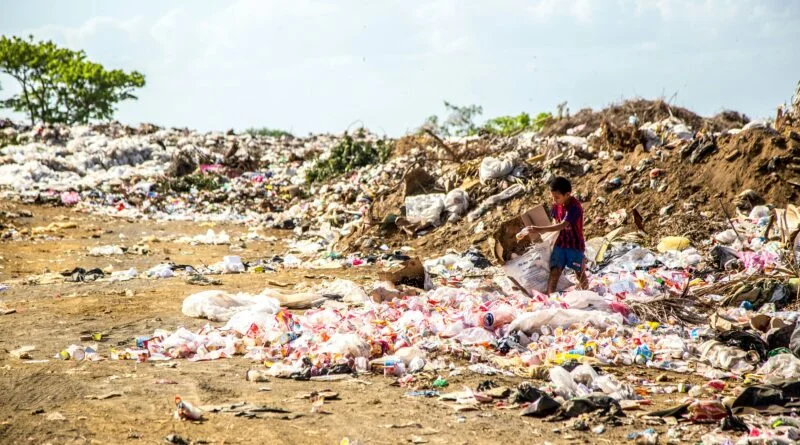
Once I came across a Faisalabad slum, 
Garbage, mosquitoes, and flies all sum. 
Residents welcomed, inviting me to come, 
I hesitated, reluctant to sit, 
Forgetting it’s my own garbage, thrown in a pit. 

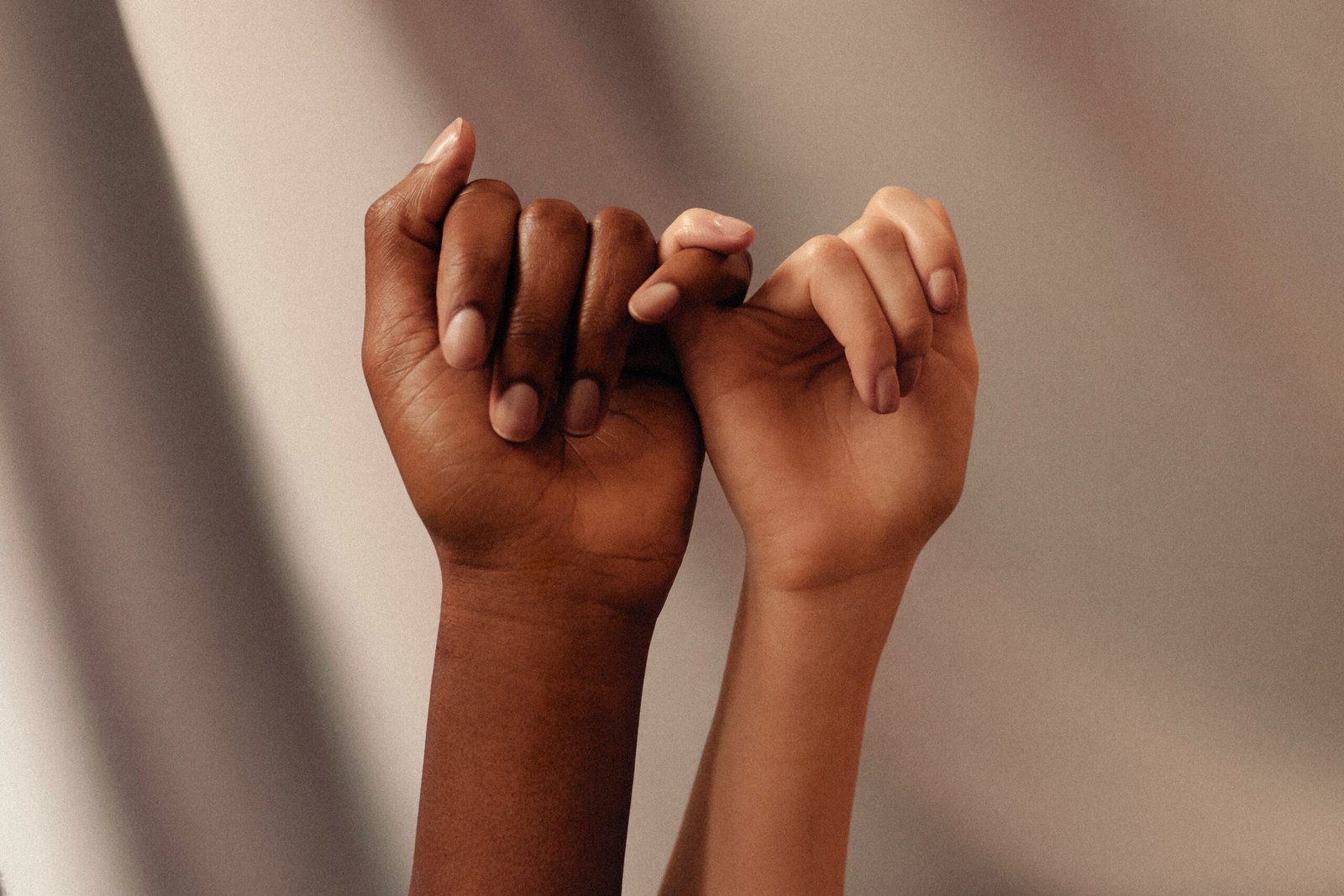
A dirty hand offered a handshake, 
While a clean hand took a break. 
The sun blazed down like a raging fire, 
Amplifying my thirst, igniting desire. 

A dirty glass offered me cool water, 
Making my ego face a slaughter. 
I felt ashamed a bit, 
Dug in the same garbage pit. 
Realized under the same sky, 
We all share the same night. 

I learned that day, behind a slum, 
It’s me standing like scum. 
Once I came across a Faisalabad slum. 

(Image courtesy of Photo by Eirene Thoms via Unsplash)

Whispers of Ancestry

From the shadows of the ancient dawn, the voices of forefathers 
The tapestry of human history is a blend of triumph and tragedy 
In the heart of Africa three hundred millennia past 
Life came to earth, the evolution of sapiens  

They had no capes nor sweaters, and fought to survive or die waiting 
Following the wisdom of their elders, surviving another day 
Quartz sparking feasting on a giant Irish elk 
Seeking out solace and shelter, nestled in the cavern’s depth  

Under the Tuscan sun, tales of strength and resilience 
Homo sapiens, possessing both perception and native wit  
Babylonian chronicles, unfolding the whispers of ancestry 
Listening to those mighty slumbers, under the quiet earth