
‘Batman: Arkham Asylum’ = Enduring Interactive Fear

Welcome to the madhouse, Batman!

As a kid, very little excited me more than getting to interact with my favorite DC hero, Batman. Whether it was a new animated show or a movie that changed the superhero film landscape, any opportunity to experience more Batman was a welcome one to me. So imagine my excitement when the brand new Batman game, Batman: Arkham Asylum, was announced. Needless to say, 11 year-old me was over the moon, thrilled to get to properly play as Batman for the first time ever. 

One thing I think no one was ready for was just how scary Batman: Arkham Asylum turned out to be. Most outsiders to the Arkham video game series likely hear “Batman” and immediately think it is just another superhero game. It certainly is a superhero game, with you running around as Batman beating up thugs while trying to stop the Joker’s latest scheme. What makes it so much more than that though, is how the game carried with it a fantastic element of horror throughout the entire story. Although future games in the franchise carried over this horror theme, none of them nailed it quite like Arkham Asylum did.

The game starts out as your standard Batman adventure, or technically the end of one: Batman has captured Joker and is taking him to be locked back up in Arkham Asylum, the incredibly outdated psychiatric hospital (= prison) that hosts the majority of Batman’s rogues gallery. Not long after bringing Joker in, the Clown Prince of Crime launches his real scheme – overtaking the asylum staff and taking control of the madhouse. 

From the very beginning, Batman: Arkham Asylum creates an atmosphere of unease. The titular asylum is dingy, grimy, and very reminiscent of an abandoned, haunted mental hospital you would find in an aging horror film. The only difference is that instead of being haunted by incorporeal spirits, Arkham Asylum is haunted by very real, very alive threats who all have one goal in mind: to kill you, as Batman. 

In fact, the asylum even has some monsters of its own: Killer Croc, a mutated crocodile man, tells Batman in the very beginning of the game he intends to eat the Caped Crusader. Cut to later in the game when you are slowly creeping around Croc’s lair, he will spontaneously burst out from the water, chasing you across flimsy platforms. With your only option being to walk slowly or risk Croc taking notice of your location, players have to painstakingly make their way through his lair with the constant fear of a crocodile man jumping out and hunting you down.

As you run around the asylum, Joker will periodically use the PA system to speak with Batman and taunt him. The PA system makes a noise that will haunt me for the rest of the time; a chime that sounds slightly off, almost as if it’s getting further and further under your skin every time it plays. Eventually, Joker also unleashes the absolutely rabid ‘Arkham Lunatics’, locked up in straight jackets and ready to attack anyone on sight. They hide throughout the asylum, forcing on the player the expectation that one of them could jump out from under the floorboards or pounce on you from the ceiling at any moment. Over the moon. 

Brightly colored classic comic book covers including Batman
(Image courtesy of Dev via Unsplash)

Scarecrow: The Master of Fear

But of course, nothing embodies fear more in the Arkham series than the master of fear himself, Scarecrow. For the uninitiated, Scarecrow, a.k.a. Dr. Jonathan Crane, is a former doctor of Arkham Asylum who invented the aptly-named “Fear Toxin,” a chemical concoction that shows its user their worst fears come to life as horrific hallucinations. Three times throughout the game, players are forced to contend with Scarecrow while under the effects of his Fear Toxin – running a deadly nightmare gauntlet where they need to fight off skeletons and hide whenever the massive Scarecrow appears and looms over his realm of fear. Being seen by him results in immediate death, driving the stakes and the player’s blood pressure up even more. 

Right before the very last Scarecrow nightmare challenge, the player experiences what can be considered the best scare tactic in the entire franchise. As Batman is walking through the asylum, he is dosed with Fear Toxin. Suddenly, the game seems to crash, with the screen and audio glitching and the player left frustrated and dealing with a very real fear for any gamer: did my game just break and make me lose all my progress? From what I’ve read from others who have played the game, this “glitch” tricked many players into resetting their game console, convinced that their game had actually broken. Oh, heavens.

For those who stuck it out, they learned that the glitch was actually a scripted event. As one fear was conquered a new one emerged, and  the game seemingly starts over from the very beginning with its opening cutscene. This time, Joker is in the driver seat, taking Batman to Arkham Asylum where he is promptly brought in on a stretcher and shot by the Joker, leaving the player unable to do anything but watch helplessly. Of course, Batman is a beacon of willpower, so he overcomes the hallucinations and manages to take down Scarecrow and, inevitably, the Joker – though not before Joker mutates himself into a monstrosity that likely haunted the dreams of many young players.

Batman: Arkham Asylum manages to accomplish polar opposites at once: making players truly feel like Batman on an immersive level, who himself inspires fear in the many thugs he takes down, while also managing to surprise and terrorize the player on a meta level. 

Melting down, yet over the moon

Batman may not have been afraid, but I certainly was, nearly having a heart attack every time a lunatic launched at me from out of a grate I didn’t notice. I did notice my controller flying up in the air as I yelled out. In fear?

Horror games aren’t everybody’s cup of tea, myself typically included. But Batman: Arkham Asylum reaches this crucial sweet spot where it gives players all the power and then knocks them back down, forcing them to overcome the twisted thoughts and schemes of Gotham City’s most wanted. Even now, nearly 20 years later, I still find myself feeling that same unease as I step back into the asylum and contend with the likes of Scarecrow, the Joker, Killer Croc. Especially Killer Croc. 

Yet, traversing all that chaos and destruction to triumphantly take down the Joker at the end makes it all the more satisfying when I surpass the nightmares and finally save the day, standing tall as the Batman. 

characters dressed as Batman and the Joker point at the camera
(Image courtesy of dmscs via Morguefile)

A Moment to Breathe

As the year comes to a close, a sense of panic and the need to hurry often rises in the air with back-to-back family dinners, unneeded arguments about pointless topics, and the occasional yet unavoidable political conversation. The tension is often inescapable. 

I would know, as my family is well-versed in participating in all of these topics, yet family is still family and nothing will change that. But for me, the feeling of a true change in the air occurs between the months of October and November. The excitement of summer is over, people are back in school, so for me it feels like the world is starting to slow down in the best way possible. 

Even though I’ve lived in Florida my whole life, I’ve never experienced a “true fall” before or a real shift in the seasons where the leaves turn from green to orange, red, and yellow. While we do have a “Florida winter,” it does not happen until the months of January through March, and there’s no surprise of snow. Without the seasons changing in the South, the air does change for me. I feel the summer heat go away after a while, and the air feels fresher in my neighborhood as well as in Central Florida where I grew up and still spend most of my time. 

This shift brings a sense of peace to me and makes me feel motivated to make lifestyle changes. Whether it be eating healthier, working out before the New Year, or wanting to finish a book that has been collecting dust for weeks, I only get this motivation towards the end of the calendar year. As the year is soon over and while all the craziness of Thanksgiving and Christmas is about to take place, I know I’ve got a few good weeks before that happens. 

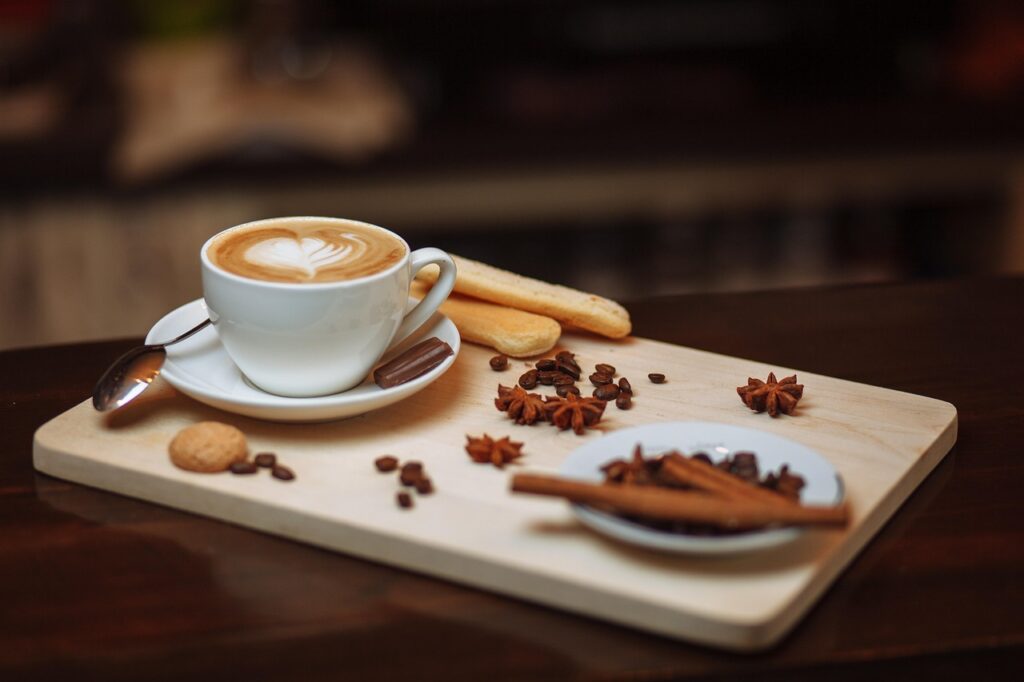
A cup of latte on a wooden tray with scattered pumpkin-pie spices and ladyfinger cookies
(Image courtesy of grafmex via Pixabay)

During the months of October and November, it is usually the time for pumpkin-spiced lattes and reading scary novels. I am mainly trying to catch up on my extensive reading list and going crazy for all of the caramel-apple-flavored snacks. By this I mean my household will devour an entire bag of caramel apple flavored lollipops, while my Dad and I still talk about Robert Egger’s Nosferatu and how he is still amazed at Bill Skarsgård’s use of Dacian in the film  (now the Romanian language). 

With this sense of peace and even normality approaching, I can’t help but wonder why this happens at the end of the year rather than at the beginning. I think it’s because everyone knows that the year is about to end – good or bad – and that we all want to move forward with happiness and a new set of goals. 

Brrr!

While I don’t take part in New Year’s resolution’s anymore, I technically start them around this time because I know they’ll stick. This just adds another reason as to why I believe that the “ber” months bring a different kind of a reset to my life. I feel more motivated, energized, and even more fulfilled when I accomplish my goals during this time of the year. I’m so thankful to have this change happen within recent years. It feels like I can, as well as the world, truly breathe again. 

Even with all of the good food and much loved family time, there’s something so special about the months of September through November. But November feels the most chaotic, yet peaceful at the same time. I know that I can actually check items off my seemingly never-ending list that never gets any smaller since I graduated from UCF last year.

I no longer have that “holiday stress” of getting essays and other projects done within a short amount of time. I know that I can truly take my time with life, and I no longer experience that ‘burden’ of falling behind in life both personally and professionally. I know that I can dawdle on goals that I have set for myself or if my Mom wants to join in. November especially brings us the time to slow down and appreciate life in all of its chaotic neutrals to remind us what life is all about. Taking a moment for yourself and for family is what matters the most, so we have to enjoy it while it lasts. 

What Began as a Game

What begins as a game….

Sometimes when we’re young, or even as adults, we want to play that childhood game of imagining “What superpowers would you like to have if you could have anything?” The first things that come to mind are usually invisibility, flying, reading minds, teleporting, the ability to see into the future. What about forgetting all the bad experiences we’ve had throughout our lives? That’s a superpower as well. Why not! 

But what if that superpower grew out of control? What if that game slowly became your reality? What if no one noticed at first, but your forgetting superpower ceased to remain silent and crept like the shadow you and the people around you could no longer avoid. 

If your superhero forgets, are you ready to be forgotten? Is anyone? Of course not!

Not only is being forgotten by someone whose life you are a part of not easy to accept, but it feels like the loss of their memory robs a little part of you as well. Because our existence depends on the memory of others. A little part of you is lost as someone’s memory of you fades. I don’t know if you agree with me, but look, it’s true. I have seen what happens to our lives if our loved ones don’t remember us.

The experience…

It all started with her losing her keys, leaving the stove on, forgetting to return home, forgetting how to cook her favorite dishes, consuming toxic products like kitchen products or ant poison, forgetting who she was and who we were, forgetting her own face in the mirror, being surprised to be told she was a mother and grandmother, and forgetting that she exists even while knowing she’s alive.

Little by little, she lost the ability to speak, although she makes herself understood. Her Catholicism remains intact, and every person she meets receives a blessing from her. Que mi Dios la guarde y la proteja. Amén (“May my God keep her and protect her. Amen.”)

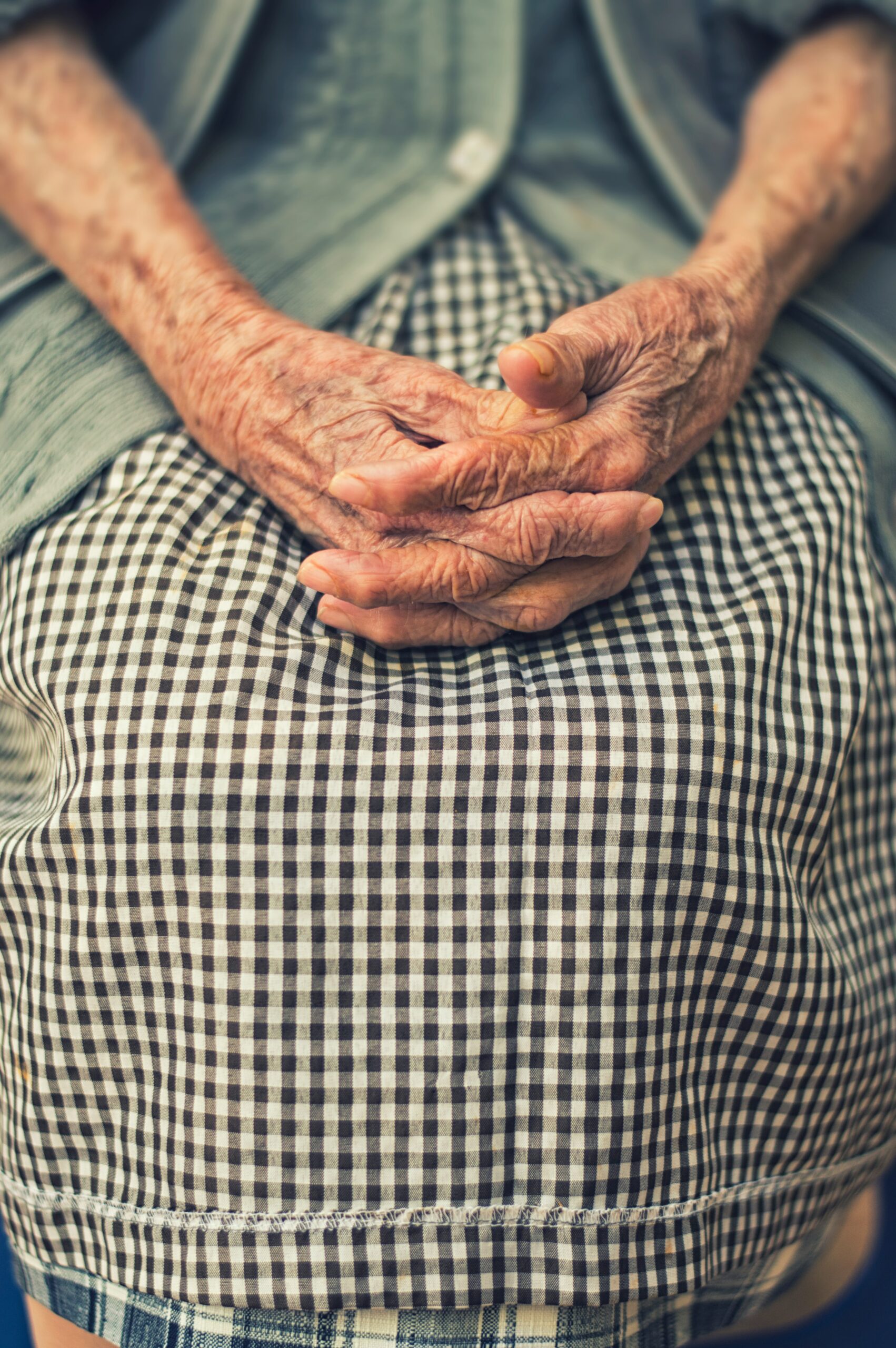
The irony is that in the rush of losing her memories, she is returning to a past that is still present in her mind. She doesn’t know what time she’s in. She completely lost track of time more than 15 years ago. Since that cloud descended, it has hung constantly over her memory, her life, and withered the trunk of a tree that sustained the strength of the family… because yes, I write about Abuelita, an illiterate woman whose intelligence always allowed her to embrace life. Today she could be a master of time, of the eternal moment, and of all existence without needing to know tomorrow. Now she is a stranger to the immediate moment, a slave to time, and someone whose existence forgets yesterday.

Silently, she began to suffer without anyone noticing. As she tried to recall why she couldn’t remember things, her routine dwindled to one day at a time. 

Today, the monster in her head has nothing left to eat. Even as she is forgetting how to walk, I am still following in her footsteps, and the Earth still feels the weight of her bones that refuse to surrender. She just enjoys one day at a time. I don’t know what kind of thoughts she has; she only talks to herself. Understanding her is like trying to understand a smile. I don’t know what time it is to her; we only enjoy her existence to keep her presence in our memory; and I often don’t know what time it is either; we simply forget time when we are by her side.

The Monster…

Alzheimer’s has distorted the challenge of understanding the eternal farewell, hidden the awareness of a time that has expired, faded the reflection in a mirror that will soon break, and stopped the hourglass at the instant when all meaning in life fades. Sand grains frozen in free fall.

The Monster affects neuronal tissue, which adults have on average close to 100 billion of. Even 

a newborn has around 223 million. Neurons create, and recall memories, then protect them. However, when they begin to disappear, a person’s behavior changes. Some become similar to a three-year-old child. I’m not sure how many neurons my grandmother has today. 

She began to suffer in silence, without anyone noticing. As she tried to process why she couldn’t remember, her routine gradually became a puzzle where she constantly had to find the pieces to put her mind back together, until one day she gave up. The pieces didn’t fit together, they were lost and disappeared, leaving a half-finished, meaningless game that was eventually swept off the table and onto the floor. Today I wonder what her last thought was before Monster took charge.

***

When today leads to goodbye…

Today she is 92 years old, and this all started when she was about 60. She used to tell me I was her favorite person—she’d told me that since I was a child—and now that I’m an adult, those words live on in my memory. Today she smiles with a lost gaze, trying to identify the person in front of her, but she can’t. 

I struggle to understand her struggles, and to calm her anger. 

She goes where her steps want to go, because memory doesn’t reach any corner or space.

Memory is a treasure we should all cherish. It’s a magic box where time should be itself and nothing changes. A lockbox where we can keep control and no one can steal any of it. A transparent box where we are the eternal instant that allows us to be alive and no one suspects it. And where experience is captured and refuge teaches us — a permanent storage box where we keep the life in a body and a body in time. 

Yet, I don’t know how many secrets we keep, how many stories no one knows, and even… how much time we have to preserve our lives before an outsider tries to invite us on a journey into oblivion. 

I haven’t said goodbye to her yet. Maybe I’m not ready, because when I am, she suddenly remembers my name, suddenly my time and hers stop for a microsecond, and suddenly the call of hope makes sense… but nothing happens. They are just shooting stars that cross our path to remind us that everything built in life also dies in life, and with it, a hundred stars I’ve seen.

I’d never questioned it, but Alzheimer’s is the answer to understanding that memory has its time, it has a limit, it has an expiration date, it has an end, and it has its own cycle, but all within our own reality.

That game of “What superpowers would you like to have if you could have anything?” is not, for many, an imaginary world, but a reality in which the life of Alzheimer’s itself is silenced behind those who live it. 

Faced with the refusal to accept that death also lives within us once, time is no longer the obstacle many fear.

White swan taking off from the ground
(Image courtesy of Ben Wicks via Morguefile)


Counter Culture

You must visit Alcatraz,” they said. 

There’s something quite perverse about lusting over the ghostly remains of a prison, I think. Especially one within swimming distance of the beating heart of America. 

San Francisco. Electric jazz, 24-hour diners, and Mexicana coursed through the city’s veins like the pulsating neon lifeblood of the twentieth century’s best estimate of freedom. Alcatraz stands sentinel, a mirror image of the Other Coast’s optimistic monument to Liberty. The island’s incarcerated vantage point shrinks the cityscape to a postcard as if, all at once, it could be lit by a single car headlight, driven deep into the night by some imaginary Film Noir Private Eye looking for an excuse to let off steam in a bar that no longer exists. The bay water lies still, mocking the failures of the Psychedelic Era, their twelve-string guitar refrains ringing out endless echoes in the cavernous brains of the 21st-century acid casualties, which we’re told by the Travel Agents, Presidents, and Uncompromising Capitalists, wait for us on every street corner. 

The Fillmore isn’t what it used to be” / “Don’t go to The Tenderloin at night” / “Wear your backpack on your front” / “Keep a hand on your wallet and the other on your G-U-N” / “Stick to the tourist hotspots” / “Try the artisan bread at Pier 39” /  “Go see the sea lions” / “Listen to the Ocean” / “Don’t make eye contact with those weirdos on the trolleys, that’s how they get you” / “The Golden Gate Bridge has a gift shop and a café” / “There’s a Macy’s right there in Union Square… and a Rolex store” / “What’s in a margarita again? It sounds Mexican to me… Have a bourbon instead” / “SOUVENIRS SOUVENIRS SOUVENIRS!

San Francisco. It all starts here. The Summer. The Pacific. California. The Gold Rush. America and its Dream. Peace & Love. America and its Nightmare

The Pinecrest Diner 

If I’d been at home in England, walking into whatever the British equivalent of the American Diner is, hearing there was only seating at the counter would’ve been enough to spin me back out onto the street, searching for refuge in the nearest Starbucks. 

But the high stools at The Pinecrest — San Francisco’s 24-hour Diner, est. 1969 — seemed to shout, “COME ON DOWN!” Their polished, heavy silver bases caught the early sun and shot it back out across the booths, illuminating families, couples, and solo patrons of all nationalities and heritages, like a melting pot mirror ball. The air was white with powdered sugar, it was black with caffeine.  

At this time, in the morning in a place like this, you catch the tail end of the night-owls: the ones still running on the fumes of yesterday. You also get the early-birds as well: the cops, the tourists, the business eliteties tucked into shirts to fend off the maple syrup deluge that’s burned them before. That’s the beauty of it — the American Diner. It’s timeless. Or, rather, it’s all times all at once. All times for all people. The Great American Cliché. But it’s only a cliché because it’s true. 

No easy-listening-FM-classic-rock-radio-background-music. The Pinecrest plays the real American soundtrack: the sheer VOLUME of ongoing operation. Grill sizzle. Cutlery scrape on Formica table top. Cash register ejecting to the rhythm of fugitive coins longing to escape its drawer. All cogs working toward their highest purpose, as the servers, high on well-deserved tips, slalom the course of tables and chairs, delivering the goods and clearing the remains. Pancakes, Waffles, French Toast, and Pie. My oh my.   

There’s something extremely satisfying about seeing the same thing on repeat over and over again. It has a calming effect on me. From my counter perch, shoulder to shoulder with the multi-coloured world, watching the uniformed rows of puddles settle into perfect plate-sized pancakes, I found peace. Peace without quiet. Flip, Flip, Service! Butter, Syrup. More coffee? Don’t mind if I do! I lost all sense of time as everything seemed to be happening around me. I was probably only in there an hour, but as the greased machine of unfussy fare churned like the changing seasons I could easily have lost a year. A city day in the City By The Bay. Did I mention it all starts here?  

Tommy’s Mexican Restaurant 

The unassuming facade of Tommy’s Mexican Restaurant — The World’s Best Tequila Bar, est.1965 —  gave way to a vision of The Real American Hero. Haloed by the stained-glass lightshow of a million reflections through a thousand tequila bottles, the bartender juiced lime after lime for the long afternoon ahead. There’s something extremely satisfying about seeing the same thing on repeat over and over again. It has a calming effect on me.

With a white towel across his shoulder, he was ready to mop the myriad problems of his patrons. He tossed the ringed-out lime husks onto an ever growing pile, a daily art installation: a monument to the Margarita. 

“Tommy’s Mexican Restaurant: where one arrives for a drink and leaves as a friend.” 

We’ll see about that, I thought to myself. 

If I’d been back home, in the British equivalent of the family-owned-and-internationally-lauded-drinking-institution, an invitation of “would you like to sit at the bar?” would have me back on the street faster than you could complain about the weather. But the complimentary platter of chips and salsa seemed to be waiting just for me, as if I was always supposed to be here, now. Take a seat, forget the outside world.  

The Hero wasn’t just any bartender. He was Julio Bermejo, the actual inventor of the actual ‘Tommy’s Margarita,’ which was my favourite drink in the world. Here I was alone with him, learning about agave, cocktail ratios, optimum ice dilution, the city and its country, life and its maladies. I sampled hundreds of dollars worth of tequila — stuff I’d never get in England — without charge. 

A cop walked in and  joined me. He bought me a shot of mezcal, and another shot, and another shot. Bang! Bang! Bang! Someone was shot last night, right outside the Rolex store in Union Square, he said. Out here, where THEY told me not to go, it was safe. I was probably in there for about four hours, but it disappeared like a flash.

A wide shot of The Golden Gate Bridge in San Francisco, California. The weather is slightly cloudy and the water beneath the bridge is a mix of different blues, due to the current. At the left of the bridge are some cliffs. In the distance, the city skyline is visible.
(Image courtesy of Maarten van den Heuvel via Unsplash)

Escape From Alcatraz

These two anecdotes are from the same day. The gap between them was bridged by walking on an actual bridge. The big red one. Its metal emerged from the hanging fog at regular intervals like futuristic robots rising from prehistoric land. There’s something extremely satisfying about seeing the same thing on repeat over and over again. It has a calming effect on me. Pausing at what I guessed was halfway, I could make out Alcatraz. Framed by the bridge, it looked imprisoned itself. Apparently, he’s thinking of re-opening it. Somewhere to put the immigrants, I suppose…  

As I stood from my barstool, I understood why food and drink is a fine way to see a city: everybody gets hungry, everybody gets thirsty. The Pinecrest and Tommy’s were different in many ways. One purposely faceless and fast while the other is deliberately familiar and slow. One’s sprawling menu racing to keep pace with its clientele while the other’s expertly-measured commitment to its craft teaches us the beauty of Mexico and its delights. What unites them is this: unlike the landmarks and the tourist traps, they’re both necessary

Both could easily sink into the commercial comfort of nostalgia, but neither does. They’re not relics. They’re relevant reminders of the value in communication & connection, meeting new people & learning their cultures, social diversity & tolerance & hope & all those other essential ingredients in the freedom we apparently seek. Both preserve the individuality of a city, a state, and a country under threat from its own leadership. They’re what San Francisco needs to be, for all of us, forever. 

I said goodbye to my new friends — the celebrity and cop — and wobbled my way into Golden Gate Park. The late sun shone in splinters as the last meditative ounce of mezcal took hold. My mind was clear of all thoughts except one: a seat at the counter is always a good idea. 

Trying To Be

The search for answers

Sometimes, when we have time to reflect on ourselves, questions arise that make us reflect on life itself. Questions like: What is my purpose in this world? What is my mission here in the land of my birth? If my country is my home, what do I want to be? Countless, endless questions become a labyrinth in our minds, struggling to find a way to discover answers to things we don’t know, but that we hope to find throughout life.

I’ve had countless nightmares throughout my life. I’m not kidding… Being 31 doesn’t mean my life is already figured out. In fact, nightmares have visited me every night to remind me that I haven’t yet found where I want to be. The truth is, I don’t know where I deserve to be. 

In Colombia, for example, our culture is so rigid and planned that if you don’t follow social norms, you’ve wasted your life. These invisible rules actually reflect the discontent, frustration, and insecurity that prevent us from getting what we invest in our lives. 

Colombian culture impresses upon the youth that the only possible lifestyle consists of ​​”being born, growing up, choosing a career that will make me rich in the future, buying a house, and starting a family,” only to then be told — sincerely or hypocritically — “How lucky you are!” or “You deserve it.”

What do we deserve? And, what kind of luck should we hope for?

In my case, when it all comes down to money, choosing a career in art without a good salary hasn’t allowed me to fully become the independent woman I want to be. Is happiness found in money? I know it isn’t, but social norms make you think so. 

I am a woman who, given my sexual orientation and unmarried status, does not fit in with the Colombian status quo. Because of this, I have taken refuge, like others from minoritized groups before me, in art as a profession, gaining approval of my skills in universities by way of a diploma. I’ve received, in return, a qualitative gain that can be characterized as: “Pao, you write very well!” And I hope that I do. 

So what can we say about artists? We celebrate our wisdom in the worlds we create for ourselves, because in the real world, we are in the lion’s den that darkens our existence.

A place to belong in

Canada, on the other hand, being my first English-speaking destination, was my first home away from home, allowing me to open my mind and understand that life is more than the place you occupy. Europe, being a quick tourist trip, showed me, between its history and avant-garde style, that the possibility of an existence of a body in a space doesn’t require rules to exist. Now, the United States, the unexpected destination I chose next, is the country where I’ve been learning how to unlearn the supposed truths that I grew up with.

Those countries were just a window to see that we have another way of life, a window to reflect and say that it’s not too late to find yourself and be who you want to be. Do I regret not having the courage to decide what I want to be earlier in life? Of course I do!

But, at that time, I wasn’t mature enough to decide what I really wanted. I was simply a girl exploring the world and reaffirming that there is a life beyond the one you have in your native country. 

Why the United States?

I’m not quite sure myself. As of now, I’m writing to you from Alabama. Yes, the quiet state of Alabama! My first impression here was of a calming routine of a busy life, where you see more countryside than industry and more landscape than cement. It is welcome after feeling like I was on fire from the constant search to exist in the same land that saw my birth. 

How ironic, right? If decades ago there were Martin Luther King, Rosa Parks, and other leaders who left their trace today in every street, museum, and sculpture – so as not to lose the battle against oblivion and be forgotten – today, a Latina woman from a developing country has found herself in this land to silence any voice that stirs the weeds of her mind, preventing her from seeing the peace she seeks within to flourish.

Through my eyes

One day, for example, while driving aimlessly down an unfamiliar street, I found myself surrounded by abandoned, but not defeated, houses. The old framework still stands, refusing to disappear, leaving – in the eyes of tourists – the sense of a silenced but resilient history that refuses to be left in the past. When the rubble of the house still stands intact in its soil and foundation, it is unhindered by the thick layer of roots that tries to undermine it.

This is a description that may seem boring to many, but it has been the motivation and inspiration for my resilience in trying to discover who I want to be. I am still in the process of making sense of what I have discovered. I have found confidence in the knowledge that the calm hidden in the foundations of things will show me how the steady rhythm of the present can work.

The unknown path

Despite writing so harmoniously about what I see of Alabama, my mind is restless because I am experiencing the unknown in my country: peace. A peace that is forgotten when I am dominated by emptiness, the uncertainty of tomorrow, fear, anxiety, frustration in the face of the unknown, the passivity of time, the absence of answers, regret over decisions, the pressure of not having yet raised the diploma of “I am who I want to be,” and other emotions that I carry like a burden. These feelings don’t hinder anyone’s path except my own.

I don’t know how long I’ll be here. I only know that we are seeds seeking soil to flourish, bodies occupying a borrowed space to exist, and minds trying to understand the paths we build to travel on. As I write to you and you read my words, even without knowing each other, we are building bilateral relationships. Here, I am trying to find myself through my own writing while you are possibly reading these words to silence your nightmares or to reach out for a moment of connection. It is ultimately the same immense path we try to travel in this encompassing world, in the time and space that each of us has managed to be.

But who do I want to be?

This is the question that my eternal and inaudible voice asks, as it will accompany me until the day I stop searching for a path, stop fighting my nightmares, and cease to exist. For now, I know it is my compass in time to never forget that, on Earth, our existence is labeled with a first and last name and that our life impacts those around us.

Munchkin In The Kitchen

Like most toddlers in the kitchen, my daughter Naanie (also Hayat, my munchkin) is very tactile and loves the concept of eating her art project. Still, she has my very close supervision since her dexterity and motor skills are still developing. She does the following tasks with minimal assistance: picking fresh herb leaves off stems and ripping them into small pieces, tearing up lettuce, brushing (or “painting”) oil with a pastry brush, using the rolling pin for dough or puff pastry, squeezing water out of thawed spinach, stirring, and mashing.

I give her close supervision when it comes to grating and peeling, but no chopping vegetables and herbs with a knife. 

When she was 3

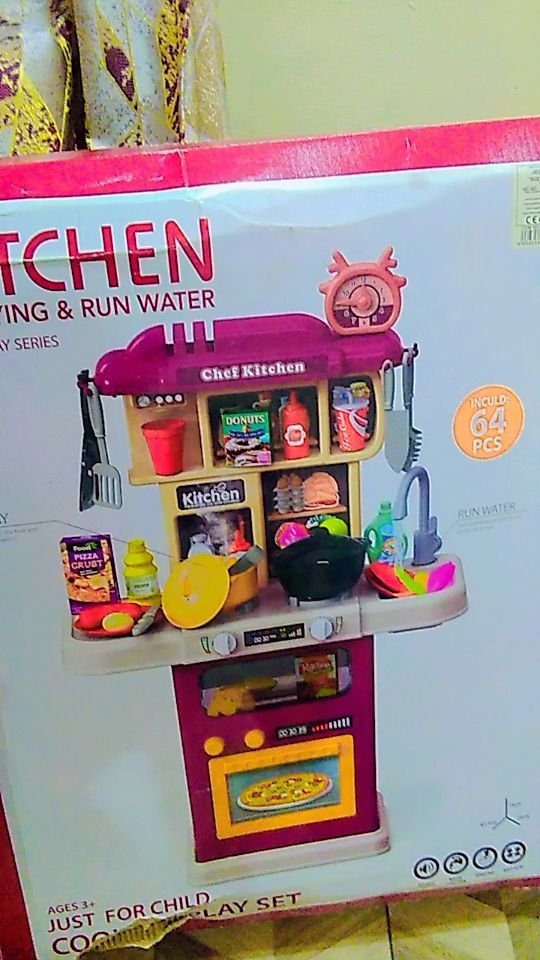
She broke plenty of eggs one time. “Naanie, what are you going to do with these eggs?“ —  “I want to bake cakes.” So, telling my mom the story of what happened in the kitchen, she brought her grandchild a 64-piece toy kitchen set … from Egypt. 

When she was 4

 “Ammie,” the name she addresses me with, “can I cook with you?” 

When she was 6

My now 6-year-old had expressed a few times that she wanted to learn to cook. Over the years, I’ve had her help here and there, but one day last Ramadan she asked if she could help me cook “everything“ for the  iftar, our evening meal breaking fast. 

“Sure Hayat.” 

My daughter thought it was such fun that she ran and grabbed art supplies and made menus. Her dad came home to a set table with all this and more: 

Mains
SidesAlso …
SandwichesYam ballsPita
Meat pie Potato ballsNaan
Chicken pieMixed potatoesCroissants
Shepherd’s pieSamosaPopcorn
Spaghetti BologneseFrench friesJuices
CouscousTender riceSmoothies
DashishiMulticolored rice
Tuwo (corn dumplings)

From that day on, every evening we do have a blast! We begin to cook and do the kitchen chores together more regularly. 

Naanie and I plan meals together. She’s included in the whole process from finding the recipes to purchasing and gathering the ingredients, plus researching for various cuisines on the internet. Followed by actually making the meal and creating the ambience. It must be the world chef in us, as I love the energy in the warm atmosphere. 

We learn a few words for our meals, to try and incorporate them into our dinner conversation. Learning and living, plus cooking and eating. Munchkin makes menus and creates a restaurant name: Purple Hearts 💜. 

We’ve found that this time together is truly fun, and we laugh throughout the work. Cooking can be an escape, and my daughter often comments on how relaxing it is. I would have never known that about her had I not allowed her to help. That said, it does take more of my time and patience to oversee her doing the tasks, and not twitching every time there’s a spill.

If she can cook, so can he

Her dad simply adores these evenings. He has commented multiple times on how special he feels coming home to a surprise feast from his girls. Now he also includes her when he cooks. Cooking has become a family activity, and we all get involved. 

Our meals are made with love, as my daughter often says. 


For me, I really do like to keep a clean kitchen, so I clean as I go. Therefore, before allowing my daughter to join in, I shared with her how cooking looks in our house, so that I wouldn’t react negatively. If she spills some sauce, or dribbles some mix, she now wipes it up immediately saying to herself, “we clean as we go,” and then there’s no frustration. Spills and accidents happen, but she’s proactive about cleaning it up and I like that. It makes me more likely to want to include her again. We make a good team, and I can honestly say it’s one of our favorite activities to do together now. We even have matching aprons! Who would have thought!? It all started on a whim, but it’s become a fun tradition in our home.

Sounds fun 🤗? Thank you 🌹!  Try it out 💜. 

Pondership – When Stepping Back Feels Impossible

Love. It’s an enduringly weird and fickle thing. It can lift you up and strike you down in grandiose ways. Sometimes, it’s practically Shakespearean.

Most of the time? Love is just confusing.

First sight

I first met her at university – let’s call her Rose.

She was one academic year below me but three months older. Her hair was that ephemeral dimension between blonde and brown. Her dress sense continuously surprised me – shades of bohemian with thick, colourful jumpers, home-knitted cardigans and crop-tops, and stunning, flapper-style dresses.

Most striking, however, was her wit, her timing, and her inability to take any group photo seriously. She was desperately funny, a maestro of sarcasm and deadpan, not to mention her insane musical talents.

She was so… irreversibly herself.

Lying below the surface

In my third year, I spent an increasing amount of time with Rose. We performed together, crewed shows, attended nights out… So much so that she became an integral part of my core friendship group, which kept us tightly in contact until graduation.

Our summer together in 2023 was idyllic. Both of us had endless time on our hands now that classes were dismissed, and we all lived in relative proximity. Every other day we’d be round someone’s house playing video games, board games, or “hide and seek in the dark with objects” (not as kinky as it sounds). We’d be swimming in the Thames near Englefield, taking trips to Thorpe Park, kicking about on the university green. 

I never realized how much it would hurt when Rose was the first to travel back home.

Detachment

In July, I graduated. Soon after, I’d settled in London for my Master’s degree and my daily routines took on a new, intense focus.

By December, I was struggling hard with detachment. Sounds silly now, but I’d assured myself that the finest hours of my life had come and gone. I was procrastinating endlessly, dwelling on memories and choices that couldn’t be reversed. My productivity was at an all-time low. Throughout this malaise, I realised one face was cropping up in my imagination more significantly than any other. Feelings I’d long since suppressed started to make sense.

Suddenly, I’d developed an unquestionable, irrevocable crush on Rose.

Collision

What was I thinking? Rose was still completing her third undergraduate year. Any potential relationship would be destined to be long-distance, even if she felt the same way. We were running in different circles now. Plus, I came to realize that we’d never spent any one-on-one time together outside of our friendship group. We could be completely incompatible. There were so many obstacles… but I had to try.

Thus, in January of 2024, Rose and I collided on the streets of Windsor for a delightfully sunny afternoon hangout. We had a gorgeous pan-Asian meal at Banana Tree; reminisced on university memories, laughing anew at inside jokes; took a long walk on the Long Walk as the sun came into rest; caught up on dream musical theatre roles. The synergy was pouring forth. Everything felt easy. Freshly exciting.

So, I confessed to her.

I can look back on it now, say it was too awkward, too convoluted, I didn’t use the right tone but Rose always knew how to make a situation comfortable. She said I was a dearly special friend but that she wasn’t in the right mindset for a relationship at that moment. It was an elegant, compassionate refusal.

That was that. Job done. Feelings addressed. Everything was set in order. Or, at least, that’s what I hoped for at first.

Who was I kidding? I couldn’t let Rose go so easily.

When stepping back feels impossible

I imagine most of us would give anything to crawl into someone’s mind and see a situation differently. I certainly could have cleared some things up in this case. Alas, I latched on to any hope I could find. It wasn’t a “no,” I kept telling myself. “Not yet,” maybe. 

Rose probably needs time to rearrange her own feelings. It hasn’t been too long since she ended her last relationship. Yeah, that’s probably impacting things.

I continued to see Rose as much as possible. I would over analyze the tiniest interactions, searching for heightened affection – for instance, when Rose hugged me not once but twice the first time we saw each other again (after all, no one else got two hugs, so far as I could see). Or when she started joking about me with her mum following her end-of-year performance. Clearly, I was the butt of some inside family joke and that excited me beyond words.

Simultaneously, there was distance between us. Rose could hardly hold my gaze if I was talking to her. I initiated almost all of our conversations. Messages I sent would sometimes linger for several weeks before getting a response.

In hindsight, the mystery was the most attractive part – the curiosity of sourcing a reaction. Wanting to uncover potential unsaid feelings. Wanting my idea of Rose to align with the real person.

Of course, it was only the idea that I loved romantically. The idea was bountiful when the reality was not. Ultimately, I had to let go of this ethereal version of Rose I’d formed in my mind. But how do I break up with something that doesn’t exist?

(Image courtesy of Kelly Sikkema via Unsplash)

Pondership

This was the word I kept using when talking about Rose with friends – a “pondership.” There’s a lingering attachment phase when a confession has been rejected. Not quite a friendship, not quite a romance: something in-between, something confusing. An unknown state. A Schrödinger’s relationship, if you will.

The more I thought about this term, the more I realized it could help me. I started pondering an entire relationship with this fake Rose I’d created, from the outset of dating to an eventual separation. The purpose of this wasn’t to live in any sort of fantasy. Really, it was quite logical. I specifically looked for rough patches, scavenging for drawbacks and dissuasions. I evaluated where I wanted to be with my life and routines, weighing these against the progress Rose was making.

Steadily, something started to shift. I was able to attach negatives to romantic involvement, though Rose and I were far from dating. I was able to step back gradually, separate at my own pace, and respect Rose’s boundaries. 

I fell out of love. In that process, I realized – we were growing up. I think the major reason I fell for Rose was to hold on to my university days, those long nights in the summer and the cocoon of a moment that felt transcendental.

Moving on

Everyone has a first love. Not your first partner, not your first physical experience. The first person you obsess over. Lose sleep over. The person who destroys your productivity with intrusive thoughts, who makes you want to change who you are as an individual, to be better and more complete as a person.

Rose was mine.

Rejection sucks – let’s be perfectly honest. When everything aligns in your head, any interruption becomes such a destructive feeling, so be kind to yourself. Give time to that pondership phase but never lose yourself in it. However impossible it may feel to step back from the idea of perfection, it is possible to crack holes in that façade with enough discipline. Everyone’s process will vary but the sentiment remains the same:

Love is confusing. Definitely a tad Shakespearean. And it’s also one of life’s greatest lessons.

Urban Puberty

When I was 15, my family moved back from the rural Kansas countryside closer to my hometown of Manhattan, Kansas. 

Yes, I was born in Manhattan, Kansas. I was raised, however, 30 minutes east out into the countryside of Pottawatomie County. The first 15 years of my life were spent on several acres of land that would be considered a nontraditional homestead to urbanites, but was really just a simple house with a lot of land to roam.

At an already dynamic age, the Uhmerican Male Teen Years, we relocated closer to Manhattan, to just outside the city limits as they stood at the time. The cultural shock was rivaled in chaotic effect only by puberty.

On a map, it was only a few miles or minutes away. But moving from the open and free prairies of my youth to the confined urban landscape changed my perception of the world. In the country, I felt I was making my own way and learning my own lessons about life. 

Urban living served lessons more about how to survive in an impolite society — surviving in a manner that was interpersonal, rather than independent, as rural living provided. 

Urbanization is a nationwide trend in the US  where people migrate from a rural living situation to an urban one. People raised in the uncrowded country way of life take it upon themselves to seek new opportunities available in a city setting such as employment, education, and life experience.

Phased burns and other rural milestones

Growing up in the countryside of Pottawatomie County, I knew I was being raised in a different way of life from that of my school friends who lived in the town of Manhattan. Our family had chores, a horse, and an hour commute before and after school on the bus. 

When our neighbors needed help around the house, it wasn’t just to help with mowing the lawn or fetching their mail. We often were volunteered by our parents to help harvest crops, maintain livestock, and any number of other rural-specific jobs that my urban classmates never had the opportunity to enjoy. Or whole-heartedly abhor. 

(Image courtesy of Jeromey Balderrama via Unsplash)

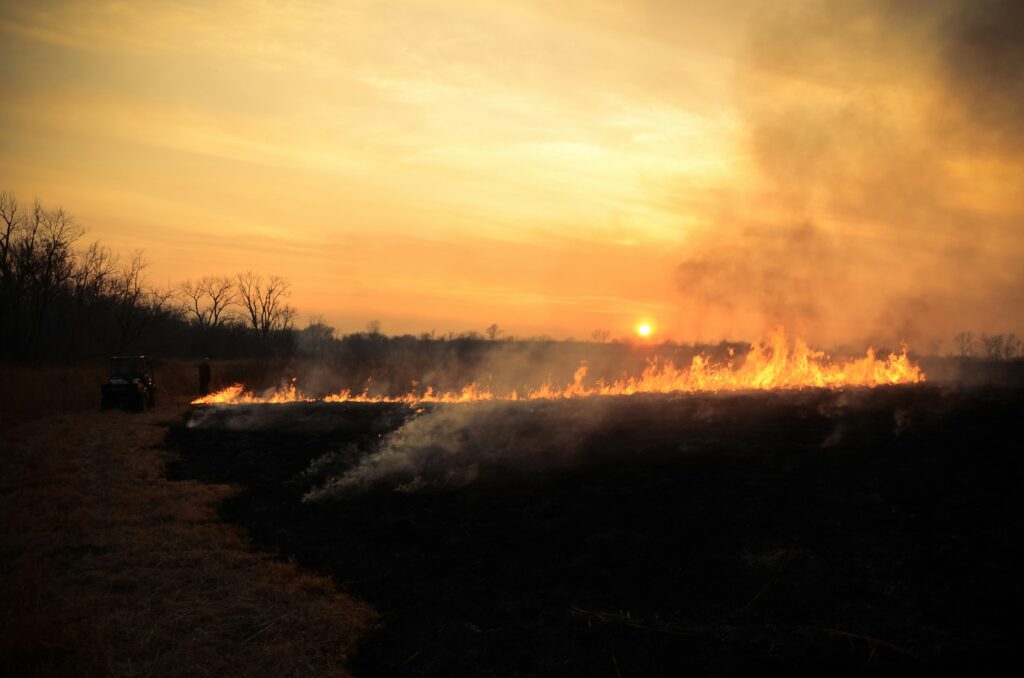
In Kansas, phased burns are an annual aspect of life. Farm and grasslands, which may have sat dormant all year, are burned off in a controlled manner every spring, killing off detritus of the previous year and clearing the way for new growth. As a child, these spring months were often filled with roiling clouds of smoke across the skylines in all directions, with the occasional wails of fire truck sirens when a farmer’s phased burn passed control.

My first piece of farm equipment with which I became proficient was a Heckendorn lawn mower. This lawn mower brand was created in Kansas, provided industrial-grade landscaping equipment, and required OSHA training to operate. The model I operated had a 6’ cutting span, a 3’-wide steering bar, and manual transmission.

By the time I was 12, I could navigate the Heckendorn around our rural property as part of my weekly chore regimen. I would wake up on Saturday mornings — or afternoons if I was lucky – to grab my latest literary selection and retire to the sweaty mechanical noise of the lawn mower for the better part of the day. Our more rural neighbors likely thought it odd that a child was reading a book while mowing acreage.

Westward down Highway 24, or down I-70, from where I was raised sits Fort Riley, America’s staging point for every major deployment in our nation’s history. What used to be family farmland, subject to imminent domain in pre-WWII America, is now part of a large ordnance range on the army post. Growing up, anyone within 50 miles of the post knew when the army personnel were practicing with live ordnance, as the concussions from the explosions radiated outward across the plains like orchestrated thunder.

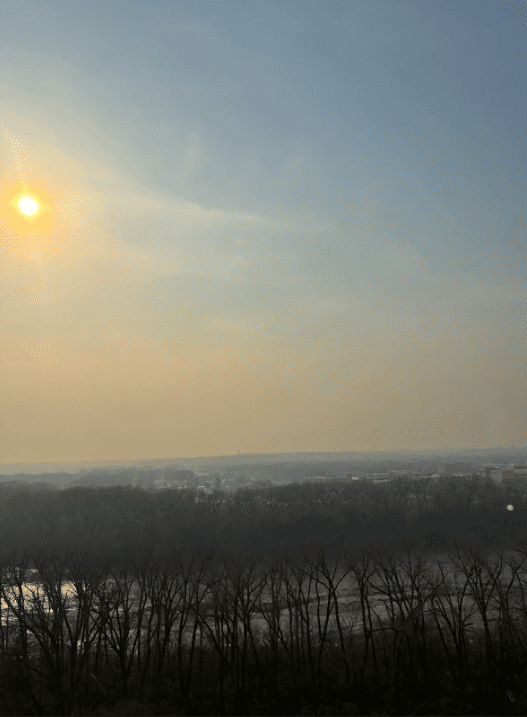
On a smoke-filled day in the heartland, operating a lawn mower the size of a piece of construction equipment, perhaps reading Twain, Steinbeck, or Crichton, with the controlled burns scalding the land and the army practicing war down the road, one could not help but feel they were being raised for some kind of fight.


(Image “Smoke Filled Manhattan, Kansas” courtesy of the writer, 2025)

Summer in the city

By my teens, things in the family changed. My grandparents, who were our closest neighbors, were getting a divorce. My father, who had taken over the family business, was moving up in his industry and wanted to be closer to work. My mother, adoring as she always will be of rural Americana, wanted her children to have the “better opportunities” urban life could provide. 

So, during the summer between my 8th grade and freshman year of high school, we moved. The new house sat just on the outskirts of town, technically outside the city limits. Still, the change also paired with a change of perspective for me personally. While we were transitioning literally from rural to urban life as a family, I was transitioning internally. 

As time passes

My grade school education was at the local private Catholic school. Now, I would be attending the town’s only high school; a public amalgamation of all local middle school classes. I was tired of being the so-called “smart kid” or “gifted kid” or even just different. I wanted to fit in. 

So, I started playing high school football. I figured anyone who could play football would fit in, and maybe I could even get a girlfriend out of the deal. While my grades did not suffer like so many students adapting to puberty and public school, my personality changed. I started to care how I dressed, how I presented myself, and how I was perceived. 

At 15, I had a State of Kansas Learner’s Permit. Even though my address was still technically outside of city limits, I had the legal right to drive a car to work and to school. I began to stay out late on the weekends. I began to discuss ideas about my upbringing and its dynamism with my new life. My friends were inevitably going to change, as well as my life in general, but now that I could drive into town on my own, I could be anywhere in town in minutes.

Puberty being as difficult for anyone as it surely is, I apparently welcomed the eclectic adjustments to my lifestyle that our family’s urbanization allowed. Parties were fun, even if consisting only of a few vehicles around a bonfire. Manhattan, Kansas, is surely still rural today by most standards.

Chasing glory

By sophomore year of high school, our varsity-level football team had made the playoffs, and I was invited by the varsity coaches to practice on the scout team — the group of players who imitate the next week’s opponents in order to prepare our starters for the game. As an immature, arrogant, oafish sophomore, I welcomed the opportunity to stand out among my peers, to prove myself to my betters, and potentially impress next year’s coaches. 

With the postseason success of the Manhattan High School Indian Varsity Football team, my social life found a new, and unmanageable level of success as well. By the end of the 2001 Kansas State 6A football season, our varsity program was state runners-up by a rather large margin and I was officially a cool kid for the first time.

Junior year, 2001-2002, we were living in a post-9/11 America. As students, we did what was expected of us. We went to school, played sports, partied on the weekends (at least), and got ready for college. President Bush told us to keep spending money, so anyone who had any did just that. Having been raised in the war zone of Manhattan, Kansas, many of us were initially fully gung ho about shipping off to war. Time proves fools of us all.

Navigating the sprawl of life

After four years of urban living in Manhattan, I enrolled in Kansas State University, my hometown university. After completing a bachelor’s degree in political science, I took the first job I could find to take me out of Kansas. I ended up in New Jersey, then Southern California, and many places in between in the years since. Talk about cultural shifts.

Manhattan, Kansas, is a joke relative to Manhattan, New York, or even Manhattan, New Jersey, at least with regard to any concept of urbanity. The East Coast Megalopolis was outdone in scale and effect only a year later by the suburban sprawl which was San Diego and SoCal in 2010. But urban areas  only appear to expand. 

Urban sprawl, like so many man-made realities, is by definition intended to expand. Today’s urban world constantly requires more. More information, more wealth, more labor; more and more. Each of these components of urbanization requires continual renewal through precious and limited resources like water, energy, and space. The sprawl continues seemingly unabated from coast to coast.

While my rural upbringing is in the past, lessons of that phase linger. I work hard at my goals, I make an extra effort in the task at hand, and I go out of my way to help others. While I am sure these lessons are learned in urban areas as well, my life since leaving the country feels like it has sped up incrementally over the years. 

The balm of calm

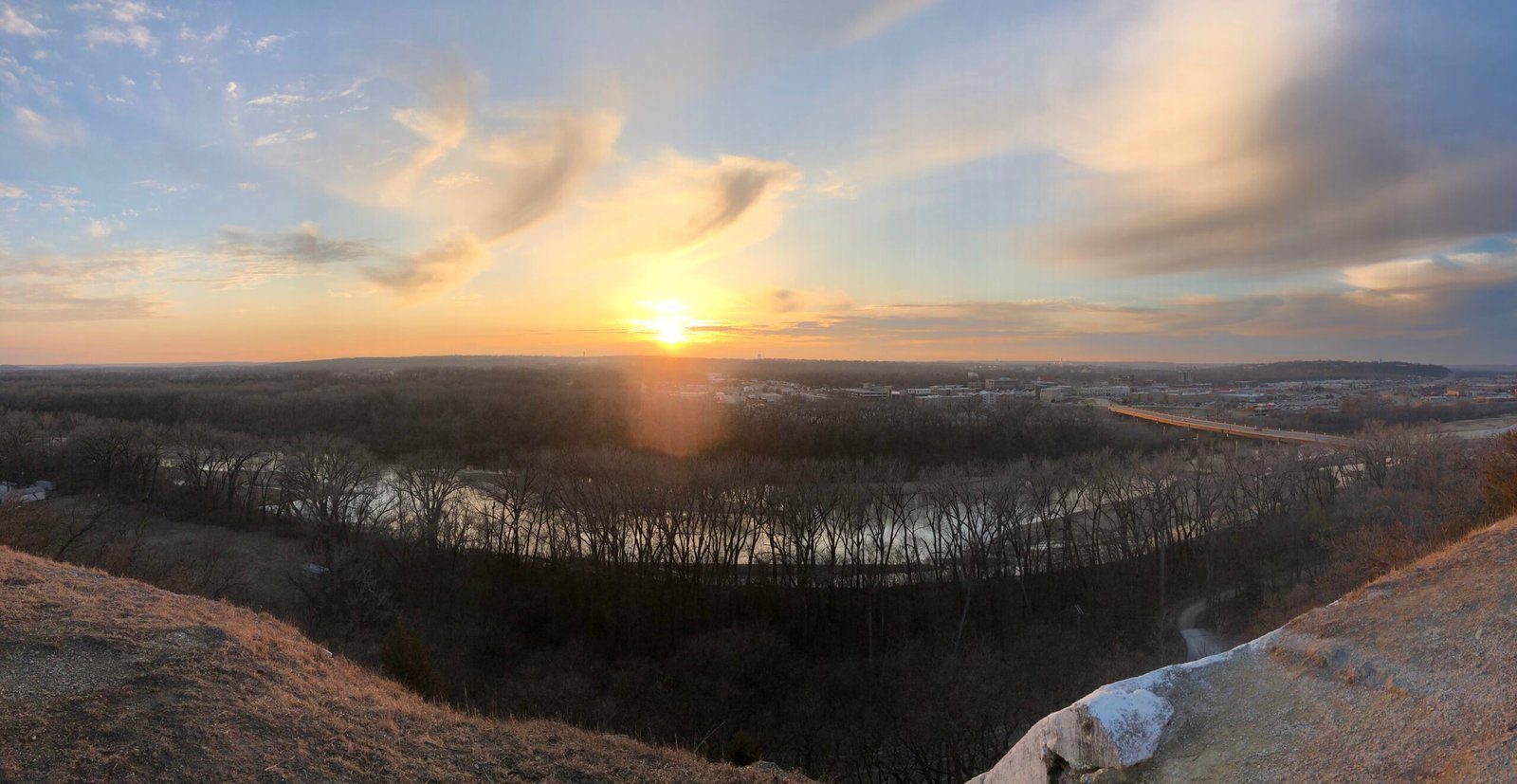
This acceleration is likely due to a variety of factors both internal and external, but in the midst of change, I find a sense of calm in recalling the countryside. Out there, you can get away from the speed, stress, and conflicts of everything urban, even if only for an hour. All that subsides in the country, or is at least replaced by the more familiar aspects of the life of my youth. 

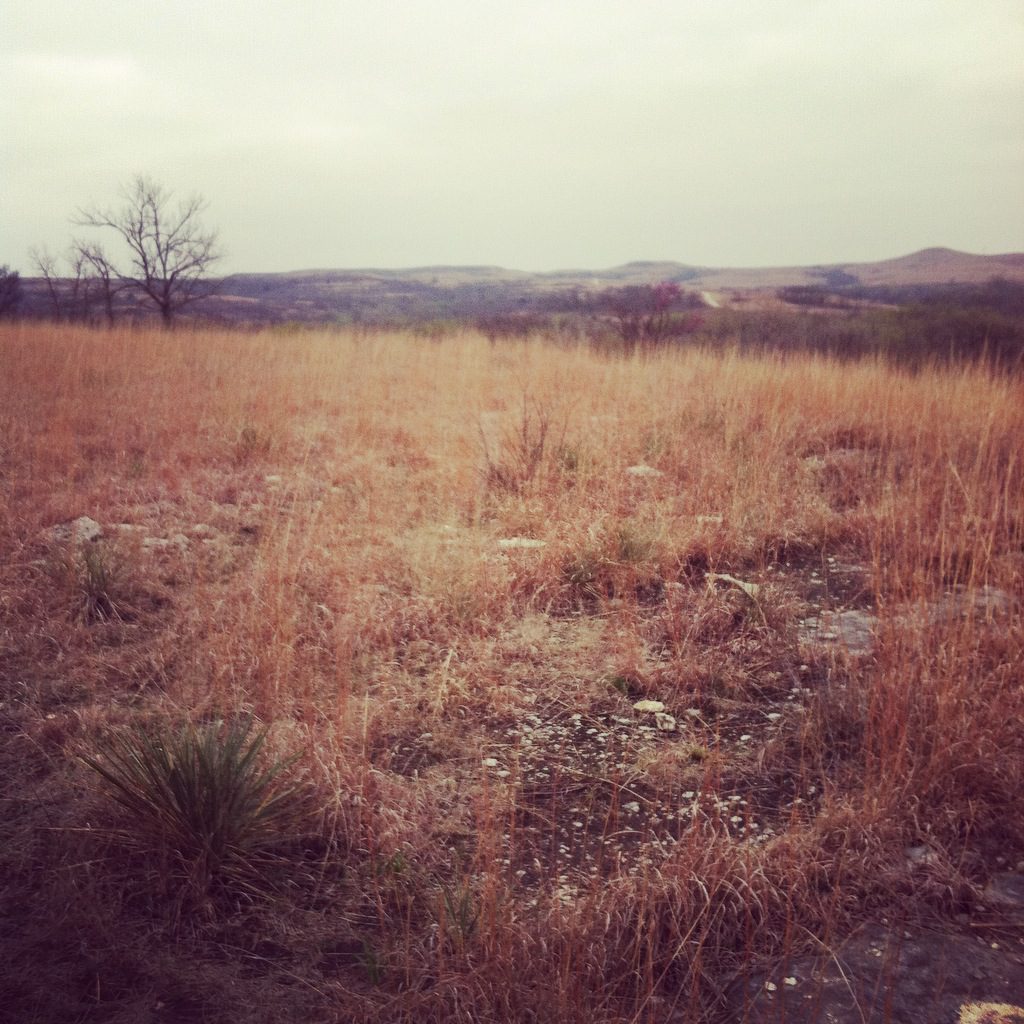
Wide-open plains, shifting winds, warm open sunlight — the peace of mind eases my troubles like nothing else does.


(Image “Prairie Home 2017” courtesy of writer)

All Hail Zindar!

Three and a half years ago, when I was just starting my second undergraduate year, I found myself developing an attachment to a mysterious and unnerving activity called…

Improv comedy

*dramatic gasp* Believe me when I say that taking up improv was a jarring change of character. I was no stranger to performance but improv had always terrified me. The very thought of dashing onstage unprepared with no safety net was a waking nightmare.

Aside from a rather embarrassing moment (that I desperately try to avoid reliving) at a preteen summer school, my improv experience was basically non-existent. Outside of acting, I was straight-laced, introverted, and most certainly shy in public scenarios. I could barely talk to people. For most of my first year at Royal Holloway: University of London, I was content with my quiet, online writing society. There were only five members in the group and every one of them was heavily reserved and terrified of giving any criticism. Just my cup of tea!

My second term took place during the COVID-19 lockdown, and as a result, I got involved with some online shows. As expected, I didn’t foster many strong bonds during these performances. The distance and lethargy were affecting all of us, especially in the drama and theater sphere. By the time we were back on campus in term three, I felt I hadn’t made many lasting connections. I hadn’t found my people.

Reflecting upon it now, improv found me at an important turning point in my life. I never would have sought it out on my own, especially not with my reservations. In fact, the only reason I can talk about this today is because of one person.

The Anna effect

Out of all my former course mates, Anna is certainly the wackiest. She is completely  unique, quick-witted, fiercely intelligent, and progressive. Technically, she was the very first person I’d met at Royal Holloway. We sat together for an exercise during our induction day, only to be paired up again in our first module on campus for a devising activity. She still terrifies me as she did back then (in the best possible way).

Toward the end of the year, she bullied me, albeit playfully (I think) into joining the university’s improv troupe, the Holloway Players. What struck me was not just her conviction but the way she idolized the people in this group. They’d become family to her. They were her obsession. She had no problem voicing that quite violently to me. Her recommendation arrived at a perfect moment: I’d had a particularly bad experience with my flatmates and was searching for an escape. I was willing to try something a little different, even just to play some drama games, watch some goofy improv, and go home.

I took her advice, and it was one of the greatest decisions I’ve ever made.

Stepping out of my comfort zone

The first session I attended took place on the campus meadow in the gorgeous summer heat. I saw a small group of funnily dressed people, a bunch of snacks laid out on two picnic tables. I could see Anna enthusiastically waving me over. Around then, I was thinking, “Well, I’ve been recruited into a cult, haven’t I?” A couple of their leading members introduced themselves. They were third years and social engineers. Complete strangers. I lingered awkwardly, not really pushing myself to enter any conversations about sacrificial lambs or the strange deities they were bound to worship.

Mercifully, the drama games began quickly. We gathered into a circle to play everyone’s favourite theatre staple…

Zip, Zap, Boing!

For those who haven’t attended a single drama class in their life, it’s an energizing warm-up game with very simple rules. At any time, one person holds a ball of energy that must be passed around the circle. They can either:

Zip, and pass the energy to the person adjacent to them.

Zap, and pass the energy to any person standing across from them in the circle.

Or Boing, reflecting an incoming Zip to reverse the direction of play.

Simple enough, right? Well, this wasn’t like any game of Zip, Zap, Boing I’d ever played.

Bending the rules

Within the Holloway Players, there were certain house rules: player-created bits and routines, collected and preserved throughout the years in addition to the typical moves. 

To name but a few, you could call upon Reflector to block a Zap, which would lead to about five or six further utterances passed back and forth in an epic battle sequence. You could turn the Zip into a Boomerang or Ball, causing everyone to duck or jump in turn respectively. Shouting “Andy’s Coming” would have everyone dropping like a ragdoll to the floor like the toys in Toy Story. “Eleanor Cobb” would set off a repetitive chant of “feed me teeth, feed me teeth, feed me teeth” as everyone pranced around and swapped positions in the circle.

So, yes, my initial fears about joining a cult were quickly confirmed.

One of the committee members, Aaron, had cautioned the house rules for newer members by stating that “if you don’t know what’s going on… scream,” which was a surprisingly effective pep talk. He’d also encouraged people to embrace mistakes and improvise around new rules, should they crop up.

I may have taken this a tad too literally.

By this point, the game has been playing for a while. Many exotic and strange rules have been demonstrated. I am given the Zip and turn to Aaron on my left. The word then escapes my mouth before my brain has a chance to process it.

Zindar!

An excruciating moment of silence follows. I begin to regret every life decision that has led to this moment. “What possessed me to say something like that? Where did that stupid thought come from? I have to switch universities. That’s the only option. Anna must think I’m such a buffoon –” 

Then, all of a sudden, Aaron starts to raise his arms while bowing his head in reverence.

All hail Zindar!

Something amazing happens. The entire group repeats the phrase, bowing their heads to Zindar. The president walks over and shakes my hand. Aaron starts singing my praises as a rousing applause picks up.

Not even ten minutes into my first session, “All hail Zindar” was born. A rule that has been preserved and still gets quoted in Zip, Zap, Boing to this day.

I’d cemented my Holloway Players legacy.

Something clicked then. I felt embraced. Comfortable. So much so that toward the end of the session, I mustered the courage to join an official improv game. It went terribly! My whole character arc revolved around a watch that exclusively tells you the time since you last ate a radish.

Naturally, I was given areas to improve in, but this criticism was framed with the most overwhelming encouragement and support. These people were fully geared to laugh with you – that is, to remove the fear of mistakes. They were completely unserious and whimsical. Most importantly, they made me feel proud of the steps I’d taken getting to this point. I’d taken the leap and I wanted to do it again.

I suddenly understood why Anna had been so obsessed. I’d found my people.

Moving forward

To make a long story short, the Holloway Players became my home away from home. We took a comedy set to the now-defunct One Night Records venue in London to rousing success. I’ve additionally performed in two fully improvised musicals and an amateur, spin-off version of “Taskmaster.” I was voted “Player of the Year” in my second year and gifted a “Shining Light” award in my third. Moreover, I became the secretary of the society in my final year alongside Anna as president, working to encourage an unprecedented spike in membership and to further develop the inclusive values the society embodies. I’ve stepped into the role of compère for dozens of sessions and pub shows. I even started running some improv workshops at Goldsmiths University in my Master’s year.

When I think back on all these achievements and memories, I wish I hadn’t been hesitant for so long. Since finding improv, my confidence has skyrocketed, both on stage and off. I’ve become more proficient at networking, applying improv skills in conversation to foster greater communication. I’ve directed several short performances and radio episodes – something my younger self would have paled at the thought of. My greatest and dearest friends are all Holloway Players. I continue to credit so many things to that one moment of pushing my boundaries, forcing myself into strange company, and taking an unprecedented leap.

It transformed my life.

Give it a go!

Whether it’s improv or another skill or activity you’re anxious about, I implore you to set aside your apprehensions. Listen to your friends. The only way you’ll discover if something is for you is by doing it. Get out there!

Me: The Kenyan Father, and the British Father

Dreams of opportunity

“I finally get out of this frustrating country and explore!’’ 

It’s not that I lack patriotism for my country, but honestly, that is how I felt when I finally secured my visa to the United Kingdom.  What could be more exciting for someone like me from a “Third World” country like Kenya than securing an opportunity to live and work among the citizens of Great Britain? 

My destination? Oxfordshire, a far cry from Nairobi City, the alleged capital of Africa. I am heading to a whole new world of hope. 

Migrating to the UK was like a golden opportunity for my family and me, and for my daughter specifically, since I believed she would be able to get a top-tier education, better social amenities, and, of course, get to interact with a different cultural community. At least, that is what I thought. Little did I know that all that awaited me was but exhaustion and stress from relocating and missing my family, my friends, and the warm tropical weather back home. In fact, by the time I landed in the UK, I immediately found myself appreciating the climate and weather back home in Nairobi.

Migrating from expectation to exhaustion

(Image courtesy of Alexander Dummer via Pexels)

I convinced myself that it was just a matter of time before I’d get used to this cold weather. At least this seemed to be the least of my problems. But in reality, things were difficult, more so since I was an immigrant and I was not used to life here. I was navigating an unfamiliar environment. I had to look for a school for my young daughter, get a mortgage, and, of course, settle into my new job. It was at this point that it hit me — I now had a caretaking role to fulfill. 

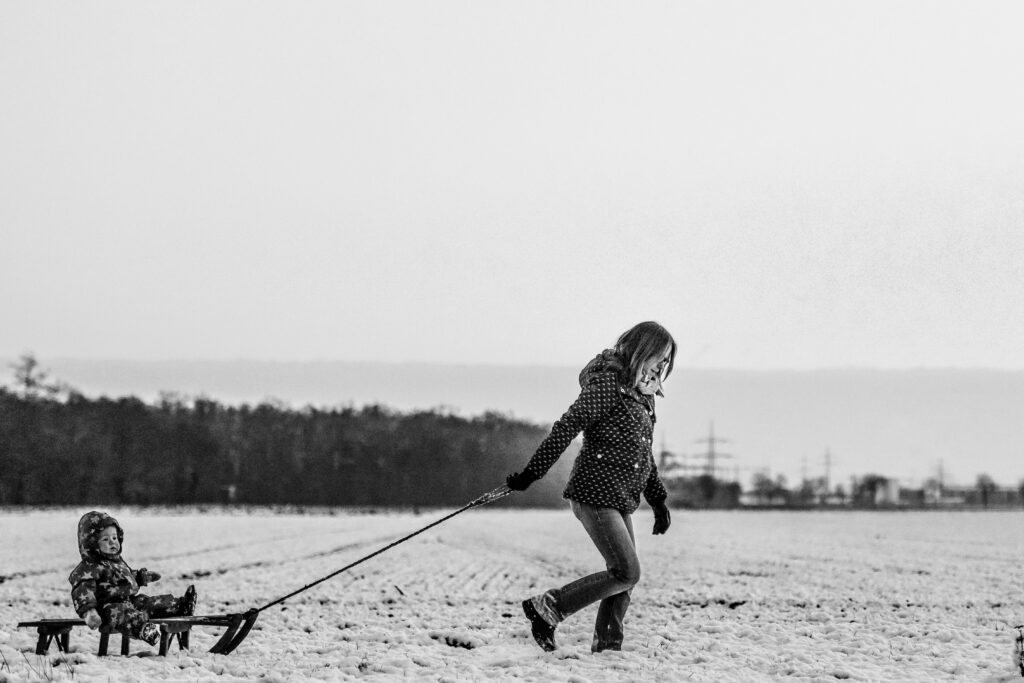
I got my daughter into a primary school, but here, things were very different. For instance, once you enroll your child in a school in Kenya, they become the responsibility of the school; you are not obligated to pick up your child from school because the school bus would drop them right at their estate. Then, typically, the maid would go and pick them up if the drop-off point happened to be far from your house. If the school is in a rural setting or the child is old enough, they are free to walk back home without fear of jeopardy, since even strangers can act as carers. But here in the UK, it was a different story.

First of all, the language barrier was a heavy stone to roll, especially for my daughter, who was used to a creole of Swahili and English. However, in the UK, there was only English with a strong British accent. It was a challenge for her. Then, the environment was like a monster to her. Often, she would catch flu due to the cold climate here – unlike in Kenya, where the warm climate is easier on the immune system. 

The pressure of caregiving started weighing on my shoulders. I was the primary caregiver here. You see, a benefit to living in Kenya is that there was a network (family, friends, neighbors) who helped hold everything together. But here I was alone with just my immediate family. We lacked other support to lean on.

(Image courtesy of Franco Debartolo via Unsplash)

Back to my daughter and her school routine. Daily, I had to wake up at 6:00 a.m. to get sorted for work and at the same time prepare my daughter for school, as she was supposed to report to school at 8:30 a.m. Furthermore, I had to make sure that her breakfast was ready before 7:00 a.m. and also pack her lunch, all before I even thought about my own day. 

Back in Kenya, this was never a problem, as her nanny took care of this. But here in the UK, hiring a nanny is very expensive. Because children cannot be left alone, everything was for her mother and me to do.

As if that was not enough, I also had to pick her up from school. School ends at 3:15 p.m., which is an hour and forty-five minutes early, given that my work day ends at 5 p.m. There are school clubs, but there is a fee to participate. If you want to coordinate home drop-off with the school, it is double the price of picking her up by yourself.

My caregiving role does not end here. After school is the most exhausting part. When we get home, I have to help her with her homework and any projects she may have. All this I do, and at the same time, I have to keep up with my job. The school encourages registering children for weekend clubs, and this, too, requires a parent’s presence and extra expense.

Other school-related tasks include: being up to date with school news, attending the parent-teacher meetings, talent shows, and exhibitions that are sometimes scheduled on workdays. In order to accommodate all of these activities, I have to build them into my work schedule. With school trips, I have to plan properly so that she can also enjoy herself as the other students do, and not feel left out. At times, I felt overwhelmed by these responsibilities, and wished I could return home. Seriously, why did no one tell me about what’s involved in transitioning from the Kenyan school system to the UK one?

Transition and growth

(Image courtesy of Ryan Stefan via Unsplash)

Eventually, with repetition, my daughter and I adjusted to her new schedule and academic requirements and soon, some of the responsibilities, like picking her up from school, were reduced because she could come home by herself. The parenting culture clash I experienced was not just about changing and securing greener pastures and a better living environment for my family, especially for an immigrant. It entailed much more than that. This process taught me how to be present for my family and what kind of a caregiver, teacher, cultural guide, and loving parent a school-age child needs. 

Living in a foreign environment, I felt like every interaction and activity that contributed to my adaptation to the new culture robbed me of my strength emotionally, physically, and mentally. I was confronted with customs that nobody ever told me about. In my role as a parent, I felt like my burnout was an endless tunnel and that I would never see the light. But gradually, I learned to work my way through it until I finally reached the other side.

Indeed, sometimes, to survive, you just have to be present, even when everything around you feels overwhelming.