COP30 in the Brazilian Amazon: Expectations, Infrastructure, and Price Controversy

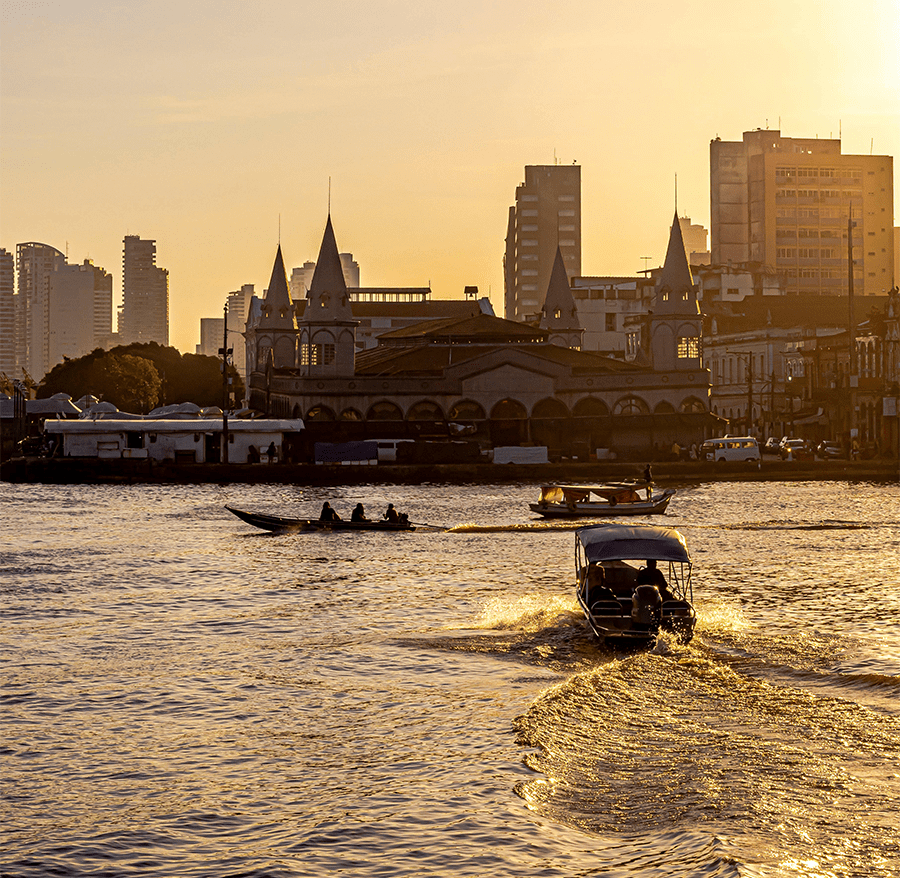
The city of Belém (the capital of Pará state in Brazil), in the heart of the planet’s largest tropical rainforest, is preparing to host the 30th United Nations Climate Change Conference (COP30) in November 2025.

The United Nation’s annual climate meeting plays the crucial role of reviewing climate mitigation and adaptation targets.

The gathering is expected to bring together leaders, negotiators, and activists from nearly 200 countries, placing Brazil, the Amazon, and its people at the center of international climate diplomacy.

However, alongside the anticipation for investment and visibility, tensions are rising due to the increase in accommodation prices during the event’s days.

The Amazon at the Center of the Debate

The choice of Belém as the host city is not random. Far from Brazil’s traditional economic hubs (São Paulo and Rio de Janeiro), the city carries symbolism: it brings the COP directly to the region most strategic for the planet’s climate balance.

Holding the meeting in Belém is a symbolic act and an opportunity to give due focus to the environmental issues experienced in the world’s most important natural reserve.

Professor Silvia Helena Ribeiro Cruz, director of the UFPA School of Tourism, emphasizes the location’s relevance.

“I ask, how can we discuss sustainability, climate change, and socio-environmental justice without being in the Amazon?”

For Brazil, COP30 is more than a large gathering: it’s a chance to transform global discussions into concrete actions, attracting investments in innovation, environmental policies, and sustainable development.

The expectation is that the event will leave lasting results for both the Amazon region and the country as a whole.

Construction Work and the Infrastructure Legacy

According to the Transparency Portal, the Federal Government has allocated more than R$ 4 billion (about US$ 750 million) to prepare Belém. The investment covers structural and logistical improvements that are intended to remain as a legacy for the city.

This funding aims not only to ensure the conference’s logistical success but also to leave a lasting legacy for the city and the region.

Among the projects nearing completion are the re-qualification of the Belém International Airport and the revitalization of Porto Futuro 2, a leisure and social complex on the capital’s waterfront.

Despite the progress, Professor Silvia Cruz warns of an inequality in the allocation of resources.

“The structural legacy will be mainly for the central urban areas, and little for the peripheral neighborhoods, where the socio-environmental problems, like lack of basic sanitation, are located.”
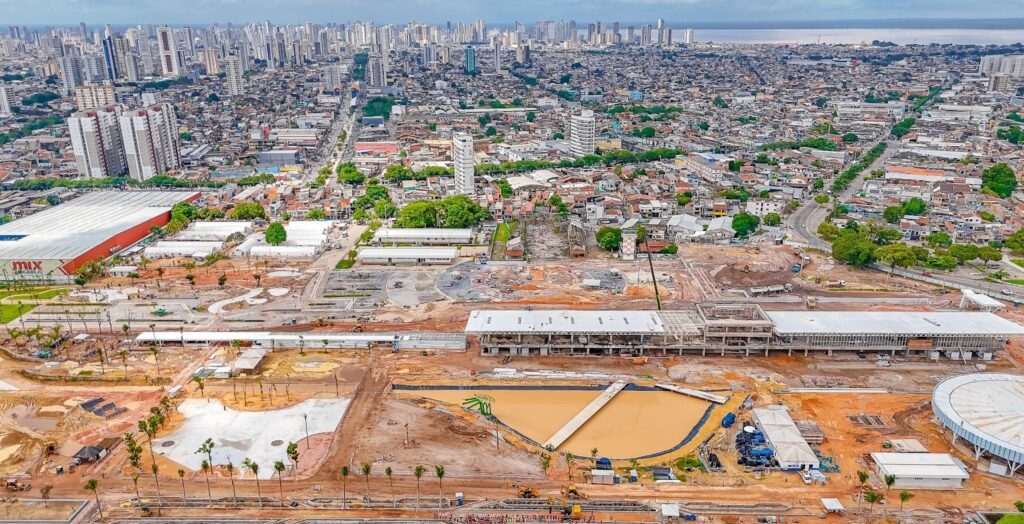
Belém (PA/Brazil), 02/14/2025 / Photo provided by Agencia Brasil, (Ricardo Stuckert/PR)

Hotel Sector, Prices, and the Government’s Response

The international visibility has also brought side effects.

Reports of inflated values for hotels and short-term rentals have multiplied, with extreme cases: a 118 m² apartment advertised for R$ 151,000 (about US$ 28,000) for the 11 days of COP30.

This practice generated a government reaction. On September 24, 2025, the Minister of the Civil House, Rui Costa, confirmed that the Union will take legal action against establishments that are abusing prices.

The justification is clear: to seek “reasonableness” and protect Brazil’s image. “It is not right, it is not fair that hotels are charging stratospheric prices,” declared Costa, highlighting the effort to “deconstruct this narrative, including internationally.”

The ultimate goal, according to him, is for the “great legacy” of the COP to be “the image of a welcoming, warm people, with wonderful cuisine.”
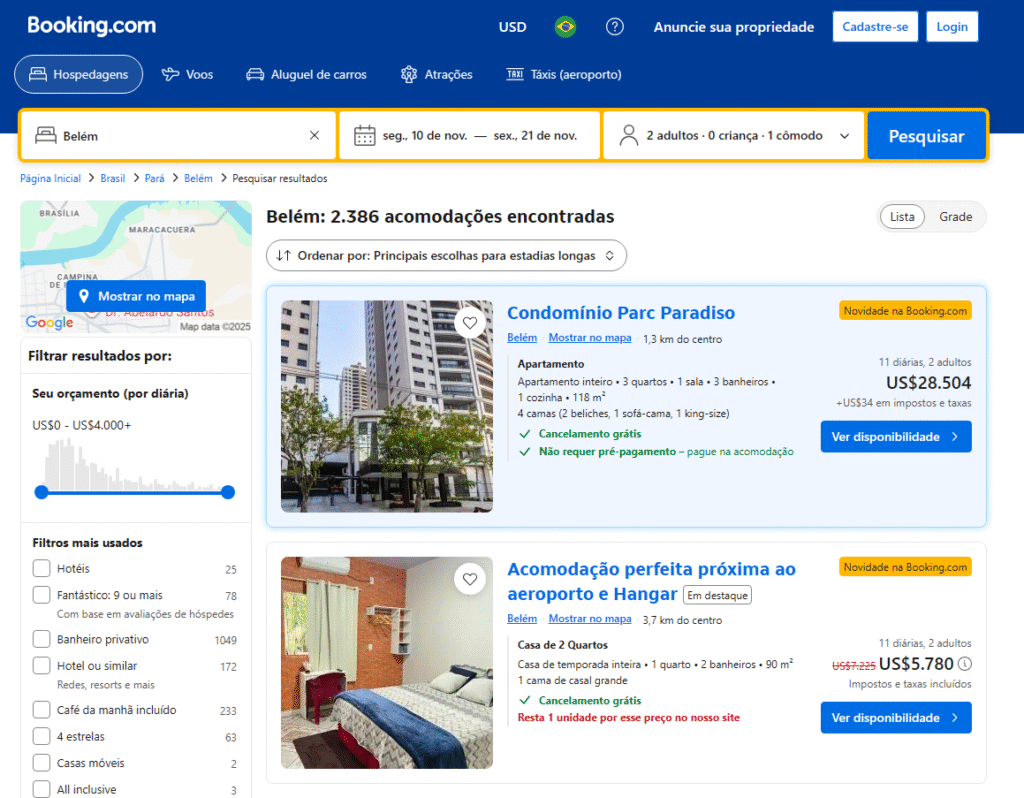
Accommodation available on Booking during COP30. Accessed 09/31/2025.

The Critique of the International “Alarm”

For Professor Silvia Cruz, the media’s excessive focus on Belém’s problems distorts reality.

“In every COP, there is a price increase. This is nothing new. I’ve never seen this level of scrutiny in other cities,” she argues.

She believes the disqualification of the city is unfair and may even be a political maneuver.

“In my perception, the alarm regarding Belém, with media outlets concerning themselves with the city’s inner workings, is a novelty. I never saw this done with other cities where a COP was held, even though all of them have structural problems.”

“This seems to me more like an orchestration to destabilize the event’s organization and remove it from the Amazon,” she adds.

Another point raised by Silvia is the presence of foreign capital.

“The hotel network in Belém is currently comprised of over 60% of hotels belonging to international groups. I haven’t yet seen anyone ask how the daily rates are priced, and these groups are European and American.”

Despite the city facing challenges such as the need for improvements in public transport and the major bottleneck in basic sanitation, Professor Silvia Cruz emphasizes that hosting large-scale events is not new for Belém.

“Belém hosts the Círio de Nossa Senhora de Nazaré every year, an event that attracts, on average, two million people to Belém,” the professor reminds.

She points out that “any major event, in any city, presents challenges,” and that Belém has the capacity to receive large volumes of visitors, overcoming adversity.

Círio de Nazaré, photo by Fernanda Lima, available on pexels

An Invitation to the World

Despite the challenges and controversies, the main goal of COP30 remains to fulfill the global environmental agenda and bring the world’s real demands to the forefront.

The event should also serve as a platform to promote regenerative actions and sustainable tourism in the region, setting the stage for new public policies that envision a development agenda valuing local populations.

The professor argues that the true legacy goes beyond infrastructure: “education actions through socio-cultural actions and environmental policies alongside local populations would be the great legacy.”

She bets on the cultural strength and the welcoming nature of the people of Pará as a differentiating factor.

“The human warmth of the people of Pará will be the differential, that warmth that not only works hard but also welcomes and always offers the best they have to visitors.”

She concludes with an invitation to the world: “We are capable of welcoming so well that even the difficulties will be overcome. My message is don’t be afraid. Come see a bit of the Amazon up close, come see how we live and survive.”
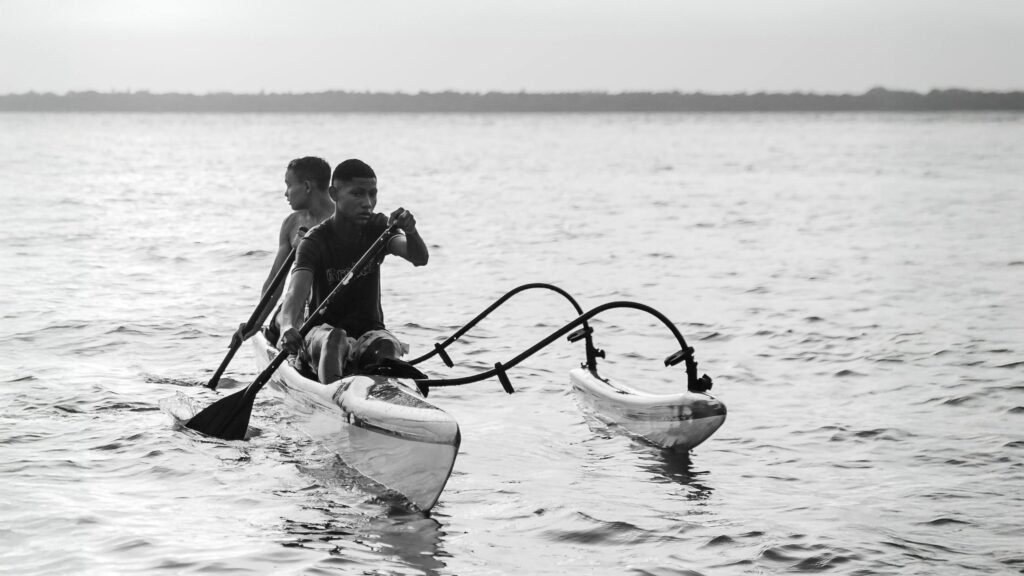
Canoeing on the Amazon River in Belém, Brazil / photo by Gabriela Ally, available on pexels

Brazilian public university makes breakthrough that could reverse spinal cord injuries

In September, a study presented by the Federal University of Rio de Janeiro (UFRJ), in Brazil, revealed a discovery that could change the lives of patients with spinal cord injuries. The research, conducted at the public university, uses a protein extracted from the human placenta called polylaminin. 

The study represents hope for those who suffer from spinal cord injuries, a condition that can cause partial or total loss of limb mobility and, until now, has had no treatment capable of reversing the damage.

It is expected that, when applied to the injured area, polylaminin will stimulate nerves to create new pathways and enable partial recovery of movement. The experiment has already shown promising results in animals and small groups of volunteers.

The research is coordinated by the Carlos Chagas Filho Foundation for Research Support of the State of Rio de Janeiro (FAPERJ) and has been ongoing for over 20 years. It is currently in the testing phase but already raises great expectations for the future of medicine. The study also received support from Cristália Laboratory, which invested R$31 million (about US$5.6 million) in the project.

The goal is to recreate the natural protein laminin, produced during embryonic development and responsible for communication between neurons. The lab-produced medication aims to replace this protein, which becomes scarce in adulthood.

Researchers discovered that it is possible to recreate it from proteins extracted from the placenta, forming a kind of mesh that reestablishes communication between nerve cells. Polylaminin is applied directly to the injured area through a single surgery, preferably performed within 72 hours after the accident, which increases the chances of recovery.

Researchers are optimistic that, as the study progresses, people who have been paralyzed for years may also regain movement and mobility.

Recent studies have also shown that polylaminin, when combined with other therapies, can be effective in chronic spinal cord injury cases.

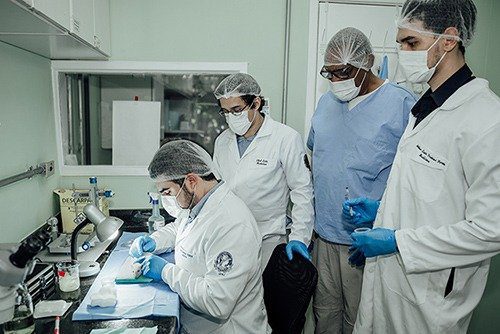
Researchers from UFRJ conducting studies on laminin repolymerization
Researchers from UFRJ conducting studies on laminin repolymerization. Photo by Luciana Sposito.

Results 

The research is led by Tatiana Sampaio, biologist and researcher. In an interview with FAPERJ, she explained that the choice of polylaminin was due to its better cost-effectiveness, ease of production, and safety regarding the predictability of the cellular reaction, compared to stem cell therapies, which are more complex.

“We are simply imitating nature, since this protein is naturally produced by the body during the development of the nervous system,” she explained.

In August, a study published in Frontiers in Veterinary Science tested polylaminin on six paraplegic dogs. Even after surgeries and months of physiotherapy, the animals remained unable to move their legs.

After applying the protein directly to the lesion, four dogs showed improved balance and managed to take a few steps, while the other two had more modest progress. All were monitored for six months and showed no side effects.

In addition to animal testing, the medication was applied to an experimental group of Brazilian volunteers. In total, eight people participated in the study, carried out under academic protocols.

Among the patients, some fully recovered mobility, something considered unlikely without intervention, while others reported significant improvements, such as trunk control and the ability to walk with assistance.

Among the volunteers is Bruno Drummond, a banker who, in 2018, suffered a severe cervical injury after an accident that crushed part of his spinal cord. With his family’s authorization, Bruno participated in the experiment using cells extracted from the human placenta.

Initially, he had no movement in his limbs, but only two weeks after the procedure, he was already able to move a toe. Years later, Bruno regained much of his mobility and managed to resume an independent life.

In an interview with TV Globo, he said:
“Nowadays, I can move my whole body—of course, with some limitations. My leg is moving. I can stand, walk, dance, fly. I’ve regained my independence.”

Expectations

The National Health Surveillance Agency (Anvisa) reports that there is still no request for approval for the clinical use of polylaminin. So far, the results presented correspond to non-clinical stages, that is, laboratory tests and preliminary observations.

Among those following the progress with hope is Alexandre Costa, 51, who was shot in the shoulder during a robbery in 2018 and became paraplegic. After seven months in the hospital, he began his so-called “real battle,” the process of rehabilitation and adaptation to a new life.

Even with family support, he faced difficulties accessing treatment and public healthcare. The pandemic interrupted his rehabilitation efforts, and new health complications forced him to pause therapy more than once. “There are many problems that come with the ‘spinal cord injury package,’” Alexandre says.

Costa reports not only physical but also emotional effects of the injury: “I sank into depression, lost the will to live, and just let life carry me.”

In 2024, a new health complication led to the need for an ileostomy, which he makes a point of mentioning:

“These are different disabilities, but it’s important that people are aware […] the second can be avoided in some cases.”

Because of this, he now runs an Instagram profile (@falailesionado), where he seeks to raise awareness, share his experience, and receive feedback from other people with spinal cord injuries.

In an interview with Yuvoice, he says he watches research like UFRJ’s polylaminin study with caution but also hope:

“I’m hopeful that maybe I can be one of the volunteers. I haven’t signed up yet. I’m waiting for things to advance a bit more. But I’m optimistic, because even a small improvement in your condition, any gain in quality of life, is already a big step forward.”

The road to making the medication publicly available is long. First, laboratory studies must be completed and safety proven in animals. Then, with Anvisa’s approval, large-scale human trials can be conducted, evaluating both acute and chronic injuries. Only after full regulatory approval can the drug be marketed.

The progress observed in animals and volunteers provides an optimistic outlook for improving quality of life and the future of medicine. However, until the research is complete, there is still no definitive treatment for spinal cord injuries.

Why Brazil Turns Yellow Every September: A Nation’s Fight Against Suicide Stigma

Every day, 38 Brazilians take their own lives. Since 2013, every September, the country turns yellow to highlight the urgency of this number and expand the conversation around mental health. The “Yellow September” campaign has become one of the largest global initiatives against the stigma surrounding suicide.

Yet the topic remains globally neglected: according to the World Health Organization (WHO), suicide claims more lives than AIDS, malaria, and breast cancer, but only 38 out of approximately 194 countries promote national prevention campaigns. In Brazil, the most concrete response to these statistics has been listening. 

More than numbers, these are interrupted stories that call for compassion. It’s in the space between silence and a cry for help that initiatives like the Center for Valuing Life (CVV) emerge—a national reference in emotional support and suicide prevention.

CVV Hotline: A Safe Space to Be Heard

Loneliness. We are solitary beings. We’re even born alone. Sometimes we go through good or bad moments, but we don’t always have someone to talk to. This is just one of the situations experienced by CVV’s on-call volunteers, part of a global network of similar centers.

Early Saturday morning. Most people in Brazil are asleep, but Alan Lima, for the past eight years, remains available to answer calls to 188. On the other end of the line, a voice may belong to someone with insomnia, someone lonely, with no one to share life’s difficulties with—or someone experiencing suicidal thoughts. 

Alan explains that he’s received calls from people so lonely they simply wanted to share a joyful life experience but had no one to talk to. He also has a paid profession, but dedicates himself to giving lectures and serving as a spokesperson for the Center for Valuing Life.

Like Alan, CVV Brazil’s volunteers are ordinary people. You don’t need to be a healthcare professional or have specific training to volunteer—just the willingness to listen. After a few weeks of training, volunteers begin answering calls and hearing stories, initially supervised by a more experienced colleague. 

One weekly shift is the minimum requirement. During months when mental health is more widely discussed—like September, thanks to the national “Yellow September” campaign—there’s a need to reinforce the team handling calls.

Volunteers attend monthly support meetings to share experiences and continue their training. Most work remotely, answering calls via software on a computer. Some members even live outside Brazil and still provide services. 

Support is also available via chat, email, and in-person. Across the country, there are 90 physical service centers. Across all platforms, 3,360 volunteers rotate shifts 24 hours a day, 7 days a week. In the first half of 2025, CVV received over 1.2 million calls.

Search platforms like Google and even Instagram help guide people to the organization. For example, if we come across content showing signs of distress, we can anonymously report it (via the “three dots” on Instagram), prompting CVV to reach out and offer help. 

Volunteers have noticed that AI chat platforms, when detecting users trying to use them as “therapists” or expressing suicidal thoughts, have also started suggesting calling 188.

Despite all the benefits CVV provides to society, it receives no government or private funding, surviving solely on volunteer labor and donations to maintain its structure. Most of the financial donations come from… the volunteers themselves! (Yes, besides their time and dedication, they also donate money.) 

The institution, now 73 years old, handled 2.7 million calls in 2024. Beyond the hotline, it’s active on social media and offers over 100 free podcasts on mental health and suicide.

More recently, the organization joined TikTok to reach younger audiences and promote suicide prevention among them. 

With a calm and steady voice, Alan explains that suicide and mental health remain taboos in Brazilian and global society. Often, simply having someone to talk to is already a way to prevent worse outcomes.

It’s quiet work that may seem small, but it holds the immense power of meaningful social support. 

CVV Brazil is part of Befrienders, a global organization.

Brazil’s landmark sustainability festival paves the way for COP30

In 2025, Brazil will host Latin America’s largest sustainability event for the 15th time, called Virada Sustentável – which can be roughly translated as ‘Sustainable Week’. Since 2011, the initiative’s main goal has been to integrate art and culture with sustainability, drawing the society’s attention to socio-environmental issues. 

The project travels through many states and cities, in order to attract a diversified public. This year ‘s first stop happened in May, at the city of Belo Horizonte, the capital of the state of Minas Gerais. 

The most recent event took place in September,  where São Paulo hosted the program. The project ran from the 17th to the 21st in various locations through São Paulo, the largest metropolis of South America, promoting sustainability through art and knowledge.

André Palhano, creator and co-founder of the event, highlights that the main goal is to handle the theme with a more of an optimistic approach.

“We have an important mission to ‘enchant’ people to sustainability, rather than ‘scaring’ them. Maybe, showing the amazing world that we still have can be more mobilizing than simply showing the terrifying world we’ll have if we do nothing.”

The 15th edition has many free, creative activities, which look out for the mix between art and sustainability to the discussion of themes like socio-environmental racism, conscious consumption and urban mobility. 

Among the highlights of the program in São Paulo, there was:

  • Musical performances by artists like Mariana Ahdad and Thiago Ramil – whose debut album Leve Embora earned a 2016 Latin Grammy nomination.
  • Dance, theater and music performances;
  • Discussion groups, lectures and workshops;

Furthermore, Virada São Paulo included exclusive participation, like: Claudia Visoni, journalist and activist; Rodrigo Perpétuo, executive secretary of South America ICLEI; and Kamila Camilo, founder of Oyá institute. 

The programming was prestigious to the most diversified number of artists. On September 19th, the visitors could enjoy a tribute made in honor of the Hip-Hop’s 50th year anniversary.

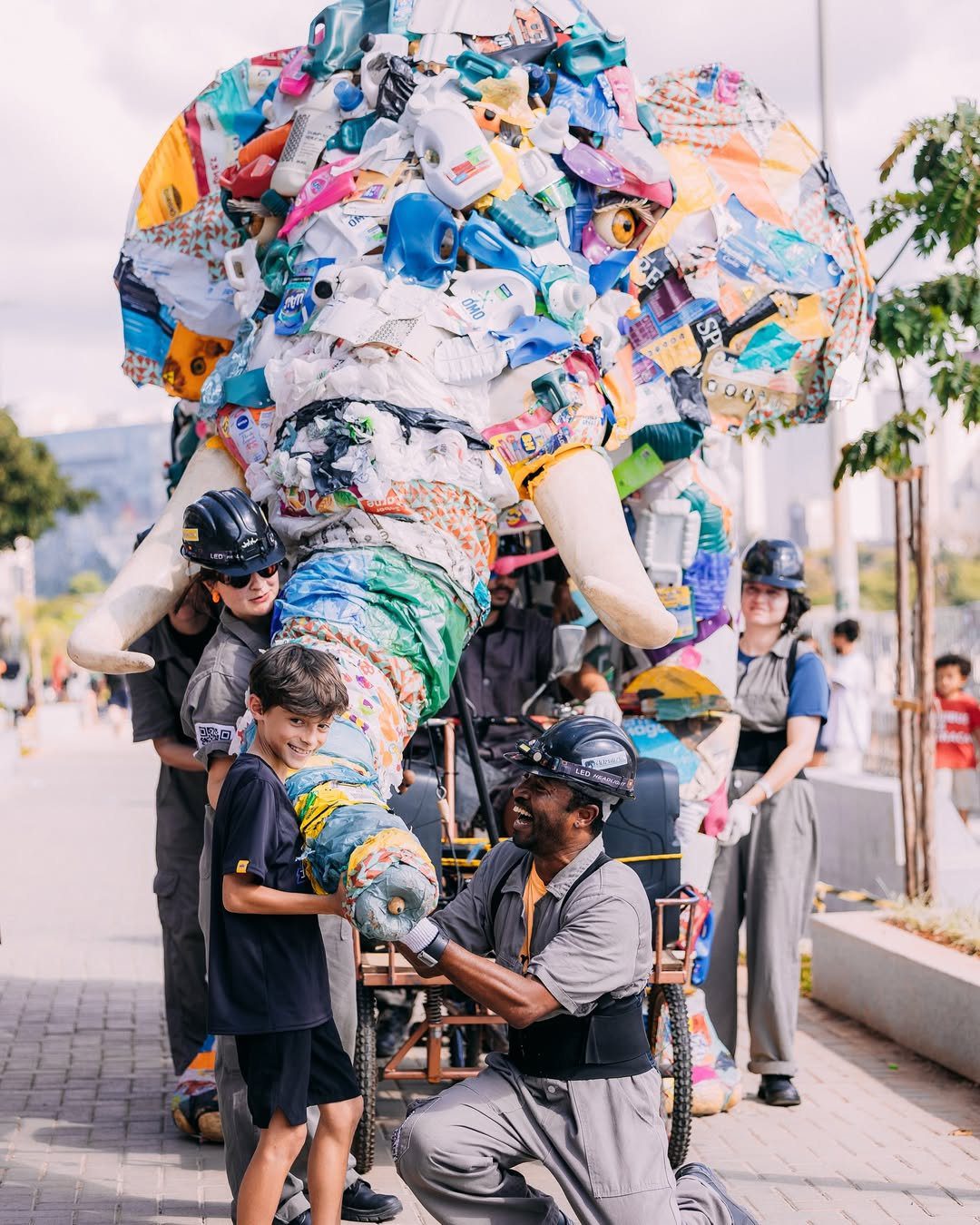
During the day, plastic expositions were shown, made with the goal of transforming trash with creative potential, raising questions about consumer habits. Through the night, a music event took place, connecting the public to the diversity of Black music.

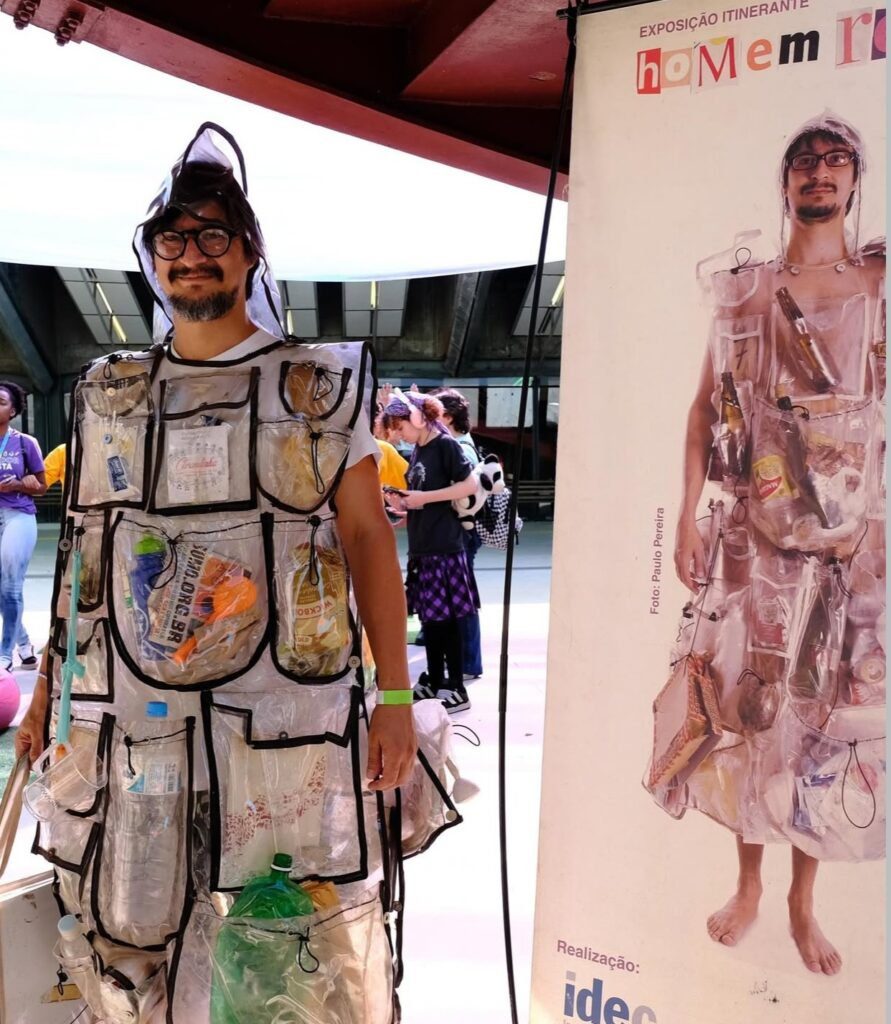
Many other artists were present. Between them, the artist Peri Pane, with the piece “Reflux Man”. Made in 2003, the project emerged from one of the artist’s ideas: during a week, he kept all his trash in a transparent plastic cape, made by the artist Mariana Reis.

It’s an artistic manifestation that seeks to provoke a reflection about the impact of individual consumption and the citizen’s responsibility with its own trash.

The artist Peri Pane (Photo by @peri_pane via Instagram) 

The young Esther Dagápito told Yuvoice the most impactful moment of her experience at the Virada Sustentável.

“To me, the most impactful thing was the diversity of activities and the way that sustainability was thought beyond traditional molds, understanding that it is necessary to listen to plural voices to think about a better planet.”

Esther highlights an important aspect of the event: the activities focused on children. There, kids were able to have a dynamic contact with the climate agenda through games, dynamics, picnics with songs aimed to their ages, and much more.

“I was struck by the number of activities geared toward children, something that isn’t common given that children aren’t always included in this debate. As the producer of a collective focused on well-being, art, and regeneration that organizes activities for children, I consider the presence of children essential,” concludes Esther.

The program also stood out for its strong Indigenous focus. On September 21st, the city hosted an art fair dedicated to the native population of the country, featuring Indigenous people from Jaraguá Jardim. Additionally, Paulista Avenue hosted fairs, thrift stores, and discussion groups with Indigenous activists.

On the last day of the event in São Paulo, Txai Suruí, an Indigenous leader of the Paiter Suruí group, spoke about the need for debate on issues such as climate emergencies.

“This topic must be increasingly strengthened, whether by municipal, state, or federal governments, or anyone else,” she stated.

Txai Suruí advocates for a more observant approach to those suffering the consequences of environmental change and also for the need for government accountability regarding these factors.

“It’s necessary to discuss quality, pesticide-free food. It’s necessary to discuss vulnerable communities, where environmental impacts are first impacted by floods and landslides. […] All of this relates to what’s being discussed in these global forums and what’s being decided in the Chambers of Deputies and the Senate.”

In 2025, Brazil has the opportunity to become a benchmark in international cooperation for sustainable development through joint actions that seek a more just society and a balanced climate.

This initiative gains even more relevance this year, as the country hosts the 2025 United Nations Climate Change Conference (COP30), a global event that discusses solutions to the climate crisis.

The Virada Sustentável 2025 program is organized around the question “what is important to report on climate change and sustainability?”, reinforcing the connection with the UN Sustainable Development Goals (SDGs).

In an exclusive interview with Yuvoice, André Palhano emphasizes the importance of the event in 2025.

“This is the year in which we have seen, by far, the largest number of events related to this topic in several cities, certainly due to COP 30. But the curious thing is that many of these events and their promoters don’t communicate with each other, and don’t engage in dialogue. This led us to a challenge: to make this year’s edition of Virada a meeting place and an exchange of experiences among the different stakeholders in the cities, whether from the public sector, the private sector, or, above all, organized civil society.”

After the conclusion of the event in São Paulo, Virada Sustentável will travel to other cities in the coming months. Rio de Janeiro, Porto Alegre and Belém (COP30 host city) will receive the program until the end of the year.

Brazil’s Supreme Court Sentences Former President Bolsonaro to 27 Years for Coup Plot

Last week, Brazil’s Supreme Court delivered a historic ruling: former president Jair Bolsonaro, 70, was sentenced to 27 years and three months in prison for plotting a coup d’état after losing the 2022 election.

The court found Bolsonaro guilty of leading a conspiracy that sought to overturn the democratic process. Plans included dissolving the Supreme Court, disbanding institutions, and even assassinating then president-elect Luiz Inácio Lula da Silva before he could take office. 

Bolsonaro has denied orchestrating a coup, insisting he only sought “constitutional alternatives” to remain in power.

A First in Brazilian History

Brazil has experienced at least 15 coups or coup attempts since the monarchy fell in 1889. This is the first time a leader accused of organizing one has been criminally convicted. 

Alongside Bolsonaro, seven high-ranking allies were also sentenced, including his vice-presidential candidate, his former defense minister, and senior military commanders.

Justice Cármen Lúcia, whose decisive vote sealed the conviction, underscored the court’s message: “In Brazil this has one name only: a coup d’état.”

The sentencing marks a watershed moment for Latin America’s largest democracy. Bolsonaro, often compared to other far-right populist leaders worldwide, energized a movement that reshaped Brazilian politics over the last decade. 

His imprisonment leaves that movement without a clear leader ahead of the 2026 elections.

Public reactions have been mixed. While progressive groups celebrated the decision as a defense of democratic institutions, Bolsonaro’s supporters organized protests, framing the trial as political persecution. 

Polls conducted during the trial showed the country nearly split: about half of Brazilians agreed he should go to prison, while a large minority opposed it.

The case has also stirred international debate. Reports indicate that former U.S. President Donald Trump pressured Brazil to drop the prosecution, threatening steep tariffs. 

The conviction now risks straining relations further, as Bolsonaro’s defense team pushes for him to serve his sentence under house arrest due to health concerns.

“No Amnesty” Movement

Brazilian congresswoman Dandara Tonantzin, a rising voice in the country’s progressive wing, told Yuvoice the conviction was a long-overdue step: “This is a victory for all who defended democracy tooth and nail. There can be no amnesty for those who attempted to silence the ballot box with force.”

Her remarks highlight a growing demand that Bolsonaro’s privileges as a former president (including taxpayer-funded security and staff) be revoked.

She also highlighted the symbolism of Justice Cármen Lúcia casting the decisive vote: “It is not by chance that it was a woman from Minas Gerais who stood firm. Bolsonaro once called the birth of his daughter a ‘weak moment,’ yet now he has been stopped by the strength of a woman’s hands: delicate, but firm.”

For Dandara, the ruling is also a historical reckoning: “What happened was not an exaggeration, not a theory, it was a crime against democracy. Justice being served is an essential step to ensure that never again will anyone attempt to shut down the will of the people with force.”

What’s Next?

Bolsonaro’s lawyers are expected to file appeals, which may delay his imprisonment. The timeline for where and how he will serve his sentence – whether in a federal facility, under house arrest, or elsewhere – remains uncertain. 

Meanwhile, political allies are floating a controversial bill to grant him amnesty, though legal experts say such a move would likely be unconstitutional.

Still, the ruling is already shaping Brazil’s political future. Bolsonaro is now banned from running for office until 2060, effectively ending his electoral career. 

For a country still scarred by past authoritarian regimes, the decision signals both accountability and an attempt to strengthen democratic resilience.

The conviction of Jair Bolsonaro resonates far beyond Brazil. It is a reminder that democratic institutions, however imperfect, can hold even the most powerful figures accountable. 

In a time when democracies worldwide are tested by misinformation, authoritarian pressures, and weakened trust, Brazil’s verdict may stand as a precedent and a warning.

Mate Gelado Vendors: A Living Heritage of Rio’s Beaches

Amidst the white sands of beaches of the famous city of Rio de Janeiro (Brazil), the soothing sound of the waves is broken by sellers advertising the product that became part of the city’s cultural Carioca heritage in 2012, or rather, it is the vendors themselves who represent this wealth. Carioca is the term for people born in the city of Rio de Janeiro, and they love enjoying cold mate at beach, an old habit completely dependent on traditional sellers, truly beach long walkers. 

A cold drink is  perfect at beach , since in Rio de Janeiro  the climate is predominantly hot, with temperatures that almost always approach 30°C, but in the summer, they easily exceed 40°C. The beach is frequented by residents and tourists as it is an inexpensive , since it´s completely free. 

The landscape is filled with a constant stream of vendors selling a variety of products, from swimwear and sunscreen to food and drinks. Among them, one stands out so much that its vendors have been recognized by the municipality as Cultural Heritage of the city of Rio de Janeiro.

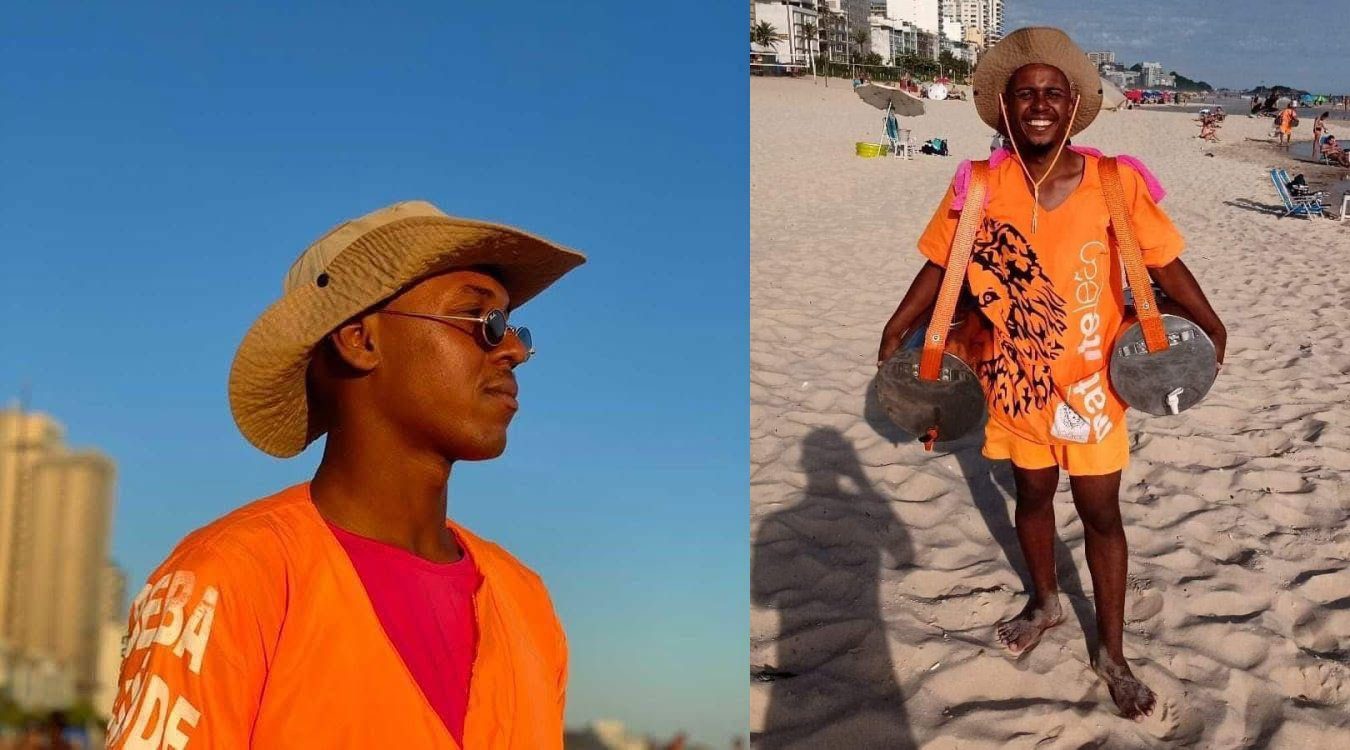
Wearing bright orange clothing, men and women walk for miles along the seafront of Brazil’s most famous city.

As they walk, they use their voices to announce their presence. On their shoulders, straps support shiny steel barrels. Inside the containers are liters of a refreshing drink that beachgoers have decided to associate with their stroll: mate.

Yerba mate

Originating far away from the well-known scenery of Copacabana and other beaches, an American plant gives rise to the drink. The indigenous people who inhabited what is now Brazil before the arrival of the Portuguese colonizers already drank tea made from the leaves of the “yerba mate” plant.

After industrial processing, the chopped leaves are packaged in a pumpkin-colored box, which cariocas easily associate with a certain brand. Just put the leaves in hot water, and in minutes, you get a dark and delicious infusion. After adding sugar (or not!), just drink it, preferably very cold.

The mateiros

The famous beaches of the Marvelous City drive an important economic engine. Families depend on the capital that is raised there. Beach vendors licensed by the municipalities sell food, drinks, coconut water, and rent beach chairs and tents. Beachgoers, in turn, benefit from these services.

The day has not yet dawned, and fans cool giant pots of mate, which have been resting since the herb was boiled at 11 p.m. the night before. It is three in the morning in distant Anchieta, 40 km from Leblon beach.

Gabriel Lourenço , a 28-year-old bachelor, is getting ready for his seventh day of work in a seven-day week. It is a sunny Sunday, and he expects to earn as much in two days over the weekend as he needs to work for twenty days in a month as an operational assistant in a factory.

All to contribute to the household budget and pay for what he calls a luxury: “eating at the mall once a month.” Gabriel defines himself as a “homebody.” The son of a single mother, has two brothers, as his sister has passed away. Part of the money he earns from selling mate on the beach will be given  to his mother.

While many beachgoers are still asleep, a car with his coworkers heads toward the beach under the scorching sun of Rio de Janeiro. Each of them carries the “mother mixture” which, after being diluted with ice water, will fill the barrels. There will be several trips back and forth on the sand, carrying two barrels, weighing a total of approximately 40 kg, from 10 a.m. to 5 p.m.

It has been like this for three years, says the former bricklayer’s assistant, who has also worked at McDonald’s. “I like selling,” he adds, feeling better rewarded financially with informal work than with a “formal job.”

“I used to wear the classic pumpkin-colored uniform, but today I work for ‘Bigode’s mate,’ who wears different clothes,” explains Gabriel.

Customers call him by raising their arms or through a WhatsApp group that brings them together and informs them which vendors are nearby.

From a tap attached to a barrel, like the ones we have in our gardens at home, a dark, cold, sugar-free liquid pours out. Or as Gabriel says: “It will be sweetened with lemon,” he says, if that makes any sense.

Mixing it with fruit juices is a hit: lemon, passion fruit, and, more recently, alcoholic beverages. It is mate, heritage, and tradition being reinvented right there on the beach, in the sand. We can´t imagine the next creation for this 2026 summer.