Lifestyle provides an inside peek into the varied ways we shape our own lives and experiences. How we choose to live, breathe, and navigate our everyday lives is exhilarating to explore.
I’ll never forget waking up on that special Christmas morning, five years old and excited as any kid would be on Christmas, then walking into the living room to be greeted with the sight of a beautiful red Dachshund puppy wrapped in a blanket. She was the very first pet my family had and I was overjoyed.
However, in 2013, my family unfortunately lost her due to unprecedented health issues that were out of control. Losing her was such a shock to me that I remember remaining numb for the rest of the summer. When we lost her, my parents and I almost considered not getting a second pet, despite looking in the newspaper and on local adoption websites.
Inside a fur coat
A few weeks later, time came to move forward. After switching from a private school to a public middle school, the stars themselves seemed to align as another family member joined us. The day before when I was supposed to start my first day of eighth grade at a brand new school, my mother received a call from a beloved family friend. The couple could not take care of a brand new, six week old puppy, nor did they want to keep it, and offered that we take it in if interested.
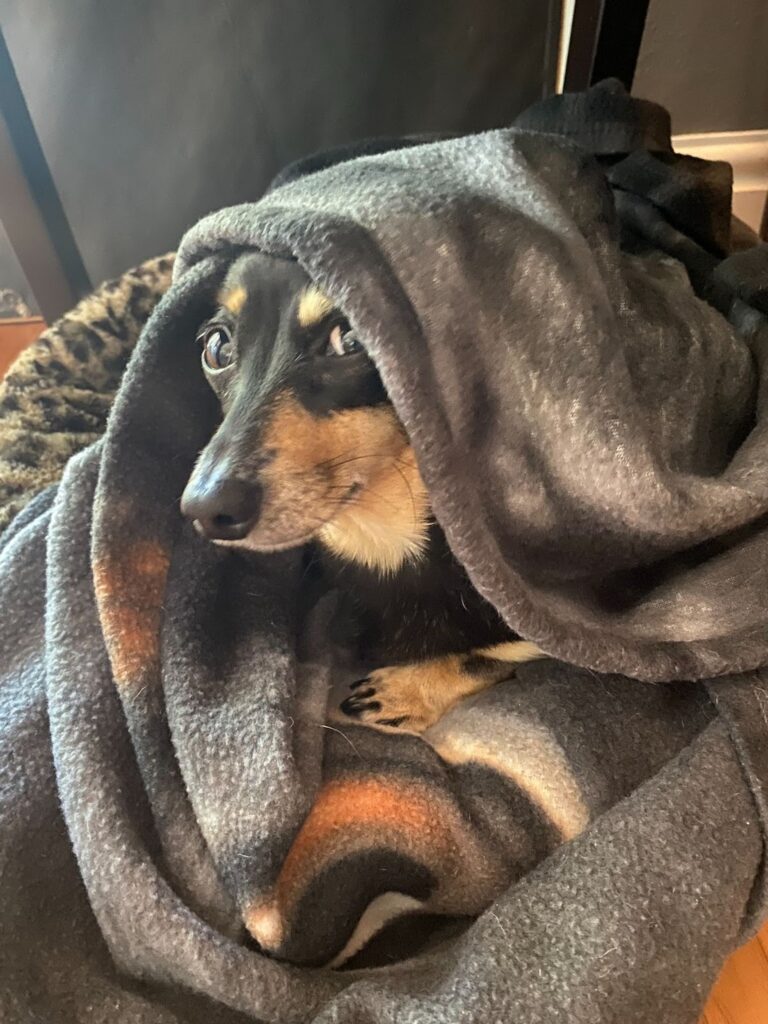
After hanging up the phone, my mother, grandmother, and I all piled into the car just “to see” and “check out” if this puppy would be worth it. However, after an hour’s drive, the second our car turned into the driveway, the three of us were greeted with the sight of the family friend with the tiny puppy on a leash. Seeing this new puppy as a black and tan Dachshund-Chihuahua mix speck sitting at the end of the large driveway, my mother and I immediately died of happiness, and my grandmother knew that this dog would be coming home with us.
On the ride back home, the three of us picked up on a couple of our new four-legged friend quirks that still stick to this day. For example, she loves to lay in my lap while in the car and is extremely well behaved in any vehicle. So much so that, as we will soon figure out, she actually gets mad if she cannot go on errands with us.
Now, as the years have passed, our new “rescue” Heidi, certainly rescued me, and my family. The puppy that we said we’d check out has become a permanent part of our family who we often joke is a human in a fur coat. We love her unconditionally and she does the same in her own ways.
Heidi brings joy and happiness everyday to me and my family that I know we would never trade her for anything. She is such a different dog than my first dog ever was and, while she’s pushing fifteen, Heidi still has so much energy and love to give. Everyday is an adventure with her. Heidi brings life into our house, even at such an old age, that my parents and I make fun of her by calling her an “old lady.”
On a Parcheesi board
Whether she growls at unexpected noises, shows zero fear of fireworks, or passes out on the Parcheesi board in the middle of a game, she is one of the best last-minute chances we’ve ever taken. This dog has gotten my family through loss and hard times, and never failed to make us smile or laugh whenever we need it.
We have given Heidi one of the best homes as a loving family, and it is incredibly important to us to treat all rescues with love and respect, regardless of where they came from. We usually won’t know their situation, unless we adopt and the center knows about the animal’s past, but by showing any kind of animal kind feelings and with time, anything is possible.
For the rescuing
I’ve certainly learned that lesson with all of the pets I’ve had, and Heidi has taught me the importance of adopting. Sure, it might be nice to get a pet from a store or a mill, but adopting or taking in rescues from friends or family is the absolute best way to expand your horizons on the subject of taking care of pets.
Showing them a better home than what they came from should be one of the many necessities in life, otherwise they get put down without even having a chance. I am so glad we took the chance when it came to adopting Heidi. She claims that she’s happy we did.
A fun fact about me: I hate running! I have always walked briskly and hiked a lot. Running was not a priority for me because I was always paralyzed by the fear of injury. I was also self-conscious about looking like a lame fat guy, new to running and doing it all wrong. (Working on letting go of my toxic vanity might be a different journey altogether.)
I am overweight, and I am only just recovering from a fatty liver episode. In addition, my family has a history of diabetes. Maybe running is meant to be a remedy for me, but I just don’t enjoy doing it, particularly outside.
That all changed one day with an accidental discovery I want to call a “Low-Stakes Eureka Moment.”
My discovery didn’t happen in a gym or under the guidance of a trainer. It happened in the quiet, shaded concrete of a stadium concourse.
Though it was evening and the tropical heat was cooling down, I still struggled to bear my first hurdle: the humidity. But while I was at the stadium, I started doing something that felt almost too simple to be effective: I stretched for a minute, then ran in place for thirty seconds, followed by a minute of brisk walking. I was so glad to have stretched because the discomfort in my calves could have developed into a cramp if I had not taken great pains to warm up. (Did I mention I also hate warming up?)
I felt a bit self-conscious at first — wouldn’t people think it’s weird to run in place at a stadium meant for actual running? But as I repeated the cycle, I realized I had accidentally stumbled into my own version of high-intensity interval training (HIIT).
I have been improving slowly in the past three weeks since I started doing my variation of a HIIT workout. Here is the result so far: I am now able to sustain a sprint for one minute and jog for a full ten. By giving myself permission to start with what I thought was a “half-assed” routine in a stadium hallway, I actually began running and jogging the real way. I am working on getting my strength back up too, but am taking it one day at a time.
Nasi Lemak, a dish featuring rice boiled in coconut milk. Calorific. | Image courtesy of the author, taken in a local eatery called The Green Rice.
For someone who has not exercised in years, the excuses I piled on felt like they were all melting away. Having lived in Japan for a time, I became accustomed to a diet that was balanced in ingredients and portions. After returning to Brunei, I went back to consuming our national cuisine — one that can only be described as overindulgent, with its dishes usually high in cholesterol and sugar. Add this to the fact that I could eat my mum’s cooking again, my health had begun to take a downturn and I developed fatty liver disease. But by improving my specific diet, plus learning to exercise in a way that works for me, my energy has been restored and my health has improved.
Overcoming my fear of running began with a clumsy attempt, but as I reflect on my progress, who has not ever had to learn something first without looking foolish? It’s the same thing with learning other things like languages, baking, and cooking for yourself. Beginning humbly is how we finish like a master.
So readers, do any of you have a similar journey, and do you think running in place is good for you? Do comment or write to us to share your stories of personal discovery!
My cat is my dog. Well, he’s a cat, but he acts like a dog because the first year or so of his life, his only exposure to other pets was a dog, so he has dog tendencies. But he’s also my dog, man. Like, ride or die.
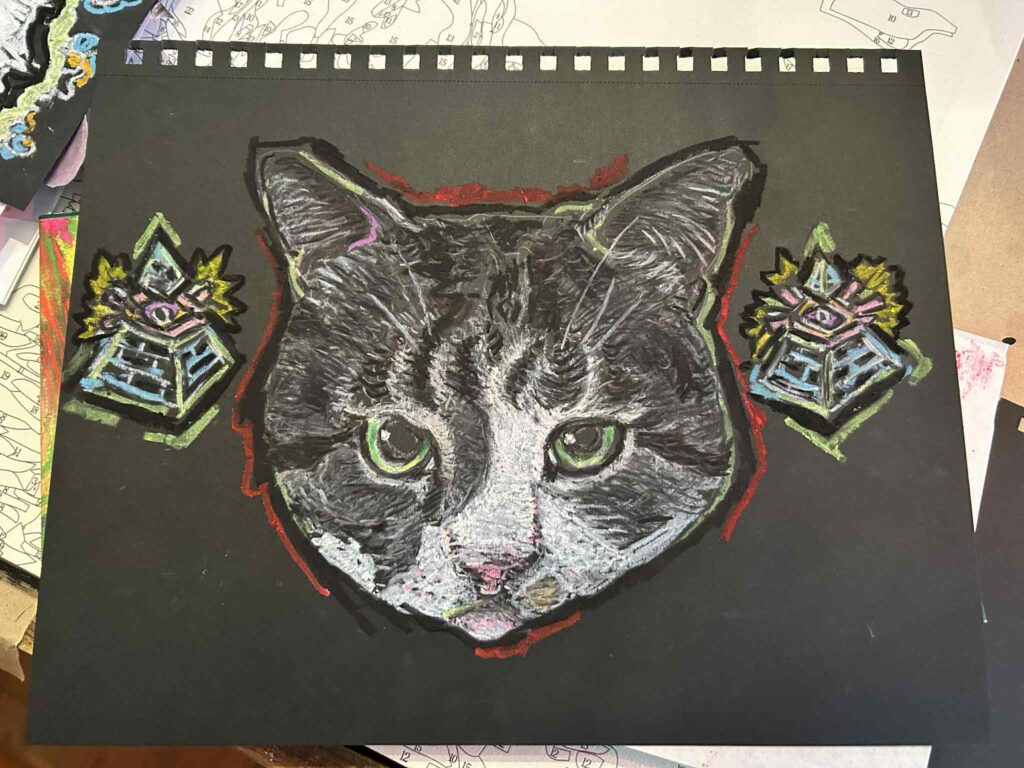
Patrick Chaos Meowhomes was born in Redbud Estates, a local community in MHK, on October 7th, 2018 in the early afternoon. I recall the day well. I was less than a year out of my most recent, and hopefully last, institutionalization and my friend had learned that her cat was pregnant with two kittens. I could have the runt.
The day was crisp in the small home I resided in at the time; drafty doors and limited insulation on the roof made living there uncomfortable. It was worse for my friend, who lived in the oldest trailer in an even older park, and the early onset of winter was not kind to her homestead. She asked me for help.
Bringing her a space heater, I had to warm my car and hope the E light on my display was not ominous. By the time I got to her house, her roommates had left for warmer digs for the day. My friend was left alone with her pregnant momma cat.
I said hi and noticed that she was wearing layers. I was not cool leaving her by herself there, but she assured me that the space heater in her bedroom with the door closed would be good for the night before the predicted break of the cold streak. She was more worried about her plethora of pets; including cats, dogs, mice, and boyfriends. But momma cat meowed as if I should get the hell out.
I showed myself out of her place. I said goodbye briefly, as my friend ducked into her room and closed the door. Driving back to mine, I could not help but to think that a space heater was nice and all, but considering her situation, I wasn’t sure if I would be able to even take care of one kitten, let alone a whole litter.
When I pulled into the driveway in the alley behind my place, I received a text announcing that I was now a new cat dad. Within minutes of the installation and usage of said space heater, momma cat had settled into her cubby and given birth. A regular life event. And now, for me, a cat to worry about. Correction: kitten.
While the stories in the last six and a half years centered around this cat are, quite literally, endless and insane on so many different levels, I would merely like to impart my experience concerning pet ownership, most recently about Patrick Meowhomes: pets rule.
Seriously, my cat lives here. I just pay rent. To that end, my best friend is fond of reminding me of that. When I recount in detail an elaborate and altogether unbelievable predicament Patrick created for me or himself or us both – which ends in Patrick cutting my brake cables or some other such thing – my friend is never surprised. My cat is certainly on my watch list.
Watch Patrick prance and play, catch his simple gaze, brush his claws along your palm. Cuddle. Cats, dogs, pets… we do not deserve these beasts in their domestication and we fail in our foolhardy attempts to fight against nature in ways that other animals would never or could never try to. We are lucky to not be alone merely within our shared humanity; we also have our animal companions beside us, and sometimes over us. Even if they do cut our brakes.
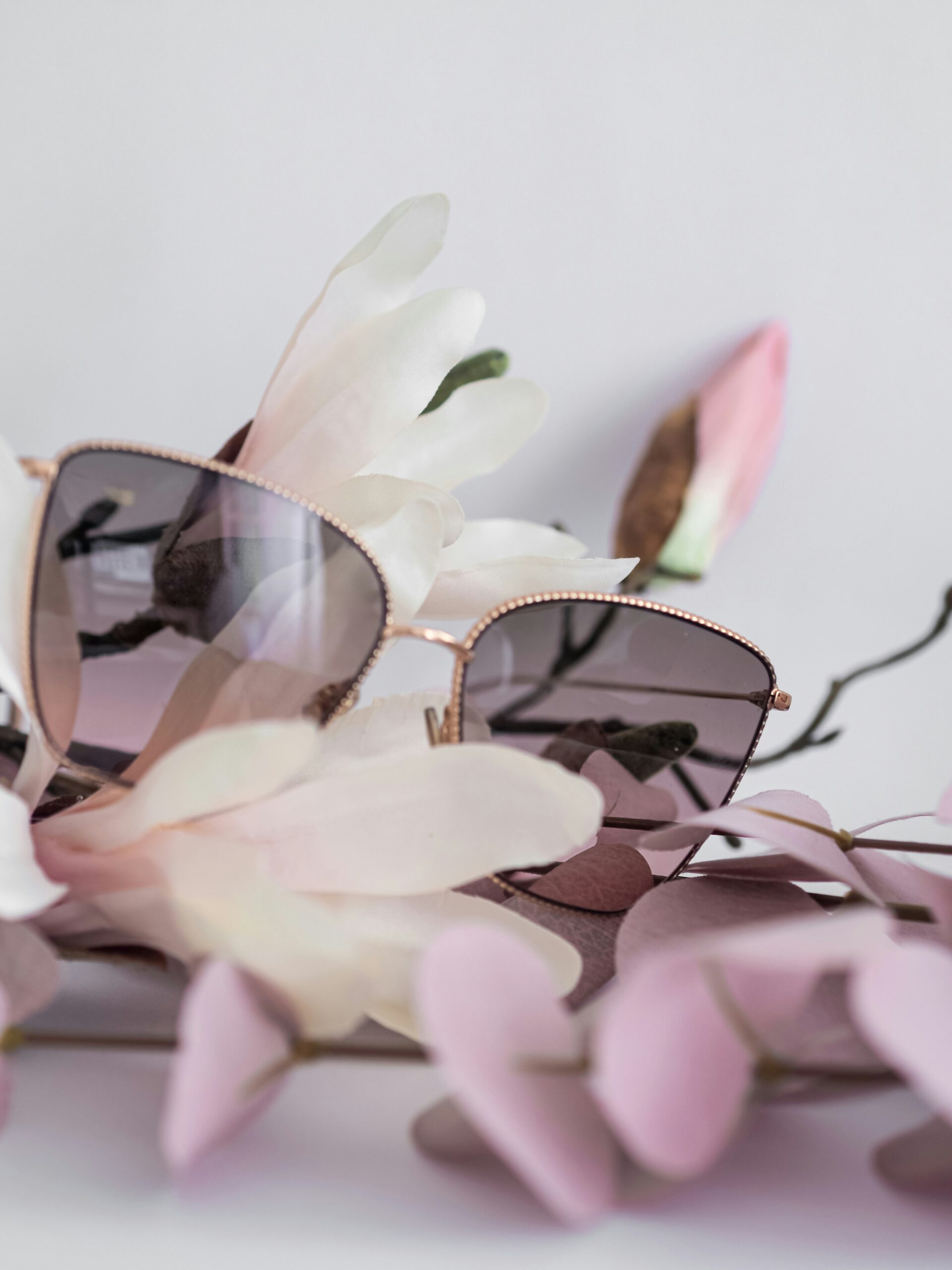
For my first relationship, I feel like, looking back, I wore rose-tinted glasses to hide all the red flags I didn’t want to see.
I’m sure I’m not the only one who did the same thing when experiencing love for the first time. I was infatuated with the idea that somebody liked me, so I tried hard to make it work, no matter how terrible I felt throughout the latter half of the relationship.
It lasted nearly three and a half years, far longer than it should have, but I don’t regret it, as I learned many lessons. Like what I should expect from my partner, what makes me happy, and most importantly, how to love myself in the ways I needed rather than what I was told.
Initially it felt like I was reaching while he was settling. Along the way, however, I found myself settling, disregarding the beliefs I thought were important to me. Does he respect my feelings? Did my happiness matter? How were his relationships with his family? Did he take accountability for his finances and career? Does our future line up? Did he care about where our relationship was going? Were there more happy tears than sad? Does he smoke too much, drink too much? Why does his room always feel like a game of “The Floor is Lava”?
It didn’t occur to me that my disappointment stemmed from my moral weakness. I thought that since he had more experience, he knew more.
Until he said he wanted me to experience the “broken heart of life, now you should explore what else can hurt you.”
My first heartbreak
I was naive, young, a hopeless romantic, inexperienced. I was many things. But deep down, I knew better. All along, I should’ve known we just weren’t compatible, that I shouldn’t’ve tried to hold on because I didn’t want to start over. I shouldn’t have to put up with somebody who wanted me to “learn what love was” just so he could let me go.
Screw that.
But at the same time, and I truly hate to admit it, he was right.
My first big step
I did need to know what heartbreak felt like, to know that what we had was not ideal. I was tiptoeing around a field akin to a Minesweeper grid toward the end of the round.
The timing of our relationship ending was fortuitous. I ended up moving to a new city, and it felt like a clean start to truly find myself. The old adages of starting over! and rebranding yourself! became a sort of lifestyle for me for the following three years. I learned to love myself.
I threw myself into a new life of meeting new people, trying new things, exploring new places, and taking new risks. It was a truly magical three years of my life. I met so many amazing people and traveled to exciting places with them and on my own. Everywhere I went and everything I did added to me as a single, whole person. I was on my own, and I truly was content and peaceful.
(Image courtesy of Luwadlin Bosman via Unsplash)
It’s a full-circle moment
Eventually, I found myself ready to start a new relationship, so I began holding myself to higher standards and qualifications — which ultimately led me back to my first relationship.
It’s challenging to find better standards without considering your experiences. So, I thought about him a lot. I thought about how he hurt me, how it felt like my feelings weren’t validated, how it didn’t seem like he was emotionally available, and how I couldn’t picture a lifelong future with him. How much I cried out of sadness alone.
Yes, I still think about him a lot, but it’s because I’m always comparing my current relationship to my past one. I’m happier overall as my feelings, thoughts, emotions, wants, and needs are valued. I get to enjoy activities together with my partner rather than resign myself to doing what my ex had always wanted to do. We have a lot more common interests and travel goals. I’ve definitely cried more happy tears than sad. I’ve found my life partner. Ironically, it was because my ex-boyfriend helped reunite me with an old high school friend I originally had feelings for.
Now, I truly feel happy and blessed. I’ve learned to love myself, and I’ve found somebody who can add to my happiness — not take away from it. We’ve both continued to redefine what we needed in our relationship, what we should look for, and how we can work on our disagreements.
I’d be lying if I said everything was 100% peaches and cream. But it’s a damn solid 92% in my opinion.
So, thank you for hurting me. It was because of you that I truly became happy.
A couple years ago, I found myself in a London bar I knew was one of Camden’s primary independent music venues. And without trying to sound pretentious and cool, I had just come off stage after performing.
Anyway, this isn’t about me. Well, it is, but not like that….
While waiting for my third overpriced margarita, I found myself in conversation with a stranger. I don’t know what got us onto it, but we were talking about imagery from childhood that stays with us. I don’t remember his; it must’ve been boring or unrelatable or, as I suspect, both. But I offered up two examples of my own: medicine and cake.
The “spoonful of sugar” scene from the original film of Mary Poppins, 1964, is etched on my neural pathways like an engraving on a trophy. It’s the way the medicine looks on the spoon held out by Julie Andrews. The way the light catches its translucent red and reflects it off the silver. To this day, anytime I see a candle through a glass of cabernet or the evening sunshine through a church window, it takes me back to that formative cinematic moment. At some point in time, I drew a parallel between that scene and my other archetypal childhood image: school cake and custard.
If you’re British, you’ll know — you know?
The custard in question
White sheet cake, sprinkles, hot pink custard. PINK CUSTARD. Custard that was PINK. Custard with the hue of the Pink Panther’s hindquarters. Custard the color of Mr. Potato Head’s ears. This pink custard was served to us by school cooks who looked like the cook from the Banks’s household in the aforementioned film — some time before school dinners were outsourced to a private third-party corporation, like everything else seems to be these days, and before Jamie Oliver intervened to save all of our cardiovascular systems.
“How do you think they get the pink in this custard?”
“Dunno, red sugar? Like Mary Poppins?”
That was our best guess. We were kids. It didn’t really matter anyway. As our little school ties flapped in the custardy and crumby remnants in the bottom of our bowls, we knew that we were being looked after, and being looked after tasted GOOD!
I wonder if, like many fond memories held in the fallible machine that is the human brain, my mind gives too much rose-tinted credit to those school cooks with their rose-tinted cheeks and their rose-tinted custard. I’ve reason to believe it was made using instant custard powder. And there’s nothing wrong with that, especially when cooking en masse. But, when I feel overwhelmed in adulthood — or indeed by it — be it with the state of the world or just my own being, I take great comfort in making custard from scratch.
Dare I say it, I’m becoming known for it.
Returning to the custard at hand
(Image courtesy of Micheile Henderson on Unsplash)
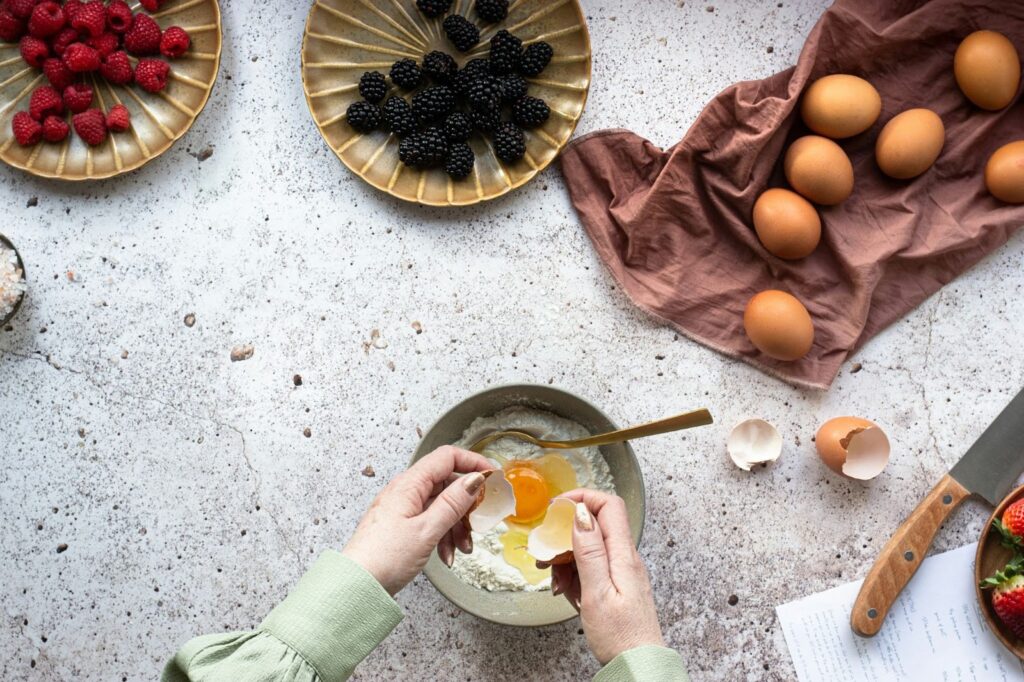
Egg yolks. Sugar. Milk. Cream. Cornflour (Cornstarch). Vanilla. A couple of bowls, a whisk and spoon, a pan, and a flame.
Which is my favorite part? It might be the way that beating the eggs with the sugar serves as a stress reliever for the modern man. It might be the test of patience as I await the milk and cream to warm one another in their enveloping embrace or the virtuous passivity in allowing it to happen, intervening only to prevent the full boiling point. Or the concentration of the pour — the hot liquid over the whisked yolks, gently enough not to scramble, confident enough not to spill. Or the absolute trust that tipping the whole affair back into the pan won’t scorch it to hell. Or the way the wooden spoon’s charted course through the steam is met with increasing resistance as the waves of mixture gradually thicken and settle to a horizon with every soothing figure-eight stir.
In the pink
I don’t put the PINK in. As I say, I don’t know how. Some mysteries are best left unsolved. Just like a spoonful of sugar makes the medicine go down, a spoonful of custard is a meditation as powerful as any experience I had in India. Time seems to stop, and I can’t help but be present. As I turn off the heat and transfer my newfound treasure to a jug, I feel like a prospector who’s struck gold, again.
Sometimes, when I think back on my own experiences, I turn up a severe lack of stories to tell other people. This becomes especially bad in public scenarios when I’m meeting strangers or trying to enliven a friendly discussion. In fairness, I’ve always leaned more towards being a listener and have grown comfortable with that quiet reservation over the years. Still, it’s often difficult not to compare myself to others when I hear the vibrant and fascinating stories they share from their own perspectives. Is my life just too… ordinary? Have I not made the most of my time? Questions like these have nagged me for far too long… but the solution isn’t exactly what I might have thought.
How we tell stories
Truthfully, in the course of a single day, I think anyone could spawn at least a dozen stories. We can draw narratives from anything; a good story doesn’t necessarily need to be grounded in a complex anecdote – they could generate from unexpected disruptions to your routine, funny lines quoted by family or friends, or even just your own meandering thoughts. The problem lies in unlocking the confidence to share these tales and dispelling the fear of judgement.
Certainly, one person’s adventure of cleaning the dishes with a brand new sponge may not seem as interesting as another’s odyssey around the world on a cruise. As such, the former story may be discarded – nobody would be interested, especially not after that amazing story of the cruise. The conversation’s moved on. But let’s be honest here – our lives are operating at different velocities. It’s not possible to constantly match the intensity of the stories around you; it’s entirely possible that you will naturally become the most interesting person in the room further down the line. In the meantime, do the best with what you have. It’s important to remember this:
The best stories come from the best storytellers. That’s all there is to it.
Crafting confidence
Dialogue will only leap off a page if there are two competent actors with enough chemistry to discover nuance between the lines. Deadpan humour relies solely on the rhythm and timbre of speech for its own success, utilising pauses for expectation and sardonic dryness for emphasis. If you can deliver a story with confidence and character, then even the most banal situation can be turned into heartfelt wisdom or uproarious comedy.
Understanding all of this, I started to realise the stories I was hearing weren’t so sensational after all – most of them were very ordinary, much like the ideas I wanted to share around. The only difference was confidence.
You really don’t have to look very far for inspiration. There’s a couple of stories from my childhood that I’ll milk until the end of time – especially the horse story.
A very sick horse
Once in a while, there may come a day when you say something so unexpected so perfectly and are thus forced to be the butt of an inside joke for the rest of your years (credit to my mum for her fantastic retelling of this one). When I was much younger, probably around eight or nine, I struggled in mixed company. I found it very difficult to join into adult conversations without clamming up – much like the doubts I’ve experienced recently, driven up to eleven.
Fortunately, I was very conscious of this and approached my mum for help. “I want to chat,” I said one night, yearning to dispel some of this awkwardness.
“That’s great,” she replied. “I’ll tell you what: Auntie Julie’s coming round for a film night later and before that, we’ll be having dinner in the kitchen. Why don’t you try asking her some questions? That’s the best thing you can do – show you’re interested in other people, ask questions, and let them do the talking.”
Great advice, I tried to tell myself. Julie had been one of my parents’ best friends and a familiar face to me for many years. Still, the idea of exercise was giving me the heebie jeebies. “What am I supposed to talk about? I don’t know what to ask her.”
“It could be anything! How about this – Julie’s horse has been really poorly recently. You remember she owns horses? Why don’t you ask about that?”
With my question cemented, dinner rolls around. Julie and Mum are chatting actively and I’ve retreated into my silent cocoon, laser-focused on practicing this question in my mind. There’s no one in the house aside from us three – no escape.
Eventually, the conversation draws to a lull. I know I’ll never get a better chance. I glance over at Mum with a look of pure terror, who gives an encouraging nod.
Something changes within me. A different person takes over my body. I draw my shoulders back, puff out my chest, take a deep breath… Then I lean very slowly over the table, draping my arm next to Julie’s and ask, in the most unknowingly seductive and mock-confident voice possible…
“So… how’s your horse, then?”
Instantly quotable
At only eight years old, I’d given one of the best chat-up lines in history to a woman five times my age. To Julie’s credit, she answered the question very sensibly, walking me through her horse’s sickness and how she’d been taking care of them. And that was that! Mission complete. I’d conquered my fears and Mum decided shortly afterwards that I could be excused from the table. It was only years later that they regaled how much my delivery made them cry with suppressed laughter the instant I left the room.
To this day, we still quote the horse question at various gatherings. It’s a fantastic anecdote to retell as there’s so much room to heighten the punchline – vocal inflection, pauses, the long lean over the table… Intense eye-contact, maybe. It keeps changing. The point is, find those stories from your childhood or recent past that have strong emotional or comedic beats and discover ways to structure your retelling of them. One well-practiced story can take you very far.
Exaggeration can be a powerful tool if utilised in moderation. Not everything has to be weighted in truth – only the essential beats. A small white lie can add a lot of colour to a story, as my mum is painfully aware.
(Image courtesy of imad 786 via Unsplash)
Target practice
An example of such colour can be found in a story from my infancy. As a baby, I would go crazy for eggs. I had this gormless smile on my face whenever I was fed them. Trouble was, I was also allergic to them (this is a very common problem for babies when their bodies can’t process the proteins and treat them as invasive and harmful). Within minutes of eating, there would be projectile vomit. Guaranteed. It was like clockwork.
We saw a doctor a couple of times and he assured my mum this was very natural. He advised trying to feed me bits of egg every now and then until the allergy dissipated – that was all we could do, really. So, as per his advice, Mum occasionally fed me a tiny spot of French toast (or eggy bread, as we always called it) and started her preparations. She’d pick me up, cradling me over her arm so as not to restrict my gut, open the back door, position me over the grass and wait. Eventually, she’d feel my stomach starting to rumble and prepare herself as a typhoon erupted from my throat. Typically, it was over in two short blasts. I was nothing if not efficient.
This is not the version of the story I recount. I’ve… embellished a few details. In my version, Mum is more of a sadistic opportunist. She’d feed me the eggs, then set up a bunch of standing targets in the garden. Following this, she’d grab me by the back of my thighs, equipping me like a Gatling gun, stand on the step of the back door and absolutely go to town. If I started running low, she’d feed me further bits of egg to reload the system and carry on spewing. A nightmarish vision, obscenely exaggerated, but one that still makes me laugh.
To Mum’s chagrin, this is the first story I shared upon meeting her new partner. It’s good that he knows what he’s getting in for.
Put creativity to work
Above all else, never forget to have fun with stories. Each one is unique in size and shape, and all have the potential to be meaningful or memorable. Think about how you’d want a story delivered to you and reflect this in your retelling. If you’re having fun with it, then others will too.
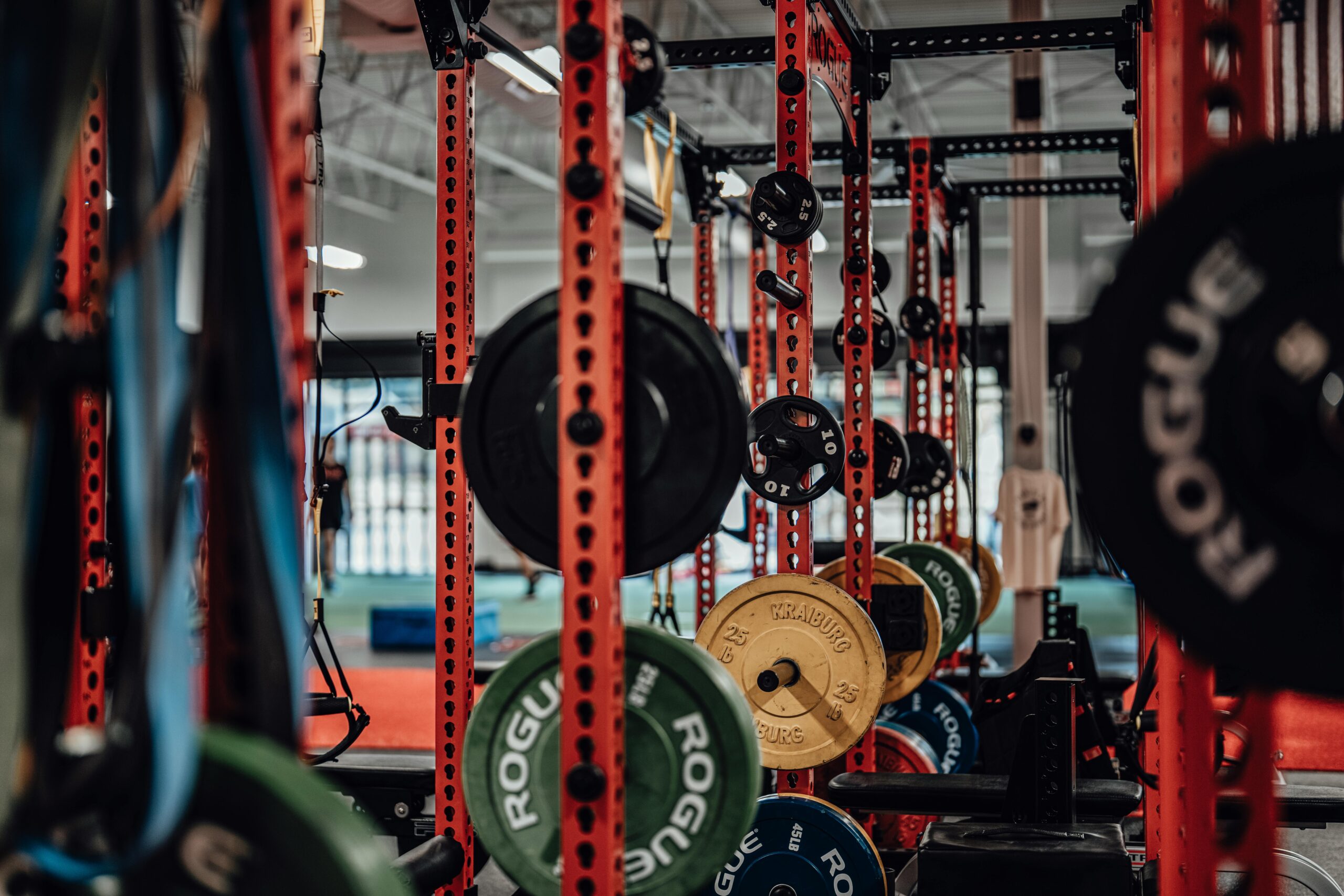
I remember as if it were yesterday: the feelings of doubt deriving from low self-esteem, the sense that something needed to change, my dissatisfaction with the way I looked. Two years of excessive partying, coupled with how little I exercised, ended up taking its toll leaving me looking unhealthy, to say the least. So when I saw that a gym had opened down the street, I took it as an opportunity to improve the image I had of myself – literally. What I didn’t yet know was the level of commitment I would soon devote to lifting weights.
Gym rat
My physical fitness journey began as a way to drop what I called “the party weight.” I noticed early on that my body, despite weighing the same, was changing in build. As I filled out with muscle, I got hooked on the look. This prompted me to start taking my workouts more seriously, planning exercises to work isolated body parts on specific days. With bodybuilding now my focus, I was lifting weights a minimum of four times per week and eating five to six times a day. I slowly packed on the pounds.
All of these changes led to signing up for my first natural bodybuilding competition when I was 24. I also competed again at 27. Although I didn’t win at either event, I was happy with my performance, so the losses never bothered me. If anything, they only motivated me to lift even more. I would continue training through muscle strains and colds, out of the irrational fear that I would lose muscle the moment I took even one extra day off. I trained as hard as I could. I quit going out, and if I did, I only drank water and ate before leaving the house.
I had traded one extreme for another.
In the years I wasn’t competing, I would do absurd bulks (6,000 calories/day) so I could gain as much weight as possible (including fat) just to gain more muscle. At my heaviest, my 5’11” frame carried 260 pounds. This weight was by far the most uncomfortable I have ever been. It hurt my shoulders to sleep on my side and I was snoring like a wild boar.
(Image courtesy of Cristian Guillen via Unsplash)
My burden
Eventually, I did end up shedding the extra weight from my past bulk, reaching a more comfortable 220 pounds. The mental toll of keeping up with the workouts and meals was exhausting. Weighing every gram of protein, carb, and fat that went into my body was beginning to have the opposite effect on my mental health. The satisfaction was now gone, replaced by the disappointment of diminishing returns. Finally, I experimented by taking a break from it at the beginning of this year, only working out once or twice per week. I still weighed my food, but I relaxed the constraints of my overall diet.
Unfortunately, after about six months of this, I relapsed and started living like a bodybuilder again. I found it difficult to shake what had become such a large part of my identity. I went at it for a few months, but it didn’t last; I just didn’t care for bodybuilding anymore. I would dread my meal between a normal person’s lunch and dinner. It had been getting in the way of other interests such as writing. I also began to feel guilty about the amount that I ate, that I was wasting the food. The thing I had devoted so much of my time to had started to defeat me. It was time to let it go.
Freedom through balance
Today, I still train hard, but only twice per week and no longer on specific days. I do it when it is convenient for me to do so. I enjoy beer and whiskey on weekends, both at home and with friends. I only eat three times per day and maybe have a snack at night. The food scale is now collecting dust in one of my cabinets. I have more time to write, read, listen to music, watch movies, and spend time with friends. Most importantly, this life change has afforded me much more time with my wife. In the end, denying aspects of myself like I had was never going to be the answer. What I really needed was balance. My new lifestyle is allowing me to become a more well-rounded individual.
To say that the last few years have been stressful would be an understatement.
Between COVID, the cost of living crisis, and global conflicts, the state of the world has taken its toll on me.
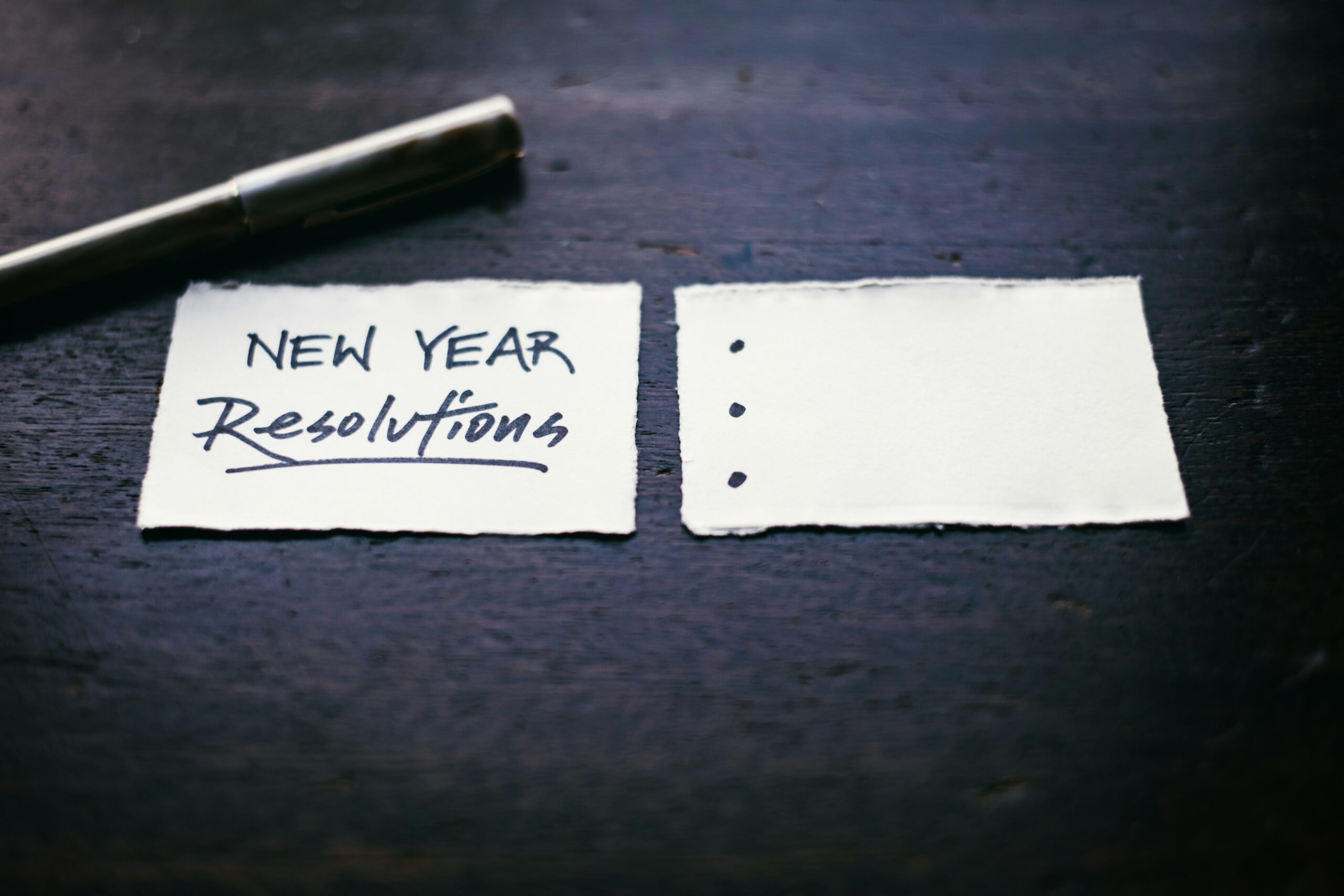
While there’s not much I can do about the big things, I decided that this year I would eliminate anything in my personal life that was causing me stress and generally try to live a healthier life. That’s when I began thinking about my New Year’s resolutions.
I have made quite a few in the last few years, common things such as losing weight, exercising more, learning new skills, improving sleep hygiene to combat my insomnia, getting out and about more often, and spending less time online. And while I have sometimes successfully committed to these resolutions, which has definitely helped me feel better, I realized that the simple act of making a New Year’s resolution is one of my biggest sources of stress.
Coming out of the COVID lockdown a few years ago, my main New Year’s resolution was to lose some of the weight I’d put on during that period. Fast forward, and I still haven’t lost as much as I would’ve liked. This caused a great deal of anxiety and triggered the classic intrusive thoughts—I’ll never lose weight, I’m grossly unhealthy (I’m not), I’ll never make friends, and so on.
It’s odd, because it’s not like I’m super strict about them. There have been several times in the past where I’ve half-heartedly come up with a resolution and not followed through, but it’s only in the last few years that failing a resolution has had this effect on me.
Why New Year’s resolutions stress me out
Ultimately, I think the way my brain works has changed significantly in the last few years. Maybe it’s a mixture of growing older and the world gradually getting worse, but failing New Year’s resolutions has caused me more stress in recent years than ever before. But then I remember the big thing that’s happened in my life recently: my OCD diagnosis.
I’ve had OCD my entire life, but it’s only really become apparent in the last few years. OCD manifests itself in different ways, but for me it’s been about unwelcome, intrusive negative thoughts. Those different variations of “you’re not good enough”. Of course, failing a New Year’s resolution would set these thoughts off. Setting a goal and not reaching it is like catnip to OCD, and by setting these arbitrary goals I’m basically inviting my brain to consume itself with these thoughts.
No more “I must”
I still think that New Year’s resolutions have their place. The goals I set are always somewhat realistic and achieving them does have a tangible impact on my life.
The problem with these resolutions is that, by saying “I must do these things,” I’m basically setting myself up for failure.
I’m going to try and take on a New Year’s resolution in 2026, but this time, instead of saying “I must,” I’m going to say “It would be nice if I”. I don’t NEED to lose weight in 2026, I don’t NEED to make more money, or go out more, or pick up a new hobby. But it would be nice if I did those things.
Maybe I will achieve all of my goals in 2026. Maybe I won’t, but that’s okay. I’m no longer going to drive myself crazy thinking of all the things I need to do.
I’m just going to do my own thing at my own pace, and I’ll be happier for it.
Some day I will die. But I will not die with a phone in my hand.
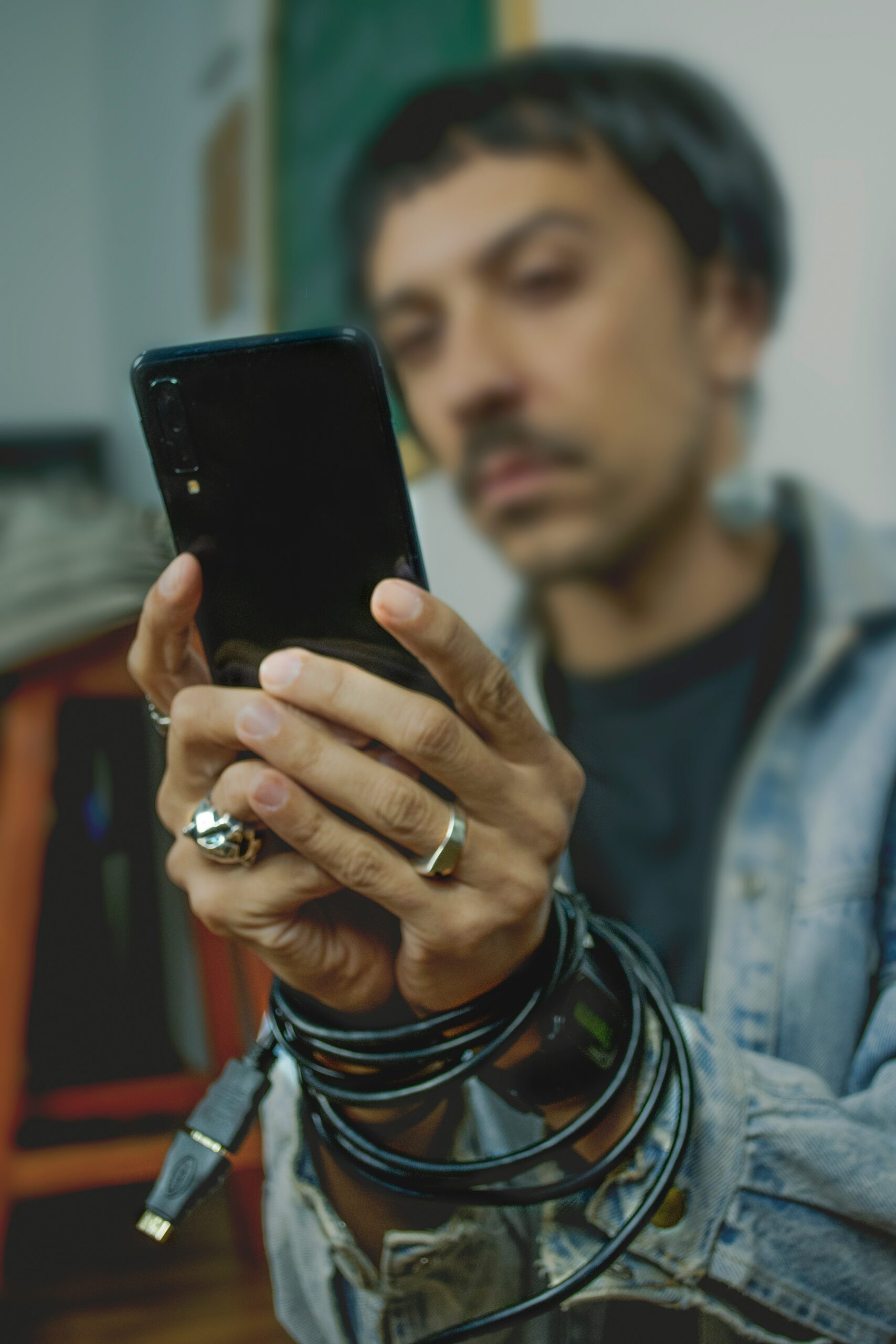
That is my motto for 2026. I refuse to lose myself to the six-inch iPhone 15 that is sitting in my back pocket like glue.
Toward the end of last year, I kept spending hours and hours scrolling through my social media. It seemed that no matter how hard I tried, I just kept opening up YouTube and Instagram every few minutes. I was quite literally stuck in a neverending loop that did not seem to break. So with the start ofthe New Year, I decided to take it upon myself to stop the doomscrolling once and for all.
Paying attention
While this is not a resolution per se, I chose this action because I want to live a better life without being tied to my phone. Despite using the incredibly tiny computer in my pocket, I physically felt myself trekking backwards instead of moving forward. I was so attached to my phone that at one point, I swear I became dependent on checking the invisible notifications that never came. Luckily, before the end of the year, I got the answer that I was desperately craving.
Deep in a rabbit hole of scrolling through Youtube one night, I came across a four-minute video of a creator detailing how they plan to not lose their brain in 2026. Just by paying attention for those four minutes, I actually regained the courage to put my phone down and delete what I no longer needed.
You don’t own me
Now that we are already approaching the slow yet heavy beginning of this new year, I truly believe that I am taking the right amount of steps to regain my own, very personal sense of worth. I will no longer be controlled by a screen and altered by what is happening to my friends, family, and others on the other side of social media. I am so much more than someone who can get addicted to scrolling. Just by taking part in this needed lifestyle change, I can already notice that my attention span is slowly returning to me. My creativity as a writer still comes and goes as the constant struggle with writer’s block will truly never end, but I am continuing the pursuit. That is what matters.
Escargot
In order to break the brain rot, I am also making sure to get back into reading. Even if I end up reading five pages a day, that doesn’t matter to me. I don’t care if I am considered a “slow reader.” I am reading despite my pace matching that of a snail.
I know that I am staying true to my word because, for me, I can find more inspiration and draw countless amounts of creativity from a good physical book in my hands than from a device made from a battery and glass. That is worth more than anything else. Nothing can limit my infinite love of reading.
(Image courtesy of svecaleksanddr249 on Pixabay)
Even in a world that is becoming illiterate, I will remain educated and constant.
With reading (no matter the amount) I truly feel free and ready to take on any form of writing assignment there might be. Whether it’s reviewing a friend’s essay, proofreading stanzas of poetry from previous schoolwork, or even composing fan fiction, a phone can never replace a person’s creativity.
Surrounded
If I had the choice, I would rather die surrounded by my book collection and the dust bunnies they create. I want to be tied to the books that made me, not the infinite digital footprint filled with a pile of fandoms, character edits, and a questionable and maybe concerning amount of screen time.
I want my coffin to be filled with nothing but Brontë, works from the Romantic era, and the spice-filled book, “Dune,” that controlled my life when I was 14. I stand by these books that made me into the person and writer I am, not the cringey teen “young adult” books that are now being filled with unrealistic agendas and AI prompts. (Although the Fourth Wing franchise is fantastic). I was raised on “To Kill a Mockingbird,” “The Tell-Tale Heart,” and later in my teenage years, the “Interview with the Vampire” trilogy. As a matter of fact, I just purchased two editions of William Blake’s poetry and the uncensored version of “The Picture of Dorian Gray.”Going forward, I will remain an old soul classic lover who owns more banned books than I know what to do with.
***
Thank you to all of my real life friends who seem to be fighting the same tug of war between brainrot and anti-brainrot that I am.
It’s nice to know that there are others who want their mind back.
About a decade ago, whilst studying for my master’s degree, I lived in a cramped room in a student house in Sunderland. For a full year, I would spend hours intensely studying at my desk before taking about five steps across the room and getting into bed.
It wasn’t a particularly nice bed. It was quite small, and if it hadn’t been for a strategically placed pair of drawers stopping me from falling out I probably would have been on the floor more often than not. And yet despite this, I would always fall asleep within an hour.
Fast forward to 2025, and I’ve upgraded that small bed for a nice double in a reasonably-sized bedroom. I also no longer have the stress of multiple exams and essays hanging over me, so it stands to reason that I would have no trouble falling asleep.
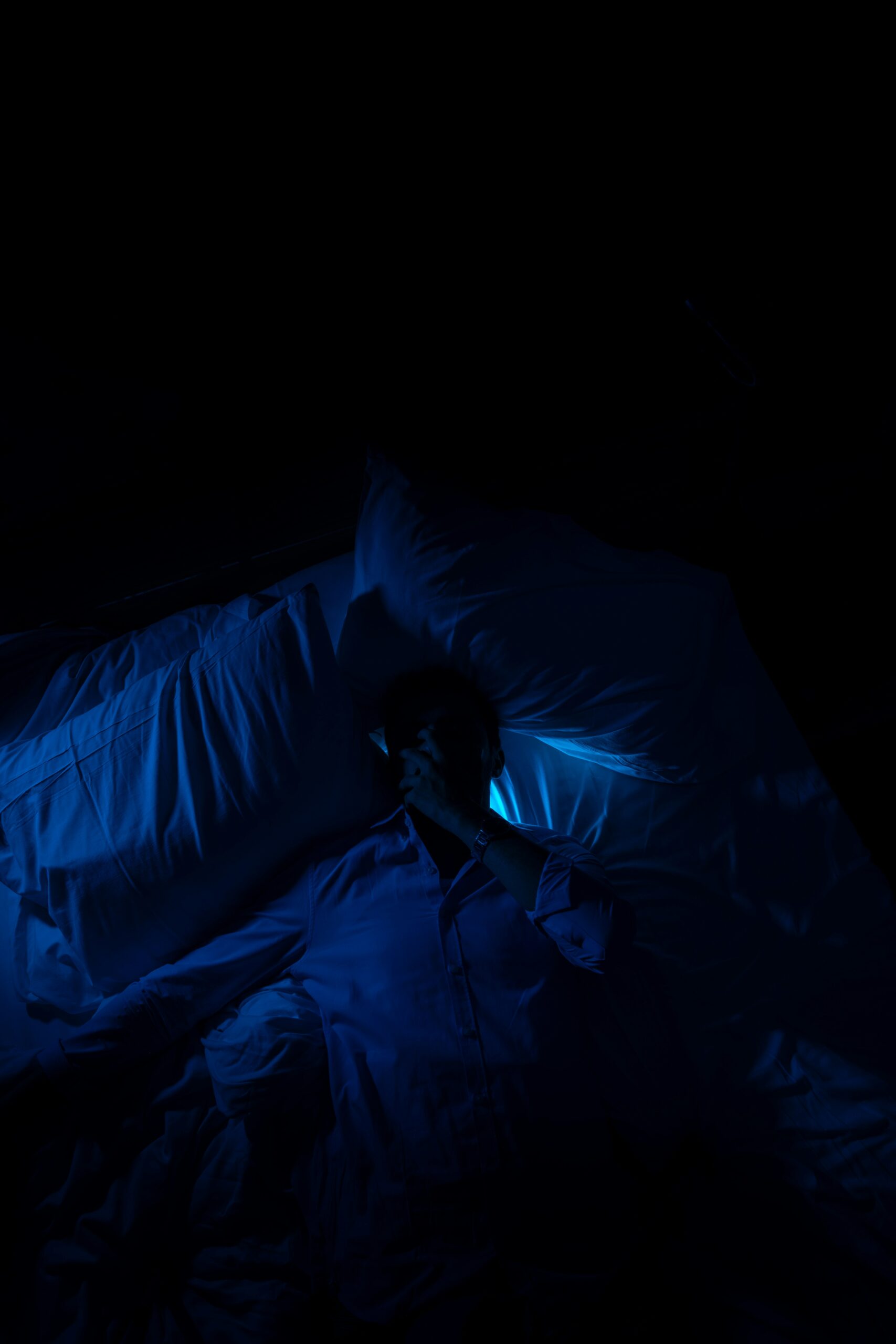
But for multiple reasons, the last five or so years have proven to be challenging as I’ve grappled with insomnia. And despite reading countless self-help books and taking several steps towards creating a better sleeping environment, a good night’s sleep continues to elude me.
I’m quite lucky in that I can still function normally during the day – I get up at a reasonable time, I can still go out with friends and I’m still able to write for my day job – but my poor sleeping habits over the last few years have definitely taken their toll, and there will be some days where I’m too tired to do anything other than sit on my sofa and doomscroll.
It’s hard to pinpoint the main cause of my insomnia. While I’ve often had trouble falling asleep during my life, the issue has really exacerbated in the last five or so years since COVID-19 first reared its head. I don’t need to tell you that the last few years have been stressful for everyone, and there’s every reason to believe that this is the main factor. I also have obsessive-compulsive disorder (OCD), which can lead to intrusive thoughts keeping me awake at night.
Whatever the reason, insomnia has gone from an annoying, but manageable condition to something that was starting to have a real impact on my life. The time had finally come to do something about it.
Improving my sleep hygiene
Go onto any website or read any self-help book about insomnia and you’ll see the term ‘sleep hygiene.’
Essentially, sleep hygiene describes the healthy habits that can help you get a good night’s sleep. This can range from your sleeping environment to what you do during the day.
In the last year or so I’ve started taking these things more seriously, whether it’s creating a nicer sleeping environment (no screens in the bedroom) or thinking more about what I’m doing during the day (eating healthily, no social media in the evening).
There’s a long way to go before I’m getting into a consistent sleeping pattern, but the early signs are encouraging. Simple acts like leaving my phone downstairs or reading before bed are already starting to have an effect, and I’m finding it easier to fall asleep, although I still find myself waking up randomly during the night.
I’ve also found that taking time away from social media (and the internet in general) has had a big effect. With 24/7 news and constant scrolling on social media, it can be incredibly difficult to switch off, even when I can tell that it is having an adverse effect on my mental health. The trick is to put as many barriers between you and those things as possible, whether that’s deleting apps, setting a daily browsing limit, or leaving your phone somewhere else, gradually spending less time online has ultimately had a big impact on my mood and my sleep hygiene.
Still, there are some elements that I can’t control, namely the recent heatwaves in the UK making it impossible to cool down enough for sleep and my dog, who likes to take up most of the bed (and who am I to stop her?), but with a few simple steps I’ve managed to greatly improve my sleep hygiene, and I’m hopeful that as time goes on I’ll be able to say goodbye to my insomnia for good.