Roscoe has defiled Doyle’s living room, again. So, Doyle was siphoning resources—not much, about a tenth of one percent—from RAMPART’s projection of a post-Great Lakes Midwest to figure out what to do about the dog. Head down, avoiding the gaze of tenured professors and project managers, he played with parameters: what if I’d had Roscoe since he was a puppy? What if I was his first and only owner? What if I was still with May and wasn’t trying to take care of him all alone?
Again and again, RAMPART hitches, borrowed computing power tapped dry. Lake Erie is suddenly in stasis, simulated pipelines freezing over without bursting. In a fake California, avocado trees and almond nuts super-chill.
Doyle knows: stranger things will happen. He can’t bring himself to read the weekly reports out of the Minder team. But he sees them burdened more and more with the world’s climate news, with the world’s climate future. Administration has tried to ease burnout by rotating people through, but that just smears the misery around.
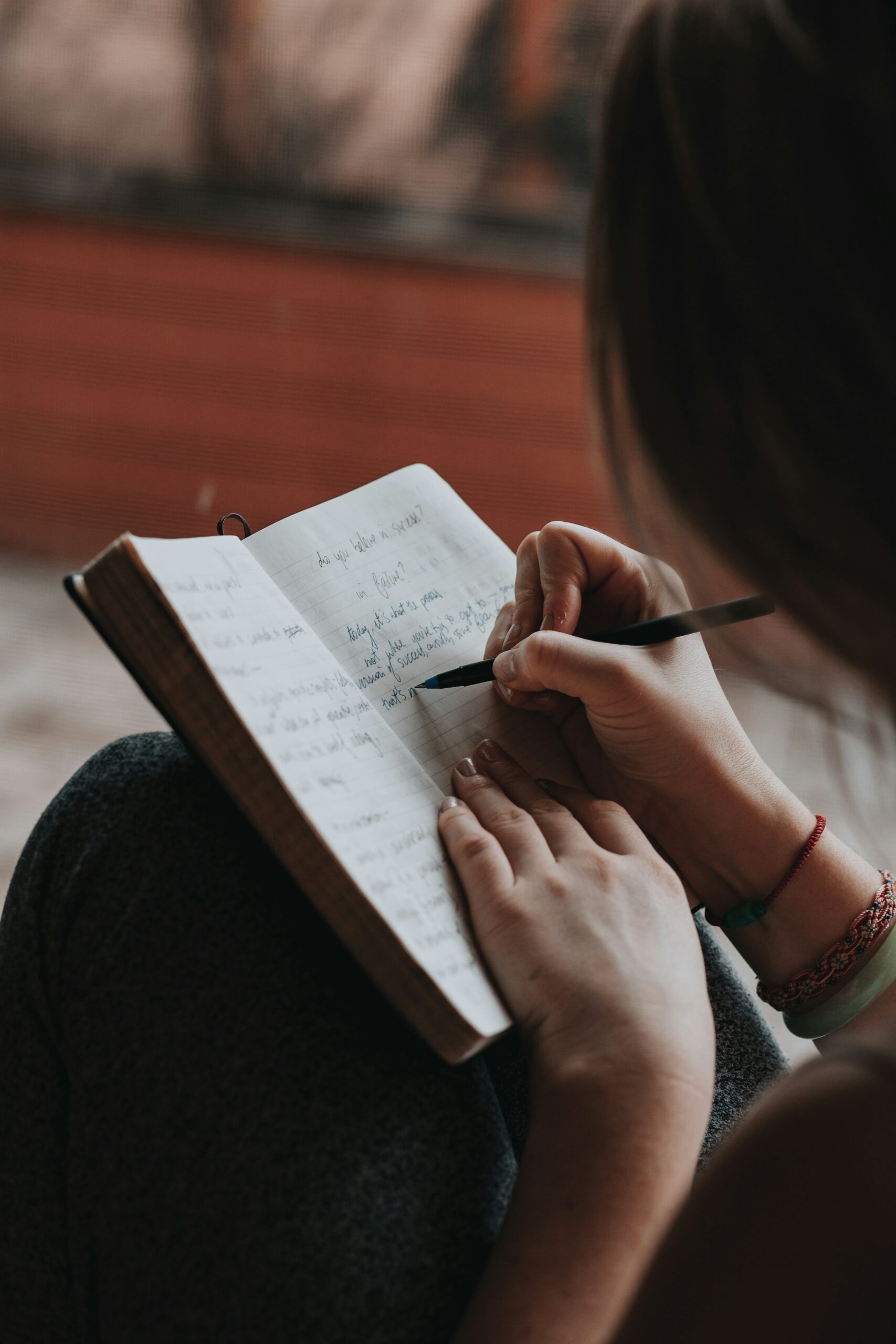
In a little notebook at his workstation, he makes a game out of it, connecting calamities to breakdowns of personal maintenance, along with ways he’ll reward himself for getting them right. He’ll order a pizza and gorge himself on it, he’ll put his work aside and lose himself in a video game, whatever. He has to keep this going, somehow. More and more it’s a victory just to force his eyes open in the morning.
May tried to talk him into finding another project to work on. “There must be a healthier way to get your hours in,” she told him, three or seven or twenty times. When he replays those memories, Roscoe is always laying its muzzle in her lap, and she is stroking its dumb floppy ear. The two of them were so close, but somehow she’s gone and the dog is still there.
“Forget the university, forget my department.” In his memory, Doyle always fixes her with a very serious “you’re not thinking this through” look. And then he cringes at what an ass he was, and is. “There is nowhere in the world on the bleeding edge of complexity theory like RAMPART. Maybe an alphabet agency, but do you want to move to Washington?”
To that she had no answer. That satisfied him just fine. Everything, everything in the world, has a reason for it. Everything is as it is because there can be no other way. The dog poops on the rug because it needs to defecate. The glaciers melt because the Earth’s atmosphere traps too much of the sun’s heat. Doyle stays on with RAMPART because there is nowhere else to understand the world.
Not that working out why his ex’s dog is violating his living room has ever been one of the uses he’s imagined for his education.
From queries of ideal dog-caretaking scenarios lobbed at RAMPART, Doyle can learn very little. All of the results were perfectly useless. Much of the information the projections provide is, even for useful questions. But there, again, the low reasoning of high planners: if the machine provides answers to questions no one asks and works for those in need of work, run the machine!
In his chair, he leans back and groans, a balloon deflating. To certain things he’s locked in: hours for teaching undergrads, doing research, writing up results—all of it is non-negotiable. He had not asked for the dog. He doesn’t want it. But when May announced that she was moving out and breaking off their engagement, she had given reason why it would not do otherwise than for the dog to stay with him. He felt helpless before it, before whatever goals she wanted him to move toward, and before the monumental task of taking care of its smelly, drooling, bottomlessly energetic majesty. Taking care of the dog was a bad idea. He let it happen anyway. And now here they are.
What Doyle needs, ridiculously, is for the dog to understand. And maybe that is overestimating it, but Doyle knows there is plenty that it does understand in its dim doggy brain. Surely, Doyle reasoned, it can be made to understand absence? Absence of time to get it out? Of will to move, to see other human beings going about their lives pretending the world wasn’t going to end in their lifetimes?
At least an absence of appropriate places to empty its bowels indoors?
No, RAMPART said. Told him what he already knew. It can’t be other than what it is. Certain outputs are guaranteed by certain inputs. They’re locked in.
When he goes home, wincing through the blast of feces-tainted air that pours over him as he unlocks his apartment door, he decides to be brave. He decides to try something new.
After he’s scooped up the offending object and scrubbed the rug with half a bottle of spot-cleaner, he calls, gently: “Dog!”
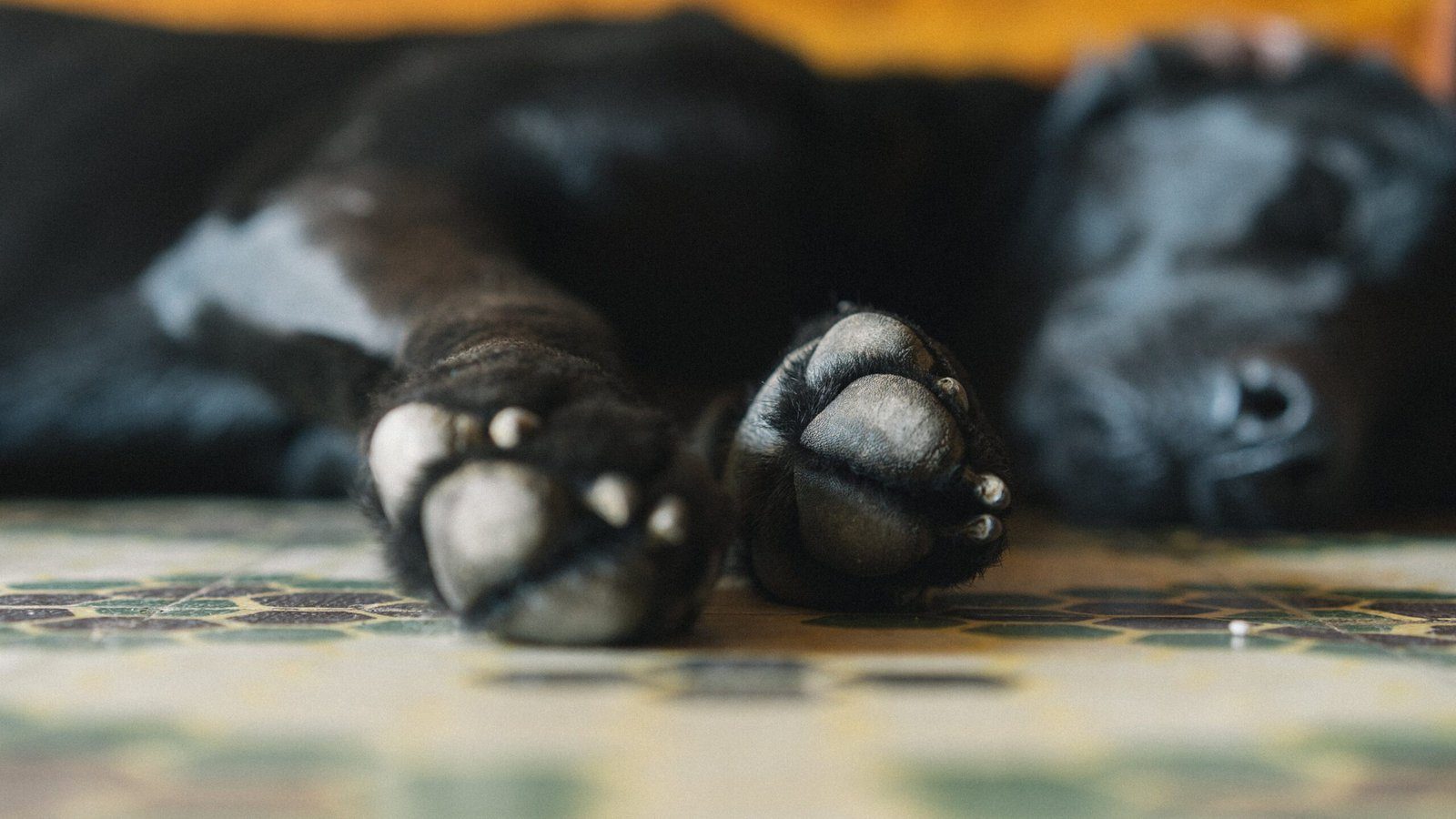
Roscoe pads on out, big paws quite delicate. There’s an undeniable cast of shame on his ferretish greyhound face, and Doyle finds himself wondering how that can be: shame is a recognition that an internal self has somehow failed an external other. Most days, Doyle figures the dog barely knows he exists.
On the soiled carpet, it sits. Stares up at him with eyes liquid and dumb.
“Bad dog,” Doyle says, but there’s no real anger behind it. His thoughts are elsewhere: he spent the afternoon updating drought projections to line up with a just-approved plan to drain all the Great Lakes, the largest combined freshwater reservoir in the world, to irrigate farms for a handful of billion-dollar agribusiness concerns. Visions of shores receding from piers, of cold and warm fronts sliding over the Great Plains like drunken roller-skaters, of lines of refugees begging for mouthfuls of water. He wants to escape.
The dog whines up at him, a high piggish squeal. Its tail thumps the carpet.
“I’m going to stream something,” Doyle says, mostly to release himself from the hope that he’ll do something productive tonight. And the fear, always there, that he’ll do it poorly. He pats his thighs. “Cuddle up?”
The dog stares at him.
He collapses onto the couch, remote in hand. Absently he pats the spot beside him, inviting the dog to carve its own groove into the cushion.
Instead, it retreats from him across the room, to where its leash hangs by the door. Eventually, its whines shift from plaintive to aggressive, growing deeper and rougher.
Doyle sits, insistent. If only it could understand, he thinks. I have nothing in me for you right now.
Eventually, Roscoe gives up and shuffles out. Doyle avoids eye contact. From the squeak of bedsprings, Doyle can tell it’s claimed the bed. That suits him fine: he curls up on the couch, volume down low, light and sound washing over him until he’s gone.
***
There’s a simulation he likes to run. To torture himself with. Worst-case scenario: five degrees Celsius, world on fire, economic collapse, water wars, nuclear wars, wars to end all wars.
He’s feeling crappy today, so he boots it up, finest detail, fifty years ahead. The tail end of his natural lifespan.
RAMPART is too complicated, and watches too many factors, to give you the same result every time, even with the same parameters. So every sim is like watching a different horror movie from the same series: the same, but startling in its particular depravities.
Shallow graves pockmark the American southwest. And bullet casings, ammo dumps, burst bridges, contaminated water supplies. Climate refugees from Central America spat. But the violence doesn’t end there.
So-called American civilization has come to nest in enclaves of a few tens of thousands: in the Rockies, in Appalachia, the Upper Peninsula, and islands in the Pacific. He traces their lines of flight from centers of power in Washington, New York, Chicago, and California. It rhymes with some history he knows; elite flight in times of crisis. They take everything they can and when there is nothing left to take, they move on.
He can picture all of society like this giant, holding so many on its shoulders. Crushing some underfoot. To outrun some crisis or other it shrugs, and casts off more and more, those with looser grips. Losing ballast. Until there is nothing left, no one.
When his turn comes, he hopes he’s crushed quickly. Not left to watch it recede from him. Not left by himself.
***
One muggy oppressive April day the Minder team has an opening, and Doyle is asked to fill it. Doyle is almost grateful to have something to think about besides the ruins Roscoe is making of his apartment, until about lunch.
Technically the job is to mind the RAMPART sims: to keep them up-to-date so that the other teams — Public Outreach, Policy Advising, Climate Diplomacy — have a solid baseline to work from. But to do that you have to look at the thing itself: the rapidly fouling world, the only planet anyone has.
It’s kind of funny when Doyle thinks about it. To navigate a changing climate, you need models. Someone must make those models: someone must stare unblinking at that worsening climate in the increasingly unlikely hope that anything is done at all. Even a humanitarian project runs on human suffering.
At least he’s not the only one feeling this way. Every chance he can get to try and connect with anyone else on the team, he takes. They’re all stuck in this together. And it’s pretty funny, the sentiments that fall out of them, this collection of twenty-somethings whose collective decades of study have amounted to, basically, a certainty that their lives are over before they even began.
Even as everything else is dying, two things flourish: cockroaches and gallows humor.
Project admins are loose about approving hours. So a run to check climate-monitoring equipment, a job that could be done by two people, can become an all-team road trip. Desks vacated, windows down, scraping something off the highway to share and calling it joy.
They’re far out in farmland the university runs for its ag programs, not much more than blue skies and grains still greening in the stalk.
“Bet we could buy this land real cheap,” Sripan says. “Set up some windmills, run some broadband, get some crypto farms running.”
Everyone groans. Thaddea kicks the back of Sripan’s seat. “I hate the problems I spend all day studying,” she says, voice squeaky and mocking. “But the causes? I love the causes!”
Sripan looks stung. Doyle knows where he’s coming from: his education hasn’t been cheap, either. There are always costs to defray. You kick the world and all you get is a broken foot, so why not see if the world can help you pay your new medical bills?
“It sounds like Sripan wants to do crypto sustainably,” Doyle volunteers. “I didn’t hear anything about running a diesel motor to power anything.”
“Doesn’t matter,” Thaddea says, negotiating with her seatbelt until her back is to the window so she can address the whole team. “So long as someone’s bought in, even doing it sustainably, and someone somewhere else can make money off it, corner-cutting miners will try to get in.”
“You could say that about any societal evil at this point,” Doyle says before he can think it through.
Thaddea nods.
The rest of the trip up is really quiet.
The equipment they’re there to look at is in a little rural airport the university maintains. It’s mostly rented out to hobbyist pilots and companies making short-notice flight plans, and neither group is making a showing today. They pretty much have the run of the place.
On the roof of the air traffic control tower they have their instruments, though only Sripan makes a beeline for the ladder. Doyle lingers on the tarmac a moment, trying to picture Roscoe sprinting through fields until he collapses in a panting, drooling mess of doggy endorphins. It’s hard to imagine anything ever being that happy. Then he decides to try and speak to Sripan. To not let him feel alone. Hopefully.
“How bad is it?” Doyle asks him up top. For a moment, he’s just a researcher following the data. Working out a problem. For a moment, he doesn’t have to live here.
“Bad.” Sripan shows him the atmospheric data, the temperature readouts, and the heat waves. RAMPART estimates of knock-on deaths and how well they fit with the latest projections on global collapse. “But there is a bright spot.”
Doyle punches him in the shoulder. “Yeah, it’s called the Sun. It’s going to cook us in our own sweat.”
Sripan doesn’t even seem to feel it. Instead, he pulls up an unfamiliar graph, a range of glorious heights and precipitous drops eventually flattened out to zero. “Recognize this?”
“Life expectancy of the average human being since the start of the Industrial Age?”
“I thought not.” Sripan brings up a JPEG of another harebrained crypto-coin that had made a few people obscenely wealthy and consigned most of its investors to their parents’ basements forever with its crash the past fall.
“Crying over spilled milk?”
“No. Look at these emissions numbers —”
Doyle snaps his fingers. “Which are tied to electricity production —”
“Which dropped when Babacoin crashed.” Sripan overlays the two figures, and there it is, a lag in new emissions right where they’d hoped it would sit. “The market recovered, and with it emissions, but…”
Human actions are making this crisis: human actions can unmake it.
“All we need to do is vaporize the world economy.” The words fall out of Doyle, leaden and lifeless.
“What I’m hearing is, everyone is screwed.” Thaddea hangs on the last step of the ladder.
“No,” Sripan retorts. “It’s just that everything is…”
“Complicated,” Doyle finishes. Human civilization follows one set of rules, rewarding accumulation and positive feedback loops, and the global climate acted according to the laws of physics, which was not as kind to those as the Fortune 500 list was. RAMPART only confirmed an obvious fact: a collision between those two sets of rules would be very, very ugly.
“So what do we do?” Sripan asks.
“Can we even do anything in the first place?” Thaddea asks.
Doyle allows himself a smile. The answer to that question: it’s complicated.
A mono-rotor plane circles overhead, probably a trainee waiting to land. Toylike, fragile, small enough to reach out and grab, to bash against the rocks until it stops spewing poison. An increase in complexity often — though not always — meant a corresponding drop in robustness, in failure tolerance. A rubber airplane toy can bounce off the ground, be dusted off, and delight its pilot again. A real airplane does not have the same resilience.
RAMPART itself might have transcended this limit: its distributed network, which gave it its prodigious computing power, might have also rendered it basically beyond dismantling. Certain ways of thinking might have a similar elegance, an indestructibility enviable to anything less than a water bear.
It remains to be seen if human civilization is a comparable phenomenon.
“I don’t know,” Doyle says. “Things can happen, but I don’t know how much anyone can do…”
“No one can do anything.” Thaddea takes the roof, and takes her dramatic stand: everyone should just roll over and die.
Sripan looks like he’s thinking of a retort. But nothing comes of it.
In a group setting, moods can also achieve that elegance, Doyle thinks. Every time we see the million ways the world is dying: we cannot forget. We cannot think otherwise.
Depression is a robust complicated meme. Depression is an elegant group phenomenon. Depression is a shared swamp, a crab bucket, everyone dragging each other down. Maybe he could try and get a paper together, or at least a presentation at some conference. He’s supposed to have a career here, after all. Not just be married to misery.
Doyle wants to say something: we just saw how manmade factors can push things in a positive direction. But the moments tick on, and the mosquito drone of the propeller plane overhead beats at him until he can’t believe it anymore. So they sit in silence, waiting.
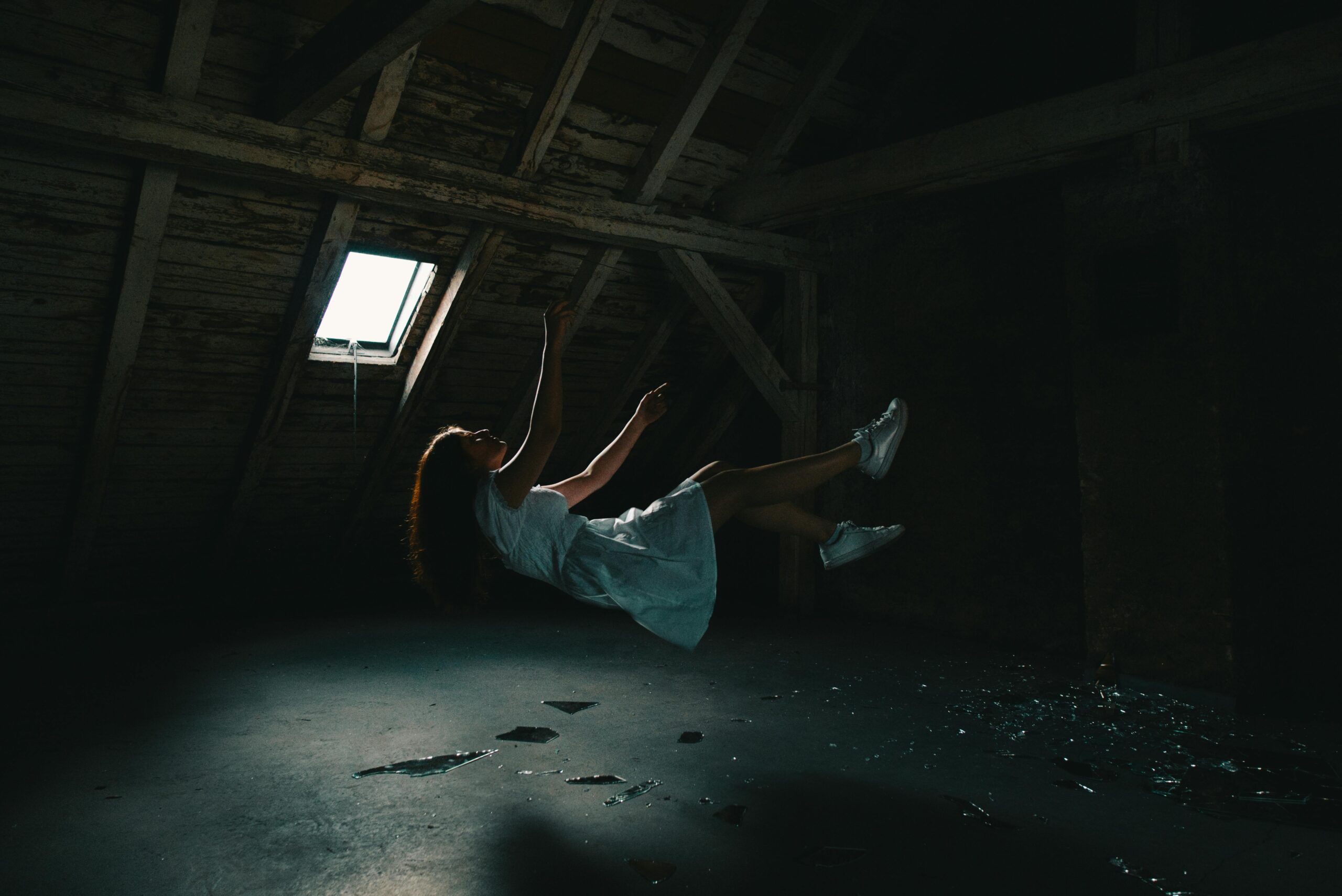
Above, the plane circles, landing not yet approved. Daylight going. Fuel burning. Not grounded and not really in the air. Suspended.
***
He needs a more exotic apocalypse. RAMPART was built to model climate change, but a little tinkering with its parameters reveals a startling imagination for all things eschatological. So he asks it to surprise him, and it does.
He shouldn’t be doing this. But he doesn’t feel like anything tonight but a slab of sweating meat soaking the couch, squinting at his computer through eyes dry and gunky. Nothing RAMPART will show him can make him feel any worse.
The first thing he knows is the Sun is an angry red, and swollen in the sky. It has outlasted every other star or blocked them out. Or something has gathered them up like marbles on the playground and taken them home.
The Earth’s soil is poisoned with heavy metals, its atmosphere a haze of nerve agents too sophisticated to be there by accident. The Moon rains down on the blasted world every night, its pieces pulverizing the last of the biosphere. He is in awe of what a ruin has been made.
There is a stark beauty here, too. He finds cities ringed around monuments to dead glories, skeins of cracked boulevards, and canals connecting lifeless districts. There are walls etched with art and indecipherable cuneiform. There are garden beds smashed into splinters. There are metal statues, half-gone, lying helter-skelter in the streets and propped against door frames. Some are hollow. Some are packed with ash and charred bone. Some are open-mouthed, their jaws wrenched out-of-socket, mouths hanging open like plastic bags in the wind, empty eyes weeping mercury.
He can imagine what might have happened here. It does not matter. He will not ask RAMPART to run the model in reverse, to wake these imagined people from their empty deaths back into empty lives. Their rest seems too gentle: their end came for them all, together. He takes a moment to imagine facing the end one among billions laying down for the night to never wake up. It’s not hope. But it is something to hold onto.
Roscoe pads up to him in the dark by his computer. He whines and whines and whines. Doyle could take him for a walk: May left a reflective vest for them. He certainly won’t be sleeping tonight.
Instead, he shoos Roscoe away, afraid for its sake that it will die alone in mute animal panic with all the rest of them.
***
May calls him. He can’t believe it. He just stares.
She drops the call before he can pick it up.
He can’t bring himself to call. But he can text. And he spends the next twenty minutes nauseous, checking his phone, certain she’s going to pounce on him.
She wants some more of her stuff back, that is all. They arrange a meet-up, a place of her choosing. On the day in question, he vibrates in the driver’s seat trying to convince himself to not go home and ignore the dog.
May picked a post-Starbucks coffee shop for their post-love meet-up, gently lit in earth tones. It smells like good coffee in there but Doyle still feels like he’s about to throw up as soon as the door jingles. Even before he spots her. Especially when he spots her. There is a small smile on her face when she waves him over. He almost spills his drink he’s shaking so badly.
They talk drinks like they used to. Doyle starts to smile and then it’s gone, terrified that might be construed as flirty. If this was their second date, things might be going well. But it’s not.
For a moment there is silence. Then the hiss and rattle from behind the bar, the shuffle of foot traffic, and the wordless thrashing of himself within himself by himself. He wants to be away.
“I grabbed the books I know are yours,” he says. He’s been waiting to get them out for months, every memory of them cross-shaded with one of her. He felt nauseous to see them but could not bear to throw them away. Eventually, he heaped a blanket over them.
“How’s Roscoe doing?”
“Fine,” he says, too quickly. May can tell: she winces, stung.
“Is he still with you?”
“Yes.” Still slobbering, shedding, still shitting in the living room because Doyle can’t get him out. “We are… Having trouble, though.”
May draws back. “Oh.”
“I’m having a hard time.” He hasn’t told anyone this. But to May it bursts out like a weeping sore.
She looks at him, tender, frustrated: you’ve gone and spilled your guts all over me.
May opens her mouth and he cuts her off: “And it’s not your fault —”
“I know it’s not,” she says. “It’s yours. You took that job, you plug yourself into your phone until you want to claw your eyes out, you refuse to look for help, you keep everyone away, and when that’s pointed out to you, you use that to torture yourself rather than do anything.” She looks away from him and stares out the coffee shop window. Wondering, Doyle imagines, what life would be like if she had spent these last few years of her life with anyone else.
He knows she’d be better off. Everyone would. He cannot think of a single good thing he’s ever done. It makes no sense to imagine ever having done so — he’s the kind of person who can’t even bring himself to walk a dog.
“Please take the dog back,” Doyle says. It comes out like a whisper, like something is choking him.
“No.” Her anger is more threatening than jagged steel. “You need that dog. You need something you can’t push or rationalize away. Something to drag you out of yourself. If he has to, with his teeth.”
“I can’t make this work,” he says. He’s pleading. Pathetic. “I can’t make anything work.”
“Why not?”
“There’s nothing else in me, May.”
If she has anything to say, she doesn’t say it. Doyle can read it in her face: he is not worth the time, or the effort. Or the heartbreak.
They drift out to his ratty little Subaru. Something about its weird elongated chassis, how low it is, makes it look like it’s cringing from them.
From the trunk, he takes a box: the books, some spices and kitchen utensils, a miniature sculpture she bought for him he’s used as a paperweight. She doesn’t take it.
“Doyle,” she says. “You need help. To see someone, or —”
“Okay,” he snaps. He’s tired of hearing this like he’s a child who needs to eat his vegetables.
Relief seeps into her like a stain. “That’s good to hear.”
“Come back to me,” he says. He couldn’t not say it. It’s got a pull, inescapable. It was only reasonable. And now that it’s out of him, he has arrived at the place he’s been going to since she left him. There is nowhere else to go.
She wheels away, looking for her car. “No.”
“You said it: I need help, I need someone.” He can feel the grit of the idea as he grasps it. He can make this work. For once, he can get the inescapable working of the world on his side.
“I’m not doing that. We’re done.” She’s walking away. He follows. He recognizes her RAV-4 up ahead. She’s probably changed her windshield wipers twice in the six months since she left.
“Because I’m not worth it?” That must be it. There’s no other reason.
“Because you can’t ask me for that. Because I tried.”
“How?” He’s demanding, snarling. Passers-by have stopped in their tracks, to watch.
“I tried and tried. You took and took until I didn’t feel like I was helping.” She swings her door open between them. “I felt like I was drowning with you. I won’t do that again.”
Her door crunches closed but the engine doesn’t start. Her head is in her hands.
He did this. This is his fault, proof of his worthlessness. He is an anchor to drag people down and nothing else.
He still has her stuff. She is still on the other side of the window. One last thing to hold on to, to hope for when all else has deserted him. He is left waiting a long time.
***
RAMPART is not an arbitrary device. If you want a world that isn’t on fire, you can’t tell it that gas doesn’t burn. You need to ask it to imagine that no one wants to burn gas in the first place. Doyle wants to prove that this will never happen.
It’s the cowardly impulse to put lit cigarettes out on your arms. It’s a way to spite May, and himself: to know that he is right to feel this way.
So he goes for broke. Asks RAMPART to show him how to reel back from the brink. Muscular moves away from fossil fuel burning, which means a build-out of public green energy unconstrained by profit motive. And that demands a massive, unimaginable, shift in political economy: basically, everyone above the mayor or middle management in the West needs to go.
And that’s just to put the brakes on the worst to come. To reverse the damage of these last two centuries requires a snapping of sclerotic and risk-averse societies into vigorous action: reflective aerosols dispersed to increase albedo and lower temperature, shrinking suburban sprawl to make room for habitat corridors. New ecologies need to be built from the ground up, new sciences of control imagined to steer them, and new ethics inscribed to command them. No part of the old and elegant and evil thinking that has so made the world Doyle lives in can remain untouched.
He can see it all when he closes his eyes. It glimmers, precious and fragile. Its after-image follows him, a counterfeit world trying to superimpose itself.
If he had a fine, subtle knife, perhaps he could pare away the ruin, disfigure this world until no one could tell the difference between it and the fake. Cut and cut and cut until he has made a newer, gentler place, where springs burst pure. Strange thought on a lonely night: of course there is no such place. This is all he was born to.
He cannot get the thought of the knife out of his head. The border between this world and the next is so very thin.
***
He opens his door one day, and before he can even step inside the dog is there, hairs on end, no whites to its eyes, teeth bared. Growling. Right up at him.
Doyle gets it. He is a bad dog owner. This poor animal has barely left his 600-square-foot apartment in months. It has been reduced: he has seen this dog pleased, head laid gently in May’s lap after a good walk, paws squared up at street corners while they wait to cross. This is not that dog.
Roscoe is the dog Doyle has made of it because Doyle can’t do — can’t be — anything other than what he is.
When Doyle sees Roscoe like this, his first thought is to dial animal control. Goodbye, dog. Let me get back to my wallowing.
But: there is no reason to think of this vicious mangled animal as any more real than the gentle pet he’s known. He has made it according to one mold, an ugly and selfish one, but he just as easily might remake it. Doyle is aware suddenly that the sky is bright and blue, that Roscoe has vigor in its — in his — limbs, and that he, Doyle, might be able to match him. There is still time.
He kneels there on his doormat until he’s at the dog’s level. The dog’s expression softens into canine concern, a whine rather than a growl. It makes him laugh.
“Easy, buddy,” he says.
Doyle clips the leash onto the dog’s collar, and the dog practically spills out the door, eager to be everywhere, see everything, sniff the same tree, and hear the same squirrel it must have seen a million times before. Doyle guides it down the sidewalk, watching its eyes, how everything is new again to it.
It’s high spring. Doyle frets over the temperature until the sunlight dappling the new shoots catches his eyes. In the branches, birds cry, and squirrels chatter over food hidden through the winter. Doyle doesn’t think it’s beautiful. But he understands how the dog might, and that — knowing that he made that happen — it feels good.
He can’t remember the last time something felt good.
He is not a new man. He cannot bleach away what he knows, even on this lovely day. He refuses to forget any of it.
But Doyle will make an effort, too, to remember this. How easily he and the dog took this stroll he thought impossible. How this pleasant breeze and daylight gibbous moon could not be contained in his systems of the world. Every day he has ever lived might have held this moment: not ignorance, and certainly not perfection, but a rest from his incomplete understanding. It is not foolish to imagine doing away with the ruin. There is always the chance to see into a better day. Waiting, more true, hidden in this false moment.
“And where would that leave us, Roscoe?”
At the sound of his name, Roscoe pulled himself from the tree he had been sniffing, ear cocked crazily. And when his attention settles on Doyle, he seems — though perhaps Doyle was suffering from an overly sunny disposition — to smile.