
What a Difference! I Voted In India and the USA

My experience voting in these two countries seems so similar. Electronic voting machines and ballot boxes — covered enough to make it a perfect secret ballot, all set up on school premises. There are similarities in election propaganda, the campaigns, the rallies, and the voters have to be 18 years or older. Yet they are so different. India elects every five years, and the US every four.

Indian elections have a unique flavor, a sort of tanginess


(Photo courtesy of Shreshth Gupta via Unsplash)

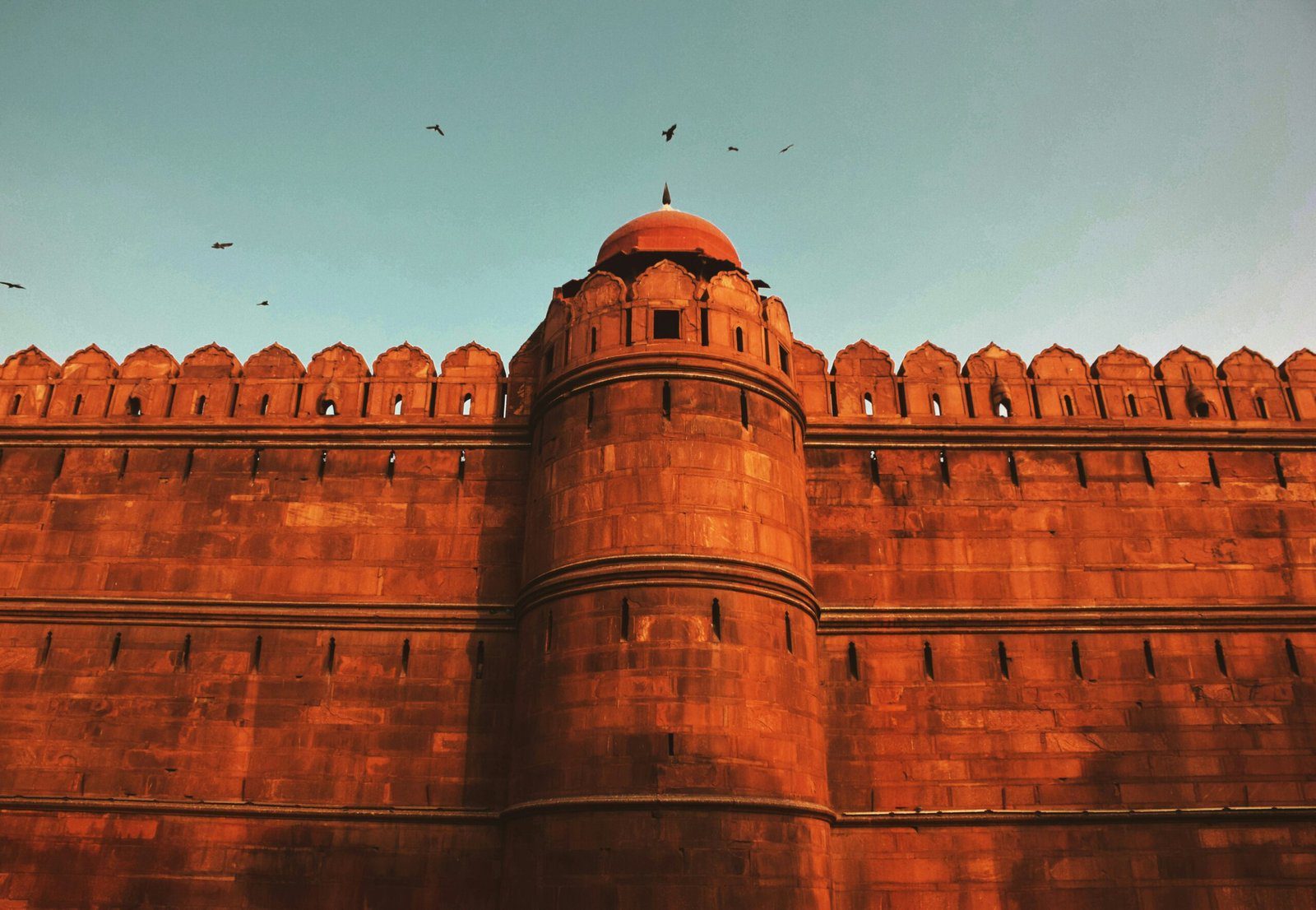
Indian elections bring with them more movement than others; they are like carnivals: processions and massive campaign rallies with loud music and rhyming party slogans in Bollywood mashups. Overloaded vehicles of all kinds — bicycles, autorickshaws, cars, and bikes zoom in now and then through the streets — all calling loudly for votes. Life-size campaign banners used to influence voters are what bring in election fervor. Everything is a campaign board — the electric poles, tree trunks, public vehicles, walls, and roads decorated with posters and banners are everywhere. The door-to-door campaigns extend a personal touch. Talking to the candidates made me feel special, stirring in me, the 18-year-old first-time voter, a sense of responsibility— a feeling of “I should vote” and “I am old enough to make decisions.”

It was election day, and I was finally at the polling booth at a school, ready to cast my vote. 7:00 am to 6:00 pm is generally the polling window in India. I thought it would be a simple process, but my confidence shattered once I saw the voting machine in front of me. Where? Who?  I had done my homework, but the long list of symbols with just the candidate’s names beside it made me nervous. After a few seconds of blank, I gathered myself up and voted (thankfully for the right candidate). Voting in the largest democracy with some seven recognized national parties, around 57 recognized state parties, and numerous other notable registered unrecognized parties — the ballot pages sometimes get long and puzzling. 

(Photo courtesy of Tripti Mund)

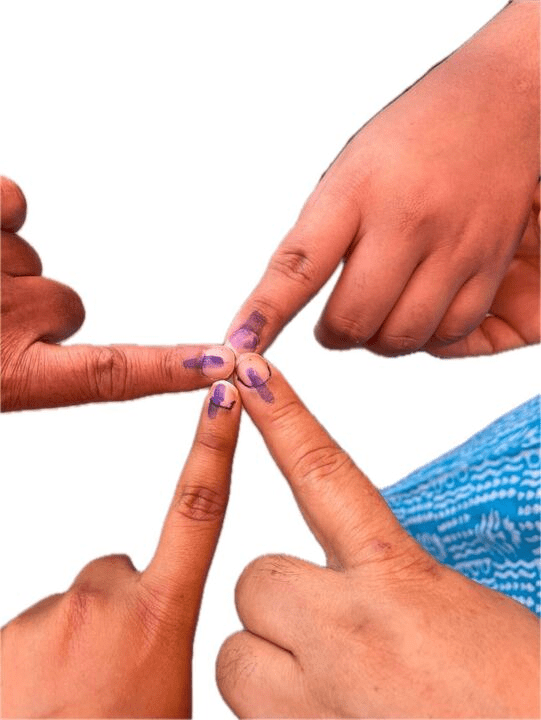
Post-voting indelible ink is used to prevent duplication and fraud in voting. That little drop on the left index finger is a statement of pride, of doing the democratic duty.  It is not mandatory to vote in India, but I take pride in the fact that I voted in all the elections that took place when I was there. 

The year I moved to the US, presidential debates had already begun. For me, it was, with other things, an acculturation of the election process.  I felt the US elections were so calm, which made me miss the volume of Indian elections.  

In the race for 543 seats, the Netajis (male politicians) and the Netrijis (female politicians) campaign standing in an open-top vehicle. Always with a namaskar (folded hands for greeting) and their head almost buried in marigold garlands. Close to elections, dresses in ethnic undertones stand out. Men dressed in kurtas and women in sarees. Heated-up speeches in open grounds from over-decorated stages, almost as tall as a house — visibility to the public is key. Screaming voices, high pitch with long pauses, and stress on every word, I could not find that in the US. 

Lunchbreak voting!

Here, candidates’ speeches and rallies are mostly town halls or debates between just two parties, the Democrats and the Republicans, which are interesting and decent, like TED talks.  

It was election Tuesday, and my US-citizen husband left home a little early. I thought it would take not more than an hour or two for him to be back home. At almost noon, I called him to find he was in the office. Working? This never happens in India! Election day is a holiday to vote or not. Yes, this is how it is in the US: manage time and your civic duties between work. 
Free Stickers with I voted inscription and flag of USA Stock Photo

(Photo Courtesy of Element5 Digital via Pexels)

The Tuesday after the first Monday in November is designated  US election day. This was a culture shock for me. I came from a land where election dates are released two to three months before elections, from a democracy that never votes on one fixed day. Voting dates vary from state to state, even district to district. 

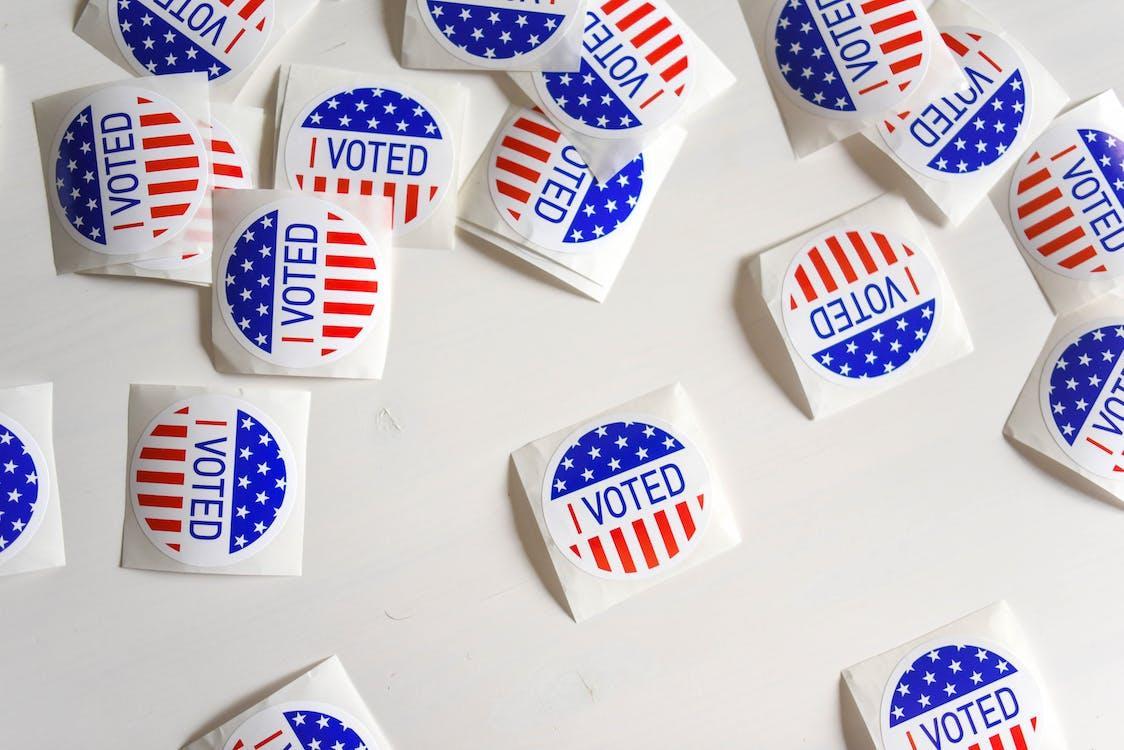
No voter ID card, just your driving license for proof of identity. No indelible ink, just an “I Voted” sticker. Once, we took our first-grader to see the voting process, and it is so different from India. 

Protests close to the elections are very common in both countries. While in the US, they start after office hours and end before 9:00 or 10:00 pm, India crawls to a standstill, with protests impacting daily life from dawn to dusk. I called them holiday perks. 

Flowers, scented flyers, crowds, and traffic jams surround elections. In my teens, I collected the scented flyers and carefully placed them between the pages of my books. They made my bag smell good. When a party wins you can see Holi and Diwali in the streets. What an extravaganza! 

As a citizen of the USA now, I always vote. Here, Tuesday night’s 9:00 pm election debates bring the election fun — both primary and presidential, followed by the television analysis. The debates stir the election mood. I find the primary debates more interesting: candidates of the same party trying to claim their candidature on national television, wow, so much energy! Indian parties hold their primary debates behind closed doors. We just get to know the contesting candidate. The post-debate analysis is animated. At my home, too, we hold parties where we hotly debate election topics.2024 is all elections and elections, and both democracies are out again, fastening their belts. India for its Lok Sabha polls and the USA for its presidential elections. While my family dinner table hosts discussions on Indian bhashans (speeches) and American debates…
A Hāfu in Japan

Two passports. Two last names. Two identities. From a very early age, my life has been characterized by how I am half-American and half-Japanese. In elementary school, my mom tried to teach me Japanese by putting me in a “Japanese as a Second Language School (JASL)” on Sundays. Being a child, of course, I was very averse to going to more school on the weekend.

In middle school, we moved to Tokyo, Japan, for two years for my mom’s work. I ended up going to the ‘American School in Japan (ASIJ)’ to take 6th and 7th grade. 

Blame it on anime!

However, I only decided I wanted to actively interact with and learn the language years later, in the middle of high school, all spurred on by watching just a few minutes of anime, something I ironically had never done before, despite all my exposure to Japanese culture up to that point. 

Suddenly, all my past experiences became missed opportunities. Suddenly, I wished I had been more open to the JASL lessons taught to me at Princeton University. Suddenly, I wished I had soaked up more of the Japanese that was all around me in Tokyo and ASIJ, which had both American and Japanese students alike. 

From sophomore year onward, I finally began to expose myself to Japan and Japanese-oriented programs. I put myself in a Japanese summer camp, a JASL summer school at Harvard, and as I went on to college, I got into a joint-degree program that would offer me two years in both an American university and a Japanese (Ritsumeikan University) college. Unlike my earlier experience of living in Japan for a couple of years, this time, I actually had a thirst for learning Japanese, and that experience and desire was what made all the difference in feeling that I was truly experiencing Japan.

Being in different phases of my life (11-13 years old vs. 20-22 years old) and the context that defined them was the main difference of living in Japan as a half (ハーフ Hāfu) individual. In middle school I was indifferent to both Japanese itself and learning the language, whereas in college, I actively wanted to learn Japanese and ended up going to a school that would better immerse me in its culture and people. 

While before I was made to go there because of my mom’s work, this time, I went of my own volition, meaning that I was more open to absorbing what Japan had to offer me. While I previously attended an American school that was filled with a majority of international students, Ritsumeikan was a Japanese university first and foremost, meaning that most of the school had students who didn’t even know English (I was in the international department, which had the only classes that were taught in English and were full of foreign students). 

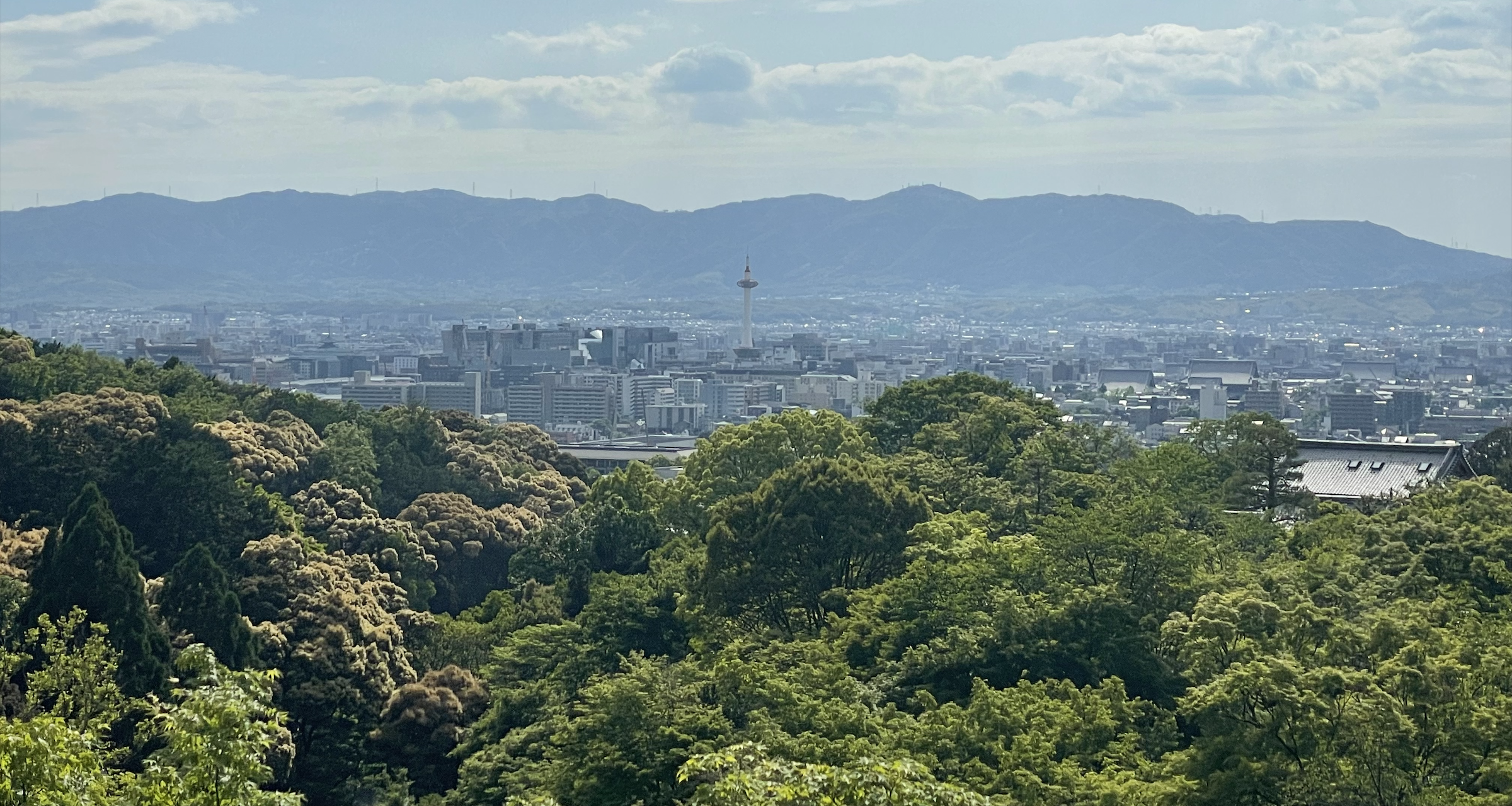
The places in Japan I went to differed too. Tokyo is a modern city with many international influences and people, and was where I went to ASIJ. Kyoto, where I went to Ritsumeikan University, is far more traditional. Living in Kyoto gave me a whole new perspective on what it meant to live in Japan. Although I had technically lived in Japan before as a “half person”, this experience was like night and day. I don’t even remember it too well; it gave me a much more valuable experience of what it was like living in a different country. 

Tokyo versus Kyoto

To start with, the city of Kyoto was so different from Tokyo, where I had lived before. It is not as big as the Capital and is far more spread out, which feels a lot less like an actual city since there are an abundance of rural areas (the dorm I lived in was in one such area). To get to the most popular part of the actual city meant taking an almost hour-long bus ride. Even the buildings were not “allowed”to be too tall due to the designation of Scenic Areas dating back to 1930. However, this was not to Kyoto’s detriment. In fact, it actually made Kyoto feel more quaint and intimate, along with showing that even in a place filled with suburbia, you could still get pretty much anywhere easily with a very punctual and connected bus system. When I was living in America, in rural New Jersey, it was and did not feel nearly this connected. 

There are many other differences though that made living there challenging. Tokyo can be likened to New York in many ways, with its tall buildings and seemingly never-ending expanse thanks to its many prefectures and wards. As the country’s capital, it makes sense that it is the city that comes to mind when thinking of Japan and it’s hardly surprising that  many international visitors end up making it their home. Kyoto, on the other hand, has far fewer foreigners, which does have its downsides. 

While this homogeneity allows you to experience a more traditional Japanese way of life, it also means that many people are not as exposed to foreigners, and living in Kyoto as one was not always easy. Some Japanese people are not as familiar with international ideas and diverse lifestyles, being more traditional and conservative.  This outlook meant that living as a half-person in Kyoto was challenging for me, as it isn’t always the best setting for nurturing your sense of identity as a Japanese person.

Our pet peeves

Many of my experiences as a foreign student in Japan resonate with the experiences of others in similar situations. We’re irritated by some mostly small microaggressions and situations that may last for only a few seconds, but as they add up, it becomes obvious that they are indicative of a much bigger problem. 

For example, a woman once stared at me the entire time she was on the bus I was traveling on, even after she got off it! Another time, I was told to quiet down by the bus driver, even though there was a large group of Japanese students sitting right across from me, being far noisier. People occasionally asked to take a picture with me.

Although I am sure none of these people harbored ill will, I still think it shows how foreigners are seen by some as more of a sideshow, far outside the Japanese in-group, and not to be treated as equals.

Seeing as how I don’t remember any of this stuff happening my first time around living in Japan in Tokyo, I think it was mainly a Kyoto experience, a setting where I never saw more than a few pairs of foreigners on any modes of transport at any given time. 

My language and looks cramp my acceptance 

But there are other reasons why I don’t seamlessly blend in. Because I only decided to start learning Japanese in high school instead of when I was much younger, it means that I am still not fully fluent in the language. 

I don’t look fully Japanese either, and have been told by some that they didn’t even realize I was anything but Caucasian. Seeing as how I lived in America for all my life, I told myself that Americans couldn’t tell I was part-Japanese because they hadn’t been exposed to what Japanese people look like. However, many people in Japan couldn’t see past the foreign side of me either. 

When I order food or anything really from a restaurant or shop, the person behind the counter immediately starts talking to me in English, even if I initiate or respond in Japanese. A lot of people who have only known me for a few seconds are surprised that I know more than a few Japanese words like mountain (yama) or river (kawa), and even more shocked that I know how to write such words in kanji.

However, I am not fluent in Japanese, and I admit to an occasional feeling of dread when others are proven right, and I am no longer able to understand everything they say. Sometimes, I just want to tell them that simply because I don’t understand everything in Japanese doesn’t mean I don’t understand the word for ‘here’ (ここ koko) or even the word for ‘Japan’ itself (日本 nihon). 

Many Japanese people assume that I don’t know any Japanese because of how I look, and when I show that I do, it’s mind-blowing. Even worse, when I say I don’t, it’s to be expected. 

Even after I returned from Japan, I still maintain my identity as a Japanese person, but my time in Kyoto was eye-opening for me. It really taught me a lot about what it was like to live in a more traditional part of Japan. I was surprised at how different the two cities of Tokyo and Kyoto are. If I had to choose between the two, I think I would ultimately opt for Tokyo. Kyoto is somewhere I recommend as a place to visit for a few days, but I think that Tokyo is a city that is better to live in, at least for foreigners. If I were to settle  in Kyoto, I don’t think I would feel completely comfortable with my Japanese identity as a hāfu, and would continue to feel like a foreigner in what is technically my own country.