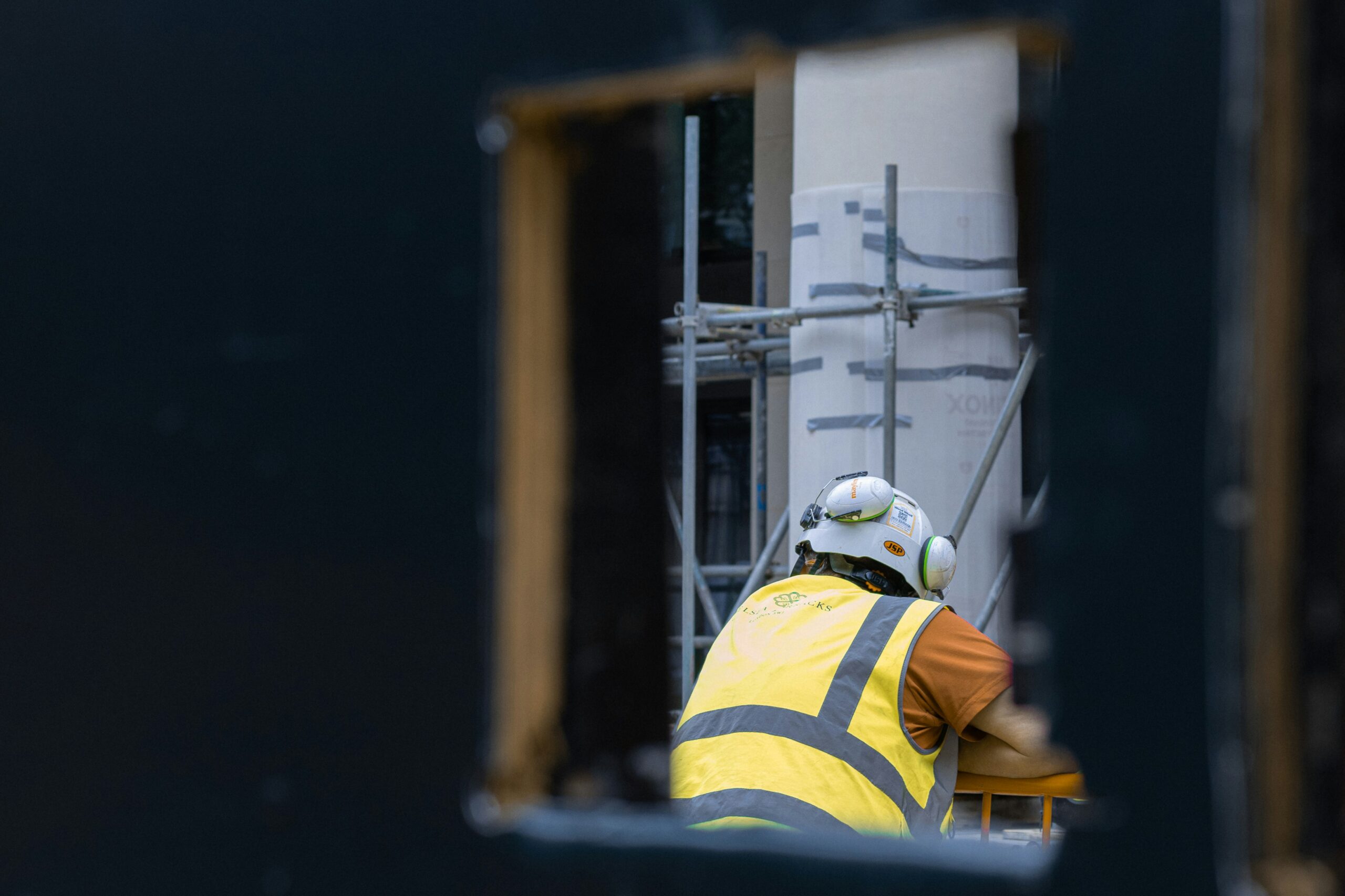
Replica of the Statue of Liberty Collapses During Strong Winds in Brazil

A replica of the Statue of Liberty, a symbol of the Havan retail chain in Brazil, collapsed during a severe storm in the state of Rio Grande do Sul on December 15. At the time of the incident, Civil Defense had issued a red alert for the region, with winds forecast to reach up to 90 km/h. Despite the impact, no one was injured.

The red alert issued by Civil Defense represents the highest level of severity, indicating an imminent risk to people’s lives. It is activated only in cases of extreme phenomena, such as heavy rain and strong winds, as well as flooding, requiring immediate action from authorities and citizens to ensure collective safety and survival.

The replicas of the U.S. monument, installed in front of the company’s stores, have become more than a commercial strategy, turning into a true Brazilian cultural icon. With more than 70 units across the country, these sculptures draw attention due to their scale and repetition, becoming easily recognizable urban landmarks embedded in the public imagination.

Images circulating on social media show the structure lying on the ground after the intense windstorm that hit the state. The episode occurred amid a scenario of climate instability, marked by wind gusts above the seasonal average.

In an official statement, Havan said that the company’s top priority is the safety of customers and employees. The retail chain also stated that all of its statues have an Anotação de Responsabilidade Técnica (ART), a document certifying that a qualified professional supervised the construction. According to the company, a thorough inspection will be carried out to determine the causes of the collapse.

“There were no injuries or damage to third parties. The area was immediately isolated, following all safety protocols, and the company’s construction team is expected to begin work in the coming hours to remove the structure,” the statement said.

Brazil’s National Institute of Meteorology placed the southern region under an orange alert, forecasting strong winds, hailstorms, power outages, and possible flooding.

According to geography professor Júlia Góes, in an interview with The Sentinel, the weather conditions are the result of the formation of an extratropical cyclone, a phenomenon caused by pressure differences between two distinct air masses.

The fall of the statue, although it caused no casualties, highlights the risks associated with intense meteorological events and brings renewed attention and level of preparation of the debate on urban safety and for catastrophic events, which are becoming increasingly common in today’s climate scenario.

Climate Issues in Brazil

Even after the cyclone passed, weather conditions in the region remained unstable, with heavy rainfall and strong winds. In recent days, tragedies have occurred in other parts of the country, revealing a broader pattern of atmospheric variation driven by global warming.

In the south, climate-related events have caused approximately six deaths and hundreds of injuries. In addition, other storms have been intensifying in the Southeast, especially in the state of São Paulo, resulting in power outages, fallen trees, and disruptions to essential daily services.

Mega Police Operation in Rio Raises Concerns Over Public Safety

On October 28, 2025, the city of Rio de Janeiro, Brazil, was the scene of the deadliest police operation in the state’s history. The state government reported the deaths of 117 civilians, classified as “neutralized opponents,” and four police officers.

According to the state government, the objective of the operation was to apprehend members and leaders of the criminal faction known as Comando Vermelho (CV), associated with drug trafficking not only in the state of Rio de Janeiro but also in other states across the country.

The so-called “Operation Containment” took place in the Alemão and Penha complex of favelas, located in the North Zone of the city of Rio de Janeiro, and mobilized around 2,500 military and civil police officers, with the use of helicopters, armored vehicles, and support from special units. The operation reportedly lasted about 15 hours.

The final outcome of the action resulted in the arrest of 99 people—17 through the execution of court warrants and 82 caught in the act. Authorities also seized 122 weapons, including 96 assault rifles, 25 pistols, and one revolver, in addition to explosives and large-caliber ammunition.

In a public statement released by Amnesty International Brazil, dozens of human rights organizations in Brazil questioned the proportionality of the operation given the level of lethality recorded.

“There are no elements [in the operation] that effectively reduce the power of criminal factions in the territories. On the contrary, these actions deepen insecurity and fear, instill panic, disrupt the daily lives of thousands of families, prevent children from going to school, and impose terror as an expression of state power. Death cannot be treated as public policy.”

Impacts on the Community

The operation began at 6 a.m. on Tuesday, without prior evacuation warnings, and affected around 26 communities within the Alemão and Penha complexes. On the same day, the city entered level 2 of the risk system adopted by the Rio de Janeiro City Hall, requiring constant monitoring by the Civil Defense.

The city was immediately affected, most intensely in the areas where the operation unfolded. According to residents, the atmosphere resembled urban warfare, with intense gunfire, barricades, and widespread panic. Several public services were suspended, including schools and public transportation.

The administrator of the page “Pega Visão RJ,” who chose not to disclose his name, spoke exclusively to The Sentinel about his experience as a resident of the Penha complex and as the manager of a website that shares information about police operations in Rio de Janeiro’s favelas.

“Because I live here and didn’t go to work that day, for obvious reasons, I focused on passing information to residents and everyone else through social media,” he said. “There were many gunshots, arrests, police movements, deaths… People who live here are always afraid to go out on the street, apprehensive, and scared of stray bullets.”

He also admitted that he does not notice any reduction in crime levels after police raids like this. “Nothing changes; the police leave and everything goes back to normal.”

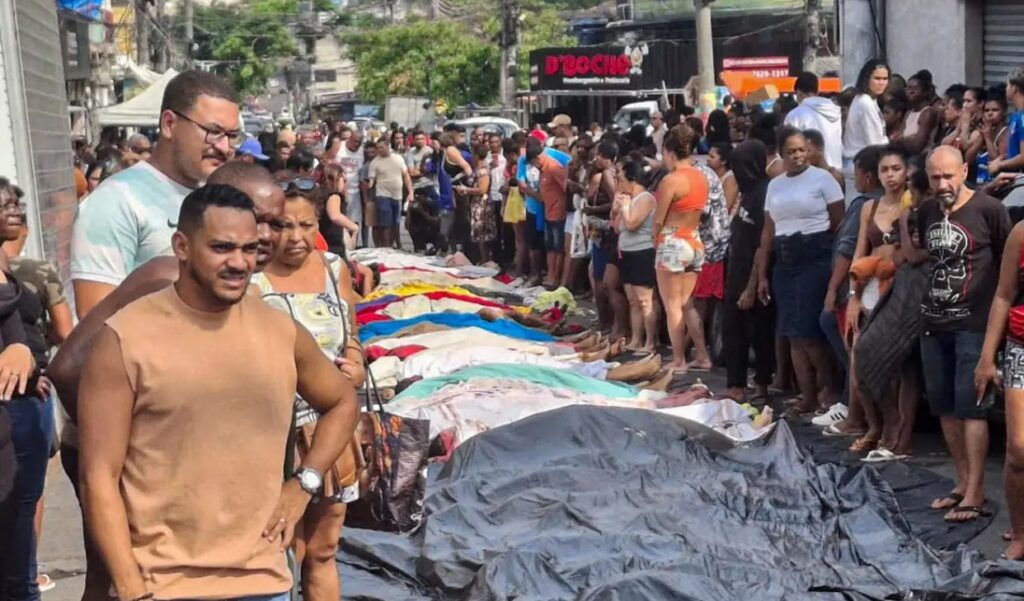
After the armed confrontation on the 28th, the removal of bodies was largely carried out by residents. Young people and even children took part in searching for and removing the bodies.

This occurred due to one of the strategies adopted by the Special Police Operations Battalion (BOPE), which involved entering through a forested area connecting the Alemão and Penha complexes, known as Serra da Misericórdia. This region had been identified by police as an escape route for criminals.

This area, known as the “BOPE wall,” was where most of the victims were later found. However, the military forces did not request the isolation of the site for forensic investigation, forcing residents to witness the violent scene in order to collect the bodies.

BODIES LINED UP AFTER THE POLICE OPERATION IN RIO DE JANEIRO. (PHOTO: EUSÉBIO GOMES)

After more than 50 bodies were removed, residents transported them to “Praça São Lucas,” in the Penha Complex, where they were lined up so that family members and friends could identify them. During this process, the victims’ clothing was removed, leaving only underwear. Residents said the measure was taken to facilitate identification, including through tattoos.

The police strongly criticized the removal of the clothing, claiming that most of the bodies were wearing camouflage clothing, vests, and operational boots associated with combat, and that some were carrying ammunition, drugs, and cell phones in their pockets.

However, this narrative cannot be verified due to the absence of an official request for the collection of the bodies. This also compromised the possibility of a more detailed forensic analysis of the circumstances under which the deaths occurred at that location, which was isolated from other areas.

Following the removal of the bodies from the forest, reports and complaints regarding the high lethality of the operation increased. In the days that followed, residents and relatives of the victims took to the streets to protest, defending the right to due process without execution, in a country where there is no death penalty.

One of the most emblematic cases was that of 19-year-old Yago Ravel Rodrigues. The young man was found in the forest with his head hanging from a tree and was identified by his parents at the Legal Medical Institute (IML), with his body separated from his head.

In an interview with the newspaper Estadão, a family member who preferred not to be identified said: “We are not outraged because Ravel died—of course it hurts. We are outraged by the way it happened. If it were a shootout, we would understand; it’s a confrontation. Ravel was decapitated and placed in a tree. He was put there like a trophy.”

The family claims that the young man had joined the Comando Vermelho street gang about two months earlier, drawn by the financial promises offered by criminal factions to poor youth. “Ravel was dazzled by a life that people from the outskirts see. We’re not used to seeing lawyers or architects. We’re used to seeing ostentation,” the family member reported.

The governor of Rio de Janeiro, Cláudio Castro, said he considers it impossible that the decapitation was carried out by police officers involved in the operation and stated that the Civil Police are investigating the episode. “No one believes that a police officer cut off the bandit’s head. I believe the criminals themselves decapitated him to shift the blame onto the State,” he declared.

Epidemic Violence Against Women In Brazil

The end of last year was bleak in Brazilian police news. On the last weekend of November 2025, three crimes against women drew national attention.

In the first, a teacher and a psychologist were murdered inside the Federal Center for Technological Education Celso Suckow da Fonseca (Cefet/RJ) while at work. It was the end of a workweek. Allane de Souza Pedrotti Matos (a teacher) and Layse Costa Pinheiro (a psychologist) were in a room at Cefet-RJ when fellow teacher João Antonio Miranda Tello Ramos Gonçalves shot both women and then himself. 

All three died inside the school where they worked, during the school term and with many students present. So far, the motivation for the crime appears to be João’s inability to accept the fact that his supervisors were women. João suffered from mental disorders, had previously been on medical license for four months, and had been transferred to another department, but none of this was enough to prevent the fatal attack against the two women.

In the second incident, a so-called “Red Pill influencer” (a term used to describe men who believe in male superiority over women and who often promote misogynistic discourse, advocating violence against women), already known to police for violence against women, assaulted his girlfriend.

Tainara Souza Santos, 31 years old, was at a nightclub in São Paulo with another man. Her ex-boyfriend, Douglas Alves da Silva, 26, allegedly got into a fight with this man, motivated by jealousy. Douglas then reportedly waited for Tainara to leave the nightclub, ran her over, and dragged her body for more than one kilometer attached to the structure of his car. Tainara’s body only became detached from the vehicle when it went over a raised section of the road. The young woman had to have both legs amputated. Douglas was arrested by the police. Tainara died at hospital on Christmas Eve. 

These cases are just a few among many that happen every day in Brazil. Although legislation provides for the punishment of men who kill women simply because they are women, aggressors remain undeterred. Not even protective measures—such as court-ordered minimum distance from the victims or monitoring with electronic ankle bracelets—intimidate some attackers.

In Brazil, many women suffer violence every day simply because they are women. Since 2015, Brazil has recognized this type of murder as “femicide,” a heinous crime. The report Elas Vivem, by the Network of Security Observatories, estimates that every 15 hours a woman is murdered in Brazil. Sixty-eight percent of these murders occur inside the victim’s own home, and in 70 percent of cases the perpetrator is a current or former partner. Some statistics point to a 26 percent increase in reports of violent incidents against women in 2025 compared to the same period in 2024. In the first half of 2025 alone, 683 children were left without their mothers due to violence, according to data compiled by the Laboratory for the Study of Femicide (Lesfem) at the State University of Londrina. The laboratory projects 950 femicide victims by December 2025. In the second half of December, the Federal Government promoted a meeting between the Executive and Judiciary branches to outline a strategic pact with measures addressing violence against women.

The increase in violence rates recorded in the country has drawn the attention of scholars. In an interview in early December 2025 with Folha de São Paulo, demographer Jackeline Romio stated:

“We are experiencing an epidemic of gender-based violence—whether femicide, sexual violence, homicide (the violent death of women), or suicide, which has also been increasing. All these types of violence against women have already reached levels that must be monitored. In Brazil, we have surveillance data on cases resulting from violence. We can say that gender violence, in its various forms, has already reached, since 2010, levels that should be monitored as epidemics. They go beyond any expectations we previously had. Regarding femicide, it only increases and will continue to increase.”

One concrete measure, which does not repair the violence but strengthens a support network for victims, was recently evaluated by the Supreme Federal Court: granting financial assistance in the form of paid work leave to women who are victims of violence, similar to what already exists for Brazilian workers who face illness. Employers will be responsible for the costs of these leaves during the first 15 days away from work, and the INSS—the federal agency responsible for worker and retirement benefits—will assume payment after this initial period. In this way, victims can take care of their health while maintaining their income. It is worth noting that, in many cases, these women even require prolonged hospital stays due to the severity of the violence.

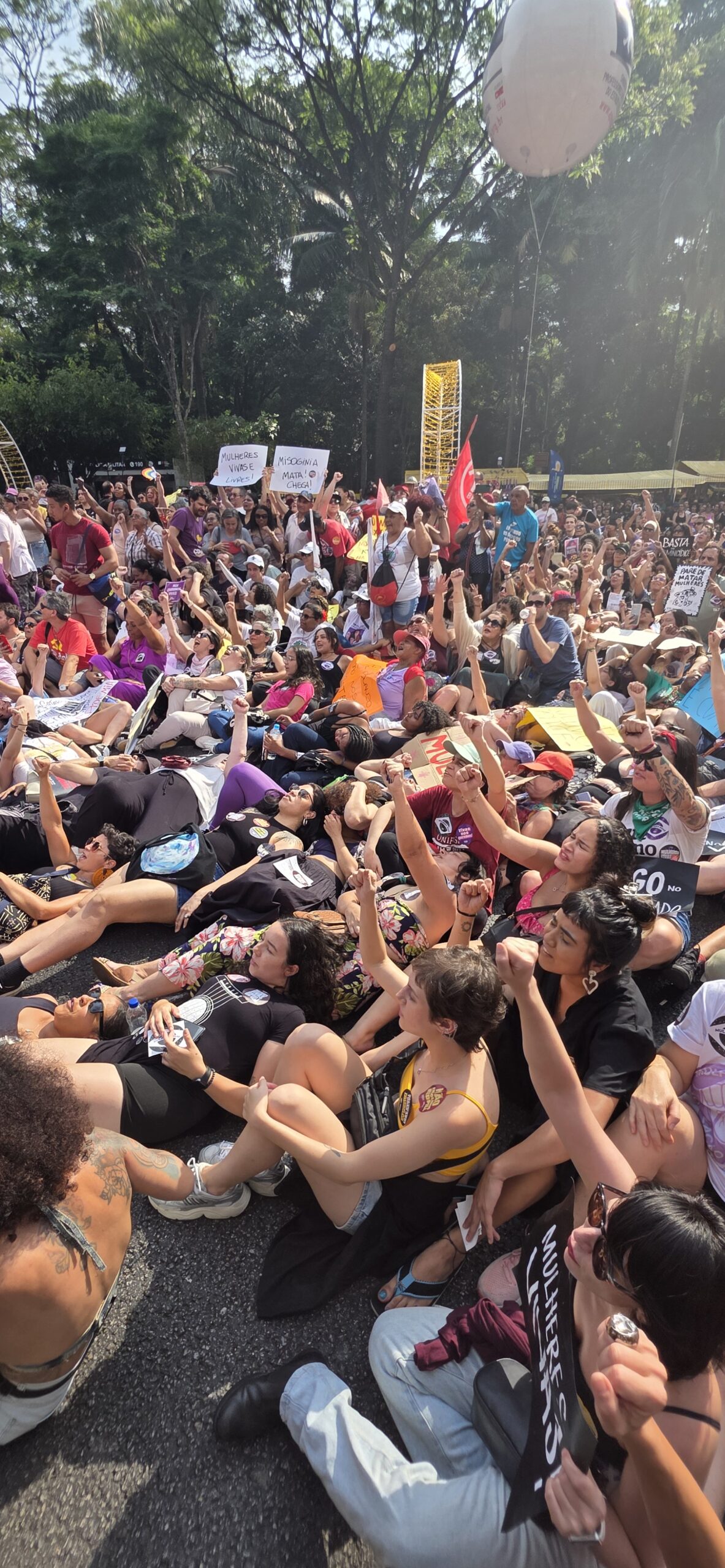
In several cities across the country, protests against this “epidemic” of violence took place in the first days of December.

Rachel Ripani is a Brazilian actress, director, and feminist activist. She participates in lectures, podcasts, and social media content production, emphasizing the importance of feminism. Rachel spoke with The Sentinel about the epidemic of violence against women in Brazil in late 2025:

The year 2025 is not even over yet, but statistics point to an increase in violence against women compared to 2024. What do you attribute this rise to?

Experts say that the fact that assaults are now being recorded—on cell phones in public spaces or on internal security cameras, such as in elevators—may give this perception. We are also seeing a slow education of police forces to recognize femicide and gender-based violence, which increases reporting. But I believe violence is objectively increasing due to hate speech and anti-women’s rights discourse that is fostered and monetized digitally. The manosphere, incels, and red pills spread hatred and lies against women without any punishment. On the contrary—violent words become violent actions. This is obvious to us. But for the Senate and Congress, it seems the saying applies: those who hit forget, but those who are hit do not.

In the last weekend of November 2025, we witnessed episodes of violence against women that seemed to surpass the usual level of cruelty. In your experience, do men feel freer to commit even more cruel acts? What is your opinion on impunity or the lack of effective punishment for such serious crimes?

Violence against women is, in practice, authorized. If 98 percent of rapists never spend a single day in prison, how can we curb violence? If the prevailing culture doubts women who report abuse, if neighbors “don’t get involved,” if children have no sex education in schools, how will they know that what they experience is abuse? Punishment alone is not the solution, although I do support severe penalties. We also need education and a change in mindset.

What kind of discourse do repeat offenders use to keep their partners close, even after previous episodes of violence?

It’s the so-called cycle of violence. At first, the man is a prince; he puts you completely on a pedestal. Slowly, very slowly, he distances you from people who would warn you about the control he begins to exert over you. Then comes gaslighting. If an abusive relationship began with a punch, no woman would stay. But that’s not how it works. It’s like a staircase—you go down one step at a time. And when you realize it, you’re at the bottom of the pit.

Beyond the law that already exists, what other measures would you point to as medium-term solutions to violence against women? Is Brazil a sexist country? How can we correct this historical acceptance or leniency toward partners who beat their own companions inside their homes? Remembering that 70 percent of violence cases in Brazil occur inside the home and are perpetrated by the partner.

The first is the criminalization of misogyny, a bill that is stalled in the Senate. We have several other legislative proposals that we want to present to leaders of the executive and judiciary branches, listed in our policy framework document available on our profile, @levantemulheresvivas.

How do you reconcile what you call conciliatory feminism with the urgency faced by women suffering violence today? Is this conciliation a long-term solution? Until then, what would be your proposal to prevent cruel deaths like the one in the horrific case of Tainara, who was dragged for more than a kilometer attached to her ex-boyfriend’s car? This case recalls the level of cruelty of former basketball player Igor Eduardo Pereira Cabral, who assaulted his girlfriend Juliana Soares in an elevator in July 2025 in Rio Grande do Norte, punching her 60 times in the face, all recorded by security cameras. Juliana had to undergo facial reconstruction surgery.

Obviously, in such cases, conciliation is impossible. Against crimes, I advocate severe punishment. Conciliation lies in feminism no longer being seen as a dirty word, no longer being perceived as a movement against men. This imaginary gender war does not exist. Women do not hate men. But men need to understand and position themselves as allies of women. That is conciliation. It comes from a space of dialogue and care, not from exclusionary dogmatic certainties.

We know behavioral change comes through education. What suggestions would you give so that, in a few years, more men consider the idea of hitting a woman absurd? After all, hitting any human being is absurd, since we are rational animals living in an organized society governed by law.

The Maria da Penha Law already provides for educational actions, as is the case in England, which adopted them after the series Adolescence. Educational initiatives in schools would be a great start. For adults, men should begin speaking up in their groups when a colleague posts a joke that demeans a woman or shares nude images without consent. When men consider rape as unacceptable as cannibalism, we will be closer to safety.

What explains a certain normalization of violence by people who do not live close to cases of aggression against women? How can these people be sensitized to become active agents in spreading ideas against violence?

It is very hard to grasp the magnitude of the gender disparity we live with. It is painful for women and can foster a sense of guilt in men—and guilt is paralyzing. That is why I believe that bringing men into the debate allows for positive, not imposing, action with our partners. Awareness can happen in a sensitive way, not sensationalist or imperative. As a woman, at a certain point in my life, I could no longer ignore the cumulative violence I had experienced, and that motivated me to begin my activism. Each person has their own path.

”The Secret Agent” and the memory of the dictatorship: Brazilian cinema wins the Golden Globes and revisits an authoritarian past

The victory of “The Secret Agent”  in the Best Non-English Language Film category at the 2026 Golden Globes consolidates a recent movement in Brazilian cinema that has turned its gaze toward the country’s past, investing in narratives that address historical memory and criticize the silencing imposed by the regime.

All eyes are now on the Oscars, where the film is nominated for best picture and best international feature, among other awards. 

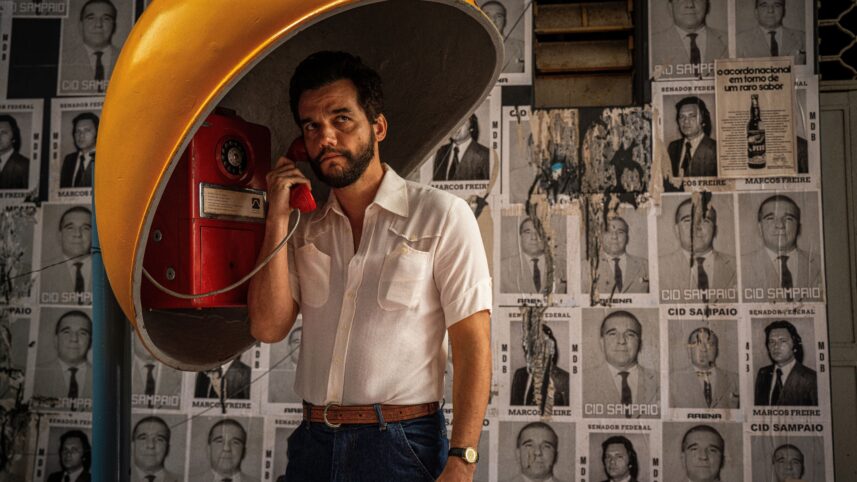
Starring Wagner Moura, who also won the Golden Globe for Best Actor in a Drama and is nominated for this year’s Academy Award in the same category, the film stands out both for its international recognition and for its symbolic power in telling a story set during Brazil’s military dictatorship.

Set in a time of repression, censorship, and human rights violations, “The Secret Agent”  engages with a wound that remains open in Brazilian society. Even after 40 years, its marks continue to manifest themselves in institutional politics, in public discourse, and in the way society itself relativizes or denies the crimes committed by the state during that period.

The film’s consecration at an international award ceremony such as the Golden Globes extends this debate beyond Brazil’s borders. In addition to it’s Golden Globe win, “The Secret Agent”  was nominated for four Academy Awards: Best International Feature Film, Best Actor, Best Original Screenplay, and Best Production. By recognizing a work that addresses repression and the regime’s various surveillance mechanisms, the film industry validates the relevance of telling these stories as a way to contribute to memory and the construction of democracy around the world.

The film’s recognition directly dialogues with the recent impact of “I’m Still Here”, which gained prominence the previous year by portraying the same historical period through family memory and the scars left by censorship. That film strongly contributed to the rise of a new public debate about the dictatorship and, alongside “The Secret Agent”, highlights how authoritarian pasts are still poorly understood by large segments of society, not only in Brazil, but across several Latin American countries.

Julia Ramos, a historian and professor at the Federal University of Rio de Janeiro, states that the production of historical films is essential for fostering complex debates among mass audiences through simple and accessible language.

“In the Brazilian case, films about the military dictatorship take on even greater importance. The country went through a post-dictatorship process marked by political projects that encouraged forgetting, the idea of ‘turning the page,’ erasing the past, and moving on. This silencing directly contributed to the fact that, today, there are still sectors of society that relativize the violence of the period, defend the dictatorship, or simply do not understand what it truly represented.”

Unlike many works that revisit the dictatorship through intimate family memory and mourning, “The Secret Agent” chooses to expose the structural mechanisms of repression, showing how surveillance and control became normalized practices in everyday life at the time. This narrative choice directly confronts the historical erasure that marked Brazil’s post-dictatorship period. According to the final report of the National Truth Commission, released in 2014, at least 434 people were killed or disappeared between 1964 and 1985, a figure that highlights the systematic violence of the regime and reinforces the need for narratives that critically revisit this past.

Public shows strong support for existing transgender access to Hampstead ponds

In a victory for those fighting for transgender rights, a large majority of respondents to a consultation want to keep existing arrangements for access to single-sex ponds on Britain’s beloved Hampstead Heath.

Eighty-six percent of respondents to the consultation carried out by City of London Corporation, the municipal body which operates the Kenwood Ladies’ Pond, Highgate Men’s Pond and Hampstead Mixed Pond, felt that the ponds should remain trans inclusive spaces, allowing trans men and women to use the pond of their choice. The two-month consultation opened in September and its results were published on January 29. It received more than 38,000 responses.

Transgender access has been a hot topic following a Supreme Court ruling in Britain, brought by campaigning group For Women Scotland versus The Scottish Ministers.

The court ruled in April 2025 that the terms “woman” and “sex” in the Equality Act 2010 refer only to a biological woman and to biological sex at birth, a ruling which has led to confusion about transgender access, for instance to single-sex toilets.

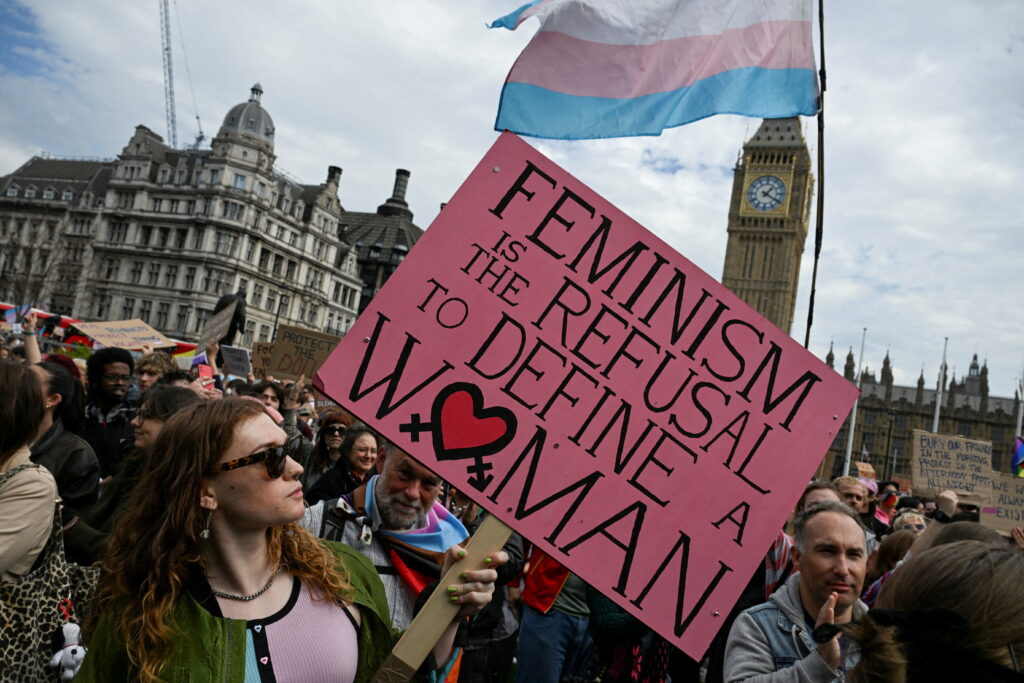
A photo of a trans rights rally on a sunny day in London, with protestors marching with signs and flags. Big Ben is visible in the background.
Protesters rally for trans rights following a Supreme Court ruling that only biological women are recognised under Britain’s Equality Act, in London, Britain, April 19, 2025. REUTERS/Chris J Ratcliffe TPX IMAGES OF THE DAY

The ponds are popular with swimmers from Hampstead, an area known for both wealth and non-conformity, and beyond. Eighty-four percent of respondents to the survey had swum at the ponds, and 74 percent lived in London, City of London Corporation said in a press statement.

City of London Corporation also received feedback from pond users through a series of independently-run focus groups. These also showed that retaining current trans-inclusive arrangements received broadest support, the Corporation said in the statement to the press.

City of London Corporation has stated that the consultation findings will be presented to Corporation committees, which will consider them alongside legal duties, equality impact assessments, safeguarding responsibilities and operational considerations.

In addition, it reaffirmed that current admissions rules will remain in place until a final decision is reached regarding future access.

“The volume and tone of responses we received demonstrate very clearly just how much the ponds are valued as calm, safe, welcoming community spaces for all to enjoy,” City of London Corporation Policy Chairman Chris Hayward said in the statement.

“While we’ve been clear that the consultation was not a referendum, carefully reviewing the findings from it will form an important part of our wider decision-making process, which we will communicate clearly to the public in the months ahead. It’s important that we take the time to ensure future access arrangements are fair, lawful, evidence-based and, crucially, respectful to those who use the swimming ponds.”

“We are delighted with the consultation results,” Steph Richards, Chief Executive of TransLucent, which campaigns for transgender rights, told The Sentinel.

“London is a very inclusive city. If anywhere is going to take this view, it’s going to be London. It’s a global city and we are all the richer for it.”

One respondent to the consultation, who declined to be named due to the sensitivity of the issue, told The Sentinel that the results were “really heartening.”

However, consultation respondent Venice Allan told The Sentinel that she was “furious…that the Corporation of the City of London is continuing to welcome men (to the Kenwood Ladies’ Pond) who claim to be women or non-binary..”

“As the Supreme Court ruled last April, women are female and no internal feeling or gender recognition certificate can change that fact.”

Campaigning group Sex Matters, which opposes the current ponds access policy, separately lost a legal bid on January 29 for permission to initiate a judicial review into the existing arrangements.

“The fight for women’s safety, privacy and dignity in single-sex spaces will continue,” Sex Matters CEO Maya Forstater said in a press statement. 

“Just because this particular claim was ruled out on procedural grounds does not give any service provider the green light to allow trans-identifying males into female facilities.”

The New Generation of World Skateboarding: At 17, Rayssa Leal Wins the Super Crown for the Fourth Time

Rayssa Leal writes yet another chapter in her own story and in the global history of skateboarding as a sport. On December 7th, the young athlete from Maranhão secured her fourth SLS Super Crown, held in São Paulo, in Brazil. 

In a tightly contested event, Rayssa was crowned champion even before performing her final tricks, following Chloe Covell’s fall in her last run. 

The Super Crown brings together the best skateboarders in the world, based on their results throughout the season. By winning her fifth title at the Pro Tour STU Rio 2025, Brazilian skater Rayssa Leal earned a direct spot in the final of the world championship. 

Her victory comes at a time of significant renewal within the sport. In recent years, skateboarding has been marked by the rising of prodigy talents, athletes who are increasingly younger. 

Among the rivals who competed directly with the Brazilian were Chloe Covell, a 15 years old Australian, and japanese skaters Funa Nakayama (20), Yumeka Oda (19), and Coco Yoshiwaza (16). These exemplary athletes bring a new energy to the ramps. 

In this way, the championship has become a showcase for the transition between seasoned experience and emerging talent. 

Revealing athletes, expanding opportunities, and building new stories, the blend of veterans and rookies create a competitive atmosphere that accelerates the evolution of the sport and ensures a promising future for young riders. 

This renewal is also strong in the men’s division. Rising star Ginwoo Onodera, age 15, won his first world title, competing against renowned veterans such as Giovanni Viana (24) and Nyjah Huston (31).

The São Paulo arena witnessed skateboarding at its highest technical level, with the title also being decided on the final run.

Double Journey 

Beyond her win on the board, Rayssa celebrated another major achievement: her high school graduation. Balancing the life of an athlete with the classroom, she completed this chapter as the valedictorian of her class.

In a social media post, the teenager thanked her teachers and highlighted the importance of education in personal and professional development.

“To the teachers, thank you so much for each lesson inside and outside the subjects. You were like guides, mentors, and, beyond that, we became friends throughout this journey.”

Her attitude serves as an example to many young people, showing that it is possible to grow in sports without giving up one’s studies.

With her fifth STU Rio title and her fourth Super Crown victory, the “Fadinha” (“Little Fairy”) has solidified her name as one of the greatest in world skateboarding. (Rayssa earned the nickname “Fadinha” after a video of her skating in a fairy costume went viral when she was younger.)

Urban Culture

Skateboarding, which began as an urban practice tied to the streets and youth culture, became an Olympic sport without losing its essence. Upon joining the Games, it carried with it the aesthetics, attitude, and narratives of the streets, expanding its reach and opening new paths for athletes worldwide.

Events in the sport continue not only to showcase competitions but also to honor the roots of skateboarding. By recognizing and incorporating elements of urban culture, championships create a welcoming environment for both athletes and audiences.

With rap and hip-hop performances, rap battles, artistic interventions, and many other forms of creative expression, these events stimulate the creativity and cultural identity of the streets.

Among those who attend STU Rio editions is Maria Eduarda Caus, a young spectator who, despite not practicing the sport, sees the championship as a major gathering and celebration of urban culture.

“I think everyone is on the same vibe, they live the sport and lifestyle… It’s an event where the audience really matches the proposal, everyone is there to have a good time.”

With the strength of the new generation, the presence of urban culture, and increasingly engaged audiences, skateboarding reaffirms itself as a broad, inclusive sporting and cultural phenomenon.

International aid organisations see tough year ahead

“We’re running on fumes,” says Sarah Shaw, associate director of advocacy for MSI Reproductive Choices, which provides contraception and abortion services in 36 countries. “This year has been a really bad year, next year is going to be a really bad year,” she told The Sentinel in an interview late last year about the impact of aid cuts.

U.S. President Donald Trump’s decision in 2025 to shut down the U.S. Agency for International Development (USAID) has hit development programmes around the world. At least 23 million children stand to lose access to education, and as many as 95 million people to lose access to basic healthcare, potentially leading to more than three million preventable deaths a year as a result, according to an Oxfam report in November.

The impact of cuts by the world’s largest aid donor has not just been at the front line of providing aid, but has also affected logistics and the delivery of supplies, according to Shaw.

“Trump dismantled USAID, which is the delivery arm for the world’s development programme. He just stopped 50 years of programming, and the fall-out from that has massively impacted our service delivery.”

For example, some U.S.-funded contraceptives intended for poor nations and worth nearly $4 million have been stuck in a Belgian warehouse since the U.S. aid freeze. They could become unusable by mid-2026, Reuters reported in October.

MSI has diversified its funding sources in recent years, following past cuts in U.S. aid. However, the global impact on the ground of the latest cuts has meant the organisation has needed to help fill gaps elsewhere:

“The closure of USAID and the speed at which it happened has caused so much chaos at country level, it’s blasted a massive hole in health budgets,” Shaw says.

“Governments are exhausted and they’re broke. We’re having to step in in a lot of countries and actually move the contraceptives around for the Ministry of Health to get them to the right place.”

In addition, European governments have been slower than in the past to fill funding gaps, embattled as they are by the economic impact of the COVID-19 pandemic and defence spending needs due to the war in Ukraine.

“The broader trend across Europe is, funding falling massively short of fast‑growing needs,” says Nihad Sarmini, global head of business development and partnerships at Action For Humanity, which delivers life-saving support in over 14 countries.

“There are women in Syria who may have to travel 100 kilometres for a maternity clinic, which may not be there next month when they need it again. Children in Yemen are succumbing to medieval diseases like cholera and diphtheria, entirely preventable and treatable, because governments are withdrawing funding and leaving humanitarians to plug gaps elsewhere.

Non-governmental organisations (NGOs) such as Action for Humanity and MSI are also braced for a planned cut in UK aid spending to 0.3 percent of gross national income (GNI) in 2027 from the current 0.5 percent. This latest cut in UK aid follows a cut in 2021 in response to the pandemic.

UK international development organisation network Bond said in an October briefing note that it was hearing that the UK government was considering ending its aid partnerships with several countries in Africa, including Malawi, Mozambique, Rwanda, Sierra Leone and Zimbabwe.

MSI’s programmes include a major health project in West and Central Africa which is funded by Britain’s Foreign, Commonwealth and Development Office.

Aid cuts are short-sighted, as every dollar invested in sexual reproductive health saves $130 in other development costs, according to Shaw.

“An investment in contraception is way wider than just a health investment. It breaks generational cycles of poverty, it enables women and girls to leverage opportunities by staying in education, by becoming economically independent,” she says.

Sarmini also stresses the far-reaching nature of slashed funding:

“Cuts to one organisation quickly ripple through the system, and communities pay the price.”

Britain’s growth strategy needs training boost, expert says

Britain will struggle to boost economic growth without investment in training and skills but this sector of the economy is getting little help from the government, business expert Nigel Driffield told The Sentinel.

   Britain’s left-of-centre Labour government, elected with a strong majority in July 2024, is trying to lift people out of poverty and provide better public services without sharp rises in the tax burden. It is looking to faster growth to close that gap, but that strategy has failed to bear fruit so far. Gross domestic product grew at only 0.1 percent in the third quarter of 2025, down from growth of 0.3 percent in the previous quarter.

    Concerns about the cost of living, coupled with worries about immigration, have given the right-wing populist Reform UK party a strong lead in opinion polls.

   Manufacturing in Europe has been lagging the United States and China, fueling a rise in populism, as The Sentinel has previously reported. Productivity is particularly slow in Britain, according to Driffield, professor of international business at Warwick Business School. 

    “We have a major productivity problem in this country, much more than an employment problem. We have a lack of investment in capital, and lack of investment in skills.”

     Britain issued its closely-watched annual budget statement in late November, delivered by finance minister Rachel Reeves. The government has provided an extra 1.5 billion pounds to help employers train young people. However, such money is often diverted for use for higher-skilled workers, Driffield said.

    “Businesses send people on an MBA, that doesn’t necessarily address the lower skills problem.”

    For university students from poorer families, the government said it would reintroduce small student grants. However, its plans to charge each university a levy of £925 per student for most international students are a counter-productive measure, according to Driffield.

     “Can you imagine a situation where the government says, ‘we are going to put an export tax on Jaguar cars’? Name another sector where it would do that.”

    Driffield said the latest budget was mainly about lifting people out of poverty. The government finally removed an unpopular cap on child benefit for families with more than two children, introduced by the previous Conservative government.

   The minimum wage was also raised in the budget by 4.1 percent to £12.71 per hour. However, campaigners argue that the minimum wage is still not enough to live on.

    “A very high proportion of people on benefits are also in full-time work, because they are on very low earnings,” said Driffield. “We are effectively subsidising low-wage employers. That’s why I advocate for investment in skills. If people working full-time on the minimum wage are still eligible to claim benefits, that tells you there’s something wrong.”

     Income tax rates did not rise in the budget, in line with a promise by Labour in its manifesto. But the government announced a further freeze to the income thresholds above which people have to pay higher tax rates, effectively meaning higher taxes for many in the future.

      The extra three-year freeze will cost the typical worker £220 a year, according to a post-budget report from the think tank Resolution Foundation, which focuses on living standards. Most workers would be worse off than if Reeves had raised income tax by 1p instead, the Resolution Foundation added. 

    The High Pay Centre, a think tank for fairer pay, was also critical of the tax strategy.

    “Given the scale of inequality in the UK, the government would have been better served by increasing taxes on a banking sector turning in its most profitable results in decades, or via a wealth tax on the very wealthiest in our society,” High Pay Centre spokesperson Paddy Goffey said.

    At the same time, in addition to the latest minimum wage increases, businesses are still smarting from the government’s decision in the previous budget to require employers to make national insurance – social security – contributions for lower-paid workers.

     “It wouldn’t surprise me if we start to see some impact on employment, given the weakening labour market situation,” said John Forth, professor of human resource management at City St George’s, University of London.

   Driffield said the extra wage costs would be hard for employers in some sectors to bear, for instance in the hospitality industry. 

    However, higher employment costs for more skilled workers, such as lab technicians, could encourage more investment in training by employers, Driffield added.

    Britain is behind other countries such as France in productivity and growth, due to low levels of public and private investment, according to the British government’s own figures. Britain’s GDP-per-hour-worked has grown by 0.6 percent since 2010, compared with around 1.0 percent in France, according to a report from Britain’s prime minister’s office in 2025.

      “One of the big differences between the UK and France is that the French labour market is great if you are an insider,” said Driffield. 

“Business will invest in you, but getting in is quite hard. If you are a North African migrant living in one of those banlieues (outer suburbs of Paris), you are frozen out. In Britain, you have a labour market that is very good at getting people into jobs, but not very good in training.”

Apartment service charges go through the roof

Tenants and residents of apartments in England are facing escalating service charges, paid to landlords to maintain their properties and carry out necessary repairs, sources tell The Sentinel.

The unexpected service charge hikes are affecting tenants renting lower-cost social housing as well as those who own their own leasehold properties, and even those living in retirement apartments.

Suzanne Muna, secretary of the Social Housing Action Campaign (SHAC), says it is easier for landlords to extract extra cash from service charges than from rents, which can attract more scrutiny.

Service charges have been rising for a number of years. Britain has been struggling to tame inflation since the Brexit vote, the COVID-19 pandemic and the war in Ukraine, and costs of building materials and labour have risen. Insurance and safety costs have also risen after a deadly fire at Grenfell Tower in west London in 2017. However, service charges are often rising far more quickly than inflation, Muna says.

“It’s not just insurance for which people are being charged hundreds of percentage points in increase every year, it’s all sorts of things — cleaning for example, going up hundreds of percentage points. Well, why?”

Fiona, for example, lives in a one-bedroom shared housing apartment — seen as an affordable way to get on the housing property ladder — in the New Capital Quay development in Greenwich, southeast London. She says her service charge has unexpectedly risen this year, to more than 3,500 pounds. Fiona did not give her last name because of the sensitivity of the issue.

“The services provided are sub-par. One of the lifts in our block has been out of service for two weeks…and weekly cleaning hasn’t been carried out for weeks, despite us paying for this service,” Fiona says.

Fiona pays her service charge to Hyde Housing Association. However, a Hyde spokesperson told The Sentinel that Hyde mainly collected the service charges on behalf of the development’s managing agent, Galliard Homes.

“We’re working with our customers at New Capital Quay to ensure that the managing agent delivers good services that represent value for money,” the spokesperson said, adding that “costs associated with essential lift maintenance and necessary repairs to the building have also led to some increased costs.” 

A Galliard Homes spokesperson said the increased service charges at New Capital Quay were mainly related to an increase in reserve fund contributions “to fund known capital expenditure projects over the next 20 years, as well as to provide for any unanticipated major works.” 

Many apartment owners in England own their properties on a leasehold basis. This means they do not fully own their homes but own it on a long lease, agreed with a freeholder. Freeholders collect a service charge to maintain the apartment buildings, or may appoint a managing agent to manage the property on their behalf. 

Mithuna Maran, who owns a three-bedroomed leasehold apartment in the Waterside development in Watford, north of London, says her service charge has nearly doubled this year, to more than 3,500 pounds. This is despite gaps in the maintenance of the building.

“Essential services are being neglected, serious issues remain unresolved, and large companies are repeatedly failing in their obligations without accountability,” she says.

“If no one challenges this behaviour, they will continue increasing charges without justification — effectively taking money from residents in broad daylight.”

Waterside developers Bellway Homes said it could not comment on service or maintenance charges, as these were managed by PBM Management.

“We can confirm that we remain in dialogue with leaseholder representatives regarding service charges for the development,” Bellway added. 

PBM Management told The Sentinel that the service charge had risen at Waterside “primarily due to new statutory requirements under the Building Safety Act.” 

Freeholders say that inflation has been a major factor in rising service charges, and that errors in the charges are often a result of administrative mistakes, rather than a deliberate attempt to overcharge leaseholders, according to a report published in June 2025 by the housing committee of the London Assembly. 

However, Muna says bad practice is widespread.

“It might be something like — it says that our windows are being cleaned regularly, but they still look really dirty — and then you’ve got the really black and white stuff, like — they are charging us for lift maintenance, but we don’t have a lift in our building.”

SHAC is proposing a system to make it easier for tenants and residents to dispute service charges and is campaigning to get the topic debated in Parliament. 

Muna says the issue of escalating service charges “is not individualised, it’s systemic. It’s happening everywhere, it’s on an industrial scale.” 

After Bondi Beach, Australia’s Gun Laws Confront New Realities and the Lessons of Port Arthur

Sydney’s Bondi Beach, usually a symbol of sun and surf, became a site of terror this week when two gunmen attacked a Hanukkah festival, killing 16 people and injuring dozens more. Soon after, the New South Wales Police confirmed that the weapons used were legally obtained firearms, properly licensed and owned under existing laws.

The attack, which appeared to explicitly target people in the Jewish community, has forced Australia to confront a prickly question left unresolved by the government’s response decades ago to a mass shooting in the Tasmanian city of Port Arthur: Can strict gun laws alone prevent such mass violence?


Modern laws born of tragedy


Australia’s current gun laws were created in the wake of the 1996 Port Arthur massacre, when a lone gunman killed 35 people. After this tragedy, federal and state leaders formalized the National Firearms Agreement, which banned most semi-automatic weapons. By contrast, handguns (pistols) were not outright banned. Licensed owners may possess handguns, registered to the owner only for approved reasons (chiefly target shooting) and subject to strict regulation. It introduced uniform licensing standards nationwide and implemented longer waiting periods. It also financed a national buyback program to take guns off the street that destroyed more than 650,000 firearms.


Over time, however, implementation of the law began to vary across jurisdictions. States and territories retained authority over licensing and possession of firearms, and this led to inconsistencies in enforcement. A 2025 report by the Australia Institute, an independent public policy think tank based in Canberra, highlights how license revocation rates in New South Wales have been nearly double those in Queensland. At the same time, the National Firearms Register, first agreed to by the National Cabinet in 2023, was rolled out in stages from mid-2024 and will not be fully operational until mid-2028. The register is intended to allow police national access to up-to-date firearm ownership and license status. At the time of the Bondi Beach attack, it was not yet fully implemented.


By 2025, Australia had more than four million registered firearms, a figure that critics say reflects rising firearm numbers despite strict laws. The same report published last year by the Australia Institute found that there were 25 percent more guns in Australia in 2025 than there were at the time of the Port Arthur tragedy. The same report found that 1 in 3 firearms in New South Wales were located not in rural or regional areas, but in major cities. Cecilia Milton, 74, who has worked in New South Wales in a non-profit organization that rehabilitates criminals, agreed while having a chat with The Sentinel. “Back in the day, we never saw firearms as much as I saw them in the last two decades. Homicide convicts often told us how easy it was for them to get hold of a firearm. Then came 3D printing.”

Immediate policy response


Within hours of the Bondi massacre, Prime Minister Anthony Albanese convened an emergency meeting of the National Cabinet. The leaders agreed to commit to “strong, decisive and focused action on gun law reform,” including renegotiating the National Firearms Agreement to ensure it would remain robust in a changed security environment.

The government flagged several key reforms now being developed by police ministers and attorneys-general:

  • Lowering caps on the number of firearms per individual, responding directly to the fact that police said the older alleged shooter held six legally registered guns.
  • Revisiting license renewals. Australian firearms licences are not indefinite and must be renewed periodically. In practice, the police send reminders as the expiry date nears, and failure to renew causes the licence to lapse.
  • Implementing citizenship requirements for firearm licenses, meaning non-citizens could face stricter conditions.
  • Promising a crackdown on 3D-printed firearms, high-capacity magazines, and certain types of ammunition and equipment.

States have also proposed specific legislative changes. In New South Wales, Premier Chris Minns called parliament back in session to tighten classifications of certain shotguns, restrict magazine capacities and empower police to revoke licenses without tribunal appeal.

In response to the hate


Voices from the Jewish community, whose members were directly targeted by the attack, have been central to the public conversation. At victims’ funerals and national vigils, leaders have condemned both the violence and what they describe as a slow governmental response to rising antisemitism in the country.

Things will always be different now for the Jewish community, said the co-chief executive officer of the Executive Council of Australian Jewry, Alex Ryvchin on National Television. “This stops life, this destroys worlds. Things will always be different for us,” he said. “Things can’t go back to normal. It’s fundamentally changed this country.”

In the aftermath of Sunday’s Bondi Beach attack, Andrew Klein, a celebrated Australian professional speaker and master of ceremonies wrote a post on Facebook, which has since been shared many times over. “We are many things today — but we are not shocked or surprised. Sadly, we all felt this was kind of inevitable,” Klein wrote. “Sunday was tragically the logical end point to what we have experienced in this country over the past 2 and bit years. We all felt this was on the cards; the writing was on the wall.”

“I published a widely circulated article on LinkedIn precisely one year ago today called ‘Make Australia Safe Again’ just after the torching of the Adass Israel Synagogue in Melbourne,” Klein added, “arguing that if our Government continued to remain inert, paralysed and impotent in tackling anti-semitism, then we all knew what would come next.”

The same sentiments have been shared by members of the Australian Muslim community. One Bondi Beach shooting witness recounted to a Sentinel reporter the terror of the shooting. Mehreen and her husband Junaid (whose names have been changed to conceal their identities) were just leaving Bondi Beach when they saw the tragedy unfold, and they described how they fled the scene but sheltered nearby at a motel to help in case anyone from the Jewish Community needed it. “The rise of extremism in Australia has amplified antisemitism, increased Islamophobia, and led to more instances of hate speech and hate crimes against members of both communities,” said Mehreen, an early education worker from Sydney.

They asked not to be identified for fear of being targeted themselves, something they never expected when they migrated to this country in 2014.


The Alannah & Madeline Foundation, an advocacy group for strong gun laws created by the families of victims of the Port Arthur Massacre, echoed the call for new limits on the number of firearms individuals can own, better tracking systems and more robust license renewal processes. “The community, rightly, expects our gun laws to place tight restrictions on gun ownership and use – and for there to be fewer, not more, guns in our community, especially in light of Sunday’s tragedy,” Sarah Davies, the organization’s CEO, said in a statement to the press.


Uncomfortable resistance to gun laws


Rishav Kale, a political studies teacher from Federal College, Victoria, breaks it down. “Australia’s constitutional framework complicates reform,” Kale said. Firearms regulation sits with the states, and federal influence is exercised mainly through consensus. Police can act on statutory thresholds, but intelligence agencies cannot revoke licenses, creating enforcement gaps. Even if information is shared between state and federal agencies, “there is no legal trigger compelling decisive action,” Kale said.

At Monday’s hastily convened National Cabinet meeting, Prime Minister Anthony Albanese and state and territory leaders unanimously agreed on the need for intense, focused action to strengthen gun laws, including renegotiating the National Firearms Agreement to keep regulations robust in response to evolving security concerns.

Yet the question remains: Will they succeed? There already has been publicly observable variation in state responses and some signals of caution or resistance from specific states. Any fractures that exist along state lines will undermine the effectiveness of new laws. Because firearm regulation lies with the states under the Australian Constitution, unanimous state support is required for a robust National Firearms Agreement.

Unlike Port Arthur, the Bondi massacre unfolded in a more complex political landscape, where terrorism, antisemitism, and border security dominate voter concerns. Intelligence briefs from agencies like the Australian Security Intelligence Organisation have highlighted the rising tide of extremism and ideological shifts that encompass not just antisemitic violence but also broader extremist trends targeting multiple minority groups. 

However, this also raises the question of whether even the strictest gun laws can fully prevent ideologically driven violence The lesson of Port Arthur is, perhaps: No — highlighting the need for comprehensive measures (intelligence, counter-radicalization, and community resilience efforts) alongside any legislative reforms. 

UPDATE: After this story appeared, Australian Prime Minister Anthony Albanese announced funding for a new gun buyback campaign to be managed by the country’s states and territories to target surplus, newly banned, and illegal firearms. It could become the country’s largest gun buyback campaign since Port Arthur.