
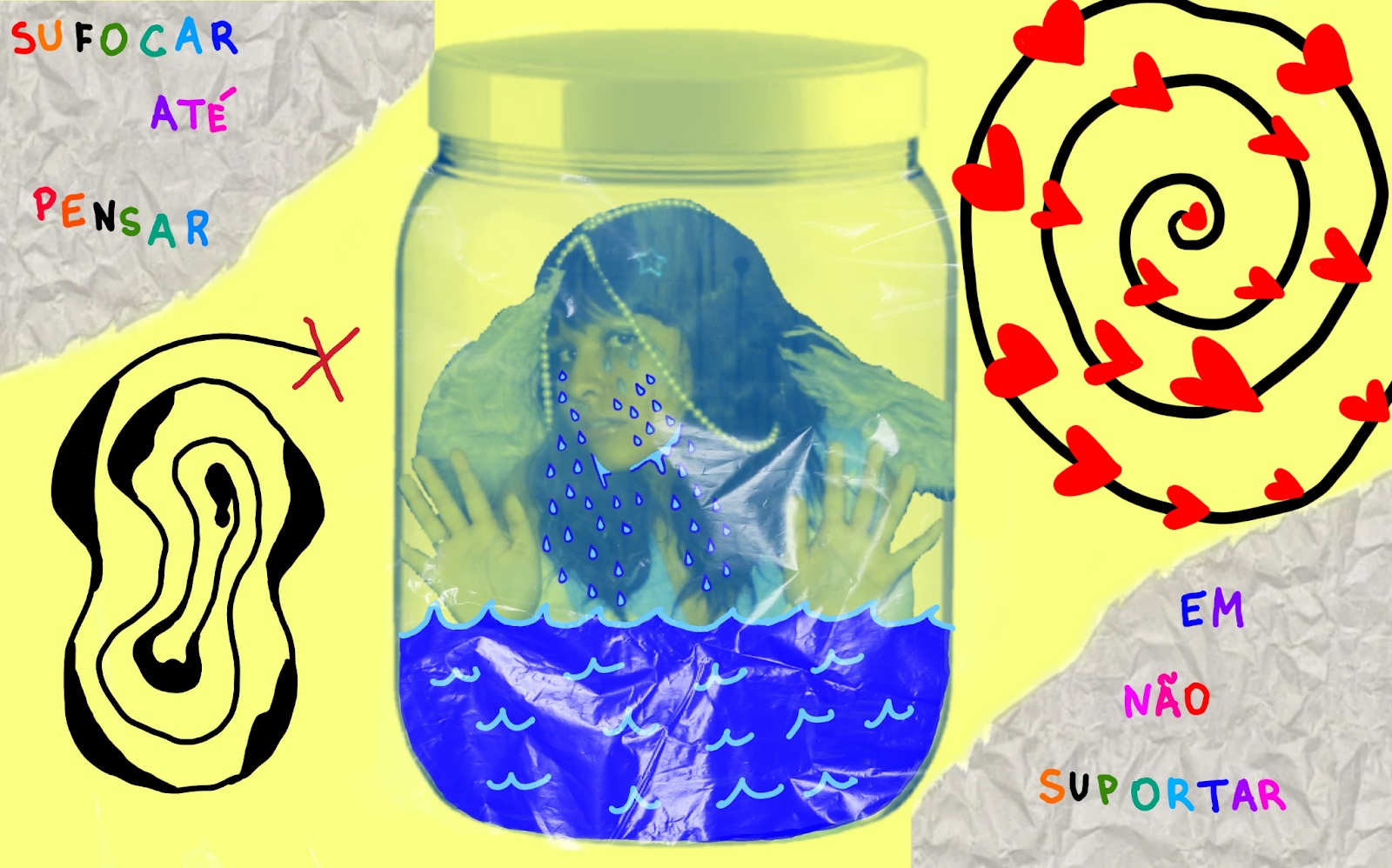
my mind always thinks it’s a competition,
between me and my intuition,
repeating over and over lies I can’t deny,
but on them, I rely.
I’ve never even been given the second chance,
always kicked out in the first glance,
the loops and hoops of my empty mind not loved,
making me believe I couldn’t have the doubt of the word.
on every and each dream I have,
I compete with myself who will be the most
to be paranoid,
and share,
and hate the repetitions and inhibitions to be,
and hate the real to see.
the storm comes from the beginning of my stomach,
and my hands shake in the name of a bruised scratch.
I can’t deal with this emotion,
I don’t want any commotion,
and from the bottom of my lungs I scream,
how I hate to be me,
how I hate others to see,
what I was meant to be.
Category: Mental Health
In our Mental Health pieces, individuals may be receiving unexpected diagnoses, ruminating upon symptoms impacting daily life, and engaging (and reengaging) with coping mechanisms. Are you brave enough to delve into the facets of your own mental health journey?
Ripping off the Words
What’s a good picture for you?
mine is the one in which I’m the happiest.
it’s fascinating how the parts of us
that we don’t appreciate enough
are the parts
most worthy of appreciation.
and I don’t just mean appearances.
the over consciousness of my mind
that surrounds me with fear,
the kind
where I’m okay with staying longer
but I’d rather not.
I have too much to hide.
the fresh acne bleeding off my face
or the bleeding of my hollow bones
you won’t see a red colour on me
or feel my skin rough as stone
the cut on my arm that I got last night
trying to rip my skin off
ripping off my sight
of rational consciousness
that the demons already overcame
but you won’t see it through
the faux smile on my face
you won’t see those stretch marks
on my thighs
or my severe guilt-ridden mind
I hope you don’t tell me
to look any more alive
already wise
enough to still be here.
and maybe even stay longer.
no, I’m not depressed
necessarily at least
just not as happy as I looked
in the last picture we took.
you see
That’s the funny thing about pictures.
the stillness is too biased
towards the moment it was taken
that I might never know
what the present holds
for since the moment in the picture
a lot of me,
has moulded into one.
the people standing close
aren’t around at all
to be recognised.
the smiling faces
meant more than just people
they said, “it was a luxury
which couldn’t be bought with money.”
let alone, I try to put myself last
and even, maybe, win both
one day,
the photo-booth would count me worthy
even if I still am the person as I was
a decade away.
so I put the polaroids
on the last page of my book
as if those were the last
pictures I ever took.
Resilience

The Epilogue
To the one who has arrived
Bringing lucidity to an interrupted-
And wandering life
That was once tribulated,
But is now contented
To the one I wear as a second skin
Bringing glee-
And carving pathways to the light within
Filling voids to manifest a fading dream,
Breathing life back into a once dimming gleam
To the one who has heard
And answered a heart in need-
With a love deserved
And set a caged bird free.
—
I’ve always struggled to be present. To be in the moment, to experience life fully as it is in the present moment, and more importantly, enjoy it. That is kind of how despair works, I suppose. The only thing that got me through the more harrowing moments where I felt empty was my longing for a better future. The belief that things would eventually work out is what kept me going. That is hope. My hope lies in the future, the epilogue, and this is my ode to it.

Child of Alkebulan.
Dear world…
You don’t know who I am.
To you,
I’m just a face among billions of other faces.
A body among billions of other bodies.
Billions of faces and bodies you encounter daily.
But I am one among those many,
A face, a body,
Connected as one.
A mind, a heart,
Two parts,
In spirit.
Dear world,
Call me,
Human.
Define me,
As
Being.
I, Indigo child,
Seed of Alkebulan,
From the womb of invisibility
Appear,
As I am born and-
My consciousness-fuelled-wails of a babe-in-arms,
Give a voice to existing.
Yet world,
Even in the midst of my many new roars
Still, you do not hear of me
WORLD, listen, I am present.
In your space, “I AM”.
World,
You plunder-
And I
March in strong opposition,
To your affliction filled and bloodied deeds
I am awake
While you search for different ways to remain asleep
You divide, conquer, and contaminate
I fight you in hidden actions and in manifested speech
World,
You try to silence me with your reluctance to understand
That I am more than some other woman
or just another man,
But “I AM”.
“I AM”.
World, do you hear me?
“I AM!”
World,
You will hear of me-
And,
Your noises stilled
By the deafening war-cries of the rising dynasty
Rooted indelibly,
In the fertile soils of my ancestry-
A home within which I,
Drift in the connecting oceans of my tranquillity
Basking in every glorious vision
Of an emerging me.
—
Africa’s struggle to come into her own resonates with me deeply. It reminds me of the challenges I’ve faced in defining my identity apart from outside influences and the divisions those influences caused in me.
Now just like her, slowly rising, finding her voice, and embracing her roots, I, too, am boldly declaring who I am, being true to myself, and taking her wherever I go.
SANE
SANE: A word I have never quite been acquainted with. I was brought up by someone who physically used my head to punish the walls of the house she found no peace in. How could “sane” possibly live here? Blindfolded by my desire to run from that hellhole, I thought the only road leading to happiness is marriage.
Damn, world! Nobody told me.
Damn me, maybe? Would I have listened?
The mind is a rascal! It allows you to take the shortcut, and yet, it is sneakily aware of the baggage that it ties to your feet. How far down this wretched path do you think I traveled?
Four years into my dream, I sat in the darkened room of my mind with my naïve dreams behind me, barely visible through my obscure view. He wasn’t who I desperately wanted him to be, and I couldn’t be further from who I thought I was.
Two roads were mercilessly strewn before me. One road was the “death” screaming: “End your life! End this misery! Offload this burden and surrender to the black hole!”
Another road beckoned me to face the abyss with courage. To look at my demon, to look at me, and to wrestle with God like Jacob did. To leave limping if I had to.
People think demons are scary. But the ones that called to me were nice. What was so scary about putting an end to the endless loop of a thousand uninvited bats circling your mind? How is an offer to end one’s self-annihilation not attractive?
But do you know what is hard? Turning your head towards the light when you are six feet under the darkness. Because light is not just warm and inviting, but it also reveals the many faces of the ghosts one has been dancing with.
It is a complex thing: to accept a truth one refuses to see. Much more for me who kept my eyes closed-shut and called it dark.
But…
A simple song, a warming hug, a kind word or gesture even from yourself to you if that is all you can afford.
A listening ear, an understanding soul and one that sits with you, not judging, holding your hand as you wrestle with your demons.
Light, I dare say, will always overcome darkness. So, to you readers I say, may you be all these things to the people around you, including yourself.
Pocrescophobia
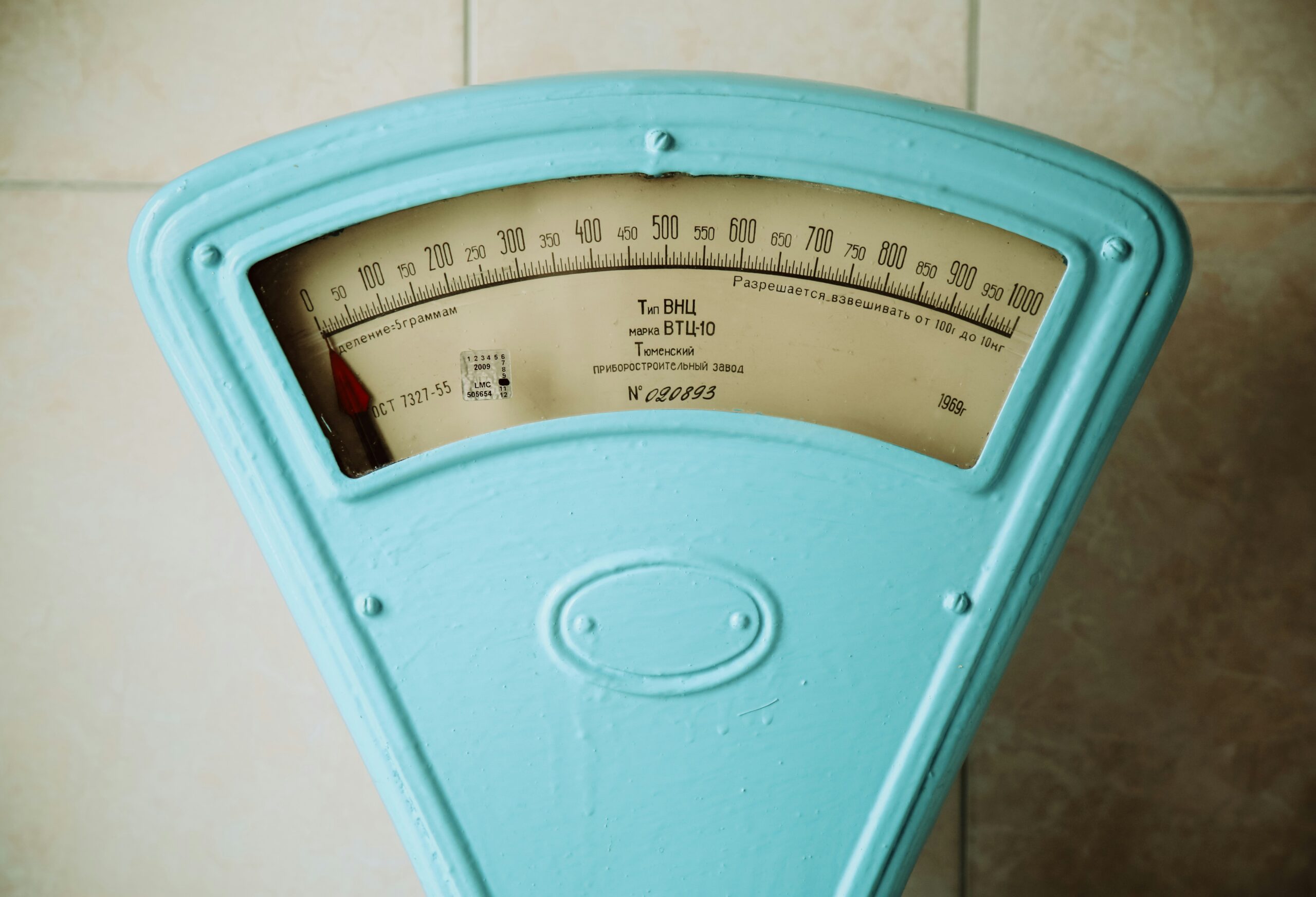
A number is just a number,
Which is a popular belief.
Simple as that —
Yet when you saw a different number
on the scale — it changes everything.
How did this happen?
Am I eating too much?
You enjoyed the spices, sweet
and savory taste that lingered
on your tongue.
The taste buds have a life of their own
and dance.
You used to be at peace and my mind only
focused on how good food tastes.
Yet, why does this number
disgust you? A few pounds
heavier with a stomach with
large legs and thighs.
Whenever you go out,
You can’t help but stare
at your body in the reflection in
windows.
You brush it off with admiration and
“self love” speeches.
That should help! Weight is just a number —
FAT
The word leap frogs into your mind.
You glance at your new form
and hear the sharp whispers inside
of you.
Grotesque
It is unfortunate how our relationship
with food and oneself change.
Trust Your Gut
I was accepted into the doctoral program and was offered a full scholarship. Most people would have immediately taken.
But I didn’t.
The pride I felt from being accepted into the program and not having to put myself into more debt for it was one of the most satisfying moments of my life. I had worked my ass off to get to that point; I received my Bachelor of Arts degree in three years and was accepted to the one and only Master of Arts program I had applied to. The master’s program was the most difficult experience of my life (and it lasted for two years, from 2018-2020). Long nights at the library, endless research and writing and proofreading, course readings and assignments, graduate assistant duties, student athlete mentor duties. My day was scheduled down to the last minute. But it was all worth it because I had gotten into the doctoral program. It was the goal, and I had achieved it, but I could not ignore the gnawing feeling in my gut.
The hidden cost of master’s programs
While I do not regret pursuing my master’s degree, the experience was miserable. I fell into old habits of barely eating, mostly because of stress and lack of time, but also because of financial instability and my mental health. I was in a constant state of anxiety and depression. My anxiety led me to believe that I did not have time to eat, sleep, or take care of myself, and my depression led me to think that I did not deserve to.
A 2018 Harvard study found that graduate students are three times more likely to experience mental health disorders and depression compared to the average United States citizen. While I recognized that I was suffering mentally and not able to take care of myself fully, I did not dare to seek help. I told myself that if I could just get through the two years, everything would get better.
But my mental well-being did not get better. I was overwhelmed and exhausted, and not the best version of me. I felt sad, and then I felt bad for being sad. My mind would not stop racing about all the tasks I had on my “to-do” list and what would happen if I didn’t complete the tasks. But at the same time, my mind told me to stay in bed and rewatch New Girl for the 50th time. I barely slept, or ate, or saw my family and friends. And when I did spend time with my family and friends, I was absent mentally and emotionally because of my graduate school responsibilities. I would vent with my peers in the graduate program while consuming an unhealthy amount of alcohol. They offered validation and encouragement, but it was not hard to tell that we were all overworked and exhausted, too.
About a year into the program, I reached out to my university’s mental health center. I was informed that there were no openings for over a month. I was discouraged and attempted to look for help off of campus but realized I would not have time in my day to see a therapist. My days were packed with my graduate assistantship, mentor job, homework, research, and hours_long graduate classes. In between all of that, I needed to find time to eat, sleep, and maybe go to the gym, but only if there was time. How can I drive 20 minutes off campus, pay for parking at the medical facility, talk for an hour, and drive 20 minutes back?
I had been told that there is always time for mental health and that I need to take care of myself first, but I could not see how that was a possibility for me.
I told myself that I could make it through the year and that I was strong, smart, and capable. I faked it. And then, about halfway through my last semester in the program, the pandemic hit. Everything went virtual and all of my responsibilities became even more difficult and overwhelming than they were before. But, I made it through.
I completed and passed my thesis virtually. My family celebrated my graduation with a Zoom party my mom put together, and I had the opportunity to walk at graduation a year later. Everything I went through culminated in my acceptance into the doctoral program.

Is this program worth my wellbeing?
There was a sense of pride when I received my acceptance into the doctoral program, but that gnawing feeling in my gut could not be ignored. If I were to accept, I would be committing myself to at least six more years of the misery I had been living. That gnawing feeling in my gut told me what I already knew: I could not survive six more years. I knew from the moment I opened that email that I would not accept it. However I told everyone that I was not sure what I would do. I did not know how to tell my family, friends, professors (especially the ones who fought for me to be in the program), and peers that I did not want to accept it.
“But it is such a wonderful opportunity!”
“It’s entirely paid for.”
“Won’t you regret it?”
I had not been honest about my mental well-being, so it was difficult to explain why I could not accept the offer. I felt as though I owed everyone an explanation, but it was an explanation I did not know how to give. My husband, then fiance, was the first person I told. He was there with me through it all (except for the six months he was deployed), and he saw my struggles first hand. He was a constant support throughout all of it, and I do not think I have thanked him enough for it.
The next person I told was my mom, who has been and continues to be, my greatest support in life. The last thing I wanted was for my mom to be disappointed in me. While I acknowledge my own hard work and perseverance, I recognize those traits; I got them from my mom. But I was ready to rest and my mom understood. She accepted my decision and confirmed that she was not disappointed with me.
So, I emailed my rejection to the program and let others spread the word for me.
It has been about three years since I decided not to pursue the doctorate, and I do not regret it. I made the right choice for myself, and am thankful I trusted my gut. Although I am struggling to find employment, I am relieved that I am not in a doctoral program. It is cliche, but trust your gut and stay true to yourself, and life will figure itself out.
Why You Shouldn’t Bury Your Past

One of the biggest lies we are told is that it is possible to live fully in the moment, but the truth is we never can.
By the time we process any moment, it is already in the past, and that who we are is so wholly defined by our past experiences that any given moment is viewed through the lens of our entire lives. Our pasts can sneak up on us in ways that we never expected. Without taking the time to unpack what led us to certain bad habits or harmful thought patterns, it is too easy to fall right back into them without noticing.
That happened to me when I decided to become a high school teacher.
The role of teachers
If you know anyone who works in schools, you may have heard that teachers tend to act similarly to the students they teach. For example, K-5 teachers tend to be bubblier. They wear their personalities on their sleeves and know how to have fun.
High school teachers are also like their students. We think we’re right about everything, we believe instructions given by administrators are bullshit that we don’t have to listen to, and we ultimately spend way more time complaining about things than actively trying to change them.
Don’t get me wrong, every teacher I know works tirelessly to do what they think is best for their students, and we don’t get a lot of thanks for it. However, I have yet to work in a school that does not have this toxic underbelly of cynicism at the slightest suggestion of change or progress.
In my junior year of high school, I was hospitalized for depression. Shortly after that, I would learn that the extreme nausea and light-headedness that had become a staple of my daily school experience was actually an undiagnosed anxiety disorder. While some people might be relieved to be able to understand what they were experiencing and be excited about the prospect of working on skills to cope with their specific mental health issues, I was not some people.
I was embarrassed. I had been brought up in a home where I was constantly reminded how good I had it compared to my parents at my age. I was told to stop whining or not to “be a baby” at the slightest complaint or show of unhappiness. I knew a lot of people with ADHD who exhibited similar symptoms and behaviors to me, but I was never given an evaluation because my parents didn’t believe it was real.
My slipping grades were chalked up to my lack of effort or a perceived apathy on my part towards doing well in school. Having mental health issues, for me, was just another proof I was a disappointment, squandering my potential. I convinced myself that everyone around me must be feeling the same things I was, and I was just too weak to deal with it.
Too weak to deal with it, or just human?
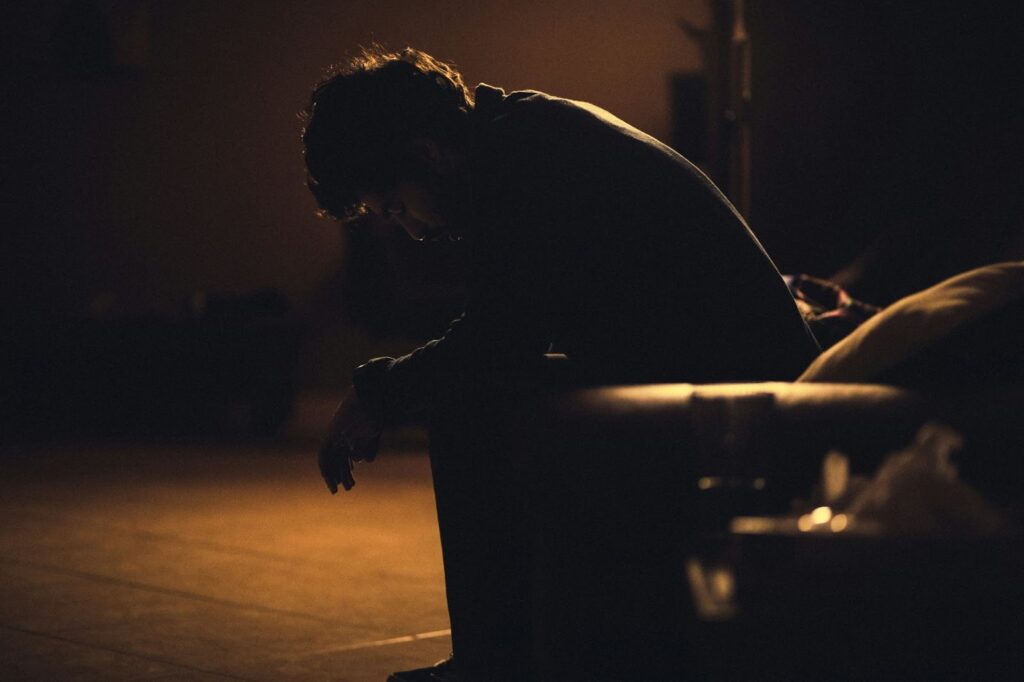
This sense that my mental health issues were my fault led me to an inelegant and temporary solution: I ignored them. I simply acted like everything was fine without ever putting in the work to make it that way.
After my hospitalisation, I lied to my therapist about how much better things were for me. I lied to my parents so that I wouldn’t have to keep going to therapy. Worst of all, I perpetuated the lie to myself that I was to blame for everything, and all I needed to do was change my attitude, or at the very least, bury my true feelings so deep that they wouldn’t affect me. A mere seven months after being hospitalized for depression, I was off my anti-depressants because my friends had started drinking and I wanted to join in. Nobody around me questioned that I was somehow all better, and eventually, neither did I.
Except for a messy relationship that neither I nor my partner were emotionally mature enough to handle well, I managed my depression and anxiety very well throughout college and my first few years working professionally. I spoke in the past tense about my struggles with my mental health, as though they were something dead and buried as opposed to something lurking in the shadows. After working in freelance film and TV production, I wanted to find more consistent work, preferably something that felt more meaningful to me than carrying around a tripod or slowly sliding a camera to the right on occasion.
Then, one day, believing that I had conquered all my problems from my past, I decided to pivot to a career in education.
My goal was to help students like me who were struggling and felt they had nobody to help them, without realizing I had never actually learned to help myself through that time in a healthy and effective way.
My first few years subbing and teaching weren’t so bad. I was so concerned with learning all the skills necessary for a new teacher that I couldn’t focus on much else. However, due to never having fully confronted my own problems, I quickly realized I would not be able to help the way I would have liked to. I was able to be understanding and flexible when it came to offering extra help and time on assignments to students who struggled, but I hadn’t gotten into teaching to help improve students’ grades. I began to feel like I had failed since I couldn’t have the impact I had sought to have. Worse still, several of my students were hospitalized for mental health issues, and while a healthier me recognizes that I couldn’t have stopped that from happening, at the time, I blamed myself.
In February of 2022, just four years into my career in education, I found myself pretty much where I was in the fall of 2011: on medical leave from work due to my depression. This time I wasn’t hospitalized, though. This time I could seek help without waiting for my parents to understand how dire my symptoms were.
Putting in the work
I took a few months away from my job to participate in an intensive outpatient program five days a week. I was, and still am, lucky enough to be dating someone who has struggled with her own mental health issues. She has been entirely supportive of my needs and urged me to take my recovery seriously this time. No more shoving things down just to get the stamp of approval from my program to go back to work. By using the cognitive behavioral therapy (CBT) and dialectical behavioral therapy (DBT) skills from this program, I finally confronted the issues in my past and understood the types of cognitive distortions that led me to harmful thought and behavior patterns. I was also finally able to start internalizing that I am allowed to feel what I feel and try not to be ashamed or embarrassed about my personal struggles.
Now, I’m not saying that I’m all better, or that getting here was easy. I’ve learned my lesson about thinking I can “cure” my depression in a matter of months. I also recognize I have a long way to go from where I am. Even writing this article took a lot of time, because I kept wondering if it was even worth writing.
I still have that nagging voice in my head telling me that what I’ve been through doesn’t matter, and I should just stop whining about it. The only thing that got me to go through with it was the hope that you, the reader, might feel the same way.
You might need to be told, or reminded that you matter regardless of what anyone tells you, and that things will only get better once you begin to take them seriously, instead of ignoring them.
And if you, like me, have tried to stuff down unresolved issues in the past, I urge you to confront them in a healthy and direct manner, before they come back worse than before.
Coping with Lost Time
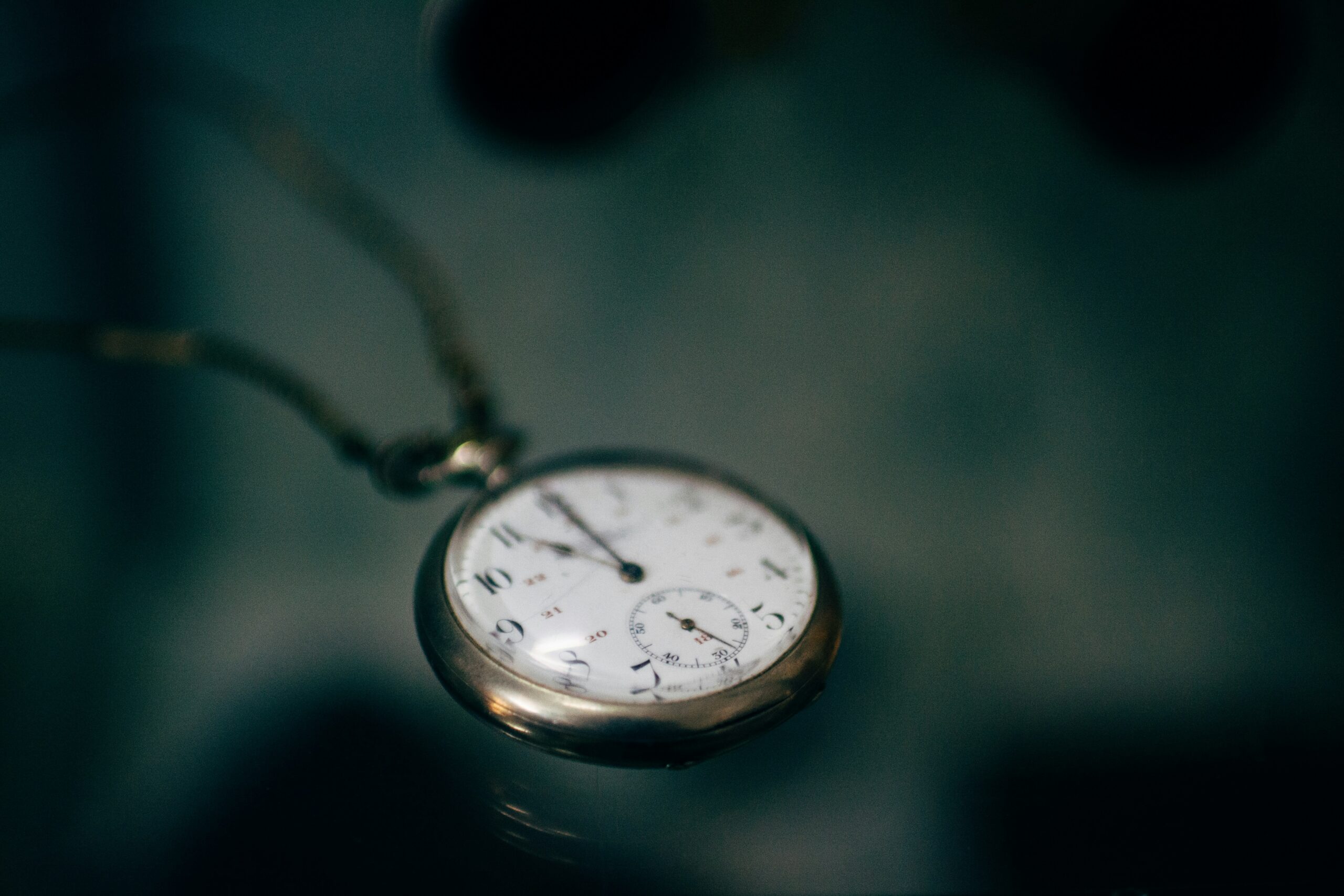
When I first started college, I always believed I would make something of myself. I would get a degree, see the world, and become a successful journalist. I had it all planned out, and after the toll my harrowing years of high school took on me, I felt adulthood had something better to offer mentally.
I soon had reality hit me like a freight train.
People always ask: “What would your younger self think of your current self?” It’s a question I can never answer easily. You might as well be asking me to find the circumference of the moon. Even then, I feel like I’d have an easier time finding an answer.
Truthfully, I don’t think my younger self would be proud of who I am today. Mentally, we’re still on the same wavelength, and I don’t believe I’ve made much neurological progress since then. I still think about suicide just as much as I did when I was fifteen but without all the additional teenage angst. I thought going to college would’ve exorcized at least a few demons inhabiting my brain, but it only opened up rent for more.
Along came COVID
The year I started my last semester of college was the same year the COVID-19 pandemic started. Instead of spending my spring venturing into the city and taking on new internships, I was at home with nothing to keep me busy besides a new 5SOS album and a few episodes of The Golden Girls.
It’s hard to believe that it’s been three years since the pandemic started. I mean, seriously? You’re telling me it’s already been that long since I’ve had a couple of my adult years snatched from me and that long since I’ve felt my mental health reboot towards its downward spiral? It can’t be. It’s terrifying to think about now and how that time in isolation catapulted me to where I am today. Whatever progress I had made post-high school was ripped from me in the blink of an eye. I was back to square one, trying to navigate through the darkness while the sun was still shining on the outside.
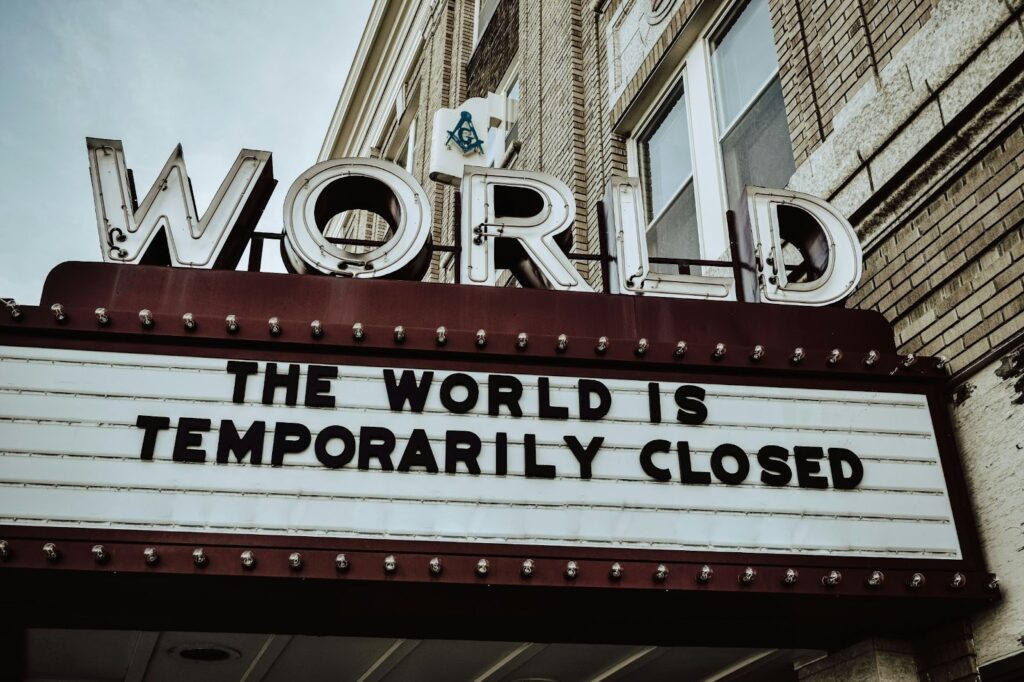
I don’t think the world has truly grasped just how detrimental that isolating time was for everyone. Jokes are made about it now, but it’s clear that it’s only an attempt to put a bandage over what has already left a scar for many. Within the last two years, people have faced loss in more ways than one. I simply find it impossible to gloss over.
As a young adult, seeing how the pandemic affected others within my age group wasn’t difficult. Many took to social media as an outlet to share their private thoughts, devastated that they were losing some of their most formative years to a public health emergency all while expressing trepidation about the future. It crushed my heart to witness so many promising young voices feel that the road ahead was bleak. But I understood it. When you’re encompassed with nothing but loneliness and hollowness, everything becomes foggy. Life feels like it doesn’t have a purpose anymore, and neither do you.
There’s still something missing
Fast forward to a year later, and I had finally graduated college with my bachelor’s.
I should’ve been happy, but why wasn’t I? I was about to start my career; shouldn’t I have been grateful? It was only then that I had to humble myself and remember that the ‘career’ in question didn’t even exist yet. The pandemic cut into a time when I was supposed to create a durable landing pad post-grad, anything to make sure I wouldn’t fall into an interminable vacuum of uncertainty. That was my biggest fear, and now, a year later and without a job, it looks like those demons residing in my head won after all.
I think the pandemic and everything that came after it took a piece of my soul that I don’t think I’ll ever be able to get back.
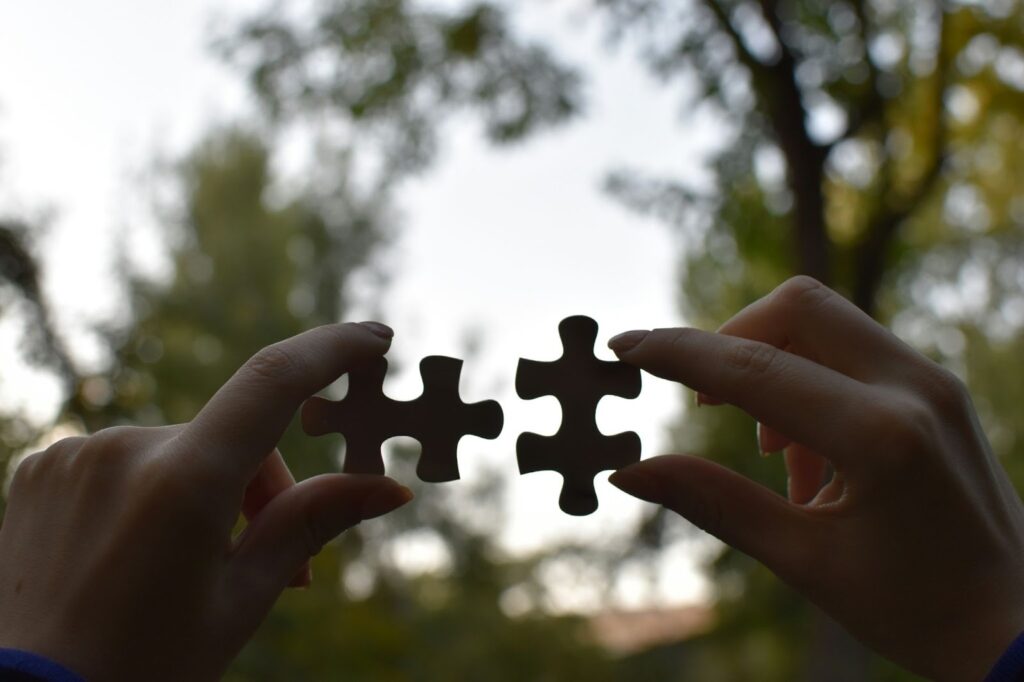
I spend each day scrambling for missing pieces of a puzzle that once came close to being completed. I’ve shed so many tears that I could’ve drowned myself in them. I’ve thought of death in so many ways because I don’t feel like I’m meant to be here anymore. It feels like my world has already come crashing down, and it’s too late to fix any of this. Feeling like I was destined for greater things and having nothing to show for it isn’t just a blow to the ego but to the heart as well.
I’ve come past the point of despair. The helplessness that I’ve felt for the last two years has mutated into a flat-out numbing sensation, the same kind you feel when dipping your hands into ice water for too long.
But instead of attempting to fish my hands out of the cold, I’ve accepted it. I can’t turn back time nor tape over what’s already been shattered.
All I can do is hope for a miracle and continue to pray to the moon each night that I’ll finally be able to put myself together again.
Who are you? A Survivor
Who are you?
What do you do?
Those are the questions I am asked whenever I meet a new person. For decades, the answer was my name and “I’m a Counselor.” Then I waited for them to get uncomfortable, as people sometimes do around the topic of mental health. I’m also a writer who focuses on horror topics. These days I mostly try to figure out who I am and what I need to do so I can keep my depression at bay. I debate whether I should call it “My” depression because I really don’t want it, but “The” depression sounds odd because there isn’t only one depression.
My experience of depression may feel different to me than how you may experience your depression, with different presenting symptoms. At work, I had to use DSM-5 codes to label depression. The DSM (Diagnostic and Statistical Manual, Edition 5) is used to clarify diagnoses so doctors and therapists and insurance companies can speak a common language about a set of symptoms. In another essay, I compared depression to a monster that I fight daily, and that characterization seems to make the most sense to me. So what do I do? I fight a monster daily.
Fighting the beast
I have been dealing with this beast since childhood. I don’t remember the exact age, but I was very young. I can recall crying for no discernable reason as a young child and a teenager, confused as to why I felt this way. I remember blowing out my birthday candles and wishing for happiness. Most kids probably wish for a new bike or a puppy. I remember saying my prayers at bedtime and praying to be happy the next day. I could have been asking for world peace, but I just wanted to be happy. When I saw a redbird, I made a wish, as my local folklore suggests one do. Would you venture a guess on what I wished for? To be happy, of course.
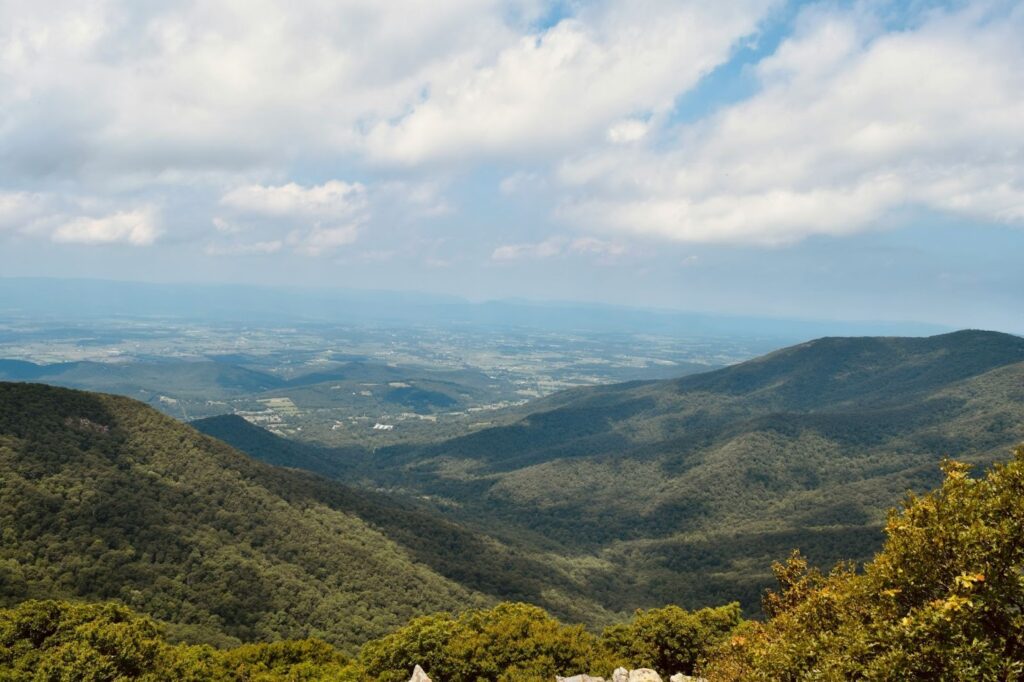
I’m also an Appalachian. I am not speaking for everyone in the entire Appalachian region but just from my experiences. Mental health issues run in my paternal family just like eye color, height, and recipes. I knew from a young age that I could be next. It was almost expected, yet dreaded. There is still a stigma here. My sturdy German ancestors arrived in the US in the 1700s. They didn’t have time for such frivolous silliness as being depressed. In the mountains where generations of proud people were self-sufficient and pulled themselves up by their bootstraps, we just didn’t talk about mental health. If we did, it was in hushed whispers, suggesting a person was weak or defective. Bless their hearts.
A healer in need of healing
As a student of Psychology, a person coping with depression, and a rural Appalachian, I was at odds with myself and my culture. I was struggling with depression but I was disappointed with myself for being depressed. I was always told that I was easy to talk to…that I was a good listener. So, I charted a course to be a mental health helper. We didn’t have truly accessible educational opportunities until my generation, Generation X. I saddled myself with a mountain of debt and stepped into a different world. In the world of mental health counseling, people with mental health issues are people first. They are not “mental” or “crazy” or “weak.” They have real medical concerns that aren’t just “in their heads,” but being experienced on a microscopic neurochemical level that I still struggle to fully understand.
I eventually secured certifications and licenses and began to help others. I worked as a therapist for 16 years. I understood that feeling better was more complicated than “just stop it,” or “decide to be happy.” I knew it would take more than just yoga or coloring books to overcome. During that time, I had tides of depression that washed over me and then went back to sea. I began medication. One of the issues I am painfully aware of is how finding the correct medication or combination of medications can be like a blindfolded skeet shoot. I also learned about the patience needed to ride out side effects and see if a regimen is going to work. I didn’t want to wait 4 weeks….I wanted to feel better yesterday.
My most recent downturn during Winter 2022 was my worst episode yet. After years of referring folks for hospitalization for psychiatric issues and suicidal ideation, I was certain I needed to be hospitalized. I’ll spare you the details but I am a fan of horror movies and an author of dark fiction and I scared myself. I was imagining ways to end my life and was feeling at peace with those thoughts. I confided how I was feeling to a coworker, who urged me to see a crisis counselor immediately. In my rural area, if a person needs inpatient psychiatric care, it’s possible that the only bed available could be 7 hours away in another part of the state. I remember being so afraid that others would look down on me and that my former coworkers at the community mental health agency would be disappointed in me.
Of course, they weren’t. I called my former supervisor at the agency and she made arrangements for me to be seen at the local crisis clinic. We are fortunate to have one near my home. I was able to meet with staff who had not been coworkers and who didn’t already know me socially, and they helped me immediately. Before I called my supervisor, I had been trying to make appointments with private psychiatrists and trying to get an emergency appointment with my therapist. They were booked solid. For weeks. I don’t begrudge them for not “working me in,” because they have to have boundaries. Without boundaries, they will burn out and end up feeling how I felt that day.
The crisis clinic saw me that very afternoon. I talked with a nurse, a crisis counselor, and a nurse practitioner. I left a few hours later with an appointment for therapy, a plan for medication adjustment with prescriptions, and 24-7 support. A helping hand or voice was just a phone call away. I ended up not being hospitalized and could recover at home with my existing support system. I checked in with those crisis folks daily for several weeks. I ended up resigning from my job to work on myself. That was scary but I needed to do it. I was scared to tell my friends what was happening. After much hesitation, I wrote them letters to explain what happened and how I was feeling. They loved me anyway and were supportive. They knew something was wrong, but as teachers, artists, and attorneys, they didn’t know how to ask.
A new page
Now, I am working as a freelance writer. I may eventually return to mental health work, but probably not. I am enjoying writing. I write scary stories to keep folks up at night as I understand the importance of rest myself. I am feeling so much better. I am having the happy days that I wished and prayed for as a child. I continue to try to be gentle with myself. If I don’t get my to-do list done on a given day, that’s ok. I had to be patient to allow the medications to work their magic.
I also had to be patient with myself. I struggled with feeling internalized stigma and judgment for allowing myself to fall in this hole. I felt that I should have recognised the signs of decline and I should have known better. I’ve come to recognise that what’s important is that I did recognise how I was feeling and sought interventions before it was too late. I will continue to use my support to fight this monster every day. Most days are good, but I have to stay in the right mindspace to understand the temporary nature of the bad days.
So who am I?
What do I do?
I’m Senah. I’m a writer with a background in mental health and I’m working on myself daily. Today is a good day.

Cell
I handed over my watch and shoes, and we approached the turnstile where I was to enter. He supported my hand, moving it towards the small glass panel where a red beam would have scanned my thumb. Instinctively, I struggled and kicked. I was instantly cuffed by the four men who accompanied me there. The cold metal of the handcuffs cut into the skin of my wrists. I stopped struggling so that I wouldn’t hurt myself.
I was firmly pushed through the turnstile, then led by the shoulder down a passageway. We turned right into a room. The door made a dull and heavy sound as it closed behind me. An opaque slab immediately slid over a small rectangular opening in the upper half of the door.
Once shut, the outline of the door vanished into the rest of the wall.
The room was sealed.
The walls were lined with stiff square vinyl cushions that were uniformly positioned and fixed, like bloated coasters on a surface. The ceiling and the floor were likewise treated. Once inside, it would seem as though one were in an endless box that looked the same from every angle. I did notice that the height of the room was longer than its length, which gave me a sense of being in a cupboard of sorts. It was a bit different from a cupboard, for it was dimly lit, or maybe brightly lit. I can’t quite remember now. In any case, white light from the ceiling illuminated the room.
There was nothing in the room, not a bed nor a chair. There was no window, nor a place to relieve oneself if necessary.
My body was tense. I could hear the absence of sound around me. Quite suddenly, I felt weak in my legs and flopped to the floor. I fell hard on the cushions and was surprised that I stayed down. I had half-expected that I would rise up and bounce, as one would on a trampoline. I closed my eyes, then, wondering if I was dreaming, opened them. The light had gone out and the room was in total darkness. I could have been in space, I could have been anywhere. I closed my eyes again. I didn’t think about standing up. I lay there motionless. I thought I was going to die, that I had been left there to die. What if I ran out of oxygen?
I realised that I was gulping air. I began to tell myself to breathe regular breaths. In, out. In, out. I breathed deeply but slowed down. Life seemed to return, and I could hear my heart beating. It was pummelling so hard I thought it would jump out of my body. I couldn’t tell if time had slowed down, or if it had stopped completely. I concentrated on my breathing. I focused directly on the air streaming in through my nostrils and out through my mouth. I didn’t move. I didn’t bang on the walls hysterically, or cry or scream. My mind told me to conserve any last bit of energy that I might have, just in case I needed it. I needed to stay alive until the door opened again.
After what seemed like a very long time, I would be released from the padded cell. I had somehow fallen asleep. I woke to the heavy sound of the door. The door opened wide. Light from the outside flooded the room. It was bright and glaring. The room took shape once more, with its square white vinyl cushioned walls.
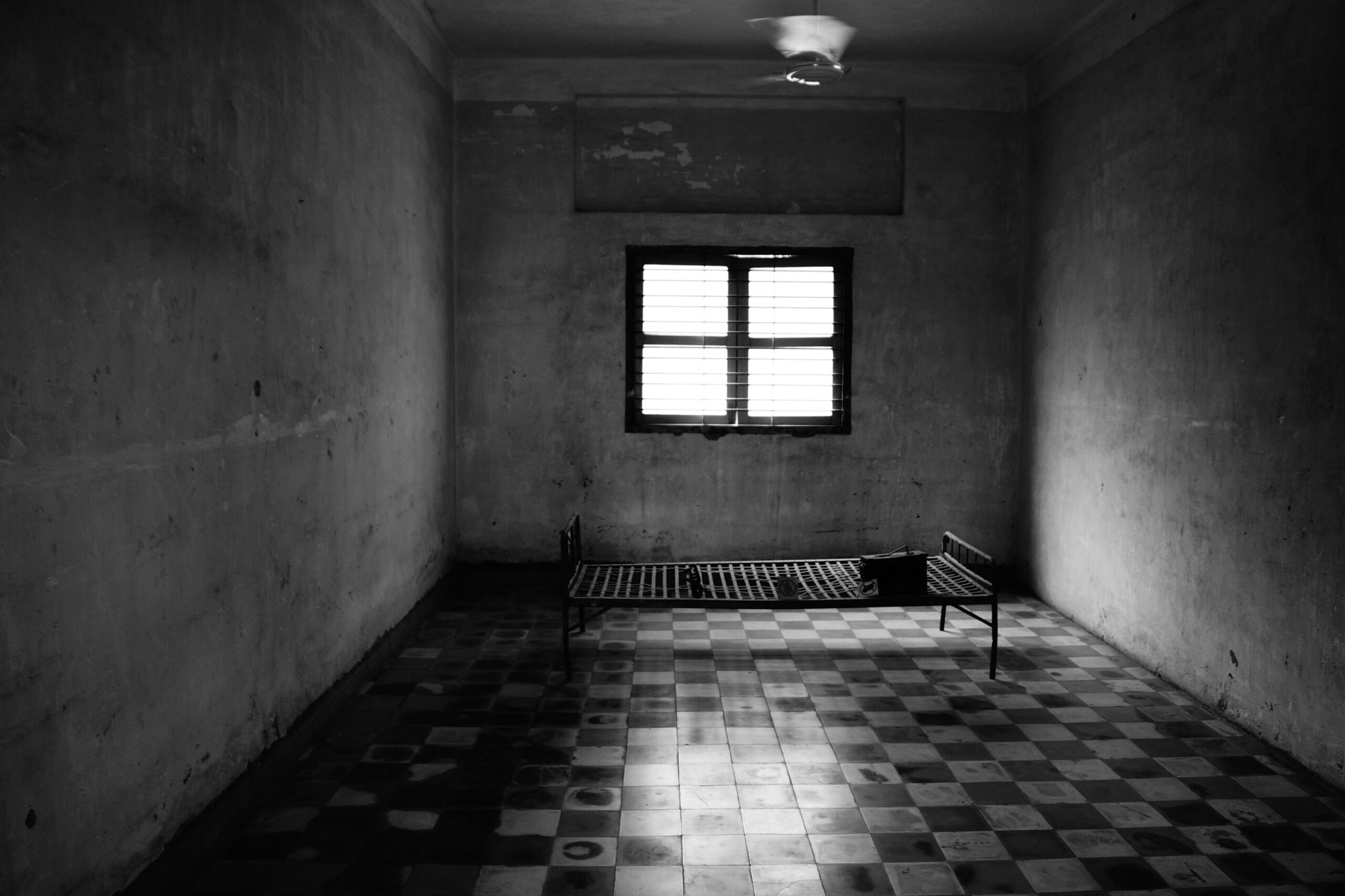
Two men came into the room and I was given a plastic cup of water. I swallowed its contents without hesitation. I was helped to stand up, and was again being led down the corridor. I noticed the corridor’s grey concrete floor and the dirt that had accumulated between the crease where the wall met the floor. I was placed into a normal cell. Instead of a wall enclosing the cell, the side facing the corridor was made of an installation of bars. It felt like being in a cage. The room smelt of stale piss, and I could hear the sound of a whirring fan. In one corner was a stainless steel urinal, and in the other was a mattress without a sheet.
I had no idea what would happen to me next. Sometimes, I still don’t.