
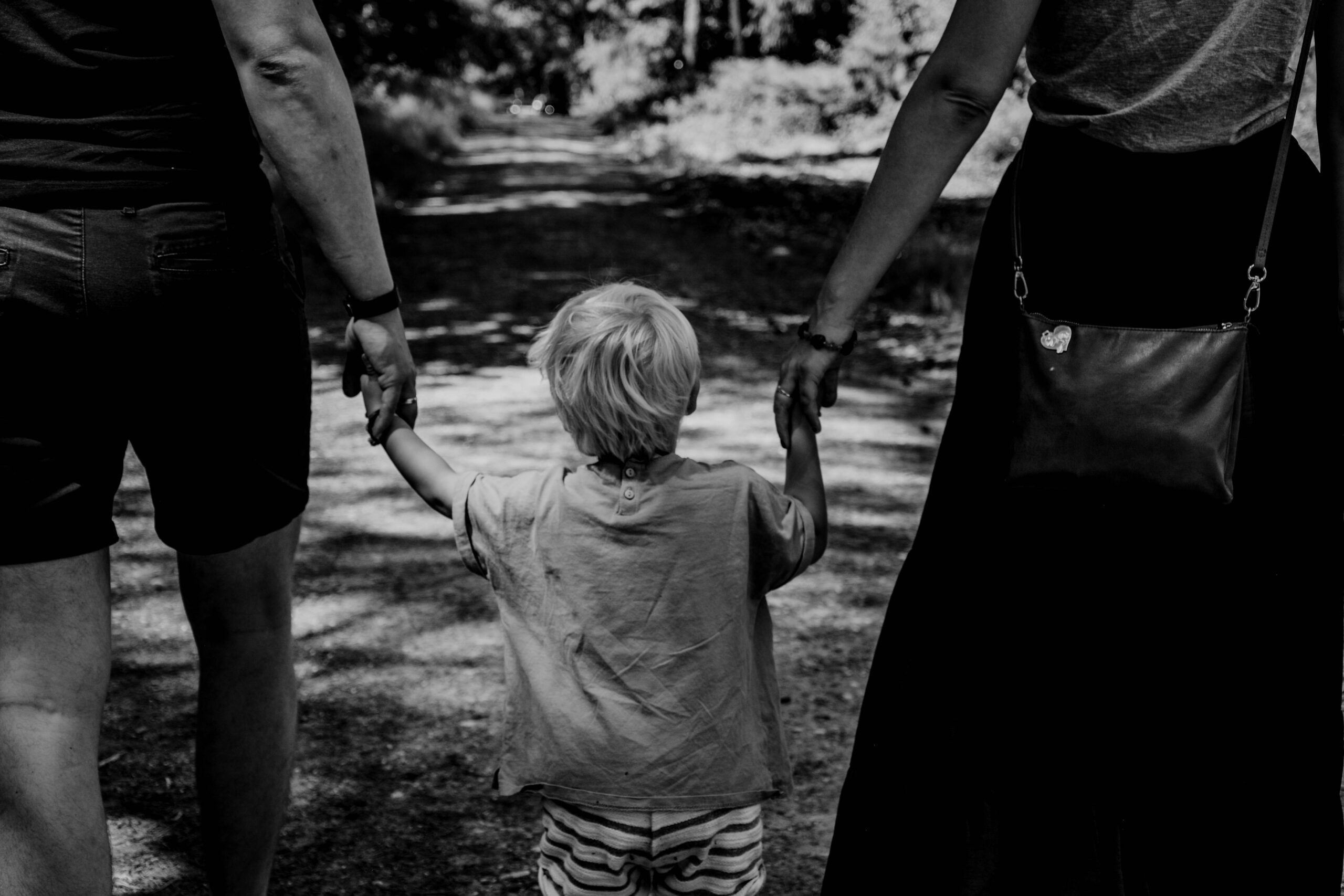
For many children, our parents are our whole world. They are the people whom we idolize most in the first few years of our lives. We romanticize them and expect nothing but the best from them.
Yet as we get older, there comes a moment or series of moments when we realize our parents aren’t quite as perfect as we thought they were. For me, I grew up with two parents in a rather “traditional” household: Dad went to work and earned a living, Mom stayed home and took care of me and my little sister. I always thought the world of both my mom and dad, my mom being the loving caretaker and my dad being the stern yet reliable working man.
As I grew, I started to see the cracks, some more hidden than others. Arguments, money troubles, mistakes made — and slowly but surely, they eroded that idolized image of my parents, and I came to see them for what they were: flawed human beings. My mom and dad, the two people in my life who could do no wrong, suddenly had an unflattering light shown on them. While cartoons and the Tooth Fairy and all the joys of childhood distracted me from this for a time, every adult knows that whimsy doesn’t last forever.
Their learned flaws
The parents who raised my generation came from a time when their parents’ words were law — children were meant to be seen, not heard. A parent could never be wrong. A parent needed to be a perfect role model so that the kids grew up to be perfect role models for their kids and the whole cycle would continue. If only life were so simple.
I imagine for many people the sudden realization that their parents aren’t the epitome of humanity was a rather nasty shock, as it was for me. As that barrier breaks down and you see your parents as flawed human beings, it can become harder to abide by their words, when doubt creeps in over whether or not they’re correct in their views, actions, or behaviors. I held a lot of resentment against both my mom and dad for not being their “honest selves,” some of it earned and some of it due to a lack of understanding of just how difficult it is to be a parent.
Arguments were swept under the rug, not properly dealt with and discussed. Those arguments would happen because resentment festered and bubbled. My family would not always openly discuss the real issues, instead dealing with the superficial ones while my parents still tried to make it seem like everything was okay. I certainly can’t blame them for wanting to give me a happy childhood, something they both had their own struggles with. Yet not discussing the real problems behind these arguments, sometimes oversharing in the middle of an argument because they had hit their boiling point, only made it more difficult to understand why they would fight if everything was okay.
My parents had difficult childhoods, as did their parents before them. It’s hard to break cycles like that. Throughout their time raising me, my parents tried not to repeat the mistakes they saw their own parents make. At times they succeeded, and at other times they fell into the trap of trying to be perfect role models, making it all the more confusing whenever they struggled to uphold that impossible goal. There was no smooth transition from idolizing my parents to understanding they were just regular, flawed people.
Parents have a lifelong impact
I don’t think my parents, or any parents for that matter, were wrong to put on a show at times and pretend everything was okay, even when it wasn’t. I have yet to have the privilege of being a parent, but I’ve worked with many kids and interacted with my nieces and nephews over the past ten years. If there’s one thing I’ve learned, it’s that a panicking adult does no good for a child. Maybe my parents knew that, too, and were just trying to protect me.
Adults are supposed to have the tools to handle any situation and make sure kids know that everything is going to be okay, even when we don’t know ourselves and lack the tools to determine otherwise. But we lie or exaggerate. We hold their hands for reassurance, then go and break down silently to process it ourselves, hidden from their prying eyes.
Being completely honest with a child that you don’t have all the answers and are freaking out yourself can introduce trauma, and life does enough of that already. It’s only since we are all older that both my parents and I can be more honest with each other. I now find that being able to speak openly with my parents about their flaws and mistakes has helped me understand them on a much deeper level and avoid making some of the same mistakes.
The three of us have come a long way from who we all used to be. In a sense, we’ve come full circle. As a kid, I openly loved my parents and enjoyed being around them. As the years went on and family dysfunction took hold, I distanced myself from them, not fully comprehending why they pretended to be these perfect role models that they never were. Now as an adult, as someone who has been able to openly talk to my parents and discuss and understand their flaws, I’ve grown to understand why they tried to be so perfectly perfect, while also learning how to break the cycle.
In my opinion, letting a child see that you are human, that you make mistakes and apologize for them, being honest without imposing your own fears and insecurities, is crucial to developing a proper relationship with them.
With my own nieces and nephews, I make sure to apologize and admit to them when I am wrong. I want them to be able to talk to me about life, and I want to help them navigate it with stories of my own experiences and mistakes. No adult is perfect, no adult will ever have all the answers. Kids need to know that it is okay to be wrong. Otherwise the cycle of the “perfect parents” will continue. And parent-child relationships will suffer as a result.