
How can we truly heal a patient’s physical state without addressing how they feel?
It is inevitable that all physicians, no matter the stage of their training, will unconsciously forget the emotional aspect of treating a patient.
Emotional understanding is a fundamental aspect when it comes to providing optimal healthcare. Yet, it is often forgotten, especially during busy times within a hospital. Emotional understanding not only allows for a patient to feel welcomed and at ease but also helps the physician genuinely grasp more than what words can simply express. More often than not, the art of sympathy and empathy, which was taught during medical school, is unfortunately lost within the busy hospital schedule.
It was during my first couple of clinical rotations that I had truly realized that the sacred art of emotional understanding is something that could easily be forgotten.
Such a phenomenon is bound to occur, especially as a physician starts to become caught up in the increasing workload of a hospital. I noticed that as the day grew older, the physicians I shadowed had slowly lost emotional touch with their patients.
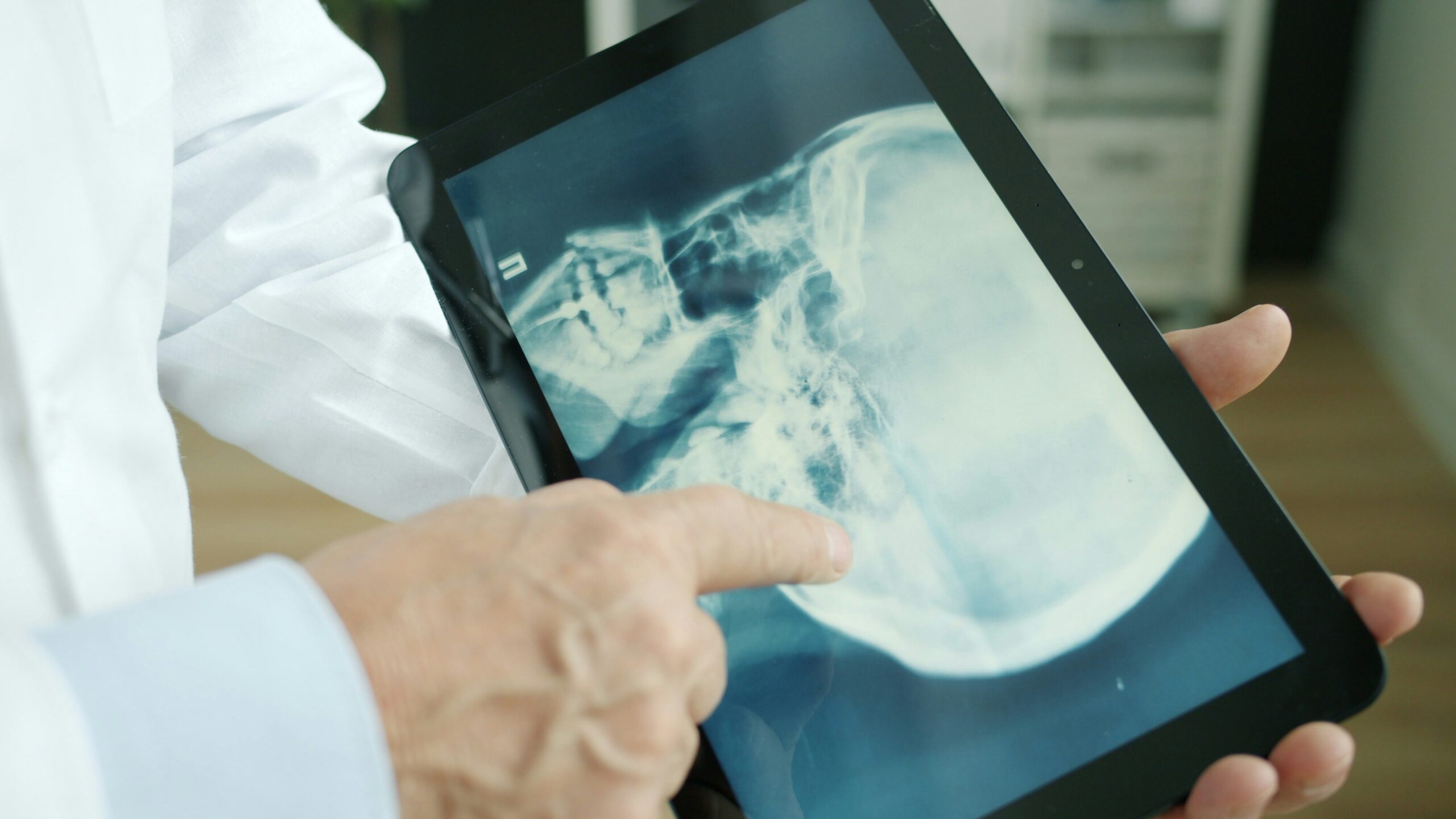
By the end of the day, consultations became limited to statements such as “you may have this condition,” “I need to order an X-ray,” and “take this medication.” While the course of treatment offered by the physician may not have changed much, it was evident that patients were left dissatisfied, as an emotional connection had not been established.
Sometimes, all a patient truly wants is to be felt. Unfortunately, many of us forget the importance of forming an emotional bridge. Such a bridge is truly what allows for the first step of treatment to commence. I found myself constantly asking patients in the waiting room, “how are you?” and “how are you feeling?” and instantly noticed the atmosphere become enlightened. Patients would proceed into the doctor’s room feeling that even their emotional state was being considered.
During a memorable instance, I sat down and conversed with an elderly patient which slowly nurtured into a conversation around hobbies and shared interests. Although brief, the elderly patient thanked me with a smile and followed with “I wish there were more like you.” I was lost, pondering my thoughts. I started to question, is this not the norm?
The philosophy of “treat others as you wish to be treated” extends beyond just being friendly and respectful.
It entails the ability to ask oneself, “How would others feel if I did/said this?”

I have witnessed patients being asked to rate their pain from 1-10, but is their emotional state simply limited to being a number on a scale?
It had been evident through the eyes of patients that they were hoping for more than just treatment for their physical condition.
They wanted to be heard.
And most of all, they wanted to be felt.
As I stood in the waiting room one last time before my summer vacation, I finally noticed that abyss of emotions. A room full of patients yearning to be felt and emotionally understood. It was only then that I realized the actual value of establishing an emotional bridge with a patient. While some bridges are harder to cross, one must be established regardless, especially if a physician hopes to ensure the best provided care possible.
I took it upon myself to become more proactive, actively engaging myself with all patients when appropriate. I began to learn about the hobbies and interests of many. Through doing so, I saw that there was always a story to every person that shaped them. Learning about my patients was the first step towards their treatment. I began to approach every patient with genuine care. As I invested myself, and approached things with an open and receptive heart, I began to intuitively understand the emotional needs of the different patients I sat with. I realized that every patient needed to be approached with such a mindset in order to truly establish patient rapport.
The following are a few of my recommendations for establishing the lost art of emotional understanding between patients and physicians:
- Promote workshops for healthcare workers which focus upon empathic listening. This skill allows for the establishment of genuine emotional connections by feeling the same way patients feel.
- Undergo constructive conversations training and coaching sessions that focus on polishing up skills revolving around social awareness and emotional intelligence
- Implement fixed reminders that help promote asking about the patient’s emotional state. Such an implementation would ensure that an emotional bridge is built with every consultation regardless of how caught up a physician could be with the workflow that increases as the day goes on.
In the end, it is true that a great physician must be able to accurately diagnose and recommend appropriate treatments. However, can a physician genuinely impact their patients’ lives without actually understanding how they feel?