
UNBREAKING THE NEWS

MEC Livros: new government platform brings free digital library to Brazilians

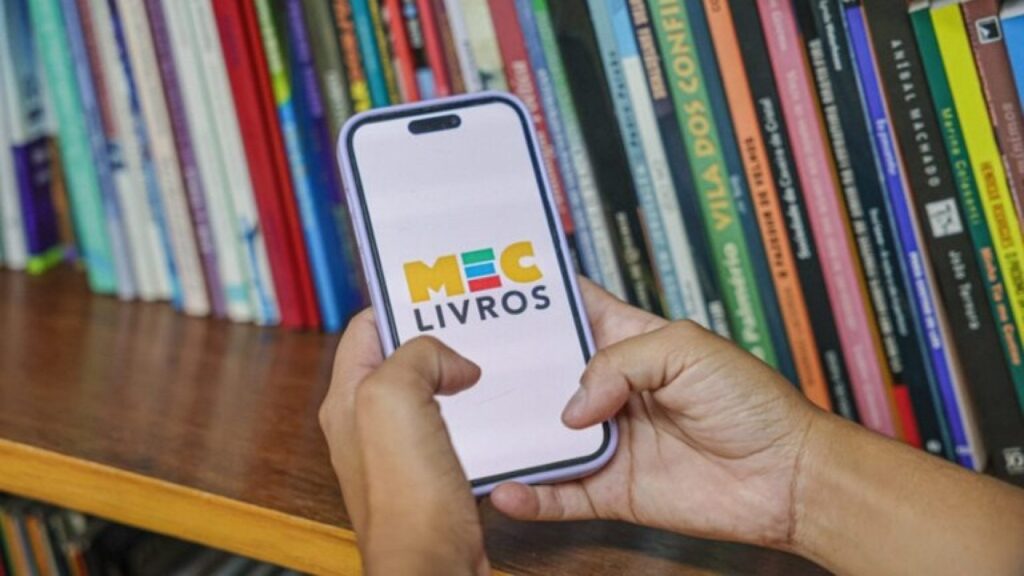
On April 5, 2026, Brazil’s federal Ministry of Education (MEC) launched a free digital library featuring a wide range of books. The initiative aims to democratize access to reading for all citizens.

What is MEC Livros?

It is a public, free digital platform offering about 8,000 books, both national and international. The library includes classics, bestsellers, new releases, and various literary genres, aimed at students, teachers, and general readers.

For university student João Pedro Oliveira, MEC Livros revives a culture that has been fading by bringing readers closer to the traditional library experience.

“It’s a wonderful proposal… What’s most interesting, in my view, is that it imitates a library. I think that’s a culture that has been largely lost nowadays.”

The student also highlights the variety of the catalog as a strong point, noting that it can attract different reader profiles.

In a country where access to books is still shaped by economic inequalities, public initiatives to encourage reading become essential for forming new readers. 

The platform’s launch comes at a concerning moment for reading in Brazil. Data from Retratos da Leitura no Brasil, one of the country’s main national surveys on reading habits, conducted by Fundação Itaú — a private foundation linked to one of Brazil’s largest financial institutions — between April and July 2024, indicate that only 47% of the population is considered readers, while 53% had not read a single book in the three months prior to the study.

Additionally, the country has been experiencing a decline in the number of readers in recent years, highlighting an increasing distance between the population and reading habits. This context is directly linked to structural factors such as social inequality and the high cost of books, which limit access, especially for low-income communities.

This difficulty is also reflected in the daily lives of young readers. João Pedro reports that limited access directly hindered his development as a reader, particularly in engaging with Brazilian authors.

“The biggest impact is my lack of reading Brazilian literature. I’ve always tried not to download pirated books, so among everything I’ve read, only a small portion is national literature.”

In contrast to this scenario, Rio de Janeiro’s recognition as UNESCO’s World Book Capital in 2025 — an annual title granted by the organization to cities that promote reading and access to books — reinforces the importance of projects that encourage reading and expand access to literature. 

The city was chosen for its commitment to promoting literature and improving accessibility for all citizens, intensifying discussions about how factors like high book prices and limited access influence low reading rates in the country.

The digital format also stands out as a key advantage of the platform. By gathering thousands of works in an environment accessible via mobile phones, MEC Livros expands opportunities for engaging with reading in everyday life.

“It’s on our phones, something we use very frequently. That makes a huge impact,” João Pedro says.

According to the student, the impact of reading goes beyond the immediate habit:

“It’s something quiet and long-term… The more you read, the more you realize how far your mind can go.”

In this way, platforms like MEC Livros emerge as a way to bring the population closer to the literary world through the democratization of knowledge and digital inclusion on a national scale.

READ MORE

Comments

Be the first to share your thoughts!

We value diverse perspectives and respectful debate.