Canada’s Election Results and Global Implications

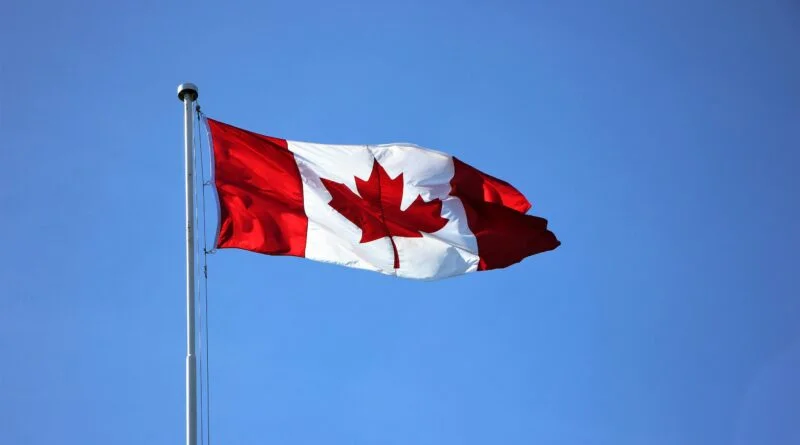
OTTAWA, April 30, 2025 — In a dramatic political shift, Mark Carney’s Liberal Party secured a fourth consecutive term in Canada’s federal election on April 28, winning 169 seats in the 343-seat House of Commons. Although falling just short of a majority, this outcome marks a significant comeback for the Liberals, who had been trailing in polls earlier this year. Carney’s victory is attributed to his firm stance against U.S. President Donald Trump’s aggressive trade policies and rhetoric, which resonated with Canadian voters concerned about national sovereignty. ​

The election was heavily influenced by escalating tensions with the United States, particularly President Trump’s imposition of sweeping tariffs on Canadian goods and provocative suggestions about annexing Canada. These actions sparked a surge in Canadian nationalism, leading to widespread boycotts of American products and a rallying cry for sovereignty. ​

Carney, a former central banker with no prior elected experience, positioned himself as a steady alternative to the populist rhetoric of Conservative leader Pierre Poilievre, who closely aligned with Trump’s policies. Poilievre’s failure to distance himself from Trump’s aggressive stance contributed to his party’s defeat and his own loss of a long-held parliamentary seat. ​

In his victory speech, Carney declared, “The old relationship with the U.S. is over,” signaling a shift toward a more assertive Canadian foreign policy. He emphasized the need to reduce economic reliance on the U.S. and explore deeper trade ties with Europe and Asia. ​

The election results have significant implications for global relations and trade. Canada’s move to diversify its trade partnerships may impact North American supply chains and economic dynamics. While U.S. Trade Representative Jamieson Greer expressed willingness to work with Carney’s government, the path forward remains uncertain amid ongoing trade disputes. ​

Carney’s leadership marks a new chapter in Canada’s approach to international relations, with a focus on asserting national sovereignty and redefining its role on the global stage. As Canada navigates this transition, the world will be watching to see how these changes influence the broader geopolitical landscape.​

Trump’s First 100 Days: Aggressive Overhauls and Mounting Controversy

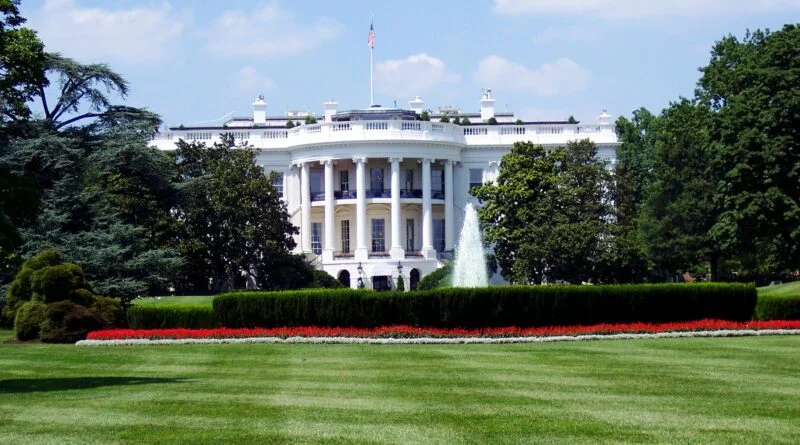
WASHINGTON; April 30, 2025 — President Donald Trump’s return to the White House has been marked by sweeping policy shifts, economic turbulence, and intensified immigration enforcement, drawing both fervent support and sharp criticism during his first 100 days in office.​

Economic Policies and Tariffs

On April 2, Trump announced significant tariffs on imports, leading to a 0.3% contraction in the U.S. economy for the first quarter of 2025—the first such decline in three years. The Commerce Department attributed this downturn to a surge in imports ahead of the tariffs and reduced government spending.

Despite the economic contraction, Trump defended his tariff strategy, stating that while American consumers might face higher prices, the long-term benefits would outweigh the short-term costs . Critics, however, likened the approach to the Smoot-Hawley Tariff Act of 1930, warning of potential long-term economic harm.

Immigration Enforcement Intensified

Trump’s administration has aggressively expanded immigration enforcement. Executive Order 14159, signed on January 20, intensified measures against undocumented immigrants, including expedited removals and penalties for non-compliance.

The administration also broadened the 287(g) program, enabling local law enforcement to act as immigration agents. Over 370 agreements have been signed, tripling the program’s size and raising concerns about potential civil rights violations.

In a controversial move, Trump invoked the Alien Enemies Act to deport Venezuelan nationals suspected of gang affiliations to El Salvador. Legal challenges ensued, with courts scrutinizing the constitutionality of such actions.

Institutional Restructuring and Governance

The administration has undertaken significant restructuring of federal agencies. Notably, Elon Musk was appointed to lead a new “Department of Government Efficiency,” tasked with streamlining federal operations. This initiative has led to mass firings and overhauls, drawing criticism for its rapid implementation and lack of transparency.

Additionally, the administration has targeted higher education institutions, threatening funding cuts and imposing new regulations, actions that have sparked widespread protests and legal challenges.

Public Response and Approval Ratings

Public reaction to Trump’s policies has been polarized. While supporters praise his decisive actions, opponents have organized nationwide protests, notably the “Hands Off” demonstrations opposing immigration policies and institutional changes. Trump’s approval ratings have declined amid these controversies.

As President Trump concludes his first 100 days, the nation remains deeply divided over the direction of his administration, with significant implications for the future political landscape.​

Mount Spurr Volcano Exhibits Elevated Unrest; Eruption Possible in Coming Weeks

ANCHORAGE, Alaska  April 30, 2025 — Mount Spurr, an 11,070-foot stratovolcano situated approximately 80 miles west of Anchorage, is currently exhibiting signs of heightened volcanic activity. The Alaska Volcano Observatory (AVO) has maintained the volcano’s status at Advisory (Yellow) since October 2024, indicating elevated unrest above normal background levels.

Increased Seismic Activity and Gas Emissions

Since April 2024, AVO has recorded over 3,400 earthquakes beneath Mount Spurr, with weekly counts exceeding 100 events. Most of these earthquakes are shallow, occurring less than 2.5 miles below sea level, and have magnitudes up to 2.7.  Additionally, ground deformation measurements indicate outward movement of approximately 2.6 inches at the closest GPS station, suggesting magma intrusion beneath the volcano.​

Gas emission studies conducted in March 2025 revealed significantly elevated levels of sulfur dioxide and carbon dioxide, particularly at the summit vent. Sulfur dioxide emissions were measured at approximately 450 metric tons per day, a substantial increase from less than 50 metric tons recorded in December 2024. 

Potential Hazards and Preparedness Measures

An eruption of Mount Spurr could have significant impacts on air travel and local communities. The volcano’s previous eruptions in 1953 and 1992 produced ash clouds that disrupted aviation and deposited ash on Anchorage. If a similar eruption occurs, ash plumes could reach altitudes of over 50,000 feet, posing risks to aircraft engines and systems. ​

Local authorities are advising residents to prepare for potential ashfall by acquiring N95 masks and goggles to protect against respiratory and eye irritation. Pet owners are also taking precautions; for instance, Anchorage pet supply stores have reported increased sales of protective gear for animals.

Monitoring and Future Outlook

The AVO continues to monitor Mount Spurr closely, utilizing seismic networks, satellite imagery, and gas emission measurements. While the current level of unrest does not guarantee an eruption, scientists emphasize that any significant changes—such as increased seismic activity, gas emissions, or ground deformation—could indicate that an eruption is imminent. 

Residents are encouraged to stay informed through official channels and to have emergency plans in place. Updates and detailed monitoring data are available on the AVO’s website.​

Devastating Explosion at Iran’s Shahid Rajaee Port Claims Dozens of Lives

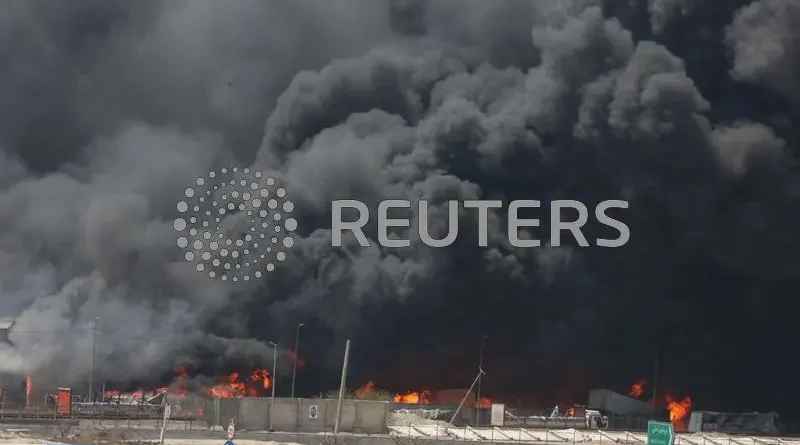
Bandar Abbas, Iran: A catastrophic explosion struck the Shahid Rajaee Port in Bandar Abbas, southern Iran, on Saturday, April 26, 2025, resulting in at least 46 fatalities and over 1,000 injuries..

The explosion, which occurred around midday, ignited a massive fire that continued to burn for nearly 24 hours, significantly impacting air quality and prompting the closure of schools and offices in nearby Bandar Abbas.

Initial investigations suggest the blast may have been caused by the improper storage of chemicals, possibly ammonium perchlorate—a chemical used in missile propellants . However, Iranian authorities have not confirmed the exact cause.

The explosion has raised concerns about safety protocols at the port, which handles a significant portion of Iran’s trade. The incident has also drawn international attention, with Russia dispatching emergency aid to assist in the aftermath.

As rescue operations continue, Iranian President Masoud Pezeshkian visited the injured and urged a thorough investigation into the cause of the explosion. The Iranian government has taken legal action against media outlets for speculation about the nature of the explosion, underscoring concerns about public perception and misinformation.

The Shahid Rajaee Port is a critical hub for Iran’s maritime trade, and the explosion has disrupted operations, affecting both domestic and international shipping routes. Authorities are working to assess the full extent of the damage and restore normal operations.

This incident coincides with renewed U.S.-Iran nuclear talks, which have been described as constructive and are set to continue. The explosion has added a layer of complexity to the already tense geopolitical landscape in the region.

As investigations continue, the international community is closely monitoring the situation, offering support and awaiting further developments.

Pope Francis Dies at 88: A Papacy Marked by Humility, Inclusion, and Quiet Revolution

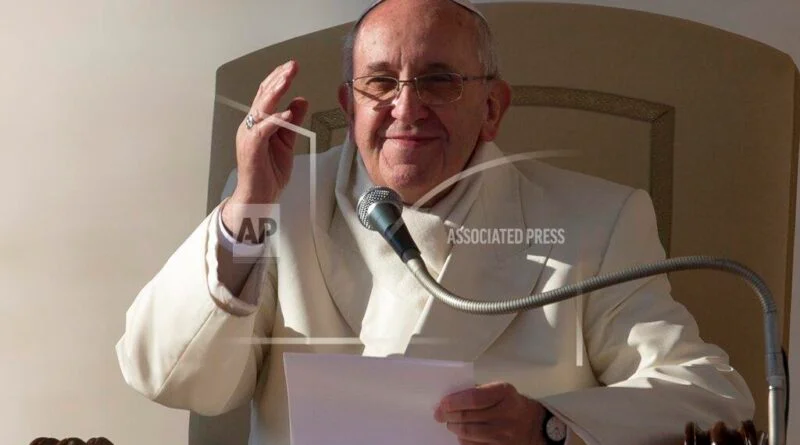
Vatican City — Pope Francis, the first Latin American pope and a moral voice for the world’s marginalized, has died at the age of 88. His passing was confirmed by Vatican officials on Easter Monday, marking the end of a papacy that redefined the modern Catholic Church and its relationship with the world.

Francis passed away at 07:35 CEST at his residence in the Domus Sanctae Marthae within Vatican City, following complications from double pneumonia. His health had been in decline in recent months, with multiple hospitalizations earlier this year.

Born Jorge Mario Bergoglio in Buenos Aires, Argentina, Francis made history when he was elected in 2013 — becoming the first Jesuit pope, the first from the Global South, and the first to choose the name “Francis,” a reference to Saint Francis of Assisi, known for his devotion to peace and the poor.

Over his 12-year papacy, Francis became known for breaking tradition in quiet but powerful ways. He lived in modest quarters, shunned the pomp of the papal palace, and emphasized a church “for the poor, not the powerful.” Under his leadership, the Vatican opened new conversations around LGBTQ+ rights, climate change, economic inequality, and the Church’s own failings — including historical abuses.

His death leaves behind a Catholic Church that is still wrestling with deep internal divisions but also one that has been pushed closer to the concerns of everyday people. For millions — both inside and outside the Church — Francis represented a shift from authority to empathy, from doctrine to dialogue.

Pope Francis’s tenure was not without controversy; he faced criticism from conservative factions for his progressive stances and from progressives who felt his reforms did not go far enough. Nonetheless, his impact on the Church and the world was profound, as he sought to make the Church more inclusive and responsive to contemporary issues.

The Vatican has confirmed that Pope Francis will be buried in the Basilica of Santa Maria Maggiore, a site of special personal significance to him. The papal conclave to elect his successor is expected to begin in between May 06 and 11, 2025  in the Sistine Chapel.

As tributes pour in from around the globe — from religious leaders to heads of state to citizens — Pope Francis is being remembered not just as a pope, but as a human being who tried to bring the Church closer to humanity.

Court Finds Probable Cause for Criminal Contempt in March Deportation Flights Case

WASHINGTON D.C. (Yuvoice) April 16, 2025  — A federal judge has found probable cause to believe the U.S. government willfully violated a court order by deporting dozens of Venezuelan migrants after a temporary restraining order barred their removal, setting the stage for potential criminal contempt proceedings against officials involved in the operation.

U.S. District Court Judge James E. Boasberg issued a 90-page opinion late Tuesday, detailing how two plane loads of detainees were flown to El Salvador on March 15, 2025—hours after his court had enjoined the Trump administration from carrying out deportations under a presidential proclamation invoking the Alien Enemies Act of 1798, the first time it has been invoked since World War II.

The judge said the government’s actions demonstrated a “willful disregard” for the court’s authority, noting that officials continued with the operation even after receiving explicit instructions to halt all removals and return any planes already in transit.

“The Constitution does not tolerate willful disobedience of judicial orders — especially by officials of a coordinate branch who have sworn an oath to uphold it,” Boasberg wrote. “There is probable cause to conclude that the government acted in criminal contempt.”

While no individuals have yet been named, the court’s findings pave the way for further proceedings that could result in criminal charges against federal officials. Because the Department of Justice represented the government in the underlying litigation, the judge is expected to appoint a special prosecutor under Federal Rule of Criminal Procedure 42 due to an apparent conflict of interest.

Legal experts say the court’s authority to appoint an outside prosecutor—often a former U.S. Attorney or independent legal expert—ensures that enforcement of court orders remains insulated from political influence.

The deportations were carried out under a March 2025 presidential proclamation signed by Donald Trump during his second term, invoking the 18th-century Alien Enemies Act to target members of Tren de Aragua, a violent Venezuelan gang labeled a terrorist organization. Plaintiffs in the case—five Venezuelan nationals—claimed they were wrongfully identified as gang members and were denied due process.

After a series of emergency hearings on March 15, the court issued a temporary restraining order halting removals and clarifying that any detainees already in the air were to be returned to U.S. custody. Instead, two flights landed in El Salvador and transferred detainees to a high-security prison. Government officials later retweeted social media posts appearing to mock the court’s order, including a message from Salvadoran President Nayib Bukele that read, “Oopsie… Too late.”

The Supreme Court has since vacated the restraining order on narrow procedural grounds, ruling that the case should have been filed as a habeas corpus petition in Texas rather than under the Administrative Procedure Act in Washington. However, Boasberg emphasized that the government was still obligated to comply with the order until it was reversed through proper legal channels.

“Even a legally unsound order must be obeyed at the risk of contempt,” the judge wrote, citing long-standing precedent.

The court has not yet announced whether it will appoint a special prosecutor or refer the case to an external authority. However, the findings mark a rare and significant moment in which the judiciary has accused the executive branch of openly defying its orders—raising serious constitutional questions and setting the stage for a possible confrontation over the rule of law.

Rubio Shutters Disinformation Office, Alleges Censorship of Americans

WASHINGTON (The Sentinel by Yuvoice) April 16, 2025 — Secretary of State Marco Rubio announced Wednesday the closure of the State Department’s office for countering foreign disinformation, alleging it had crossed a constitutional line by censoring Americans.

The office, known as the Global Engagement Center (GEC) and more recently rebranded as the Bureau of Counter Foreign Information Manipulation and Interference (R/FIMI), was created to identify and counter foreign propaganda campaigns by adversaries such as Russia, China and Iran.

Rubio, who took office as Secretary of State in January, said the bureau had “spent millions of dollars to actively silence and censor the voices of Americans they were supposed to be serving.” He called the effort “inconceivable” in a free society.

The closure follows growing criticism from conservative lawmakers and figures who claim the bureau targeted domestic media and social media accounts, particularly those critical of U.S. foreign policy. Elon Musk, in 2023, called the center “the worst offender” of government censorship.

Rubio did not provide specific evidence that the bureau directly censored Americans. Former officials defended the office’s work, saying its mission was to expose and counter foreign influence operations—not to monitor or suppress U.S. citizens.

Democratic and some Republican lawmakers warned the closure could weaken U.S. efforts to combat digital influence operations by foreign adversaries. “This is the exact wrong time to abandon the field,” Sen. Chris Murphy, D-Conn., said in a statement.

The decision underscores a broader political divide over how to confront foreign disinformation without infringing on civil liberties. While critics see the bureau as overreaching, supporters argue that dismantling it leaves the U.S. more vulnerable to coordinated manipulation campaigns.

The State Department said remaining disinformation monitoring functions will be reassigned, but did not provide details.

Ricky Vazquez

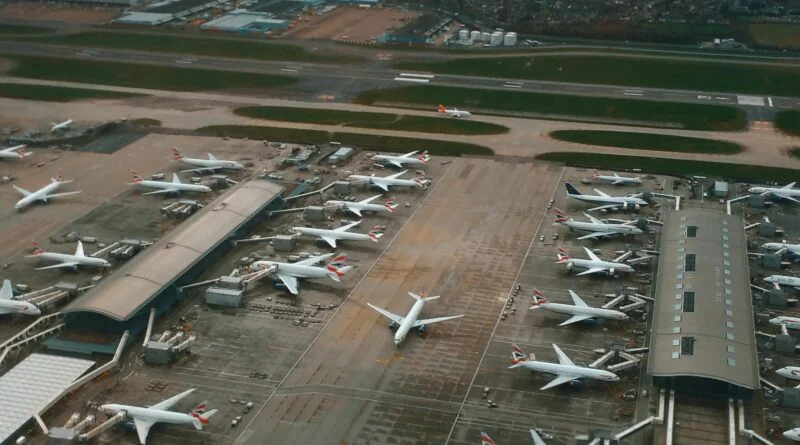
Heathrow Airport Restarts Operations After Fire-Induced Power Outage Causes Day-Long Chaos

London – Heathrow Airport, one of the busiest travel hubs in the world, was brought to a standstill on Friday following a massive fire at a nearby electrical substation that triggered a complete power outage across several terminals.

The fire, which broke out at around 11:23 PM on Thursday, March 20, at a North Hyde substation, caused significant damage to the power supply infrastructure serving the airport. Emergency crews worked through the night to extinguish the blaze, and engineers from UK Power Networks raced against the clock to restore electricity throughout Friday.

As of 6:30 PM, Heathrow Airport confirmed that power had been restored to all terminals and systems were coming back online.

“We have begun the phased resumption of operations at Heathrow. Our teams are working hard to support passengers and reconnect disrupted flights. We thank everyone for their patience during this unprecedented situation,” the airport’s spokesperson said.

Thousands of travellers were caught off-guard by the disruption, with many stranded inside terminals or stuck in long queues outside. Some flights that had already departed were diverted to alternative airports, while inbound flights were held or rerouted entirely.

Amar Krishna, who was travelling back to Heathrow from Trivandrum, India, shared his experience being diverted to Germany when the fire struck.

“People felt helpless,” he said. “We had no access to our checked in bags and no one knew what to do. It was a sudden and unexpected incident, and the uncertainty made it worse. We ended up staying overnight in Frankfurt Airport in Germany with barely any communication in the beginning.”

We were just about to board when everything shut down. The screens went black and no one knew what was going on,” said Rashida Khan, a passenger flying to Dubai from Heathrow. “It’s chaos.”

Transport Secretary Rachel Maclean has called for an emergency response team to assess the situation and ensure passenger safety. “Our priority is to support affected travellers and get the airport operational again as quickly as possible,” she said.

Heathrow Airport issued a formal apology via social media, asking travellers to avoid coming to the airport unless absolutely necessary and to contact their airlines directly for updates.

There have been no reported injuries related to the fire. An investigation is currently underway to determine the cause.

Travellers are advised to check with their airlines before heading to the airport and to consider alternative travel routes if possible.

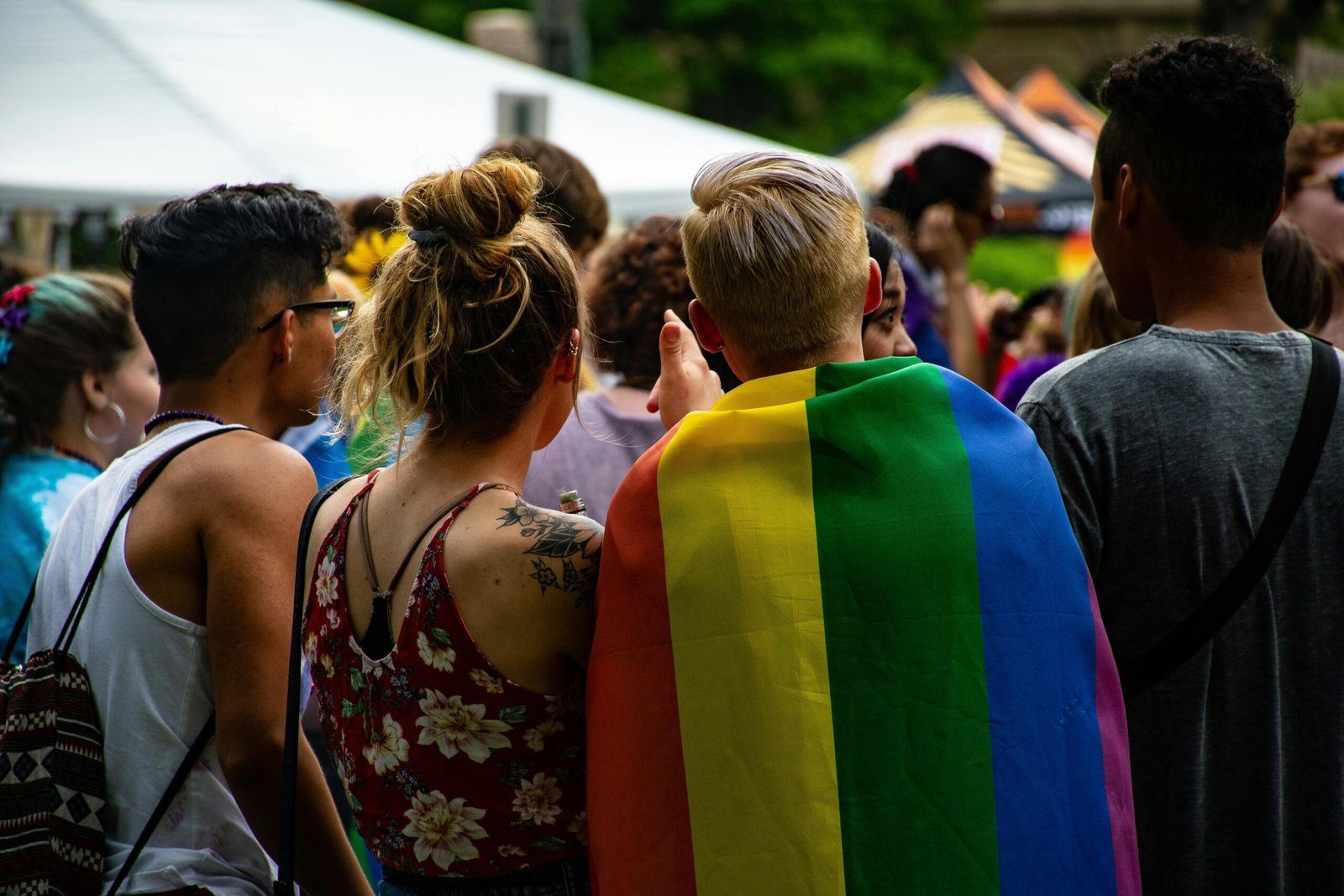
Nigerian LGBTQI+ Community Reacts to Trump’s Presidency: Fears Over Travel and Funding Cuts

As Donald Trump assumed office as the 45th President of the United States in 2017, many members of Nigeria’s LGBTQI+ community faced a wave of uncertainty. The election of a conservative U.S. leader known for his nationalist and restrictive policies sparked fears about travel limitations, foreign aid reductions, and a decline in global LGBTQI+ advocacy.

Fear of Travel Restrictions

Several members of Nigeria’s LGBTQI+ community, who requested anonymity, expressed growing fears about the potential tightening of U.S. immigration policies under Trump.

“I have always dreamed of seeking asylum or furthering my education in the U.S.,” said a member of Nigeria’s LGBTQI+ community. “But with Trump’s election, I fear that people like me will be shut out.”

Trump’s administration implemented restrictive immigration policies, notably Executive Order 13769, commonly known as the 2017 travel ban. While Nigeria was not initially included, the order signaled a broader shift toward stricter visa regulations. In 2020, additional visa restrictions were imposed on Nigeria, heightening concerns that marginalized communities, including LGBTQI+ individuals, could face greater barriers to travel and asylum.

Funding Cuts and Impact on LGBTQI+ Advocacy

One of the most immediate concerns among LGBTQI+ activists in Nigeria was the potential decline in U.S. foreign aid, particularly through the United States Agency for International Development (USAID).

“Many of the programs that support LGBTQI+ rights and HIV/AIDS treatment in Nigeria rely on USAID funding,” said another source who requested anonymity. “If that funding is cut, our community will suffer immensely.”

The Trump administration moved to dissolve USAID, leading to significant funding cuts and the loss of livelihoods for many community members who depended on these programs. According to reports, USAID funding for Nigeria’s HIV/AIDS programs dropped by approximately $100 million, directly affecting organizations, which had to scale back critical health services.

Additionally, Trump reinstated and expanded the Mexico City Policy, also known as the Global Gag Rule, which restricted U.S. funding for organizations that provided or even discussed abortion services. Although primarily targeting reproductive health initiatives, this policy had a broader chilling effect, limiting the ability of NGOs that support LGBTQI+ rights and healthcare to access essential funding.

Weakened U.S. Support for LGBTQI+ Rights Globally

Beyond funding cuts, many in Nigeria’s LGBTQI+ community worried about the weakened U.S. support for LGBTQI+ rights on the global stage. Unlike the Obama administration, which actively promoted LGBTQI+ rights, Trump’s presidency marked a stark departure from such advocacy.

“Under Obama, there was a clear message that the U.S. stood for LGBTQI+ rights. With Trump, that support has disappeared,” an activist noted.

In 2018, the Trump administration opposed a United Nations resolution condemning the death penalty for same-sex relationships. Such diplomatic positions raised concerns that anti-LGBTQI+ policies in countries like Nigeria could be further emboldened without international pressure to uphold human rights.

Recent Executive Actions and Their Implications

In 2025, during his second term, President Trump signed several executive orders that have further implications for the global LGBTQI+ community:

  • Defending Women From Gender Ideology Extremism And Restoring Biological Truth To The Federal Government (January 20, 2025): This order established federal policies recognizing only two genders—male and female—across all government agencies, effectively erasing recognition of transgender and non-binary identities. Such a policy shift could influence international norms and embolden anti-LGBTQI+ sentiments in countries like Nigeria.
  • Reevaluating and Realigning United States Foreign Aid (January 20, 2025): This order initiated a 90-day pause on all U.S. foreign development assistance programs to conduct a review, with exceptions only for emergency food assistance and military aid to Egypt and Israel. The suspension and potential realignment of aid could severely impact NGOs in Nigeria that rely on U.S. funding for LGBTQI+ advocacy and healthcare services.
  • Ending Radical and Wasteful Government DEI Programs and Preferencing (January 20, 2025): This order eliminated all Diversity, Equity, and Inclusion (DEI) programs within the federal government, including those related to LGBTQI+ initiatives. The dismantling of such programs signals a broader shift away from supporting marginalized communities and may influence international partners to adopt similar stances.

Hope Amid Uncertainty

Despite the fears surrounding Trump’s policies, some Nigerian LGBTQI+ individuals remained hopeful that advocacy efforts and grassroots movements could sustain progress.

“There is always fear when a conservative leader takes power,” one respondent said. “But our fight for equality does not depend on just one country. We will continue to push for our rights, with or without U.S. support.”

While the U.S. administration’s policies under Donald Trump have significantly impacted the Nigerian LGBTQI+ community, from travel restrictions to cuts in crucial funding, the fight for equality remains strong. With concerns about the long-term implications of Trump’s policies, many in Nigeria’s LGBTQI+ community are left to navigate a future that is increasingly uncertain, yet driven by hope and determination.

Massive Wildfire Rages in California, Thousands Evacuated

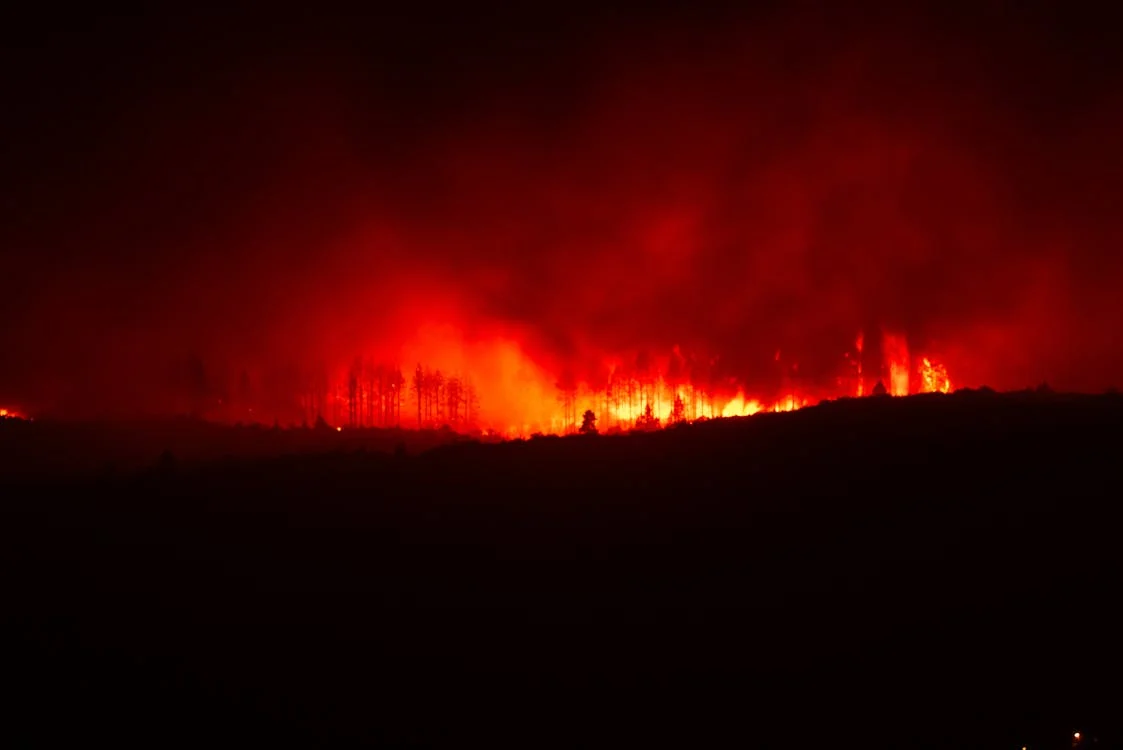
A massive wildfire erupted across Los Angeles late Wednesday night, forcing thousands of residents to flee their homes as flames engulfed more than 10,600 acres and destroyed more than 100 structures within hours.

The fire spread rapidly due to dry conditions and powerful Santa Ana winds reaching up to 100 miles per hour.

According to The National Weather Service “extremely critical fire weather conditions” will “continue for portions of the Southern California Coast with critical conditions persisting into Thursday.”

Los Angeles resident Natile George, who was forced to evacuate her home, shared her fear: “It happened so fast. One minute, we thought we were safe, and the next, we were packing up and leaving everything behind. It’s terrifying.”

“What we saw here in the last 24 hours is unprecedented,” says Chief Jim McDonnell, Los Angeles Police Department during the discussion with President Joe Biden and Governor Gavin Newsom on Wednesday.

As of Wednesday night, the Palisades fire has been reported as the largest active fire burning between Santa Monica and Malibu (17,234 acres), followed by Eaton fire (10,600 acres), burning north of Pasadena, then the Hurst fire (855 acres), to the north east of the city. Lidia fire (348 acres), in the hills north of Los Angeles. Sunset fire (43 acres) in the historic Hollywood Hills area near many famous landmarks, including the Hollywood sign. Two small fires have been contained: Woodley fire and Olivas fire, burning over 30 acres and 11 acres respectively.

Gov. Gavin Newsom has declared a state of emergency in the affected region, mobilizing additional resources, including the California National Guard. “We are doing everything possible to contain the fire and protect our communities,” Newsom said in a statement.

The fire has caused significant disruption, with highways closed and power outages reported in several areas. Hospitals are on high alert, preparing for potential injuries, casualties or respiratory issues caused by smoke inhalation.

Emergency shelters have been set up in schools and community centers to accommodate displaced families.

Gavin Newsom, Governor, shared early Thursday that more than 7,500 firefighting personnel and almost 1,200 fire trucks have been deployed across Southern California. 

Climate scientists have emphasized the role of rising global temperatures in strengthened wildfire in the region.

As the efforts continue, the focus remains on ensuring public safety and minimizing damage. 

The first fire started at 10:30 am on Tuesday in Pacific Palisades, Los Angeles.

Though the winds have weakened (50-80 km/h), the fires are still active. As per the weather department, the winds are expected to strengthen by late Thursday night till Friday morning, but not as strong as Tuesday. 

It is predicted that winds will subside by Friday and all the red alerts on fire warnings will be removed later that evening.

At least five people are known to have died and several people have been injured as per the recent reports.