
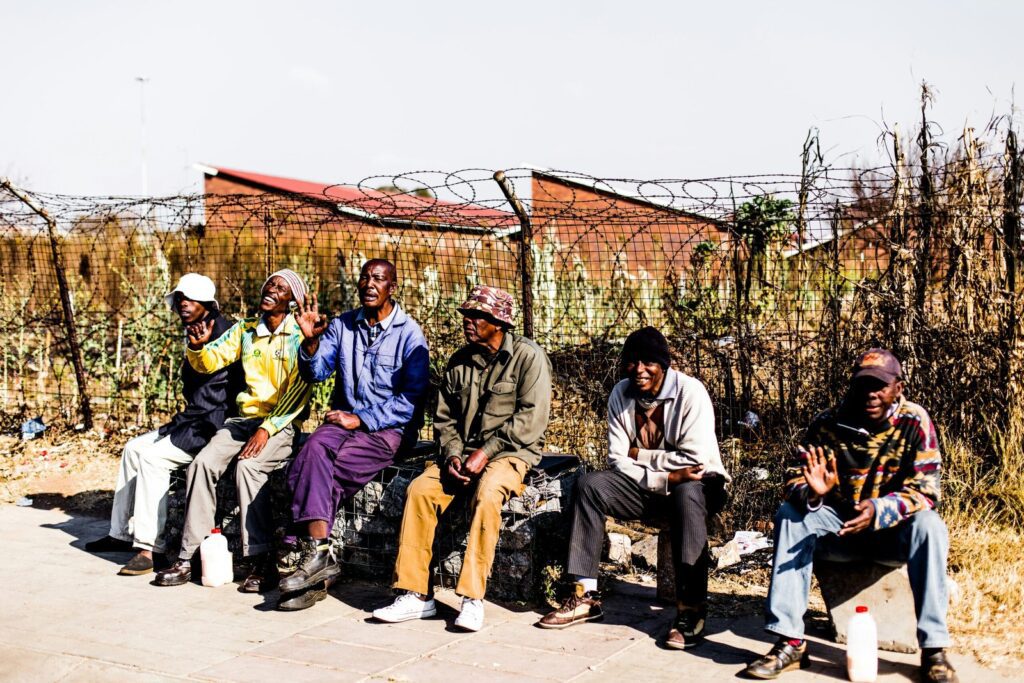
Over three decades into democracy, South Africa finds itself in a moment of deep uncertainty. While the right to vote, speak freely, and live in a constitutionally protected society has been achieved, the social and economic promises of 1994 remain painfully out of reach for millions.
Against this backdrop, the government has launched a new National Dialogue framed as a platform to reset the country’s course. But with youth unemployment at 62.4% and public trust in institutions steadily declining, many are asking: is this a meaningful effort to heal a fractured society, or just another elite driven exercise in political theatre?
South Africa’s socio-economic indicators paint a sobering picture. Unemployment remains stubbornly high at 32.9%, and when including discouraged work seekers, the expanded unemployment rate climbs to 43.1%.
Poverty, too, is pervasive. According to the World Bank, nearly 63% of South Africans live below the upper-middle-income poverty line of $6.85 per day. Meanwhile, inequality remains among the worst globally, with a Gini coefficient of approximately 0.63 in 2023 thus reflecting extreme disparities in wealth and access. Load shedding, crime, gender-based violence, and dysfunctional service delivery continue to plague communities.
Announced by President Cyril Ramaphosa on 10 June 2025, the National Dialogue aims to bring South Africans together across race, class, and geography to discuss the country’s future and rebuild a sense of shared purpose. It draws inspiration from the Truth and Reconciliation Commission (TRC) in the mid 1990s and is being led by an Eminent Persons Group, including figures like former judge Edwin Cameron, peace activist Ela Gandhi, and Rugby captain Siya Kolisi. The dialogue is expected to unfold in phases, beginning with a national convention in August and continuing into 2026. Its stated focus areas include poverty reduction, youth development, crime prevention, and restoring institutional trust.

Comments
Be the first to share your thoughts!
We value diverse perspectives and respectful debate.