

A religious blasphemy case involving a local musician in Kano state, Nigeria, who was sentenced to death by a sharia court, has raised concerns about the sharia law and its infringement on fundamental human rights such as freedom of expression.
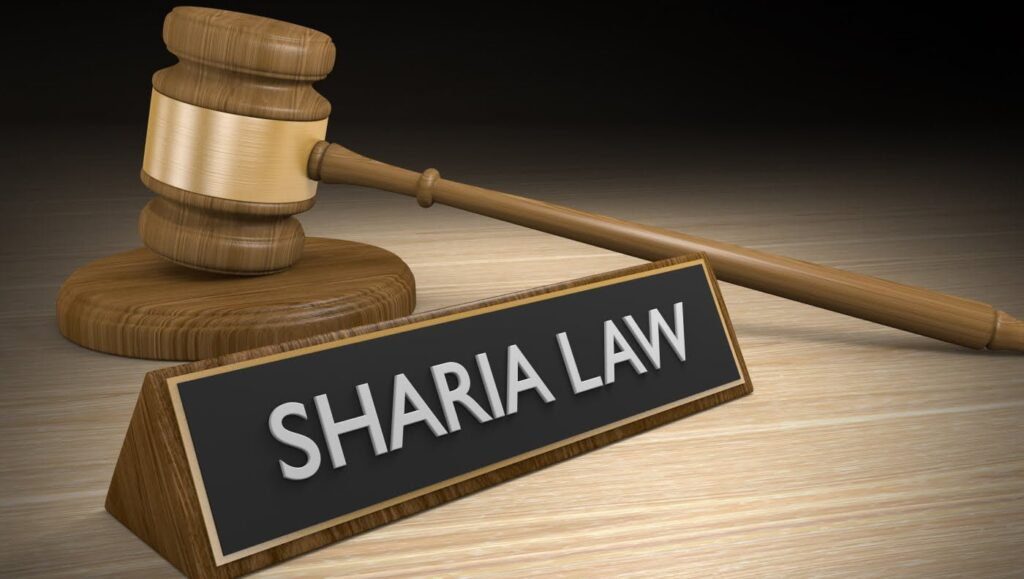
The genesis of the case can be traced back to 2020, when Yusuf Sharif Aminu, a local musician based in Kano, was arrested for allegedly sharing song lyrics that were blasphemous against the Prophet Muhammad.
Yusuf’s lyrics generated fury among a certain group of protesters in Kano state who took matters into their hands and set his family’s house ablaze.
The musician was later said to have been arrested and taken into custody by the religious police force in Kano, Hisbah.
In August of 2020, Yusuf was tried by an upper Sharia court in the Hausawa Filin Hockey area of Kano and was sentenced to death by hanging.
The following year, in 2021, Yusuf appealed to the Court of Appeal in Kano after the initial conviction in 2020 was overturned because he had not been granted legal representation during the proceedings.
The court, however, rejected his appeal for release, stating that the Sharia court was not unconstitutional and ordered a retrial of the case by a different Sharia court.
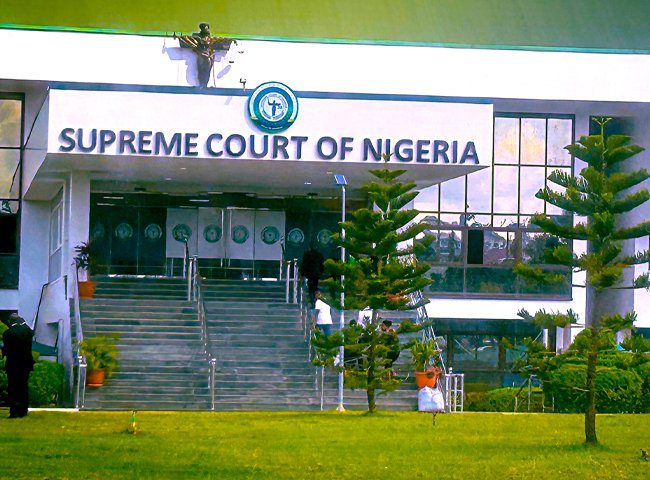
In the most recent development, Yusuf and his lawyers have taken their case to the Supreme Court to request permission to appeal the retrial, which has been approved by the court. Kola Alapinni, the lawyer representing Yusuf, stated, “The court has graciously granted our request and ordered an accelerated hearing. We will file the appeal next week.”

Comments
Be the first to share your thoughts!
We value diverse perspectives and respectful debate.